
1

Isfahan University of Medical Sciences
IranMUI at a Glance
A UNIQUE UNIVERSITY
Medical University of Isfahan (MUI) is unique among institutions of higher education in Iran and the Middle East. From its founding in 1946, MUI was designed to meet the educational needs of students, and it has grown to one of the largest public universities not only in the country but also in the world, serving students for education goals.

MUI is in adjacency to the University of Isfahan in the southwestern corner of the City of Isfahan. It lies on the heights of Mount Soffeh foothills. Hence, the University enjoys a panoramic view of the city. The Faculty Buildings are situated among the spectacularly landscaped green areas of the university campus. Today, the university campus is located on Hezar-jerib Avenue in southern Isfahan. MUI is served by high-tech public transportation with excellent bus services to various parts of the city and the subway line runs by the university with two stations serving the campus.

Medical University of Isfahan provides undergraduate, graduate and postgraduate programs in 10 faculties and 75 departments. The student body consists of about 10,000 pupils from all over the globe. MUI is a State University which is funded by the government via the ministry of Health and Medical Education.
- Total students: 10000
- Contacts: 0098(31) 3792 3071
- Website:https://english.mui.ac.ir
2

The University of Kordestan
IranSanandaj is a city in the western part of Iran and the capital of Kurdistan province the total area of which is about 30 thousand square kilometers. Among the educational centers of Kurdistan province, the University of Kurdistan, whose central campus is located in Sanandaj city and several of its subsidiary centers are in other cities of the province, is considered the largest and oldest educational center of this province. During its five decades of activity, the University of Kurdistan has played an important role in the development of scientific and research activities in the western region of Iran with a large number of graduates at different levels and is considered one of the main centers of higher education in the region.
The History of the University of Kurdistan
The University of Kurdistan was initially established as the Higher College of Sanandaj, an affiliate of Tarbiat Moallem (Teacher Training) University of Tehran in the academic year 1974 CE. Two years later, this college became one of the campuses of the Razi University of Kermanshah and was renamed “Sanandaj Faculty of Teacher Training”. The activities of this center of higher education continued with the same format for about 15 years. During these years, the number of its departments increased as a result of which many more students could be admitted. Finally, in 1990 CE, when the pedagogical activities of this campus covered ‘Humanities’, ‘Basic Sciences, ‘Agriculture’, and ‘Technology’, Iran’s Ministry of Higher Education approved the establishment of the “University of Kurdistan”.
This university has proved to be a comprehensive educational, research-oriented, and entrepreneurial university that tries to play a role as an efficient social institution at the national and international levels.
Faculties
The University of Kurdistan has the following 8 faculties:
- Faculty of Language and Literature
- Faculty of Basic Science
- Faculty of Art and Architecture
- Faculty of Agriculture
- Faculty of Engineering
- Faculty of Humanities and Social Sciences
- Faculty of Natural Resources
- Faculty of Industry and Mining
Of these faculties, the Faculty of Engineering and Basic Sciences is located in the city of Bijar, and the Faculty of Industry and Mining is located in the city of Qorveh. The other seven faculties are located on the main campus of the university in Sanandaj City.
The number of faculty members of this university stands at more than 350, of which 154 are associate professors and professors. Since the establishment of the Kurdistan University, about 900 research projects have taken place and nearly 10,000 research articles have been written and published in various journals.
Research Institutes
The research institutes of the University of Kurdistan include: “Improvement and Development of Medicinal Plants”, “Strawberry Breeding and Cultivation”, “Water Science and Engineering”, “Smart/Micro Grids Research Center”, “Nanotechnology Research Institute” and “Northern Zagros Forestry Development Research Centers” and two research groups on “Family Pathology and Education” and “Dispersed Energy Production”.
The University also has a center called “APA” which is in charge of handling computer and network security system incidents. The High Performance Computing Center of this university facilitates conducting research projects that require complex and time-consuming calculations. The University of Kurdistan is also known as the Scientific Pole of Urban Regeneration and Beautification.
The International Status Activities of the University of Kurdistan
According to the reports made by the Shanghai Ranking Institute in 2023, the University of Kurdistan ranked 301 to 400 among the top 1000 universities of the world in the main field of natural sciences and geology and was introduced as one of the top universities of Iran. This university is recognized as one of the top universities in Iran in the field of biological sciences and agricultural sciences, with a global ranking of 401 to 500.
The scientific position of the University of Kurdistan has also raised its rank in other global evaluations such that according to the Times Higher Education World University Rankings, this university ranked 601 to 800 in the world and held the title of the 16th best university in Iran in the year 2023.
Among the 12 thousand students of the University of Kurdistan, more than 700 are non-Iranian students. By making an international call, this university, every year, invites those interested in studying at this university to send their documents. The university also provides its foreign students with appropriate consulate and educational facilities.
The cultural proximity of the University of Kurdistan with the Kurdistan Region of Iraq has brought close relations and scientific cooperation between the scientific and educational centers of Iran and Iraq such that a center called “National Authority for Cooperation with Iraqi Kurdistan” has been formed in this university.
- World University Rankin: University of Kurdistan
- Type: Governmental
- Contacts: 078-33664600
- Website:https://uok.ac.ir/en/
3
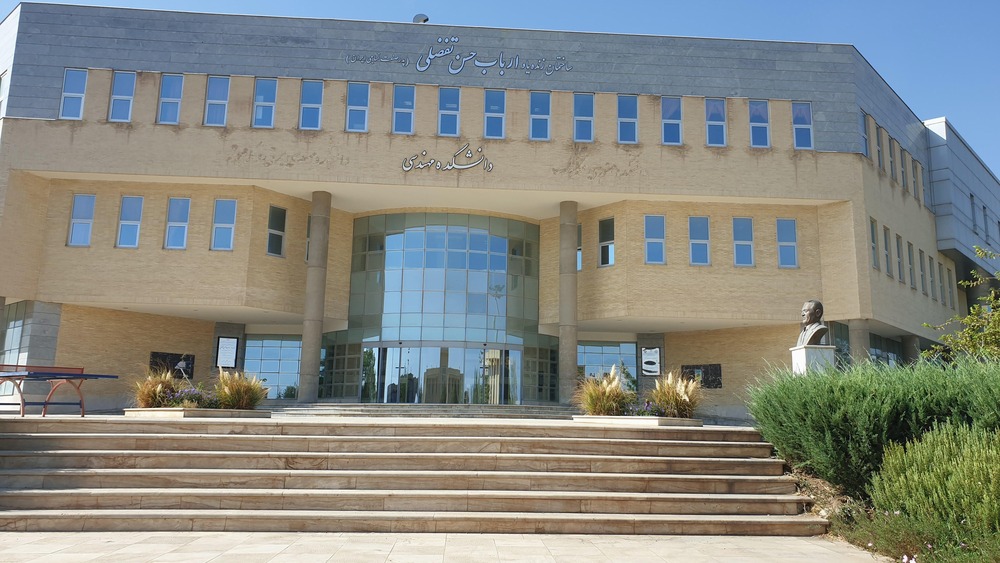
University of Kashan
IranKashan is a rather big city in the north of Isfahan Province of Iran. Several centers of higher education operate in this city, the most important of which is the University of Kashan. As a vocational institute of higher education, this university ranks among the top universities in Iran.
The Historical Background of the University of Kashan
The establishment of the University of Kashan was authorized in the year 1973 CE. However, since no suitable place was available to accommodate this institute of higher education, the founder of the University, “Mahmoud Eslami”, rented an old building that was previously the residence of the governors of the region, and started its activities under the name of “Kashan College of Sciences” in September 1974, and giving admission to 200 students in mathematics and physics.
Being ambitious and farsighted, Eslami intended to build the main building of the university in the Fin region of Kashan, which is one of the old and pleasant areas of this city. He also believed that the university even needed an airport of its own to facilitate the commutation of foreign students and researchers to the university.
Even though the location of this institute changed a couple of times, for quite some time students were only admitted and educated in the same two fields only. After the victory of the Islamic Revolution in 1979, this center, which was earlier affiliated with the University of Isfahan, came to be affiliated with Tarbiat Moalem (Teacher’s Training) University of Tehran and it was decided that only teacher’s training courses would be imparted in it.
However, not contented with this decision, the concerned authorities of the time continued their efforts to make it independent, and eventually, this center came to be recognized as the “Teacher’s Training University of Kashan”. Following this development, the two faculties of engineering and arts as well as several research centers were gradually established in this university, paving the path for the formation of a full-fledged university in the year 1994 and accelerating the process of the expansion of physical spaces, educational facilities, and increase in the number of courses and students.
The Education and Research Space of the University of Kashan
Presently, the central campus of the University of Kashan, with an area of 530 hectares, is located near the city of Ravand. This university also has a “Science and Technology Park”, a “Natural Essences Research Institute” (in Qomsar city), an Observatory (at the heights of Niyasar city), a Growth Center, a Carpet Research Center, and several administrative and welfare centers facilitating its activities.
Faculties
The faculties of the University of Kashan include:
Social Sciences
Engineering
Architecture and Arts
Chemistry
Mathematics
Natural Resources and Earth Sciences
Physics
Literature and Foreign Languages
Mechanical Engineering
Electrical and Computer Engineering
Currently, the number of faculty members of the University of Kashan stands at 306, and about 8500 students undergo higher education and training in more than 200 fields of study in the three levels of graduation, post-graduation, and doctorate.
The International Status Activities of the University of Kurdistan
Having suitable facilities and space, the University of Kashan is one the top universities in Iran such that in many evaluations that are conducted annually this University usually stands among the top 10 universities in the country.
As regards world ranking, too, the University of Kashan ranks relatively well. In the Shanghai ranking system published in 2023, this university was ranked among the top universities in Iran with a rank of 201 to 300 in the field of mechanical engineering and 301 to 400 in the field of chemical engineering. Also, in the general ranking presented in this way, this university ranked 13th among Iranian universities.
Similarly, in the ISC ranking published in 2021 in the field of engineering and technology, this university was ranked 301 to 350, among the top universities in Iran.
During the years of its activities, the University of Kashan has signed memorandums of understanding with prestigious universities and scientific centers in several countries such as Italy, the Czech Republic, Denmark, and China. Every year, this university publishes a call for admission to attract foreign students interested in studying in Iran. According to the university officials, while the number of applications received is quite substantial, due to the limited facilities, it is only possible to admit 250 foreign students every year. Meanwhile, preparations are being made to strengthen these facilities, so that more foreign students can be admitted every year.
- Type: Governmental
- Total students: 8500
- Contacts: ۰۳۱۵۵۹۱۹
- Website:https://kashanu.ac.ir/en
4

Sharif University of Technology
IranSharif University of Technology was established in 1965 with the aim of educating and training specialized forces to cater to the technological requirements of Iran. Having continuously improved during the decades of its activities, this university is now recognized as one of the best scientific institutions in West Asia in the field of basic sciences and modern and applied technologies. The scientific and dynamic environment of the university has made it one of the first choices of those who pass the university entrance exams in Iran with top rankings.
So far more than 46 thousand people have graduated in different fields from this university many of whom are among the top university teachers of Iran in their respective fields. Some of the graduates of this university pursued their studies in the prestigious universities of the world, and perhaps the most famous of them is Maryam Mirzakhani, who is the first and only Iranian lady who has ever won the prestigious Fields Medal in mathematics. A number of Iranian politicians and athletes are also among the graduates of this university.
Faculties
The central campus of the Sharif University of Technology has 15 faculties and five educational centers in which courses and training related to engineering and basic sciences are imparted. The various faculties of this university are classified into three categories of basic sciences, engineering, and non-engineering, and include:
1. Chemistry,
2. Mathematical science,
3. Physics,
4. Management and economy,
5. Energy engineering,
6. Electrical engineering,
7. Chemical and petroleum engineering,
8. Industrial engineering,
9. Civil engineering,
10. Computer engineering,
11. Mechanical engineering,
12. Material science and engineering,
13. Aerospace engineering,
14. Philosophy of science,
15. Languages and Linguistics.
The faculties of electrical engineering, chemical and petroleum engineering, material science and engineering, and mechanical engineering are the oldest faculties of the Sharif University of Technology. There are also several educational centers in this university that include:
1. Nano Science and Technology Research Institute,
2. Physical education,
3. Educational workshops,
4. Graphics,
5. Islamic sciences.
Equipped with the latest paraphernalia, the laboratory service center or the “central laboratory” of the Sharif University of Technology provides advanced laboratory services to students and teachers of this university.
The library of this university also started its activities with a central and 10 subsidiary and specialized libraries at the same time as the establishment of the university. The central library of the Sharif University of Technology is located in a five-story building and its 10 subsidiary libraries are located in different faculties.
The campuses of the Sharif University of Technology
The main campus of the Sharif University of Technology is located in Tehran over an area of 20 hectares. The university also has two other campuses:
1- Kish International Campus: This campus began its activities in collaboration with Kish University, which is affiliated with Kish Free Zone Organization. This campus admits students in technical and engineering fields at all three levels of graduation, post-graduation, and doctorate.
2- Self-Governing Campus: This campus began to admit students in 2012 by examining the academic records and scores obtained in the entrance exams of Iranian universities. In the first two years of the activities of this campus, students were accepted in five fields of information technology engineering, civil engineering, mechanical engineering, petroleum engineering, and mechatronic engineering. However, from 2019 onwards it began to operate under the title of “Self-Governing Campus of Tehran” admitting students in computer engineering, civil engineering, mechanical engineering, and petroleum engineering. Presently, apart from these four fields, this campus also admits students in such fields as chemical engineering, aerospace engineering, materials science and engineering, chemical and petroleum engineering, computer science, mathematics and applications, physics, applied chemistry and pure chemistry, and industrial engineering.
Foreign students at the Sharif University of Technology
The Department of “International Students” of the Sharif University of Technology examines the applications of foreign students who wish to get admission to this university at different levels. Presently, the Kish International Campus is known as a base for the international units of world universities, and more than 30 foreign students from Canada, Austria, UAE, India, etc. are studying there.
- World University Rankin: 381
- Type: Governmental
- Total students: 46000
- Foreign students: 30
- Contacts: 021-66164051
- Website:https://www.sharif.edu/
5

University of Tehran
IranAlthough the history of higher education in Iran dates back to 17 centuries ago when Jundishapur University was established as a scientific center for imparting and teaching advanced sciences of the world, the first modern center of higher education, i.e. “Darolfonoon”, was established in the year 1851 CE. This center educated and trained many experts in the fields of engineering and military services and became a precursor to the establishment of the University of Tehran.
The History of the University of Tehran
The proposal to establish the University of Tehran was presented by Dr. Mahmoud Hesabi, an Iranian physicist and politician, in the year 1928. Dr. Hesabi was a PH.D. graduate from Sorbonne University and had received the Legion of Honour. He is known as the father of modern Iranian physics. In 1934 the Iranian National Assembly approved of the establishment of the University of Tehran.
The first buildings of the University of Tehran were designed by French engineers, and the establishment of this university was modeled like France’s centers of higher education. However, since the late 1940s, the way of management and presentation of courses came to be oriented like that of the American universities and some universities like Utah State University, University of Southern California, University of Virginia, Johns Hopkins University, University of Alabama and several other American universities cooperated with the University of Tehran.
During its lifetime, the University of Tehran has undergone many changes, and perhaps the most important of which has been the separation of the faculty of medical sciences that was transformed into the Tehran University of Medical Sciences in 1985.
Faculties and Campuses of the University of Tehran
As the largest center of higher education in Iran, the University of Tehran presently consists of several colleges and campuses. The term college refers to a group of faculties of the same disciplines in different parts of Iran and is different from a campus, which accommodates different faculties in one location. The colleges of the University of Tehran include:
1. Technical College comprising 11 faculties
2. College of Science comprising six faculties
3. Farabi College comprising four faculties
4. College of Fine Arts consisting of five faculties
5. College of Agriculture and Natural Resources comprising four faculties and the International Desert Research Center
In addition, 16 faculties also function independently. The Institute of Biochemistry and Biophysics and the Institute of Geophysics are two institutes affiliated with the University of Tehran.
Besides its central campus, the following five regional campuses are affiliated with this university:
Alborz Campus: The establishment of this campus dates back to 2011 with the view to attract foreign students interested in studying in Iran. Since 2015, the students of this campus attend their classes together with daytime students of the University of Tehran.
Kish International Campus: This educational unit started its activities in 2007 and one of its objectives has been attracting foreign students. Currently, more than 2,000 students are studying on this campus at different levels and so far about 3,000 have graduated from it.
Persian Gulf International Campus (Qeshm): A relatively new campus, which was established in 2022 and began its activities with a memorandum of understanding signed between the University of Tehran and Qeshm Free Zone. This campus admits students in three levels of graduation, post-graduation, and doctorate.
Aras International Campus (Jolfa): This campus began its activities by admitting students in four master’s courses in the year 2009. Currently, the students of this campus are doing their master’s and doctorate studies in 40 and 50 different courses respectively.
Caspian International Campus (Rezvanshahr): This campus was inaugurated in 2022 and is supposed to play a role in establishing scientific relations with the countries of Central Asia.
Admitting Foreign Students
In addition to the international campuses of the University of Tehran that accept foreign students, this university upgraded the necessary infrastructure for admitting non-Iranian students. Foreign students who are interested in studying at this university can submit their documents online in the system that has been specially set up for this purpose and also consult with educational experts and concerned professors.
The process of granting admission to foreign students at the University of Tehran and its campuses involves the evaluation of their pre-university mark sheets.
- World University Rankin: 308
- Type: Governmental
- Total students: 53488
- Contacts: 021-61111
- Website:https://ut.ac.ir/fa
6

Shahid Beheshti University
IranEven though the Shahid Beheshti University of Iran was officially inaugurated in 1959, the idea of establishing a university that could impart authentic academic courses dates back to much earlier when the absence of such a structure in the higher education system of the country could be felt. Eventually, after Ali Sheikholeslam, a law graduate of New York University, was commissioned to establish such a university, the dream of the establishment of a comprehensive university became a reality.
Today’s Shahid Beheshti University was originally established as the “National University” in order to prevent the migration of Iranian students to pursue their higher education in other countries by providing the most up-to-date educational systems at various university levels.
Changes in the Name and Structure of the University
At the time of the establishment of this university, the word “national” was used for institutions that depended on the tuition fees paid by the students to function and did not use government funds. Therefore, in the first years of the university’s activities, only students from the affluent classes of society were able to get admission. However, in 1974, education at this university became free and as a result, all sections of society were eligible to get admitted to it. In 1979, a few months after the victory of the Islamic Revolution, the National University was officially declared a public university, and in 1983 it was renamed after “Martyr Beheshti”, an Iranian scholar, orator, and politician who was martyred in a terrorist attack after the victory of the Islamic Revolution.
The last important change that occurred in the structure of the Shahid Beheshti University was that its medical and paramedical faculties were detached from it and transformed into an independent university named “Shahid Beheshti University of Medical Sciences”.
Faculties and Scientific Centers
The first batch of students of the “National University” were given admission in the fields of banking, financial and economic sciences, and architecture. Thereafter and by 1966, the faculties of Medicine, Foreign Language, Science, Dentistry, and Law were formed making it a comprehensive university. Presently, the number of faculties at Shahid Beheshti University stands at 19 (in four categories of engineering, humanities, social sciences, and natural sciences).
In addition, the following 20 specialized research institutes and centers are also affiliated with this university:
1. Laser and Plasma Research Institute
2. Medicinal Plants and Drugs Research Institute
3. Environmental Sciences Research Institute
4. Institute for Cognitive and Brain Sciences
5. Electrical Networks Research Institute
6. Cyberspace Research Institute
7. Institute of Medical Science and Technology
8. Family Research Institute
9. Institute for Science and Technology Studies
10. Interdisciplinary Quranic Studies Research Institute
11. Center for GIS Studies
12. Center for Regional/Spatial Researches
13. Gemology Center
14. Center for Oil and Gas Exploration
15. UNESCO Chair for Human Rights, Peace and Democracy
16. Protein Research Center
17. Iranian Research Center for Silk Road
18. Waqf Research Center
19. Center for Economic and Political Studies
20. Unconventional Water Resources Center
Presently, the number of faculty members of this university stands at 900 and with about 20 thousand students the Shahid Beheshti is one of the largest universities in Iran.
Campuses of the Shahid Beheshti University
Apart from the central campus, Shahid Beheshti University admits students in three other campuses:
Zirab Campus: The process of building this campus in the scientific research park of Shahid Beheshti University in the forest lands of the Zirab city of Mazandaran province started in 2000 and ended in 2002. With an area of nearly 9 thousand square meters, this campus teaches and imparts training to its students in such fields as rural development, pulp and paper industries, cellulose industries, and lignocellulosic composites.
Abbaspour School of Engineering: The history of this school dates back to 1970 when it began its activities in the northeast of Tehran province as a specialized electrical training center. However, after the victory of the Islamic Revolution in 1979, various technical fields were added to it at associate and bachelor levels. Presently, this campus operates as the best center in Iran in providing applied scientific training in water and electricity, energy, and petrochemical industries.
- Type: Governmental
- Contacts: 021-29901
- Website:https://www.sbu.ac.ir/
7

Babol Noshirvani University of Technology
IranScientific activities and quality of education imparted are considered to be the most important factors with regard to centers of higher education; the two features that are well combined in the Babol Noshirvani University of Technology making it one the top universities in Iran in technical and engineering fields including mechanical engineering and science and energy engineering. This university is the only technical university in the northern region of Iran.
The History of the Babol Noshirvani University of Technology
The history of the establishment of the Babol Noshirvani University of Technology dates back to 1969 CE when a person named “Seyyed Hossein Fallah Noshirvani” donated 11 thousand sq. meters of land to build an educational institution and in his honor, the institution was named “Noshirvani”.
Four years later, the Technical Teacher’s Training School officially started admitting students. In the first academic year of its activities, this school admitted students in three fields of architecture, electrical, and mechanics. In the following years, the activities of this center gradually expanded and after admitting students in the fields of chemical, civil, electrical, and mechanical engineering, it was transformed into the “Noshirvani Technical and Engineering College” in 1992.
Eventually, this college acquired the status of a university in 2008 and the Babol Noshirvani University of Technology was established with five faculties of “Chemical Engineering”, “Electrical and Computer Engineering”, “Civil Engineering”, “Mechanics” and “Materials and Industrial Engineering”. In the same year, the Department of Basic Science was also formed in the university, which was later on granted the status of a faculty, increasing the number of faculties of this university to six. A group of “Islamic Studies” has been active in this university since a few years ago. The university admits students at three levels of under-graduation, post-graduation, and doctorate.
Research activities of the Babol Noshirvani University of Technology
Currently, Babol Noshirvani University of Technology is being transformed from a teaching-oriented university to a research-oriented university and is acquiring the characteristics required to become an entrepreneurial university.
The activities of several research institutes and research groups at Babol Noshirvani University of Technology are considered to be complementary to its educational activities. The research institutes of “Nano Technology”, “New and Renewable Energies” and “Advanced Material Forming”, along with the two research groups of “Intelligent Systems Research Group” and “High Voltage Substation Research Group” form the research components of this university. Due to the advances it has made in the field of water nanotechnology, Babol Noshirvani University of Technology is known as the pole of this science in the country. The university also publishes an international scientific journal titled “Journal of Water and Environmental Nanotechnology”.
The three centers of “Growth”, “Technology Growth”, and “Entrepreneurship and Interaction with Industry” of the university engage in supporting and commercializing students’ innovative ideas, promoting interaction between different industries of the region and researchers. and supporting knowledge-based small and medium businesses. These three centers help the graduates of different fields enter the job market.
International Ranking and Activities of Babol Noshirvani University of Technology
Babol Noshirvani University of Technology has achieved impressive ranks in the Shanghai Ranking in 2023. With a rank of 76 to 100 in the field of mechanical engineering and 151 to 200 in science and energy engineering, this university has been declared as the best university in Iran. The name of this university can also be seen among the top universities in Iran in the field of chemical engineering by being ranked 401 to 500. In the overall evaluation of Iranian universities, this university is ranked 351 to 400, and in the Shanghai ranking system, it has been introduced as one of the best universities in Iran in 2023.
The scientific and research activities of this university have enabled it to secure an acceptable position in other ranking systems as well. Obtaining the ranking of 237 in the field of “Engineering and Technology” in the ISC ranking system published in 2021, has made the Babol Noshirvani University of Technology to be recognized as the fourth Iranian university in this field.
Due to its achievements in different areas, the Babol Noshirvani University of Technology has been able to attract the attention of quite a number of foreign students such that about 250 of the 6,000 students of this university are non-Iranians. According to the officials of this university, the existing infrastructure for the university has to capacity to admit more non-Iranian students.
- Type: Governmental
- Foreign students: 250
- Contacts: ۰۱۱۳۲۳۳۲۰۷۱
- Website:https://nit.ac.ir/en
8
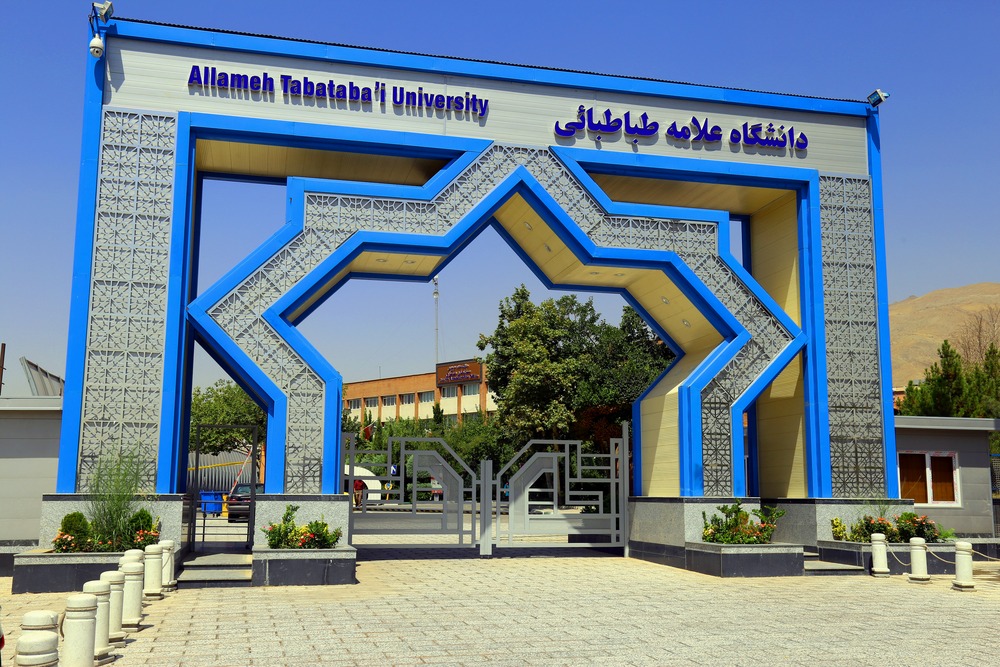
Allameh Tabatab'i University
IranBy the year 1979, the year of the victory of the Islamic Revolution of Iran, several centers of higher education with such titles as ‘university’, college’, ‘research institute’, ‘school of higher education’, ‘institute’, ‘center’ and ‘organization’ had been established in the field of humanities. These centers, which had been gradually established since 1958, were then transformed into two academic complexes of “Literature and Human Sciences” and “Administrative and Commercial Sciences”. Five years later, i.e. in 1984, these two centers were merged to establish the “Allameh Tabataba’i University”.
Establishment of the Allameh Tabataba’i University, the turning point in the History of Higher Education of the Country
Before the establishment of Allameh Tabataba’i University, there were several specialized universities in the field of engineering and technical sciences in Iran, but this university proved to be a turning point in the history of Iran’s higher education system, in the sense that other academic courses also came to the focus of attention.
Allameh Mohammad Hossein Tabataba’i, after whom this university was named, was an Iranian scholar of philosophy and Qur’anic sciences who passed away only three years before the establishment of this university and was, in a way, to be considered a role model for the students who studied in this university. Presently, Allameh Tabataba’i University is the largest specialized Iranian university in the field of human sciences.
The Structure of Allameh Tabataba’i University
The structure of this university comprises 10 faculties, an institute of higher education, a campus of post-graduation, a growth center, and 9 research institutes and centers. The buildings of Allameh Tabataba’i University are in Tehran, but they are not located in one place. The central campus of the university is located in the north of Tehran, in an area referred to as the ‘Olympic Village’.
Currently, more than 15,000 students pursue their higher education at this university in 226 fields and educational orientations at bachelor, master, and doctorate levels and so far more than 77,000 people have graduated from this university.
ECO College of Insurance
Tehran College of Insurance was established in 1969 by keeping in view the increasing importance of this industry in the world. This college was established as a non-profit institution and began admitting students at the bachelor’s level in the field of insurance management. Right from the beginning, this institute imparted its training in two Persian and English sections, and its English section worked closely with the Regional Cooperation for Development (RCD). University of Karachi of Pakistan, Istanbul University, Chartered Insurance Institutes of London, and New York College of Insurance were among the institutions that interacted with the Tehran College of Insurance.
In 1985 and following certain changes in the structure of the RCD and the creation of the Economic Cooperation Organization (ECO), the importance of having a center of higher education that focused on insurance was noticed. Thus, in 1990, the Tehran College of Insurance was renamed ‘ECO College of Insurance’ and became affiliated with the Allameh Tabataba’i University. The ECO College of Insurance has been admitting students since September 1991.
Autonomous Postgraduate Campus of Allameh Tabataba’i University
In the year 1991, a center called “Center for Specialized Education” was established at Allameh Tabataba’i University. In 2012, this center was renamed “Campus of Post-Graduation” and currently has 12 educational groups, at the master’s and doctoral levels with about two thousand students.
Center for Teaching Persian to non-Persian Speaking People
The position of Allameh Tabataba’i University among the universities of Iran and the presence of foreign students in it led to the establishment of a center entitled “Center for Teaching Persian to non-Persian Speaking People”. Since its establishment in 2017, this center has provided training to students from different countries. Farsi learners in this center can receive a part of their training in person and another part in cyberspace. Providing Persian language education in line with its use in literary works, journalism, business, and tourism is one of the advantages of this center.
.- Type: Governmental
- Total students: 13541
- Contacts: 021-48390000
- Website:https://atu.ac.ir/fa
9

Iran University of Science and Technology
IranIran University of Science and Technology was the first specialized university established in this field and is currently considered one of the most prominent universities in the country.
History
In the years after World War I, a German school was functioning in Tehran. This school used German university teachers and received an annual grant from the government of Iran. The German Industrial School officially started its work in 1924 and it taught such techniques as carpentry and blacksmithing. Gradually, other courses such as mechanical engineering and higher mathematics were added to the courses taught in this school.
In 1929, the name of the German Industrial School was changed to “Advanced Art College”. By 1957, the management of this institution was transferred between several government institutions. In this year, the Advanced Art College was transferred to the place where the Amirkabir University of Technology is located today, and was named “Tehran Institute of Technology”. Five years later, certain changes occurred again in this educational center, and its location was moved to the northeast of Tehran. It was then decided that the institute would train qualified teachers for technical schools. In 1972 the institute was renamed “College of Science and Technology” and finally, due to the expansion of its activities received the status of a university in 1978.
Iran University of Science and Technology Today
Presently, Iran University of Science and Technology has more than 20 thousand students, 15 faculties, three educational groups, and three affiliated campuses.
The only faculty of railway engineering in the Middle East, the first faculty of automobile engineering in Iran, the first center of Iranian neurotechnology, and Iran’s only institute of composite have been established at this university. Iran University of Science and Technology publishes several international specialized and research-oriented journals and magazines in technical and engineering fields, which are:
- International Journal of Industrial Engineering & Production Research
- International Journal of Optimization in Civil Engineering
- Iranian Journal of Materials Science and Engineering
- Journal of Science and Technology of Composites
- Journal of Civil Engineering
- Iranian Journal of Electrical and Electronic Engineering
- Journal of Architectural and Urban Engineering
- Journal of Railway Research
- Journal of Mechanical Engineering
- Journal of Optimization in Civil Engineering
This university has extensive interactions with various universities in the world, such as the Technical University of Berlin, the Polytechnic University of Milan, Deakin University of Australia, Kagoshima University of Japan, and the University of Turin in Italy. The membership of this university in the International Association of Universities, the Union of Universities of the Islamic World, and the Association of Asia and Pacific Universities has strengthened the possibility of its international interactions.
Campus No. 2 of the Iran University of Science and Technology was established at the beginning of 2013 with the aim of expanding its activities. In July 2020, too, this university founded a campus on Kish Island the main aim of which is the pursuit of knowledge-based entrepreneurship.
World Ranking of the Iran University of Science and Technology
According to the Shanghai Rankings in 2023, the Iran University of Science and Technology is one of the top universities in Iran with a rank of 201 to 300 in the field of mechanical engineering. Also, this university is recognized as one of the top universities in Iran in Instrument Technology; ranking 201 to 300.
In the fields of chemical engineering as well as science and energy engineering, this university ranks 301 to 400 and is among the top universities in Iran.
The university ranks 151-200 in metallurgical engineering and 401-500 in management. From this point of view, this university is considered the second-best university in Iran, after the University of Tehran, in the field of management.
According to the QS World University Rankings, the Iran University of Science and Technology ranks fourth in Iran after Sharif University of Technology, Amirkabir University of Technology, and the University of Tehran. Similarly, in the ISC rankings in 2023, this university was ranked 601 to 700 in natural sciences and 401 to 450 in technological engineering; making it one of the top universities in Iran.
- World University Rankin: 201
- Type: Governmental
- Total students: ۱۱۹۵۷
- Contacts: 021-77451500
- Website:http://www.iust.ac.ir/
10
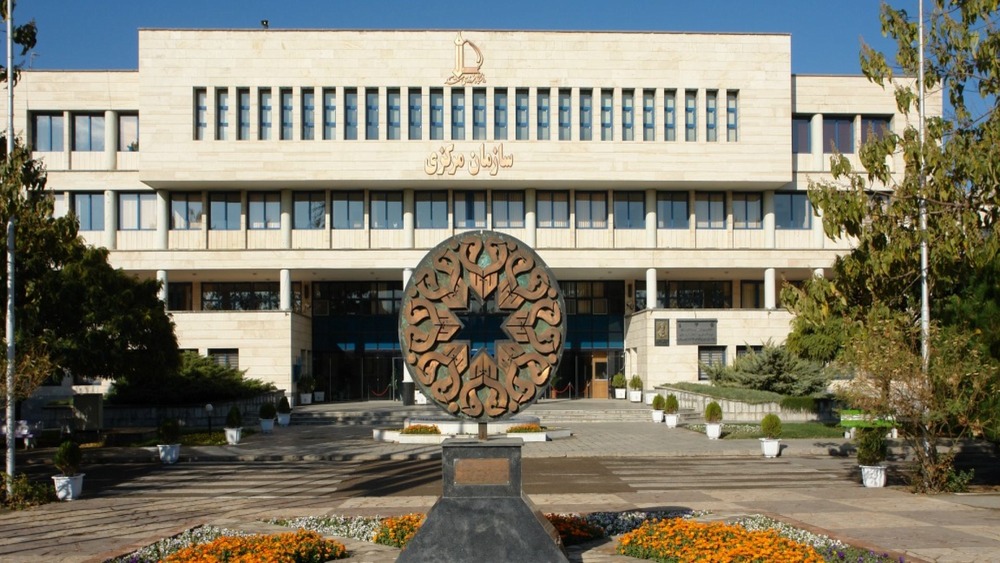
Ferdowsi University of Mashhad
IranMashhad is the second largest and second most populated city in Iran after Tehran. This metropolis, with its rich culture and history, attracts many tourists every year. The location of this city has caused a lot of migrants from the surrounding cities and countries such that Mashhad is one of the most immigrant-friendly cities in Iran. This special situation has resulted in the popularity of the Ferdowsi University of Mashhad, the largest university in this city, among the young people of the neighboring countries.
History
Ferdowsi University of Mashhad is one of the oldest modern universities in Iran. This university, which was established in 1949 has been named after Hakim Abulqasem Ferdowsi, the renowned Iranian poet and epicist of the tenth century CE, as a sign of tribute to this Iranian poet who lived in the eastern part of Iran and saved the Persian language from extinction by composing his Shahnameh, which is considered one of the greatest epic works of human history.
The establishment of the College of Literature in 1955, where students were admitted in five courses, was a turning point in the expansion of the Ferdowsi University of Mashhad. Thereafter, and by 1975 a number of other faculties such as ‘Faculty of Theology, ‘Faculty of Sciences’, ‘Faculty of Dentistry’, ‘Faculty of Pharmaceutical and Nutritional Sciences’, ‘Faculty of Educational Sciences and Psychology’, ‘Faculty of Agriculture’, and ‘Faculty of Engineering’ as well as the Institute of Optometry and a high school were founded in this university.
After the victory of the Islamic Revolution in 1979, the University of Medical Sciences was separated from this university and several other faculties like ‘Faculty of Administrative and Economic Sciences’, ‘Faculty of Veterinary Medicine’, ‘Shirvan College of Agriculture’, ‘Faculty of Sports Sciences’, and ‘Faculty of Mathematical Sciences’ as well as the Research Institute of Plant Sciences, the Earthquake Research Center, etc. were added to the Ferdowsi University of Mashhad.
Ferdowsi University of Mashhad Today
Presently, this university has more than 800 faculty members and more than 25 thousand students pursue their higher education in it. The presence of nearly two thousand foreign students at the Ferdowsi University of Mashhad has uplifted the status of this university internationally. Besides its 13 faculties and one college, the following research centers and institutes are also affiliated with this university:
- Aviation Technology Research Institute
- Cognitive Science Research Center
- Earthquake Research Center (EQRC)
- Environmental Chemistry Research Center
- Groundwater Research Center (GRC)
- Institute of Applied Zoology
- Management Research Center
- Institute for Islamic Studies in Humanities (IISH)
- Research Center for Ore Deposit of Eastern Iran (CODEI)
- Research Center for Social and Cultural Issues of Central Asia
- Research Center for Social Studies
- Research Center for the Economics of East Iran and Neighbor Countries
- Research Center for Plant Sciences
- Research Center for Wavelets Applications in Linear and Nonlinear Systems
- Research Institute of Oil & Gas
- Rural Geography Research Centre
- Sun-Air Research Institute (SARI)
- The Research Institute of Biotechnology (RIB)
- Techno-Economic Road Safety Research Center
- Urban and Regional Research Center of North East of Iran
World Ranking of the Ferdowsi University of Mashhad
Owing to the high level of its educational system and facilities, the Ferdowsi University of Mashhad has been able to achieve top ranking among Iranian universities in different years.
According to the Shanghai Ranking, by securing 151 to 200 ranking in mechanical engineering and 401 to 500 in chemical engineering, the Ferdowsi University of Mashhad was recognized as one of the top universities in Iran in 2023. This university also succeeded in securing a 201 to 300 ranking in the field of science and energy engineering and was ranked among Iran’s top universities, along with such universities as Isfahan University of Technology and Sharif University of Technology.
The name of this university is also seen in the ISC World Universities Ranking in the field of engineering and technology with a rank of 301 to 350. In the national ranking based on the number of papers published in foreign journals, the Ferdowsi University of Mashhad ranks fifth among the Iranian universities.
Ferdowsi University of Mashhad has been one of the 10 most successful universities of Iran in the field of international activities in recent years.
How to Get Admission to the Ferdowsi University of Mashhad?
Foreign students who meet the requirements of Ferdowsi University of Mashhad and are able to pay the tuition fees can get admitted to this university. The university has an office called the “Office of International Students” that handles the affairs of those interested in pursuing their higher education at this university. Besides providing services to non-Iranian students, this office also facilitates opportunities for those Iranian students who intend to pursue their higher education abroad or obtain sabbaticals, through memorandums of understanding with certain foreign universities. The university also has a center for teaching Persian language to non-Persian speaking students.
- World University Rankin: 151
- Type: Governmental
- Total students: 30000
- Contacts: ۰۵۱-۳۸۸۰۲۰۰۰
- Website:https://www.um.ac.ir/
11
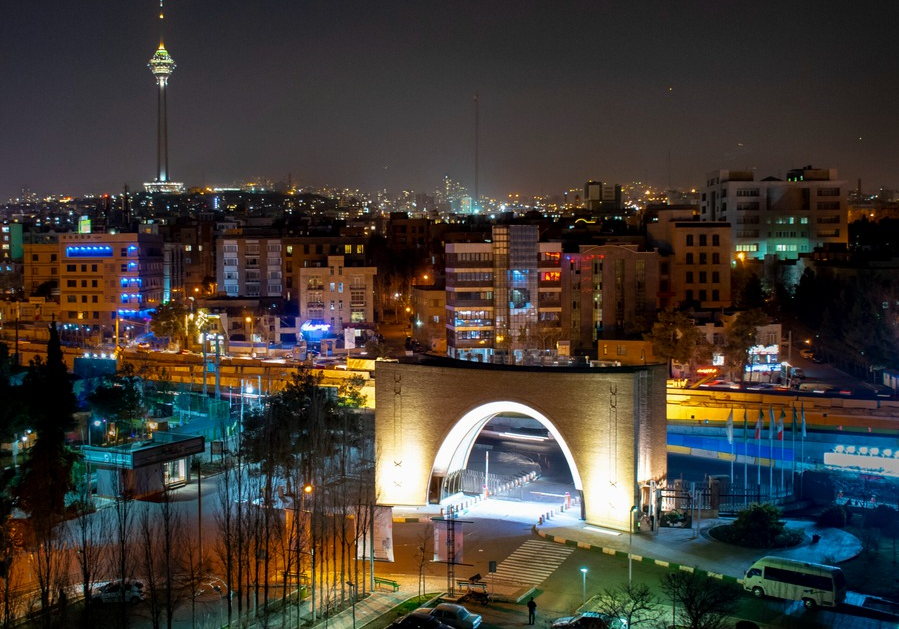
Tarbiat Modares University
IranAs an elite and exclusively postgraduate university, Tarbiat Modares University was established with the primary mission of training faculty members and researchers for universities and centers of higher education in various fields. This postgraduate university the main campus of which is in Tehran, only admits students at post-graduation and doctorate levels.
History
Tarbiat Modares Educational Institute was established in 1981 and began to admit students in 1982. In 1986, the status of this educational institute was upgraded and renamed Tarbiat Modares University.
The Faculty of Management and Economics was one of the first faculties of this center of higher education that engaged in educational and research activities in the fields of management, economics, accounting, and other related subjects in human sciences. Faculties of humanities, civil and environmental engineering, technical engineering, agriculture and basic sciences, along with the faculties of chemistry, medical sciences, technical and engineering, and mechanical engineering, are among the first faculties of this university.
The Present-Day Structure of Tarbiat Modares University
Currently, about 10,000 students pursue their higher education at Tarbiat Modares University, of which nearly 200 are foreign students. So far, more than 32 thousand people have graduated from this university. During its lifetime, students and graduates of this university have written more than 33,000 scholarly papers and registered nearly 4,000 inventions.
Tarbiat Modares University has more than 750 faculty members who teach in 17 faculties. The university has the following 14 research institutes and centers:
1. Economics Research Institute
2. Information Technology Research Institute
3. Water Engineering Research Institute
4. Environmental Engineering Research Institute
5. Chabahar Research Center
6. Persian Language and Literature Research Center
7. Center for Teaching Persian Language to non-Persian speakers
8. Road and Transportation Engineering Research Center
9. Biotechnology Research and Development Center
10. Legal Studies Center
11. Center for Studies on Culture and Religious Thought
12. Center for Management Studies
13. Center for Management Studies and Technology Development
14. National Center for Studies and Planning of Power Networks
The Science and Technology Park of this university was launched in 2003, which started its activities with 18 technology units and, presently, 76 companies are its members. This Science and Technology Park, which has two campuses in the east and west of Tehran, provides the required environment for exchanging experiences among knowledge-based companies. The park operates in six specialized fields of technology, basic sciences, health and medicine, agriculture and natural resources, arts and humanities.
The library of the Tarbiat Modares University is one of the largest and most comprehensive libraries in the country.
The Global Status of Tarbiat Modares University
Tarbiat Modares University is one of the best universities in Iran in terms of scientific level. In the year 2023, this university ranked 301 to 400 in the fields of geology and chemical engineering, 201 to 300 in the fields of mechanical engineering, food science and technology, agricultural science, veterinary science, nursing, science and energy engineering, and civil engineering, and in and 101 to 150 in the field of water resources, and 401 to 500 in the field of biotechnology, respectively in Shanghai Ranking. This university also ranks 44th in the field of mining engineering in the Shanghai Ranking, and is, thus, the first among Iranian universities.
The position of Tarbiat Modares University in the ISC World Universities Ranking also indicates its lofty among Iranian universities in terms of educational quality. This university ranks 501 to 600 in the field of natural sciences, 451 to 500 in the field of engineering and technology, and 601 to 700 in the field of medical and health sciences, respectively, and its ranking of 208 in agricultural sciences makes it third among the Iranian universities.
According to Webometrics Ranking of World Universities published in 2021, Tarbiat Modares University ranked 778th in the world and 6th in Iran. In terms of publication of scientific papers, Tarbiat Modares ranks third among Iranian universities.
- World University Rankin: 44
- Type: Governmental
- Total students: 10000
- Foreign students: 200
- Contacts: 021-82880
- Website:https://modares.ac.ir/
12
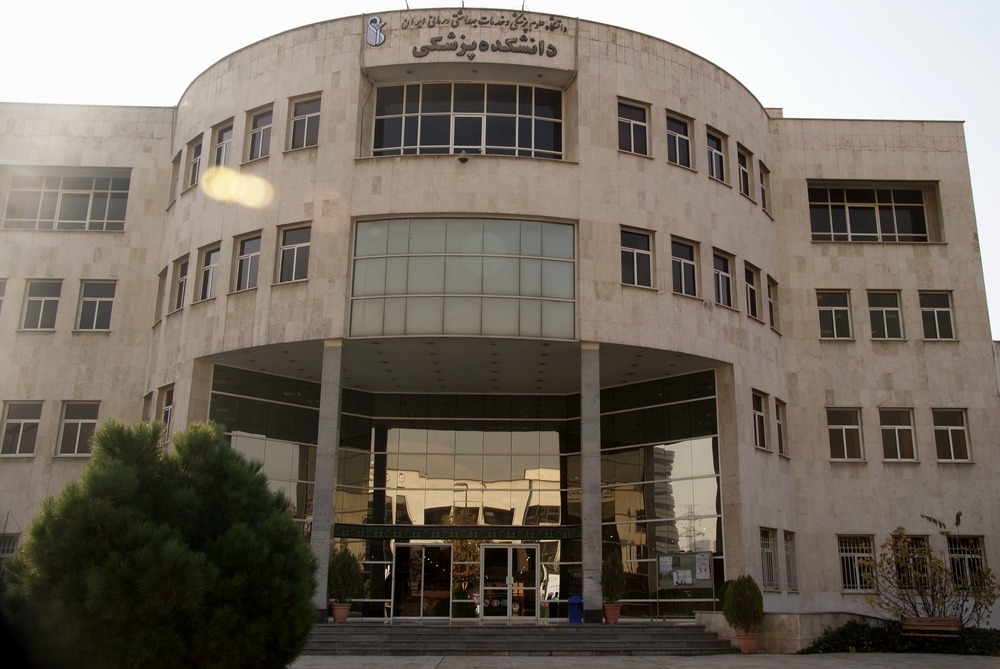
Iran University of Medical Sciences
IranIran University of Medical Sciences is one of the most important universities of its kind in Iran.
History
The license to set up the Iran University of Medical Sciences (IUMS), originally called “Iran Medical Center” was issued by the Council for the Development of Higher Education on August 27, 1975. The schools of Medicine, Nursing, and Allied Medical Sciences were the first schools to start their operations, and the first students were recruited to study medicine at the Iran Medical Center in September 1977. As the first step to establish a comprehensive scientific center in the field of medical sciences, a process of collecting authentic scientific journals and books and shaping the university library was launched and in less than two years, several thousand books and authentic scientific journals formed the initial structure of a library that became one of the most important medical information centers in the region and was referred to as a library and health information center in the Eastern Mediterranean region by World Health Organization.
At that time, Iran Medical Center was considered as one of the leading centers in providing medical services and training in West Asia. After the victory of the Islamic Revolution, several colleges and institutions of higher education were merged into this center and it was officially renamed “Iran University of Medical Sciences” in 1986.
Iran University of Medical Sciences Today
Presently, Iran University of Medical Sciences has over 9400 students and with more than 1100 faculty members the university has greatly raised the level of its educational services. This university has the following 11 faculties:
- School of Persian Medicine
- School of Medicine
- School of Allied Medical Sciences
- School of Nursing and Midwifery
- School of Pharmacy
- School of Public Health
- School of Advanced Technologies in Medicine
- School of Rehabilitation Sciences
- School of Health Management and Information Sciences
- School of Behavioral Sciences and Mental Health
- School of Dentistry
Currently, 17 hospitals and, in total, more than 3300 hospital beds benefit from the services of this university, providing health care services to around 5.5 million city dwellers. There are also 47 research centers as well as the Endocrine and Metabolism Research Institute and the Five Senses Research Institute are affiliated with this university. The university offers higher education in 63 fields at the MD level and in 37 fields at the non-continuous PH.D. level.
Six English and six Farsi journals publish the researches conducted by scientific centers, professors, and students of Iran University of Medical Sciences and other universities of medical sciences in the country.
The International Campus of Iran University of Medical Sciences
With the establishment of an International department at Iran University of Medical Sciences, it has become possible to provide face-to-face and virtual education to non-Iranian students. Presently, the international campus of this university admits students in three fields of dentistry, medicine, and pharmacy.
International Rankings
According to the Times Higher Education World University Rankings 2022, Iran University of Medical Sciences ranks among the top 500-600 universities in the world. The IUMS has also achieved the top rank in “Good Health and Well-being” and placed 6th in terms of “Quality Education”.
With the addition of the newly established School of Dentistry to this university, the ranking of Iran University of Medical Sciences is likely to improve in global and regional rankings. Moreover, having the highest record of producing scholarly articles, in proportion to the number of its faculty members, among all universities of medical sciences in Iran, shows that this university has the capacity for further progress.
In the Shanghai Ranking of World Universities in 2023, Iran University of Medical Sciences ranked 301 to 400 in the fields of public health and clinical medicine.
Similarly, according to the ISC World University Ranking, Iran University of Medical Sciences ranks third in the field of medical and health sciences in the country. In this ranking, Tehran University of Medical Sciences and Shahid Beheshti University of Medical Sciences rank first and second respectively.
- World University Rankin: 301
- Type: Governmental
- Total students: 8500
- Contacts: 021-86701
- Website:https://iums.ac.ir/
13

University of Qom
IranDue to the presence of the shrine of Hazrat Masoumeh, the daughter of the 7th Shiite Imam, the city of Qom has been a teaching center of Islamic sciences since the 9th century CE. The geographical location of this city in the center of Iran and near the capital has added to its importance. As the largest center of higher education of this province, the University of Qom is considered the main center of higher education in the province and holds a special position among the universities of Iran.
History
Located in a complex of 140 hectares, the University of Qom has been engaged in scientific and educational activities for more than four decades. The establishment of this university dates back to 1979 when it was initially established under the title of “School of Law and Judicial Sciences. The Qom Seminary played an important role in the establishment of this academic center. In 1997, with the expansion of the activities of this center, its position was changed to that of a university.
University of Qom Today
Presently, six faculties are active in this university and 300 faculty members teach and train about 10 thousand students in 164 fields in the form of 33 educational groups. University of Qom admits students in all three levels of bachelor’s, master’s, and doctorate.
In terms of comfort and sports facilities, the University of Qom is well-equipped. It has two large dormitories for male and female students, indoor and outdoor halls, and sports areas, making it possible for its students to have fun and exercise in their free time. In different years, students of Qom University have achieved good ranks in athletics, physical fitness, taekwondo, karate, chess, badminton, handball, and futsal in inter-university sports competitions.
Workshop and Laboratory Facilities of the University of Qom
University of Qom has provided suitable educational facilities for its students. Four units of foreign language teaching laboratories, 15 units of physics laboratories, 9 units of chemistry laboratories, seven units of civil engineering laboratories, three units of electrical and electronics laboratories, five units of industrial laboratories and workshops, 15 units of biology laboratories, seven units of mechanical laboratories, and 16 units of computer workshops are considered a part of these facilities. In all, a total of 94 laboratories and workshops are available to students in this university.
Research Centers of the University of Qom
The following research institutes are active in the University of Qom:
- Environmental Research Institute
- Environmental Pollutants Research Department
- Green Environmental Research Institute
- Management and Islamic Law Research Institute
- Research Department of Water Resources Management
- Light Structures research group
- Women’s Research Department
- Dust Impact Reduction Workgroup
A growth center has also been established at the University of Qom, where 84 developed technological units and 11 knowledge-based companies are present. This growth center has two branches in the province. Besides, 45 scientific associations, seven independent student organizations, 18 cultural and artistic centers, and 23 student publications are active in this university.
Foreign Students of the University of Qom
Nearly four thousand foreign students pursue their higher education at the University of Qom. In terms of the number of foreign students, the ‘Faculty of Law’ ranks first with more than 1,500 students. The faculties of Literature and Humanities, Technical and Engineering, Theology and Islamic Studies, and Management and Basic Sciences rank next in terms of admitting foreign students.
Most of the non-Iranian students of the University of Qom are pursuing their higher education at the postgraduate level of which more than three thousand students are undergoing master's level and more than 500 are at the Ph.D. level.
A center called “Office of Foreign Students” has been established at the University of Qom, which caters to the educational requirements of non-Iranian students. Those interested in studying at this university can benefit from the services of this office.
- Type: Governmental
- Total students: 10000
- Foreign students: 4000
- Contacts: 025-32103000
- Website:https://qom.ac.ir/
14
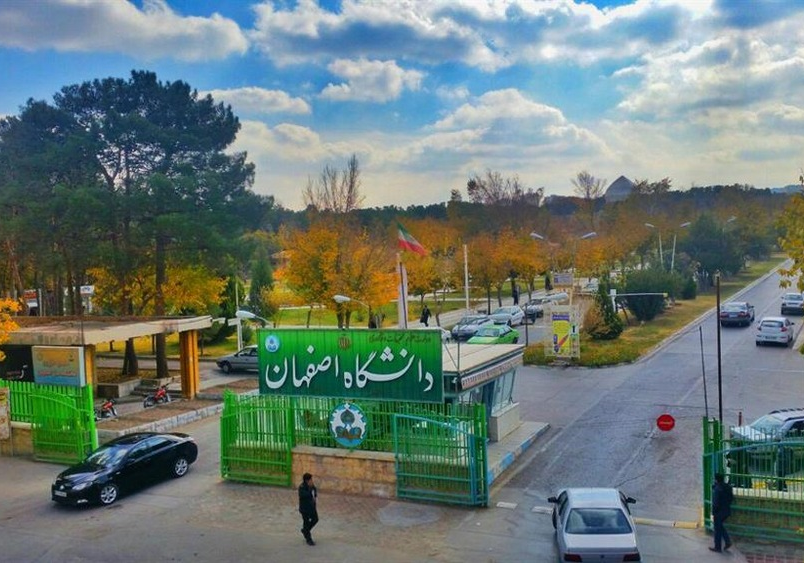
University of Isfahan
IranHaving a historical cultural and civilizational background, the city of Isfahan is an internationally renowned city with many tourist attractions. This city is also known as one of the industrial cities of Iran and houses the largest cement and iron and steel industries of the country. Keeping these characteristics in view, one of the largest universities of Iran has been established in this city. University of Isfahan, which is known as the largest university in the central region of Iran, is a state university the formation of which dates back to the mid-20th century.
History
The very foundation of this university was laid down with the establishment of the “College of Medical Sciences in the year 1946 and its classes were held in the “Sa’di High School” of Isfahan, which was relatively well-equipped in terms of laboratories and educational facilities.
Four years later, the faculty of medicine was established and it was authorized to conduct a six-year course for its students and issue licenses to practice medicine to those graduates who had successfully defended their thesis. With the establishment of Isfahan Medical Faculty, the College of Medical Sciences was closed down and its faculty members (associate professors) were transferred to the faculty.
The establishment of the Faculty of Pharmacy in 1956 and its annexation to the Faculty of Medicine was another turning point in the growth of this center of higher education. Two years later, after receiving the approval to establish a Faculty of Literature, the two courses of Persian Language and Literature and English Language and Literature were introduced, and with the annexation of these two courses to this faculty, the University of Isfahan came into being.
Since the existing faculties did not have a suitable building to hold their classes, a few buildings were rented and preparations were made to increase the number of teaching groups and faculties. French Language and Literature, Armenian Language and Literature, Arabic Language and Literature, Geography and History, and Social Sciences were founded in the years 1958, 1959, 1961, 1965, and 1968 respectively. The gradual expansion of the University of Isfahan continued in the following years. In 1986, the Faculties of Medical Sciences (health, nursing, medicine, pharmacy, and dentistry) were transferred to Isfahan University of Medical Sciences and were replaced by a number of other faculties such as humanities, engineering, and basic sciences.
University of Isfahan Today
During the years of its activities, more than 100 thousand people have graduated from the University of Isfahan in various fields and at different levels. Today, Isfahan University has about 700 faculty members who are engaged in teaching and training about 18 thousand students. The number of courses in this university is 54 in the undergraduate program, 226 in the post-graduation, and 120 at the doctorate level. Presently, this university has 14 faculties and two campuses, i.e. Khansar Faculty of Mathematics and Computer and Shahreza Center of Higher Education, that support its 55 educational groups in the fields of technical and engineering, humanities, basic sciences, and foreign languages.
The University of Isfahan has 12 dormitory units for male and female students, which can accommodate up to 4500 people. The 53 scientific associations, five student organizations, 40 student journals, and 40 student cultural centers of this university provide the students with the opportunity for extracurricular activities.
The International Research Position of the University of Isfahan
Three journals the titles of which can be found in international citation indexes and 34 scientific research journals in Persian, English, Arabic, and French languages are among the important publications of this university. According to the ISC Ranking in 2021, with a global ranking of 251 to 300 the University of Isfahan is one of the top universities in Iran in the field of Agricultural Sciences. As regards the publication of scientific articles, the University of Isfahan has been recognized as the 10th best university in Iran in 2023.
Similarly, according to the Round University Ranking, the University of Isfahan ranked 591 among the 1100 universities in the world in 2020. This university is one of the top universities in Iran in the fields of economics and business, biological sciences, physics, computer science, and engineering and technology.
At the international level, the University of Isfahan is in close interaction and cooperation with South Korean universities. A working group called “South Korea Cooperation” has been formed at this university, which is in interaction with the centers of higher education and research of South Korean universities.
- World University Rankin: 251
- Type: Governmental
- Total students: 18000
- Contacts: ۰۳۱۳۷۹۳۲۱۲۸
- Website:https://ui.ac.ir/
15

Khajeh Nasiruddin Toosi University of Technology
IranKhajeh Nasiruddin Toosi University of Technology, also referred to as K. N. University of Technology, is one of the oldest universities in Iran.
Who was Khajeh Nasiruddin Toosi?
Khajeh Nasiruddin Toosi after whom this university has been named was a 13th-century CE Iranian scientist, philosopher, astronomer, mathematician, and physician who has left behind many important works in these fields.
Following the invasion of Iran by Mongols, led by Halakukhan, in 1253 AD, Khajeh Nasiruddin gained a high position in their court because of his lofty scientific position. His activities played an important role in preventing war-mongering, killing, and plundering by the Mongols.
Khajeh Nasiruddin’s services in trigonometry, physics, and astronomy have made him renowned globally to such an extent that an asteroid and a 60 km volcanic crater in the southern hemisphere of the moon have been named after him. In Iran, too, the fifth day of the Iranian month of Esfand, coinciding with February 24, the birth date of Khajeh Nasiruddin, has been named as “Engineer’s Day”
The History of the K. N. University of Technology
In 1928, a faculty of telecommunications was established in Tehran, which is now the site of the Faculty of Electrical Engineering of the K. N. University of Technology. This faculty was the first cornerstone of one of the most important technical universities in Iran.
Shortly after the victory of the Islamic Revolution, i.e. in 1980, the K. N. University of Technology was officially established by merging 9 centers of higher education. In 1983, this educational center was named the “University of Technology and Engineering”, and was eventually renamed as the Khajeh Nasiruddin Toosi University of Technology in 1988.
K. N. University of Technology Today
Presently the K. N. University of Technology has the following 11 faculties:
- Electrical Engineering
- Mechanical Engineering
- Civil Engineering
- Aerospace Engineering
- Industrial Engineering
- Computer Engineering
- Geodesy and Geomatics Engineering
- Materials Science and Engineering
- Mathematics
- Physics
- Chemistry
Two scientific poles, 194 research and educational laboratories, 13 research centers, three research groups, six research institutes, 11 knowledge-based companies, and 28 growth center companies are also affiliated with this university and they are engaged in research in various specialized fields. These centers are located in different parts of Tehran.
One of the unique features of this university is its connection with different industries of Iran such that many important research projects have been implemented or are currently being implemented in collaboration with this university in various fields. Because of these collaborations, in some special fields of engineering, the specialists of this university are considered the most experienced engineering experts in Iran.
Presently, more than seven thousand students are pursuing their higher education in K. N. University of Technology and 350 full-time faculty members cater to the educational requirements of the students. Keeping in view the policies of the university, the postgraduate courses of the university have been further strengthened in the past few years such that more than 40% of its students are studying in postgraduate courses. The cooperation between this university and some universities in England, France, Holland, and Germany. and Russia has been effective in elevating the scientific level of its students.
The Position of the K. N. University of Technology in Global Rankings
In the Shanghai Ranking, the K. N. University of Technology has been ranked 301 to 400 in science and energy engineering and mechanical engineering and 201 to 300 in civil engineering. Similarly, according to the ISC Ranking, this university ranks between 501 and 600 in the world in the field of engineering and technology.
Foreign Students of the K. N. University of Technology
The admission of foreign students at the K. N. University of Technology has shown a growing trend in recent years such that the number of its foreign students has increased from 80 people in 2021 to more than 100 people in 2023. The policies of the university with regard to attracting foreign students and facilitating the pursuit of their higher education in Iran and the establishment of an international department and campus have led to the increasing interest of foreign students in this university, especially at postgraduate levels.
- World University Rankin: 301
- Type: Governmental
- Total students: 8100
- Foreign students: 100
- Contacts: 021-88882991
- Website:https://kntu.ac.ir/
16

Al-Mustafa International University
IranBeing an important religious city and due to the presence of the Qom seminary, Qom is considered one of the main centers of Islamic sciences and Shiite jurisprudence and has been the gathering place of religious scholars. In the past few centuries, Qom has been the center of religious services by educating and training great scholars in different religious sciences. There are several seminaries in this city that engage in imparting religious sciences and training seminary students. As an academic center, Al-Mustafa International University is engaged in teaching the fundamentals of Shi’ism. This academic center considers attracting students from all over the world as one of its missions and presently hosts hundreds of students from several countries. The activities of this university have received favorable feedback for introducing the real face of Islam and Shiism to the people of the world in recent decades.
History of the Al-Mustafa International University
The establishment of this scientific center dates back to the beginning of the victory of the Islamic Revolution in 1979. Before the Islamic Revolution, few non-Iranian students studied religious sciences and fundamentals of Shiism in Qom. After the victory of the revolution, a council named “Council of the Guardianship of Non-Iranian Students” was established in Qom Seminary to pay more attention to the education of non-Iranian students in the field of religious studies and Shiism. In 1986 the name of this center was changed to “World Center of Islamic Sciences” and it started teaching religious sciences in the traditional way of Shiite seminaries. It was in 2008 that the center, which is now known as Al-Mustafa International University was founded. The establishment of this university of religious sciences was done with the aim of forming as many scientific centers as possible to meet the needs of the contemporary world.
Presently, students are being admitted in three academic fields of Islamic sciences, humanities, and cultural and linguistic studies. The educational system of this university is arranged in such a way that it is compatible with both the seminary and the university systems (at associate, bachelor’s, master’s, and doctorate levels). In this way, based on the course each student takes and the grades they acquire, they are awarded certificates of graduation equivalent to university degrees, which are approved by world-renowned scientific centers.
International Status of the Al-Mustafa International University
This institute of higher education is considered one of the main centers of Shiite studies in the world. It is situated in Qom and has subsidiary, affiliated, and cooperating units in 60 countries.
Different branches of this institution identify people interested in studying religious sciences, provide them with basic education, and if they are interested in pursuing higher levels, they are sent to Iran.
Al-Mustafa International University has about 40,000 foreign students and 40,000 graduates from 122 nationalities. The courses of the center are offered in 2500 subjects and non-Iranian students and their families can use the accommodation facilities and services in Iran while benefiting from the educational services. Since the main addressees of this university are non-Iranian students, it can admit Iranian students only up to 10% of its capacity. Although Al-Mustafa University is a center for introducing and teaching Shiite beliefs, Sunni students also have the opportunity to attend it.
Educational Services of Al-Mustafa International University
Non-Iranian people interested in Shia religious studies can use the short-term educational services of the university and benefit from the research and training activities of its various religious and cultural groups. In addition, those who are not able to attend classes in Iran can benefit from distance education by registering at the Al-Mustafa Virtual University, which was started in 2003 and currently offers education in 40 fields (in different languages). Three educational courses in Persian, Arabic, and English are also accessible to interested people in this virtual university.
- Type: Governmental
- Contacts: 0253-717273
- Website:https://miu.ac.ir/
17

University of Religions and Denominations
IranThroughout human history, religions have been messengers of peace and heralds of doing away with violence and discrimination. Therefore, there have always been efforts toward coexistence among the followers of different religions in the direction of comprehensive peace and global synergy. This issue is one of the important goals of the University of Religions and Denominations, which was established in the city of Qom nearly three decades ago.
The History and Structure of the University of Religions and Denominations
In 1994, a number of scholars from the seminary of Qom gathered to improve their knowledge about world religions and denominations. This group studied and researched in three fields: Abrahamic religions (Christianity and Judaism), Eastern religions (Buddhism, Hinduism, and religions of the Far East and ancient Iran), and Islamic denominations (theological schools of thought). In a period of four years, in addition to research in these three subjects, this group also engaged in learning English, Arabic, Sanskrit, and Hebrew languages. The initial core of the University of Religions and Denominations was formed through the activities of this group.
These research activities continued in the same initial format until 2004 and in this year certain courses were designed for the creation of three academic fields, which received the official approval of the Ministry of Science, Research and Technology (Ministry of Higher Education) of the Islamic Republic of Iran. In this way, the “Center of Higher Education and Research on Religions and Denominations” was formed and began to admit students at the postgraduate level. In the following years, the activities of this center expanded and the number of these fields was increased to six. Finally, this center of higher education acquired the status of a university in 2008 and the “University of Religions and Denominations” was officially established.
Faculties
Following its official astonishment new faculties were founded and presently this university has the following faculties:
- Faculty of Religions
- Faculty of History
- Faculty of Islamic Denominations
- Faculty of Islamic Nations Studies
- Faculty of Languages and Cultures of Nations
- Faculty of Law
- Faculty of Mysticism
- Faculty of Philosophy
- Faculty of Quranic Studies
- Faculty of Religion and Art
- Faculty of Shi’i Studies
- Faculty of Social Sciences, Media and Communication
- Faculty of Women and Family
Presently, the number of courses taught in this university stands at 82 at three levels of bachelor’s, master’s, and doctorate, and its trainings are offered in person and online. The online training center of this university was established in 2012 and in recent years, it has been continuously strengthening its infrastructure.
Research Institutes and Research Publications of the University of Religions and Denominations
The Research Institute of Religions and Denominations was established in 2011 and conducts research in the fields of Islamic denominations, Shia studies, and religions in three research groups. During its lifetime, this research institute has managed to publish many books and articles. Organizing dozens of meetings with the presence of prominent professors and scholars of different religions is one of the other activities of this research institute. The other research of this university is the “Women and Family Research Institute”.
The Center of Religions and Human Rights Studies of this university was founded with the aim of preparing and publishing research works in the field of religion and law. By signing a memorandum of understanding with Khorasan Seminary, a subsidiary unit of the University of Religions and Denominations has been functioning in Mashhad since 2018.
The only research journal in the field of religions, in the English language, titled “Religious Inquiries, is published at this university. The university has other publications, which are in Persian language, including the “Haft Aseman” magazine, which is considered the first specialized magazine of Iran on religions and denominations.
International Activities of the University of Religions and Denominations
The activities of the University of Religions and Denominations are based on dialogue among religions and denominations. Therefore, this university is very active in the field of international interactions. During the course of its activities, more than 500 foreign delegations have visited this university, and several memorandums of understanding and cooperation have been signed with scientific and cultural centers of different countries.
The Center of Open Education of the University of Religions and Denominations, which has defined international activities as part of its mission, organizes various courses for non-Iranians.
- Type: Non-profit
- Contacts: ۰۲۵۳-۲۸۰۲۶۱۰
- Website:https://urd.ac.ir/en/
18

International University of Islamic Denominations
IranAll Islamic denominations are based on unified principles and their differences are only in some practical laws and rulings. Therefore, by studying them, one can have a better understanding of the ways of promoting synergy and reconciliation among the Islamic schools of thought. The International University of Islamic Denominations was established with this aim and as one of the centers affiliated with the World Forum for Proximity of Islamic Schools of Thought, and throughout its years of activity, it has always worked toward maintaining the old tradition of dialogue among Shiite and Sunni scholars.
About the World Forum for Proximity of Islamic Schools of Thought
This forum was established in 1990 to promote reconciliation among different Islamic schools of thought and create proximity between their views. One of the main functions of this forum is organizing dialogues between the schools of Islamic jurisprudence by keeping in view that all Islamic denominations have common and unifying characteristics such as belief in monotheism, prophethood, and resurrection and following the teachings of the Holy Qur’an.
This forum holds an international meeting every year from the 12th to the 17th of Rabi al-Awwal (of the Hijri lunar calendar) with the participation of scholars and personalities from different Islamic countries to provide the possibility of face-to-face exchange of views between them. The 12th and 17th of Rabi al-Awwal are considered the birthday of the Prophet of Islam in the Sunni and Shiite traditions and this interval has been named “Islamic Unity Week”.
History and Departments of the International University of Islamic Denominations
The establishment of this university, the main goal of which was establishing an educational center to teach jurisprudence and practical laws of Islamic denominations in a comparative manner, dates back to the year 1991. The main campus of this university is located in Tehran and it has branches in the cities of Zahedan, Sanandaj, Bandar Abbas, and Gonbad-e Kavus.
The Gonbad-e Kavus and Bandar Abbas units of this university were established in 2009 and 2012 respectively. The Bandar Abbas unit imparts education and training in Imamiya and Shafi’i jurisprudential laws, Islamic mysticism, and philosophy at the undergraduate level, and comparative jurisprudence and Islamic personal law at the postgraduate level.
The Sanandaj unit was founded in 2010 and has been admitting students since 2011. This unit imparts education in the fields of Shafi’i and Imamiya jurisprudential laws and Qur’anic and hadith sciences at the undergraduate level and Islamic history at the postgraduate level. The Zahedan unit, which was founded in 2011 conducts courses on Imamiya law and Hanafi jurisprudential laws at the undergraduate level.
Due to the importance of the University of Islamic Denominations, the Iranian President or his representative as well as the ministers of education, higher education, and culture are also members of its board of trustees.
Faculties
This university has three faculties of “Jurisprudential Laws of Islamic Denominations”, “Qur’anic and Hadith Sciences”, and “Islamic Philosophy, Theology, and Mysticism”, and admits students from all Islamic denominations, and imparts all the courses in the form of comparative studies, which has caused students from other Islamic countries seek admission in this university.
The university publishes two quarterly research journals on comparative jurisprudence in Persian and Arabic languages. It also publishes a promotional quarterly entitled “Forugh-e Vahdat” (lit. the shining unity), which focuses on proximity studies. The other publication of this university is a specialized quarterly on media and community studies.
International Activities of the University of Islamic Denominations
The objectives of the University of Islamic Denominations necessitate its interaction with other scientific centers active in the field of religious education. Therefore, by being a member of the Federation of the Universities of the Islamic World, the Federation of Universities of Iran and the Arab World, and the Federation of Seminary Universities, it engages in conducting joint courses. Conducting different courses for scholars from different countries and accepting non-Iranian students through the cultural and diplomatic representatives of the Islamic Republic is one of the international activities of the University of Islamic Denominations in alignment with its goals.
Presently, students from countries like Burkina Faso, Afghanistan, Ivory Coast, Nigeria, Italy, Pakistan, Egypt, and Iraq are pursuing their higher education at this university and the Office of Scientific and International Cooperation of the university promotes interaction between Iranian and foreign students and research scholars.
- Type: Governmental
- Contacts: 02166465252
- Website:http://en.mazaheb.ac.ir/
19

Imam Khomeini International University of Qazvin
IranThe expansion of educational facilities of centers of higher education has caused most of the provinces of Iran to have comprehensive universities today. Imam Khomeini International University of Qazvin is one of these comprehensive universities that has achieved great progress in terms of academic level among university campuses located outside the capital. This university considers admitting non-Iranian students and expanding its relationship with foreign scientific and educational centers to be a practical method for scientific and educational growth.
History
The establishment of Imam Khomeini International University of Qazvin was initiated after the approval of a bill by the Iranian parliament. This bill was presented to the parliament in 1983 with the aim of establishing an international Islamic center of higher education and after the bill was passed, the Quds International University started its activities in the same year.
This academic center was, thereafter, merged with the Dehkhoda Higher Education Complex and was named Imam Khomeini International University. This center operates as a comprehensive university of Qazvin province and is among the top universities in Iran.
Faculties and Activities
Located over an area of 230 hectares, this university has the following faculties:
- Faculty of Islamic Sciences and Researches
- Faculty of Literature and Humanity
- Faculty of Social Sciences
- Faculty of Science
- Faculty of Technical and Engineering
- Faculty of Architecture and Urbanism
- Faculty of Agriculture and Natural Resources
The university also has a “Persian Language Center” the main task of which is to organize courses and workshops to teach Persian language to non-Persian speakers. The trainings of this center are based on the four main language skills and are held at basic to advanced levels.
The university offers three courses at the discontinuous bachelor’s level, 39 courses at the continuous bachelor’s level, one course at the continuous master’s level, 57 courses at the discontinuous master’s level, and 37 courses at the doctorate level.
Research Facilities of Imam Khomeini International University
The Research Center for Future Studies of Imam Khomeini International University was established in 2011 and, presently, five scientific groups operate under its supervision.
Out of the 21 Research journals published by Imam Khomeini International University three are in English and 18 in Persian. The total number of published issues of these publications has exceeded 300 and more than 2500 articles of these publications are available to researchers.
The library of Imam Khomeini International University was also inaugurated in 1999 as a modern library with an overall space of more than four thousand square meters. The central laboratory of this university provides services to students and researchers by having advanced and accurate devices in the fields of spectroscopic analysis, elemental analysis, thermal analysis, and chromatography.
The existence of a science and technology park next to this university, which was established with the aim of supporting scientific and educational sectors economically, has made it possible for academics to receive economic benefits from their research. This center was founded in 2005.
The number of Iranian and non-Iranian students at the university stands at about 9 thousand people, of which more than 2 thousand are pursuing their postgraduate education.
International Activities
In order to improve the quality of its educational services, Imam Khomeini International University has formed collaborations and signed MOUs with some foreign universities such as the Spanish University of Valencia in the field of research in chemistry and certain Russian universities in different fields. It has also held meetings with the officials of the Shanghai International University. This academic center admits non-Iranian volunteers and students every year and presently about 400 students, most of whom are from Iran’s neighboring countries, are studying at this university. Owing to the suitable facilities that have been provided for foreign students, some students from 15 different nationalities are pursuing their higher education at this university.
Imam Khomeini International University is one of the most important universities in Iran. According to the Shanghai Ranking published in 2023, this university has, by acquiring a ranking of 151 to 200 in the field of engineering and mechanical engineering, succeeded in manifesting itself as one of Iran’s leading universities.
- World University Rankin: 151
- Type: Governmental
- Total students: 9000
- Foreign students: 400
- Contacts: ٠٢٨٣٣٧٨٠٠٢١
- Website:http://www.ikiu.ac.ir/en/
20
Imam Reza (AS) International University
IranDue to the existence of the shrine of Imam Reza (AS), the eighth Shiite Imam, Mashhad has always been the meeting place of Muslim scholars and intellectuals and many Islamic thinkers and scientists have been raised in this city who have been of great scientific services to the world of Islam. This issue has made Mashhad one of the most important scientific centers in the region. Presently, several universities are operating in this metropolis.
Imam Reza International University, which is one of the prominent centers of higher education in Iran, was established to have a role in the progress of research-based higher education in the country. Expanding international activities by attracting foreign students and holding joint courses and meetings with foreign centers of higher education is one of the strategies of university officials to improve its scientific and educational level.
History and Structure of Imam Reza (AS) International University
Imam Reza International University officially started its activities in 1999 and in the course of its activities, this scientific center has always been known as one of the best non-governmental universities of Iran. The keenness of elite foreign students to pursue their higher education at Imam Reza University is indicative of its high scientific level.
This center of higher education is located over an area of 33,000 square meters and admits students in more than 60 academic fields at the three levels bachelor’s, master’s, and doctorate. Its six thousand students pursue their higher education on two campuses; Rezvan (girls’) and Israr (boys’).
Over the years of its activities, this university has been recognized as the best non-governmental university of the country by the Ministry of Science, Research and Technology (Ministry of Higher Education) of Iran. In terms of research, this university has been ranked 65 among Iranian universities and institutes of higher education by the ISC Ranking.
Admission of Iranian students to this university is done through the national university entrance exam or by checking their academic records. In addition, the applicants for postgraduate courses must also pass the in-person interview.
Electronic Training
One of the services of Imam Reza University to students is providing electronic education. This work has taken a proper form with the launch of a virtual education center. The availability of the necessary infrastructure has made online studies possible, which also reduces the cost of educational activities to a considerable extent. Presently, it is possible to conduct online classes in five majors at the master’s level and 10 subjects at the undergraduate level.
Open Education
Imam Reza University has founded a center called “Open Education” to provide supplementary education to its students. In order to increase the specialized and practical ability of the graduates, this center offers special training programs outside the official curriculum. Based on the needs and demands of government institutions or industries, the center also holds the required courses to increase their skills.
Research Activities
In order to strengthen research activities as much as possible, workshops, conferences, and exhibitions are held inside and outside the university campus on an annual basis. In addition, some research centers, such as the “Islamic Architecture and Urban Planning Research Center” have been established to help researchers with their research activities.
The office of “Relationship with Industry” has been established with the aim of creating cooperation between university researchers and the private sector. Holding internship workshops, defining demand-oriented research projects and practical theses, along with providing consultation services and empowerment programs, are some of the duties of this office. The establishment of the academic club “House of Industry, Mining and Trade” to interact with the industries of the province, plan scientific and specialized visits, hold internship programs, provide intellectual property services, and provide consultation and empowerment services are some of the services offered by this office.
International Activities
Imam Reza University officially started its international activities in 2013 and, presently (in 2023), more than 500 non-Iranian students from eight countries, Iraq, Afghanistan, Syria, Nigeria, Tanzania, Sweden, and Palestine are studying at this university.
In addition to leisure and educational facilities, this university also holds Persian language classes for non-Iranian students. These courses are planned for 18 weeks, during which the participants can learn the four language skills. To facilitate the activities of its students, an office called “Consular Affairs” provides accommodation and consultation services to foreign students.
- Type: Non-profit
- Total students: 10000
- Foreign students: 500
- Contacts: 051-38041
- Website:https://imamreza.ac.ir/portal/en/
21
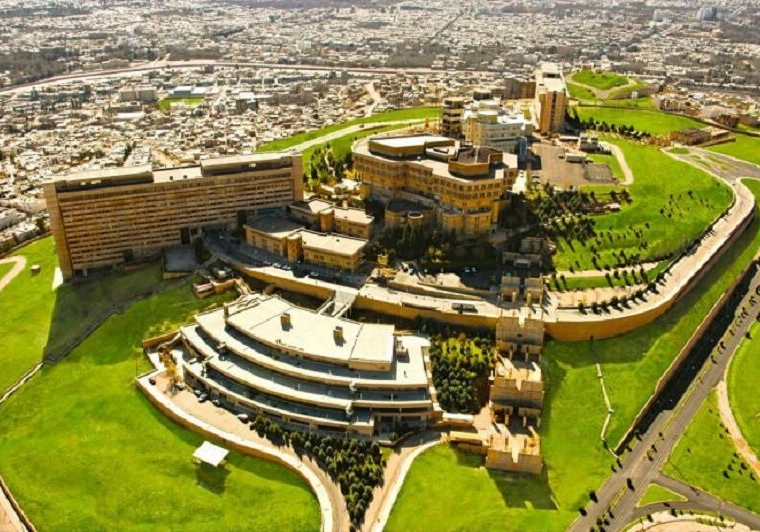
Shiraz University
IranShiraz is one of the ancient cities of Iran, whose several thousand-year-old monuments, such as Persepolis and Pasargad, are world-renowned. However, Shiraz’s fame is not merely confined to these spectacular monuments, because, since times immemorial, this city has been the cradle of Iran’s scientific and literary figures such as Hafez and Sa’di, the two great and unique Persian-speaking poets. Shiraz also houses one of the oldest universities of Iran, which is usually among the top five universities of the country in various national and international rankings.
The History of the Shiraz University
The history of Shiraz University dates back to 1946 when an institute called the “Higher Institute of Health” was established in this city. In 1950 it was renamed “School of Medicine” and after the nursing school and engineering and veterinary faculties were founded in 1954, the ground was prepared for upgrading the status of this institution to that of a university.
After being invited to Iran and visiting Iranian universities, Gaylord Harwell, the then president of the University of Pennsylvania, prepared a report on their situation and proposed a model for establishing a new university in Iran. After this report, the government of Iran decided to turn Shiraz University, which was called “Pahlavi University” at that time, into the only scientific institution in Iran that operates according to the American style of higher education. In this way, many institutions and departments of this university were established under the supervision of the University of Pennsylvania, and a number of its faculty members came to Shiraz to teach and conduct research. In 1969, the university expanded and the Faculty of Dentistry, the College of Electronics, and the Faculty of Graduate Studies were added to it. In the same way, a year later, the faculties of law and education were founded to make it one of the largest universities in Iran.
Students and Faculties
Presently, 630 fields of study are taught in three levels of bachelor’s, master’s, and doctorate at Shiraz University, and the number of its full-time faculty members stands at 720. So far, more than 140,000 people have graduated from this university, and more than 16,000 people are engaged in pursuing their higher education in various courses.
The university has 15 faculties and five research institutes of social sciences, nanotechnology, biotechnology, offshore oil and gas industries and astronomy, astrophysics, and technology of astronomical instruments. 17 research centers and groups have been established in various fields such as atmospheric and ocean research, Islamic culture, drought studies, botany, intelligent image monitoring and machine vision, children’s literature, radiation research, and bird diseases.
International Position of Shiraz University
Shiraz University has been introduced as one of the top five universities in Iran in most of the university rankings of the world. In the Shanghai Ranking, Shiraz University was ranked 401 to 500 in the fields of chemical engineering, agricultural science, clinical medicine, public health, and geology. Similarly, it was ranked 301 to 400 in the field of electrical engineering, 201 to 300 in the fields of instrument science and technology, and food science and technology, and by acquiring the rank of 101 to 150 it was regarded as one of the top universities in Iran in the field of water resources.
In the QS Ranking of 2023, Shiraz University was introduced as the fifth-best university in Iran with a global ranking of 751 to 800. The interesting thing to note is that among the top five Iranian universities in this ranking, only Shiraz University is located in a city other than the capital.
In other ranking systems, too, Shiraz University has gained good positions among Iranian universities. In the ISC Ranking published in 2021, Shiraz University was among the top universities in Iran in natural sciences with a rank of 601 to 700, and in “medical and health sciences” and “engineering and technology” it was ranked 501 to 600. Also, in the field of agricultural sciences, this university is the second-best in Iran (after the University of Tehran) by achieving a world ranking of 193.
In the Webometric Ranking, Shiraz University has been introduced as the eighth-best university in Iran by being ranked 878th in the world.
Finally, in the national ranking system of Iranian universities based on the number of articles published domestically, Shiraz University is ranked 8th.
- World University Rankin: 301
- Total students: 16000
- Contacts: 071-36134000
- Website:https://shirazu.ac.ir/
22

Jundi Shapur University of Technology, Dezful
IranJundi Shapur was one of the world’s birthplaces of knowledge and wisdom which is a source of national pride for Iranians. About 1800 years ago several centers of higher education were founded in this land one of the most important of which was the “Academy of Jundi Shapur” established in the third century AD where, in addition to medicine, philosophy, theology, and science were also taught.
History of the Jundi Shapur University of Technology
Given the current population of Dezful (circa. 500,000), the second most populated city of Khuzestan province, the blueprint for building the Industrial College of Dezful was laid in the spring of 1972 and in the wake of the then Jundi Shapur University of Ahvaz comprehensive plan to establish a college in Dezful. The organizational structure of the college was charted out in 1976 and it was approved that this college would comprise four faculties, i.e. the faculties of Engineering, Sciences, Agriculture, and Medicine. It was in 1977 that this college started its activities. Following the invasion of Iran by Iraqi forces in 1980 activities of the college came to a halt and during the eight years of imposed war on Iran, this college was considered a center for treating the people who were injured in the war.
In 1988, this college resumed its activities and began admitting students in two majors; Mechanical engineering and Civil engineering at the associate degree level. Four years later, the field of "Mechanical Machinery" was also started in the associate degree. In 2006, after an increase in the number of its students and departments, the status of this college was upgraded to that of a university.
Presently, more than two thousand students pursue their higher education at the Jundi Shapur University of Technology in five faculties "Electricity and Computers", "Civil Engineering", "Mechanics", "Architecture and Urban Planning", and "Basic Sciences" and two educational groups "Chemical Engineering" and "Islamic Knowledge". This university is considered one of the top technical universities in Iran.
Research Activities of Jundi Shapur University of Technology
Three research centers function at this university: "Jundi Shapur Research Center", "Food Nanobiotechnology Research Center" and "Water, Energy, and Environment Research Center". Jundi Shapur Research Center engages in conducting research projects in accordance with the goals of the university. The Nanobiotechnology Center is also working to strengthen the agricultural and food industries of the province with two research groups "Nanobiotechnology of Food" and "Plant Improvement and Molecular Agriculture". The main specialty of the Water, Energy, and Environment Research Institute is to carry out research based on the needs of the region. The presence of dams such as Dez, Karkheh, Gotvand, and Shahid Abbaspur has made the research projects of this center very vital for the survival of the energy production industries and the water resources in the region. Water resource management, renewable energy, renewable energies, modern technologies of energy production, energy use in agriculture and industry, and waste management are among the subjects on which this institute conducts research.
Keeping in view the existence of various industries in Khuzestan province, Jundi Shapur University of Technology has established an office "Entrepreneurial Management, Growth and Interaction with Industry". This office is responsible for supporting research projects and innovative ideas by planning applied research based on the needs of industries. The conclusion of scientific and research memorandums of understanding with related industries and organizations is one of the responsibilities of this office.
"Entrepreneurship Center" is another active center at Jundi Shapur University of Technology, the main goal of which is to support university graduates in founding research-based businesses. This center helps graduates by providing strategic advice in this field and financial support for innovative ideas.
Jundi Shapur University of Dezful has provided the required facilities and foreseen the needed arrangements for admitting non-Iranian students. Concluding memorandums of understanding of understanding with the scientific and educational centers of neighboring countries for admitting non-Iranian students is one of the measures taken by this university to internationalize its educational activities. In order to manage its relations with foreign universities, this university has also founded a “Center International Affairs". The proximity of Jundi Shapur University of Dezful to international borders is one of the advantages of this university.
- Type: Governmental
- Total students: 42418500-061
- Contacts: 061-42418500
- Website:https://en.jsu.ac.ir/
23

Alzahra University
IranFounded in 1964 as “Girls’ College”. this institution of higher education began its activities with 90 students studying in such courses as Translation Studies, Psychology, and Secretarial Studies. A year later another course by the name of “Housewifery” was founded and began to admit students.
In 1975, the “Girls’ College” was upgraded to a university with four independent faculties of “Humanities and Literature”, “Management”, “Economics”, and “Sciences”. Following the victory of the Islamic Revolution in 1979, this university was renamed “Alzahra University” and continued to flourish in an enterprising and progressive spirit.
Over the years, certain changes occurred in the structure of this university, such that in 1986 the four existing faculties were renamed “Basic Sciences”, “Social and Economic Sciences”, “Literature” and “Arts”. In 1994, the faculties of “Educational Sciences and Psychology”, “Physical Education” and “Technical Engineering” were founded, and in 2001, the Faculty of Literature was split into two faculties of “Literature” and “Theology” making the total number of faculties of Alzahra University eight. Finally, in 2014, the Faculty of Basic Sciences was transformed into four faculties of “Mathematical Sciences”, “Biological Sciences”, “Physics”, and “Chemistry”, to increase the number of faculties to 10.
Alzahra University is located over an area of 14 hectares in the north of Tehran and a total of 10,000 female students pursue their higher education in two campuses, one branch, two research institutes, one gallery, and one study center in 29 fields and orientations at the doctoral level, 70 fields and orientations at the master’s level, and 51 fields at the undergraduate level.
Research Institutes and Campuses of Alzahra University
The Urmia branch of Alzahra University was established in 2013 with five faculties of “Social Sciences and Economics”, “Educational Sciences and Psychology”, “Literature”, “Theology” and “Arts”. This branch admits students at the postgraduate level.
Research Institute of Economic Studies is one of the two research institutes of Alzahra University in which the researchers are engaged in research in the four areas of “Inequality, Poverty and Corruption”, “Economic Model-making and its Applications in Economy”, “Social Economy” and “Agent-Based Mode-making”.
Women’s Research Institute is another research institute of this university, which was established in 1996 with the aim of conducting research projects related to women’s issues and providing practical strategies regarding these issues to the authorities of the country.
The Innovation and Development Center of Alzahra University is also considered as one of its research centers. This center, which started functioning in June 2017, consists of the two units of “Entrepreneurship and Innovation” and “Expansion of Employment and Skill Training”. This center seeks to support innovative projects and entrepreneurial ideas.
International Activities of Alzahra University
About 200 foreign students are studying at Alzahra University. There are some centers in this university that provide services to these students. One of these centers is the “Center of Teaching the Persian Language”, which teaches Persian to non-Persian speakers. This center started its activities in 2016 and has succeeded in imparting teaching both in-person and virtually.
One of the active international centers at Alzahra University is the Center of Cooperation with Pushkin Russian Language State Institute. This center is considered the only authorized center to hold TORFL exams in Iran. The center was established in 2017, and because of its membership in the Pushkin Center, it is in interaction with other 108 member countries of this institute.
The Center for Cultural Dialogue among the Women of Iran and the Arab World is a center the purpose of which is to provide opportunities for increasing the participation of Iranian and Arab women in the fields of management, education, culture, and producing knowledge. Holding workshops and international meetings between women thinkers of Iran and Arab countries is one of the activities of this center.
The Center for the Management of International Scientific Cooperation is one of the oldest international centers of the university, which was established in 1991. The mission of this center is to develop relations with universities and educational centers of different countries and conduct joint research projects.
- Type: Governmental
- Total students: 10000
- Foreign students: 200
- Contacts: ۲۱۸۸۰۴۴۰۴۰
- Website:http://en.alzahra.ac.ir/
24

Bu-Ali Sina University
IranBeing one of the oldest cities of Iran, Hamadan has, throughout its history, presented many writers and scientists to the world, and perhaps Baba Taher Oryan and Abu Ali Sina (Avicenna) can be considered the most outstanding among them. Bu-Ali Sina University of Hamedan is one of the great scientific centers of Iran, which has been named after Abu Ali Sina in recognition of his services.
Who Was Abu Ali Sina?
Abu Ali Sina was a great Iranian scientist, mathematician, physician, poet, physicist, and philosopher of the 10th and 11th centuries CE who showed his genius in his childhood and became one of the most influential scientists of the world in his era such that his works are still taught in many universities around the world.
During his lifetime, he traveled several times to the big cities of Iran and finally returned to Hamadan. Abu Ali Sina died in his hometown of Hamadan in 1037 CE and was buried there. His tomb is considered one of the tourist attractions of Hamadan.
The History of Bu-Ali Sina University
The initial steps to establish Bu-Ali Sina Hamadan University were taken in 1973 when a treaty was signed between the governments of Iran and France, in which the establishment of this university was also mentioned. This university officially began its activities in 1975 and in 1977 it admitted 200 students in associate and bachelor courses in four departments of “Agriculture”, “Health Sciences”, “Environmental Sciences” and “Educational Sciences”.
This university gradually expanded and today it has 13 faculties 9 of which. i.e. the faculties of “Engineering”, “Agriculture”, “Chemistry”, “Humanities”, “Arts and Architecture”, “Veterinary Science”, “Basic Sciences”, “Economic and Social Sciences”, and “Sports Sciences” are on the main campus of the university. The remaining four faculties of this university are “Faculty of Food Industry” in Bahar, “Faculty of Engineering and Natural Resources” in Tuyserkan, “Faculty of Management and Accounting Faculty” in Razan, and “Faculty of Engineering” in Kabudarahang. The Fatemiyeh Complex of Higher Education of this university in the city of Nahavand is a special center of higher education for girls.
The university has 440 faculty members and 12,000 students who pursue their higher education in 317 fields at the associate, bachelor, master, and doctorate levels. Bu-Ali Sina University of Hamadan has had 47 thousand graduates so far.
Research Activities of the Bu-Ali Sina University
Among the 13 Faculties of Bu-Ali Sina University, the faculties of Chemistry, Engineering, Agriculture, Basic Sciences, and Human Sciences are of the highest ranks in terms of scientific production and the number of students admitted. 9 faculty members of this University and four of its graduates are on the list of most cited scientists in the world.
A center called “Growth and Entrepreneurship” was established at this university in 2003 to provide the necessary support for creative ideas. Bu-Ali Sina University also publishes 13 scientific journals (two in English) in different fields.
Plant Chemistry Research Center, Water Research Institute, Office of Mutual Relationship with Industry, and Center for Growth and Entrepreneurship are other departments that are responsible for supporting the research scholars of the university. The following laboratories are available to the students of this university:
- Central Laboratory
- Residual Stress Laboratory
- Strength of Materials Laboratory
- Materials Laboratory
- Archaeological Laboratory
International Position of Bu-Ali Sina University
In the ISC Ranking published in 2021, Bu-Ali Sina University was among the top universities in Iran in the field of agricultural sciences with a rank of 601 to 700. This university is also known as one of the top universities in Iran in the field of chemistry.
So far 45 MOUs of scientific cooperation have been signed between Bu-Ali Sina University and foreign universities and every year, professors from different universities come to this university to teach students at the postgraduate level.
Bu-Ali Sina University has, so far, had 200 non-Iranian graduates. Various educational facilities and services have been made available to non-Iranian students by this university. The Center for Teaching Persian Language to Non-Iranian Students is one of the educational centers that is active in providing in-person and online courses to foreign students.
- Type: Governmental
- Total students: 12000
- Foreign students: 700
- Contacts: 081-38381601
- Website:https://basu.ac.ir/en/home
25

University of Tabriz
IranAs one of the most important cities of the country, Tabriz hosts one of the oldest universities of Iran. “University of Tabriz” is a state university that is considered the largest center of higher education in the west and northwest of Iran.
History
More than seven centuries ago, Tabriz hosted a center called Rab’-e Rashidi, which was considered to be a center of higher education. However, the history of the establishment of the first modern university in this city dates back to 1947, when two professors of the University of Tehran were commissioned to establish a center of higher education in this city. This center was originally called “Tabriz House of Knowledge” and was located in a place that is still called “Daneshsara Square”.
The construction of the building, which was later named “Tabriz House of Knowledge”, began in 1936 under the supervision of German architects and was completed in 1939. In 1946, it was renamed “Azerbaijan University” and in the first year of its activities, 179 students were admitted in the fields of medicine, agriculture, education, philosophy, and literature. In that year, Tabriz was undergoing certain social disturbances, which also had their effects on the fate of this university. After these disturbances had subsided, “Mustafa Habibi” and “Khanbaba Bayani”, two professors of the University of Tehran, were commissioned to reform the structure of this university and pave the path for the establishment of a modern university. The opening ceremony of this university which was now called the “University of Tabriz” was held on November 14, 1947, and 160 students started their higher education in two faculties of medicine and literature. The inaugural program of the University of Tabriz was so important that it was broadcast live on Tabriz Radio.
This university gradually expanded and, presently - despite the separation of Tabriz University of Medical Sciences from it - with 20 faculties and nearly 24 thousand students and 819 faculty members, it is known as one of the most important universities of the country. Area-wise, the University of Tabriz is the second largest university of Iran after the Isfahan University of Technology.
Research Institutes and Centers
There are 11 research institutes and centers in the University of Tabriz that are active in conducting research in such fields as applied physics and astronomy, environment, Iranian history and culture, social sciences, Caucasus and Central Asia, Islamic humanities, social research, geotourism, geography, biosciences and biotechnology, engineering, water resources, and mathematics.
The International Position of the University of Tabriz
In the Shanghai Ranking published in 2023, the University of Tabriz ranks 151 to 200 in the fields of civil engineering and mechanical engineering, 301 to 400 in the fields of energy engineering, chemical engineering and electrical engineering, 101 to 150 in the fields of food science and technology and instrument technology, and 401 to 500 in agricultural science and has been introduced as one of the top universities in Iran. The global ranking of 51 to 75 in the field of water resources has made it the best Iranian university in this field.
The position of this university in the evaluation of universities by Times Ranking is 801 to 1000, which makes it 21st among Iranian universities.
In the ISC Ranking of 2021, University of Tabriz was considered one of the top universities in Iran by ranking 601-700 in the field of natural sciences, 213 (third in Iran) in the field of engineering and technology, and 251-300 in agricultural sciences. In terms of the number of papers published domestically, this university ranks seventh.
Foreign Students of the University of Tabriz
The presence of 1100 foreign students at the University of Tabriz has made this university one of the most important universities in Iran in terms of attracting foreign students. This university is presently engaged in more than 70 international research projects of which 37 projects are conducted in collaboration with the Scientific and Technological Research Council of Türkiye leading to the establishment of a secretariat titled “Scientific Cooperation between Iran and Türkiye” for further coordination.
The Office of the Management of Scientific and International Cooperation of the University of Tabriz has established a center for teaching the Persian language to non-Persian speakers; in addition to providing accommodation and consular services. The Aras Campus of this university, which is located in the city of Jolfa, makes calls for admission to non-Iranian students every year.
- World University Rankin: 801
- Type: Governmental
- Total students: 24000
- Foreign students: 1100
- Contacts: 041-33340081
- Website:https://tabrizu.ac.ir/en
26

Graduate University of Advanced Technology
IranGraduate University of Advanced Technology of Kerman is one of the universities that was established in Iran as a specialized graduate university. During the course of its activities, this relatively young and growing center of higher education has tried to provide its students with a dynamic environment.
The History and Educational Activities of the Graduate University of Advanced Technology
Being the house to many mines and industries made the existence of a center for training specialists in various fields inevitable in this region. Therefore, the Graduate University of Advanced Technology was established in 2007 and the students of this university the number of which stands at 1000 pursue their higher education in the following faculties:
1. Electrical and Computer Engineering: This faculty, which was established at the same time as the university has 23 faculty members. Three groups of “Telecommunications and Electronics Engineering”, “Power and Control Engineering” and “Computer Engineering and Information Technology” operate in this faculty. There are eight majors in the master’s degree program and one major at the doctorate level of this faculty. The five specialized laboratories of this faculty cater to the needs of the students.
2. Mechanical and Materials Engineering: This faculty was established in 2017 by combining three groups “Materials Engineering”, “Energy Conversion Engineering” and “Design and Manufacturing Engineering”. At present, it has 11 faculty members, and five specialized schools are affiliated with it.
3. Chemistry and Chemical Engineering: The foundation of this faculty dates back to 2011 when students were admitted at the postgraduate level in analytical chemistry and nanochemistry. Three teaching groups of “Chemistry”, “Polymer Engineering” and “Chemical Engineering” are affiliated with this faculty. The polymer forming laboratory is the specialized laboratory of the faculty.
4. Civil Engineering and Geodesy: The need of the industry and mining sector of Kerman province caused this faculty to have a special place in this field from the very beginning of the establishment of the university. Five teaching groups and four specialized laboratories are affiliated with this faculty.
5. Sciences and Modern Technologies: The desire of the curriculum designers of the Graduate University of Advanced Technology to start interdisciplinary research in engineering sciences, was the cause of the foundation of this faculty and its 14 educational groups, which train specialists in two fields at the postgraduate and doctorate levels. Due to its interdisciplinary nature, this faculty is considered the largest faculty of the university and has 20 active specialized laboratories.
Scientific Position of Graduate University of Advanced Technology
Despite its short lifespan, this university has managed to be one of the top 10 Iranian universities of technology in recent years.
The following 5 research institutes and centers are affiliated with this university to strengthen its research structure:
1. Institute of Environmental Sciences: This 25,000-square-meter institute provides the researchers with a laboratory, a workshop, an office, and a library. This institute was founded in 2001 in the form of four specialized groups of ecology, biotechnology, biodiversity, and environment, and has so far held several conferences and several workshops in the field of stem cells and biological sciences.
2. Institute of Photonic: Established in 2004, this research institute has been working in four groups of laser, photonic, nanophysics, and optical fiber.
3. Institute of Materials: Three research groups of metals, ceramics, and new materials and 9 laboratories of this research institute cater to the research requirements of students.
4. Institute of Energy: Keeping in view the importance of energy in today’s world, this research institute was founded in 2004 in three groups: “Management and Optimization”, “Renewable Energy and Energy Conversion” and “Fuel Cell and Hydrogen”.
5. Institute of Information Technology and Computer: The structure of this research institute consists of three research groups including Computer and Information Technology, Telecommunication Systems and Intelligent Networks, and Cognitive Science and Intelligent Processing.
The establishment of the first science and technology park in Southeast Iran is considered one of the advantages of this university. The park supports innovative ideas in industrial and high-tech fields by hosting knowledge-based startups and businesses.
- Type: Governmental
- Total students: 1000
- Contacts: ۰۳۴۳۳۷۷۶۶۱۱
- Website:https://en.kgut.ac.ir/
27

Persian Gulf University
IranThe geographical location of Bushehr Province, which is in the south of Iran and adjacent to the Persian Gulf, and the presence of abundant gas and oil resources in this province have made it one of the most important provinces of Iran. Due to these characteristics, the universities that have been established in this province are to train the specialized forces required by its large industries. One of these universities is the Persian Gulf University of Bushehr City.
History
Persian Gulf University is younger than many comprehensive universities in Iran and its establishment dates back to 1992 when this university started its activities by admitting students in two fields of civil engineering and mechanical engineering.
Having expanded over the years, Persian Gulf University has the following 9 faculties, nearly 8,500 students, and 260 full-time faculty members:
- School of Engineering
- Faculty of Nano and Bio Science and Technology
- Faculty of Humanities
- Faculty of Petroleum, Gas and Petrochemical Engineering
- Faculty of Agriculture and Natural Resources
- School of Arts and Architecture
- Business and Economics School
- Faculty of Intelligent Systems Engineering and Data Science
- Jam School of Engineering
The Jam School of Engineering of this university is on a different campus in the city of Jam. This school was started in 2010 with two fields of software engineering and industrial engineering and some other fields were added to it in the years that followed. The school now has nearly 400 students.
The Persian Gulf University High School was started in 1993 with the aim of attracting and supporting top talents, especially from the rural areas of Bushehr.
Research Institutes of Persian Gulf University
• Persian Gulf Research Institute: This institute started working in 1995 under the name “Persian Gulf Studies and Research Center”, but in 2013, it was upgraded to being an institute to conduct research in the field of marine sciences. Presently, this institute is engaged in research in marine environmental issues, biotechnology, and marine biology.
• Information and Communication Technology Research Institute: This center works in the two main areas of the Internet of Things and Artificial Intelligence. The primary goals of this institute are to study, investigate, and produce information and communication technology-related solutions and ICT-related strategic studies.
• Oil and Gas Research Center: This center was founded in November 2016 by keeping in view the position of Bushehr province and its huge oil and gas resources and in order to strengthen the scientific and research aspects of exploration and extraction projects. This center now hosts more than 40 postgraduate students.
• APR Research Center: Dealing with incidents and vulnerabilities and providing recommendations, security alerts, news, and statistics, as well as providing useful guidance and advice to respond to incidents are some of the activities of this center.
In addition to these centers, several research teams are also engaged in research in Persian Gulf University:
- Applied nanobiotechnology
- Computational intelligence and intelligent optimization
- Sustainable membrane technology
- Nanoplasmonics
The Entrepreneurship and Innovation Center of the university has been established to support research and ideas. The main objective of the center is to direct the best ideas toward the commercialization cycle. The Entrepreneurship and Innovation Center was founded in 2017 in a place with an infrastructure of 500 square meters, and in addition to university students, it also supports the creative ideas of other researchers. It is possible to install 20 technology units in the building of this center.
The departments of “Innovation in and Development of Agricultural Technology”, “Innovation in and Development of Creative Industries”, “Innovation in and Development of Biotechnology”, “Innovation in and Development of Manufacturing and Advanced Materials” and “Intelligentization and Internet of Things” are, presently, active in this center. The “International Mobile Software Development Center” is another department of this center.
International Activities of Persian Gulf University
So far, this university has signed memorandums of understanding with universities and scientific and research centers of 12 countries. The university also makes calls for the admission of non-Iranian students every year. Due to the services provided by the “Office of International Affairs and Non-Iranian Students” of this university, there is an increasing interest among foreign students to get admitted at it. Holding joint educational meetings and workshops with the presence of professors from foreign universities in various scientific fields is also one of the international activities of this university.
- Type: Governmental
- Total students: 8500
- Foreign students: ۳۱۲۲۲۷۱۰
- Contacts: 077-3122710
- Website:https://pgu.ac.ir/en
28

Kharazmi University
IranKharazmi University is referred to as the first center of higher education in Iran. This university, named in honor of “Abu Ja’far Mohammad bin Musa Khwarazmi”, is located in one of the central areas of Tehran.
Who was Khwarazmi?
Khwarazmi was an Iranian philosopher, historian, mathematician, and astronomer who was born in 780 CE and spent most of 80 years of his life in Baghdad, the center of the Abbasid caliphate, the most powerful government of that era.
He created a separate branch of geometry in mathematics and called it algebra. The first solution of quadratic equations was presented by Khwarazmi and to honor his services, this branch of mathematics is still known as “algebra”. Also, a large crater along with its eight satellite craters on the surface of the moon is named after him.
Khwarazmi has been so influential in the history of science that some historians have called the first half of the 9th century the “Khwarazmi era”. Khwarazmi’s book “Hisab al-Hind”, which was translated several times into Latin, changed the numerology of Europe to the Hindu-Arabic numeral system. Until then, Roman numerals were common in Europe. July 13th, the birth date of Kharazmi, has been named as “Information Technology Day” in Iran.
The History of Kharazmi University
A center named “Institute of Higher Education in Iran” was established in 1918 with the task of training teachers and was renamed “Dar al-Muallemin-e Aali” (lit. The House of Teachers) in 1928. A year later, this center was divided into two literary (philosophy, Persian literature, history, and geography) and scientific (natural, mathematical, physics, and chemistry) departments and some French teachers were employed in it. The name of this center was changed to “Daneshsaraye Aali” (lit. Higher House of Knowledge) in 1932.
Following the establishment of the University of Tehran in 1934, the literary and scientific departments of the Daneshsaraye Aali were transferred to the Faculty of Literature and the Faculty of Science of this university respectively but Daneshsaraye Aali regained its independence in 1959.
In 1974 it was once again renamed “Teacher Training University” and eventually was officially called “Kharazmi University” in 2011. In 2014, the “University of Economic Sciences” was merged into Kharazmi University to form the current structure of this university.
Campuses and Faculties
Kharazmi University has two campuses in Tehran and Karaj with the following 15 faculties:
- Art and Architecture
- Biological Sciences
- Chemistry
- Earth Sciences
- Economics
- Engineering
- Financial Sciences
- Geographical Sciences
- Law and Political Science
- Literature and Humanities
- Management
- Mathematical Sciences and Computer
- Physical Education and Sports Sciences
- Physics
- Psychology and Educational Sciences
Nearly 15,000 students pursue their higher education at Kharazmi University. This university has more than 500 faculty members and is known as one of the best universities in Iran. In the Shanghai Ranking published in 2023, this university ranked 301 to 400 in the fields of engineering and chemical engineering to be among the top universities in Iran. It was also ranked 601 to 800 in the Times Ranking. In terms of making earnings from industry, Kharazmi University is one of the top 10 universities of Iran.
International Activities of Kharazmi University
The university has an office called the “Office of International Scientific Cooperation”, whose main task is to strengthen its international scientific reputation. This office was founded in 2002 and since then it has concluded a number of MOUs with foreign universities and research centers. The formation of the “Iran-Austria Working Group” on the basis of an agreement signed in January 2017, is one of the actions of this office. This working group is in charge of organizing joint scientific activities with Austria and has so far held two joint conferences on higher education with the participation of experts from the two countries.
By facilitating matters related to attracting foreign students, every year this office receives about 600 applications from foreign students who wish to pursue their higher education at Kharazmi University. Applicants must attend an academic interview after sending documents and receiving approval.
- World University Rankin: 301
- Type: Governmental
- Total students: 15000
- Foreign students: 600
- Contacts: 021-88329220
- Website:https://khu.ac.ir/en
29

Shahid Chamran University of Ahvaz
IranThe first Iranian center of higher education, University of Jundishapur, was founded about 1500 years ago, i.e. in 530 CE where various sciences such as medicine, philosophy, theology, mathematics, music, politics, and agriculture were taught. This center of higher education was founded to further the scientific progress of the nation and the most advanced knowledge of those days in the field of medicine was taught to students from different nationalities. After that glorious period, a university by the same was established in Ahvaz City in 1955 in memory of the old Jundishapur University. This university was later renamed “Shahid Chamran University of Ahvaz”.
History
The Faculty of Agriculture was the first faculty of Shahid Chamran University of Ahvaz, which started its activities in 1955 by admitting 40 students. The following year, preparations were made for the establishment of the faculty of medicine and the further expansion of this university. By the time of the victory of the Islamic Revolution in 1979, nearly four thousand students were studying in 40 undergraduate courses and 17 postgraduate courses.
Iran being invaded by Saddam Hussain’s Ba’athist regime in September 1980, educational and research activities of this university were disrupted for some time but were resumed after a few years.
Certain Facts and Figures about Shahid Chamran University of Ahvaz
Area-wise, Shahid Chamran University of Ahvaz is the fourth-largest university in Iran and the largest university in the southwest region of the country. Presently, this university is operating with 13 faculties and 53 educational groups of which 22 groups are in the faculty of humanities, seven groups in basic sciences, seven groups in technical and engineering, 13 groups in agricultural and veterinary sciences, and two groups in arts. This university also conducts three courses at the associate level, 56 courses at the undergraduate level, 107 courses at the postgraduate level, and 59 courses at the specialized doctorate and professional doctorate levels.
The presence of more than 500 full-time faculty members at this university has considerably raised the level of its educational and research activities. The number of students in this university stands at 16 thousand, about a quarter of which study at the undergraduate level. According to university officials, more than 700 foreign students follow their higher education at this university. Every year, the International Scientific Cooperation Management Center of this university makes calls for admitting foreign students.
Research Centers and Facilities
Shahid Chamran University is considered the pole of water studies in Iran. The activities of the “Jundishapur Institute of Water and Energy Research Center” of this university have greatly contributed to its growth in this field. This institute officially started its activities in 2008. The faculty has two affiliate groups of “Drilling Chemistry” and “Drilling Technology”.
Due to the presence of large oil and gas industries in Khuzestan province, this center is in close interaction with them. Another oil-related research center is the “Petroleum Geology and Geochemistry Research Center”, the activities of which are mainly focused on the exploration of oil and hydrocarbon materials and the management of oil reservoirs.
The other research centers of Shahid Chamran University of Ahvaz include Iron and Steel Research Center, Gas Networks Research Center, Innovation and Creativity Center Research Center, and Behavioral Sciences Research Center.
The scientific pole is a symbol of organized activity among a group of faculty members in an institution in a particular scientifically specialized field, which, through its activities strives to innovate and achieve superior scientific quality at the national, regional, or international level and cater to the basic needs of the country.
The four scientific poles of “Continuous Education”, “Aquatic Health and Diseases”, “Network Improvement and Maintenance” and “Research in Drilling Technology” are affiliated with Shahid Chamran University and are known as venues for organized scientific activities with the aim of improving quality in these areas at the national, regional, or international level.
- Total students: 16000
- Foreign students: 700
- Contacts: 061-33226360
- Website:https://scu.ac.ir/
30

Sahand University of Technology
IranHousing such industries as automotive, food, oil and petrochemical, construction materials, cellulose, and steel, East Azarbaijan province is considered one of the industrial hubs of Iran. The growing need for specialized human resources to serve these industries inspired the establishment of a comprehensive university that would cater to this need. Sahand University of Technology, which is located in Osku County at a distance of 30 km from Tabriz, the capital of the province, is considered one of the important universities of this province.
History and Structure
Targeting the rich potential in the domestic human resources of the country, the idea of establishing a specialized center of higher education with the aim of training the specialized manpower needed in the region and meeting the research and development needs of its industries was proposed in 1989 and after receiving the approval of the decision-making bodies in higher education (and particularly the Supreme Council of Cultural Revolution) Sahand University of Technology began admitting students in 1990. Presently, this university consists of the following 11 faculties:
1. Electrical engineering
2. Medical engineering
3. Chemical engineering
4. Material engineering
5. Mining engineering
6. Civil engineering
7. Mechanical engineering
8. Polymer engineering
9. Basic science of engineering
10. Electronic training
11. Oil and gas engineering
Sahand University of Technology conducts two courses at the associate level, 21 courses at the undergraduate level, 55 courses at the postgraduate level, and 60 courses at the doctorate level. The number of students of this university stands at about six thousand, approximately half of which are pursuing their higher education at postgraduate and PH.D. levels.
Varzeghan Technical Institute, an affiliated educational center of Sahand University of Technology was inaugurated in 2003 by admitting 55 students in two majors, namely Mining-Extraction, and Mining-Mineral Processing at the associate level. The Electronic Learning Center of this university also admits students in the fields of chemical engineering, materials engineering, medical engineering, and information technology at the undergraduate level, and in the fields of chemical engineering, material engineering, and medical engineering at the undergraduate level.
Research Activities
This university has the following research centers:
- Research Institute for Polymer Materials
- Research Center for Seismology and Earthquake Engineering
- Research Center for Environmental Engineering
- Research Center for Hydrometeorology
- Reactor and Catalyst Research Center
- Center for Cell Membrane Research
- Research Center for Nano-structures
- Petroleum and Gas Research Center
- ICT Research Center
- Research Center for Advanced Materials and Minerals Processing
Due to their relationship with different industries and providing them with research projects, most of the research centers of the Sahand University of Technology operate autonomously without depending on government budgets. These centers have so far carried out 400 research projects needed by these industries. Increasing the extraction rate of oil fields, building a solar power plant, and producing biotechnology and water purification products are some of the important issues dealt with by these centers.
Sahand University of Technology is the only scientific center active in the field of polymer engineering in the northwest of Iran and is known as the scientific hub of styrene polymers. The presence of a growth center with dozens of knowledge-based companies and technology units is also one of its important advantages. This center provides valuable services in the areas of completing the cycle of idea to product and commercialization.
International Position and Activities of Sahand University of Technology
This university entered the Times Ranking system for the first time in 2022 and was ranked 193 among the world’s young universities. This university was also ranked 501-600 in engineering sciences and 601-800 among all universities in the world.
In the QS Ranking system, too, Sahand University was ranked 1481 among the universities of the world, 487 among Asian universities, and 32 among Iranian universities. It also ranked 939 in the field of chemistry, 787 in the field of engineering, and 534 in the field of material science.
In the academic year 2022-2023, the number of foreign students admitted to Sahand University of Technology stood at 50. According to its officials, the capacity of this university to admit foreign students is soon going to increase to 300-400. This university is also trying to expand its cooperation in research by holding joint scientific meetings and signing MOUs with foreign scientific centers and universities.
- Type: Governmental
- Total students: 6000
- Foreign students: 50
- Contacts: 04133443801
- Website:https://sut.ac.ir/en/
31

Shiraz University of Technology
IranShiraz is one of the important cities in the south of Iran and is the house to such industries as electronics, refineries and petrochemicals, cement, rubber, dairy, textiles, and power plants. Being known as one of the industrial hubs of Iran and since the presence of a technical university in it was considered a necessity, Shiraz University of Technology was established several decades ago and has continued to grow and expand.
History and Structure
Shiraz University of Technology is considered to be the first university of technology in southern Iran. It was initially one of the colleges of Shiraz University, which was established in 1968, entitled “Electronic Industry College”. This college continued its activities for several decades and was eventually promoted to being the “Shiraz University of Technology” in 2004.
Presently, the following 10 departments operate in this university:
Electrical and Electronics Engineering: Being the cornerstone of the formation of the university, this largest department of the Shiraz University of Technology admits students in three majors of electronics, control, and telecommunications at the undergraduate level and six majors of electronics, power (system and energy and power electronics), control and telecommunications (field and system) at the postgraduate level. The Ph.D. students of this department pursue their higher education in four fields of electronics, power, control, and telecommunications.
Computer Engineering and Information Technology: This department was created at the time when the Electronic Industry College was promoted to being the Shiraz University of Technology. Three educational groups of “Information Technology”, “Software” and “Network and Computer Architecture” operate in this department.
Mechanical Engineering: Established in 2005 with the aim of supplementing the courses required by the university, this department admits students at two levels of postgraduation (four majors “energy conversion”, “applied design”, “mechatronics” and “aerodynamics”) and doctorate (two majors “energy conversion” and “applied design”). The creation of the fast computing center, the wind tunnel test laboratory, and the mechatronics laboratory has been done with the aim of supporting the research projects.
Civil and Environmental Engineering: The earthquake group of this department is active in the field of modern earthquake studies, design and construction of space structures, retrofitting of buildings, seismic of vital arteries, and designing of special buildings. This department also admits students in two postgraduate courses.
Mathematics: This department was initially one of the educational groups of the Department of Basic Sciences, but in the process of expansion of the university it became an independent department and began to admit students in 2012.
Chemical, Oil, and Gas Engineering: The presence of chemical industries and refineries in Shiraz has made chemical engineering one of the important fields of higher education at Shiraz University of Technology.
Materials Science Engineering: This department was started in 2009 by admitting students at the postgraduate level in electroceramics. This field is focused on making ceramic materials with electrical, optical, and magnetic properties. Courses related to “Corrosion and Metals” and “Identification and Selection of Items” are also offered at the postgraduate level.
Chemistry: This department admits students to two majors: “Physical Chemistry” and “Pharmaceutical Organic Chemistry”. The Department of Chemistry was initially one of the groups of the Department of Basic Sciences. Three active laboratories of this faculty help students in their research activities
Physics: The research and educational activities of this department, which was founded in 2004, are planned in three branches: “Photonics”, “Condensed Matter”, “Atomic Molecular Physics” and “Solid State Physics”.
Industrial Engineering: This department, which is one of the youngest, was established in 2011 and began to admit students at the postgraduate level. Presently, students are also admitted to this department at the undergraduate level in order to meet the needs of regional industries for manpower in production, transportation, health and treatment systems, and financial and energy systems.
International Position of Shiraz University of Technology
The ranks achieved by this university in the world ranking systems confirm that the Shiraz University of Technology is one of the top technical universities of Iran. Ranked 301 to 400 by the Shanghai Ranking makes this university one of the top Iranian universities in electrical engineering. Similarly, ranking 601 to 800 in the Times Ranking, it was named as the 20th top university of Iran.
- World University Rankin: 301
- Type: Governmental
- Total students: 1100
- Contacts: 071-37355401
- Website:http://www.sutech.ac.ir/
32

Semnan University
IranSemnan University is a public research university located in Semnan City, the capital city of Semnan Province of Iran, about 216 km east of Tehran. This university is the oldest one in this province.
History
The initial nucleus of Semnan University was formed in 1975 with the establishment of the Semnan Center of Higher Education. It launched its activities with 580 students to study in seven programs at the associate level. 14 years later, i.e. in 1989 extensive fundamental changes were implemented in this center, and with the foundation of two courses of electronics and civil engineering at the bachelor level, this center was promoted to being the “Semnan Higher Education Complex”. Sometime later the faculties of engineering, teacher training, and veterinary were also founded and the status of the Semnan Higher Education Complex changed to Semnan University in 1994.
Currently, Semnan University consists of the following six educational campuses:
- Human Sciences Campus
- Basic Sciences Campus
- Technical Campus
- New Sciences and Technologies Campus
- Veterinary, natural resources, and agriculture Campus
- Art Campus
Presently, Semnan University has 25 faculties, 2 colleges, 2 institutes, 9 research groups, one Science and Technology Park, one Advanced Technologies Incubator Center, and over 17,000 students who pursue their higher education in 72 undergraduate programs (B.S.), 102 postgraduate programs (MSc.), and 65 Ph.D. programs.
Research Activities
The research activities of the university take place under the supervision and management of the research and technology department of this university, which was founded in the year 2000.
The establishment of Semnan Science and Technology Park was approved in 2007 and this park, which is located next to Semnan University, officially began functioning in early 2008. The objectives envisaged for this park include improving the technical knowledge of technology units in order to compete at the global level, organizing the services of technology units, and helping to commercialize research results. Applied electronics, mechatronics, machine tools, control systems, information technology, nanotechnology, and ventilation systems are among the research fields of this park.
The publication of 20 specialized journals in different fields is considered another research activity of this university. Among these, 10 journals are published in English, one international journal is in Arabic, and 9 journals are in Persian. From these 20 titles, 12 journals have scientific research accreditation and one journal has an ISI profile. The researchers and students of this university have so far published several thousand articles and presented hundreds of articles and research projects in various scientific programs.
The number of research projects conducted at this university stands at 350 so far. Planning for the growth of silicon for solar cell technology, and studying the effects of climate change and drought management have been among the most important projects of this university. The establishment of Iran’s first nanotechnology educational laboratory is one of the important achievements of Semnan University.
International Position of Semnan University
As one of the top universities of Iran, Semnan University has been ranked 301 to 400 in the field of engineering and mechanical engineering in the Shanghai Ranking system published in 2023. Being ranked 601 to 700 in the ISC Ranking system in 2021, this university has also been among the top universities of Iran in the field of engineering and technology.
With the aim of expanding its research activities, this university has signed MOUs with several universities and research centers of such countries as India, Sweden, Australia, England, Portugal, and Russia. The “Office of Consular Affairs of International Students" has been established in this university to provide better services to its foreign students. One of the strategic plans of this university is to increase the number of its foreign students to 10% of all students pursuing their higher education in it.
The establishment of the International University Campus of Semnan province in 2012 and admitting students in 31 postgraduate courses and seven Ph.D. courses has been one of the programs of the university to expand its international activities.
- World University Rankin: 301
- Type: Governmental
- Total students: 17000
- Contacts: 02331530000
- Website:https://english.semnan.ac.ir/
33

University of Birjand
IranIn spite of not being a metropolis, Birjand is considered as one of the important cities in the northeastern regions of Iran. This city, which is the capital of South Khorasan Province of Iran is famous for having a large number of old pine trees. Birjand also has one of the oldest universities in the northeast of Iran. University of Birjand, which was established in 1975 is presently considered as a scientific and educational hub in the east of the country.
History
Professor Mohammad Hasan Ganji who is considered the founder of modern geography and meteorology in Iran was the founder of and the first head of the "Institute of Higher Education" of Birjand, which was established in 1975.
In the first year of its activities, this institute admitted 120 students in the three fields of chemistry, physics, and mathematics. After the victory of the Islamic Revolution in 1979 the name of this center was changed to "Higher Education Complex" and in 1989 it was upgraded to be a "University Complex". Keeping its scientific conditions in view, it was renamed “University of Birjand” in 1992. The educational space of this center of higher education is about 53 thousand square meters while an area of about 113 thousand square meters has been allocated for recreational and other purposes related to education.
Presently, the University of Birjand is considered the scientific and educational pole of the eastern part of the country. Over the years of its university, more than 30,000 people have graduated from this university, and now more than 13,000 students are pursuing their higher education in 340 fields at associate, undergraduate, postgraduate, and doctorate levels. Nearly 30% of the students of this university are studying in postgraduate courses. The number of full-time faculty members of the university stands at 350.
The Structure and Faculties
University of Birjand has 11 faculties which are located on three campuses. Faculty of Sciences is the oldest faculty of this university. Faculty of Agriculture, Faculty of Engineering, Faculty of Literature and Humanities, Faculty of Arts, Faculty of Physical Education and Sports Sciences, Faculty of Educational Sciences and Psychology, Faculty of Mathematics and Statistics, Faculty of Natural Resources and Environment, Faculty of Electricity and Computer, and Technical Faculty are other faculties of this university. The technical faculty is located in Ferdows City, and Sarayan College of Agriculture, Sarbisheh College of Agriculture, and Nehbandan College of Mining are considered the satellite complexes of Birjand University.
The implementation of more than 300 research projects is one of the outstanding achievements of this university. Researchers and students of this university have produced hundreds of articles and inventions. The following 10 research groups are responsible for directing and managing the research activities of this university:
1. Earth sciences
2. Saffron
3. Rural studies
4. Interdisciplinary studies
5. Production and application of high-density hydrogen rays and energy
6. Interdisciplinary studies of holy defense
7. Environmental tensions in animal sciences
8. Plants and environmental tensions
9. Drought and climate change
10. Orthopedics and biomechanics
The formation of each of these groups has taken place on the basis of the economic and climatic needs of the region; providing a suitable ground for researchers to communicate with the industrial and agricultural sectors of South Khorasan Province.
International Activities
The University of Birjand started its activities to admit foreign students a few years ago and presently about 600 foreign students are studying there. This university has signed MOUs with 21 universities and research centers of different countries. In 2021, this university was ranked 1102 among the best universities in the world and 16 among Iranian universities in the Times Ranking system.
The “Office of International Scientific Cooperation" has been established at the University of Birjand with the aim of strengthening its international activities. In addition to determining the orientations and policies of the university in scientific cooperation, this office is responsible for concluding memorandums of understanding with international scientific and research centers. Implementing joint research projects with the centers of higher education of other countries and improving the position of the university in international rankings are other duties of this office.
- Type: Governmental
- Total students: 13000
- Foreign students: 600
- Contacts: 056-31020000
- Website:http://birjand.ac.ir/en/
34
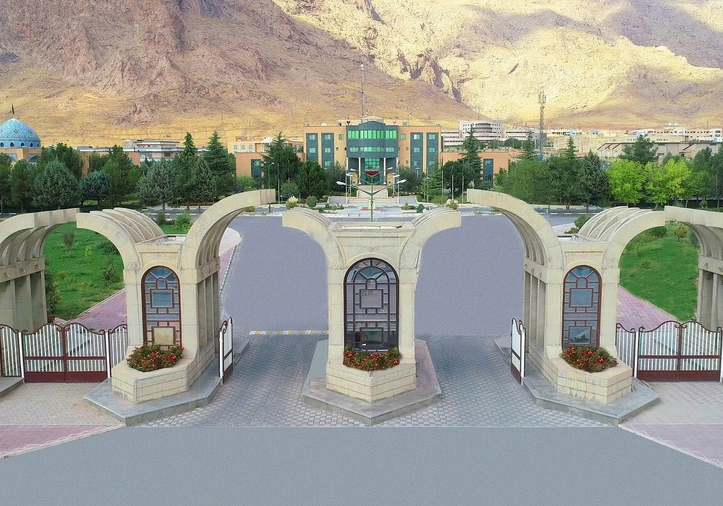
Razi University
IranKermanshah is one of the largest cities in western Iran. This pleasant city, with nearly one million population, is the ninth most populated city in Iran. This ancient city, the history of civilization in which dates back to more than 5500 years ago, is considered the largest Kurdish city in Iran. It is the capital of Kermanshah province, which houses several centers of higher education. Razi University of Kermanshah, which is named in honor of the great Iranian scientist, Mohammad Zakariyya Razi, is considered one of the largest and oldest universities in Kermanshah Province.
Who was Zakariyya Razi?
Abu Bakr Mohammad ibn Zakariyya Razi was an Iranian philosopher, physician, and alchemist who is world-renowned for the discovery of alcohol, sulfuric acid, and kerosene. He has also left behind several works in astronomy and mathematics.
To honor this great Iranian scholar, his birthdate, i.e. August 27, has been named as “Pharmacist Day” in Iran. Also, several scientific and academic centers, pharmaceutical industrial units, and research laboratories have been named after “Razi”.
The History of Razi University
The idea of establishing a university in the city of Kermanshah dates back to 1948 but this university officially started its activities in January 1973 as “Kermanshahan University of Sciences” and it was two years later that it was renamed “Razi University”.
The first president of this university, Abdul-Ali Guya, had studied atomic physics in France. The first batch of students of Razi University of Kermanshah, whose number stood at 200, were admitted in the fields of physics, chemistry, biology, and mathematics. With the inclusion of the Kermanshah Faculty of Medicine, Sanandaj Teacher Training Faculty, and Ilam Faculty of Animal Husbandry, the structure of this university expanded. However, after the Revolution, these three centers were separated from Razi University and were transformed into “Kermanshah University of Medical Sciences”, “University of Kurdistan”, and “Ilam University” respectively.
Educational Structure
As the top university of the province, the number of faculty members this university stands at about 450 and more than 11,000 students are undergoing their higher education at this university in three levels: undergraduate (about 7500 people), postgraduate (about 4500 people) and doctorate (about 1200 people) levels.
50 educational groups of this university function in the form of the following 9 faculties:
1. Social Sciences
2. Physical education
3. Chemistry
4. Sciences
5. Literature
6. Technical
7. Agricultural Science and Engineering
8. Agriculture and Natural Resources
9. Veterinary
Research Activities
Razi University publishes 23 specialized journals, eight of which are in English and 15 in Farsi.
In order to complete the chain of research to production, this university has established the “Entrepreneurship and Communication with Industry” Center. The growth center of this university has also been active since 2007 in the field of economic and technological development. This center supports the knowledge-based activities of academic and non-academic entrepreneurs. Agriculture, information technology, and engineering sciences are among the fields that this center is engaged in supporting their fledgling units. So far, four technology events have been held in this center - which has 15 technology groups - with the aim of discovering and supporting the best ideas in different fields.
International Status and Activities of Razi University
To expand international activities and conclude educational and research MOUs with universities and scientific and research centers of different countries, an office named “International Cooperation” has been established at Razi University. The “International Students Unit” of this center has been operating since 2012 and makes calls for international students admission every year and admits the applicants who can get top ranks based on the announced criteria.
The scientific and research progress of this university in recent years has resulted in its rise internationally. In the 2012 ISC Ranking, Razi University was ranked 13th among Iranian universities by acquiring a H-Index of 112.
- Type: Governmental
- Total students: 11000
- Foreign students: 500
- Contacts: 083-34277605
- Website:https://en.razi.ac.ir/
35
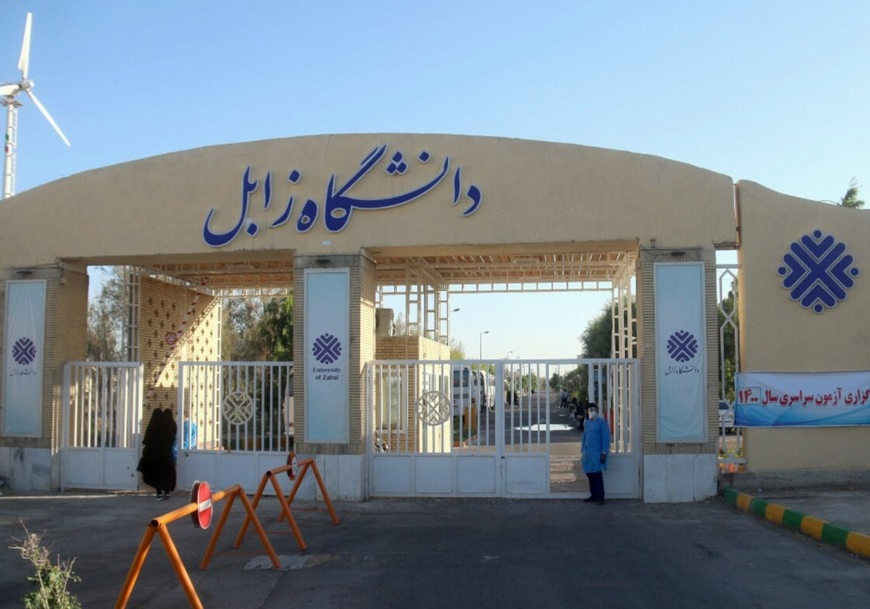
University of Zabol
IranThe land of Sistan has been the home of legendary Iranian warriors. Although this land has suffered a lot due to many droughts, it still maintains its freshness and historical authenticity and is moving towards a brighter future. The existence of dynamic universities in this land is quite promising. As one of the most important centers of higher education in Sistan and Baluchistan Province of Iran, the University of Zabol is located in the big city of Zabol and plays an important role in training specialist forces for the region by hosting about 15 thousand students.
History of the University of Zabol
The foundation of the University of Zabol was laid with the establishment of the College of Agriculture in 1980 and with its expansion over the years the following eight faculties are now functional in it.
Faculty of Agriculture: After the expansion of the activities of the College of Agriculture, this college was upgraded to a faculty in 1989. The two educational groups “Plant Products” (1984) and “Livestock Products” (1988) are known as the first educational fields of this faculty. Presently, 65 faculty members are rendering their services in eight educational groups at undergraduate, postgraduate, and Ph.D. levels.
Faculty of Sciences: This faculty was formed by merging the fields of biology (animal, plant, and general) and mathematics in 2001. Later on, the field of chemistry (pure and applied) was added to this faculty. Presently, in addition to these fields, the fields of statistics and physics are also taught in the Faculty of Sciences, which has 66 faculty members.
Faculty of Veterinary: Four groups of “Basic Sciences”, “Pathobiology”, “Food Hygiene” and “Clinical Sciences” are active in this faculty. The 10 laboratories and the specialized veterinary polyclinic of this faculty provide their services to the students in pursuit of their higher education.
Faculty of Natural Resources: The establishment of this faculty goes back to February 2000 and, presently, three teaching groups and 23 faculty members work in this faculty.
Faculty of Arts and Architecture: This faculty is as old as the Faculty of Sciences and “archaeology and architecture” was the first field in which students were admitted. Initially, this faculty only admitted students at the associate level, but it now admits students at the undergraduate and postgraduate levels as well.
Faculty of Engineering: One of the old faculties of Zabol University, which has been admitting students since the winter semester of 2001 in technical engineering. Currently, five groups of “civil engineering”, “mechanics”, “electricity”, “computer” and “mapping” are active in this faculty, which are served by more than fifty faculty members.
Faculty of Literature and Humanities: Arabic language and literature was one of the earliest fields of higher education at the University of Zabol. The addition of the Persian language and literature course in the early years of the activities of the university led to the establishment of the faculty of literature and humanities. Presently, the number of groups in this faculty has increased to 9, and 61 faculty members are engaged in educating its students.
Faculty of Water & Soil: This faculty was launched in 2010 and currently hosts more than 500 students in three levels of undergraduate, postgraduate, and doctorate.
Research Activities of the University of Zabol
The “Center Growth of Technological Units” of the University of Zabol has been established with the aim of supporting its researchers’ creative ideas. In this center, entrepreneurs and small and medium-sized units that are capable of commercialization cooperate with university researchers to create synergy and mutual growth.
In addition to this center, another center called “Technology Innovation and Development” has been opened at this university to deal with innovative ideas presented to businesses that are looking for further growth. Promoting the culture of innovation, identifying and empowering experts, and promoting the role of innovators and researchers in knowledge-based technologies are among the goals of this center.
Zabol University Publishes 9 journals (five in English) in such fields as microbiology, water engineering, applied sciences, agriculture, environment, agricultural sciences, and urban development.
- Type: Governmental
- Total students: 15000
- Website:https://old.uoz.ac.ir/en-US/UOZ/1/page/Home
36

Urmia University
IranUrmia is known as one of the pioneering cities of contemporary Iran. The first modern hospital, the first modern medical education center, the first local TV channel, and the first local publication of Iran have been launched in this city. It is, therefore, not surprising that Urmia University is one of the oldest universities in Iran.
History
An American physician by the name of Joseph Cochran who was born in Urmia, founded a medical college in this city in the late 19th century, which later on became the “City Campus” of Urmia University. This institution, which was known as “Westminster”, started its activities in 1878, i.e. 87 years before the establishment of Urmia College of Agriculture and 56 years before the establishment of Tehran University (the first modern university of Iran) and stopped functioning with the sudden death of Dr. Cochran in 1950. During the 27 years of the activities of this college, 26 Iranian doctors graduated from it.
The establishment of Urmia University dates back to 1965 when a center of higher education was established with a limited number of academic staff and about 30 students were admitted to study at the associate level in the field of “agricultural sciences”. Students who wanted to continue their higher education could enroll in undergraduate courses in the Faculty of Agriculture of Karaj - 700 kilometers away from Urmia - which was affiliated with the University of Tehran.
Four years after the establishment of this center, an MOU was signed between the Ministry of Culture of the time based on which a foundation called “Near East Foundation” was formed and a four-year course was designed. Along with the Faculty of Agriculture, the Faculty of Veterinary was also established and the preparation of books and equipment needed for it began. Gradually, five educational groups of “Basic Sciences”, “Plant Sciences”, “Animal Sciences”, “Agricultural Engineering” and “Rural Education” were established at Urmia University and the number of students admitted every year reached 150. The cooperation between the Urmia University and the Near East Foundation also led to the establishment of a large farm of 400 hectares in the Nazlu area on the outskirts of Urmia. Thereafter, a university campus was formed at Nazlu, 19 km from the main campus, and all three faculties of “Agriculture and Animal Husbandry”, “Veterinary” and “Sciences” were transferred to this new campus.
In the years that followed, faculties of medicine (founded in 1980 and separated as an independent university in 1985), literature and human sciences (established in 1988), and technology (established in 1990) were added to this university.
Presently, Urmia University has 11 faculties of “Literature and Humanities”, “Economics and Management”, “Electrical and Computer Engineering”, “Veterinary Medicine”, “Sciences”, “Chemistry”, “Sports Sciences”, “Engineering”, “Agriculture”, “Natural Resources”, and “Architecture, Urbanism, and Art”, more than 500 academic staff and more than 17 thousand students study at three levels of under-graduation, post-graduation, and doctorate.
The Position and International Activities of Urmia University
Urmia University is considered as one of the top universities in Iran. In the Shanghai Rankings published in 2023, the university was ranked 301-400 in the world for mechanical engineering. In the field of food science and technology, this university has been ranked 201 to 300. Similarly, in the Times Ranking of 2023, Urmia University ranked 501 to 600, being fifth among Iranian universities. In the ISC ranking published in 2021, Urmia University had been ranked 451 to 500 in the field of agricultural sciences.
The scientific position of Urmia University has inspired many foreign students to apply to pursue their higher education at this university. According to the officials of this university, nearly 1800 foreign students were studying at this university in 2022, making up about 10% of its students. Following the establishment of its international campus in 2012, this university has created suitable facilities for its foreign students. Five engineering disciplines “Industrial”, “Mechanical”, “Electricity-Telecommunications”, “Electricity-Electronics” and “Computer” are taught at this campus. Certain plans are also in progress in the “Management Center of Scientific and International Cooperation” of this university for expanding international cooperation and conducting joint research projects with foreign universities and other scientific and research centers.
- World University Rankin: 301
- Type: Governmental
- Total students: 17000
- Contacts: 044-32752741
- Website:https://en.urmia.ac.ir/
37
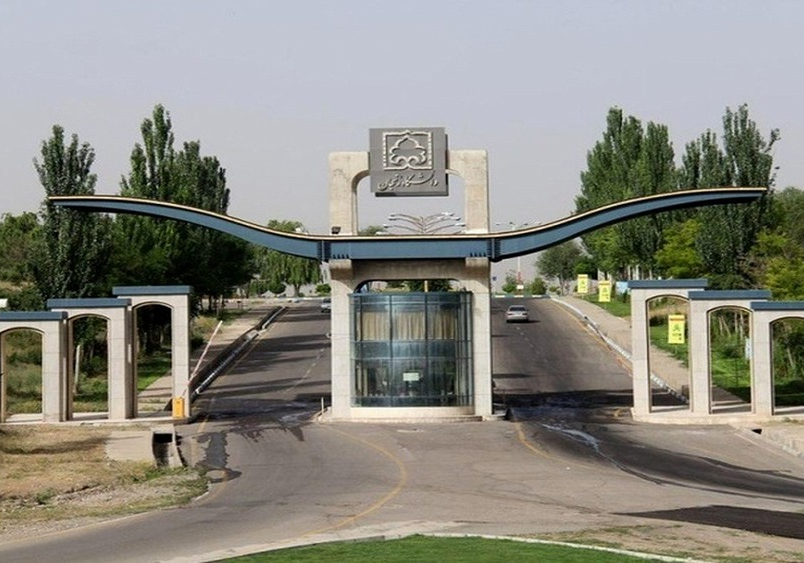
University of Zanjan
IranZanjan is one of the fertile provinces of Iran, where agricultural and animal husbandry activities have always been very prosperous. Perhaps this was the reason that in 1974 the plan for the establishment of a college of agriculture and animal husbandry in this city, which became the cornerstone of the University of Zanjan, was approved.
The History of the University of Zanjan
In the first academic year of the College of Agriculture and Animal Husbandry, which began in the fall semester of 1975, 72 students were given admission through the nationwide entrance exam of Iranian universities. This college started its activities with two courses “Agricultural Management” and “Livestock Management”.
In the same year, a piece of land with an area of 400 hectares was allocated for the construction of educational spaces of this college. The expansion of the activities of this center of higher education caused its status to be upgraded to that of a faculty in 1977. A few years later, i.e. in 1987 a college of technology was added to this faculty, and it was renamed “Zanjan Complex of Higher Education”. Finally, with the addition of the Faculty of Sciences in 1990 and the Faculty of Literature and Humanities in 1991 the path was paved for the transformation of this complex into the “University of Zanjan”.
Presently, four faculties of agriculture, engineering, sciences, and humanities, along with the Suhrawardi Campus, form the educational pillars of the university. Suhrawardi Campus started working in 2013 with the aim of admitting students to postgraduate studies. The admission of students to this campus started in the fields of electrical and civil engineering, and later other fields such as animal science and nutrition were added to it. The 400 faculty members of this university conduct 58 undergraduate courses, 100 postgraduate courses, and 54 Ph.D. courses.
Research Activities of the University of Zanjan
The Institute of Modern Biological Techniques is the most important research unit of the University of Zanjan. Presently, three research groups “Livestock”, “Agriculture” and “Biotechnology” are functioning in this research institute. The four research working groups of this institute include:
• Phytochemistry of medicinal plants
• Chemistry and biotechnology of food, pharmaceutical, and industrial raw materials
• Chemistry and environmental biotechnology
• Group of convergent sciences and technologies
9 laboratories and laboratory workshops have been established in this research institute with the aim of encouraging research projects and providing services to researchers. The Tarom Educational and Research Center with an area of 11 hectares supports the applied research projects in the field of subtropical plants.
This university also has a center called “Growth and Innovation”, which provides the necessary place and support to technological units. Using the services of this center, researchers and graduates of the University of Zanjan can actualize their ideas in various fields.
International activities of the University of Zanjan
The University of Zanjan has established an office called “International Scientific Cooperation” with the aim of fostering educational and research cooperation with universities and scientific institutions of other countries and exchanging scientific findings. In the years of its activities, this office has helped the university to improve its scientific level by holding meetings and conferences and inviting foreign researchers.
This center also facilitates the acquisition of sabbaticals with the aim of supporting university researchers and providing them with the opportunity to conduct research in foreign universities and institutions. The University of Zanjan publishes a call for admission for foreign students and admits those applicants whose educational records meet the minimum requirements announced. From among the students admitted, the most qualified ones are entitled to receive scholarships.
- Type: Governmental
- Total students: 11000
- Contacts: 021-33051
- Website:https://www.znu.ac.ir/en
38

Shahrekord University
IranMan’s need to use facilities and resources in the best possible way has forced him to study science and use the best methods to acquire high-quality products. The formation of scientific and educational centers in each region is not unrelated to the resources available to it. This is the reason that the Shahrekord University, which was initially established as a center for teaching techniques and knowledge related to animal husbandry, gradually expanded and today it is considered as one of the comprehensive universities of Iran.
The History of Shahrekord University
The first steps for the establishment of a center of higher education in the field of animal husbandry in the city of Shahrekord were taken in 1977. This center started its activities in a rented building and under the name of Shahrekord Animal Husbandry College. Later on, the square, which was situated in the neighborhood of the college was called the “University” Square.
After the Islamic Revolution of Iran in 1979, this college was transformed into the “College of Agricultural Training” and started working under the supervision of Isfahan University of Technology. The first batch of students of this college, which consisted of 30 students, started their higher education at the associate level in 1983, in the fields of agriculture and animal husbandry.
Following the expansion of the activities of this center, it was upgraded to a “Complex of Higher Education” in 1988 and finally to a university in 1991.
Educational and Research Activities of Shahrekord University
Having a large space, the eight faculties (“Engineering and Technology”, “Literature and Humanities”, “Basic Sciences”, “Mathematics”, “Veterinary Medicine”, “Agriculture”, “Natural Resources “, and “Arts”) of this university have more than seven thousand students, of which about 1,500 are studying in postgraduate courses. Among these faculties, seven faculties are located in the main campus and one faculty (Faculty of Arts) is located in the city of Farsan.
The 330 faculty members of this university teach in 49 undergraduate, 79 postgraduates, 36 specialized Ph.D. levels, and one professional doctorate level.
The Shahrekord University has the following six research centers:
1. Animal embryo technology,
2. Biotechnology,
3. Common diseases of humans and animals,
4. Growth center,
5. Water Resources Research Center,
6. Nano.
The focus of the activities of these research centers is based on the region’s need in the field of agriculture and animal husbandry.
This university founded a center with the title “Innovation Acceleration” in the year 2016 the main objective of which is connecting the university researchers with the food, agricultural, and animal husbandry industries. As per the evaluations conducted in Iran, with the help of these centers, Shahrekord University has been able to achieve the top ranking in Iran’s agricultural research.
Shahrekord University publishes eight scientific journals two of which (Iranian Water Research and Iranian Veterinary Clinical Sciences) are of scientific-research ranking. The other six publications that are published with specialized-scientific ranking are:
1. Common diseases of humans and animals,
2. Researches on the mechanics of agricultural machines,
3. Literature and humanities,
4. Soil management,
5. Plants and environmental stresses,
6. Research on animal nutrition.
In 2017, Shahrekord University was ranked among the top 1% of universities in the world for the first time. Also, in the ISC Ranking published in 2021, this university was named one of the top universities in Iran in the field of agricultural sciences by ranking 501 to 600 in the world.
Giving admission to foreign students started in this university in the year 2017 when students were given admission in the fields of literature and law. In addition to giving admission to foreign students, the Office of Scientific and International Cooperation of this university helps raise the scientific level of the university by engaging in the exchange of research findings of the university researchers with researchers from other countries through holding joint meetings with different universities. According to the officials of Shahrekord University, since 2023, this university has started new programs to increase the number of its foreign students.
- Type: Governmental
- Total students: 7000
- Contacts: ۰۳۸۳۲۳۲۴۴۰۱
- Website:https://www.sku.ac.ir/en/index.aspx
39

Tehran University of Art
IranIranians are art-loving people, and since times immemorial this fact has been manifest in every aspect of their lives; especially when it comes to the combination of color and pattern for creating unique works of art. This interest in art has been passed down from generation to generation among Iranians, and in every part of this land such fields of art as drawing, painting, calligraphy, etc. have been taught along with the usual school lessons. Perhaps the “Tehran University of Art” can be considered the oldest center of higher education that was established as a school of art.
The History of the Tehran University of Art
A center named “Conservatory of Music” was established in the year 1918, which was not affiliated with Dar al-Funun; the oldest modern-style center of higher education. This conservatory was also known as the “Academy of Music”.
After the victory of the Islamic Revolution in 1979, the establishment of an institute of higher education in the field of art became the focus of the attention of authorities. Therefore, five educational institutions of “Farabi University”, “College of Decorative Arts”, “College of Dramatic Arts”, “Conservatory of Music”, and “College of National Music”, which were active before the Islamic Revolution were merged to form the “Art Academic Complex”. This academic complex officially began its activities in 1980 and was eventually renamed as the “University of Art” in 1991. During the course of its activities, many undergraduate and graduate courses have been created and many students have graduated from this university. Since its inception, the University of Art has been conducting courses at undergraduate and postgraduate levels and many people have graduated from this university.
In 1991, three faculties of “Applied Arts”, “Visual Arts” and “Cinema and Theater” and a campus in Isfahan were considered as the branches of this university. Later on, the faculties of Music and Architecture and Urban Planning were established in 1994 and 2001 respectively and the Isfahan Campus gained independence and started functioning as an independent academic unit. In the following years, the faculties of “Preservation and Restoration” and “Theoretical Sciences and Advanced Art Studies” were added to the structure of this university. Farabi International Campus is also another part of the university that was established to attract students in higher education.
The main building of this university is located in “Mashq Square”; one of the old squares of Tehran, which is considered to be downtown today. This complex, which is about 200 years old, also houses several museums.
International and Research Activities of Tehran University of Art
By making calls for admitting foreign students, Tehran University of Arts also admits students from other countries every year. The university also has an office called “Management of International Scientific Cooperation”, which is responsible for interacting with foreign universities and centers of higher education with the aim of exchanging knowledge and technology, holding conferences, and conducting joint research projects.
Most of the research activities of this university are directed towards supporting the educational courses it conducts. Tehran University of Art also publishes three scientific journals in the fields of architecture and urban planning, visual and applied arts, performing arts and music, and so far, more than 1100 articles have been published in different issues of these three journals.
The “Scientific-Artistic Collaborations with Society” group has been active since 2017 as one of the research departments of the Tehran University of Art. The main objective of this group is to support scientific activities and applied artistic research works related to society and industry.
Another interesting point about the Tehran University of Art is the activities of the “Center for Growth and Entrepreneurship”. This center, which was founded in 2020, is considered a means of economic growth and support for entrepreneurs in different fields of art. Helping new ideas and companies to complete the cycle of research to production, providing scientific, technical, executive, and financial facilities to inventors, and accompanying the private sector to market artistic products are among the most important tasks of the “Center for Growth and Entrepreneurship”.
- Type: Governmental
- Total students: 5000
- Contacts: 02166733401
- Website:https://art.ac.ir/en
40
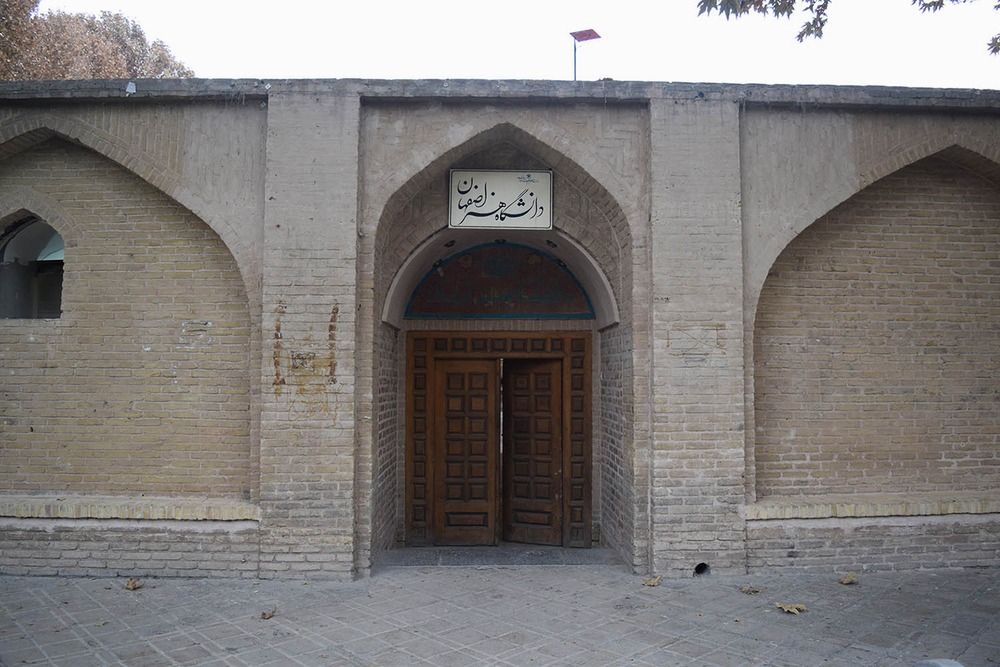
Art University of Isfahan
IranIsfahan is one of the historical cities of Iran, where many aspects of Iranian and Islamic arts are displayed in the most beautiful way. Due to the variety of natural, artistic, and historical attractions it has, this ancient city is called "Half of the World" by the Iranian people. This rich background has been the cause of efforts to preserve the original Iranian arts by establishing several schools of art in this city. Until a few decades ago, the transfer of different techniques of producing works of art of Isfahani origin was done in the form of in-person training, but with the establishment of the Art University of Isfahan, as one of the four Iranian universities, which engage in educating and training students, specialized education and training in the fields of traditional and new arts, have come to be of a different essence.
History of Art University of Isfahan
Art University of Isfahan was established as “Isfahan Pardis College” in the year 1977. At first, this educational unit was affiliated with "Farabi University", but it gained independence after the Islamic Revolution of Iran in 1979 when Farabi University was merged into four other art educational units that led to the establishment of Tehran University of Art.
The main objective of establishing this college was to train specialists in the field of restoration and preservation of historical monuments and artifacts and this made the Art University of Isfahan the first center of higher education that trained graduates in the fields of archeology, painting, interior architecture, construction, chemistry, and textile. This college also admitted students at the postgraduate level in the two fields of "Restoration of Monuments" and "Restoration of Historical Artifacts".
Eventually, after the expansion of educational units and disciplines, this college was promoted to being a university in 2000. Currently, this university is operating with 125 faculty members.
A Unique Feature of Isfahan Art University
The whereabouts of this university in the city of Isfahan, which is the center of the crystallization of authentic Iranian and Islamic arts, provides students with a special opportunity to experience life in an artistic atmosphere. The educational spaces of the university are located in historical buildings and this feature makes this university very ideal for studying art disciplines.
The Isfahan University of Art is considered the scientific pole of restoration in Iran, and it is the only university that accepts students at the Ph.D. level in two majors: "Restoration of Artifacts" and "Restoration of Monuments".
Educational and Research Activities of Isfahan Art University
Presently, nearly three thousand students are studying in five faculties of " Research Excellence in Art and Entrepreneurship", "Conservation and Restoration", "Handicrafts", "Architecture and Urban Planning" and "Visual Arts".
This university publishes four specialized journals in the fields of “Art”, "Restoration of Monuments", "Comparative Studies", and "Archaeology and Art History of the Ancient East" with the aim of publishing the latest research results of its researchers and students.
The “Center for the Specialized Development of Art” is another department of this university that has been established with the aim of commercializing art, creating a suitable environment for the formation of art-based companies, hosting creative industries, promoting art-based entrepreneurship and generation of wealth through artworks, and promoting the higher education system in art. This center was established in 2015 in collaboration with Isfahan Scientific and Research Town and so far, more than 30 companies and active bodies in the fields of handicrafts, tourism, industrial design, cultural products, cinematic effects, animation, architecture, and urban planning are stationed in it.
The Office of Scientific and International Cooperation of this university is responsible for the expansion of inter-university relations at the international level. This office is engaged in planning international meetings, holding inter-university scientific events, and establishing relations with foreign research institutes and scientific centers. Determining the conditions for granting admission to non-Iranian students and notifying the rules and procedures for admitting foreign students is also done by this office.
- Type: Governmental
- Contacts: ۰۳۱۳۶۲۴۸۰۸۹
- Website:https://en.aui.ac.ir/
41

University of Mazandaran
IranMazandaran province is one of the northern and most pleasant provinces of Iran. The proximity to the Caspian Sea and the presence of lush forests have made this region one of the best travel destinations for Iranians. However, not only the nature and tourist attractions of this province are impressive, but also its centers of higher education are among the best Iranian universities. The University of Mazandaran, which is located in the beautiful city of Babolsar, is one of the largest and most active centers of higher education of this province.
History of the University of Mazandaran
Babolsar School of Economic and Social Sciences was established in collaboration with Harvard University in 1971, in Babolsar to train specialized human resources in the fields of “Economics”, “Accounting and Finance”, “Social Economy”, and “Labor Law”. Babolsar School of Economic and Social Sciences was a non-profit institution and was located in the place where the main building of the University of Mazandaran is located today.
In the first academic year of its activities, this school admitted 300 students in the fields of economics and social sciences. In the next academic year, the capacity of Babolsar School of Economic and Social Sciences doubled, and within a few years, it came to be considered one of the most important centers of higher education in northern Iran.
On September 26, 1980, with the approval of the Supreme Council of Cultural Revolution the University of Mazandaran was officially established, and since then it has significantly grown both quantitatively and qualitatively. Later on, the faculties of Medicine, Agriculture and Natural Resources, and Technical and Engineering Complex were separated from this university to form three independent universities.
Educational and Research Activities of the University of Mazandaran
Presently, the following 13 faculties are active in this university:
1. Chemistry,
2. Basic sciences,
3. Mathematical sciences,
4. Humanities and social sciences,
5. Law and political science,
6. Art and architecture,
7. Economic and administrative sciences,
8. Theology,
9. Physical education,
10. Literature and foreign languages,
11. Technology and engineering,
12. Marine and environmental sciences,
13. Cultural heritage, tourism, and handicrafts (located in Nowshahr city).
More than 400 faculty members serve in these 13 faculties of the University of Mazandaran teaching more than 250 fields and courses of which about 55 fields are at the undergraduate level, more than 130 fields at the postgraduate level, and more than 70 fields at the Ph.D. level.
During the years of the activities of Mazandaran University, more than 500 books have been authored by its researchers. The university also publishes 25 scientific journals of which 12 are scientific-research journals and the remaining 13 are scientific-review journals.
The Status and International Activities of the University of Mazandaran
The researchers of the University of Mazandaran are very active in publishing articles in foreign journals, such that they published 1063 and 1127 research papers in international journals in the years 2021 and 2022 respectively.
The University of Mazandaran was ranked 27th among Iran’s comprehensive universities in the ISC Ranking published in 2022. The Global and Asian rankings of this university have been 1801 to 2000 and 701 to 823, respectively.
Engagement in international academic activities has been the focus of the authorities of the University of Mazandaran for a long time such that three decades ago, it created a union of universities of the Caspian Sea countries the membership of which stands at 55 today.
Non-Iranian students also have a significant presence in the University of Mazandaran. In 2023, about 500 non-Iranian students were studying there, which constitutes more than four percent of the university’s student population. Among all the faculties of this university, “Economic and Management Sciences” has the highest number of foreign students, and “Marine and Environmental Sciences” has the lowest number.
According to the officials of the University of Mazandaran, by providing consular and welfare services, more foreign students are getting attracted to study at this university.
- Type: Governmental
- Total students: 18000
- Foreign students: 500
- Contacts: 01135303000
- Website:https://www.umz.ac.ir/
42
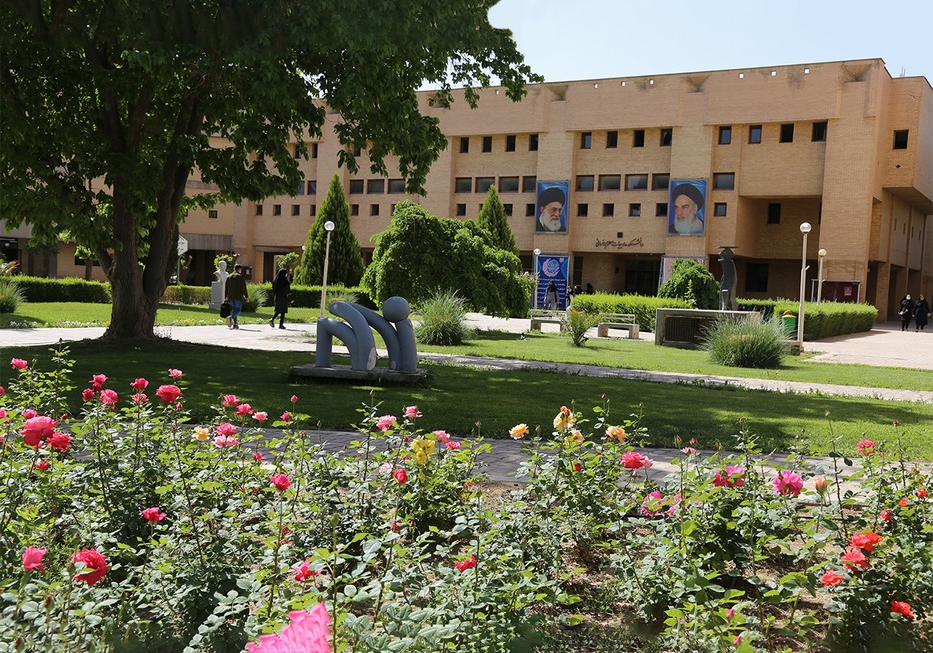
Shahid Bahonar University of Kerman
IranThere have been and are great people in every society who, through their efforts and activities, leave behind a legacy for future generations to benefit from to grow and flourish. “Engineer Alireza Afzalipour” was one of such great people who took a big step towards the growth and excellence of the Kerman Province of Iran by establishing a university in this province.
Who Was Afzalipour?
Alireza Afzalipour was born on March 26, 1909, in Tehran. At the age of 22, he went to France to pursue his higher education and received a bachelor’s degree in chemistry from Bordeaux. He then completed a two-year specialized agricultural chemistry course in the city of Lille and returned to Iran in 1937 and was employed by the Iranian government. He, however, resigned from the government and began to trade in electricity-related products.
In 1970 when Afzalipour was going through the seventh decade of his life, he and his wife, Fakhereh Saba, thought of establishing a university in one of the less developed regions of Iran. A year later, Afzalipour founded a university in Kerman, which is known today as “Shahid Bahonar University of Kerman”.
Since 2003, a prize has been established in honor of Alireza Afzalipour, which is awarded to a top university faculty member and a top researcher in Iran. In the following years, two more awards were created in memory of Alireza Afzalipour’s wife, Fakhereh Saba, and his brother, Ali Afzalipour. The Fakhereh Saba Prize is awarded to artists and the Ali Afzalipour Prize to top students of statistics and chemistry. Also, a prize titled “Top Entrepreneur” has been created on the sidelines of the above-mentioned prizes, which is awarded to Iran’s top entrepreneurs.
History of the Shahid Bahoner University of Kerman
Although the Shahid Bahonar University of Kerman had officially been founded in 1970, it took a few years to complete the required preparations, including the construction operations, and, therefore, the first batch of students (90 students) was admitted to this university in 1975 who pursued their higher education in the five fields of “English Language”, “Chemistry”, “Physics”, “Electricity” and “Electronics” in three faculties of “Literature”, “Basic Sciences” and “Technology and Engineering”. Today, with the expansion of the university, the number of its students stands at 14 thousand.
The Educational and Research Status of Shahid Bahonar University of Kerman
Shahid Bahonar University of Kerman consists of the following 11 faculties:
1. Engineering
2. Literature and Humanities
3. Agriculture
4. Mathematics and Computer
5. Basic sciences
6. Law and Theology
7. Veterinary medicine
8. Management and Economics
9. Physics
10. Physical education
11. Art and Architecture
This university also has a higher education complex in Baft City, two higher education centers (agriculture in Bardsir and carpet in Ravar), a university campus, five research institutes, a research center, and 64 educational groups. The university conducts 67 fields and majors in human sciences, 86 fields and majors in basic sciences, 62 fields and majors in technology and engineering, 45 fields and majors in agricultural sciences, and 9 fields and majors in art. 34 fields and majors are also taught at its subsidiary campus. More than 600 permanent faculty members are serving in this university and so far more than 82 thousand people have graduated from it.
International Position and Activities of Shahid Bahonar University of Kerman
By observing high educational standards, Shahid Bahonar University of Kerman has managed to gain a good position in the world rankings. For example, this university has been ranked 76 to 100 in the Shanghai Ranking of 2023 in the field of mining engineering, making it the third-best university in Iran. Considering the existence of various mines in Kerman province, this position is very important for providing scientific and research-based support in the area of mining exploration and extraction.
Similarly, in the ISC Ranking system that was published in 2021, Shahid Bahonar University of Kerman was ranked as one of the top universities in Iran, by gaining the rank of 601 to 700.
The Office of Consular Affairs of this university provides special services for non-Iranian students. Prior to the beginning of every academic year, a call for admission is made for non-Iranians. According to the objectives defined for this university, attracting foreign students is one of the means to raise the quality of education and provide the possibility of scientific exchange with other countries.
- World University Rankin: 100
- Type: Governmental
- Total students: 14000
- Contacts: 03433257141
- Website:https://uk.ac.ir/
43

Amirkabir University of Technology
IranUndoubtedly and as per various national and international rankings, Amirkabir University of Technology should be considered one of the top two or three universities of Iran. Having modern facilities and laboratories has made this university famous among Iranian universities. The construction and launch of satellites and the design and construction of the supercluster supercomputer have been among the most important research achievements of the Amirkabir University of Technology in recent years.
Amirkabir University of Technology is considered as the scientific hub of Iran in the fields of mechanical engineering, electrical engineering, chemical engineering, textile engineering, medical engineering, aerospace engineering, civil engineering, computer engineering, and information technology. So far, the students of this university have won the top ranks in several international student Olympiads and in robotics competitions. Among the honors of the Amirkabir University of Technology, mention can be made of several rounds of obtaining the first rank among technical universities of Iran in the field of research.
History
The initial core of what is now known as “Amir Kabir University of Technology”, was formed under the name “Tehran Polytechnic” in October 1956, through the efforts of Habib Nafisi. At that time, there were two technical institutes in Tehran named “Institute of Technology” and “Higher Art Center” and the purpose of establishing “Tehran Polytechnic” was to expand the activities of these two institutes. “Tehran Polytechnic” began to admit students in 1957, and with the establishment of five engineering fields of “electricity and electronics”, “mechanics”, “textile”, “chemistry”, and “civil”, its activities began to expand further since 1958.
One year after the victory of the Islamic Revolution, i.e. in 1980, “Tehran Polytechnic” officially became the “Amirkabir University of Technology”; named after Amirkabir, who was one of the most influential figures in Iran’s contemporary history and who had created the first modern center of higher education in Iran by establishing “Darul-Funun”.
Presently, Amirkabir University of Technology has 16 faculties, four independent educational groups (Foreign Languages, Education and Humanities, Physical Education, and the International Language Center) and seven interdisciplinary groups (Robotics, Mechatronics, Space and Avionics Engineering, Materials and Corrosion, Energy Engineering, Information Technology, and Maritime Engineering).
The Campuses of the Amirkabir University of Technology
The following four campuses are affiliated with the Amirkabir University of Technology:
Mahshahr Campus: Known as the hub of the petrochemical industry of Iran, this campus admits students without charging any tuition fees. The campus was established in 2001 by admitting students in two fields of polymer engineering and petrochemical engineering. With the acquisition of the required facilities, several other disciplines and postgraduate courses were added to its educational programs.
Bandar Abbas Campus: This coastal campus of Amirkabir University of Technology is engaged in educating and training students in the two fields of marine engineering and marine machinery engineering.
Garmsar Campus: Established in 2010 with the aim of promoting entrepreneurship and strengthening technological capacities, this center of higher education is located over an area of nearly 1800 square meters and is equipped with various research, sports, and educational facilities.
Kish International Campus: This campus was established in 2018 with the aim of creating an international center of higher education and attracting non-Iranian students. Business management, information technology engineering, safety, health and environmental engineering, and civil engineering (construction management) were the fields in which students were admitted to this campus for the first time.
International Relations of the Amirkabir University of Technology
One of the priorities of the Amirkabir University of Technology is to be in direct contact and interaction with academic units around the world and engage in scientific exchanges with them. Therefore, in addition to the establishment of various campuses and attracting foreign students, it founded its “International Language Center”. By teaching foreign languages to university students, this center enables them to have more scientific interaction with foreign universities of the world.
- World University Rankin: 141
- Type: Governmental
- Total students: 13400
- Contacts: 02164540
- Website:https://aut.ac.ir/
44
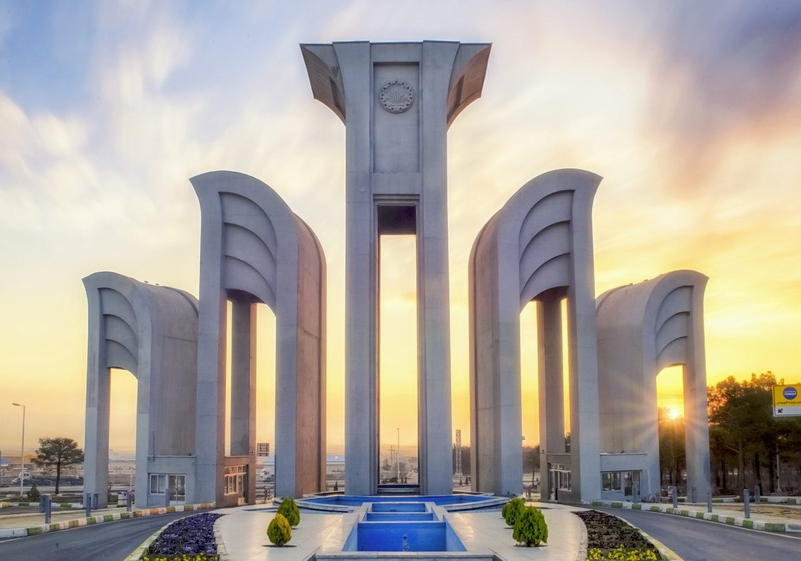
Isfahan University of Technology
IranHaving a historical cultural and civilizational background, Isfahan City of Iran is considered one of the scientific, cultural, and historical centers of the country. Among the several academic centers of higher education in Isfahan, Isfahan University of Technology has, due to its vast environment and unique facilities, made an important place for itself among the country’s universities.
History
In 1970, a plan was proposed to establish a campus of Sharif University of Technology in Isfahan. Subsequently, a land of 1600 hectares was considered for the construction of this campus, which would make it possible for the university authorities to prepare various research and industrial centers on the campus. The allocation process took some years and it was finally in the year 1974, that the construction of the campus began. In 1977 this campus was turned into the Isfahan University of Technology (IUT) and was eventually allocated 2300 hectares of land, making it the largest university in the country.
Education and Research Activities
Presently, 201 courses and orientations are taught in 15 faculties of this university: 27 courses at the undergraduate level, 106 courses at the master’s level, and 68 courses at the Ph.D. level.
Among the faculties of Isfahan University of Technology, Golpayegan Technical Engineering Faculty is located outside the central campus of the university. This campus has five faculties of mechanical engineering, industrial engineering, materials engineering, electrical and computer engineering, and basic sciences.
The IUT has the following five research centers:
- Steel
- Avionics
- Water and Sewage
- Sea Science and Technology
- Nano Technology and Advanced Materials
- Information and Communications Technology
- Biotechnology and Bioengineering
Being located next to the Isfahan Science and Technology Town is one of the important features of Isfahan University of Technology. By providing its services, this science and technology town has achieved success in the fields of development, production, and export of knowledge-based products and employment of university graduates. The town accommodates newly established commercial research units and also research centers affiliated with organizations and industries. An urban complex has also been prepared in this town as the residential area for researchers.
IUT publishes 10 journals in Farsi and three in English. There are also five scientific poles active in this university, which include:
• Sensor and Green Chemistry: The main mission of this pole is to make gas and chemical sensors and compounds that remove solvents from chemical reactions. This pole was launched in Isfahan University of Technology in the year 2000.
• Biotechnology: Isfahan province is considered one of the most important centers of horticultural products in Iran. Therefore, this pole was established in 2002 to protect the trees and support the agricultural activities of the province.
• Steel Technology: Due to the existence of huge steel industries in Isfahan, by launching this pole in 2001 the IUT is looking forward to coming up with new steel production technologies.
• Risk Management and Natural Crises: Iran is a country that is exposed to various natural disasters. The Pole of Risk Management and Natural Crises was established at this university in 2018 to conduct research on suitable technologies to prevent the possible damages caused by these crises.
• Biotechnology and Bioengineering: It was established in 2008 with the aim of providing the necessary capacities to create, transfer, and develop the required processes for biological products.
International Position of the Isfahan University of Technology
The Isfahan University of Technology has always been one of the most important and prominent universities of technology in Iran. This fact can also be seen in the global rankings of this university. In the Shanghai ranking published in 2023, this university ranked 401 to 500 in the fields of biotechnology, agricultural science and physics, 301 to 400 in the fields of chemical engineering and mechanical engineering, and 76 to 100 in the field of science and technology of instrumentation (first in Iran), 201 to 300 in the fields of Food Science and Technology and Energy Science and Engineering, 51 to 75 in the field of mining engineering, and 151 to 200 in the field of metallurgical engineering.
In order to increase interaction with world universities and provide necessary services to non-Iranian students, a center named “Office of International Scientific Cooperation” was established at Isfahan University of Technology in 1990. The main goal of this office is to introduce the university at the international level and conclude MOUs with other universities.
- World University Rankin: 151
- Type: Governmental
- Total students: 10400
- Contacts: 03133912210
- Website:https://english.iut.ac.ir/
45

دInstitute for Advanced Studies in Basic Sciences of Zanjan
IranInstitute for Advanced Studies in Basic Sciences (Zanjan)
The Institute for Advanced Studies in Basic Sciences of Zanjan was founded with the aim of educating and training experts in different fields of higher education to cater to the needs of the country in science and technology.
History
Established in the year 1992, besides imparting higher education at different levels, this institute is also a research center, which started its activities by admitting students at the undergraduate level in physics in 1993. A year and a half later the institute also began admitting and educating students at postgraduate and Ph.D. levels in physics and mathematics respectively. The construction of the main campus of the institute on an area of 85 hectares next to the Zanjan University of Medical Sciences began in 1995 and was completed in 2000. The institute is not surrounded by any walls and fences and all citizens can enter its premises. The facilities of the institute are available to students 24 hours a day, and all of them can have their own offices for study and research purposes.
Faculties
The Institute for Advanced Studies in Basic Sciences of Zanjan consists of six faculties, two research centers, and one language training center. The “Science House” and “Science and Technology” Park of Zanjan are also affiliated with this institute.
Faculty of Physics
The Faculty of Physics is the oldest faculty of this institute. The first batch of Ph.D. students of this faculty were admitted in the fields of condensed matter, astrophysics, and mathematical physics. One of the special measures of this faculty was to launch the continuous seven-year Ph.D. course in physics for those who pass the national-level entrance exam of Iranian universities.
Faculty of Chemistry
Seven years after the establishment of the institute, the Faculty of Chemistry started its work by admitting five students at the postgraduate level. Presently, with the expansion of the activities of this faculty, the courses offered in this faculty include “Organic Chemistry”, “Analytic Chemistry”, “Physical Chemistry”, “Inorganic Chemistry”, “Nanochemistry”, and “Polymer Chemistry”.
Faculty of Earth Sciences
This faculty was established by separating the Department of Geophysics from the Faculty of Physics. Earthquakes, tectonics, sedimentology, hydrology, and geodynamics are the most important educational fields of this faculty.
Faculty of Computer Science and Information Technology
The establishment of this faculty dates back to 2003. In addition to graduate studies, this faculty also admits students to the bachelor’s degree in computer engineering. Optimization, computational geometry, machine learning, bioinformatics, and wireless communication are the most important research areas in this faculty.
Faculty of Biological Sciences
This faculty is considered the youngest faculty of the Institute for Advanced Studies in Basic Sciences of Zanjan, which was established in 2008. Biochemistry, biophysics, bacterial culture, cell culture, and bioinformatics laboratories are at the disposal of the students of this faculty to carry out their research projects.
Faculty of Mathematics
Established in 1994, The Department of Mathematics offers a higher education program at M.Sc. and Ph.D. level.
Research Centers
The Institute for Advanced Studies in Basic Sciences of Zanjan also has two research centers namely: “Basic Sciences and Modern Earth Technologies” and “Climate Change and Earth Warming”.
Sobouti-Khajehpour Award
In 2012, on the occasion of the 20th anniversary of the university’s establishment, an award was created in honor of Yusuf Sobouti and Mohammad Reza Khajehpour, two famous professors and founders of this university. This award is given every year to Iranian scientists in the field of basic sciences who are less than 40 years old and whose research has been conducted inside Iran.
International Overview of the Institute for Advanced Studies in Basic Sciences of Zanjan
Having an international overview of higher education was one of the most important issues that was considered at the time of the establishment of this institute. Therefore, right at the beginning of its establishment, an advisory council was formed with the presence of professors from different countries and support it in attracting researchers and international cooperation. Professors from the United States, Italy, India, South Korea, and the Netherlands were present at this council.
In recent years, the Institute for Advanced Studies in Basic Sciences of Zanjan has had scientific cooperation with scientific research centers and universities of Aachen, Bonn, Siegen and Kaiserslautern in Germany, Utrecht and Delft in Holland, Heriot-Watt in England, Ecole Polytechnique in France, Arkansas, Ohio and Utah in America, and Tokyo in Japan and has implemented joint projects with them. Based on the plan developed by the Ministry of Science, Research, and Technology for the promotion of Iranian universities, the Institute for Advanced Studies in Basic Sciences of Zanjan is foreseen to be among the top 200 universities in the world.
- Type: Governmental
- Total students: 1163
- Contacts: 0243315241000
- Website:https://iasbs.ac.ir/?lang=en
46
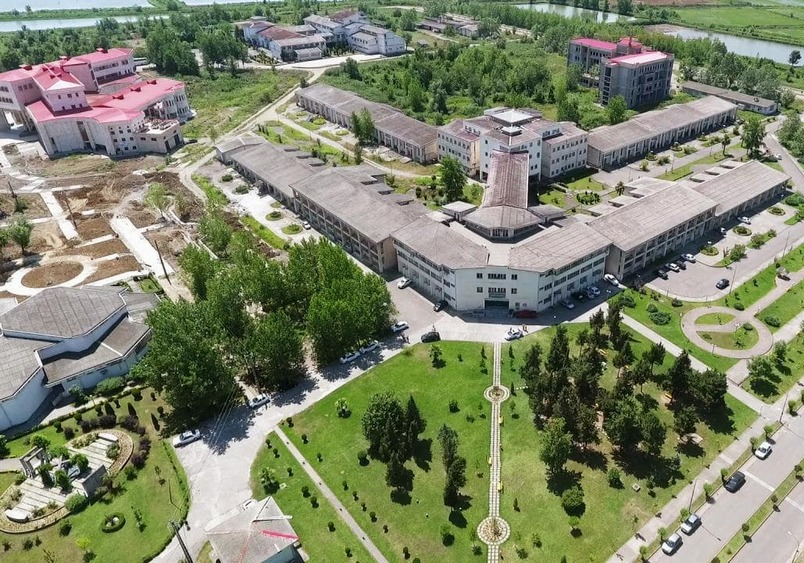
University of Guilan
IranGilan Province is one of the 31 provinces of Iran and lies along the Caspian Sea. Due to its favorable climate, this province has many forests and fertile soil for agriculture. The province has always been considered as one of the most important regions of Iran with regard to agriculture. As the main center of higher education in this province, University of Guilan is regarded as one of the top universities in Iran in the field of activities related to agriculture and related industries.
History
The establishment of Guilan University dates back to 1974 CE when a contract was signed between the governments of Iran and West Germany, which included the establishment of a center of higher education. Two years after the establishment of Guilan University, the two centers of higher education of the province, namely Rasht School of Commerce and Lahijan School of Management which had been established six years earlier were merged into Guilan University in order to follow the process of higher education in this province more coherently.
Following the victory of the Islamic Revolution in 1979, the activities of Guilan University were continued without dependence on Germany. The university had eight fields of study and 500 students and with the expansion of higher education in Iran the faculties of “Basic Sciences”, “Technology”, “Agricultural Sciences”, “Humanities”, and “Medicine” were also established at this university.
Activities
Presently, Guilan University is active in 137 fields of higher education at the undergraduate level, 253 fields at the master’s level, and 154 fields at the Ph.D. level. The 10 faculties of the university include:
- Agricultural Sciences
- Art and Architecture
- Engineering
- Engineering and Technology (Eastern Guilan)
- Literature and Humanities
- Mathematical Sciences
- Mechanical Engineering
- Natural Resources
- Physical Education
- Sciences
- Management and Economics
600 full-time faculty members and 18,000 students have made this university the largest center of higher education in northern Iran.
The university also has the following two research centers:
The Guilanology Research Center
This research center was established with the aim of conducting research on the culture and climate of Gilan province and its natural resources. Sustainable development and creating a desirable society are other goals of this research center the establishment of which dates back to 2014.
The Caspian Sea Basin Research Center
The proximity of Gilan province to the world’s largest lake, with a width of about 390 thousand square kilometers and a water volume of nearly 78 thousand cubic kilometers, has greatly increased the importance of research on this lake. The lives of the residents of Gilan and other surrounding areas of the Caspian Sea are tied to it, and getting to know this lake better can improve the quality of their lives. Therefore, were established in 2005 with three laboratories “River and Sea Engineering”, “sea Biology”, and “Water and Sewage” and three research groups “Marine Sciences”, “Marine Industries”, and “Water and Environment” in order to make the most appropriate interaction of the people of the Caspian Sea possible.
International Activities and Position of Guilan University
Guilan University has a close relationship with the members of the Union of State Universities of Caspian Countries. It has also signed memorandums of understanding with some universities in Southeast Asia and the European Union.
This university has been introduced as one of the top universities in Iran by the three world ranking systems of Times, Leyden, and Shanghai. In the Shanghai ranking presented in 2023, Guilan University was ranked 301 to 400 in the field of mechanical engineering. In the ISC ranking published in 2021, too, the university was introduced as one of the top universities in Iran in the field of agricultural sciences with a rank of 501 to 600.
Guilan University admits foreign students every year. In the academic 2023-2024, about 300 foreign students are studying at this university, and according to its officials, more facilities will be provided to attract non-Iranian students in the coming years.
- World University Rankin: 301
- Type: Governmental
- Total students: 18000
- Foreign students: 300
- Contacts: 01333690274
- Website:https://guilan.ac.ir/
47

Lorestan University
IranLorestan province is one of the mountainous provinces of Iran with climatic diversity. “Lorestan University” is the largest center of higher education in this province, where about 9 thousand students study. The central campus of this university is located in the city of Khorramabad, the capital of this province, and it has four affiliated centers in other cities of the province.
History
Although Lorestan University began its activities as an independent university in 1993, its formation dates back to 1977 when it was started as the northern branch of the Jundishapur University of Ahvaz (Now Shahid Chamran University) by admitting 100 students in such courses as physics, chemistry, mathematics and biology at the undergraduate level.
Following the victory of the Islamic Revolution in 1979, this center was detached from Shahid Chamran University and continued its activities as “Lorestan Institute of Higher Education”. In the following years, a plan to establish a comprehensive university in Lorestan province was proposed and finally, in 1993, it was implemented by upgrading the status of this institute to that of a university.
Faculties and Research Centers
Presently, Lorestan University has the following eight faculties:
1- Faculty of Natural Resources: With three departments: "Forestry", "Pasture and Watershed Engineering", and "Fisheries and Environmental Science and Engineering"
2- Faculty of Literature and Human Sciences: This faculty has nearly two thousand students, 80 full-time faculty members, and 10 educational departments.
3- Faculty of Agriculture: Established one year after the institute was upgraded to a university, this faculty 8 departments
4- Faculty of Sciences: In this faculty, 11 courses and orientations are taught at the undergraduate level, 24 courses and orientations at the master’s level, and 16 courses and orientations at the Ph.D. level. The faculty has 78 faculty members
5- Faculty of Engineering: Established in 2003, the faculty has seven educational departments.
6- Faculty of Economics and Administrative Sciences: "Business Management" and "Business Economics" were the first departments of this faculty. With the addition of the “Accounting” department and with 15 full-time faculty members, Lorestan University to make it one of the important centers of higher education in western Iran in the field of management and economics.
7- Faculty of Veterinary Medicine: Keeping in view the expansion of animal husbandry activities in Lorestan province, this faculty was established in 1993. Presently, there are eight educational groups are active in this faculty
8- Faculty of Chemistry: The history of this faculty dates back to 1977 when it started working as one of the four educational groups of the Lorestan Institute of Higher Education. In 2022, the chemistry group was detached from the Faculty of Sciences to form the Faculty of Chemistry. Presently, 19 full-time faculty members are active in this faculty.
The four affiliated centers of higher education of Lorestan University include:
Kouhdasht: Where Mathematics and its Applications are
Aleshtar: A center of higher education for girls, teaching, and training 500 students in the fields of "Computer Engineering", "Mathematics and Applications", "Business Management", "Industrial Management", and "Geography".
Poldokhtar: Established in 2012, this center began its activities by teaching computer engineering and agricultural engineering in two fields of plant medicine and horticulture science. Agricultural engineering, psychology, accounting, English language, and sports science are the other courses that were later on added to the earlier ones.
Nourabad: A center of higher education for boys it offers courses in the three fields of psychology, public administration, and accounting to about 220 students.
International Activities of Lorestan University
Lorestan University had hosted about 200 non-Iranian students in 2023. This university plans to increase the number of foreign students by increasing educational and welfare facilities. Currently, an office of "Scientific and International Cooperation" is working on managing the affairs related to the international activities of this university. In addition to expanding cooperation with foreign educational and research institutions, this office also organizes meetings and invites foreign personalities and professors to visit Lorestan University.
- Type: Governmental
- Total students: 9000
- Foreign students: 200
- Contacts: 06633120106
- Website:https://www.lu.ac.ir/
48

University of Mohaghegh Ardabili
IranArdabil is one of the border provinces of Iran located in northwest of the country. This province is famous for having natural tourism attractions and large agricultural industries. The largest center of higher education of this province is “University of Mahaghegh Ardabili”, whose main campus is located in Ardabil city.
Who was Mahaghegh Ardabili?
Ahmad ibn Muhammad Ardabili was one of the leading scholars of Islamic sciences in the 16th century CE. He was born in Ardabil and studied and taught in such cities as Shiraz and Najaf. He was nicknamed “Maghaddas Ardabili” because of living a purely religious asceticism, and was known as “Mahaghegh Ardabili” because of his insight and expertise in various sciences. Mahaghegh Ardabili Passed away in 1585 CE.
History of the University of Mahaghegh Ardabili
The history of the establishment of this university dates back to 1978 when it was started as a college of agriculture affiliated with the University of Tabriz by admitting 30 students in the field of agriculture. In 1991 this college was detached from the University of Tabriz and continued its activities as an independent “Institute of Higher Education”. During a commemoration congress in honor of Mahaghegh Ardabili in his birthplace in 1996 the status of the said institute was elevated to that of a university and named after this great Iranian scholar.
Educational and Research Activites of University of Mohaghegh Ardabili
This university is considered as the only comprehensive university in Ardabil province (in the northwest of Iran). The main campus of the university is located in Ardabil city and its three affiliated campuses are located in the cities of Namin, Moghan, and Meshkinshahr. Presently, the number of students and faculty members of this university stands at than 13 thousand and nearly 400 respectively. University of Mohaghegh Ardabili has 9 faculties, six of which are located in its main campus:
1- Faculty of Engineering
2. Faculty of Science
3. Faculty of Educational Sciences and Psychology
4. Faculty of Literature and Humanities
5. Faculty of Social Sciences
6. Faculty of Agriculture and Natural Resources
The three affiliated campuses of this university include the Faculty of Agriculture in Meshkinshahr, the Faculty of Agricultural Technology and Natural Resources in Moghan, and the Faculty of New Technologies in Namin.
Three research institutes of “Water and Mineral Water Engineering”, “Water Management”, and “Health and Safety of Agricultural Products” have been established with the aim of strengthening the university’s research activities. The other research centers of the university include “Medicinal Plant Biotechnology Research Center”, “Salamat Gostar Research Center”, and “Energy Management Research Center”. In all 19 research groups conduct research in the University of Mohaghegh Ardabili especially in such fields as food and agriculture industries.
International Status and Activities of University of Mohaghegh Ardabili
Despite the fact that University of Mohaghegh Ardabili has started admitting foreign students since 2020, in 2023 more than 100 students from different countries had enrolled in it. According to the officials of this university, with the increase in the capacity and facilities in this university, the possibility of attracting more foreign students will increase in the years to come.
The “Directorate of Scientific and International Affairs” of the University of Mohaghegh Ardabili is in charge of concluding memorandums of understanding with universities and scientific centers of different countries, sending students to international scientific and sports competitions, providing consular services to foreign students, and inviting professors and researchers from different countries to attend and teach at the university.
According to the Shanghai ranking published in 2023, this university is the best university in Iran in the field of materials engineering, with a rank of 301 to 400. In the Times ranking, University of Mohagheg Ardabili is ranked 9th among Iran’s top universities. Also, in the ISC ranking report published in 2021, this university was one of the top universities in Iran in the field of agricultural sciences with a rank of 601 to 700.
- World University Rankin: 301
- Type: Governmental
- Total students: 12000
- Foreign students: 100
- Contacts: 04531500000
- Website:https://www.uma.ac.ir/
49

Shahrood University of Technology
IranSemnan province is one of the largest provinces in Iran and the presence of nearly three billion tons of mineral reserves and more than 40 types of minerals in this province has made it one of the most important provinces of Iran. Decades of research activities on mines and minerals in this province eventually resulted in the establishment of Shahrood University of Technology, as an important center of higher education in the field of mining engineering in Iran.
History
As the first center of higher education in Semnan province, the history of the establishment of Shahrood University of Technology dates back to 1973 when it was first established as College of Mining under the management of the private sector and admitting students at associate degree level in the field of “coal mining”. Two years later, the management of this institution was entrusted to the Ministry of Industries and Mines of the time and in 1982 it was promoted to a university and like other universities in Iran, it continued its activities as one of the centers higher education under the Ministry of Culture and Higher Education.
In 1987 AD various other courses in the field of mining engineering at associate degree level in civil engineering and electricity were founded to make this college an “Institute of Higher Education” and, eventually, this center was higher education was officially promoted and named Shahrood University in 1993. Keeping in view the inclusion of technical, industrial, and basic science courses, this university was renamed “Shahrood University of Technology” in 2002.
Educational and Research Activities of the Shahrood University of Technology
With about 12,000 students and 340 full-time faculty members, Shahrood University of Technology is active in the following 14 faculties:
1. Electrical engineering
2. Mechanical engineering
3. Civil engineering
4. Computer engineering
5. Agricultural engineering
6. Chemical and material engineering
7. Mining, petroleum and geophysics engineering
8. Architectural and urban engineering
9. Industrial engineering and management
10. Mathematical sciences
11. Physics and nuclear engineering
12. Physical education and sports sciences
13. Earth sciences
14. Chemistry
The four faculties of "Computer Engineering", "Electrical Engineering", "Mechanical Engineering" and "Civil Engineering" are located in the new campus of Shahrood University of Technology, which was built in the early 2010s, two kilometers away from its main campus.
The Center for the Development of New Technologies is one of the active centers in the university the main aim of which is to commercialize projects based on innovation, the needs of industries and up-to-date research-based products. Providing the space needed by emerging businesses, helping to receive financial facilities and communicating between researchers and different industries are among part of the services rendered by this center.
Shahrood University of Technology published four scientific publications in English and five in Persian. The three research institutes of "Automation and Artificial Intelligence", "Student Research", and "Wire and Cable Industry" of this university conduct research in various related fields.
This university is known as the pole of research and scientific technology of mining engineering in Iran where many activities are implemented with the aim of guiding and supporting the concerned industries.
International Position and Activities of Shahrood University of Technology
Shahrood University of Technology is one of the growing universities in Iran. This university was ranked 301 to 350 among 928 universities from 36 countries in the 2023 ranking of Asian universities provided by the Times Institute. According to this ranking, Shahrood University of Technology is ranked 34th among Iranian universities. In addition, in the Shanghai ranking system published in 2023, Shahrood University was ranked 301 to 400 in the field of energy science and engineering and 201 to 300 in the field of mechanical engineering and was introduced as one of the best universities in Iran.
By establishing the "Office of Scientific and International Cooperation", Shahrood University of Technology has made an effort to expand its international activities, connect more with research and academic centers of foreign countries, and attract non-Iranian students.
- World University Rankin: 301
- Type: Governmental
- Total students: 11700
- Contacts: 02332392204
- Website:https://shahroodut.ac.ir/fa/
50

Yasuj University
Iran56% of the total area of Kohgiluyeh and Boyer Ahmad provinces of Iran being covered by forests makes this province a suitable place for research on soil and forest. Located in the capital of this province, Yasuj University is considered to be one of the important research centers in these fields.
History
The present day Yasuj University was started as the Yasuj Technical College with two associate degree in the fields: "Rural Development" and "Welding Mechanics" in 1983 as an affiliated college of Shiraz University. By founding the schools of agriculture and technology, the status of this college was upgraded to that of an “Institute of Higher Education”. In 1995 and after the establishment of such courses as “civil engineering” and "mechanical engineering”, its status was promoted to "university" and it began its activities as an independent center of higher education.
Educational and Research Activities of Yasuj University
Presently, more than 4700 undergraduate and 1600 postgraduate students are undergoing their higher education in Yasuj University in the following six faculties:
1 - School of Industry and Mining: Located in the city of Charam, the establishment of this school dates back to 2012 and it is presently imparting higher education in two fields of "rural development" and "mechanics" at the associate level.
2 - Faculty of Humanities: This faculty was established in 2004 by admitting students in two coursed of English language and Persian literature. Gradually, other courses such as sociology, political science, history, theology, philosophy, psychology, and educational sciences, economics and geography were also founded in this faculty, which currently has 65 full-time faculty members and more than two thousand students are studying in it.
3 - Faculty of Engineering: This is the first and oldest faculty of Yasuj University.
4 - Faculty of Agriculture and Natural Resources: The associate degree in agriculture was the first field of this faculty, which was created in 1986. In the beginning, two fields of "poultry" and "plant production" were taught in this faculty, but with the progress of the university, more fields were created in it. "Agricultural Engineering and Poultry Sciences", "Agricultural Engineering and Plant Breeding", "Cultivation", "Plant Medicine", "Forestry, Pasture and Watershed Management", "Agricultural Entomology", "Plant Pathology", "Soil Sciences", "Rural Development", "Livestock Improvement", and "Seed Technology" are among the fields offered in this faculty.
5 - Oil and Gas College: This college is located in the city of Gachsaran, a city where oil was extracted for the first time in Iran in 1908. Polymer engineering, applied chemistry and welding mechanics are the fields currently taught in this college. The presence of oil industries near this college is considered a good opportunity for its students.
6 - Faculty of Basic Sciences: This faculty began its activities in 1955 in the fields of chemistry, physics and mathematics and gradually the fields of biology, statistics and phytochemistry were also added to it. Presently, 63 full-time faculty members are working in the Faculty of Basic Sciences.
The presence of more than 250 full-time faculty members has greatly helped in improving the level of education and research in this scientific center of higher education. "Natural Resources", "Medicinal Plants", and “Center for Native Social and Linguistic Studies”, are the most important research centers of this university.
Since the beginning of the activity of this university, more than 5100 ISI research papers have been published and more than 15 international inventions have been the outcome of the research activities of the researchers of the university. Yasuj University also published eight scientific journals on energy, plant diseases, botany and its applications and green polymers five of which are in Persian and three are in English.
International Activities and Position of Yasuj University
Yasuj University is considered as one of the growing universities in Iran. In the evaluation of the Times Institute published in 2023, this university was ranked 30th among Iranian universities. Yasuj University has recently received the license to admit non-Iranian students.
- Type: Governmental
- Total students: 6000
- Contacts: 0743100
- Website:http://yu.ac.ir/
51

Azarbaijan Shahid Madani University
IranEast Azarbaijan province is one of the important provinces of Iran, which has always played a special and effective role in the historical events and developments of this country. Azarbaijan Shahid Madani University is one of the comprehensive universities of this province, which is located near Azarshahr and 35 km from Tabriz.
Who was Shahid Madani?
Mir Asadullah Madani was a cleric and scholar of Islamic sciences who was born in Azarshahr in 1914. He studied religious sciences in Yazd, Qom, and Najaf and had actively participated in the struggles that led to the victory of the Iranian Islamic Revolution in 1979. He was assassinated and martyred in 1981 while performing Friday prayers.
The History of Azarbaijan Shahid Madani University
The history of Shahid Madani University dates back to 1989 when it was founded as “Teacher’s Training University of Tabriz” and was considered the main center of higher education for teachers in northwest of Iran for 13 years.
Following some structural revisions in Iran’s higher education system, the university was reborn in 2001 as a multi-disciplinary non-profit public institution of higher education and named “Azarbaijan Teacher’s Training University”. In 2011, it was renamed as Azarbaijan Shahid Madani University in honor of Martyr Ayatollah Madani.
Educational and Research Activities
Shahid Madani University has two campuses the main campus of which with an area of 1200 hectares is located near Azarshahr. The Tabriz campus, the activities of which at postgraduate level are research-based provides an environment for cultivating the innovative ideas of students.
Presently, the number of faculty members of this university stands at 280 and some 7500 students pursue their higher education in 120 fields at three undergraduate, postgraduate, and Ph.D. levels in the following seven faculties:
1. Basic sciences
2. Engineering
3. Information Technology and Computer Engineering
4. Agriculture
5. Literature and Humanities
6. Educational Sciences and Psychology
7. Theology
According to available statistics, more than 25 thousand people had graduated from this university by 2023.
Two research institutes of “Applied Studies of Power Systems” and “Social Psychosocial Health” and the two laboratories of “Molecular Simulation” and “Resilient Smart Networks” are among the centers available to the researchers of this university for conducting their research activities.
International Status and Activities of Shahid Madani University
Based on the Times Higher Education Institute ranking system published in 2023, Shahid Madani University ranks 174th among Asian universities and 23rd among Iranian universities. This university has been quite active in conducting research and more than 10 thousand research papers produced by the researchers of the university have been published in international journals, which has had a positive effect on the international ranking of this university.
This academic center of higher education has had scientific and research collaborations with a number of foreign universities in various fields. Cooperation in the field of the effects of earthquake on historical monuments of the province with Kanazawa University of Japan and a joint research project with Italy’s University of Bari Aldo Moro on investigating the environmental diversity of Arasbaran have been some the international activities of Shahid Madani University.
Every year, this university publishes a call for the admission of non-Iranian students. The office of “Scientific and International Cooperation” has been established in this university in order to carry out the necessary arrangements for concluding memorandums of understanding and holding various international conferences and events as well as handling the matters related to the education of foreign students.
- Type: Governmental
- Total students: 7500
- Contacts: 04134327500
- Website:https://www.azaruniv.ac.ir/?PageID=0
52
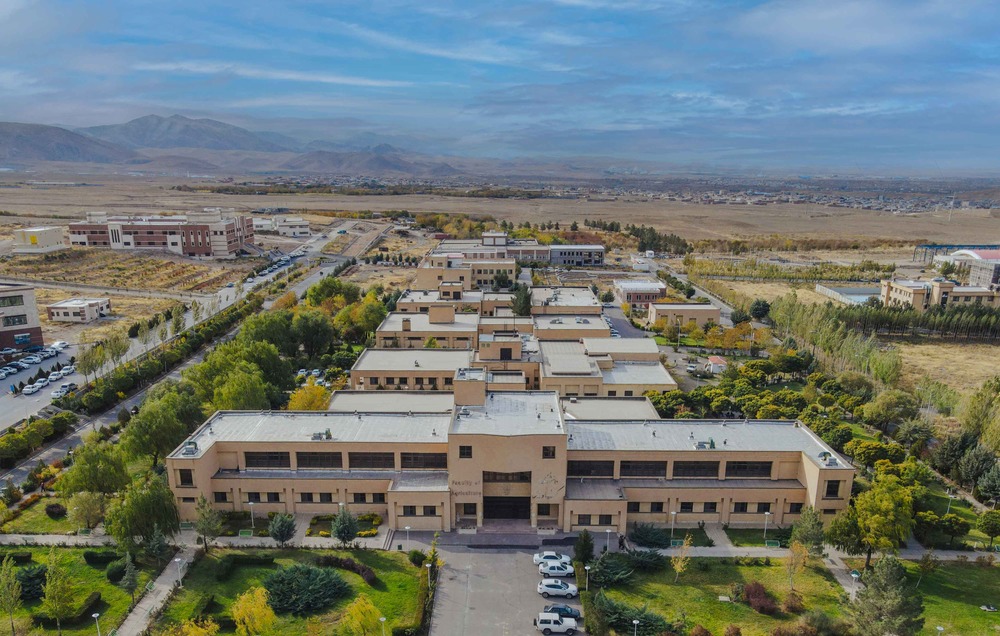
University of Maragheh
IranHundreds of years ago, Maragheh was an important scientific center of Iran, especially because Maragheh Observatory was built in this city by Khwaja Nasir al-Din Tusi, an Iranian politician and scientist, in the 13th century CE. In addition to being a place for observing the stars, this observatory was also a place for meeting among world scientists of that day, from China to Europe. Even though the Maragheh Observatory does not exist anymore, Maragheh continues to encompass scientific centers of higher education, which are engaged in research and educating university students. University of Maragheh is the most important center of higher education of this city, which has been progressing significantly in the past few decades.
History
Maragheh Agricultural School was established in 1987 and 11 years later, the status of this school was promoted to that of a College of Agriculture in 1998. In the next stage, and after about two decades of activities and undergoing many changes and also the inclusion of several educational fields, this college was transformed to an “Institute of Higher Education” in 2005 and eventually became a university in 2009.
University of Maragheh is built on a land of 110 hectares and is about 130 kilometers away from Tabriz, the capital of West Azarbaijan Province of Iran.
Education and Research status of University of Maragheh
University of Maragheh has four faculties: “Humanities”, “Basic Sciences”, “Engineering”, and “Agriculture”. The number of students and faculty members of this university stands at 4 thousand and 160 respectively. More than 60% of students of this university are studying at the undergraduate level.
The research activities of University of Maragheh take place under the supervision of the Department of Research and Technology. This department considers promotion of knowledge-based activities and providing opportunities for scientific and research progress of its students and faculty members its main mission.
Keeping in view the historical background of Maragheh and its observatory, the Institute for Astronomy and Astrophysics of the University of Maragheh was established in the year 2003, which has hosted many researchers from universities and research centers inside and outside Iran. In addition, many training courses have also been organized by this institute.
The center for the growth of technology units is one of the departments of the university, which was established in 2011 with the aim of supporting innovative ideas and creating a suitable environment for the expansion of emerging industrial units. During the course of its activities, this center has well supported the best ideas in the fields of industry and technology. There is a group called “Entrepreneurship and Communication with Industry” affiliated with this center, the activities of which include increasing the role of faculty members in practical projects, using the capacities of the university to solve industrial problems, and developing entrepreneurship concepts.
The Foundation of Maragheh Studies of the University of Maragheh has four working groups of "History", "Culture and Art", "Science and Technology", and "Native Literature" affiliated with it, which have been vested with the task of conducting research projects on the history and culture of Maragheh.
International Position and Activities of University of Maragheh
The Times Institute of Higher Education has ranked University of Maragheh 301 to 350 among Asian universities in 2023. Thus, this university is ranked 24th among Iranian universities. Keeping in view the relatively short history of the University of Maragheh as compared to many top universities in Iran, this ranking indicates its growing trend in the future.
The “Office of International Cooperation” of the University of Maragheh publishes a call for admitting non-Iranian students every year. This office is also responsible for concluding memorandums of understanding and defining cooperation with scientific and educational centers of other countries.
- Type: Governmental
- Total students: 3200
- Contacts: 04137278001
- Website:https://www.maragheh.ac.ir
53
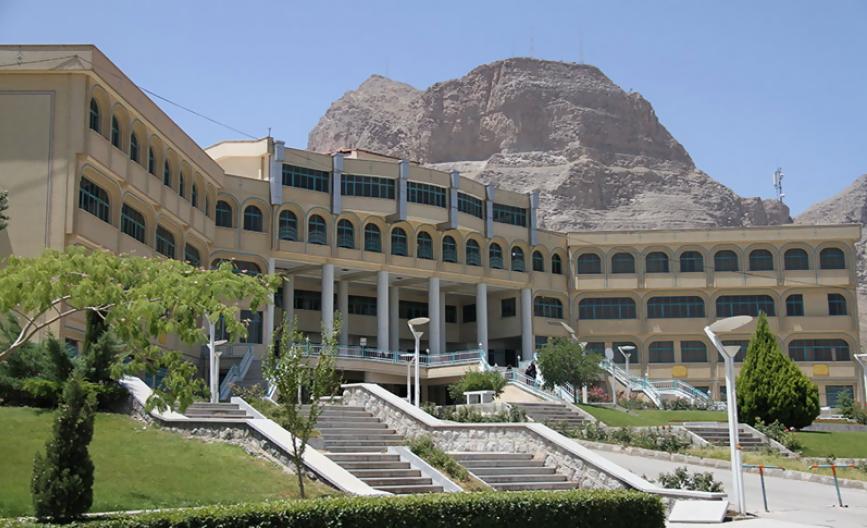
Isfahan University of Medical Sciences (IUMS)
IranIsfahan University of Medical Sciences (IUMS), was first established in 1946, as the Isfahan Higher School of Health Education. Presently, this university also attends to medical and health issues in the metropolis of Isfahan. According to the latest statistics, about four million and 700 thousand people benefit from the services of this university and the units affiliated with it.
History
Isfahan Higher School of Health Education was established in a small house in Ahmadabad neighborhood of Isfahan. After some time, the main center of this school was moved to the famous Sa’di High School in order to use the facilities and classes of that high school for educating the admitted students. Four years later, i.e., in 1950, a "Medical College" started working next to the Isfahan Higher School of Health Education and succeeded in obtaining the license to conduct a six-year course in MBBS. After some time, the school was merged into the college and its faculty members engaged in teaching the students admitted to the college.
Five years later, i.e. in 1955, this college was permitted to establish the school of pharmacy, which offered courses at bachelor level, but two years later, this school continued its activities as a separate faculty. Three years later, these two colleges, together with the newly established Faculty of Literature, formed "Isfahan University". With the addition of three new academic courses of pharmaceutical sciences, educational sciences, and nursing and the establishment of a special university clinic next to Sorayya and Khurshid Medical Centers in the year 1968, the path for the establishment of the university was rapidly paved. In the following years, the courses of microbiology, parasitology, and medical diagnosis and the faculty of dentistry were added to the structure of the university, and finally in 1985, with the separation of medical science units from universities, Isfahan University of Medical Sciences came into being and began its activities independently.
Education and Research in Isfahan University of Medical Sciences
More than 1,000 faculty members of the Isfahan University of Medical Sciences train more than 10,000 students in the following 10 schools:
- School of Medicine
- School of Advanced Technologies in Medicine
- School of Pharmacy and Pharmaceutical Sciences
- School of Nursing and Midwifery
- School of Health
- School of Nutrition and Food Sciences
- School of Dentistry
- School of Paramedical Sciences
- School of Management and Medical Informatics
- School of Rehabilitation Sciences
In addition to this, the Institute of Health Education of Khomeinishahr city is affiliated with this university. 39 educational and medical centers and hospitals and 46 research centers are also working under the supervision of Isfahan University of Medical Sciences. The three research institutes of this university include "Dental Sciences", "Primary Prevention of Non-Communicable Diseases", and "Cardiology", which conduct research in their specialized fields. The university publishes 18 scientific journals (seven in Farsi and 11 in English) in which the outcome of research conducted by the researchers of the university and that of the research of other researchers in the fields of medicine and health are published.
International Position and Activities of Isfahan University of Medical Sciences
According to the report published by Times Institute in 2023, Isfahan University of Medical Sciences has been ranked second among Iranian universities of medical sciences which is one-step higher than the position of this university in the year 2022. This university also managed to win the title of the best university in Iran in the Shanghai ranking system in 2023, in the field of nursing, with a rank of 201 to 300. In the 2021 ISC ranking system, Isfahan University of Medical Sciences was one of the top universities in Iran with a rank of 501 to 600.
Isfahan University of Medical Sciences has signed memorandums of understanding with some educational and research centers in Germany, Japan, South Korea for conducting joint research projects. It also periodically holds joint meetings and seminars with the presence of foreign professors and researchers.
In 2023, the number of students studying in this university stood at 400. Based on the available vacancies and facilities, Isfahan University of Medical Sciences publishes a call for admitting a limited number of non-Iranian applicants every year.
- World University Rankin: 201
- Type: Governmental
- Total students: 10000
- Foreign students: 400
- Contacts: 03136680048
- Website:https://mui.ac.ir/fa
54
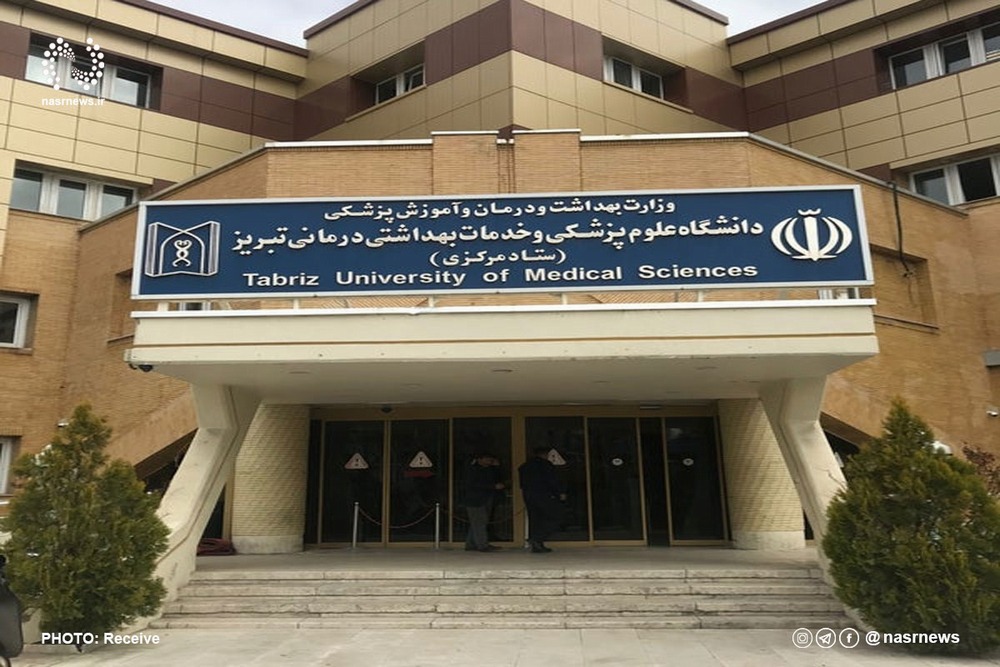
Tabriz University of Medical Sciences
IranMore than 750 years ago (i.e., in the 8th century AH or 13th century CE), there was a university in Tabriz called “Rab’-e Rashidi”. This huge scientific and educational complex was founded by Khwaja Rashid al-Din Fazlullah Hamdani, the scholarly minister of the government of the time. Since Khawaja Rashid al-Din was a physician, Rab’-e Rashidi Medical School was of special importance and was considered an advanced center for medical research and treatment of patients in the region. The teaching method in this school was such that each physician would teach five to 10 students during the treatment of patients in two shifts: morning (theoretical training) and evening (practical training). After five years of full-time study, and completing the course the students would receive a “license”, which was equivalent to today’s MBBS degree. Each patient in this hospital and university received three separate allowances for cleaning, nutrition, and clothing.
Now, after the passage of more than seven centuries, Tabriz University of Medical Sciences is the inheritor of "Rab’ee Rashidi" and is responsible for providing medical and health services to the people of this metropolis. This university officially started its activities in 1947 CE when it recruited 10 physicians to educate and train the 75 students who were admitted that year. Two years later, 10 more Iranian and four Austrian physicians were invited to the university to strengthen the teaching staff. At the same time, six hospitals started working under the supervision of the university. The fields of midwifery, medical assistance, and pharmacy were the first fields defined in the educational structure of Tabriz University of Medical Sciences.
Education and Research in Tabriz University of Medical Sciences
Presently, about 9 thousand students pursue their higher education at Tabriz University of Medical Sciences under the supervision of 890 full-time faculty members of this university, in 200 disciplines and courses in the following 11 faculties:
1. Health
2. Nursing and midwifery
3. Medicine
4. Paramedicine
5. Nutrition and food science
6. Pharmacy
7. Dentistry
8. Traditional medicine
9. Rehabilitation sciences
10. Modern medical sciences
11. Medical management and information
A total of 32 educational units and 30 research centers operate under the supervision of this university. Every year, more than two million visits are made to the emergency units of this university. Also, the number of surgeries performed in these units stands at 280,000 cases per year.
Tabriz University of Medical Sciences publishes 13 specialized medical journals. The oldest medical journal of this university, which is still being published, was first published in 1951.
International Activities and Status of Tabriz University of Medical Sciences
According to the university officials, 463 non-Iranian students were studying in this university in 2023. Every year, this university publishes a call for admitting foreign students.
A center by the name of “International Affairs Management" has been established in this university whose main task is to conclude memorandums of understanding with foreign universities and hold joint meetings with researchers and professors of academic and research centers of other countries. Presently, this university cooperates with educational and research units in 10 countries.
In terms of international rankings, Tabriz University of Medical Sciences is considered one of the top universities in Iran. In the Shanghai ranking system published in 2023, this university was ranked third in Iran in the field of food science and technology with a rank of 151 to 200. Also, with a rank of 201 to 300 in the field of biotechnology, it was named the best university in Iran. Similarly, with a rank of 401 to 500 in the fields of clinical medicine, 201 to 300 in nursing, and 401 to 500 in pharmacy and pharmaceutical sciences, the name of this university can be seen among the top universities in Iran.
According to the Times ranking, too, Tabriz University of Medical Sciences was the 22nd-best university in Iran in 2023. In this ranking system, this university was ranked ninth among the universities of medical sciences in Iran. Similarly, in the ISC ranking system published in 2021, Tabriz University of Medical Sciences was ranked 501 to 600 in the field of medical and health sciences and 451 to 500 in the field of agricultural sciences.
- World University Rankin: 151
- Type: Governmental
- Total students: 8500
- Foreign students: 463
- Contacts: 04133355921
- Website:https://www.tbzmed.ac.ir/
55

Shahid Beheshti University of Medical Sciences
IranThe School of Medicine of Shahid Beheshti University Medical Sciences is one of the oldest among modern schools of medicine in Iran.
History of Shahid Beheshti University of Medical Sciences
After the establishment of the National University of Iran in the early 1960s, two faculties of “Banking and Finance and Economic Sciences” and “Architecture” were established and later in 1962, the Faculty of Medicine was also founded in this university, making the National University of Iran one of the main centers of medical training in the country. This faculty started its activities with 150 students in a seven-story building in one of the central areas of Tehran. Three years later, after the construction of new buildings that are now known as the main campus of Shahid Beheshti University, the Faculty of Medicine was moved there.
In the beginning, the National University of Iran charged tuition fees to its students, thus, only students from well-to-do families could get admitted to it. However, in the years that followed, it was declared as a public university, as a result of which tuition fees were removed so that students from all sections of society could study in it.
The National University of Iran was renamed “Shahid Beheshti University” in 1983. Two years later, after a law was passed on the Separation of Universities of Medical Sciences, Shahid Beheshti University of Medical Sciences was officially founded as an independent university, and several other medical educational centers were merged into it.
Educational and Research Activities of Shahid Beheshti University of Medical Sciences
Presently, 13 thousand students pursue their higher education under the supervision of more than 1000 full-time faculty members in the following schools of this university:
School of Medicine
School of Dentistry
School of Pharmacy
School of Rehabilitation
School of Nursing & Midwifery
School of Traditional Medicine
School of Allied Medical Sciences
School of Public Health and Safety
School of Advanced Technology in Medicine
In addition, this university has also set up a virtual faculty named "School of Virtual Medical Education and Management”. “Varamin Institute of Health Education” is also affiliated with this university and 21 medical centers in the form of education and treatment or just treatment as well as 10 health networks in different cities of Tehran province, also work under the supervision of this university. Shahid Beheshti University of Medical Sciences also has the following research institutes:
Research Institute for Dental Sciences
Research Institute for Endocrine Science
Research Institute for Gastroenterology and Liver Diseases
National Nutrition and Food Technology Research Institute
National Research Institute for Tuberculosis and Lung Diseases
International Status and Activities of Shahid Beheshti University of Medical Sciences
Being equipped with appropriate facilities and educational processes, this university is considered one of the best universities in Iran, which has also been approved by various global ranking systems. For instance, in the 2023 report of the Shanghai Ranking System, Shahid Beheshti University of Medical Sciences was ranked 201 to 300 making it one of the top four universities in Iran in the field of food science and technology. This university has also been ranked 401 to 500 in the fields of biotechnology and clinical medicine. In public health, the rank of this university was 301 to 400 and in nursing, it was 201 to 300.
Similarly, in the ranking system of Times Institute published in 2023, Shahid Beheshti University of Medical Sciences was ranked 19th among Iranian universities and 8th among Iranian universities of medical sciences with an overall ranking of 601 to 800. According to the ISC ranking in 2021, this university is recognized as the second-best university in Iran, after Tehran University of Medical Sciences, with a rank of 301 to 350 in medical and health sciences. In the area of agricultural sciences, too, this university was ranked 351 to 400.
Shahid Beheshti University of Medical Sciences has close relations with some foreign educational and research institutions. The office of scientific, medical, and academic cooperation of Iran and France, along with the tables of scientific, medical, and academic cooperation with some other countries such as Austria (Vienna Medical School), Italy (Turin and Florence), and Portugal (Porto), are among the centers that have been founded to expand scientific and research collaboration and conduct joint research projects.
- World University Rankin: 201
- Type: Governmental
- Total students: 19153
- Contacts: 02123871
- Website:https://sbmu.ac.ir/
56
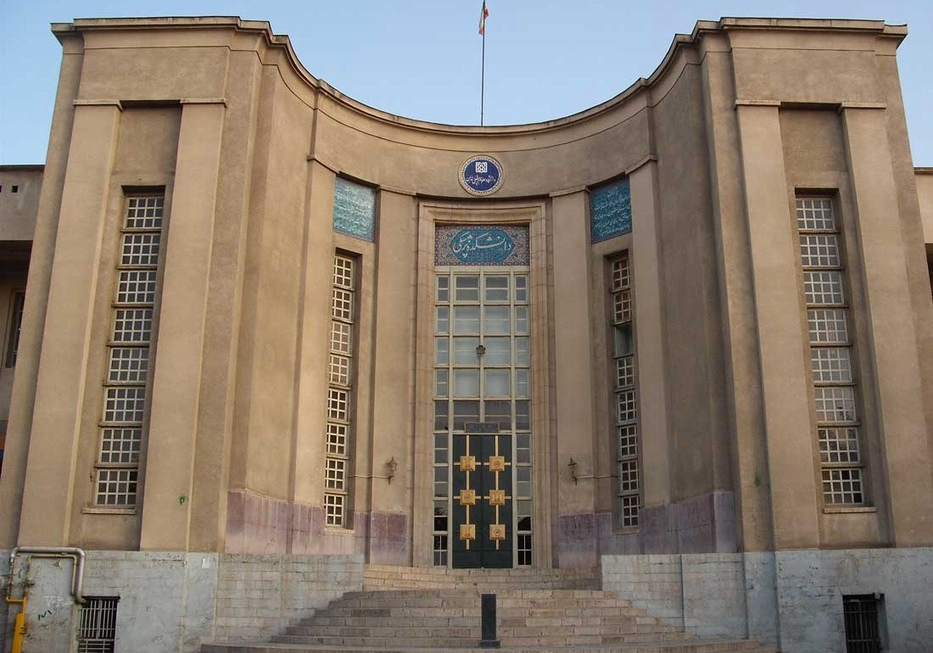
Tehran University of Medical Sciences
IranThe first center in Iran that provided medical education in a new style was "Dar al-Fonun". The period of activity of Dar al-Fonun, which was established in 1852 AD can be considered the first period of medical education in Iran and the beginning of activities that led to the establishment of Tehran University of Medical Sciences.
About 60 years later, i.e. in 1811 AD, the first medical school was established in Iran and sometime later, after the expansion of its activities in 1834 AD, this school began its activities as one of the faculties of the University of Tehran. Finally, after a law was passed on the separation of universities of medical sciences from comprehensive universities in 1986, the Tehran University of Medical Sciences was detached from the University of Tehran and started functioning as an independent University.
Educational and Research Activities of Tehran University of Medical Sciences
More than 11,000 students pursue their higher education in this university under 1800 full-time faculty members. 12 educational units and 11 hospitals and hospital complexes operate under the supervision of the university. Children’s Medical Center and Tehran Heart Center are two major centers of this university, which, in addition to conducting research in these fields, provide specialized services to patients.
Tehran University of Medical Sciences publishes 61 scientific journals and so far more than 67 thousand research papers produced by the researchers of this university have been published in these journals. The number of research centers under the supervision of the Tehran University of Medical Sciences stands at 113, which have conducted about 29,000 research projects.
Every year, about one million visits are made to the emergency sections that function under the supervision of this university, and the number of surgeries done in it is more than 160 thousand cases per year.
In the field of food and medicine, this university supervises 525 pharmacies and 243 production units and handles about two million requests for pharmaceutical services every year.
International Activities and Status of Tehran University of Medical Sciences
As per available the number of foreign students - from more than 40 countries - pursuing their higher education at Tehran University of Medical Sciences stood at 1815 in the year 2023. The university published a call for admitting foreign students every year.
Tehran University of Medical Sciences is usually introduced as one of the top universities in Iran in various world ranking systems. In the Shanghai ranking published in 2023, this university was ranked 201 to 300 and the best university in Iran in the fields of public health, nursing, and medical engineering. Also, in the field of pharmacy and pharmaceutical sciences, it was ranked 301 to 400 to win the title of the best university in Iran. Similarly, in this ranking system, Tehran University of Medical Sciences was considered one of the top universities in Iran in the field of food science and technology as well as clinical medicine and biotechnology with a rank of 201 to 300 and 301 to 400 respectively.
In the ISC ranking system that was published in 2021, too, Tehran University of Medical Sciences was ranked 601 to 700 in the field of natural sciences, and in two fields of agricultural sciences as well as medical engineering and technology it was ranked 451 to 500 and among the top universities in Iran. In this ranking method, Tehran University of Medical Sciences had achieved the 221st global rank to stand at the top of Iranian universities.
In the Webometrics Ranking of World Universities, Tehran University of Medical Sciences is ranked 452nd in the world and has been referred to as the second-best university in Iran after Tehran University.
- World University Rankin: 201
- Type: Governmental
- Total students: 11000
- Foreign students: 1815
- Contacts: 02181631
- Website:https://tums.ac.ir/
57
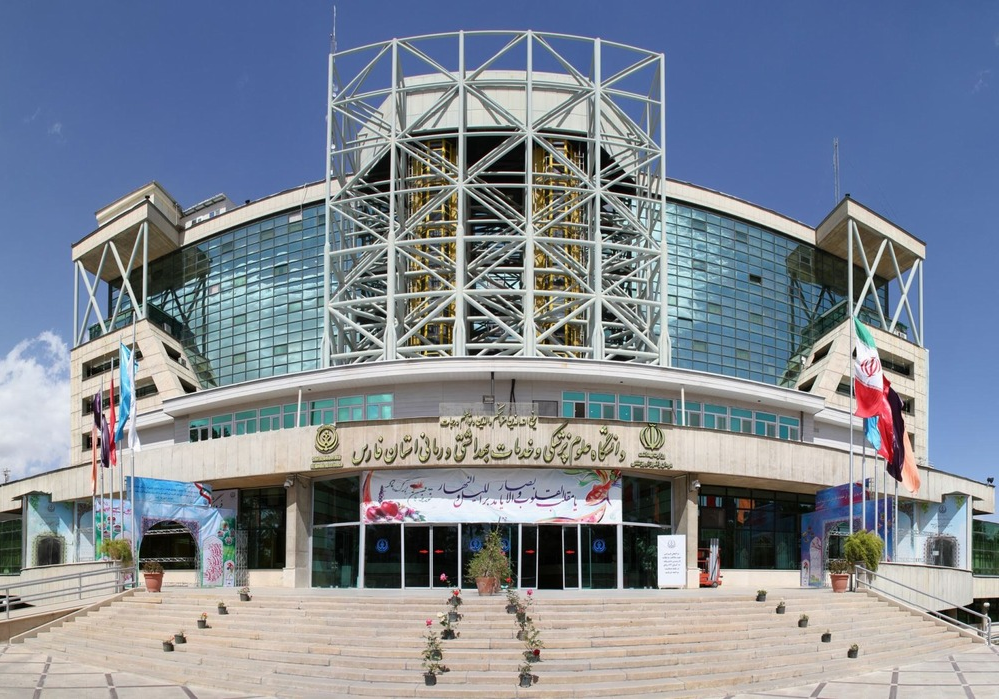
Shiraz University of Medical Sciences
IranShiraz University of Medical Sciences, the largest university of medical sciences in Fars province, has the main role in the process of educating and training students of medical sciences and providing healthcare services in this province.
History of Shiraz University of Medical Sciences
Shiraz University of Medical Sciences (SUMS) was initially established in 1946 as a Higher Health Education Center to educate medical experts within four years. Three years after its establishment, this center became a “Medical School” and continued to operate as one of the faculties of Shiraz University. With the establishment of the Higher School of Nursing and Midwifery in 1953, the activities of this faculty expanded. By 1976, seven other schools, including the School of Nursing, the School of Dentistry, the School of Nutrition and Food Sciences, the School of Health, the School of Paramedical Sciences, the School of Pharmacy, and the School of Rehabilitation Sciences, were also founded in this faculty and after a law was passed on the separation of universities of medical sciences from comprehensive universities Shiraz University of Medical Sciences was officially established in 1986.
Educational and Research Activities of Shiraz University of Medical Sciences
Presently, more than 10,000 students follow their higher education in 91 fields at Shiraz University of Medical Sciences under the supervision of 782 full-time faculty members in the following schools on the main campus of this university:
School of Medicine
School of Dentistry
School of Pharmacy
School of Paramedical Sciences
School of Nursing and Midwifery
School of Rehabilitation Sciences
School of Advanced Medical Sciences and Technologies
School of Health
School of Health Management and Information Sciences
School of Nutrition and Food Sciences
In 2008, this university developed a strategic plan and prepared the required infrastructure in the form of a virtual faculty for providing online education to applicants all over Iran in a coherent manner.
In addition to the schools located on the main campus of the university, the other schools of medical sciences affiliated with this university are the “Higher Health Education Complex” in Mamasani, the “Baqir ral-Ulum Higher Health Education Complex” in Sepidan, the “Paramedical Faculty” of Darab, the “Paramedical Faculty” of Estehban, “Hazrat Umm al-Banin Nursing School” in Lamard, and “Hazrat Zahra (SA) Nursing School” in Abadah.
The Comprehensive Center for Stem Cells and Regenerative Medicine is one of the main research centers of Shiraz University of Medical Sciences, which was founded in 2017. In addition, 54 other research centers operate under the supervision of this university.
Several growth centers have also been formed at the university to provide facilities and support services to entrepreneurs and small and medium units that come up with creative ideas and can commercialize them. These centers provide services in the fields of "Biotechnology", "Medical Equipment", "Medicinal Plant Products and Traditional Medicine", "Information Technology", "Technological Units of Pharmaceutical Products" and "Tissue Engineering and Stem Cells".
International Position and Activities of Shiraz University of Medical Sciences
In the Shanghai ranking published in 2023, Shiraz University of Medical Sciences was ranked 401 to 500 and one of the top universities in Iran in the fields of clinical medicine and public health. Similarly, according to the Times ranking announced in 2023, Shiraz University of Medical Sciences was ranked 801 to 1000 and 28th among all universities in Iran. In this ranking system, this university has been ranked 12th among universities of medical sciences in Iran. In the 2021 ISC ranking system, too, Shiraz University of Medical Sciences had been ranked 501 to 600 and one of the top universities in Iran in the field of medical and health sciences.
This Iranian center of higher education publishes a call for admitting foreign students every year. According to the announcement made by the university officials, in the call that was published for the admitting foreign students in the academic year 2022-2023, applications were received from 42 countries of the world and, finally, 80 foreign students were given admission.
- World University Rankin: 401
- Type: Governmental
- Total students: 11000
- Foreign students: 80
- Contacts: 07132305410
- Website:https://sums.ac.ir/
58
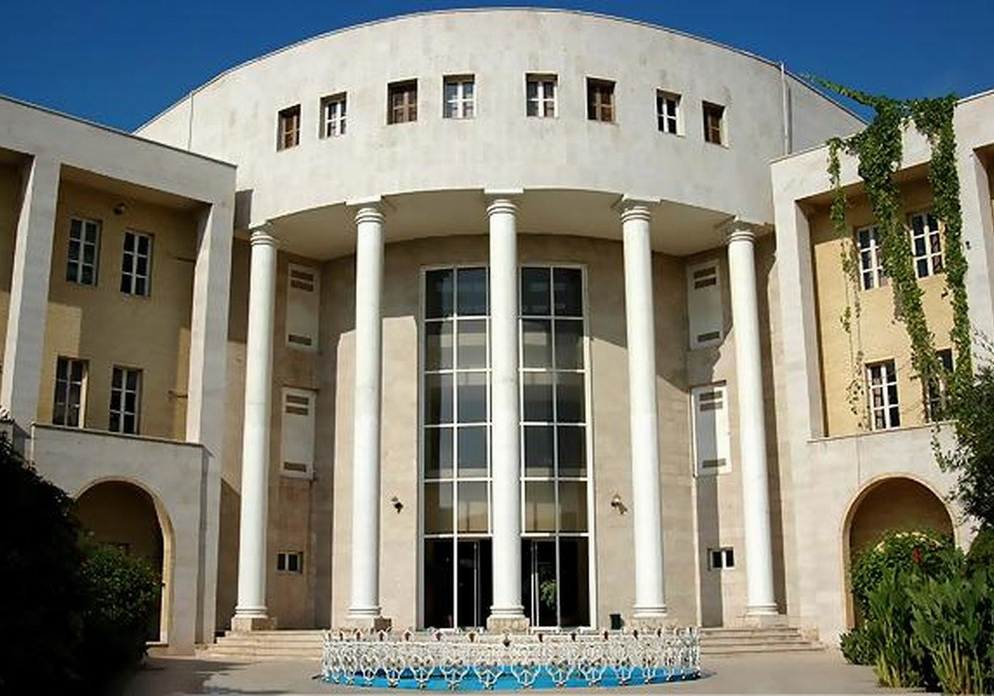
Ahvaz Jundishapur University of Medical Sciences
IranAbout 1800 years ago and as a result of civilizational progress in Iran several centers of higher education were founded in this land one of the most important of which was the “Academy of Jundishapur” established in the third century AD during the reign of the Sassanid King, Shapur. It is said that Shapur had ordered the translation of Greek medical books into Pahlavi, the language of Iran at that time. Later, a large hospital was established in this area and a unique medical school was formed. Although in addition to medicine, philosophy, theology, and science were also taught in Jandishapur, this complex was mostly known as a hospital and medical school. This is the reason that the largest medical university in the Khuzestan province of Iran, which is also one of the largest universities of medical sciences in Iran, has been named “Ahvaz Jundishapur University of Medical Sciences”.
History
The establishment of a Faculty of Medicine in Ahvaz dates back to 1951 when preparations were made for the formation of modern medical education in this city. At the time of its establishment, this faculty was affiliated with the Jundishapur University of Ahvaz (now Shahid Chamran University of Ahvaz). The School of Nursing and Midwifery of this faculty was founded in 1968 and began its activities by admitting 20 female students. After a law was passed on the establishment of independent universities of medical sciences, the above-mentioned faculty was detached from Shahid Chamran University of Ahvaz to form “Ahvaz Jundishapur University of Medical Sciences” in 1986.
Presently, about 6400 students pursue their higher education in medical sciences under the supervision of 650 faculty members in the following seven faculties of Ahvaz Jundishapur University of Medical Sciences:
1. Medical
2. Health
3. Pharmacy
4. Rehabilitation
5. Paramedicine
6. Dentistry
7. Traditional medicine
8. Nursing and midwifery
In addition, this university has two affiliated centers of higher education namely a nursing school in Bostan city and an institute of higher education in Shushtar. The university also has a self-governing campus where postgraduate students study.
Moreover, 9 hospitals and 20 medical centers also function under the supervision of Ahvaz Jundishapur University of Medical Sciences. The research activities of Jundishapur University of Medical Sciences take place in 27 research centers.
International Activities and Status of Ahvaz Jundishapur University of Medical Sciences
170 foreign students were studying at Ahvaz Jundishapur University of Medical Sciences in the academic year ending in 2022. According to the officials of the university, arrangements are made to increase the capacity of the university for admitting more foreign students in the coming years.
This university has presented itself as one of the top universities in Iran in various rankings provided by rating institutions. For instance, in the Shanghai ranking system that was published in 2023, Ahvaz Jundishapur University of Medical Sciences ranked 301 to 400 and is among the top four universities in Iran in the field of clinical medicine. Also, in the field of public health, the ranking of this university was 401 to 500, which made it one of the best centers of higher education in Iran.
Similarly, in the Times ranking system published in 2023, this university was ranked 10th among Iranian universities and fifth among Iran’s universities of medical sciences. Also, in the 2021 ISC ranking system, Ahvaz Jundishapur University of Medical Sciences was considered one of the top universities in the subject area of medical and health sciences, with a rank of 601 to 700.
- World University Rankin: 301
- Type: Governmental
- Total students: 6400
- Foreign students: 170
- Contacts: 0613367543
- Website:https://ajums.ac.ir/
59

Kermanshah University of Medical Sciences
IranLocated over 1.5% of Iran’s total area, Kermanshah province has had a significant role in the history of this country. As one of the metropolises of Iran, the city of Kermanshah is blessed with respectable facilities in the field of education, and the Kermanshah University of Medical Sciences is the main center of higher education in the Kermanshah province.
History
Kermanshah University of Medical Sciences was first established as a nursing high school in 1968 and it was then changed into a medical college in 1975. After the Islamic Revolution, this college progressed rapidly and following the decision about separating medical schools from other universities, it was upgraded to an independent medical university in 1985. The present structure of this university comprises seven medical training centers in Kermanshah and 10 hospitals and health care networks in other cities of the province.
Presently, more than 14 thousand students undergo their higher education in different fields of medical sciences under the supervision of about 500 full-time faculty members in the following eight faculties:
1. Health
2. Nursing and midwifery
3. Medicine
4. Paramedicine
5. Pharmacy
6. Dentistry
7. Nutritional sciences and food industry
8. Rehabilitation sciences
Also, Sonqor College of Nursing and Islamabad Institute of Health Education are also affiliated with the Kermanshah University of Medical Sciences.
Health Technology Park of this university has been established with the aim of supporting small and medium-sized companies, industrial research and development units, and research institutions as well as interacting with other health-oriented educational and research units. Ilam University of Medical Sciences and Kurdistan University of Medical Sciences jointly administer this technology park.
Research activities of Kermanshah University of Medical Sciences are conducted in the following research centers: Medical Biology Research Center, Fertility and Infertility Research Center, Environmental Determinants of Health Research Center, Substance Abuse Prevention Research Center, Pharmaceutical Science Research Center, Sleep Disorders Research Center, Research Center of Oil and Fats, Social Development and Health Promotion Research Center, Imam Ali Cardiovascular Research Center, Medical Technology Research Center, Regeneration Medical Research Center, Behavioral Diseases Research Center, and Infectious Disease Research Center.
This university publishes six journals in English on the latest findings of researchers in various medical fields.
International Activities and Status of Kermanshah University of Medical Sciences
Based on different ranking systems, Kermanshah University of Medical Sciences is considered one of the top universities in Iran in the fields of medicine and health. In the ISC ranking published in 2021, this university ranked 501 to 600 in medical and health sciences, ranking sixth among Iranian universities. In the 2023 Shanghai ranking, this university was named the best university in Iran in the field of public health and the second-best university in Iran in the field of clinical medicine. In both of these disciplines, Kermanshah University of Medical Sciences was ranked 201 to 300.
Kermanshah University of Medical Sciences has signed memorandums of understanding with 11 foreign institutions and universities. The international affairs management of the university, which in addition to concluding scientific and research cooperation agreements with foreign research institutes and universities, is also responsible for carrying out activities related to admitting foreign students, publishes a call for admission every year. According to the latest statistics, in 2023, more than 600 non-Iranian students were studying at Kermanshah University of Medical Sciences. To support international students, this university provides them with such services as providing consular and accommodation facilities.
- World University Rankin: 201
- Type: Governmental
- Total students: 6200
- Foreign students: 600
- Contacts: 08338358943
- Website:https://www.kums.ac.ir/
60
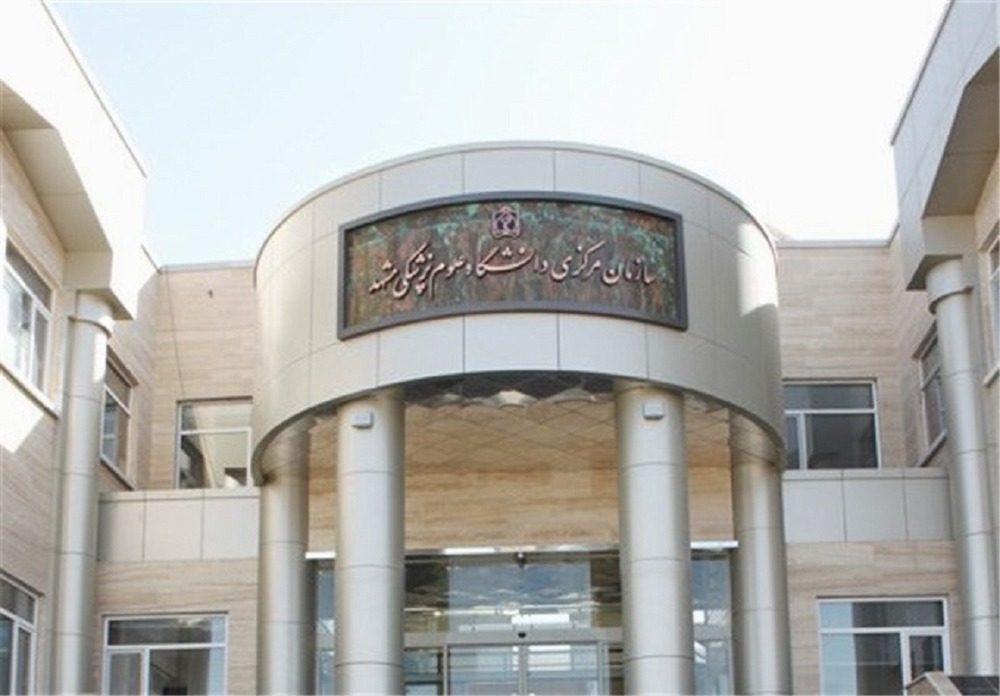
Mashhad University of Medical Sciences
IranMashhad being the largest city in eastern Iran and the host to millions of pilgrims to Imam Reza’s shrine every year, besides its own large population has greatly increased the importance of having the best and ample medical facilities. Perhaps this is the reason why Mashhad University of Medical Sciences is one of the oldest centers of medical education in Iran and caters to the required health services of Razavi Khorasan Province.
History of Mashhad University of Medical Sciences
The proposal to establish a modern center of higher education in Mashhad for teaching medical sciences was first proposed in 1934 and it was implemented five years later with the establishment of “The School of Health Services” in this city. Initially, this institute began its activities in the building of a primary school with six classrooms, but with the expansion of its activities, it managed to have a center of its own within a few years. In 1947, the school was transformed into a "Medical College" and in 1949 some sixty-one students were given admission to study medicine. At that time, this college and the Faculty of Literature formed the main structure of "Mashhad University". With the addition of several other faculties, the structure of Mashhad University further expanded. However, in 1986, with the approval of the Law on the separation of universities of medical sciences, the Faculty of Medicine, the Faculty of Dentistry, and the Faculty of Pharmaceutical Sciences and Nutrition were detached from Mashhad University to form an independent Mashhad University of Medical Sciences.
Presently, more than 9,000 students pursue their higher education in different fields of medical sciences under 900 faculty members in the following faculties:
1. Health
2. Nursing and midwifery
3. Medicine
4. Paramedical sciences and rehabilitation
5. Pharmacy
6. Dentistry
7. Traditional and complementary medicine
8. Veterinary Medicine
Kashmar Faculty of Medical Sciences and Quchan Faculty of Nursing, too, are affiliated with this university.
28 hospitals, seven educational and research centers, 47 research centers, two special clinics, and one comprehensive rehabilitation center, along with 18 health networks in different cities of the province function under the supervision of Mashhad University of Medical Sciences. This university provides services to more than five million people, annually, and is considered one of the largest universities in Iran.
International Position and Activities of Mashhad University of Medical Sciences
According to various world ranking systems, Mashhad University of Medical Sciences is one of the best universities in Iran. In the report of the Shanghai ranking system published in 2023, this university was ranked 301 to 400 and the second-best university in Iran in the field of biotechnology. It was also ranked 201 to 300 in the field of public health and one of the top three universities in Iran. The rank of Mashhad University of Medical Sciences in the fields of "Pharmacology and Pharmaceutical Sciences" and "Clinical Medicine" was 401 to 500, making this university one of the top universities in Iran in these two fields.
Similarly, in the ranking system of Times Institute, Mashhad University of Medical Sciences was ranked 17th among all Iranian universities. According to this report published in 2023, the rank of this university is 7th among universities of medical sciences in Iran. In the ISC ranking report published in 2021, this university was ranked 401 to 450 in the field of medical and health sciences and one of the top five universities in Iran.
Every year, a call is published for admitting foreign students interested in studying at Mashhad University of Medical Sciences. The number of foreign students getting admitted to this university is based on their academic qualifications and the existing capacity of the university. The process of granting admission to non-Iranian students is the responsibility of the Office of International Affairs and Relations” of the university. In addition to attracting and providing consular and educational facilities to foreign students, this office is also responsible for communicating with universities and research institutes outside Iran, holding international conferences, and defining study opportunities for Iranian and non-Iranian researchers.
Based on the statistics provided by the university officials, a total of 421 non-Iranian students from 10 countries were pursuing their higher education in the fields of medicine, paramedicine, health, dentistry, and nursing and midwifery at this university in 2022.
- World University Rankin: 301-400
- Type: Governmental
- Total students: 8300
- Foreign students: 421
- Contacts: 05138412081
- Website:https://www.mums.ac.ir/
61
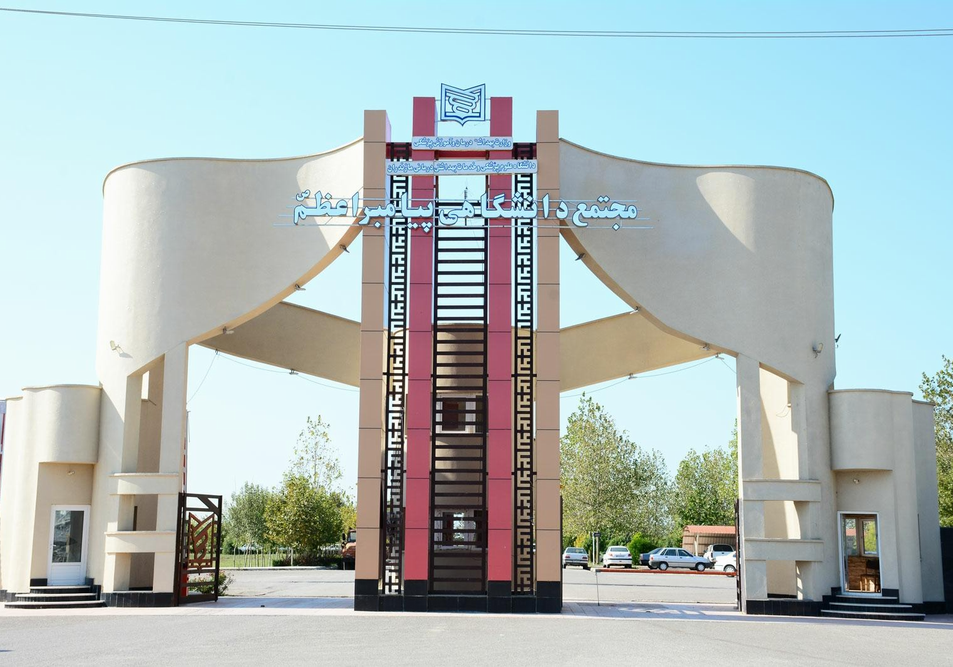
Mazandaran University of Medical Sciences
IranThe development of societies, in addition to raising the importance of health, has necessitated the establishment of specialized medical centers for imparting training in the field of health. Mazandaran University of Medical Sciences, which is one of the leading universities of Iran in this field, has been founded in Sari, the capital city of the Mazandaran Province of Iran, to educate and train the required specialists to provide medical services in different fields of medical sciences.
History
The foundation of Mazandaran University of Medical Sciences and Medical Services dates back to 1975 and the establishment of Sari School of Midwifery. Over the next decade, this school expanded and was eventually upgraded to the College of Nursing and Midwifery in 1988. The increasing expansion of urbanization prompted the separation of the Mazandaran University of Medical Sciences (in the city of Sari) from the Babol University of Medical Sciences.
Presently, Mazandaran University of Medical Sciences provides healthcare services to more than three million people in 1110 rural health homes, 315 healthcare centers, 54 healthcare bases, and 21 networks and healthcare centers. In recent years, this university has managed to occupy the first rank in Iran in this field by expanding its medical services to the rural areas of the province.
More than 450 full-time faculty members educate and train more than eight thousand students in 104 different fields of medical sciences in the following seven faculties:
1. Medicine
2. Pharmacy
3. Health
4. Nursing and midwifery
5. Paramedicine
6. Dentistry
7. New medical technologies
Behshahr Nursing Faculty, Amol Nursing and Paramedical Faculties, and Ramsar Autonomous Campus are the three educational units affiliated with this university.
Mazandaran University of Medical Sciences also manages the activities of four knowledge-based companies and 27 research centers that operate in the field of health. The university also published five scientific journals in Farsi and eight journals in English on the outcome of the research conducted by researchers in the fields of medical and health sciences. The research activities of this university are mainly carried out under the supervision of the "Department of Research and Technology", which was started in 1991 with the aim of providing support to research activities and furthering research centers.
International Status and Activities of Mazandaran University of Medical Sciences
With the establishment of "Office International Affairs" in 2019., Mazandaran University of Medical Sciences has expanded its international activities. In addition to attracting foreign students, this office manages the university’s activities to improve its position in global rankings. Holding virtual international conferences and meetings and inviting professors and researchers from world-renowned universities and research institutes are other duties of this office. This university received the license to operate internationally in late 2022 and started admitting foreign students. In the first academic year after this event, 35 foreign students began to pursue their higher education at this university.
In terms of international indicators, Mazandaran University of Medical Sciences has achieved significant positions among Iranian universities. For instance, in the 2023 report of the Shanghai ranking system, the university was among the top three universities in Iran in the field of clinical medicine with a rank of 201 to 300. In the field of public health, too, the university had obtained the rank of 301 to 400 to present itself as one of the top universities in Iran.
Similarly, in the Times ranking system report published in 2023, Mazandaran University of Medical Sciences was ranked second among Iranian medical sciences universities and third among all Iranian universities. Also, in the ISC ranking system, this center of higher education is among the best in Iran with a rank of 501 to 600.
- World University Rankin: 201-300
- Type: Governmental
- Total students: 8200
- Foreign students: 35
- Contacts: 01133044000
- Website:https://www.mazums.ac.ir/
62

Hamadan University of Medical Sciences
IranHamadan University of Medical Sciences, one of the main centers of medical centers of the Hamadan Province of Iran, is located next to the tomb of Avicenna.
Who was Avicenna
Born in Hamadan in the year 980 CE, Abu Ali al-Ḥusayn ibn Abdullah ibn al-Hasan ibn Ali ibn Sina al-Balkhi al-Bukhari, commonly known as Ibn Sina or Abu Ali Sina in the World of Islam and Avicenna in the Western world was a greatest Iranian physician, who is also famous for his expertise in mathematics, physics and philosophy. Ibn Sina passed away in 1037 in Hamedan and was buried in the same city. Iran’s national calendar commemorates Avicenna by calling the 23rd day of August “National Doctors Day”.
History of Hamadan University of Medical Sciences
In March 1972 a joint project between Iran and France led to the establishment of the Bouali Sina University in Hamadan. Three years later, the three fields of medicine, nursing, and health were founded in this university, which formed the core of its medical department of the university. After several years of activities, Hamedan University of Medical Sciences was founded as an independent university.
Education and Research at Hamadan University of Medical Sciences
Presently, more than seven thousand students pursue their higher education in 93 fields of medical sciences under the supervision of more than 500 full-time faculty members in the following faculties:
1. Public Health
2. Nursing and midwifery
3. Pharmacy
4. Medicine
5. Paramedical
6. Rehabilitation
7. Dentistry
8. Advanced technologies in Medicine
Nahavand School of Paramedical, Malayer School of Nursing, and Asadabad School of Medical Sciences are other educational units of this university, which are located in different cities of the province.
The international campus of Hamadan University of Medical Sciences was inaugurated in 2013 by accepting 140 students at postgraduate and Ph.D. levels. The aim defined for this campus is to help expand fundamental and applied research in the fields of medicine and public health.
Four research institutes and 19 research centers have been established at Hamadan University of Medical Sciences to support the research activities of its researchers. This university also supervises the activities of 19 hospitals, medical centers, medical training centers, and specialized clinics. Nine health networks in different cities of the province are considered to be affiliated with the Hamedan University of Medical Sciences.
Hamedan University of Medical Sciences has launched the Health Technology Growth Center with the aim of helping the graduates of this university in their profession and supporting small and medium-sized industrial units in the field of healthcare. This center was established in 2012 and throughout its years of activities, it has welcomed new ideas from new technology units and researchers. Two offices of "Intellectual Property and Patent" and "Industry and Society Relations Office" function under the supervision of this center to support researchers as much as possible.
International Position and Activities of Hamadan University of Medical Sciences
The process of admitting foreign students to Hamedan University of Medical Sciences started in 2020. This university had admitted more than 500 non-Iranian students in 2023. Despite the fact that foreign students have been pursuing their higher education in 70% of different educational fields of the university, they have mainly been admitted in the fields of medicine, dentistry, and pharmacy.
- Type: Governmental
- Total students: 4149
- Foreign students: 500
- Contacts: 08131310000
- Website:http://www.umsha.ac.ir/
63
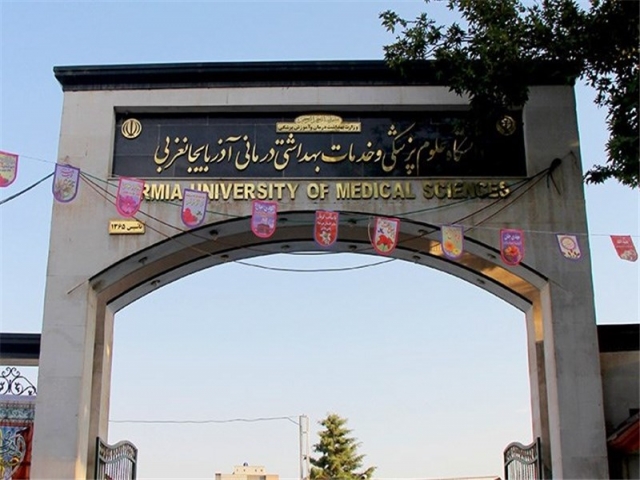
Urmia University of Medical Sciences
IranUrmia University of Medical Sciences can be considered the oldest university in Iran that has been engaged in training students in modern medical sciences. In the late 19th century, Joseph Cochran, an American physician born in Urmia, founded a medical college in this city. This college, which became known as "Westminster", began its work in 1878 CE, but the sudden death of Dr. Cochran in 1905 resulted in the closure of this college. During the 27 years of the activities of this college, 26 Iranian doctors had graduated from it.
Urmia University was established in 1965 and its medical faculty officially started working in 1977 by admitting 48 students. Following a law passed by the Islamic Parliament of Iran for the separation of medical sciences from comprehensive universities, this faculty was upgraded to an independent university of medical sciences.
Education and Research at Urmia University of Medical Sciences
More than 4300 students pursue their higher education in different fields of medical sciences under the supervision of more than 300 full-time faculty members in the following faculties of this university:
1. School of Medicine
2. School of Nursing and Midwifery
3. School of Health
4. School of Allied Medical Sciences
5. School of Pharmacy
6. School of Dentistry
Urmia University of Medical Sciences also has an international branch, which was established in 2013 to admit Iranian and non-Iranian applicants who are interested in studying at the postgraduate level in different fields of medical sciences.
Miandoab Nursing, Mahabad Nursing, Naqdeh Nursing, Bukan Nursing, and Salmas Nursing Colleges are affiliated educational units of Urmia University of Medical Sciences. In addition, seven educational and health centers also work under the supervision of this university.
The two research institutes of "Clinical Research" and "Cellular and Molecular Medicine" are the research arms of the university. The Clinical Research Institute was established in 2020 and five research centers work under its supervision. Three research centers are also working under the supervision of the Cell and Molecular Research Institute. This research institute was established in 2018.
Urmia University of Medical Sciences publishes four scientific journals on the latest research projects of its researchers two of which are in English language.
This university has a committee named "Student Research", which was established in 1993 with the aim of promoting and improving the culture of research among university students. Promoting ethical research, scientific interaction between professors and students, gathering new ideas, and improving the quality of scientific productions are among the other goals of this committee. Some of the achievements of this committee of the Urmia University of Medical Sciences include receiving high-ranking positions in different medical research festivals and inscribing patents.
International Activities of Urmia University of Medical Sciences
The “Office of International Relations Management” has been established to handle the international activities of the university such as concluding memorandums of understanding with research and research institutes of different countries, providing consular and accommodation services to non-Iranian students, announcing conditions and fields with the capacity to accept non-Iranian students, planning study opportunities and holding international seminars and conferences. According to the officials of Urmia University of Medical Sciences, increasing the capacity and facilities for admitting foreign students is one of the goals of this university, which will be realized by 2025.
- Type: Governmental
- Total students: 4300
- Contacts: 04432234897
- Website:http://umsu.ac.ir/
64

Kerman University of Medical Sciences
IranKerman is one of the vast provinces of Iran with large mines and industries. Throughout history, this province has been considered the cradle of civilization, and its handicrafts and tourist attraction sites are world-famous. Today, more than 110 academic and higher education centers operate in this province with Kerman University of Medical Sciences being the main center for imparting higher education in the field of medical science and providing health and medical services to over 1.3 million people of this province.
History of Kerman University of Medical Sciences
In 1977, 50 students were admitted to pursue their higher education in medicine at Kerman University. Three years later, the activities of this department increased by admitting students in nursing and medical education. In 1984, the Faculty of Health was founded in Kerman University and a year later, in accordance with the law on the separation of universities of medical sciences from comprehensive universities, Kerman University of Medical Sciences began its activities as an independent university.
Presently, more than 5400 students pursue their higher education in Kerman University of Medical Sciences under the supervision of more than 580 full-time faculty members in the following faculties:
1. Medicine
2. Dentistry
3. Pharmacy
4. Allied Medicine
5. Public health
6. Management and medical information
7. Persian medicine
8. Nursing and midwifery
Zarand Faculty of Medical Sciences of this university, which was established in 1992 began its activities by admitting 15 students and now it educates students in two fields of public health and nursing.
Kerman University of Medical Sciences also has 26 research centers operating under its supervision during the activity of which more than 720 research projects have been completed and more than 1300 articles have been published by researchers. The H index of Kerman University of Medical Sciences stands at 106.
24 hospitals, 9 health and treatment networks, and four medical training centers are also affiliated with the Kerman University of Medical Sciences. Health Science and Technology Park is one of the special units of the university, which was established in 2020, and its main goal is to manage the flow of knowledge and technology among the educational and research centers of the university and support innovation in the field of health-oriented technologies. In addition to this park, the growth center of the university, too, provides support to technology units in the field of healthcare. This center started its activities in 2010 and has been engaged in providing services to researchers and research-oriented units.
International Position and Activities of Kerman University of Medical Sciences
The Department of International Affairs of the university is responsible for concluding memorandums of understanding with foreign universities and scientific institutions, inviting foreign researchers and professors, and publishing the calls for admitting foreign students. According to the officials of the Kerman University of Medical Sciences, 211 non-Iranian students were studying at this university at the beginning of 2023. The university’s “Office of Foreign Student Affairs” caters to the welfare, educational, and accommodation requirements of foreign students. This office has been operating since 2016.
According to international ranking systems Kerman University of Medical Sciences has been one of the best universities in Iran. In the Shanghai ranking system that was published in 2023, Kerman University of Medical Sciences was ranked 301 to 400 in the field of public health and, thus, it was considered one of the top five universities in Iran in this field.
In the 2023 evaluation of the Times Ranking System, the name of Kerman University of Medical Sciences was ranked 15th among Iranian universities. In this ranking, Kerman University of Medical Sciences is sixth among Iran’s medical sciences universities with an overall rank of 601 to 800. Similarly, in the ISC ranking published in 2021, Kerman University of Medical Sciences was ranked 601 to 700 and one of the top universities in Iran in the field of medicine and public health.
- World University Rankin: 301-400
- Type: Governmental
- Total students: 6136
- Foreign students: 211
- Contacts: 03431325700
- Website:https://www.kmu.ac.ir/fa
65

Kurdistan University of Medical Sciences
IranBefore the victory of the Iranian Islamic Revolution in 1979 AD, there was only one center of higher education in the Kurdistan Province of Iran, which was affiliated with the Razi University of Kermanshah. Presently, the number of university units in this province stands at 47 of which Kurdistan University of Medical Sciences is the most important center of higher education in the respected field. According to the latest available data, the total number of students studying in the province stands at about 60 thousand.
History of Kurdistan University of Medical Sciences
The foundation of medical education in Kurdistan province was laid down with the establishment of an educational and research complex in the year 1988 when a new center of higher education was founded in this province to train students in nursing at undergraduate and midwifery at associate degree levels respectively. Two years later, the Kurdistan University of Medical Sciences was officially established.
Today, more than 2300 pursue their higher education at different undergraduate, postgraduate, and Ph.D. levels in 38 fields of medical sciences under the supervision of 280 full-time faculty members in the following five faculties of the Kurdistan University of Medical Sciences:
1. Medicine
2. Dentistry
3. Public health
4. Nursing and midwifery
5. Paramedical Science
The Saqqez Institute of Health Education was also established as a branch of this university in 2011; imparting education and training s in the field of nursing.
19 specialized and subspecialized clinics as well as 15 specialized and subspecialized hospitals provide services to the people of the province under the supervision of this university. 53 medical diagnostic laboratories, 45 radiography centers, 618 health centers, 148 urban and rural health centers, 112 urban health centers, and 43 road and urban emergency centers are other centers affiliated with this university and serve a population of more than 1.6 million people.
The Department of Research and Technology of the Kurdistan University of Medical Sciences is the main authority for directing the research activities of this university. The Health Technology Development Center is one of the sub-units of this department that works towards commercializing the outcomes of the efforts of researchers with the aim of indigenizing and promoting technologies in the field of medical sciences. Several research and production companies in various fields of health services have opened their branches in this university. The office of "Relationship with Industry and Standards" of this department has been founded to strengthen the relationship between researchers and active industrialists in the field of healthcare services.
International Position and Activities of Kurdistan University of Medical Sciences
In 2023, Kurdistan University of Medical Sciences was ranked 351 to 400 in the Times Ranking System and the second-best university in Iran. in this report, this university has been assigned the first rank among the universities of medical sciences in Iran. This rating system takes into consideration 13 performance indicators in four areas of education, research, knowledge transfer, and international perspective. Kurdistan University of Medical Sciences has been ranked 36th in the world.
Similarly, in the Round University Ranking published in 2023, Kurdistan University of Medical Sciences was ranked 545th among world universities and 8th among Iranian universities. In this ranking, 20 performance indicators of 1200 universities from 89 countries have been evaluated.
Every year, this university publishes a call for admitting foreign students. The last call made by this university in 2023 was for admitting foreign students in the fields of professional doctorate, specialized doctorate, and clinical specialized doctorate. The process of admitting foreign students to this university is based on the available facilities and the capacity of different fields.
- Type: Governmental
- Total students: 2551
- Contacts: 08733229494
- Website:https://www.muk.ac.ir/Page?pageId=477
66
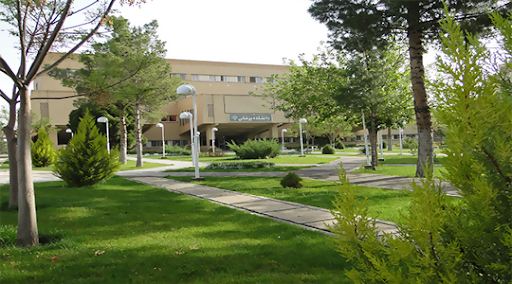
Kashan University of Medical Sciences and Health Services
IranKashan is one of the ancient cities of Iran, which has been inhabited for thousands of years. From an academic point of view, this city has a considerable position among the Iranian cities, and Kashan University of Medical Sciences and Health Services is considered one of the outstanding Iranian universities in this field.
The History of Kashan University of Medical Sciences and Health Services
Affiliated with the University of Kashan, a college of medical sciences was first established in the year 1986 and started its activities in the first semester with the presence of 20 faculty members and 250 students in the fields of medicine and nursing. After several years and with the expansion of its activities the status of this college was eventually upgraded to that of an independent university of medical sciences in 1993.
Presently, more than 3400 students pursue their higher education in six educational units of Kashan University of Medical Sciences under the supervision of 300 faculty members. Among the students, about 25% study at the post-graduate level, about 40% study at the Ph.D. level, and nearly 35% study at the associate and undergraduate levels. The faculties of this university are:
1. Medicine
2. Nursing and midwifery
3. Health
4. Paramedical science
5. Dentistry
The self-governing campus of this university in “Aran and Bidgol” city is affiliated with this university in which students follow their studies in 53 fields including 12 specialized clinical assistant courses, 5 specialized research doctorate courses, seven residency courses, 15 postgraduate courses, 14 Ph.D., undergraduate, and associate degree courses. These courses are offered under the supervision of 44 educational groups.
By 2023, 13000 people had graduated from Kashan University of Medical Sciences of which about 1,800 people were MBBS doctors and about 300 people were specialist doctors.
Four hospitals, one fitness training center, 27 comprehensive health service centers, 10 rural health service centers, 40 health centers, and 54 urban health centers provide services to about 500 thousand people.
11 research institutes function under the supervision of Kashan University of Medical Sciences among which the Research Institute of Basic Sciences is considered the largest with three research centers "Anatomical Sciences", "Physiology" and "Biochemistry and Nutrition in Metabolic Diseases".
By 2023, more than 8,500 articles have been published by the researchers of this university. The university published one scientific research journal in Farsi and four journals in English about the latest research findings in the fields of medicine and health.
The research activities of the university are managed under the supervision of the Department of Research and Technology, which was founded in 1987. Quantitative and qualitative improvement of basic and applied research projects in the health system based on regional priorities, expansion of national and international interactions in the field of research, and development of the capacity of the information management system are among the goals of this deputy.
International Position and Activities of Kashan University of Medical Sciences
In 2023, Kashan University of Medical Sciences had admitted 102 foreign students. By publishing a call for admission - based on available facilities and capacity - this university invites those who are interested in pursuing their higher education in medical sciences. Applicants are selected to study at the university based on their grades and academic records.
According to the Times Ranking System published in 2023, Kashan University of Medical Sciences ranked 14th among Iranian universities. In this report, this university was ranked 601 to 800, and fifth among Iranian universities of medical sciences.
- Type: Governmental
- Total students: 3400
- Foreign students: 102
- Contacts: 03155443022
- Website:https://kaums.ac.ir/
67
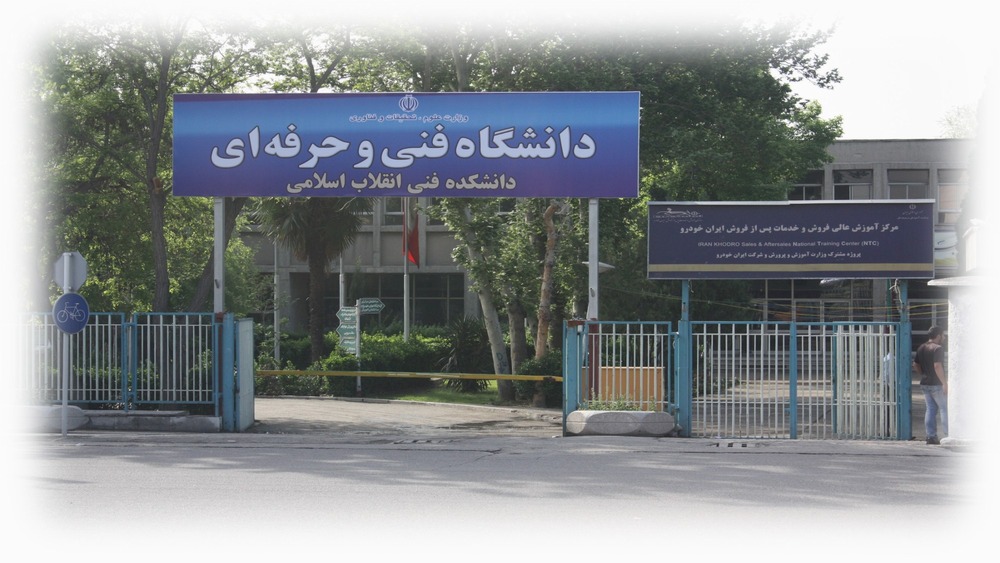
Technical and Vocational University
IranThe Iranian universities function under the supervision of three ministries: "Science, Research, and Technology", "Education" and "Health and Medical Education". Technical and Vocational University is one of the centers of higher education that functions under the supervision of the “Ministry of Science, Research, and Technology” and its affiliated branches are scattered throughout Iran.
History of Technical and Vocational University
The history of this university dates back to 1907 when the Iran-Germany Vocational School was established in Tehran, In 1965 it was transformed into the Institute of Technology with the aim of educating and training technical experts at the associate level. Four years later, a number of technical and vocational teacher training centers were established under the Ministry of Education’s Office of Technical and Vocational Schools. In 1986, this office started technical teacher training courses at the undergraduate level at the Institute of Technology. Eventually, in 1995, with the change in the form of education in Iranian high schools and the creation of a new educational system, a two-year associate course in technical and vocational fields was implemented in all technical and vocational colleges.
In 2011 Technical and Vocational Colleges and Faculties officially departed from the Ministry of Education and was affiliated with the Ministry of Science, Research, and Technology under the name of Technical and Vocational University (TVU) as the only state university for imparting academic technical and vocational training in Iran.
Courses Imparted at the Technical and Vocational University
Technical and Vocational University of 181 schools and colleges in which more than 170,000 students pursue their higher education in 200 fields of study, under the supervision of more than 17,000 teachers. By 2023, some 382 thousand people had graduated from this university.
In 2021, more than 300 non-Iranian students were studying at the Technical and Vocational University of Iran. The branches of this university offer post-secondary education up to associate degree level in the following five fields:
• Computer: network, information technology, programming, content production and graphics
• Services: hygiene and health, navigation and transportation, commerce and administrative affairs
• Industry: electricity and computer, machinery maintenance and repair, construction and architecture, materials, processing, and mechanics
• Agriculture: livestock affairs, agriculture and horticulture, food industry, and agricultural machinery
• Art: animation and cinema, handicrafts, design and sewing, music, painting, drama, production of television programs, and restoration of cultural works.
The courses imparted at the Technical and Vocational University are at two levels associate (54 courses) and undergraduate (26 courses) levels. The branches of the university are single-sex and two-thirds of the units are allocated for male students.
This university published three specialized journals consisting of the latest findings of different researchers. The publication of more than 1400 articles in international indexes is one of the achievements of the researchers of this university.
The Technical and Vocational University considers it its duty to connect its graduates with the industry and to ensure its implementation it has founded a center called "Entrepreneurship and Interaction with Industry" to follow the university’s entrepreneurial approaches. Forming committees related to entrepreneurship and development of university resources, empowering students and professors to enter the marketplace, analyzing the business environment and disseminating it for the use of university entrepreneurs, and helping local economies prosper based on the training provided in educational units, comprise some the goals of this center.
- Type: Governmental
- Total students: 170000
- Foreign students: 300
- Contacts: 02142350000
- Website:https://tvu.ac.ir/
68
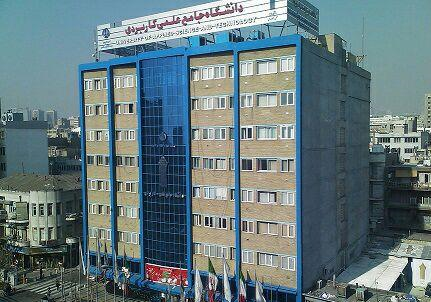
Technical and Vocational University
IranThe Iranian universities function under the supervision of three ministries: "Science, Research, and Technology", "Education" and "Health and Medical Education". Technical and Vocational University is one of the centers of higher education that functions under the supervision of the “Ministry of Science, Research, and Technology” and its affiliated branches are scattered throughout Iran.
History of Technical and Vocational University
The history of this university dates back to 1907 when the Iran-Germany Vocational School was established in Tehran. In 1965 it was transformed into the Institute of Technology with the aim of educating and training technical experts at the associate level. Four years later, a number of technical and vocational teacher training centers were established under the Ministry of Education’s Office of Technical and Vocational Schools. In 1986, this office started technical teacher training courses at the undergraduate level at the Institute of Technology. Eventually, in 1995, with the change in the form of education in Iranian high schools and the creation of a new educational system, a two-year associate course in technical and vocational fields was implemented in all technical and vocational colleges.
In 2011 Technical and Vocational Colleges and Faculties officially departed from the Ministry of Education and was affiliated with the Ministry of Science, Research, and Technology under the name of Technical and Vocational University (TVU) as the only state university for imparting academic technical and vocational training in Iran.
Courses Imparted at the Technical and Vocational University
Technical and Vocational University of 181 schools and colleges in which more than 170,000 students pursue their higher education in 200 fields of study, under the supervision of more than 17,000 teachers. By 2023, some 382 thousand people had graduated from this university.
In 2021, more than 300 non-Iranian students were studying at the Technical and Vocational University of Iran. The branches of this university offer post-secondary education up to associate degree level in the following five fields:
• Computer: network, information technology, programming, content production and graphics
• Services: hygiene and health, navigation and transportation, commerce and administrative affairs
• Industry: electricity and computer, machinery maintenance and repair, construction and architecture, materials, processing, and mechanics
• Agriculture: livestock affairs, agriculture and horticulture, food industry, and agricultural machinery
• Art: animation and cinema, handicrafts, design and sewing, music, painting, drama, production of television programs, and restoration of cultural works.
The courses imparted at the Technical and Vocational University are at two levels associate (54 courses) and undergraduate (26 courses) levels. The branches of the university are single-sex and two-thirds of the units are allocated for male students.
This university published three specialized journals consisting of the latest findings of different researchers. The publication of more than 1400 articles in international indexes is one of the achievements of the researchers of this university.
The Technical and Vocational University considers it its duty to connect its graduates with the industry and to ensure its implementation it has founded a center called "Entrepreneurship and Interaction with Industry" to follow the university’s entrepreneurial approaches. Forming committees related to entrepreneurship and development of university resources, empowering students and professors to enter the marketplace, analyzing the business environment and disseminating it for the use of university entrepreneurs, and helping local economies prosper based on the training provided in educational units, comprise some the goals of this center.
- Type: Governmental
- Total students: 220000
- Foreign students: 300
- Contacts: 02182779
- Website:https://www.uast.ac.ir/fa
69

Islamic Azad University
IranWith more than 400 academic campuses, medical and research centers, and about 1.2 million students, Islamic Azad University is considered one of the biggest universities in the world.
History
The idea of establishing a university complex named "Islamic Azad University" was formed among the officials of the Islamic Republic in 1982, the first academic unit of which, named "Tehran Center", was founded in the same year. This Iranian center of higher education officially began its activities by admitting 3000 students in such courses as architecture, electrical, mechanics, mathematics, chemistry, Iron and Steel Industry, textiles, and accountancy in the year 1983. The next campus of this was established in Tabriz.
15 Seed accelerators, 18 growth and technology centers, 172 research centers, and 407 academic units and educational centers are affiliated with this university.
Since Islamic Azad University also imparts education in the field of medical sciences, 12 hospitals and clinics provide their services under the supervision of this university. The Department of Medical Sciences of Azad University was established with the aim of the integrated management of educational centers and medical services. The first medical campus of this university started its activities in 1985, and a year later, the number of its medical science campuses was increased to eight. The center for "Relationship with Industry" of this department, is vested with the responsibility of providing research services to industries active in the field of medicine, creating a suitable platform for the commercialization of research achievements, and to support entrepreneurship, and supporting the innovative activities of university researchers.
So far, about 6 million people have graduated from this university. Every year, about 120,000 theses at the postgraduate level and nearly 7,000 theses at the Ph.D. level are produced in this university. Three specialized campuses of "Fershtgan" (for students with special needs), "Madaran" and "Professor Farshchian Campus of Islamic Arts" have been established at Islamic Azad University.
Sama Organization of the Islamic Azad University was established in 1991 to impart and expand general and skill training courses. Presently, this organization administers 800 girls and boys schools 143 of which operate as technical and vocational schools. The number of students studying at different levels in these schools stands at 140 thousand.
International Status and Activities of Islamic Azad University
Based on the URAP ranking system, which takes into consideration the amount of scientific production in its ranking, Islamic Azad University (including all academic units) is ranked 226th in the world and second in Iran (after Tehran University). Some branches of this university have also been ranked independently in different ranking systems. For instance, in the Times ranking (2023) the Najafabad Branch (in Isfahan province) was ranked 501 to 600 and 8th among Iranian universities. In terms of the number of students, Islamic Azad University ranks 6th among universities in the world.
Every year, this university publishes a call for admitting foreign students. Admission of non-Iranian students to these universities is based on their academic records. According to the officials of this university, about 60 thousand non-Iranian students were studying in various branches of this university in Iran in 2022.
Islamic Azad University has established five overseas branches in Baghdad (Iraq), Beirut (Lebanon), Dubai (United Arab Emirates), Oxford (England), and Kabul (Afghanistan).
- Type: Non-profit
- Total students: 1200000
- Foreign students: 60000
- Contacts: 02147352030
- Website:https://iau.ir/fa
70

Shahid Motahari University
Iran"Waqf" is one of the religious traditions that has been going on to support scientific and academic centers in Iran and European countries. Shahid Motahari University is an important center of higher education in Tehran, which has been active for more than 100 years.
Who was Shahid (Martyr) Motahari
Martyr Ayatollah Morteza Motahari was an Iranian Shia cleric, a professor of Islamic philosophy and theology, exegete of the Holy Qur’an, and orator. He was born in 1919 and was a professor at Tehran University’s Faculty of Theology before the Islamic Revolution. He played an active and effective role during the campaigns that led to the victory of the Islamic Revolution. Motahari was finally assassinated and martyred in 1979; a few months after the victory of the Islamic Revolution.
The History of Shahid Motahari University
The foundation of this academic center dates back to 1878 when a person by the name of Mirza Hossein Khan Sephesalar began its construction as a waqf building with the aim of establishing a school of religious sciences by the name of “Sepahsalar School of Higher Education”, where new sciences would also be imparted. The construction of this academic center took four years and its scientific activities began in 1891.
Sepehsalar School of Higher Education and Mosque were located in the central areas of Tehran at that time and were very easily accessible. This school is still considered the largest mosque and school of higher education in the capital city of Tehran, in the construction of which the principles of traditional Iranian architecture have been fully observed, to the extent that it can be considered one of the masterpiece examples of traditional Iranian architecture.
The building of the mosque and the school has a total of eight tall minarets that are between 25 and 37 meters high. Half of the circular structure of the bases of these minarets can be seen in the walls, which is an interesting initiative by the designers. Bricks were used in the construction of all minarets, which have been covered with tile works.
The main entrance portal and the facade are of a quite distinctive Qajar style. Two massive minarets flank the recessed entrance, which leads into a courtyard surrounded by twin-storied arcades of college rooms; in all, there are some 60 chambers.
Although a library had initially planned for this building, its construction did not take place until the French architect, Maxime Siroux, added it to the complex in harmony with the main building.
Educational Activities of Shahid Motahari University
The Faculty of Theology and Islamic Studies of the University of Tehran was established in 1935 at the Sepahsalar College, presently known as Shahid Motahari University, under the name of Faculty of Theoretical and Traditional Studies.
In 1969, a law was passed according to which those who completed the educational course of Sepehsalar School received a bachelor’s degree in the fields of "Qur’anic Sciences and Islamic Jurisprudence" and "Islamic Theology and Philosophy".
After the victory of the Iranian Islamic Revolution in 1979 and the martyrdom of Ayatollah Motahari in 1981, this school was renamed "Martyr Motahari School". In the same year, male and female students were admitted to the field of religious sciences and Islamic education. In 1987, the fields of "Islamic Jurisprudence and Law" and "Islamic Philosophy and Wisdom" replaced the two previous fields at the bachelor's and master's levels. In 1994, the admission of students in the doctorate courses of "Jurisprudence and Private Law", "Jurisprudence and Criminal Law", "Comparative Philosophy", and "Islamic Theology" began. In 2010, the status of this school was upgraded to that of a "university”.
During the years of activity of this university, three educational units have been established in the cities of Mashhad (1989), Yazd (for girls), and Zahedan (1997).
Presently, three educational groups "Jurisprudence and Law", "Philosophy and Theology" and "Psychology" are working at this university. Shahid Motahari also publishes two quarterlies in the fields of Jurisprudence and Private Law and the Rahnamoun Quarterly in Philosophy and Theology.
- Type: Governmental
- Contacts: 02133566166
- Website:https://motahari.ac.ir/fa
71
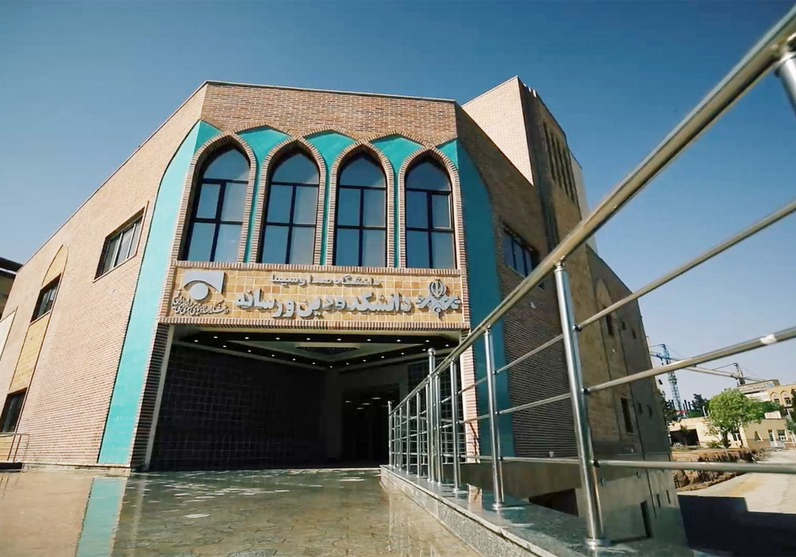
IRIB University
IranWhile most Iranian universities function under the supervision of three ministries: "Health, Treatment and Medical Education", "Science, Research and Technology" and "Education", some institutions and ministries, have their own private universities with the aim of training their human resources. IRIB University is one such university that is affiliated with the Islamic Republic of Iran Broadcasting Organization of Iran.
History
It was on April 24, 1940, that the first radio program was broadcast in Iran and since the programs broadcasted on this radio could only be heard in Tehran, this radio was called "Radio Tehran".
Iran Radio and Television Organization was established in 1958 when television programs were broadcast for the first time in Iran. In the early years of television, its programs were broadcast for only four hours, from 18:00 to 22:00. The broadcast would start with a program for minors and children, followed by sports programs, and finally teaching a foreign language, news, and psychological discussions.
Following the expansion of the activities of this organization, the need for a center of higher education to train the required human resources was greatly felt as a result of which the "The School of Television and Cinema" was founded and began its activities in 1969. In the first year of its activities, this institute held a one-year short-term course, but after a while, two-year courses were designed. Thereafter, postgraduate courses in "Educational Technology", "Research in Mass Communication" and "Electronic Engineering" were other courses that were designed and imparted at this university before the victory of the Islamic Revolution in 1979.
After the victory of the Islamic Revolution, this institution, which was known as the College of Broadcasting, began to focus on training the forces needed by the Iranian Broadcasting Organization, the graduates were recruited in the Broadcasting Organization (Tehran) and its provincial centers. Each of Iran's 31 provinces has (at least) one radio and one television network. Apart from that, 20 television channels, 18 fixed radio channels, two Internet channels, and 20 overseas channels comprise the other sections of this organization.
Educational Structure of the IRIB University
The status of the College of Broadcasting was upgraded to that of a "University" in 2012 with five faculties of:
- Radio and Television Production
- Communication and Media
- Digital Arts
- Media Engineering and Technology, and
- Religion and Media
in which 164 full-time and part-time professors actively provide educational and research services for about 1000 students studying at the university.
The aim behind the establishment of the Faculty of Religion and Media, which is located in the city of Qom was the elevation of the quality of religious programs. This faculty was founded in 1997 and, presently, 64 full-time faculty members are engaged in teaching different subjects.
In order to support the broadcasting of students' works and to expand their specialized training field, a TV network by the name of "Roya" was launched on the internet in 2022. The university also publishes two scientific journals.
Foreign Students of IRIB University
In 2022, a call was published by IRIB University to admit foreigners interested in studying at this university at the postgraduate level. Media Management, Social Communication Sciences, Animation Production, Production of Radio Programs, and TV Programs were the fields announced in this call for admission. After acquiring the required qualifications, these students can work in the global networks of the IRIB. The "International Affairs" unit of the university was established in 2013 with the aim of integrating and expanding the organization's international activities.
- Type: Governmental
- Total students: 1000
- Contacts: 02122168540
- Website:https://iribu.ac.ir/
72

Payame Noor University
IranPayame Noor University is more than just a university and should be referred to as an "academic network" whose educational units have spread throughout Iran. The educational method of this university is both in the form of full-time and part-time. The central organization of this university is located in Tehran, and a management center has been created in every Iranian province to coordinate the activities of the university in these provinces.
The History of the Payame Noor University
Payame Noor University was established in 1988 after about almost two years of undergoing the required process and receiving approval. The first group of Payame Noor University students studied in five fields of study in 28 centers. In the following years, the university was able to quickly expand its centers and become one of the pillars of higher education in Iran. Today, this university has established provincial universities in all 31 provinces of Iran, and the number of its centers and units across Iran stands at 460. According to statistics, presently (year 2023), about 344,000 students pursue their higher education under 3500 faculty members of this university.
By moving towards a part-time education system, the university tried to reduce the need for students to be in the classroom by using educational technology, self-learning, and student-oriented textbooks. Payame Noor University has played a special role in expanding higher education in Iran.
Presently, the students of Payame Noor University can pursue their higher education in one of the following 9 academic fields:
1. Literature and Humanities
2. Theology and Islamic Sciences
3. Social Sciences
4. Basic Sciences
5. Educational Sciences and Psychology
6. Agricultural Sciences
7. Engineering
8. Management, Economics, and Accountancy
9. Art and Architecture
Faculties of "Basic Sciences" and "Literature and Humanities" of this university were founded at the same time as the university was established. It is to be noted that not all the above academic fields are imparted in every unit of the university and rather the regional needs and capacities are taken into consideration.
20 research centers have been established at Payame Noor University to cater to the research requirements of students and researchers. This university also publishes 37 research-based journals of which 6 journals are in the English language. By 2023, the total number of research papers published in these journals stood at 8300.
Payame Noor University has established several science and technology parks and growth centers with the aim of supporting researchers. By creating the necessary infrastructure and reducing risk, these centers support small and medium-sized units that are established based on technological ideas and have the ability to be commercialized. In total, 39 knowledge-based companies are operating under the supervision of Payame Noor University. “Entrepreneurship and Innovation Group” administers the activities related to innovation and industry.
A new center called "Innovation, Creative Industries, and Soft Technologies" was founded in the university in 2022, which seeks to create an innovation ecosystem and improve the university’s position in the fields of innovation and entrepreneurship. Interaction between university researchers with different industries and connecting them with research institutes and foreign researchers are other objectives of this center.
International Activities of Payame Noor University
The international activities of Payame Noor University are administered by the “Center of International Affairs”. This center has 17 representatives in different countries and plays a role in accepting non-Iranian students interested in studying in Iran. Organizing international conferences and seminars, concluding memorandums of understanding with universities and centers of higher education outside of Iran, membership in international forums, and defining study opportunities for Iranian and non-Iranian researchers are some of the duties of this center. According to university officials, the number of non-Iranian students pursuing their higher education in the international units of Payame Noor University in 2023 was approximately three thousand.
A Persian Language Center has also been established at Payame Noor University for those foreign students who intend to learn the Persian Language. This center began its activities in the year 2016 and provides educational services to citizens of other countries in addition to non-Persian-speaking students.
- Type: Non-profit
- Total students: 344000
- Foreign students: 3000
- Contacts: 02123320000
- Website:http://www.pnu.ac.ir/portal/home/
73

Petroleum University of Technology
IranIran is an oil-rich country and in terms of having oil and gas resources, it stands among the top countries in the world. This issue has made the need for expert personnel in the petroleum industry very critical. The “Petroleum University of Technology” has, therefore, been established with the aim of training technical and specialized experts for administering the oil and natural gas resources of the country in the best possible way. This university functions under the supervision of the National Iranian Oil Company.
History of Petroleum University of Technology
The first oil well of Iran, which is considered to be the first oil well in West Asia, was drilled in the year 1907 in the city of Masjed Soleyman, Khuzestan province. This well reached oil on May 26, 1908, to start a new chapter in the history of Iran. About thirty years after this event, i.e. in 1939, the Petroleum University of Technology was established to support this emerging industry in terms of research and training of manpower. This educational and training center, which was initially called "Technical College of Oil Industry", was upgraded to the “Abadan Institute of Technology” in 1958.
Located in the city of Abadan (one of the cities of the southern Iranian province of Khuzestan), the activities of this university came to a halt for some time following Saddam Hussain’s military invasion of Iran in the year 1980. However, following the expansion of its activities and a considerable increase in the number of its students in the post-war era, this institute was once again upgraded to the level of a university in 1989 and named the “Petroleum University of Technology”.
Two years later the Abadan Faculty of Petroleum was founded to - along with other three faculties, i.e., Ahvaz Faculty of Petroleum, Tehran Faculty of Petroleum, and Mahmoudabad Faculty of Petroleum - make the Petroleum University of Technology a comprehensive university.
Tehran Faculty of Petroleum was established in 1957, i.e. seven years after the Nationalization of the Iranian Oil Industry. Similarly, Mahmoudabad Faculty of Petroleum was founded in 1985 with the aim of training specialized personnel to be on ocean liners. These forces usually work in the National Iranian Tanker Company and the Islamic Republic of Shipping. Four educational groups "Navigation", "Energy Engineering", "Marine Engineering", and "Basic Sciences and Language" function under the supervision of this faculty.
Petroleum University of Technology considers its close relationship with world-renowned research centers as one of its strengths. Also, providing suitable educational facilities for students, the possibility of attracting graduates to Iran’s research and executive centers, and the use of foreign languages for teaching courses, are among the advantages of this university for its students.
Centers to Support Graduates
The Center of Development of the Physical Assets Management System of the Oil Industry is one of the centers of the university and is active in the field of management of physical assets. “Petropam” specialized journal is published under the supervision of this center.
The Petroleum University of Technology also has a growth center that extends support to newly established units in the field of technology affiliated with this university. The units that are accepted in this center will be supported for a period of three to five years and can use the research achievements of university researchers to go through the stages of stabilization and mass production until they reach a stage of profitability.
- Contacts: 06153153000
- Website:https://www.put.ac.ir/
74
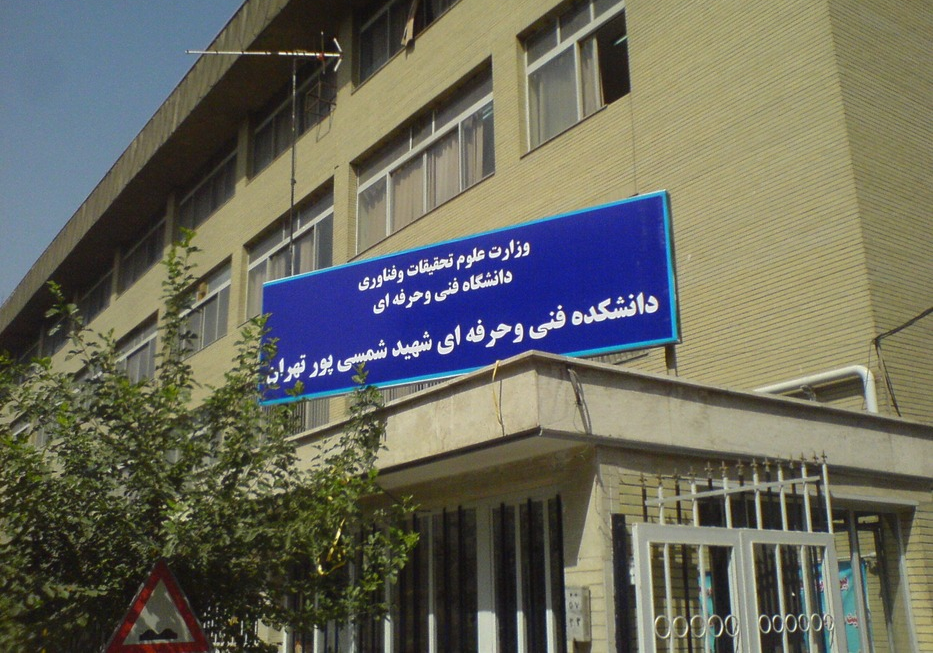
Shahid Shamsipour Technical and Vocational College
IranThe most important objective of establishing technical colleges is to train technicians needed for various industries. Therefore, the courses imparted in these colleges, which usually last two years, consist of various theoretical and practical forms. As one of the branches of Technical and Vocational University, Shahid Shamsipour Technical and Vocational College of Tehran and has a long history of training technicians in several fields.
History
The establishment of Shahid Shamsipour Technical and Vocational College dates back to 1964, when “Aziz Nabavi’, who is known as the father of accounting science in Iran, founded the “Institute of Accounting”, which initially operated as a private institution and its center was located in one of the northern areas of Tehran. Sometime later, the institute became known as the “Tehran Institute of Technology” and benefitted from the services of several consultants from the MIT University of the United States both in the management of its affairs and training programs.
In the year 1974, the Tehran Institute of Technology was bought by the Ministry of Education, which was considered an important development in the history of this institute and following which it continued its activity as a state center of higher education. After the victory of the Islamic Revolution in 1979, the name of the institution was changed to “Shahid Shamsipour Technical Training School” in honor of one of its martyred graduates and it was eventually as “Shahid Shamsipour Technical and Vocational College’.
Education and research in Shahid Shamsipour Technical and Vocational College
Since 2005, Shahid Shamsipour Technical and Vocational College only admits male students. Presently, four thousand students of this college pursue their higher education in four groups of “Basic Sciences”, “Accountancy and Management”, “Electricals and Electronics”, and "Computer Sciences” and such fields of industrial accounting, medical equipment, auditing, and information technology at the associate degree level, financial accounting, and computer networks at the undergraduate level, and control engineering, professional engineering of communication and information technology, insurance management, industrial management, electronics, accountancy, software and information technology at two associate and undergraduate levels. Three scientific associations of accounting, computer, and electronics have also been established in this college to guide the research activities of different groups. A group called “virtual education” is also active in this college, which is engaged in holding public courses and distance education.
14 laboratories of this college are available for students to use its facilities to conduct their research projects. The department of research of this college is vested with the responsibility of supervising the research activities. In addition to supporting the research projects of students and researchers, this unit is also in charge of organizing research and educational workshops, setting up laboratories, inviting researchers from other centers of higher education, evaluating research activities, and formulating the research policies and strategies of the college.
A growth center of technology units has been established in this college in order to ensure connecting the students to industrial units. The main aim of this is to collaborate with innovative groups and individuals to move towards operationalizing their ideas by providing them with material and service support. Commercialization of ideas, entrepreneurship, creating economic prosperity, creating suitable job opportunities, and establishing communication between idea makers and investors are the other goals of this center. At the end of 2022, seven companies and technology units had been located in this center.
The Industry Liaison Unit is another department of the Shahid Shamsipour Technical and Vocational College, which provides for the requirements and introduces the research priorities of industries and companies to the researchers of the college. Through this unit, students are introduced to industrial units for internships. Also, one of the duties of this unit is to conduct sabbaticals and develop new curricula in accordance with the requirements of industries.
- Type: Governmental
- Total students: 4000
- Contacts: 02191200988
- Website:https://shamsipour.tvu.ac.ir/
75

Baqir al-Olum University of Qom
IranBaqir al-Olum University of Qom is one of Iran’s non-governmental centers of higher education that operates in the field of Islamic humanities. This university, which operates under the supervision of the Islamic Propaganda Office of Qom Seminary, has had a close relationship with the seminaries since the beginning of its activities and mostly selects its students from among seminary students. Examining the current issues of the world through the lens of Islamic jurisprudence and providing answers to the questions of societies by resorting to Islamic texts is one of the main goals of this university.
History of Baqir al-Olum University
The need for improving the level of political awareness of seminary students and better communication with the Islamic world and other cultures of the world formed the idea of establishing Baqir al-Olum University. The first unit of this university started its activities in the year 1984 by imparting short-term general and specialized training courses. From 1987 onwards, the political science courses of the Propaganda Office of Qom Seminary took a more coherent form and attracted many seminary students. Being admitted to the training courses of Baqir al-Olum University was conditional to being a seminary student.
Following the approval of the concerned institutions for the upliftment of this educational institute to that of an institute of higher education, after expanding its activities, it was eventually upgraded to a university in the year 1992.
Educational and Research Activities of Baqir al-Olum University
The following four faculties operate in Baqir al-Olum University:
• Faculty of Foreign languages: comprising four educational groups: English, Arabic, French, and German
• Faculty of Culture, Social and Behavioral Sciences: comprising three educational groups of Social Sciences, Strategic Management, and Cultural Studies and Communication
• Faculty of History and Political Studies: comprising three groups of Political Studies, Islamic History, and Cultural and Civilizational Studies
• Faculty of Philosophy and Ethics: comprising three scientific groups of Philosophy and Theology, Additional Philosophy, Islamic Ethics and Sciences.
The jurisprudence department of this university also engaged in research and education about the relationship between Islamic jurisprudence and the needs of societies by forming groups such as governance system jurisprudence, health system jurisprudence, social system jurisprudence, cultural system jurisprudence, economic system jurisprudence, and science and technology jurisprudence.
This university also published the following three scientific journals:
• Political science: The publication history of this journal dates back more than 25 years and by 2022, 100 issues had been published in this journal.
• History of Islam: Launched in 2000, this journal is known as the first publication of historical studies with a scientific-research rank.
• Ayin-e Hikmat: The main theme of this quarterly is research about different branches of Islamic philosophy and by 2022, 50 issues of it had been published.
Baqir al-Olum University also publishes three specialized journals:
• The Culture of Research: in which articles in the field of Islamic history are published and by 2023, the number of its issues stood at 52.
• Philosophy of Law: This publication, which is younger than other university publications (founded in 2019), is managed by the Department of Philosophy of Law of the university. The main goal of this journal is the scientific promotion of the legal system on the basis of research on Islamic jurisprudence.
• Theoretical studies of history and civilization: The plan to launch this journal was proposed in 2023 with the aim of exploring historical experiences to respond to today’s civilizational needs.
After providing the necessary facilities and preparations, this university received permission to admit non-Iranian students in 2020. In 2021, it made a call for admitting foreign students in the fields of cultural policy, strategic management of culture, media management, Islamic knowledge of Muslims, and applied ethics, at postgraduate and Ph.D. levels. This phenomenon has improved the level of international activities and cooperation of Baqir al-Olum University and has realized a part of the objective of its officials to be more present in international arenas and present their research findings to the scientific circles of the world.
- Type: Governmental
- Contacts: 025321360
- Website:http://www.bou.ac.ir/Portal/Home/
76

Mofid University
IranEven though Mofid University was established in 1989, it is considered one of the leading centers of higher education in Iran in the field of humanities. The main idea that led to the establishment of Mofid University was to create a research-oriented space for more communication between humanities and religious foundations. Mofid University started its activities as one of Iran’s specialized universities in humanities and earned the title of the top university in Qom province.
Keeping in view the objectives for the establishment of this university, it has been named after “Sheikh Mofid”, a great scientist of Islamic sciences. Muhammad ibn Muhammad ibn Nu’man, nicknamed Sheikh Mofid, was a Shiite jurist and theologian in the fourth century AH who lived from 948 to 1022 CE and expanded the Shiite theological school of thought during his lifetime of activities. Many of the theological topics that are accepted among Shia scholars today were mentioned for the first time by this scholar. According to some historical texts, Sheikh Mofid wrote more than 200 books only some of which are available today.
Education and Research at Mofid University
Six educational faculties of "Economics", "Law", "Philosophy", "Political Science", "Theology", and "English Language" of Mofid University are engaged in providing scientific education to students in 31 academic fields at three undergraduate, postgraduate, and Ph.D. levels.
In addition to admitting students through the nationwide university entrance exam, Mofid University conducts a special entrance exam for seminary students. However, this university is permitted to admit some students without going through the entrance exam. In 2023, about 1500 students pursued their higher education in this university.
Despite the fact that Mofid University is considered a private university, certain conditions have been provided for admitting a number of top students to study without paying tuition fees. The students can also use the university’s scholarship projects by meeting certain criteria.
The following four research centers have been established at Mofid University in order to consolidate its research activities:
• Center for Human Rights Studies: It started its work in 2003 with the aim to produce knowledge and develop literature in the field of human rights with an emphasis on interdisciplinary research and Islamic teachings.
• Center for Economic Studies: The increase in the needs of human societies has inspired finding appropriate answers from religious texts to overcome the existing crises. This center was established in 2005 with this aim in mind. So far, several international conferences have been held by this center in which professors from different countries have exchanged views on various issues.
• Center for Quranic Studies: Established in 2006, the main objectives of this center are: to compile and explain Qur’anic knowledge in relation to humanities and interdisciplinary research projects, to spread Quranic culture and knowledge with emphasis on the school of Ahl al-Bayt (AS) This center has been publishing a journal entitled “Religions and Contemporary World” since 2014.
• Center for Comparative Law Studies: It was established in 2009 with the objective of conducting research and comparing scientific issues to resolve the existing challenges and find answers to questions related to this field. This center published two scientific quarterly on “comparative law”.
International Activities of Mofid University
With the view to attracting foreign students to pursue their higher education at this university and providing them with the required services, Mofid University established a center called the “Consular Office for Non-Iranian Students” in 2018, which provides such services like arranging for the renewal of their passports and visas and accommodation.
During the years of its activity, Mofid University has held many scientific meetings with scientific and research centers of different countries like America, Canada, Germany, England, France, Belgium, Switzerland, Spain, Norway, Sweden, Italy, Netherlands, Australia, Ireland, Luxembourg, China, Russia, South Africa, Egypt, Tunisia, Morocco, India, Bangladesh, Malaysia, Indonesia, Philippines, Tajikistan, Qatar, UAE, Türkiye, Saudi Arabia, Lebanon, and Iraq.
- Total students: 3000
- Contacts: ۰۲۵۳۲۹۲۵۷۶۱
- Website:https://www.mofidu.ac.ir/
77

Mazandaran University of Science and Technology
IranThe history of modern centers of higher education in Iran dates back to about 100 years ago. During this period, with the developments that occurred in Iran’s higher education system, new methods were gradually adopted to manage educational units, which included the entry of the non-governmental sector into this field and the establishment of universities that operate independently and without depending on government budgets. Mazandaran University of Science and Technology is one is the first non-profit non-governmental universities in Iran. This university, which was founded more than three decades ago, is located in the city of Babol in the Mazandaran Province of Iran.
History of Mazandaran University of Science and Technology
With the increase in the number of Iran’s young population and the transformation that occurred in its educational system, a program was proposed in the early 1990s to expand the country’s centers of higher education. This program allowed the non-governmental sector to establish universities by using the various facilities available to them and to operate according to the existing rules and regulations. In this way, non-governmental universities became official, and Mazandaran University of Science and Technology, as the first non-profit non-governmental university of the country, started its activities in 1992.
This university is engaged in educating and training students of higher education in three groups and 36 courses and academic orientations. Also, three technical and engineering faculties (comprising five educational groups), industrial and computer engineering (with three educational groups), and humanities and management (consisting of five educational groups) function under the management structure of this university.
Having 17,000 square meters of educational space, 12 workshops, and 24 laboratories has expanded the possibility for students and researchers of Mazandaran University of Science and Technology to benefit from research equipment. The existence of these facilities has made this university one of the top non-profit universities in Iran.
Research Activities of Mazandaran University of Science and Technology
The publication of 1396 articles in domestic journals and conferences, 488 articles in ISI, and organizing four scientific conferences are among the research activities of this university and its students by 2023. The four conferences held at this university were:
1. The 13th International Conference on Industrial Engineering: This two-day event was held in 2017 in which a number of articles related to the latest developments in industrial engineering in the world were presented.
2. The 17th International Conference on Management and Applications of Information and Technology: This scientific event was held in early 2017 and its accepted articles in the field of computer science and information systems were published in the form of a journal.
3. The 12th International Conference of the Iranian Operations Research Society: This two-day event was held in 2019.
4. The 8th International Conference on Technology and Energy Management: This scientific event was held in 2023 in collaboration with the Iranian Energy Association (CIVILICA) by taking into account the latest issues in the field of energy, engineering, and technology.
According to the available information in the database of Iranian universities, in 2023 about 3000 students pursued their higher education at Mazandaran University of Science and Technology under the supervision of 50 faculty members of this university.
International Activities of Mazandaran University of Science and Technology
Being in interaction with foreign scientific and research centers abroad, as one of the ways to improve the scientific level of Mazandaran University of Science and Technology, has been the focus of its officials. This university has established high scientific cooperation with two Indian universities and a South Korean university. Sending postgraduate students to these universities is one of the fields of cooperation between these universities.
- Type: Governmental
- Total students: 3000
- Contacts: ۰۱۱۳۲۱۹۱۲۰۵
- Website:https://www.ustmb.ac.ir/
78

Soore University
IranHozeh Honari (Department of Art) of the Islamic Propagation Organization, supports various artistic and cultural activities that take place in Iran. In line with its duties, this institution established the Soore Institute of Higher Education as a non-profit institution in 1993. The central organization and faculties of this university are located in the middle areas of Tehran. The main objective of Soore University is to offer productions according to Islamic artistic and cultural guidelines and to ensure the achievement of this objective it uses the services of the best university teachers in these fields to teach and train its students; an issuer that has made Soore University to find a high position not only among the artistic community, but also among the people as one of the most serious centers for providing artistic education.
History of Soore University
After its establishment, Soore Institute of Higher Education admitted students out of the system of university entrance exam. However, since 1995 it began to follow the same process for admitting students when 11 fields of study were active in this institute. Despite the fact that Soore Institute was awarding equivalent degrees to its students until 1997, from this year onwards, the degrees awarded by the institute came to be approved by the concerned official institutions of Iran, which was an important step for the growth of this institute.
Following the expansion of its educational activities, this institution was upgraded to a university in 2011, and since then it has been known as “Soore University”. Launching the first Ph.D. course in the field of communication sciences at this university is considered the most important development in the history of Soore University.
Presently (in 2023), 4500 students are pursuing their higher education in this university in the following three faculties and at three levels of doctorate (three courses), postgraduation (21 courses), undergraduation (18 courses), and bachelor’s degree (one course).
1. School of Architecture and Urban Planning: At the same time as the establishment of Soore Institute of Higher Education, its school of architecture was also launched with the intention of responding to the needs of the Iranian society by using cultural and Islamic elements in architecture and recognizing Iranian Islamic architecture. Currently, four fields of architectural engineering, Islamic architecture, civil engineering, and interior designing are taught in this faculty. With being in possession of about 400,000 publications and books in written and virtual form, the specialized library of this school is considered one of the most valuable resources related to architecture in Iran.
2. School of Art: This school was founded in 2001 and currently, it is known as the biggest school of this university with 11 groups "Animation", "Cinema", "Higher art studies", "Theatre", "Photography training", "Graphics", "Handicrafts and Islamic art group", "Drama literature", "Painting", "Illustration" and "special visual effects" working under its supervision.
3. School of Culture & Communication
This school was founded in 2011 by combining the existing two schools of "Communication Sciences" and "Cultural Affairs". Responding to the needs of society in the field of culture and media is the main mission of this faculty. In this school, students undergo their higher education in three fields of "Sustainability Literature", "Social Communication" and "Cultural Management".
Research Activities of Soore University
Research forms one of the most important objectives and activities of Soore University. The scientific journal “Rahpooyeh Honar” (lit, Pathway to Art) is published in three volumes "Visual Arts", "Performance Arts" and "Industrial Arts". The university also published another scientific journal entitled “Rahpooyeh Hekmat-e Honar-e Eslami” (lit. Pathway to Wisdom of Islamic Art).
The Office of Liaison with Industry is one of the departments of Soore University, which works as a sub-category of the department of research of this university. This office is vested with the responsibility of concluding research contracts, signing cooperation agreements with various organizations, supporting research projects related to small businesses, and managing large projects.
- Type: Non-profit
- Total students: 4500
- Contacts: 02166354245
- Website:https://www.soore.ac.ir/
79
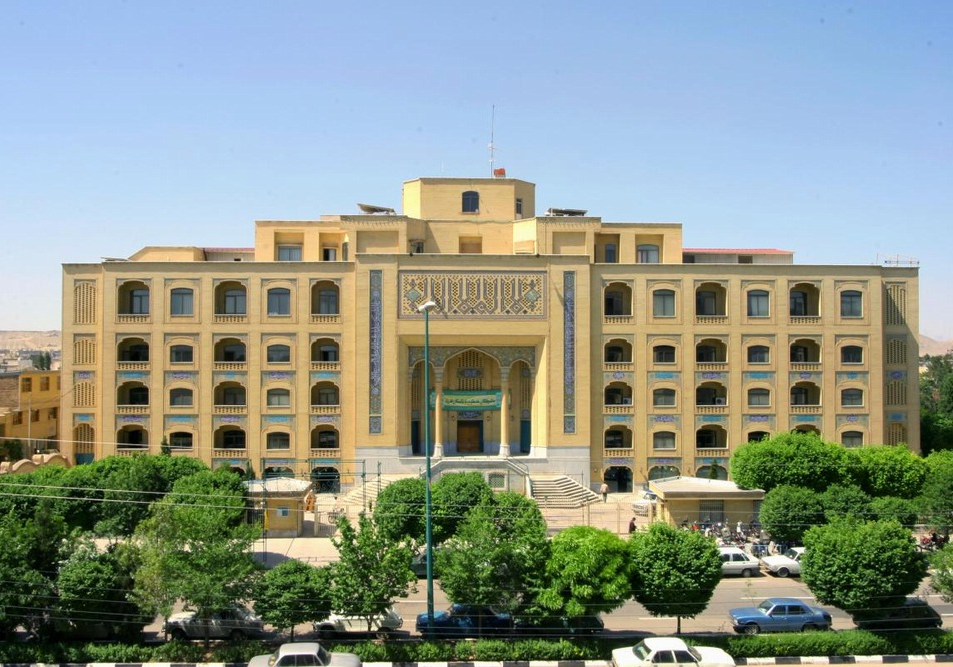
Imam Khomeini Education and Research Institute
IranThe 1979 Islamic Revolution of Iran was a great phenomenon that brought the world’s thinkers who were caught in the limbo between Marxism and liberalism. This revolution was an event based on religion that started with religious slogans and although various leftist or liberal groups tried to give it a non-religious face, it did not deviate from its path. After the victory of the Islamic Revolution, certain centers were established with the aim of introducing the true image of the revolution to the world and conducting research in this regard. One of these centers is the Imam Khomeini Education and Research Institute, which was started in 1995.
Activities of Imam Khomeini Educational and Research Institute
Clarifying the concept that gave rise to the Islamic Revolution requires research in the field of Islamic sciences and scholarly criticism of other schools of thought. Islamic humanities and the compilation of great works in this field have been the main objectives of the establishment of this institute.
The educational courses of Imam Khomeini Education and Research Institute are held in three levels: undergraduate (full-time and part-time), postgraduate, and doctorate levels. The institute comprises the following 13 educational groups:
1. Ethics
2. Islamic education and religions
3. Economy
4. History
5. Exegesis and Quranic sciences
6. Sociology
7. Law
8. Psychology
9. Political science
10. Philosophy
11. Educational sciences
12. Theology
13. Management
Presently (2023), about 1100 pursue their higher education at undergraduate in this institute, while, the number of those at postgraduate and Ph.D. levels stands at 250 and 160 respectively. So far more than 4200 people have graduated from Imam Khomeini Education and Research Institute.
Scientific Journals of Imam Khomeini Education and Research Institute
In addition to five general publications, Imam Khomeini Educational and Research Institute also publishes 19 scientific journals of which 12 journals are of scientific-research rank:
1. The biannual “Knowledge of Islamic Economy”
2. The biannual “History of Islam in the Mirror of Research”
3. The biannual “Qur'anic Knowledge”
4. The biannual of “Political Knowledge”
5. The biannual of “Theological Knowledge”
6. The quarterly of “Psychology and Religion”
7. The quarterly “Knowledge of Religions”
8. The quarterly “Socio-Cultural Knowledge”
9. The quarterly “Philosophical Knowledge”
10. The biannual “Islam and educational research”
11. The biannual “Rays of Knowledge”
12. The biannual “Knowledge of Logic”
13. The biannual “Horizons of Thought”.
The establishment of an independent center with the aim of compiling dictionaries in the field of Islamic intellectual sciences is one of the long-term and wide-ranging projects of the Imam Khomeini Education and Research Institute. The mission of the research center is to provide the world with Islamic knowledge, to deal with distortions, and to provide for research in specialized fields related to Islamic intellectual sciences.
Scientific Conferences and Meetings
Organizing research-oriented events is one of the most important activities of scientific and research centers. Keeping this in view, a department named "Scientific Conferences and Meetings" has been established at Imam Khomeini Educational and Research Institute to manage national and international conferences. During the activity of the institute, many meetings and scientific conferences have been held and the papers and discussions presented in them have been published in the form of books and compilations.
Activities in the Publishing Market
So far more than 700 books have been published by Imam Khomeini Education and Research Institute and obtaining the rank of 83 in different evaluation and ranking systems is one of the important achievements of this institute’s publications. In addition to offering its own books, this center also has the license to offer and sell seven thousand books in the field of Islamic humanities.
Open Educational Programs
Imam Khomeini Education and Research Institute also conducts open educational courses for different audiences. So far this institute has conducted more than 200 of these courses, the duration of which may differ from one day to several semesters, depending on the content and audience of the program.
- Type: Governmental
- Total students: 1100
- Contacts: 02532936002
- Website:https://iki.ac.ir/
80
_crop_crop_1.jpg)
University of Science and Culture
IranAcademic Center for Education, Culture, and Research is one of the cultural and research organizations of Iran, which has been vested with certain tasks in the field of scientific research and cultural activities. The University of Science and Culture operates under the supervision of this center and is responsible for training specialized manpower forces needed to achieve its goals.
History and Educational Activities of the University of Science and Culture
A non-profit educational institution affiliated with the Academic Center for Education, Culture, and Research was established in 1993, which was, after a few years and as a result of the expansion of its educational and research activities, upgraded to a university.
Presently (2023), about 9000 students pursue their higher education in 91 academic fields (six fields at the doctoral level, 53 fields at the master’s level, and 32 fields at the bachelor’s level) in six faculties of "Law", "Technology and Engineering", "Art and Architecture", "Humanities", "Tourism Sciences" and "New Biological Sciences and Technologies" under the supervision of more than 800 university teachers and lecturers, 120 of whom are full-time faculty members of this university.
Achieving the top ranks in International Scientific Olympiads by the students of this university is a sign of the high level of its educational and scientific activities. After being admitted, the students of this university can benefit from the educational and research facilities available at the National Park of Science and Soft Technologies and Cultural Industries, the Business Development Foundation, and the Institute for the Sustainable Development of Science and Culture Tourism. Attending these centers makes the ideas developed by students move towards implementation at a suitable speed.
Research and Entrepreneurial Activities of the University of Science and Culture
The affiliation of 21 research institutes and six scientific centers with the Academic Center for Education, Culture, and Research has provided the University of Science and Culture with special research opportunities such that the close relationship with these centers can be considered a special advantage for this university. The direct cooperation of this university with these centers is one of the factors contributing to the improvement of the quality of its educational standards.
With the establishment of the "National Park of Soft Sciences and Technologies and Cultural Industries", the University of Science and Culture is the owner of Iran's only specialized park in the field of culture, art, and handicrafts. Art design, fashion and clothing, handicrafts, and tourism are the subjects that are researched in this specialized park. The Institute of "Sustainable Tourism Development" is also active in this field as the first non-governmental academic organization.
The university’s “Business Development Foundation” has been established to create a platform and infrastructure for entrepreneurship. By forming work and idea generation centers in which university teachers and students participate, this foundation facilitates the process of transforming them into creative companies and eventually introduces these companies to the National Park of Soft Sciences and Technology and Cultural Industries. A center with the title "Specialized Training" operates under the supervision of this foundation and is responsible for supporting the students in their entrepreneurial activities, improving their skills, and creating employment.
International Activities of the University of Science and Culture
University of Science and Culture has managed to be recognized as one of the innovative universities of Iran. In 2022, the title of Innovative University of Iran was assigned to this university for the third year in a row.
University of Science and Culture has extensive interactions with scientific and research centers in different countries. These interactions have led to the holding of joint educational courses and various scientific meetings. UPM and USM universities of Malaysia, WARVIK and SHEFFIELD universities of England, MALARDALEN university of Sweden, IMC and MODUL universities of Austria, EUA University of Armenia, and UCW University of Canada are among the centers that have concluded memorandums of understanding with the University of Science and Technology and engage in scientific interactions with it. Based on these MoUs, it is possible to provide scholarships to outstanding students of the University of Science and Culture.
93 non-Iranian students were pursuing their higher education in the international college of this university at the undergraduate, master’s, and doctoral levels in the year 2023. The education activities of this college are in English in the form of short-term and long-term training courses. According to the officials of this university, arrangements are being made to increase the capacity of accepting non-Iranian students in the University of Science and Culture in the coming years.
- Type: Non-profit
- Total students: 9000
- Foreign students: 93
- Contacts: 02144238171
- Website:http://usc.ac.ir/
81

University of Applied Science and Technology
IranWhat inspired the establishment of the University of Applied Science and Technology was the idea to provide the basis for the participation of governmental and non-governmental organizations and executive bodies in the training of specialized forces required by various economic, social, and cultural sectors. The other objectives behind the establishment of this center of higher education included planning, organizing, and supporting the expertise required in the macro policy-making in the country.
History of the University of Applied Science and Technology
The proposal for the establishment of this semi-governmental university was approved in 1991 following which many centers of higher education affiliated with were rapidly founded and, presently, their number stands at more than 600 of which 200 centers are in Tehran.
Annual evaluation and redefining the duties and activities of different units of this university are among the major factors that have contributed to the improvement of the quality of education of these centers to a satisfactory level.
At the beginning of the activities of this university, courses were offered in associate, bachelor, master, and doctorate levels, but now, the focus of the university is on associate and bachelor courses only. Technical, management, social sciences, and art professional as well as technological engineering are the main courses at which the students of the University of Applied Science and Technology pursue their higher education at associate and postgraduate levels.
The “Office Short-term Applied Scientific Training” of this university was launched in the year 2020 with the aim of designing and imparting short-term training courses including single-lesson courses and single-module courses, etc.
Educational and Research Activities of the University of Applied Science and Technology
The number of students studying at the University of Applied Science and Technology stands at 220,000, of which 180 thousand students pursue their higher education at the associate degree level and the rest at the postgraduate level. The students of this university are trained in 800 skill fields. University officials claim that it is possible to increase the number of students at this university to 400 thousand people.
According to the officials of this university, more than 300 non-Iranian students had been admitted to the University of Applied Science and Technology in 2023. This university plans to accept a larger number of foreign students interested in studying in Iran by improving the level of its facilities and increasing its capacity for admitting non-Iranian students in its selected units. Until 2023, permission had been issued to admit foreign students in the affiliated centers of higher education in four provinces of Iran. Also, this university plans to set up its centers in some neighboring countries of Iran.
According to the research goals and the mission it has defined to link education with industry and market, the University of Applied Science and Technology has established an office entitled "Innovation, Technology and Commercialization". This office is responsible for attracting researchers, technologists, and entrepreneurs and covers one of the key areas of the university’s activities. Examining and compiling the research findings in the fields of commercialization and communication with industry, taking necessary measures in technology employment offices, and commercialization of new ideas, along with the development of the culture of innovation are some of the objectives of this center.
- Type: Governmental
- Total students: 220000
- Foreign students: 300
- Contacts: 02182779
- Website:https://www.uast.ac.ir/fa
82
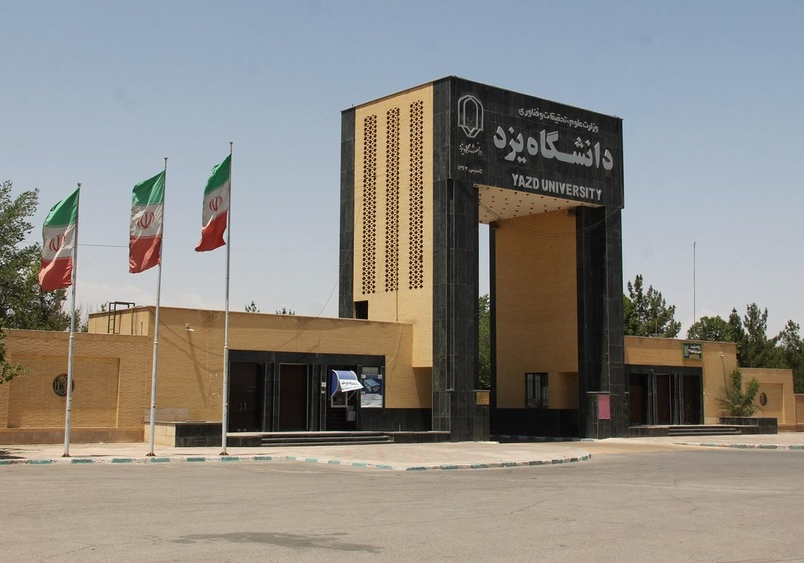
Yazd University
IranYazd is one of the historical cities of Iran, which has preserved its traditional structure to a large extent and is known as the land of ancient rituals and traditions. Nevertheless, this city has not lagged behind the growing flow of science and knowledge in any way and the existence of Yazd University, as one of Iran’s comprehensive universities, is proof of this claim.
History of Yazd University
Yazd University was inaugurated in 1989 AD, on the occasion of the 10th anniversary of the victory of the Islamic Revolution of Iran. In the first academic semester, Yazd University admitted 38 undergraduate students. The merger of Yazd Teacher Training College with Yazd University, which took place in 1991, is considered one of the most important events related to the activities of this university.
Now, after about four decades of activities, the number of its students and scientific level have improved significantly. According to the statistics available on the university’s website, in 2024, the number of students and graduates of this university exceeded 13,000 and 54,000 respectively.
The Academic and Research Status of Yazd University
A survey of the number of students studying at Yazd University shows that 56% of students are female and 44% of them are male. Also, 65% of students are studying at the undergraduate level, 27% at the master’s level, and 8% at the doctoral level. As a comprehensive university, Yazd University has 17 active faculties, which offer basic sciences, technical engineering, art and architecture, and humanities to students. These faculties are:
1. Economics, management and accounting
2. Theology
3. Law, political science and history
4. Psychology and educational sciences
5. Language and Literature
6. Chemistry
7. Social sciences
8. Mathematical sciences
9. Physics
10. Natural Resources and Desert Studies
11. Electrical engineering
12. Civil engineering
13. Computer engineering
14. Mining and metallurgy engineering
15. Mechanical engineering
16. Textile engineering
17. Art and architecture
The University also has the following 8 research centers:
- Human Development
- Ceramic Research
- WIRC (Wind Catcher Research Center)
- Sustainable Logistics
- Sustainable Energy
- Social Welfare Studies
- Science and Technology Studies
- Quality and Productivity in Construction
474 faculty members are engaged in providing scientific and educational services in the educational groups of this university. Five independent educational groups (geography, geology, biology, chemical and polymer engineering, and industrial engineering) are also active in this complex. This university teaches 55 majors at the Ph.D. level, 115 majors at the post-graduate level, and 47 majors at the undergraduate level. Abarkoh Campus (established in 2011 AD) and Mehriz Campus (established in 2015 AD) are two educational centers affiliated with this university.
The scientific, educational, and research capacities of Yazd University have made this center one of the growing universities in Iran. such that it ranked 19th in the year 2023 in the internal ranking of Iranian universities. In 2024, the university was ranked 1001-1200 in the world by the Times Institute, while it was ranked 1201-1500 in the previous two rankings.
International Activities of Yazd University
Increasing academic and educational services for international students is one of the long-term goals of Yazd University. This university hosted 431 foreign students in 2024. The establishment of the Persian language training center (AZFA) for non-Persian speaking students is one of the services of the university to support them.
Taking into consideration the educational records of non-Iranian students, this university reviews their scholarship applications and grants scholarship to those who qualify for it. Holding short-term research and study courses is another possibility that Yazd University has prepared for the expansion of international cooperation. Yazd University’s scientific relations and exchanges with Hungarian universities have been impressive in recent years a center under the title of “Leading House of Iran-Hungarian Scientific Cooperation” has been established at this university.
- World University Rankin: 1001-1200
- Type: Governmental
- Total students: ۱۳۵۸۰
- Foreign students: 431
- Contacts: 03531234444
- Website:https://yazd.ac.ir/en