Mother’s Day Celebration Honouring Lady Fatima Zahra held in Nairobi
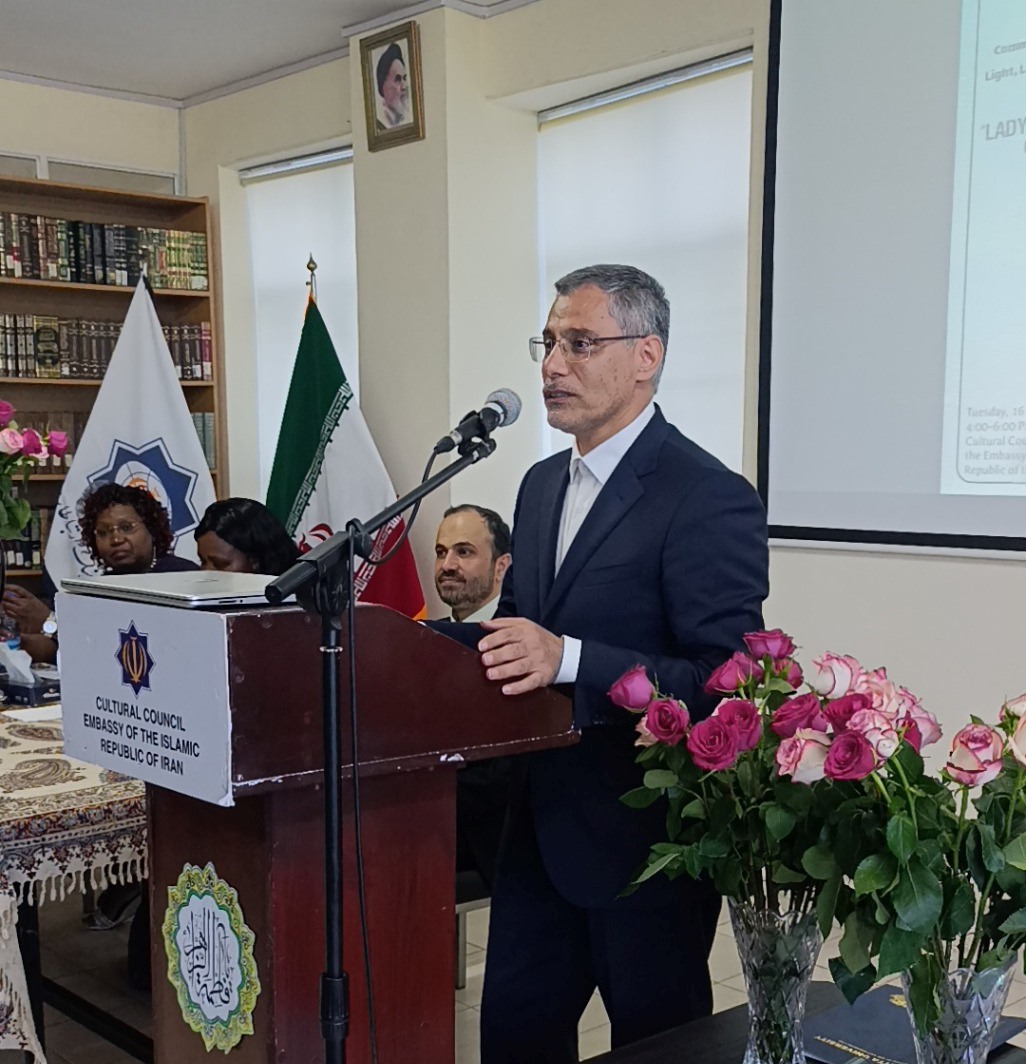
The Cultural Council of the Embassy of Iran Nairobi marked the birth anniversary of Fatima Zahra (AS), the beloved daughter of Prophet Muhammad (PBUH), with joy at the Iran Cultural Centre Premises in Nairobi.The celebration indicates the profound legacy of Fatima Zahra (AS) in Islam, her enduring significance as a role model in contemporary religious life. The day is also marked to celebrate Mothers, and Women in General.The event featured Qur’anic recitation, reflective discussions, and heartfelt Poems, all focused on celebrating Sayyida Zahra’s unmatched status in Islam.The program served as a reminder of her continuing relevance to women and young girls.The well attended event was graced by H.E the Ambassador of the Islamic Republic of Iran Nairobi Dr. Ali Gholampour, The Cultural Counselor Dr. Mahdi Beyki, Cleric Sheikh Ali Mwega and other distinguished Scholars.
Opening the event, the Cultural Counsellor of the Embassy of the Islamic Republic of Iran, Dr. Mahdi Beiki, emphasized the central role of women in family and society, describing Lady Fatima Zahra as the highest example of women’s dignity in Islam. He noted that her life embodied balance—combining devotion to God, family responsibility, and active social engagement. Dr. Beiki also highlighted the experience of women in Iran after the Islamic Revolution, noting increased access to education and public participation while maintaining strong family values, inspired by the example of Lady Fatima Zahra.
Providing an African and global perspective, Press TV journalist and geopolitical analyst Zainab Zakaria described Fatima Zahra as a moral figure whose values strongly resonate with African societies. She drew parallels between Fatima Zahra’s courage and Africa’s historical struggles against injustice and oppression, noting that African women, like Fatima Zahra, have often exercised leadership through moral authority rather than formal power. Zakaria stressed that Fatima Zahra’s compassion, sense of justice, and accountability offer guidance for contemporary debates on governance and women’s empowerment in Africa.
From an Islamic scholarly perspective, Sheikh Ali Mwega underscored the shared reverence for Lady Fatima Zahra in both Shia and Sunni traditions. He cited Qur’anic verses such as theVerse of Purification(Qur’an 33:33) andSurah al-Kawthar(108:1–3), as well as widely accepted Sunni and Shia hadiths affirming her exalted status as the “Leader of the Women of Paradise” and as a part of the Prophet Muhammad himself. Sheikh Mwega emphasized that this shared theological foundation makes Fatima Zahra a unifying figure within Islam and a powerful model of women’s dignity.
Addressing governance and ethical leadership, Ambassador Esther Waringa, President of Public Service Governance (PSG), described Lady Fatima Zahra as a timeless model of values-based leadership. She emphasized that Fatima Zahra’s influence stemmed from moral courage, accountability to God, and service to humanity rather than power or authority. Amb. Waringa linked these values to contemporary leadership challenges, urging leaders and public servants to embrace integrity, compassion, and justice.
From an academic and interreligious viewpoint, Dr. Scholar Wayua of St Paul’s University highlighted Lady Fatima Zahra as a universal model of faith and social responsibility. He emphasized that her life reflects virtues shared across religious traditions, including compassion for the vulnerable, commitment to justice, and the integration of spirituality with daily life. He noted that her example offers meaningful guidance for women and men seeking ethical leadership in modern society.
Concluding the program, H.E. Dr. Ali Gholampour, Ambassador of the Islamic Republic of Iran to Kenya, reaffirmed Lady Fatima Zahra’s unique position in Islamic history and her enduring relevance to humanity. He traced her life of devotion, sacrifice, scholarship, and resistance to injustice, describing her as a model of moral excellence and spiritual leadership. The Ambassador emphasized that Iran’s observance of her birth anniversary as Women’s and Mothers’ Day reflects a broader commitment to honoring women’s dignity, education, and leadership within a values-based framework.



Write your comment.