Rudaki The Father of Classical Persian Poetry
Rūdakī (c. 859–940/941 CE), born in Rudak, is universally regarded as the father of classical Persian poetry and the first major poet to compose extensively in New Persian, written in the Arabic script. His work laid the foundation for Persian literary tradition and influenced generations of poets who followed him. Despite being blind from birth, Rūdakī possessed remarkable intellectual depth, creative imagination, and artistic brilliance. His lack of sight never hindered his literary achievements; instead, it strengthened his sensitivity toward human emotions and ethical values. In addition to poetry, he was a skilled harp player and singer, known for his warm voice. He composed odes (qasidas), ghazals, mathnavis, and eulogies in the Khorāsānī style, earning a distinguished position at the Samanid court.
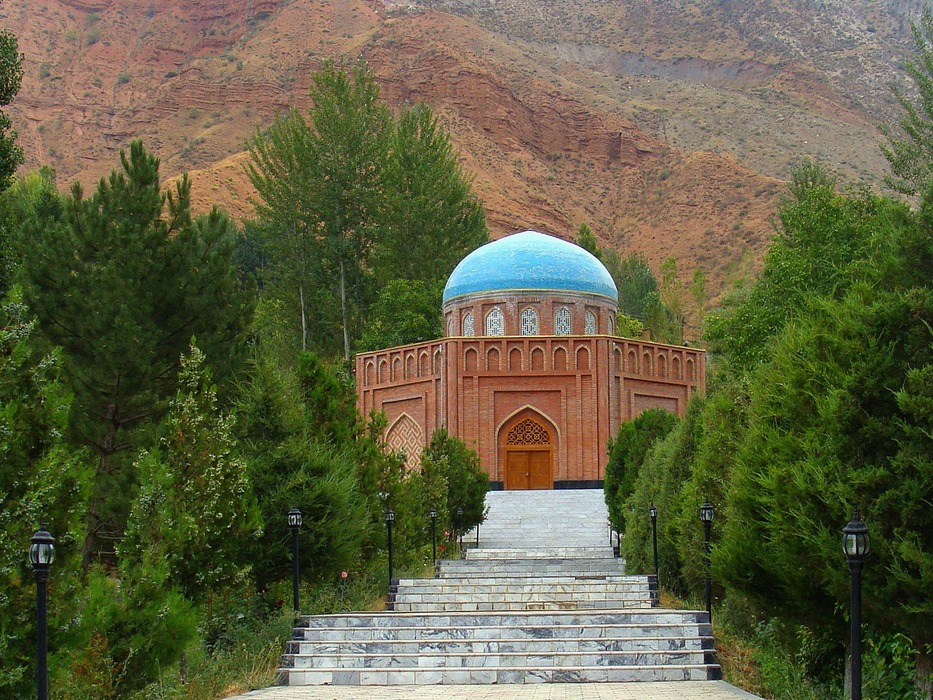
Rūdakī: The Father of Classical Persian Poetry
Rūdakī (c. 859–940/941 CE), born in Rudak, is universally regarded as the father of classical Persian poetry and the first major poet to compose extensively in New Persian, written in the Arabic script. His work laid the foundation for Persian literary tradition and influenced generations of poets who followed him.
Despite being blind from birth, Rūdakī possessed remarkable intellectual depth, creative imagination, and artistic brilliance. His lack of sight never hindered his literary achievements; instead, it strengthened his sensitivity toward human emotions and ethical values. In addition to poetry, he was a skilled harp player and singer, known for his warm voice. He composed odes (qasidas), ghazals, mathnavis, and eulogies in the Khorāsānī style, earning a distinguished position at the Samanid court.
Literary Legacy and Lost Works
Rūdakī is considered one of the most prolific poets in Persian literature. Historical sources estimate that he composed between 100,000 and one million verses. Sadly, only about 1,000 verses have survived, comprising odes, mathnavis, fragments, and quatrains that still demonstrate his mastery of language and poetic expression.
One of Rūdakī’s most notable works was his poetic adaptation of “Kalila wa Dimna” (Manẓūmeh-ye Kalileh va Demneh), a collection of moral fables that originated in Sanskrit and was later translated into Arabic. Rūdakī rendered this work into Persian verse, marking a significant milestone in early Persian literature. Unfortunately, like many of his compositions, this masterpiece has largely been lost, and only a few scattered verses have survived.
Rūdakī at the Samanid Court
Rūdakī’s eloquence, imagination, and clarity of expression earned him a prestigious status at the Samanid court, a position that later Persian poets admired and aspired to. His poetry is distinguished by its simplicity, harmony, and philosophical depth, making it both accessible and profound.
A Voice of Humanity and Moral Wisdom
Among Rūdakī’s surviving verses, the following quatrain powerfully reflects his ethical outlook on humanity and compassion:
گر بر سر نفس خود امیری، مردی
بر کور و کر ار نکته نگیری، مردی
مردی نبود فتاده را پای زدن
گر دست فتادهای بگیری، مردی
These lines emphasize that true manhood lies in self-control, empathy, and helping the fallen, not in power or domination. According to Rūdakī, humanity is defined by compassion, humility, and service to others.
Enduring Influence and Global Recognition
As a pioneer of Persian poetry, Rūdakī holds a unique place in world literature. His legacy continues to be celebrated through scholarly studies, cultural commemorations, and public monuments. Statues of Rūdakī stand in various Persian-speaking regions, and in recognition of his universal contribution to literature, a crater on the planet Mercury has been named after him.
Conclusion
Rūdakī’s poetry transcends time and geography. As the father of Persian poetry, he not only shaped a literary tradition but also articulated a timeless moral vision rooted in human dignity, compassion, and ethical responsibility. Even though much of his work has been lost, the verses that remain continue to inspire, reminding humanity that true greatness lies in self-mastery and kindness toward others.

.jpg)
Write your comment.