

Customs of Iran
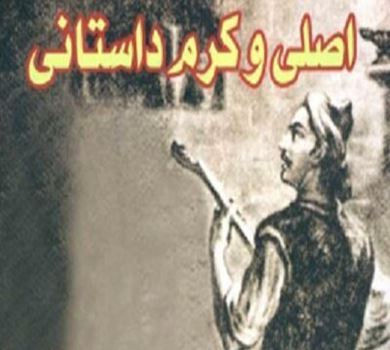
The Story of Asli and Karam
The story of Asli and Karam is considered to be the greatest oral heritage of the Azarbaijani people, which is narrated by Ashiqs/Ashiks in gatherings and in the form of a folklore song
The story of Asli and Karam is considered to be the greatest oral heritage of the Azarbaijani people, which is narrated by Ashiqs/Ashiks in gatherings and in the form of a folklore song
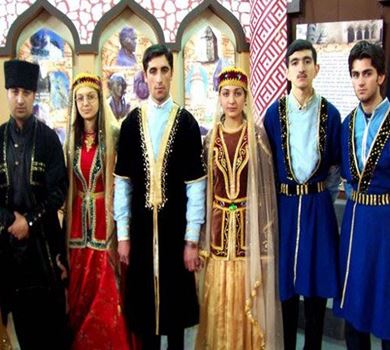
The traditional attire of the people of East Azarbaijan people of Iran is the manifestation of various aspects of the culture of the nomads and rural people of this province
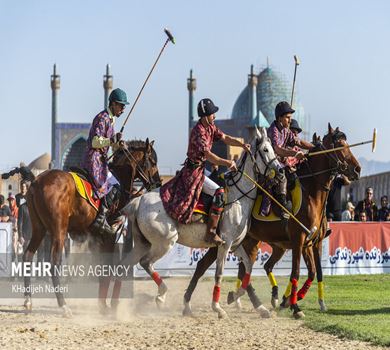
Polo is one of Iran’s inscribed elements on the UNESCO World Heritage list, a sport whose origins date back to the first millennium BCE.
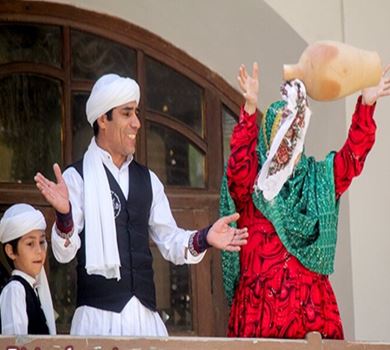
The pottery-breaking ceremony of Qaen is held on the verge of the end of the year and the arrival of the new year a ceremony in which many symbols are seen.
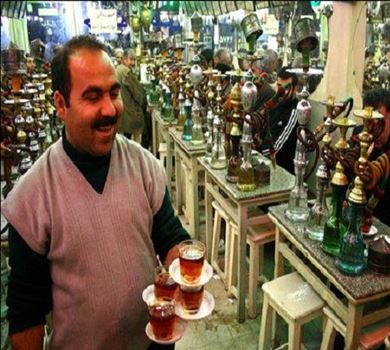
Iranian coffeehouses came into existence in the 16th century and, throughout their centuries-long existence, have fostered traditions and arts.
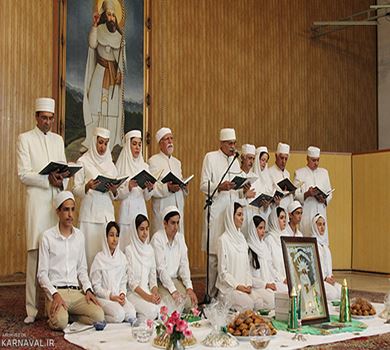
Zoroastrian men often wear white clothes, while the traditional garments of Zoroastrian women are quite colorful
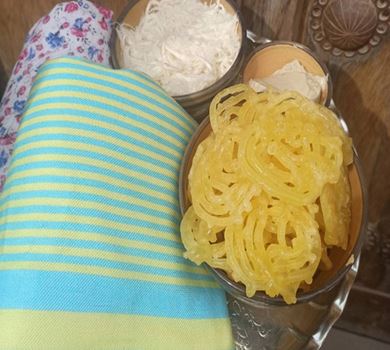
”.The People of the Meybod City of Iran give a gift to newly wedded brides, which is known as “Esfandi
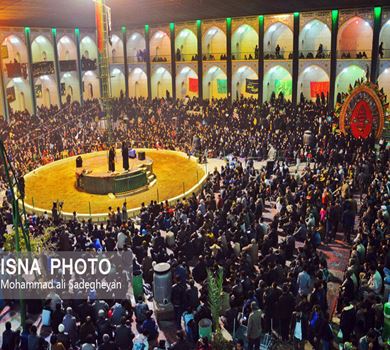
One of the features of the Ta’ziyeh of Toot Village, which led to its inscription on the list of Iran’s national heritage, is the preservation of authenticity and the traditional way of performing it
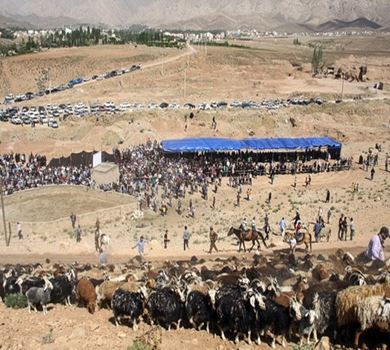
The Sangsari Tribe of Iran engages in a nomadic migratory lifestyle in the north and northeast regions of Iran