Cultural Representative of the Embassy of the Islamic Republic of Iran in Nigeria – Abuja

Honorable Cultural Counselor, Mr. Seyyed Hassan Heidari
Ferdowsi

Cultural Representative of the Embassy of the Islamic Republic of Iran in Nigeria – Abuja

More

Tabas Metal Engraving and Its Unparalleled Delicacy
Ferdowsi

While Qalam-zani is well-known through the names of cities like Isfahan, Shiraz, and Tabriz, Tabas metalwork holds its own unique identity and exquisite finesse.

more

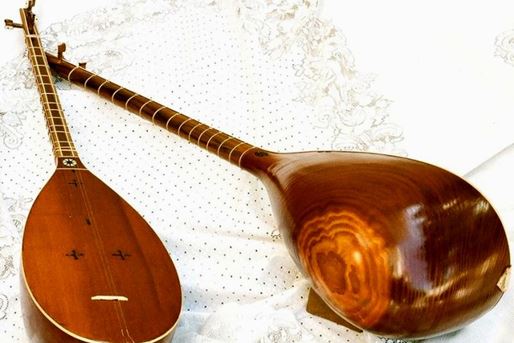
Barbat
Ferdowsi

Barbat is one of the oldest oriental instruments, which, contrary to many beliefs, is of Iranian origin and is even mentioned in the Shahnameh.

more

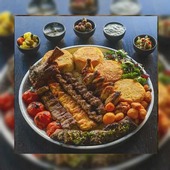
Kabab Koobideh — delicious and popular
Ferdowsi

Kabab Koobideh is one of Iran’s traditional dishes, which, besides Iran, has many fans in various countries around the world

more
Consultations
Glassware and Ceramic Museum of Iran (Abgineh Museum)

Category

Museums

Abbasi Hotel

Category

Accommodation

Koofteh Sabzi Shirazi ( Shirazi vegetable meatballs

Category

Food

Tourism Learn More About Iran's Tourist Destinations

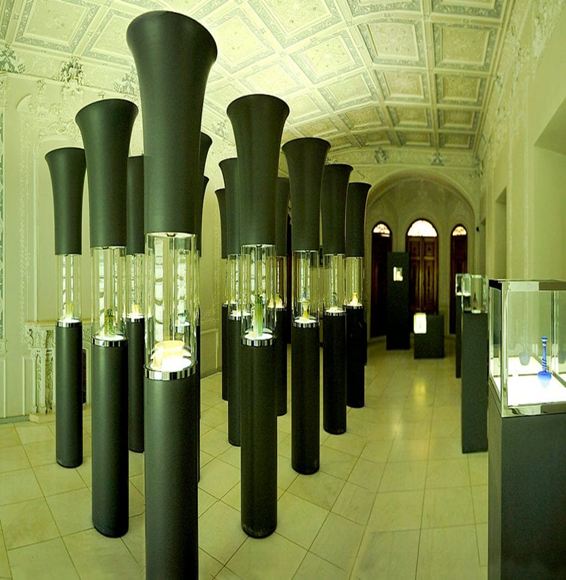
Glassware and Ceramic Museum of Iran (Abgineh Museum)

Glassware and Ceramic Museum formerly known as Abgineh opened in 1980, the museum is housed in the 1915 mansion of a former prime minister in Reza Shah’s government, and from 1953—60 it functioned as the Egyptian Embassy, so the building itself has architectural merit.
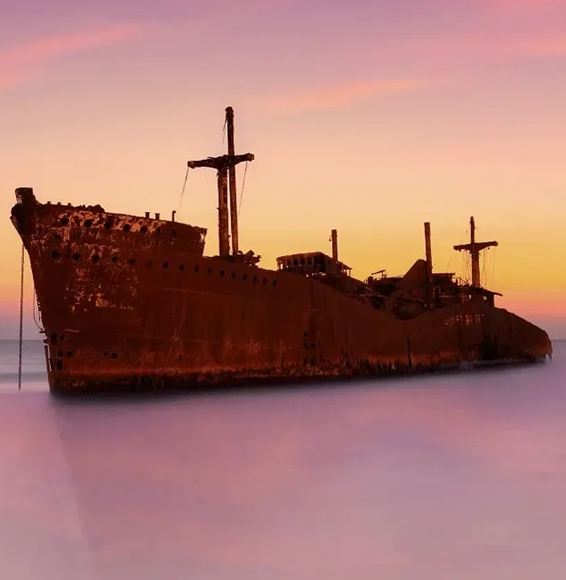
The Greek Ship and Its Fascinating Story

The Greek Ship, located on the western shores of Kish Island, creates one of the island’s most beautiful views, especially during sunset.

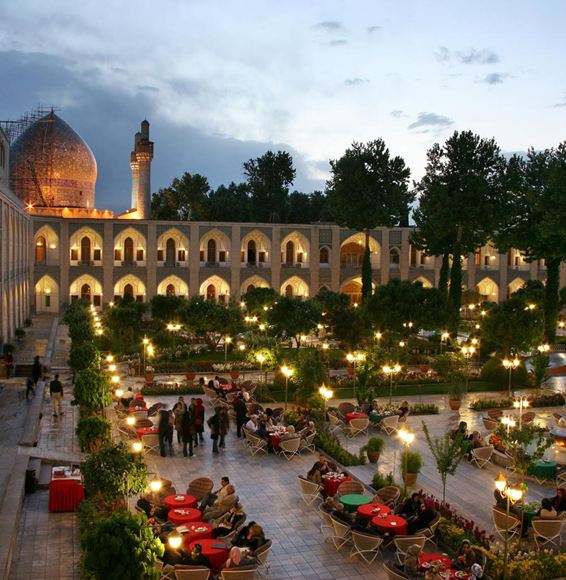
Abbasi Hotel

Here stands the oldest hotel on Chaharbagh Abbasi Avenue, Isfahan, Iran, Asia, an unrepeatable heritage in Isfahan architectural style, from the glorious Safavid era.

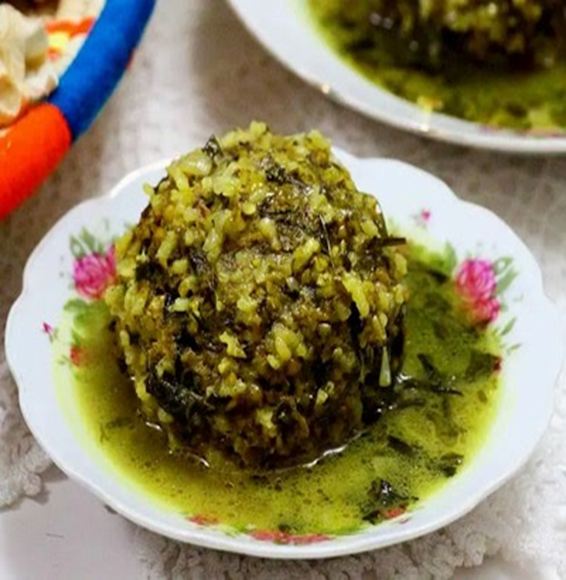
Koofteh Sabzi Shirazi ( Shirazi vegetable meatballs

Koofteh Sabzi Shirazi is another traditional food of this city. Its pleasant taste and aroma are extraordinary. This meatball is larger than other meatballs. Eating this traditional Shiraz food along with vegetables and hot bread is really enjoyable. Minced meat, onion, pea, tarragon, coriander, dill, savory and leek are the most important raw materials for preparing this delicious meatball. This traditional food of Shiraz is a great option for those who care about their health.

Related Content

Glassware and Ceramic Museum of Iran (Abgineh Museum)
+
The Greek Ship and Its Fascinating Story
+
Abbasi Hotel
+
Koofteh Sabzi Shirazi ( Shirazi vegetable meatballs
+

Art

Learn More About Iranian Art

Handicrafts

More
pic

Tabriz Leather

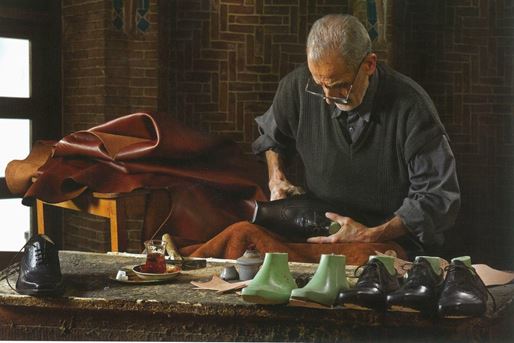
The leather products of Tabriz, especially its full leather shoes, have a global reputation and are popular among tourists as one of the best souvenirs they can take from this city.

pic

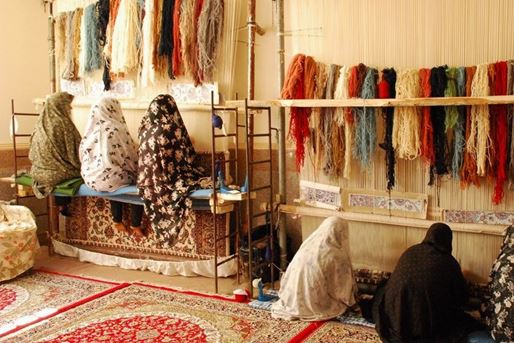
Carpet Weaving in Nahavand

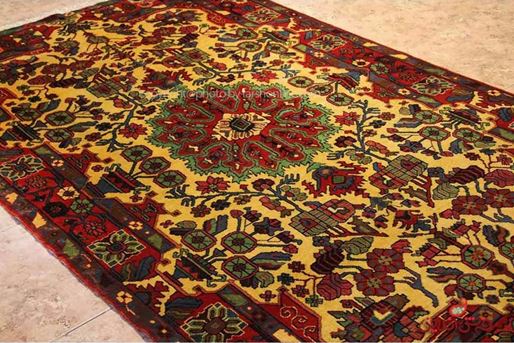
Nahavand carpet is famous for using unique designs and special and unique colors.

pic

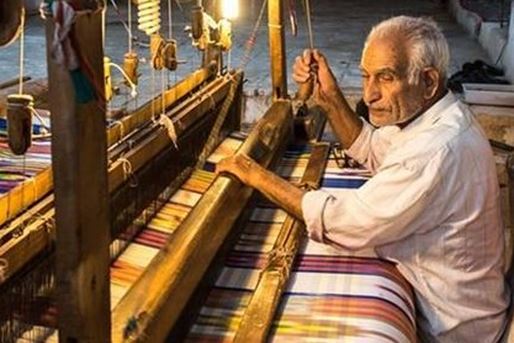
Daraei-bafi, weaving fabric with colorful and eye-catching patterns

Daraei is a beautiful and colorful textile, usually woven from silk or cotton fibers. The art of weaving this fabric is called daraei-bafi.

pic

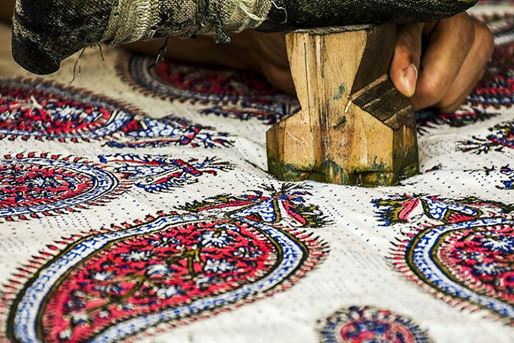
Batik Printing

One of the old professions that is still prevalent in the East Azarbaijan Province of Iran is batik printing, (called Kalaqei in Iran): a craft that produces very beautiful products.

pic

Tabriz Carpet, the Most Elegant Iranian Carpet

The type of knot used in weaving Tabriz carpet, which is known as the “Turkish knot” makes the texture and design of the carpet more elegant.

pic

An Overview of the Well-known Iranian Art

Iranian art is part of its cultural and civilizational identity and it has attracted the attention of many art-loving people of the world.

Cinema

More
pic

Dayan

Dayan is the story of near 4000 female refugees who never could join their family on the other side of the borders and a lot of them had to make decision and choose in this situation…

pic

Mahyar the Ayyar

A noble and chivalrous man, moved by Mahyar's plea, steps forward to mediate on his behalf. This act of kindness and bravery grants Mahyar his final wish and sparks a profound transformation. Inspired by the young man's selflessness, Mahyar renounces his life of banditry and embarks on a new path as an "Ayyar"—a chivalrous and honorable figure who fights for justice and protects the innocent. The series explores themes of redemption, honor, and the power of compassion as Mahyar navigates his new life. He faces challenges, enemies, and his past while striving to uphold the values of an Ayyar.

pic

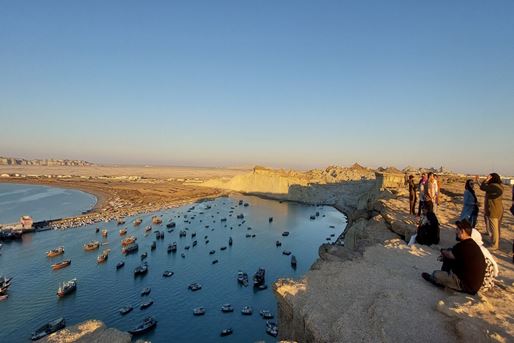
Coast Dwellers

“Coast Dwellers” is a documentary that delves into the fascinating role that music in Iranian culture. By exploring the diverse musical landscape of the country, the film sheds light on how music has shaped the lives of Iranian people and how it has contributed to the creation of national unity. The documentary takes a closer look at the unique rhythms, melodies, and instruments that are associated with Iranian music, and how they have evolved over time. Explores the role of music as a tool for expressing social and cultural issues and taking a profound look into the rich musical heritage of Iran are the main features of “Coast Dwellers”.

pic

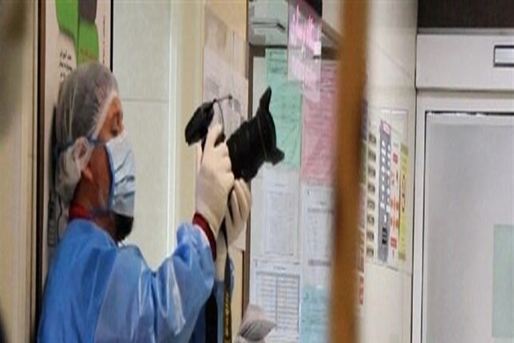
Tangnai (Bottleneck)

This documentary narrates the difficult days of the outbreak of COVID-19 and portrays a deep human relationship, that is, love for mothers. The film revolves around a lady who rushes to the aid of old and elderly mothers who are affected by the pandemic.

pic

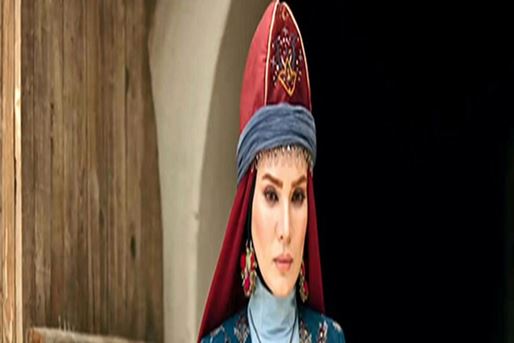
Rana, Dokhtar-e Dehghan (a farmer girl)

The story of a young girl who intelligently solves complicated problems and the ruler of the town and his minister try to solve the problems of the city through her.

pic

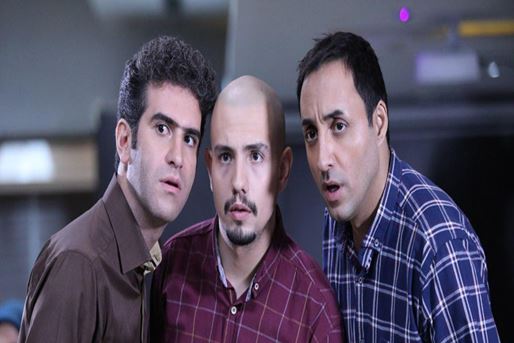
The Masters

The story of three young men by the names of Habib, Maziar, and Masoud, who, in spite of having a bachelor’s degree, have not been able to find a suitable job or get married and, therefore, decide to continue their education and get a master’s degree. After achieving this goal, they still face problems. Habib falls in love again, but due to his weakness in establishing social relations, he cannot manage this issue. Maziar and Masoud, who still cannot meet their living expenses, regularly borrow money from their rich friend, Habib.

Architecture

More
pic

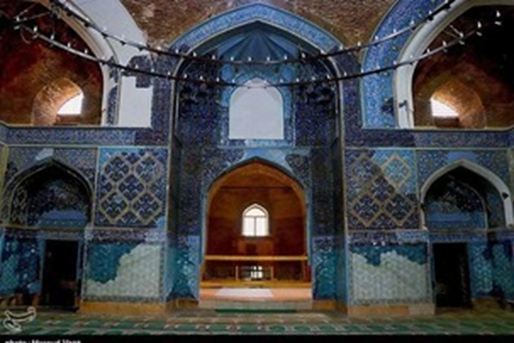
The Blue Mosque of Tabriz, The Turquoise of Islam and the Lost Splendor of an Empire

Unlike the traditional four iwan mosques of Iran, the Blue Mosque has a distinctive and highly unusual spatial organization. Its core is formed by a large central domed chamber, surrounded by galleries and subsidiary spaces, while the mausoleum is connected to the main domed chamber on the southern side. This spatial composition is one of the defining characteristics of the Blue Mosque and represents an important development in pre-Safavid Iranian architecture. The mosque s main dome, which collapsed during the numerous earthquakes that struck Tabriz particularly the devastating earthquake of 1780 CE once stood above the central domed chamber and played a major role in shaping the monument s monumental spatial character. Today, what survives of the dome can be studied mainly through the remaining structural traces and architectural evidence, yet even these fragments reveal the scale and remarkable structural complexity of the original building.

pic

Iranian architect

You will not easily find the Iranian architect in the history books. Not because such architects did not exist or lacked importance, but because they did not seek recognition for their names. Their anonymity was not imposed upon them, it was a choice. Their professional training and ethos taught them that their work was for God and for the people, not for fame or fortune. But let me make one thing clear, the Iranian architect was a genius. Not merely a skilled craftsman or an accomplished builder, but a creative mind capable of solving complex problems. The work may have been collective, but without those exceptional minds, that collective effort would never have achieved what it did.

pic

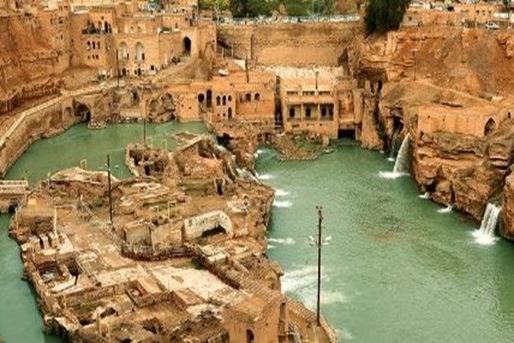
The Shushtar Historical Hydraulic System

The Shushtar Historical Hydraulic System is a complex irrigation system of the island city Shushtar the establishment of which dates back to the Achaemenid to the Sassanid era. As the largest architecture and traditional water supply system in the world, it consists of 13 dams, bridges, canals, and structures which work together as a hydraulic system and had been constructed for better and more efficient usage of water.

pic

Kerman: The City of Windcatchers and Desert Gardens; A Jewel of Southeastern Iran

In the southeastern Iranian plateau, on the edge of the scorching Lut Desert and at the foot of towering mountains, lies a city that has shone like a jewel in the heart of the desert for centuries. Kerman, this ancient and resilient city, with a history reaching back to the Achaemenid period and even to Iranian mythology, is one of Iran’s most important yet relatively overlooked centers of civilization. Kerman can be described as the “City of Windcatchers and Desert Gardens”—a city where architecture evolved not to fight against the harshness of nature, but to coexist with it in a peaceful and intelligent way. Here, soaring windcatchers blend with lush, paradise-like gardens, offering a remarkable story of the ingenuity, patience, and creativity of the people who have made their home in the desert.

pic

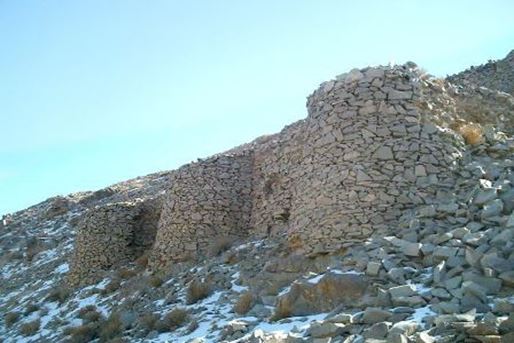
Rostam’s Fort

The Rostam Khusf fortress is located in the village of Ganj, in the town of Khusf (Southern Khorāsān region) and is among the main fortresses of the Ishmaites of Gahestān whose original construction dates back to the Sasanian era and was later rebuilt and used again.

pic

The Architecture of Tabriz: Iran at the Crossroads of East and West

With its resilient, inward-looking architecture and its outward-looking spirit, Tabriz offers an invitation to discover another layer of Iran’s identity. It reminds us that the character of a nation is not forged in isolation, but strengthened through its encounters with the wider world—and through its ability to endure even the greatest upheavals. To walk through Tabriz is to follow the echoes of the Silk Road. Here, every brick seems to tell the story of a Venetian merchant, a Persian poet, and a world that, centuries ago, found its own path toward exchange, coexistence, and connection. That legacy still endures today, inviting us to reflect on what it truly means to build, to endure, and to remain connected across cultures and civilizations.

literature

More
pic

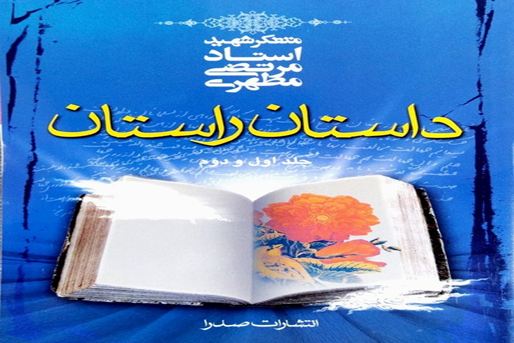
Dastan-e Rastan: A Selection of the Best Edifying Stories

The purpose of compiling Stories of the Righteous is to explain ethical and educational points in simple language for the young generation of society.

pic

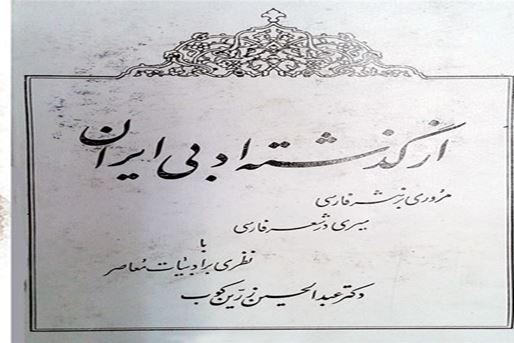
From Iran s literary past, a narrative of the flourishing of Iranian culture in past centuries.

Iran is an ancient country with an authentic culture, a culture that has maintained its vibrancy throughout the centuries.

pic

Moving Beyond the Conventional Image of Nahj al-Balagha

Nahj al-Balagha stands as one of the greatest works in the Islamic world, and A Journey Through Nahj al-Balagha is intended as a concise guide to its vast landscape

pic

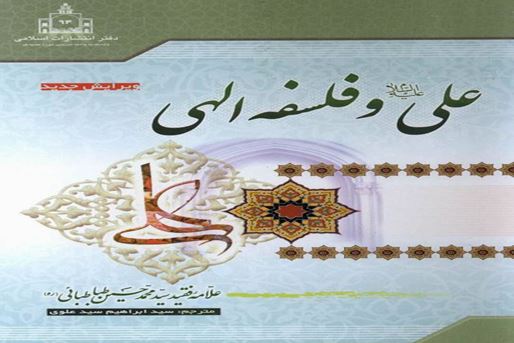
Ali (AS) and Divine Philosophy, an attempt to reconcile religion and philosophy

The book Ali (as) and Divine Philosophy attempts to explain divine philosophy from the perspective of Imam Ali (as).

pic

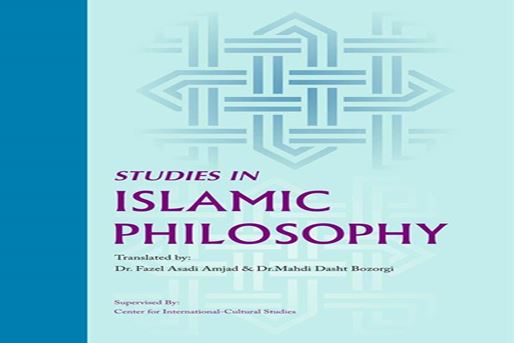
A Collection of Philosophical Essays: A Path to a Better Understanding of Islam

Islam’s response to fundamental philosophical questions can provide a precise path to understanding its essence.

pic

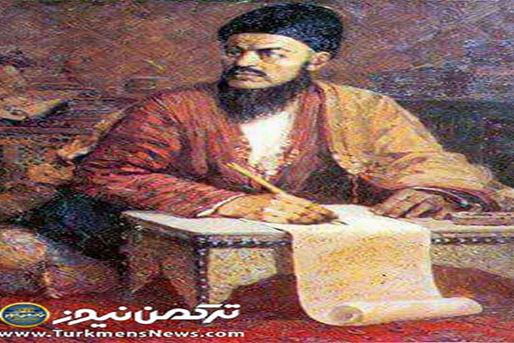
Makhtumqoli Faraghi

Makhtumqoli Faraghi (Magtymguly Pyragy in Turkmen dialect) was a Turkmen spiritual leader and philosophical poet, whose position and his poems in Turkmen literature and culture is unparalleled.

Music

More
pic

Bakhshu Khwani

Bakhshu Khwani is a style of eulogy that Jahanbakhsh Kurdizade performed with his special musical technique and sad tone.

pic

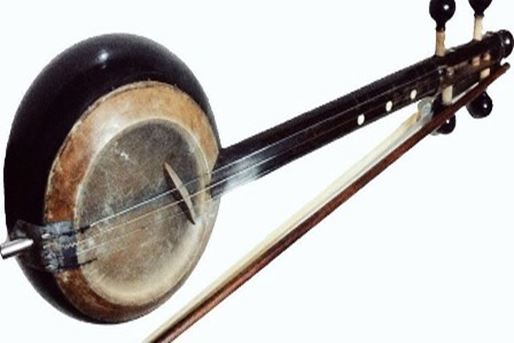
Kamanche

Kamanche is an Iranian instrument, similar to violin & bass

pic

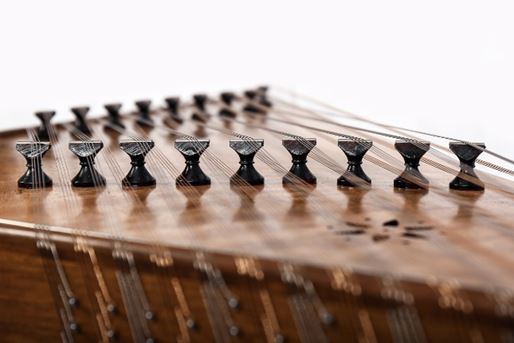
Santur

The santur (also santūr, santour, santoor) (Mesopotamian Arabic: سنطور،Persian: سنتور), is a hammered dulcimer of Iranian or Mesopotamian origins.

pic

Qopuz

Qopuz also pronounced as Kopuz is an ancient string instrument, which is so important in the culture of the Azari-speaking people that when they generally talk about a musical instrument they mean Qopuz.

pic

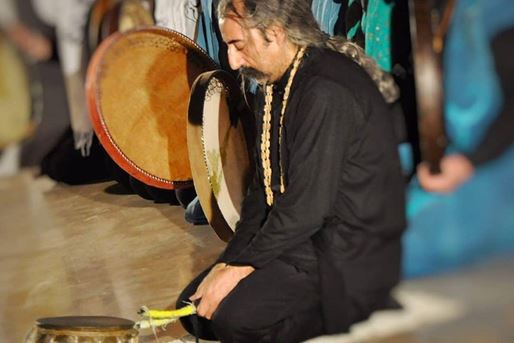
Tas

“Tas” is a type of Kurdish percussion instrument that is mostly used in the monastic (khanqah) traditional music of Kurdistan and is considered very important.

pic

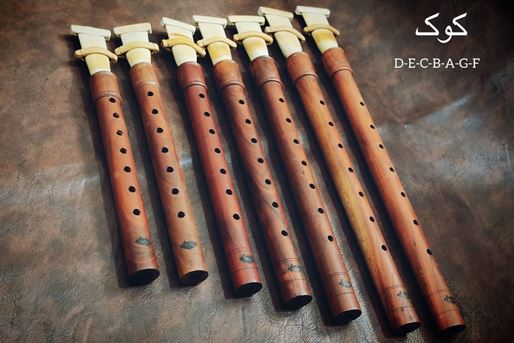
Balaban

Balaban can be considered one of the most important wind instruments of Azari music, which is widely used in individual and group performances.

Drawing

More
pic

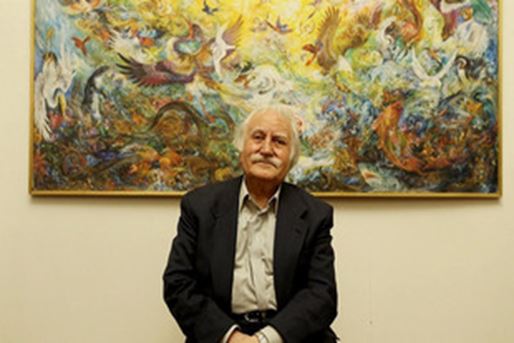
Mahmoud Farshchian: The Shining Star of Iran’s Art Scene

Mahmoud Farshchian is a highly skilled and internationally renowned Iranian artist, recognized as a master of Persian miniature painting. His innovative and conceptually rich works, created over the course of his prolific artistic career, have earned him widespread admiration and respect among art scholars and enthusiasts worldwide.

pic

Persian Calligraphy

Persian calligraphy or Iranian calligraphy is one of the most revered arts of Iran, which has gradually evolved and many calligraphers have contributed to different genres of this art. Nastaliq is an outstanding genre of Persian calligraphy that has come to be known as the most beautiful human calligraphy.

pic

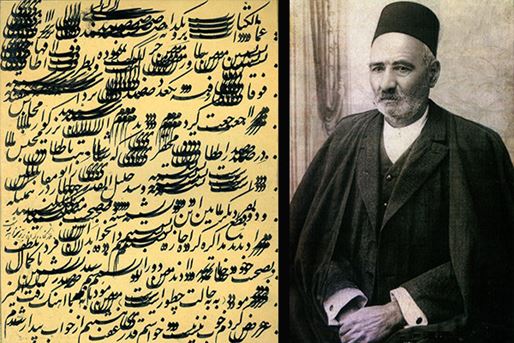
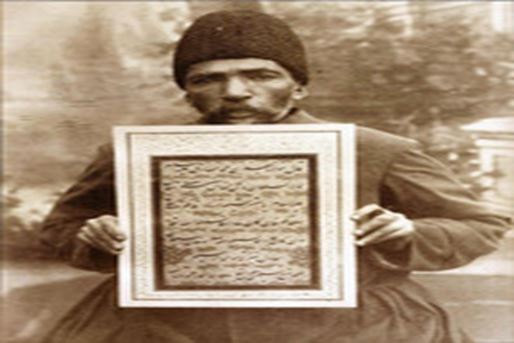
Emad al-Ketab: Reviver of Persian Calligraphy

Mirza Mohammad Hossein Sifi Qazvini, known as Emad al-Ketab, is considered one of the most prominent figures in the history of Iranian calligraphy in the Nastaʿlīq style and the final link in the golden chain of the old masters of this distinguished Iranian-Islamic art. Living during the Constitutional Revolution era, he used his exceptional talent, abundant creativity, and tireless effort to serve as the connecting point between contemporary calligraphers and the school of Mirza Mohammad Reza Kalleh.

pic

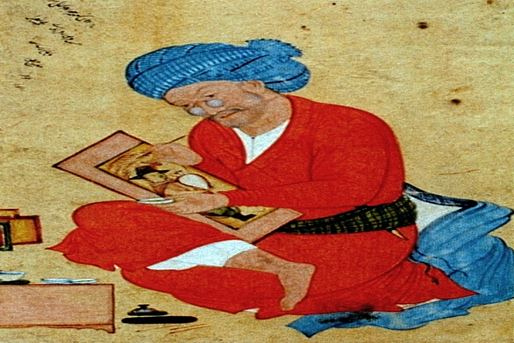
Reza Abbasi: The Pinnacle of the Isfahan School of Persian Miniature Painting

Reza Abbasi was a highly skilled and innovative artist, widely renowned during the Safavid period, whose outstanding works played a pivotal role in the development of Iranian art. His artistic innovations—particularly in composition, color, and subject matter—brought about a profound transformation in Persian painting. Abbasi’s pioneering approach laid the foundation for the Isfahan School of painting in the early 11th century AH, establishing a new visual language that combined traditional Persian techniques with innovative stylistic elements. Through his works, he elevated the aesthetic standards of miniature painting and inspired generations of artists in the Safavid and subsequent periods.

pic

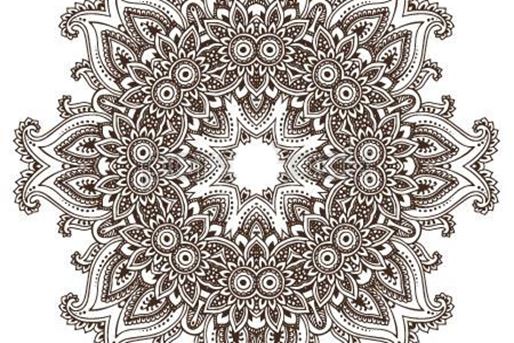
Traditional Persin Design

Traditional Persian design earmarks the independent identity of Iranian arts and crafts

pic

Mirza Mohammad Reza Kalhor and the Revival of Nastaliq Script

Mirza Mohammad Reza Kalhor was a renowned and skilled calligrapher of the Qajar era, recognized among the prominent Nastaliq masters in the history of Iranian visual arts. Through his innate talent and creativity, he succeeded in establishing a fresh, distinctive, and enduring style in Nastaliq calligraph.

Celebrities

More
pic

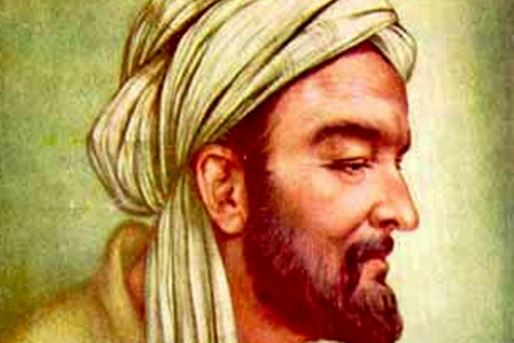
Zakariya al-Razi: The Great Physician and Scholar of Alchemy and Philosophy

Zakariya al-Razi can be referred to as one of the most renowned physicians in the history of Iran in whose honor a number of laboratories, medical centers, and universities have been named “Razi”.

pic

Hafez

Khawaja Shams al-Din Mohammad bin Baha’ al-Din Hafez Shirazi, popularly known by his pen name, Hafez, the renowned Iranian poet of international repute was born in the city of Shiraz in the year 1315 CE.

pic

Attar Neyshabouri: Why He Should Be Known Aknew

Being a great personality, many stories have been told about Attar Neyshaburi’s life.

pic

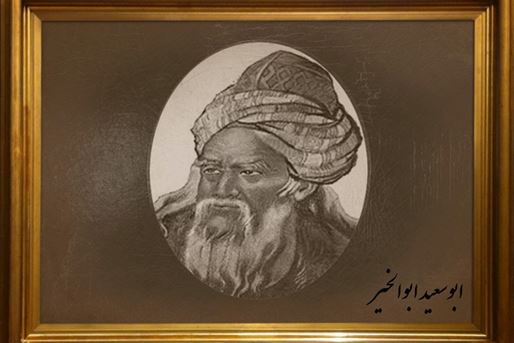
Abu Sai’d Abu’l-Khayr: A Scholar Who Avoided Fanaticism

What seals Abu Sai’d Abu’l-Khayr’s name in history is that he was devoid of fanaticism. He respected everyone, regardless of their religious or cultural affiliations. He is also known as “the father of practical mysticism in Persian literature”.

pic

Sadr al-Din, Mohammad bin Ebrahim Qavami Shirazi

Sadr al-Din, Mohammad bin Ebrahim Qavami Shirazi, popularly known as Mulla Sadra and Ṣadr al-Muti’allihin, was born in the city of Shiraz in the year 1571 CE. He was a renowned Iranian philosopher and the founder of the Transcendent Philosophy.

pic

Abd al-Rahman Jami and Islamic Gnosticism

Abd al-Rahman Jami managed to insert mysticism into the hearts of Iranian readers. The fluency of his prose helped Iranian readers get familiar with Islamic mysticism.

Customs of Iran

More
pic

36th Day of the Spring in Esfanjan

The people of Esfanjan celebrate the 36th day of the spring by sacrificing a cow and making Kooftef Tabrizi (Tabrizi Meatball) with its meat.

pic

The Polkeh Gardani ritual, a unique mourning ceremony of the people of Shishvan in commemoration of Imam Hussein

The Polkeh Gardani ritual can be considered one of the most unique ways Iranians mourn during Muharram.

pic

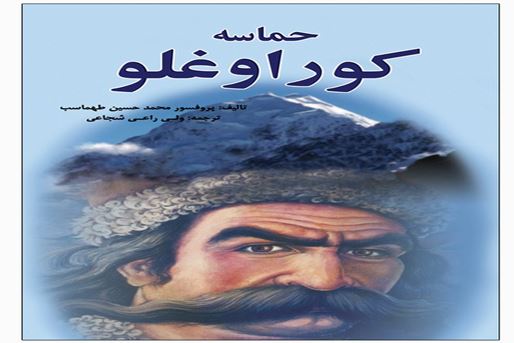
Epic of Koroghlu

The Epic of Koroghlu is the story of the struggles of a young boy by the name of “Roshan” against the tyrannical ruler of his time, which, according to experts, is rooted in a real event.

pic

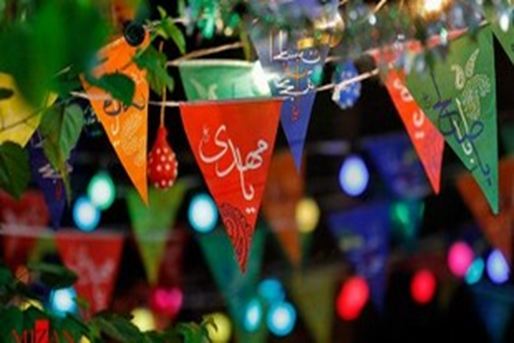
Celebration of Mid-Shaban

Mid-Sha’ban is the 15th day of the eighth Islamic month (Shaaban) of the Islamic lunar calendar. The Twelver Shias spend the entire night (from Sunset till dawn) of the 15th of Sha’ban performing prayers and recitations of the Holy Quran. This day also marks the birthday of the twelfth Imām, Muhammad al-Mahdi (p.b.u.h.).

pic

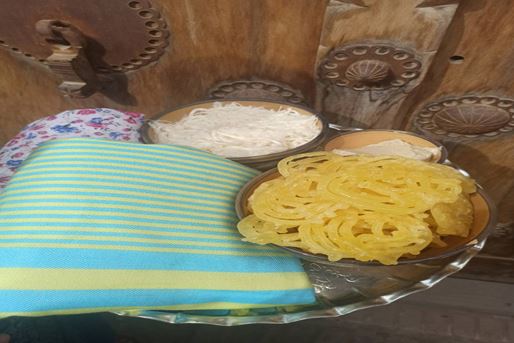
Esfandi Custom of Meybod

”.The People of the Meybod City of Iran give a gift to newly wedded brides, which is known as “Esfandi

pic

Carpet Washing Ceremony (Qali-Shuyan)

The traditional and religious carpet washing ceremony of Fin Kashan and Khaveh Ardehal village, which is held every year on the second Friday of October in Mashhad Ardehal, 42 kilometers west of Kashan, is the only Islamic religious ceremony that is held according to the solar calendar. In this symbolic ceremony, participants from the Fin region gather to hold the event.

University

More
pic

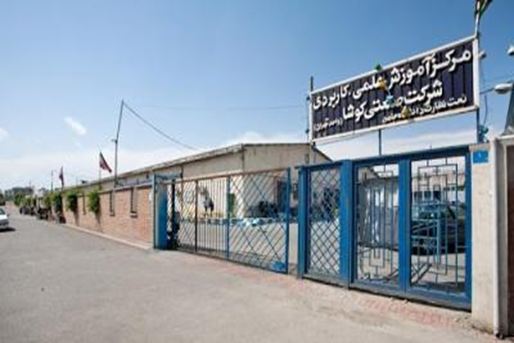
Kousha University of Applied Science and Technology: Bridging Skills-Based, Industrial, and Practical Education with Labor Marke

Kousha University of Applied Science and Technology: A higher education institution dedicated to enhancing students’ scientific and technical knowledge and equipping them with the skills needed to undertake practical and industrial projects.

pic

Karaj Sugar Applied Science and Technology Center: One of the Modern Institutions of Skills-Based and Industrial Higher Educatio

Karaj Sugar Applied Science and Technology Center: Bridging Skills-Based Education, Industry, and Entrepreneurship to Meet the Needs of the Country’s Industries

pic

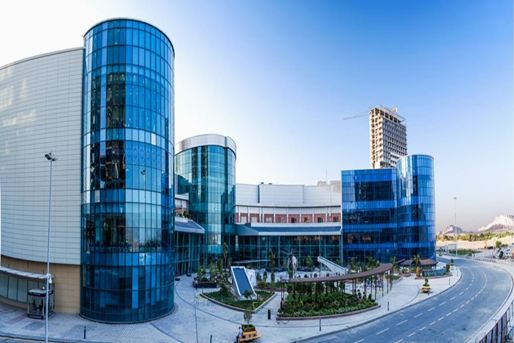
Isfahan City Center Comprehensive Center for Applied Science and Technology: Integrating Skills-Based Education, Employment-Orie

Isfahan City Center Comprehensive Center for Applied Science and Technology: A Modern Institution for Skills-Based Higher Education, Adopting a Practical Approach Aligned with Labor Market Standards.

pic

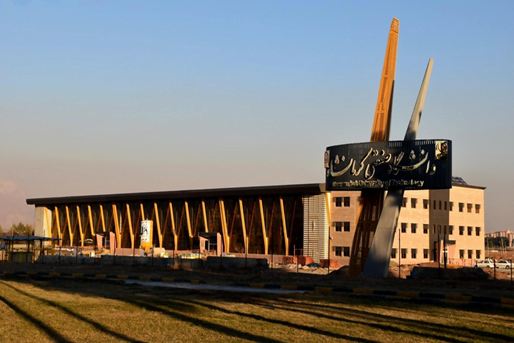
Kermanshah University of Technology: Bridging Engineering Education, Research, and Technological Development in Western Iran

Kermanshah University of Technology aims to train specialized professionals, meet the needs of industries in Kermanshah Province and western Iran, and advance the development of modern technologies across various industries.

pic

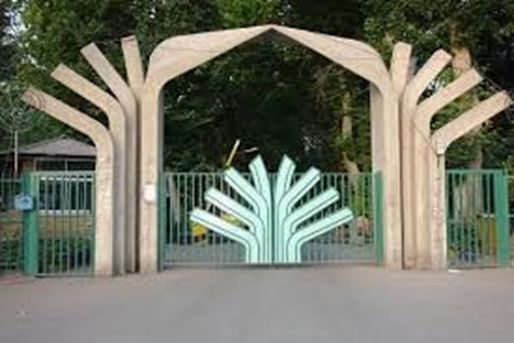
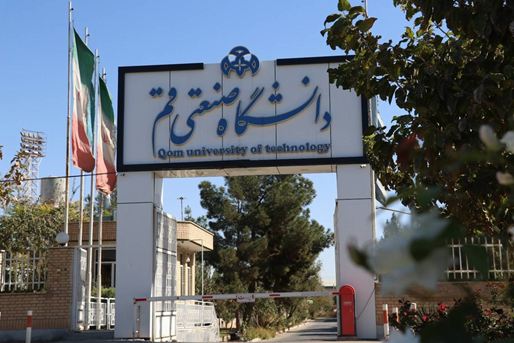
Qom University of Technology: Bridging Engineering Education, Research, and Industrial Development in the Province

Qom University of Technology: A University Focused on Engineering and Technology Education, Fostering an Innovative Environment for Training Professional Engineers

pic

Shahid Ashrafi Esfahani Non-Profit University: Connecting Education, Research, and the Development of Academic Skills

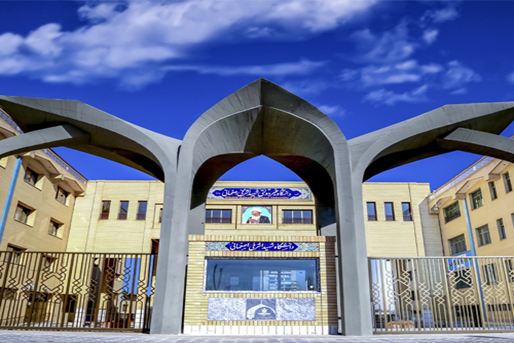
Shahid Ashrafi Esfahani Non-Profit University: Providing Quality Education, Advancing Academic and Research Activities, Enhancing Society’s Cultural Standards, and Educating Competent Graduates

Latest Events

Latest Events of Islamic culture & relations organization of Iran

Latest News

Latest News Of Islamic Culture And Communication Organization

Library
News

A life in service

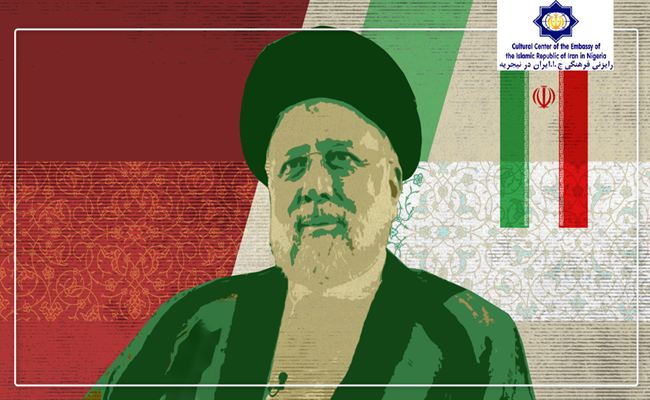
Martyr President was Born in 1960 in the holy city of Mashhad, home to the magnificent shrine of the eighth Shia Imam, Ali ibn Musa Reza (AS), Raeisi was nurtured in an atmosphere steeped in faith and tradition.

Library
News

Isfahan named Asian Capital of Tourism for 2025

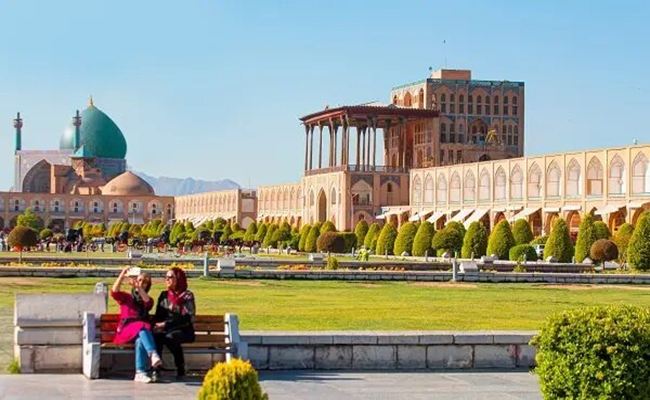
The historic city of Isfahan has been officially designated as the Asian Capital of Tourism for 2025 by the Asian Mayors Forum (AMF), in recognition of its rich cultural heritage, vibrant tourism offerings, and active engagement in international urban cooperation.

Library
News

Legacy of Persian Gulf Day

Today, April 30, Iran marks Persian Gulf Day, commemorating the 403-year-old victory over a foreign colonial superpower that liberated the Iranian coast after a century of occupation.

Library
News

The141Quranic clip was released

Salaam and welcome to our weekly program "Path towards Enlightenment" in which we present you a fluent and easy-to-understand explanation of the ayahs of the holy Quran.

Library
News

Sheikh Bahai, Iran iconic theologian, astronomer, engineering genius

In the magnificent mausoleum of the eighth Shia Imam, Ali ibn Musa Reza (AS) in the city of Mashhad, nestled between the Goharshad Mosque, Sahn-e Azadi, and the Imam Khomeini Portico, lies the resting place of Sheikh Bahai.

Library
News

Persian mystic and progenitor of fable in Iranian Sufism

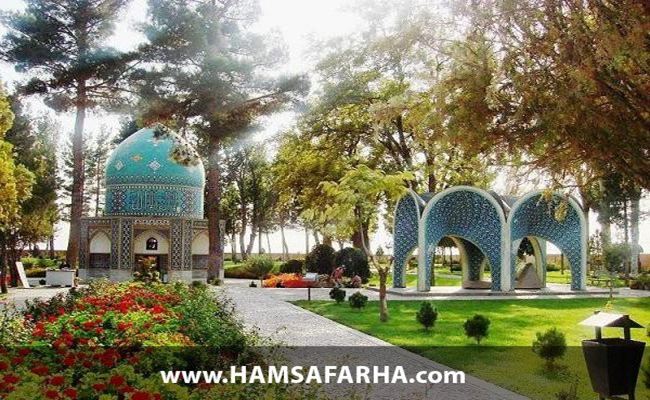
In a serene garden, nestled amid huge trees, the turquoise-coloured dome contrasts with the green around. This distinctiveness attracts visitors' attention, guiding them towards the mausoleum that has an element of tranquillity to it.

Sharing Iran’s cultural Heritage with the World
A Gateway to Iranian Culture and Global Exchange

Culture, Heritage, Dialogue

Bringing People and cultures Closer Together

57 Cultural Offices
29 Countries
About Us
Global Cultural Relations Network
Iran Center Cultural Offices