

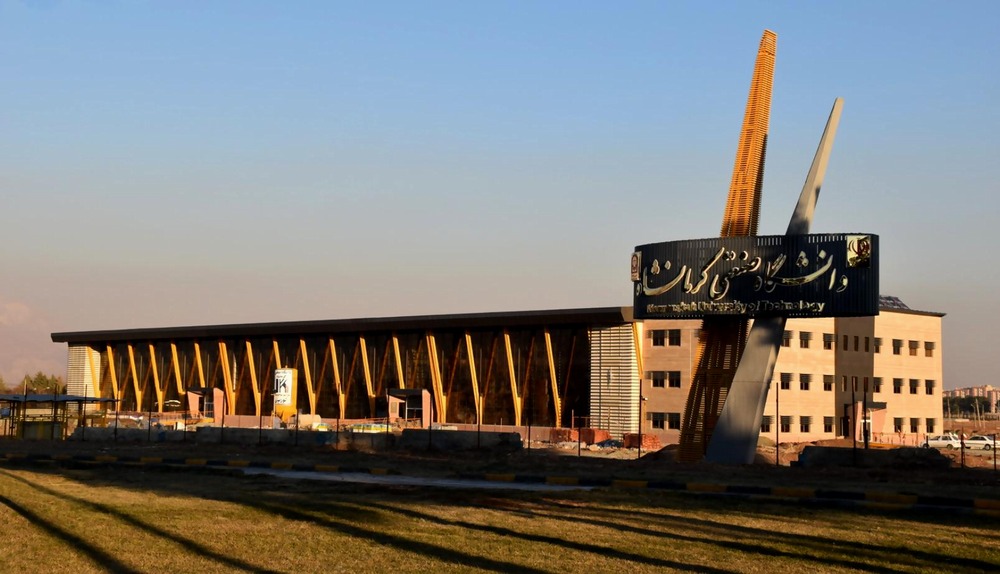
Studying at Kermanshah University of Technology: Bridging Engineering Education, Research, and Technological Development in Western Iran
Kermanshah University of Technology aims to educate and train skilled professionals, meet the needs of industries in Kermanshah Province and across western Iran, and advance the development of modern technologies across various industrial sectors. By focusing on skills-based education and applied research, the university provides a dynamic, specialized environment for students’ academic, research, and professional development. It is working toward becoming a leading scientific and industrial hub in western Iran.
History and Academic Standing of Kermanshah University of Technology
Kermanshah University of Technology received preliminary approval in 2005 and commenced operations in February 2008, with an initial intake of 130 students in two degree programs: Electrical Engineering and Chemical Engineering. Through the expansion of its academic programs and educational and research infrastructure, the university has contributed to the region’s scientific and industrial development.
Kermanshah University of Technology at a Glance
General Information
-
Type: University of Technology
-
Affiliation: Ministry of Science, Research and Technology
-
Approach: Engineering education, applied research, and technological development
-
Academic Focus: Electrical Engineering, Chemical Engineering, Mechanical Engineering, Civil Engineering, Industrial Engineering, Information Technology, and Agriculture
-
Target Audience: Domestic and international students
Academic Standing and Educational Approach
-
Engineering education with an emphasis on practical and industrial skills
-
Development of applied and technology-oriented research
-
Preparing graduates for employment in industry and related sectors
-
Progressing toward a new-generation university model focused on innovation and technology
The University Today
-
Approximately 2,150 students enrolled in undergraduate and master’s programs
-
52 faculty members
-
International students admitted through both scholarship and non-scholarship pathways
-
Development of educational, research, and technological infrastructure in line with current standards
Faculties and Academic Programs
Faculties
The university’s six faculties are listed below. Their English names should be verified against the university’s official English-language website.
-
Faculty of Energy
-
Faculty of Communications and Information Technology
-
Faculty of Engineering
-
Faculty of Engineering Management
-
Faculty of Emerging Technologies
-
Faculty of Agriculture
Undergraduate Programs
-
Electrical Engineering
-
Chemical Engineering
-
Mechanical Engineering
-
Civil Engineering
-
Industrial Engineering
-
Railway Engineering – Railway Operations
-
Engineering Physics
-
Engineering Science, with Environmental and Computational Specializations
-
Computer Science
Master’s Degree Programs
-
Electrical Engineering: Power, Telecommunications, Control, Electronics, Power Electronics and Electrical Machines, Micro- and Nanoelectronic Devices, Power Systems, and Integrated Electronic Circuits
-
Chemical Engineering: Separation Processes and General Chemical Engineering
-
Mechanical Engineering: Applied Design and Energy Conversion
-
Computer Engineering: Systems Architecture and Information Technology
Note: The official English names of the faculties, degree programs, and specializations should be checked against the university’s published academic catalog before publication.
Campus Buildings and Facilities
-
A new building with a total area of 22,500 square meters, constructed in four phases and comprising four floors
-
Building design and environmental standards associated with LEED, subject to confirmation of the building’s certification status
-
An intelligent Building Management System (BMS)
-
Modern educational and research infrastructure supporting students’ academic and practical activities
Honors and Achievements
-
Second place in the National Chemical Car Competition (2008)
-
Fifth place in the World Chemical Car Competition in Montreal, Canada (2009)
-
First place at the Kermanshah Provincial Exhibition during Research Week (2009)
-
First place in robotics, including humanoid robots and technical maneuvers, at the Iran Open RoboCup (2010)
-
Ranked tenth among Iranian universities of technology in the 2012 ISC ranking
-
Top rankings in the national Chemical Engineering and Electrical Engineering Olympiads (2012–2017)
-
More than 45% of graduates gained admission to postgraduate programs
-
Students achieved single-digit and two-digit ranks in the national master’s entrance examination (2012–2018)
Note: The official names of competitions, the ISC ranking, and the dates and details of these achievements should be verified against reliable university or event records.
Strategic Objectives of Kermanshah University of Technology
-
Training skilled professionals to meet the needs of industries in Kermanshah Province and throughout Iran
-
Advancing engineering education and applied research in technology and innovation-related fields
-
Enhancing students’ practical and research skills
-
Strengthening technological cooperation with manufacturing and other industrial sectors
-
Creating an advanced and innovative educational and research environment
Future Outlook
-
Becoming a leading scientific and industrial hub in western Iran
-
Expanding research centers, laboratories, and the development of modern technologies
-
Developing an innovative model for engineering education, research, and practical skills training
-
Playing an effective role in the scientific, industrial, and technological advancement of Kermanshah Province and the wider region
Admission to Iranian Universities
One way to seek admission to Iranian universities is through authorized student recruitment agencies operating under the supervision of Iran’s Ministry of Science, Research and Technology. Applicants should verify the authorization of any agency before using its services.
The online platform iranian.university provides information about Iranian universities that admit international students and the academic programs available to prospective applicants. The platform states that it operates with official authorization from the Ministry of Science, Research and Technology; this licensing claim should be independently verified before being presented as confirmed fact.
Applicants can explore university options based on their preferred city, field of study, tuition fees, and other criteria to identify programs that meet their needs.