

Anthropology of Iran: Chest-Beating
Author: Siamak Amini
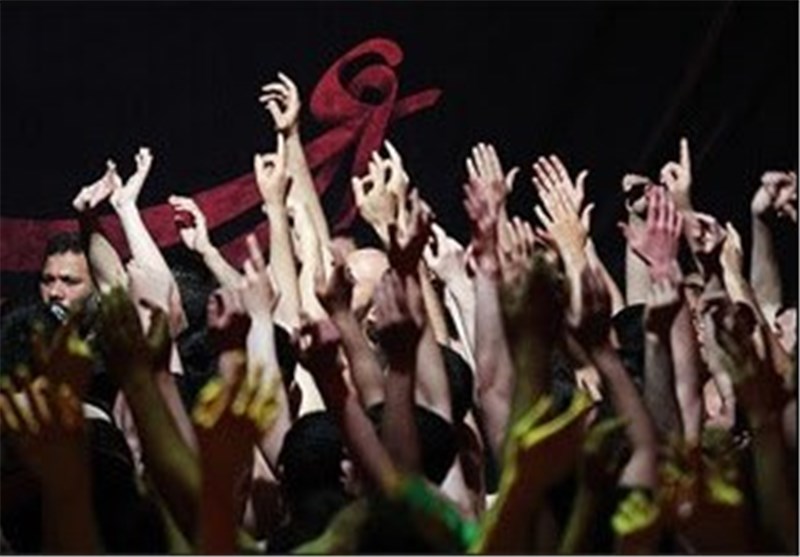
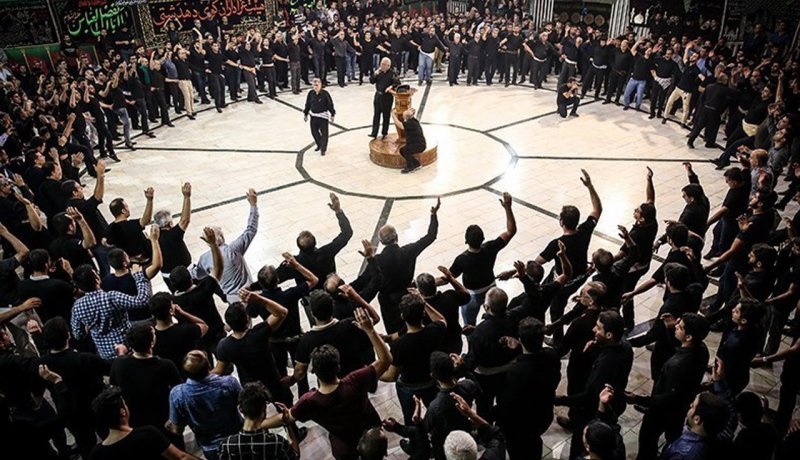
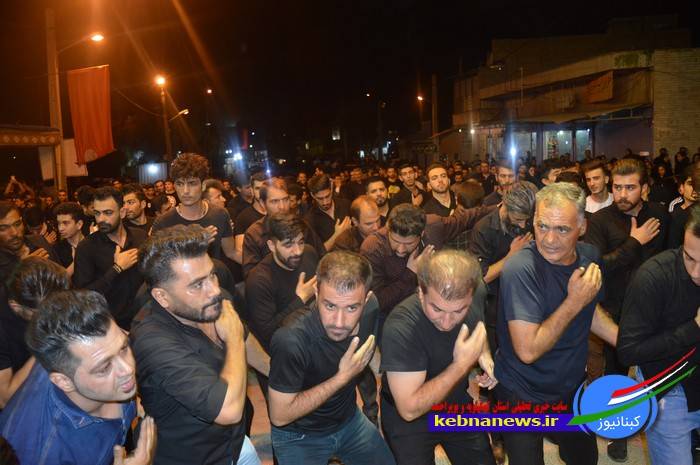
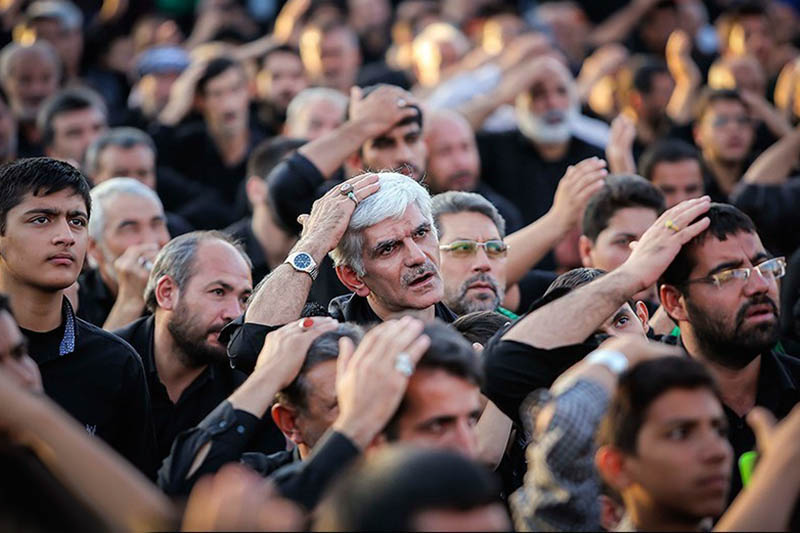
Chest-beating (sineh-zani) is a traditional act of mourning performed in mourning groups or in mosques and tekyeh (religious halls). Typically, chest-beating groups walk through streets and alleys while reciting elegies and religious poems, mourning Imam Hussein and the events of Karbala. The origin of this tradition was particularly common among Arabs¹ and later evolved into its current form, in which participants beat their chests in unison with specific elegies. In the early days of Christianity, mourners gathered around the goddess "Ma," entering ecstatic states through body movements, self-flagellation, and the playing of drums and trumpets, often followed by acts of divination.² In the Persian dramatic reenactment of Siyâvash’s mourning, chest-beating and lamentation are mentioned,³ and the chest-beating of Iranian Shi‘ites, along with ta’ziyeh (passion plays) and other mourning rituals, draws on ancient Iranian traditions. Among Sunni Muslims, chest-beating was uncommon, except in the context of Uthman’s assassination.⁴
Islamic mourning processions began during the reign of Adud al-Dawla Deylami (mid-4th century AH / 8th century CE) and further developed during the Safavid and Qajar periods.⁵ The first officially sanctioned chest-beating, by order of Mu‘izz al-Dawla, occurred in 352 AH / 963 CE.⁶ During the Qajar era, the practice became more elaborate and luxurious.⁷ Initially, it was performed privately by women in the inner quarters of Naser al-Din Shah’s household.⁸
In Tehran, chest-beating groups typically proceed with lanterns arranged on trays, alam (ritual flags), hejjleh (ceremonial canopies), and torches, while reciting elegies and rhythmically striking their chests.⁹ In Azerbaijan, collective chest-beating is common,¹⁰ and in some instances, it is accompanied by self-inflicted wounds, sword striking, or other forms of bodily injury.¹¹
References:
Mohaddesi, Javad. Farhang-e Ashura [Culture of Ashura]. Qom: Nashr-e Marefat, 2004, pp. 256–257. (Chest-beating)
Bahar, Mehrdad. From Aristotle to History. Tehran: Cheshmeh, 1997, pp. 592–593.
Bloukbashi, Ali. “Ta’ziyeh-Khani (Sacred Traditions of Tragedy in Ritual Performance).” Tehran: Amir Kabir, 2004, vol. 1, pp. 146–147; also Tahghigh-e Gardani, Tehran: 2001, p. 14.
Mahjoub, Mohammad Jafar. Folk Literature of Iran. Edited by Hasan Zolfaghari, Tehran: Cheshmeh, 1961–1963, vol. 2, pp. 1240–1242.
Faqihi, Ali Asghar. History of the Buyid Dynasty. Organization for the Study and Compilation of Humanities Books (SAMT), Tehran: 1999, vol. 1, pp. 30–31.
Chełkowski, Peter J. Ta’ziyeh and Mourning Rituals in Iran. Translated by Davood Hatami, Tehran: 2005, p. 1360.
Farhang va Andisheh [Culture and Thought Journal], “Reports on Ashura Practices and Reform Movements in Jabal Amel,” by Saber Nia Mirwan and Meysam Amin, translated by Mohammad Ali Soltani, vol. 4, no. 16, Winter 2005, pp. 151, 155.
Mohaddesi, Javad. Farhang-e Ashura, op. cit.
Mostofi, Abdullah. Sharh-e Zendegi Man [Description of My Life]. Tehran: Zavar, 1998, vol. 3, p. 459; also Mohaddesi, Javad, op. cit.
Shahri, Jafar. Social History of Tehran in the 13th Century. 2nd edition, Tehran: Rasa Cultural Services Institute, 1990, p. 729; Mo’yer-al-Molk, Dustali Khan. “Notes on the Private Life of Naser al-Din Shah.” Tehran: Tarikh-e Iran, vol. 2, 1983, p. 67.
Mostofi, Abdullah. Sharh-e Zendegi Man, op. cit., p. 460.
Shahri, Jafari. Old Tehran. Vol. 2, Tehran: Moein, 1992, pp. 383–440.