

Tilework (Kāshī) in Persian Architecture:
Material Durability, Artistic Innovation, and Architectural Expression Tilework (kāshī) constitutes one of the most significant elements of Persian architectural design. Owing to its structural durability, resistance to environmental factors, and remarkable aesthetic versatility, tile has retained a central role in Iranian and Islamic architecture for centuries and continues to be widely employed in contemporary construction.
Archaeological evidence indicates that the production of glazed bricks, decorative tiles, and enamel surfaces in Iran dates back to at least 1250 BCE. During this early period, techniques for firing clay in kilns and applying mineral-based glazes were developed and disseminated across the Iranian plateau. Following the advent of Islam, tilework assumed a prominent role in the decoration of both interior and exterior architectural spaces, particularly in mosques, shrines, and residential buildings. Over time, it evolved into a defining visual and symbolic feature of Persian architecture.
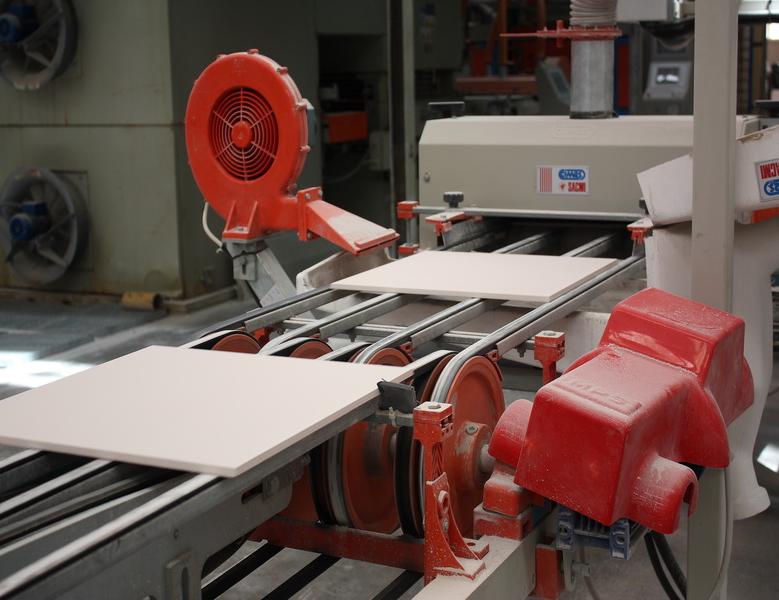
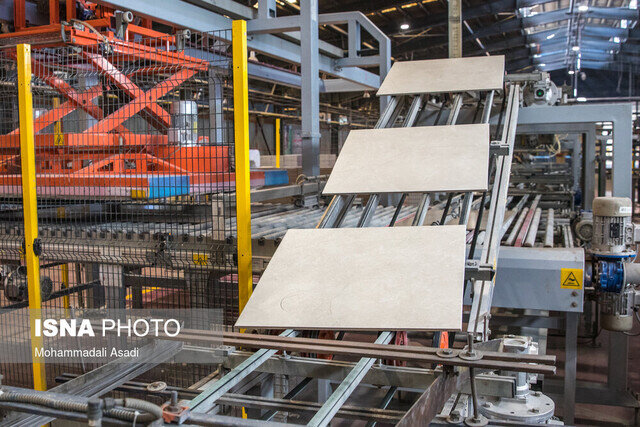
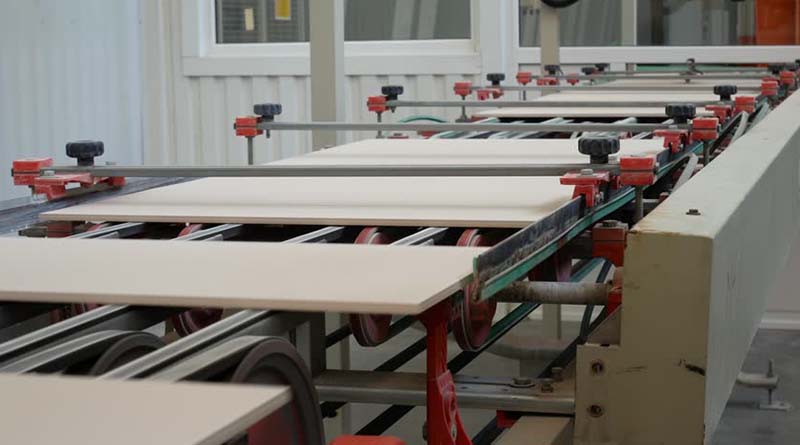
Alongside architectural expansion, the arts of tile painting, design, and composition flourished, giving rise to a diverse range of techniques and stylistic traditions. Although modern industrial methods have enabled large-scale tile production, traditional craftsmanship—where the artist’s intuition, technical expertise, and accumulated experience are decisive—continues to play a vital role in preserving the authenticity and artistic value of Persian tilework.
Production and Design of Tiles
The art of tilework encompasses the fabrication of tiles in various colors, shapes, and surface treatments, often intended to function collectively as part of a larger architectural composition. In many Iranian monuments, individual tiles are designed as components of an integrated visual system, forming complex geometric patterns, vegetal motifs, inscriptions, or figurative compositions.
The successful execution of such designs requires specialized skills, including precise drafting, color harmony, material knowledge, and careful assembly. Over centuries, these techniques have evolved into a sophisticated artistic discipline, transmitted through master-apprentice traditions and workshop practices. While certain methods emphasize the artistic independence of a single tile, others rely on the meticulous coordination of numerous elements to achieve a unified architectural surface.
Major Types of Traditional Persian Tilework
-
Luster Tile (Kāshī-ye Zarrīn-Fām) Luster tiles are produced by adding flint to white clay and tin compounds to the glaze, resulting in shimmering golden or greenish metallic hues. This technique, practiced historically in regions such as Isfahan, Khorasan, and Markazi, creates surfaces that visually resemble sheets of polished gold. Due to their luminous quality, luster tiles were often employed in prestigious architectural settings.
-
Enamel Tile (Kāshī-ye Mināʾī) Mināʾī tiles are typically single tiles decorated with geometric patterns, floral motifs, and traditional eslimi (arabesque) and khataʾi designs. Their name derives from the thin, enamel-like glaze applied to the surface. The production of mināʾī tiles demands exceptional precision and a high level of mastery in both design and material handling.
-
Seven-Color Tile (Kāshī-ye Haft-Rang) Seven-color tilework allows for the application of multiple colors on a single tile. The process involves transferring a drawn design onto the raw tile surface through perforated patterns, enhancing the outlines with charcoal powder, and subsequently painting the motifs. The tile is then fired in a kiln, producing a vibrant and cost-effective method suitable for large architectural surfaces.
-
Lattice Tile (Kāshī-ye Mushabbak) Lattice tiles are created by carving glazed tiles into perforated, grid-like structures using specialized chisels. These tiles permit the passage of light and air while serving decorative and functional purposes. Mushabbak tilework is commonly used in screens, windows, and architectural partitions.
-
Suspended or Masonry Tile (Kāshī-ye Moʿllraq / Bannāʾī) This technique integrates glazed tiles with brickwork, producing geometric patterns through the contrast of color and texture. Known as moʿallaq or bannāʾī tilework, it is predominantly employed on exterior façades and represents a harmonious synthesis of structural and decorative elements.
-
Mosaic Tile (Kāshī-ye Moʿarraq) Mosaic tilework is among the most intricate forms of Persian tile production. In this method, a paper design is affixed to glazed tile slabs, which are then cut into precise shapes using chisels of varying sizes. The edges are carefully refined so that the pieces fit together seamlessly. The assembled design is laid face-down, reinforced with plaster grout, and subsequently installed as a unified panel on architectural surfaces.
Conclusion Persian tilework represents a unique convergence of material science, artistic creativity, and architectural vision. Through its diverse techniques and enduring presence, it has shaped the visual language of Iranian architecture for millennia. Despite technological advancements and industrial alternatives, traditional tilework continues to embody cultural continuity, craftsmanship, and aesthetic sophistication, reaffirming its status as a cornerstone of Iran’s architectural heritage.