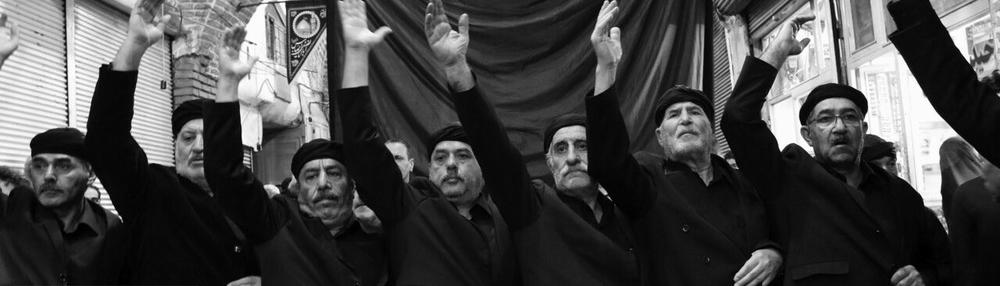
Timcheh Mozaffarieh, Tabriz، Symbol of Muharram Mourning in Tabriz
Muharram Mourning Ceremonies in Tabriz
The mourning rituals of Muharram are among the richest and most diverse cultural elements of Iran. Across the country, people commemorate the martyrdom of Imam Hussein and his companions in Karbala during this month. Over centuries, these mourning practices have taken distinct forms according to the culture and geography of each region of Iran.
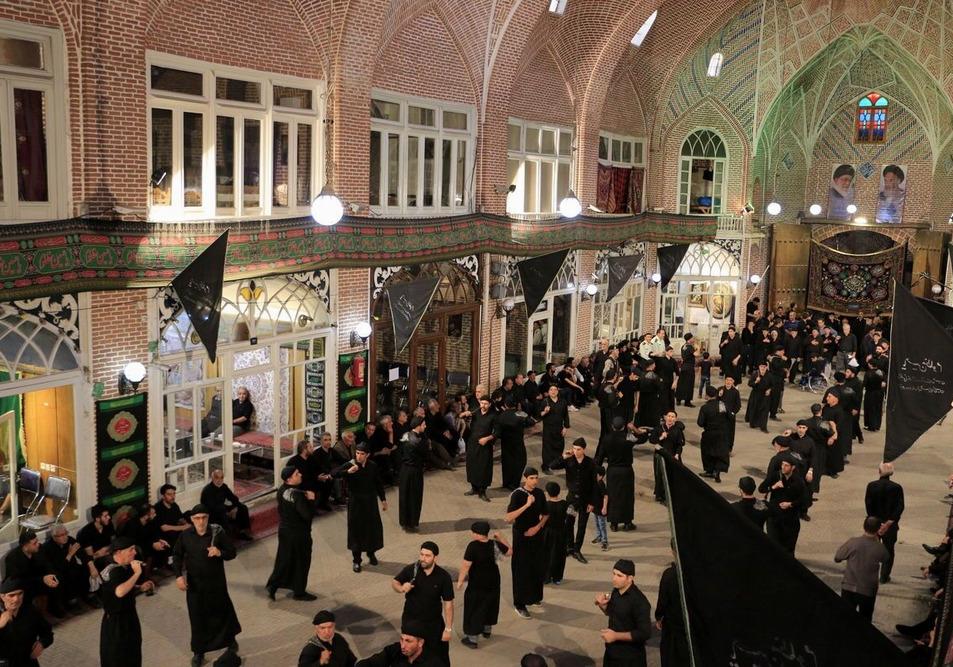
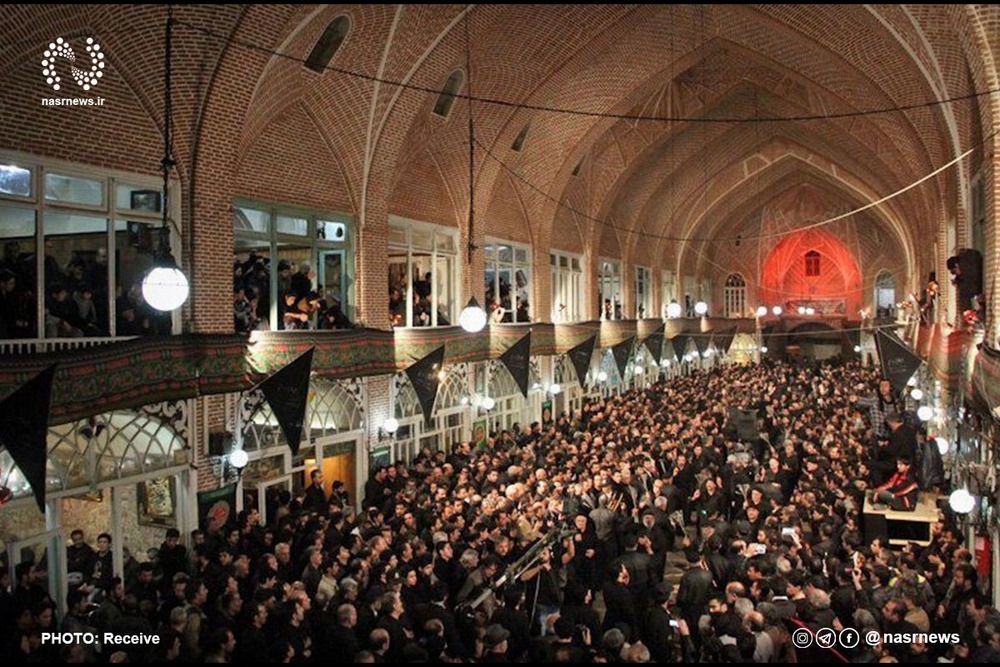
Tabriz is one of the cities where the traditions of mourning for Imam Hussein are particularly renowned and vibrant. In this city, mourning processions move through the streets while reciting elegies in the Azerbaijani language, showcasing the devotion of the people to Imam Hussein and his sacrifices in defense of justice and freedom. Among the various mourning traditions of Tabriz, the ceremonies in Mozaffarieh Bazaar hold a special character and are held annually with a remarkable presence of the city's people.
The Cultural Role of Timcheh Mozaffarieh, TabrizIn Iranian society, the bazaar is one of the most important economic and social institutions. People visit the bazaar daily to purchase their necessities, while merchants have traditionally provided support to the poor and underprivileged. Therefore, the bazaar can also be considered a cultural hub. Due to this cultural significance, in many Iranian cities, bazaars serve as centers for commemorating religious events and take on a special atmosphere during mourning ceremonies, particularly during the days of Muharram.
Tabriz is one of the largest and oldest cities in Iran, and its bazaar—especially Timcheh Mozaffarieh—plays an important role in Muharram mourning ceremonies. The mourning rituals held in Timcheh Mozaffarieh can be seen as a symbol of the mourning traditions of the people of Tabriz.
The Mourning Ceremony in Timcheh Mozaffarieh
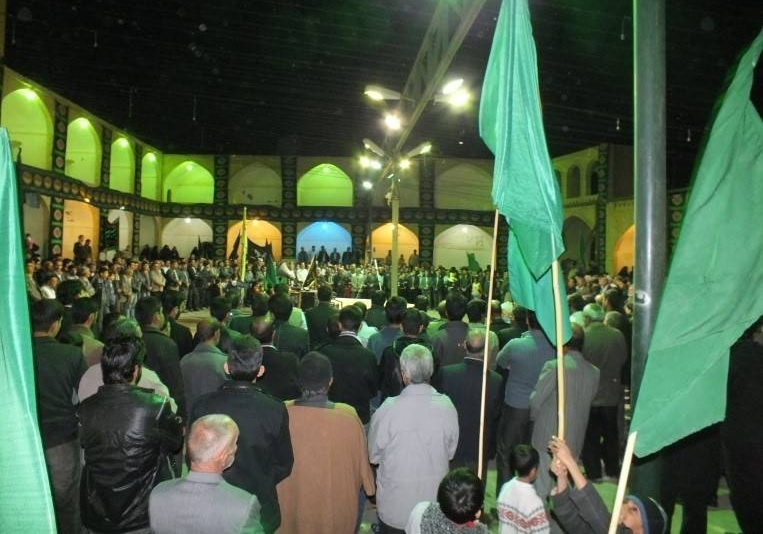
The Tabriz Bazaar has long hosted mourning processions throughout the first ten days of Muharram. Today, mourning groups gather in the bazaar from the eighth day of Muharram until the third day after the martyrdom of Imam Hussein, moving through the market during this period. Experts trace the origins of these traditional Tabrizi mourning ceremonies, as observed in the bazaar today, back to the Safavid era (16th century AD). Despite the changes over time, this style of mourning has retained its traditional essence and continues to be performed in the same manner as in the past.
The mourning procession begins at Timcheh Sadiqiya, reaches its peak upon arriving at Timcheh Mozaffariya, and concludes there. According to an ancient tradition, the processions enter Timcheh Sadiqiya through the Sandoqchi Gate, and after passing through the Coppersmiths’ Bazaar, Brokers’ Bazaar, Hat Sellers’ Bazaar, and Sugar Sellers’ Bazaar, they finally arrive at Timcheh Mozaffariya.
The movement of the processions in the Tabriz market is carefully organized so that all 28 mourning groups can reach Timcheh Mozaffariya at the designated time to perform their rituals. These groups come from the historic neighborhoods of Tabriz, including Davachi, Amirkhiz, Kucheh Bagh, Rasteh Kucheh, Delkhun, Shahid Ghazi, Maralan, Jamish Ava, Mir Choban, Khiyavan, Baghmisheh, Entezariyun, Sheshgelan, Qara Aghaj, Varji, Abuzar, Chustuzlar, Lil Ava, Hukm Ava, Sorkhab, Seelab, Ami Zein al-Din, Charandab, and Nobar.
Since the establishment of the Mozaffariyeh Timcheh in 1926 (1305 Solar Hijri), shopkeepers have served mourners during the period of the ceremonies. According to an old tradition, from the 8th to the 12th of Muharram, no shops in Mozaffariyeh Timcheh are open, and everyone joins in organizing the mourning rituals and serving the participants.
Usually, at the front of the mourning processions walk the Sayyids (descendants of the Prophet Muhammad), elders, and senior community members, showing the respect people have for them. Young people walk in the middle of the procession, and children follow at the end. Each mourning group has one or more Miandar (leaders) who supervise and guide the movement of the procession. To stir more excitement and emotion among the mourners, the Miandar sometimes calls out loudly or recites certain phrases, inviting the participants to chant elegies or recite religious verses.
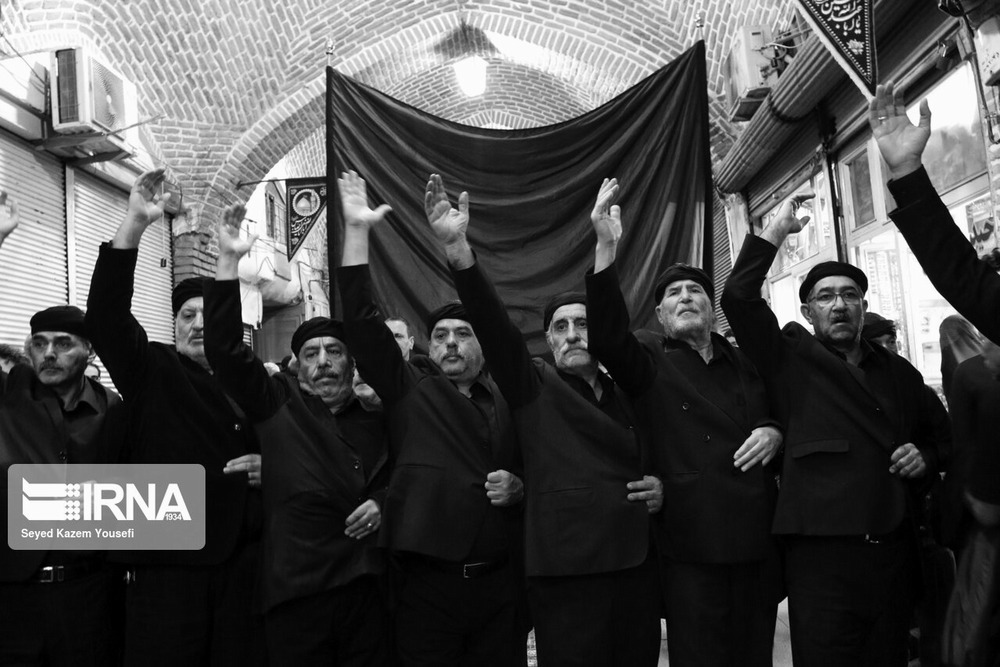
According to ancient tradition, mourning processions are performed in three forms: “Arab,” “Ajam,” and “Chain-wielders.” The Arab group wears a lower garment resembling an Arabian skirt called an atak, and a shirt-like upper garment. A square section of the shirt over the chest is left open, exposing the chest during chest-beating. Members of this group wear black clothing and, during the ritual, raise both hands in unison to beat their chests. The Ajam group typically wears black suits and shirts. They hold the edge of their coat with the left hand while rhythmically striking their chest with the right hand in a slow triple beat.
The Chain-wielders wear shirts and trousers, usually in black. They beat their shoulders with the chains they hold in their hands as part of the mourning ritual.
The mourning ceremony of Timcheh Mozaffariyeh in Tabriz was registered on Iran’s National Intangible Heritage List in 2012 (1391 Solar Hijri).
| Name | Timcheh Mozaffarieh, Tabriz، Symbol of Muharram Mourning in Tabriz |
| Country | Iran |
| State | East Azerbaijan |
| City | Tabriz |




Choose blindless
Red blindless Green blindless Blue blindless Red hard to see Green hard to see Blue hard to see Monochrome Special MonochromeFont size change:
Change word spacing:
Change line height:
Change mouse type: