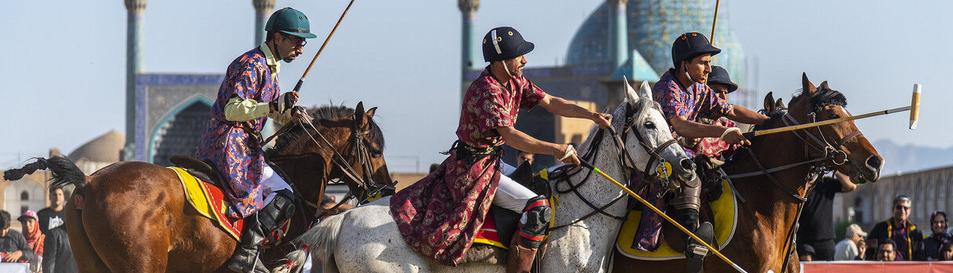
History and traditions of polo, an ancient Iranian game
Polo is not merely a sport; it is a symbol of the culture and history of Iran. Throughout the centuries, this ancient game has remained vibrant and enduring. Polo requires the athletic skill of the rider and perfect coordination with the horse. For this reason, over many centuries, it was supported by rulers as a means of strengthening the military readiness of soldiers and was widely promoted as a form of training.
Polo: Its History and Historical Function
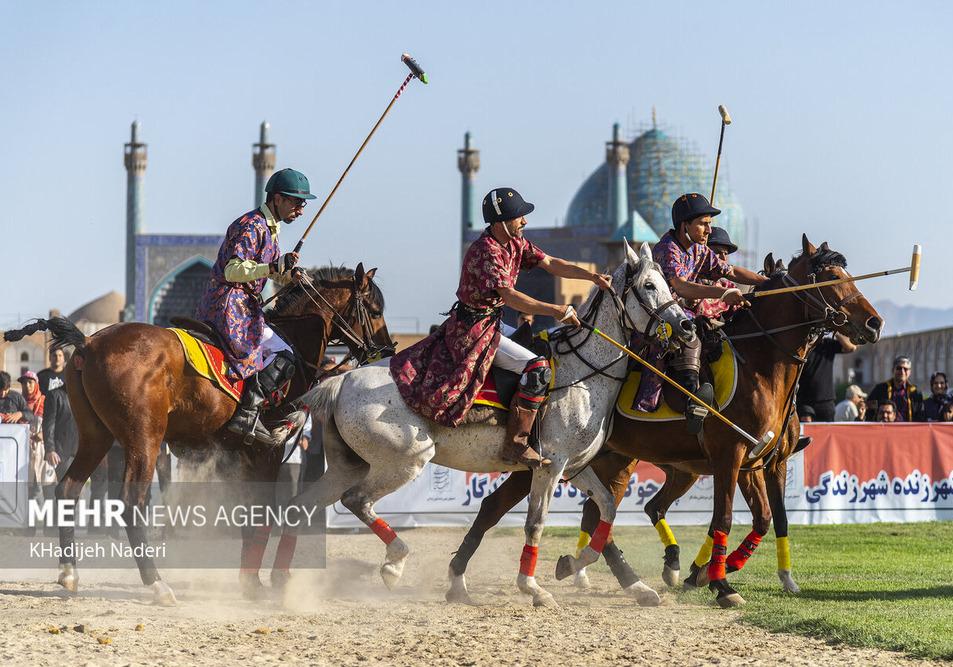
Documents indicate that some scholars trace the origins of polo to the 6th century BCE, during the Achaemenid Empire. However, the earliest roots of the sport are believed to predate this era. For many centuries, polo was held in such high esteem by kings that it became known as the “Game of Kings.” Following the Mongol invasion of Iran in 1219 CE, the sport attracted their interest as well, and the Mongols later introduced polo to India, where it gained significant prestige—especially in the courts of the sultans. The Safavid period (16th century CE) is regarded as the golden age of polo. Safavid rulers organized grand tournaments accompanied by music and narrative performance, and they personally attended the games. Visitors to Isfahan today can still see the remains of the polo goalposts in Naqsh-e Jahan (Imam) Square, where matches were played during the Safavid era. Travel writers of the time praised the bravery and skill of Iranian horsemen who competed fiercely on the field. The British encountered the sport after occupying India and were instrumental in introducing it to Europe. At that time, the sport was not yet known as “polo,” and the original name “Chogan” can still be seen engraved on the entrances of old clubs in Calcutta and Delhi. The term polo originally referred to a type of tree whose root was used to make polo balls; over time, the British adopted the name because it was easier to pronounce. Polo spread rapidly in England from the 1860s and then expanded to other countries.
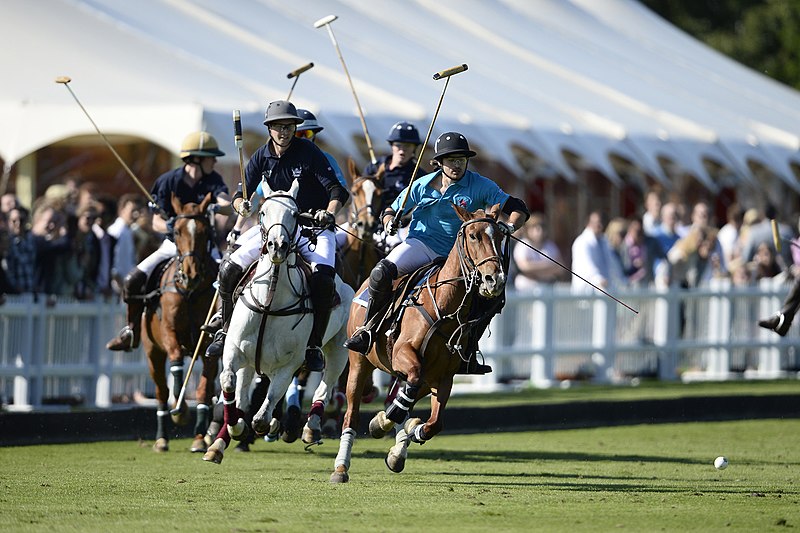
Today, polo tournaments are held in more than 75 countries worldwide. The sport became so widespread that it was included in the early modern Olympic Games beginning in 1896, but it was removed after the 1936 Berlin Olympics.
The Origins and Functions of Polo
After domesticating the horse and employing it in various aspects of life, Iranians succeeded in building a great empire. The invention of polo— a sport that harmonizes rider and horse in coordinated effort against an opposing team—was one of their cultural and strategic innovations. Polo was designed with a clear purpose, and many of the terms still used in the game derive from military vocabulary, indicating that its creators intended it to enhance martial readiness beyond mere recreation.
In addition to strengthening the rider’s physical fitness and coordination with the horse, the sport improves the horse’s agility and responsiveness to obstacles. A horse that has competed on the polo field will neither fear the opponent in battle nor hesitate in following the rider’s commands. Several Greek sources mention polo as a practice among Iranian soldiers and cite it as one of the reasons for the Persian army’s success in its military campaigns.
Polo has also held an important place in Persian literature; indeed, it is difficult to find an Iranian poet who has not referred to polo in their works. Signs of the sport appear not only in lyrical and epic poetry but also in folk literature. Furthermore, in the visual arts—particularly miniature painting—polo has played a central role, with numerous surviving miniatures depicting the game.
Rules and Method of Playing Polo
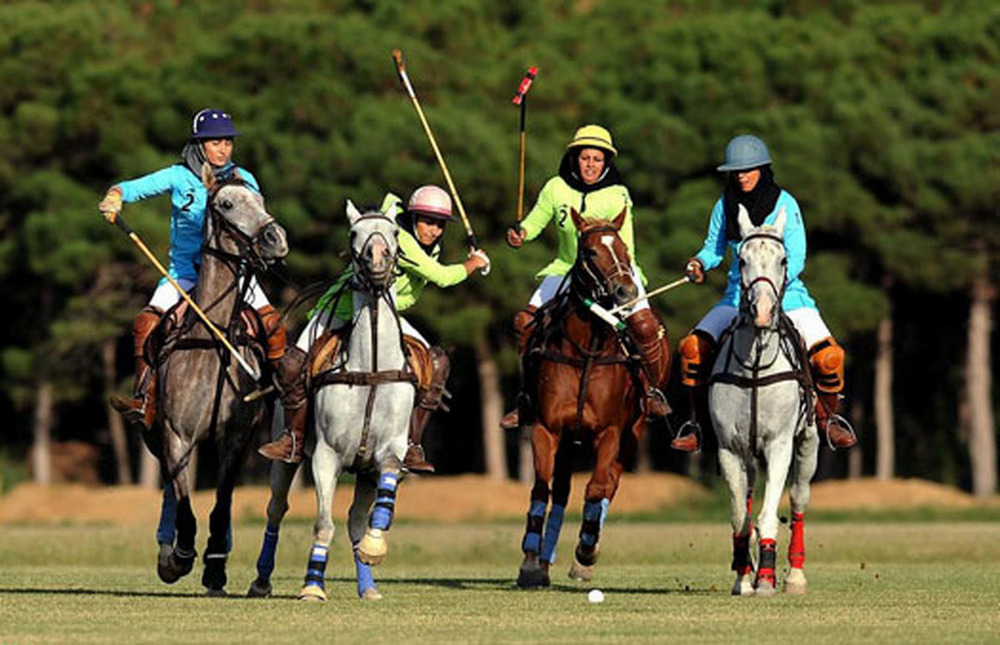
Polo is played on a field measuring 274 by 145 meters, although these dimensions may vary slightly from country to country. The game consists of six periods, known as chukker, each lasting seven minutes. Each team is made up of four players. Every match is supervised by two mounted referees and one umpire. The mounted referees move across different areas of the field on horseback.
In polo, two teams of riders attempt to drive a ball across the opponent’s goal line, and the team that scores the most points wins. A similar structure can be found in almost all modern ball games. For this reason, polo can be regarded as a sport whose basic framework has inspired the development of many other sports.
National and International Registration of Polo
The dossier titled “Polo, a horseback game accompanied by music and storytelling” was inscribed on UNESCO’s Representative List of the Intangible Cultural Heritage of Humanity in 2015 (1394 AH) in the name of Iran.
| Name | History and traditions of polo, an ancient Iranian game |
| Country | Iran |
| Type | National |
| Registration | Unesco |







Choose blindless
Red blindless Green blindless Blue blindless Red hard to see Green hard to see Blue hard to see Monochrome Special MonochromeFont size change:
Change word spacing:
Change line height:
Change mouse type: