

Iranian Traditional Music Featured on Sri Lanka’s National Radio
On 29 July 2026, Iranian researcher and traditional musician Ali Reza Shahini spoke with Sri Lanka's national radio and television network about the distinctive features of Iranian traditional music and the musical and cultural connections between Iran and Sri Lanka. He highlighted his comparative research on the Iranian daf and Sri Lanka's rabana, focusing on their technical, performative, and cultural similarities. The programme provided an opportunity to introduce aspects of Iran's musical heritage to Sri Lankan audiences and to highlight the potential of comparative music research for strengthening cultural and artistic exchanges between the two countries
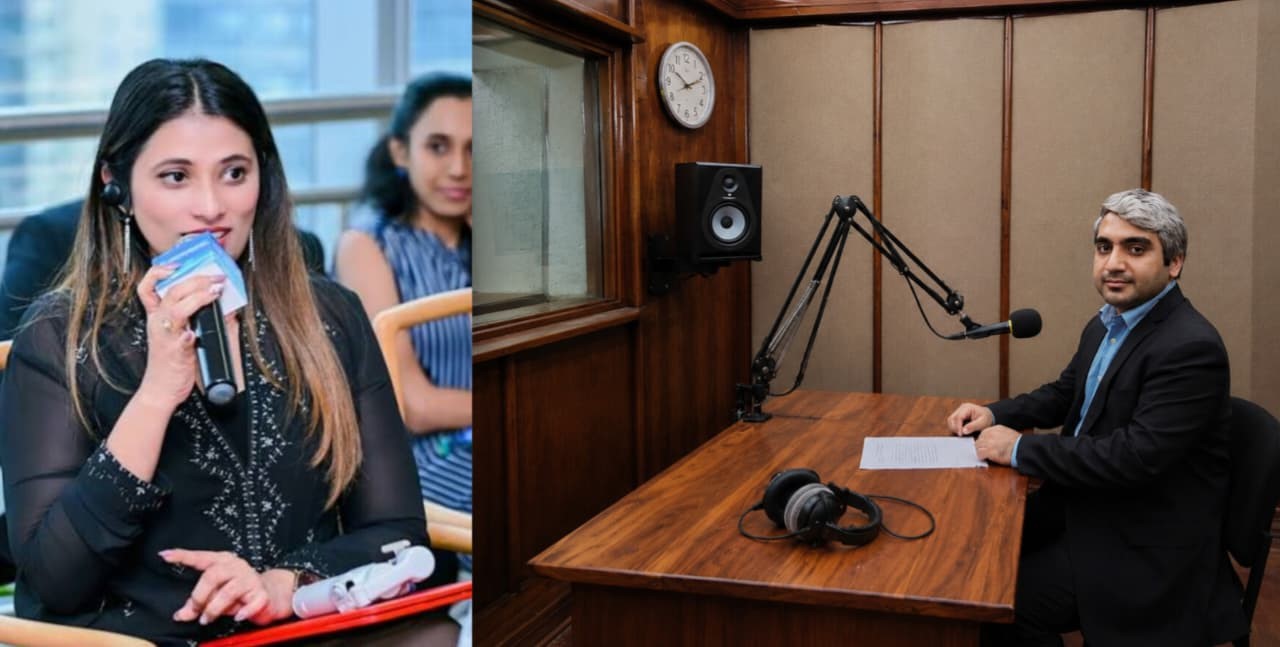
On Wednesday, 29 July 2026 (7 Mordad 1405), Ali Reza Shahini, an Iranian researcher and performer of traditional music, spoke with Sri Lanka's national radio and television network about the distinctive characteristics of Iranian traditional music and the cultural and musical connections between Iran and Sri Lanka.
The interview was conducted by Ms Sharifa Taher, a presenter with Sri Lanka's national radio and television network, for broadcast on the country's national radio service.
During the programme, Shahini introduced the structural characteristics of Iranian music and highlighted the potential for further research in the field of comparative music studies between Iran and Sri Lanka. Referring to his research project entitled "A Comparative Study of the Iranian Daf and the Sri Lankan Rabana," he discussed the technical, performative, and cultural similarities between the two instruments.
He explained that, within Sri Lankan Muslim culture, although the rabana may historically have roots in the country's Buddhist traditions and was played in different ways in the past, Sri Lankan Muslims have adapted and reinterpreted the instrument in accordance with their own cultural and religious practices. Today, the rabana is used in a number of religious ceremonies and spiritual gatherings among Sri Lankan Muslims, with playing techniques that, according to Shahini, bear similarities to those used for the Iranian daf, accompanied by devotional recitations and mystical melodies. He described this process as a valuable example of how a traditional local instrument can be adapted within an Islamic cultural context and as an illustration of cultural transformation and musical evolution within Sri Lankan Muslim communities.
Shahini also referred to other musical similarities between the two countries. He noted that the musical traditions of southern Iran and certain musical practices in Sri Lanka, particularly among coastal communities, display notable similarities. According to his observations, instruments resembling the damam drum used in southern Iran, together with shared rhythmic patterns, may be associated with the maritime culture and the traditional way of life of fishing communities. Within such cultures, rhythm and musical instruments have historically played an important role not only in rituals and ceremonies but also in everyday activities, including rowing boats and coordinating collective labour.
The interview provided a valuable opportunity to introduce aspects of Iran's rich musical heritage to Sri Lankan audiences and to highlight the cultural and historical connections between the peoples of Iran and Sri Lanka. It also underscored the potential of comparative research in music as a means of promoting deeper cultural and artistic interaction and strengthening people-to-people ties between the two countries.

Write your comment.