

A timeless ode to Iran’s heritage and heroes
March 15 marks a significant milestone in Persian literature as it is the completion date of the Shahnameh, Ferdowsi's epic masterpiece. This masterpiece, also known as ‘The Book of Kings,’ is considered one of the greatest works of Persian literature and has had a profound impact on Iranian culture.
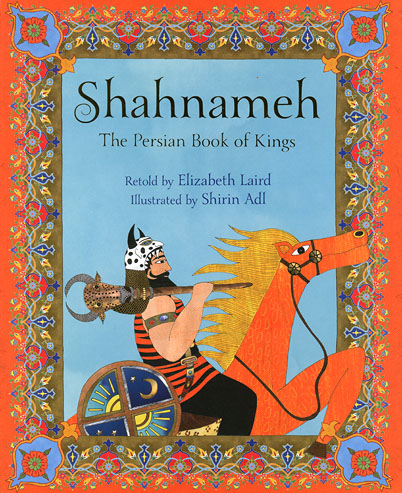
A timeless ode to Iran’s heritage and heroes
March 15 marks a significant milestone in Persian literature as it is the completion date of the Shahnameh, Ferdowsi's epic masterpiece.
This masterpiece, also known as ‘The Book of Kings,’ is considered one of the greatest works of Persian literature and has had a profound impact on Iranian culture.
Ferdowsi dedicated over thirty years of his life to crafting the Shahnameh, which comprises more than 50,000 couplets narrating the mythical and historical tales of Iran from its inception to the Arab conquests. Beyond its literary merit, the poem serves as a valuable source of Persian history, mythology, and moral teachings.
Ferdowsi's unwavering commitment to creating this opus reflects his deep affection for his homeland, its rich history, and its people. The enduring influence of the Shahnameh on Iranian culture is undeniable, shaping not only the country's literary landscape but also instilling a sense of national pride and cultural heritage in successive generations of Iranians.
Ferdowsi is the pseudonym of Abu al-Qasem Mansur, (935-1020), who was born in the city of Tus, located in present-day Iran. In 977 CE, he undertook the monumental task of writing the Shahnameh, completing it in 1010 CE after dedicating much of his life to this labor of love. The masterpiece is written in Persian verse and is divided into three parts, chronicling the mythical, heroic, and historical epochs of Iran.
The Shahnameh begins with the creation of the world as outlined in Persian mythology and follows the lineage of Iranian kings, heroes, and legends throughout history. Ferdowsi intertwines tales of courage, romance, deception, and loyalty, creating a tapestry of Persian culture and identity that continues to captivate readers. Rather than a mere recitation of events, the poem serves as a mirror of the values, beliefs, and spirit of the Iranian people handed down through generations.
A notable feature of the Shahnameh is Ferdowsi's skillful use of language and imagery to evoke the splendor and magnificence of ancient Iran. His verses are replete with vivid depictions of landscapes, battles, courtly customs, and human emotions, offering a vibrant portrayal of a distant era. The rhythmic flow and melodic quality of his poetry transport readers into a world inhabited by heroes and villains, gods and demons, where honor and duty are paramount.
Ferdowsi's commitment to preserving Iranian history and culture in the Shahnameh reflects his profound patriotism and dedication to his homeland. During a time of political turmoil and cultural upheaval in Iran, Ferdowsi viewed his epic poem as a means to safeguard the memory of the nation's former glory and foster a sense of pride and solidarity among its populace. His aim was to create a national epic that would motivate future generations to uphold the virtues of courage, justice, and righteousness depicted in his magnum opus.
The anniversary of the completion of the Shahnameh on March 15 offers Iranians a moment to contemplate the enduring legacy of Ferdowsi and the timeless importance of his epic work.
The influence of the Shahnameh transcends Iran's borders, having been translated into numerous languages and serving as a wellspring of inspiration for writers, artists, and intellectuals worldwide. Its themes of heroism, love, and integrity possess universal resonance, striking a chord with individuals from diverse cultures and backgrounds. For instance, the tale of Rostam, the principal hero of the Shahnameh, has drawn comparisons to the myths of Arthurian knights and Greek demigods, underscoring the enduring allure of Ferdowsi's characters and narratives.
Shahnameh's literary and cultural significance aside, it has played a vital role in shaping Iran's national identity and fostering unity and pride among its populace. Throughout history, the poem has been a wellspring of inspiration and resilience for Iranians during challenging times, serving as a poignant reminder of their rich heritage and societal values. Ferdowsi's unwavering dedication to preserving Iran's past ensures that forthcoming generations will cherish and perpetuate the traditions and ideals spotlighted in Shahnameh.
Ferdowsi's prose still resonates with audiences globally, underscoring the storytelling's potency in conserving history, propelling change, and uniting communities. Shahnameh stands as a tribute to Ferdowsi's brilliance and foresight, embodying a poet whose affect
