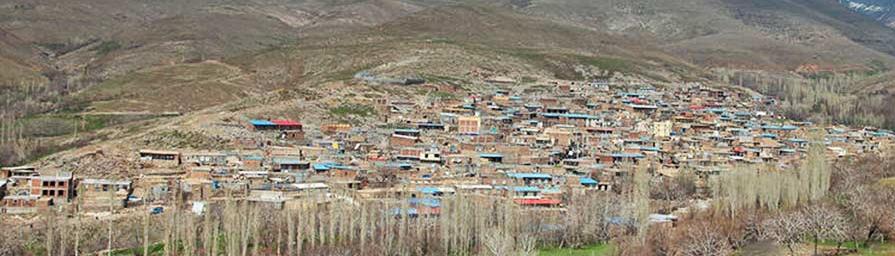
Ajabshir – A Land of Wonders and Timeless Mysteries
Every traveler considers certain criteria when choosing a destination and ultimately makes their decision based on the attractions and characteristics of each place. Some travelers are drawn to the historical and cultural landmarks of a city or region, while others prioritize natural landscapes and scenic beauty. Of course, there are also those who may have entirely different motivations and preferences when selecting where to go…
In Iran — a historic country blessed with a four-season climate — choosing a travel destination can be a real challenge due to the sheer diversity and abundance of its natural and historical attractions. Beyond the well-known tourism hubs such as Isfahan, Shiraz, and Tabriz, smaller towns can also serve as excellent choices for travelers, offering opportunities for adventure and encounters with untouched and lesser-known sights. One such destination is the city of Ajabshir in East Azerbaijan Province — a place that not only boasts remarkable historical monuments but also captivates nature enthusiasts with its stunning natural landscapes.
History of Ajabshir
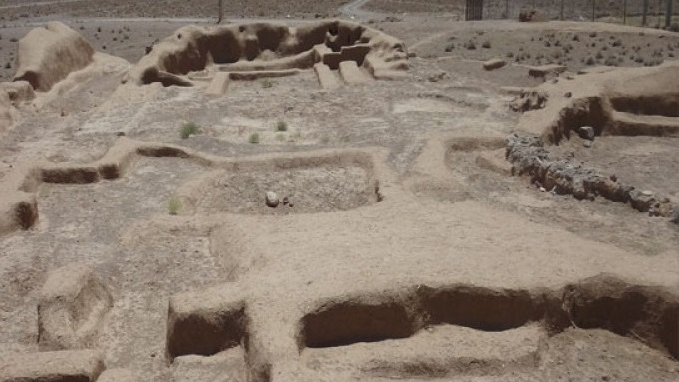
According to several historical accounts, the city of Ajabshir was built upon the remains of the lost and mysterious city of Shiz. During the Parthian and Sassanian eras (the first millennium BCE), Shiz was considered the largest city in the Azerbaijan region. The presence of several archaeological sites and traces of early human life reinforces this possibility. Among the ancient mounds in Ajabshir are Gol Tappeh, Sichan Tappeh, and Tikan Tappeh. The oldest known written artifact discovered in Ajabshir is an inscription from the Urartian period, located about eight kilometers from the city, in the modern town of Javan Qaleh. This inscription is a victory stele dating back to the reign of Argishti I (785–753 BCE).
Experts believe that a neighborhood called “Dizaj” formed the original core of what is now the city of Ajabshir. Others, however, suggest that Shishavan Village was the first human settlement in the area, from which the population gradually spread to other regions. Despite these hypotheses, no comprehensive or universally accepted theory has yet been proposed to clearly explain the historical origins of this region.
Geography of Ajabshir
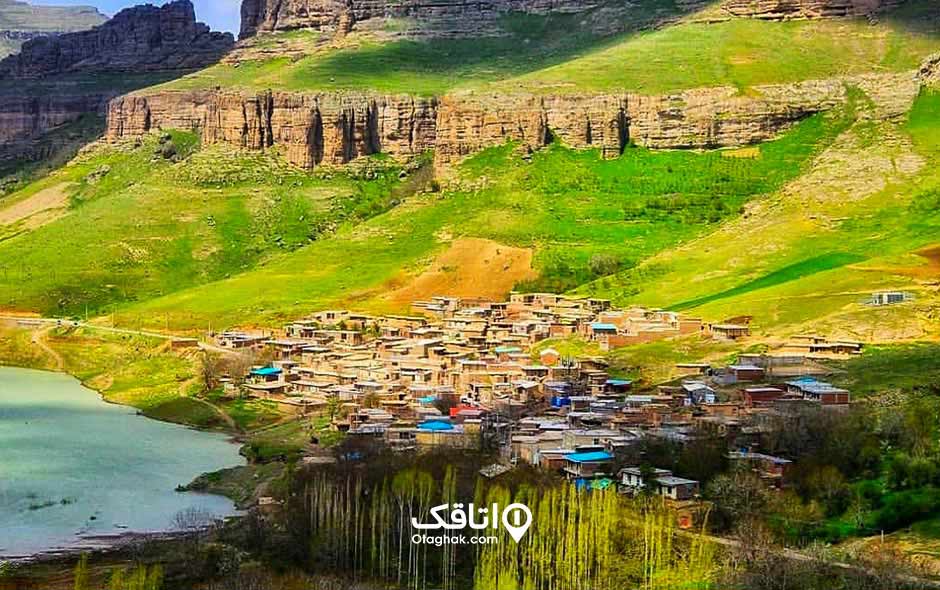
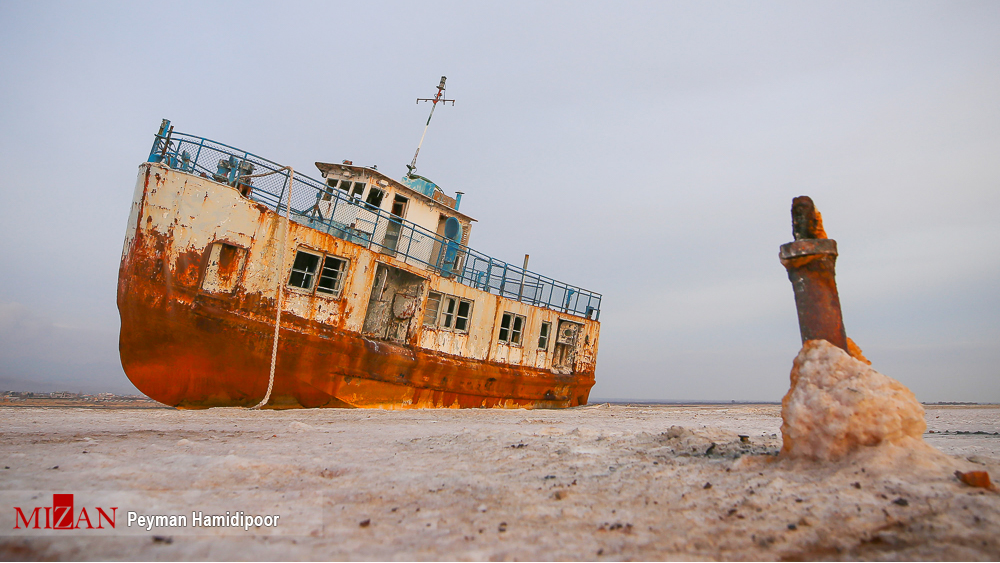
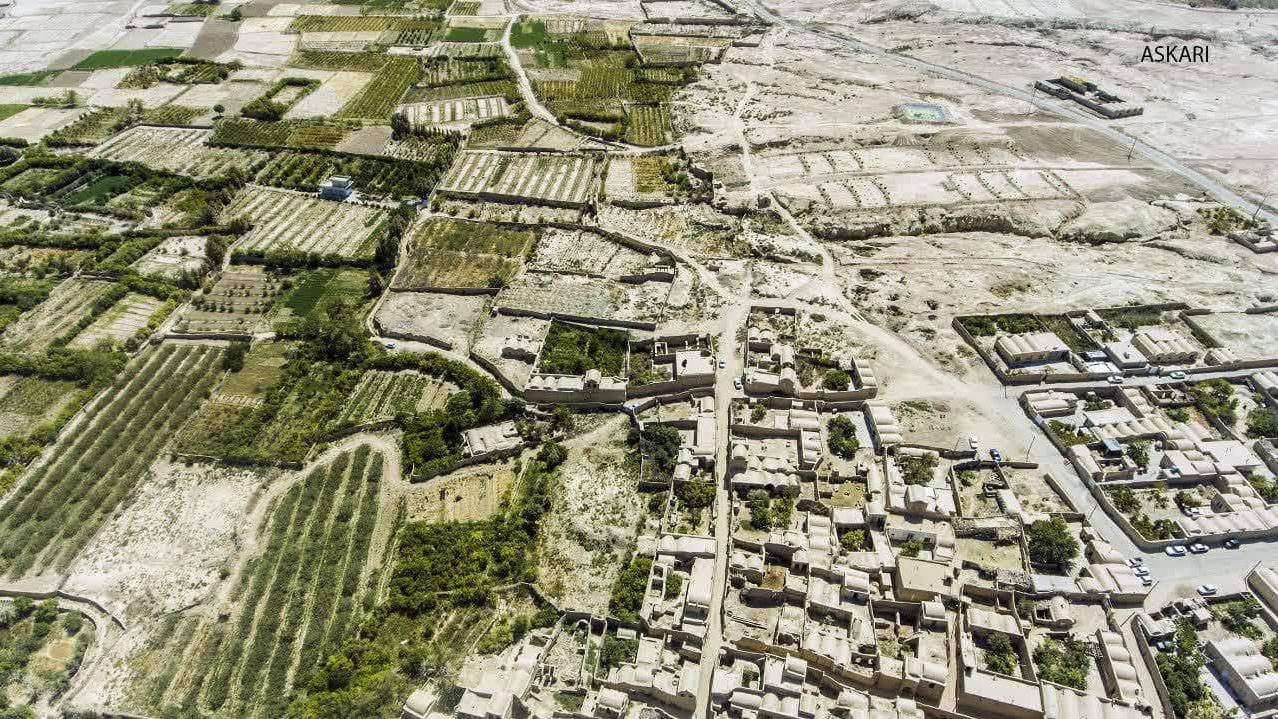
Ajabshir County, covering an area of 738 square kilometers, makes up about 1.6 percent of East Azerbaijan Province. The city of Ajabshir is located approximately 100 kilometers from Tabriz, the provincial capital. To the west, Ajabshir borders Lake Urmia and lies on a fertile plain formed by the rich alluvial deposits of the Qaleh-Chay River. This fertile soil may have contributed to the region’s development as one of the major ancient settlements in Iran. Due to its mountainous climate, Ajabshir experiences mild summers and cold, snowy winters.
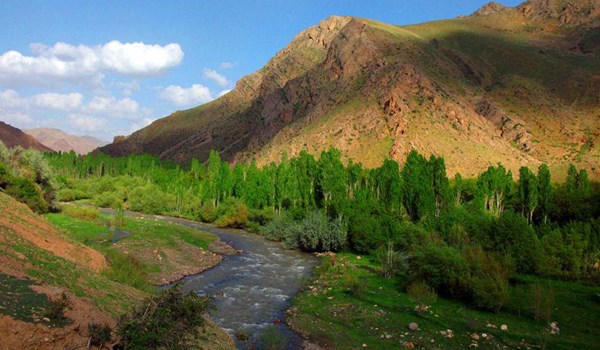
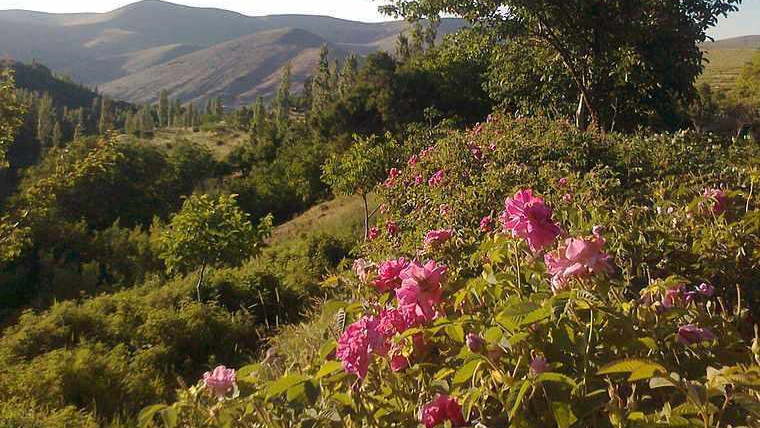
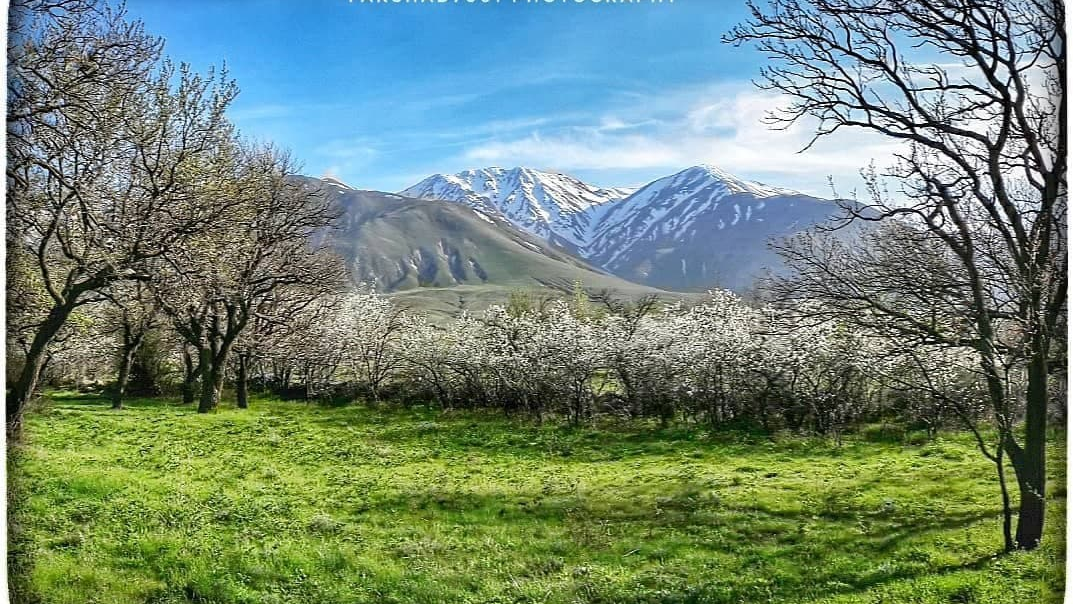
The Qaleh Chay River, which serves as the main source of irrigation for the surrounding farmlands, is considered one of the most important natural attractions of Ajabshir. The river’s flow alongside the mountains, lush landscapes, and several waterfalls along its approximately 55-kilometer course create an exceptional opportunity for nature tourism. After Mount Sahand, the Seh-Ghaleh (Three Peaks) area in Ajabshir County is regarded as the highest region in East Azerbaijan Province. Seh-Ghaleh consists of three mountains: Arian (2,850 meters), Qozujakh (2,700 meters), and Salman Kuh (2,650 meters). Qaleh Chay Dam, Rahmanlu Port, Sari Su Springs, and Shersher Waterfall are among the popular recreational sites of Ajabshir County. One of the other attractions of Ajabshir is its traditional handicrafts. Carpets, kilims, jajims, and embroidery are among the best-known crafts of the region. In addition, local products such as butter and cheese, as well as walnuts, grapes, and almonds, are of excellent quality.
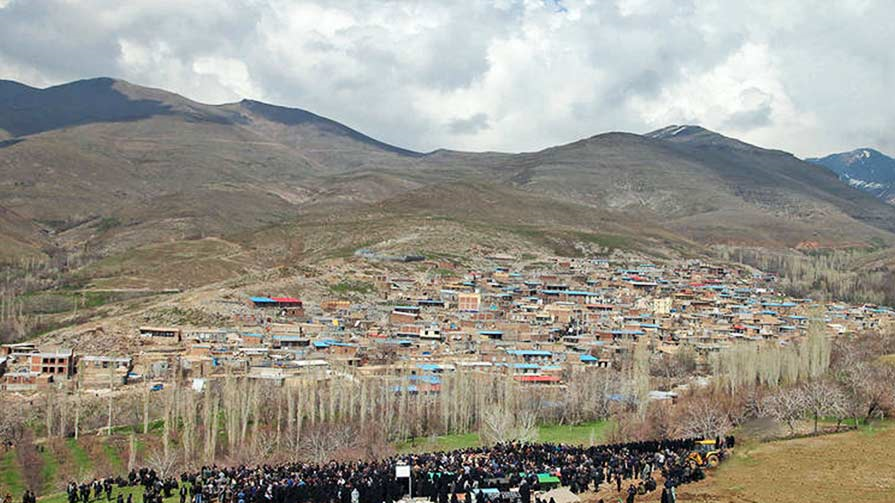
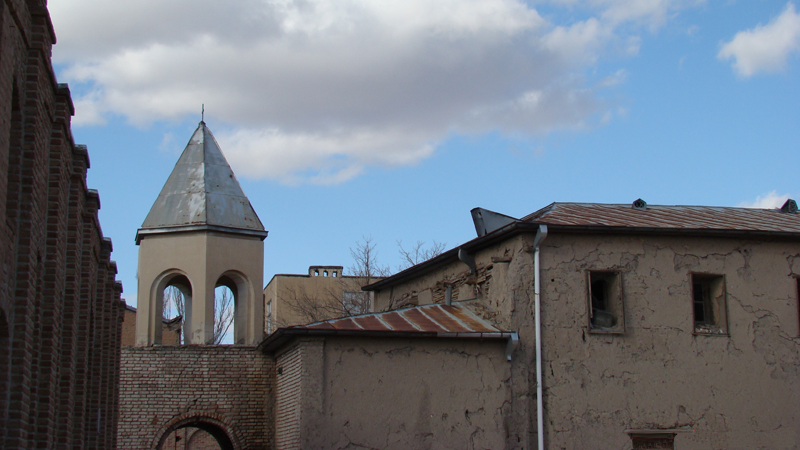
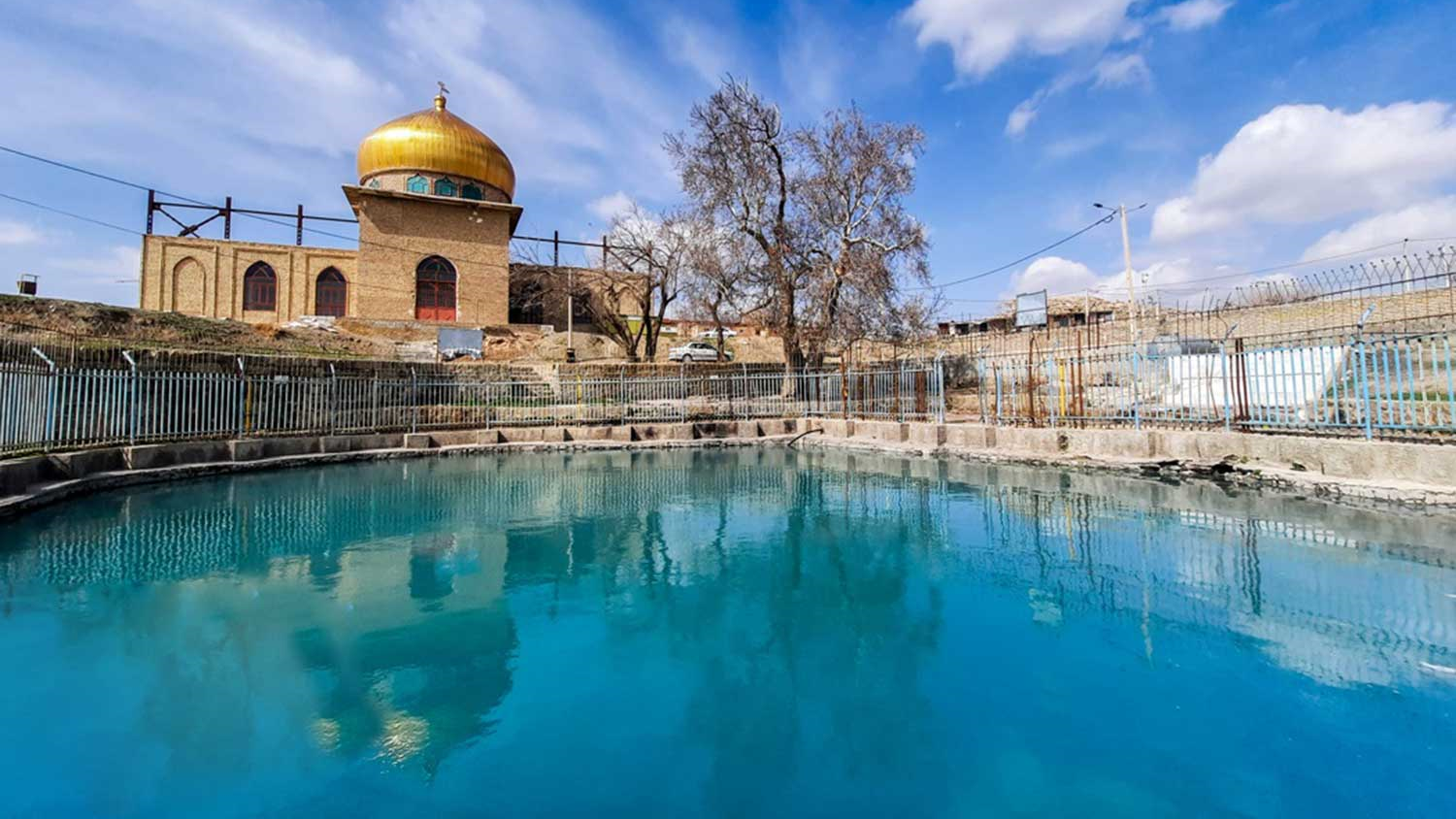
More than 100 sites in Ajabshir have been registered as national heritage. Among them, the Polke Gardani ritual of Shishavan — one of the most distinctive mourning ceremonies — is listed as an element of Iran’s intangible cultural heritage. Notable historical sites include the mosques of Shishavan, Shirlou, and Hanifeh Goruavan, as well as the Nobahar Bathhouse and the historical houses of Javan Qaleh, Arghandi, and the dovecote along the garrison road. The ancient rock-cut tomb of Gabrli Kuhal Bangjeh is one of Ajabshir’s pre-Islamic archaeological remains.
| Name | Ajabshir – A Land of Wonders and Timeless Mysteries |
| Country | Iran |
| State | East Azerbaijan |
| City | Ajab Shir |
| Type | Historical |

Choose blindless
Red blindless Green blindless Blue blindless Red hard to see Green hard to see Blue hard to see Monochrome Special MonochromeFont size change:
Change word spacing:
Change line height:
Change mouse type: