

Seminar Explores the Influence of Ferdowsi and Omar Khayyam on the Development of the Persian Language
A cultural and literary gathering was held in Colombo to commemorate Ferdowsi, Omar Khayyam, and Persian Language Day. The event highlighted their enduring contributions to Persian language, literature, philosophy, and the broader intellectual heritage of Iranian civilization
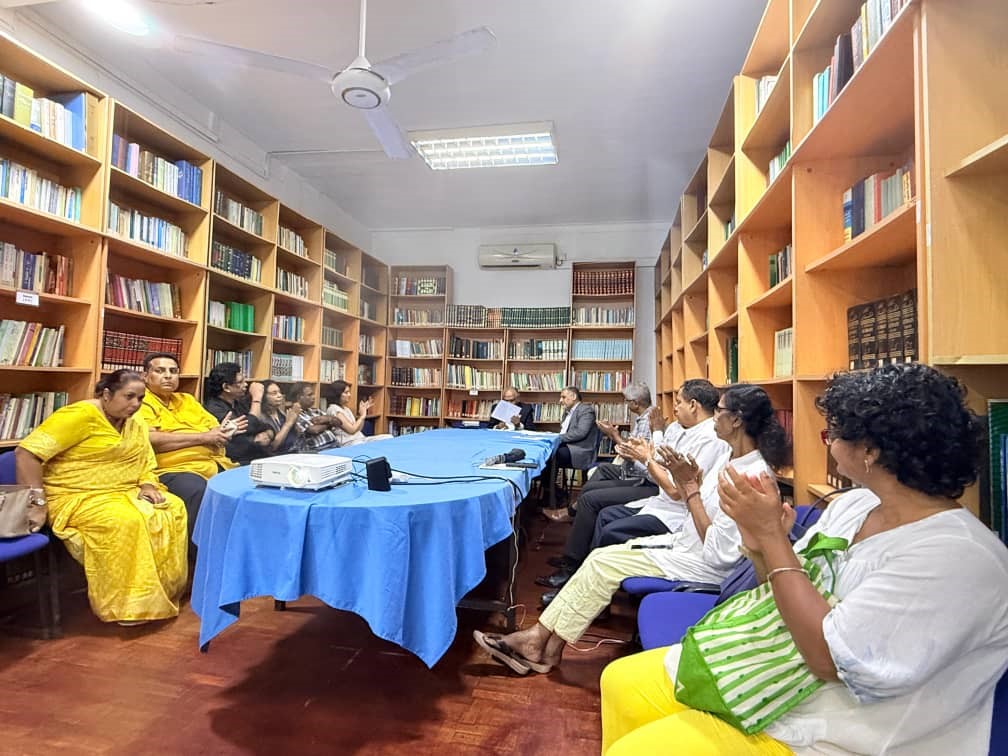
On Friday, May 15, a cultural and academic gathering was organized at the Cultural Center of the Embassy of the Islamic Republic of Iran in Colombo to commemorate Abu al-Qasem Ferdowsi (May 15), Omar Khayyam (May 18), and Persian Language Day. The event brought together a number of Sri Lankan poets, writers, university professors, and artists with the aim of revisiting the intellectual, literary, and civilizational legacy of these two prominent figures and examining the cultural significance of their works in Iran and beyond.
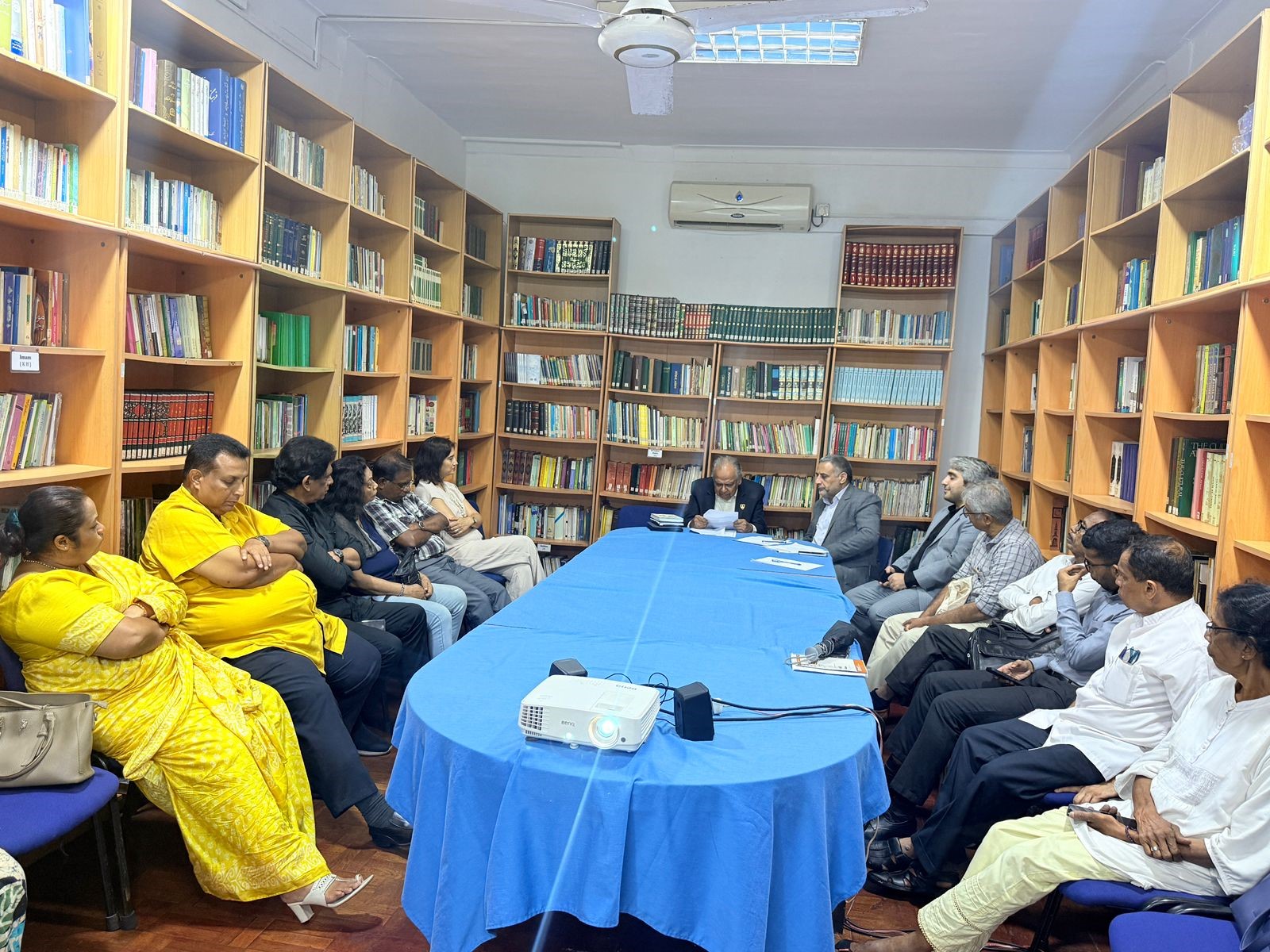
During the event, Ali Kebriai Zadeh spoke about Ferdowsi’s significant role in preserving and strengthening the Persian language and in shaping the historical consciousness of the Iranian people. He described Ferdowsi as one of the most influential figures in Iranian cultural history, emphasizing that through three decades of dedicated effort in composing the Shahnameh, he played a decisive role in safeguarding the Persian language.He noted that the Shahnameh should not be viewed merely as a literary masterpiece but rather as a coherent cultural and intellectual framework that has contributed to shaping collective identity, preserving historical memory, and strengthening values associated with heroism and national pride. He further explained that concepts such as justice, wisdom, courage, and moral integrity form the central pillars of Ferdowsi’s thought and are reflected throughout the epic narrative.Turning to Omar Khayyam, Kebriai Zadeh described him as an exceptional example of multidimensional thinking within Iranian intellectual tradition. He stated that although Khayyam is globally recognized for his quatrains, limiting his legacy to poetry alone overlooks his outstanding contributions to mathematics, astronomy, and philosophy.He added that Khayyam’s quatrains represent profound reflections on fundamental human questions, including mortality, the passage of time, and the meaning of life. From this perspective, Khayyam can be understood as both a poet of inquiry and a thinker who used poetry as a medium for expressing universal human concerns.During the seminar, Mr. Mahinda, a member of the Iran Studies Association of Sri Lanka, presented a speech prepared by T. Balasuriya, the Sri Lankan translator of Khayyam’s quatrains into Sinhala. The presentation examined the influence and reception of Khayyam’s ideas within Sri Lankan cultural contexts and highlighted the role of Persian literature in fostering intercultural dialogue and expanding cultural understanding.In the finalsegment of the program, Alireza Shahini, a member of the Cultural Center, performed selections of Iranian music, adding an artistic dimension to the gathering. The performance complemented the literary themes of the event and further highlighted the close relationship between literature and music as interconnected expressions of Iranian culture.

Write your comment.