
Cultural Counsellor of the Islamic Republic of Iran Meets with the Leadership of the Asia Progress Forum (APF) to Strengthen Institutional Cooperation
On 29 July 2026, the Cultural Counsellor of the Embassy of the Islamic Republic of Iran hosted a meeting with the founders and directors of the Asia Progress Forum (APF) to explore opportunities for strengthening intellectual, cultural, and academic cooperation. Discussions focused on Asia's growing global role, the importance of intra-Asian collaboration, and the untapped potential for expanding Iran–Sri Lanka relations beyond traditional sectors. The meeting concluded with an agreement for the APF to submit a written proposal outlining areas of cooperation with Iranian think tanks for further consideration
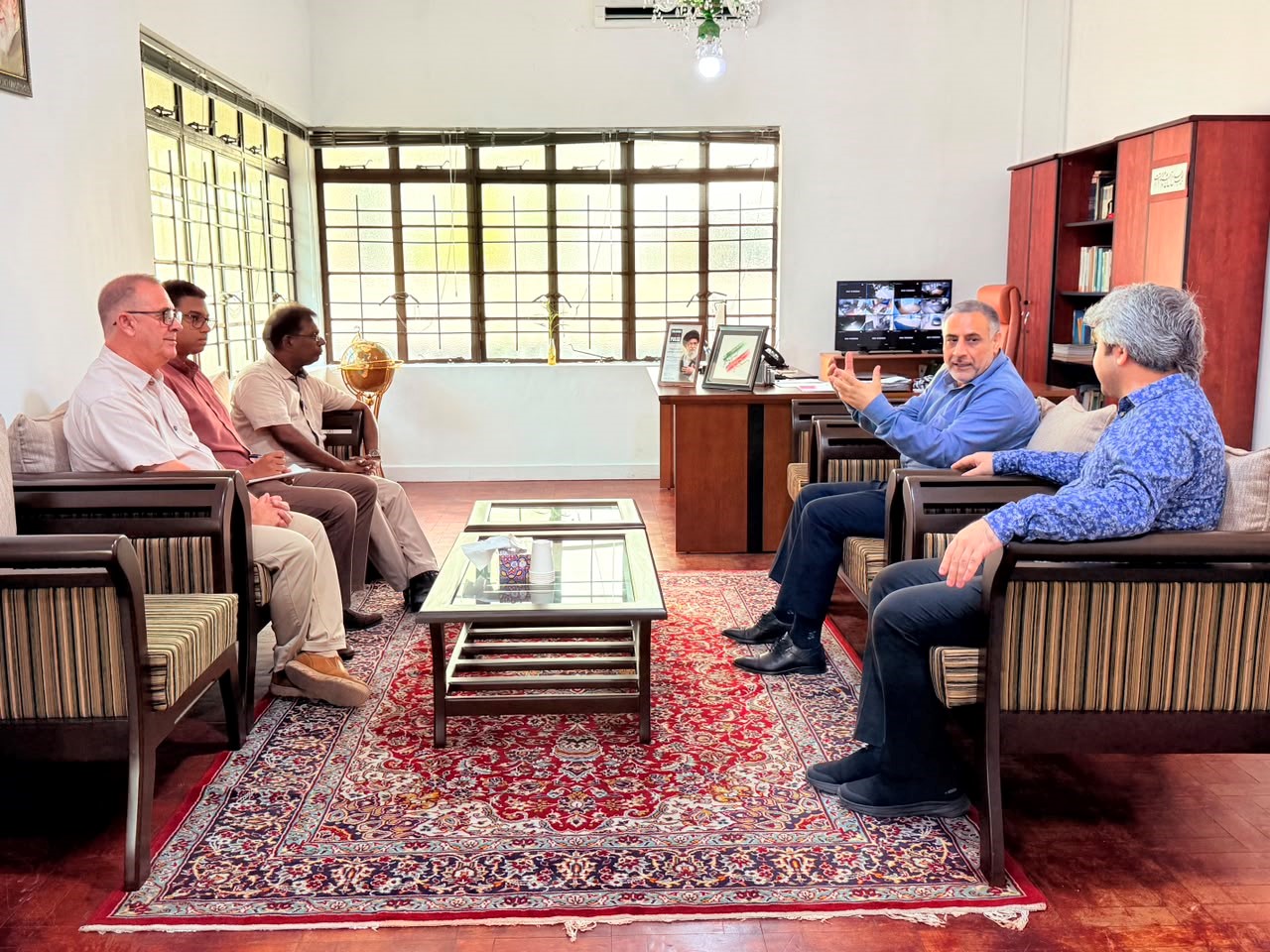
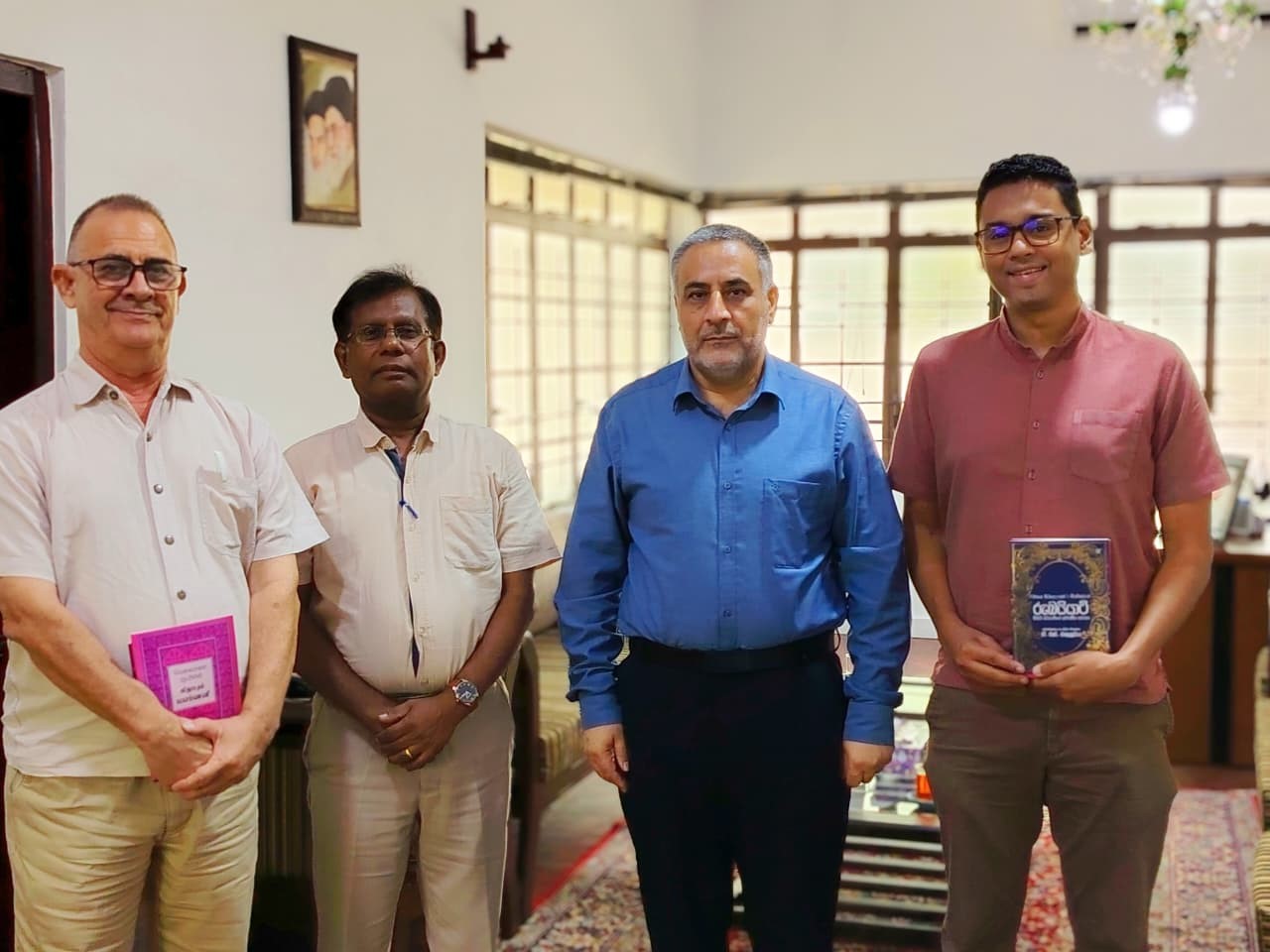
On Wednesday, 29 July 2026 (7 Mordad 1405), a meeting was held at the Cultural Counsellorship of the Embassy of the Islamic Republic of Iran in Colombo between Mr Ali Kebriaei Zadeh, Cultural Counsellor of the Embassy, and the founders and directors of the Asia Progress Forum (APF), including Mr Vinod Moonesinghe, Mr Shiran Illanperuma, and Mr Chandana Wijekon.At the beginning of the meeting, the representatives of the Asia Progress Forum introduced the Forum's organisational structure, objectives, mission, and ongoing programmes. They explained that the APF serves as a platform for dialogue, cooperation, intellectual exchange, cultural interaction, and the engagement of scholars and young leaders from across Asia, with the aim of promoting regional integration and strengthening collaboration among Asian nations.
The discussions then focused on the broad potential for cooperation in the fields of culture, education, science, research, and intellectual exchange. Referring to current geopolitical and economic developments, the APF representatives stated that the twenty-first century is increasingly becoming the "Asian Century." They explained that one of the Forum's principal objectives is to encourage Asian countries, including Sri Lanka, to place greater emphasis on the continent's own intellectual, cultural, and economic capacities while fostering stronger intra-Asian cooperation and reducing excessive dependence on Western-centred strategic and intellectual frameworks.
The Forum's representatives also referred to the longstanding relations between the Islamic Republic of Iran and Sri Lanka, observing that bilateral cooperation should become more diversified and should not remain confined to a limited number of sectors. They noted that although Sri Lanka has traditionally viewed Iran primarily as an energy partner, Iran possesses significant capabilities in science and technology, higher education, culture, innovation, and development, creating extensive opportunities for broader and more comprehensive cooperation.
In his remarks, Mr Ali Kebriaei Zadeh described Asia as the cradle of ancient civilizations and the birthplace of the world's major religions, emphasizing the continent's vast economic potential, demographic strength, territorial scale, and the growing influence of its regional economic, political, and cultural institutions. He stated that the view that the future belongs to Asia is well supported by contemporary global developments, noting that several Asian countries are already playing an increasingly influential role in shaping international affairs.
The Cultural Counsellor further affirmed that the Islamic Republic of Iran and Sri Lanka enjoy considerable potential for cooperation in areas including science and technology, education, culture, and academic exchange. He reiterated the Cultural Counsellorship's readiness to expand collaboration and highlighted a number of initiatives already undertaken in these fields. Referring to the principles of Islamic thought and the importance of scientific and cultural independence, he also noted that favourable conditions now exist for establishing closer interaction between Iranian think tanks and Sri Lankan research and policy institutions, thereby creating new opportunities for intellectual cooperation and knowledge exchange.
The meeting concluded with an agreement that the Asia Progress Forum would prepare and submit a written proposal outlining its areas of interest and priorities for cooperation with Iranian think tanks. Following the receipt of this proposal, both sides will pursue the necessary consultations and follow-up measures to develop practical frameworks for future collaboration.

Write your comment.