

Celebrating Iranian Cinema in Sri Lanka: Stories of Life, Society and Humanity
On the occasion of Iranian Cinema Day, film enthusiasts gathered at the Cultural Counsellorship of the Embassy of the Islamic Republic of Iran in Sri Lanka to explore the distinctive achievements and artistic qualities of contemporary Iranian cinema. The programme featured presentations on Iran's cultural and cinematic heritage, including reflections by the late Iranian filmmaker Abbas Kiarostami. The event highlighted Iranian cinema's ability to transform everyday life and social realities into meaningful artistic narratives
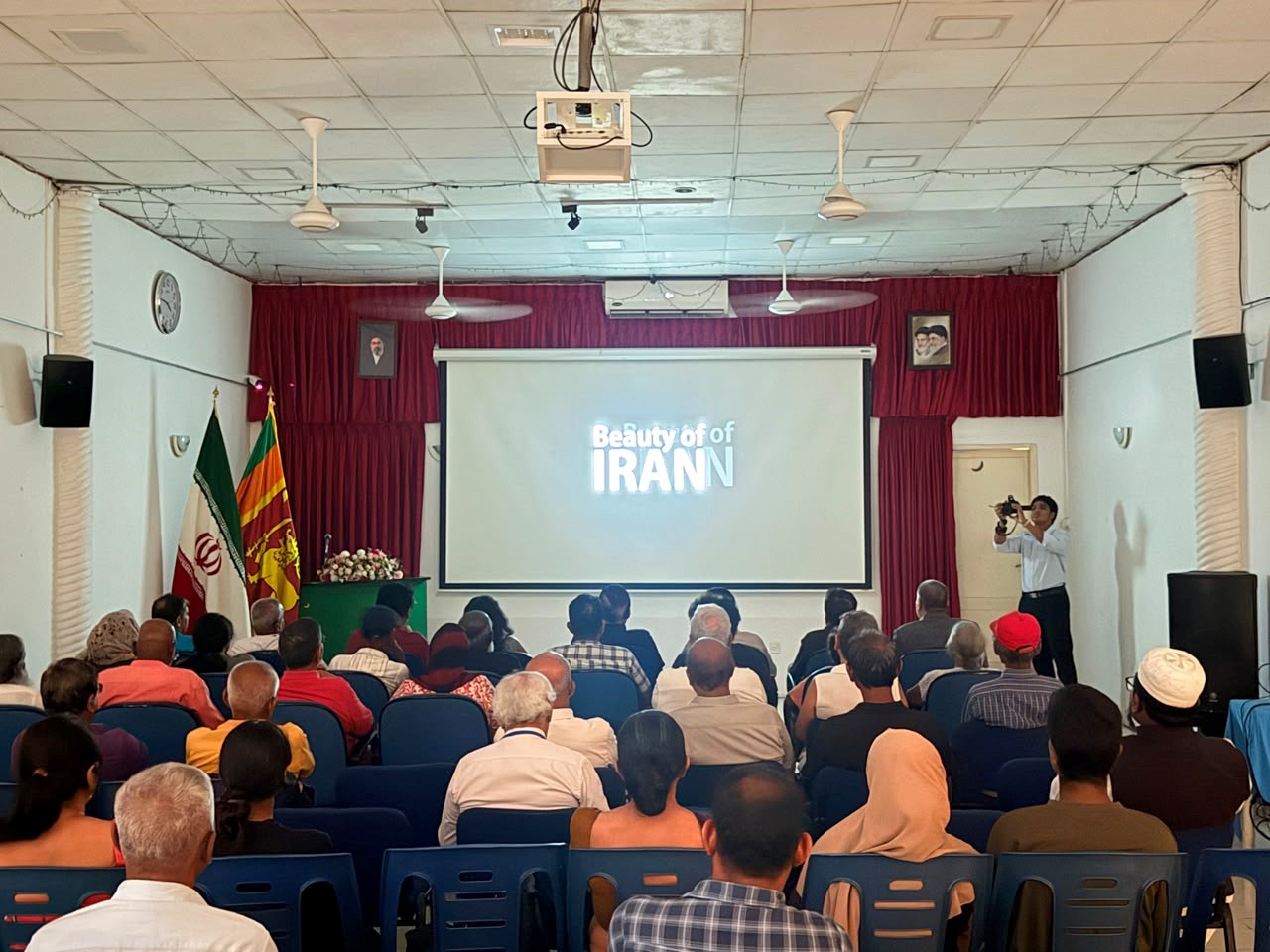
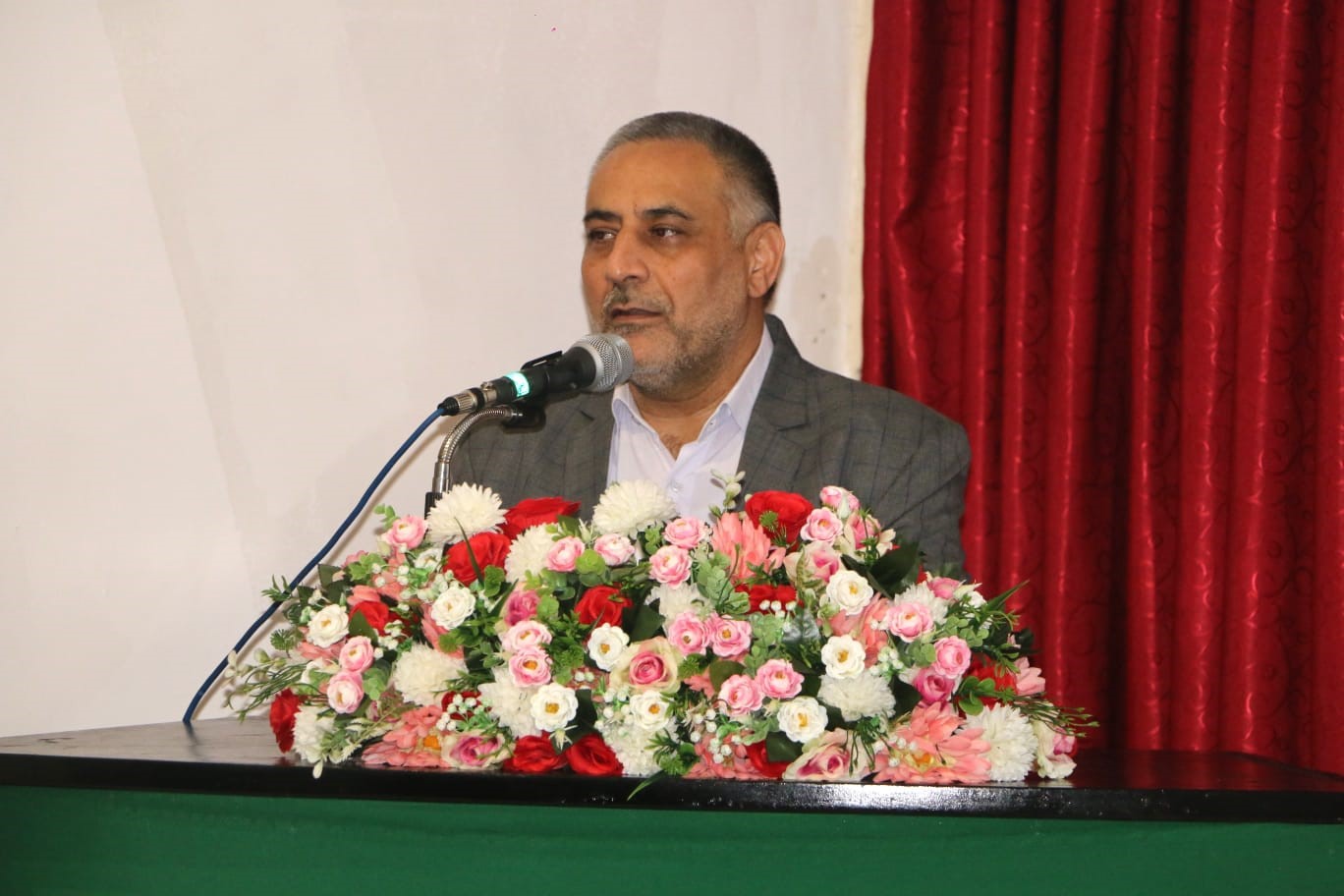
To mark Iranian Cinema Day, observed annually on 12 September, a special programme entitled "Introducing and Celebrating Iranian Cinema" was held on Friday, 11 September 2026 (20 Shahrivar 1405) at the Cultural Counsellorship of the Embassy of the Islamic Republic of Iran in Sri Lanka, with the participation of a group of cinema enthusiasts and admirers of Iranian films.
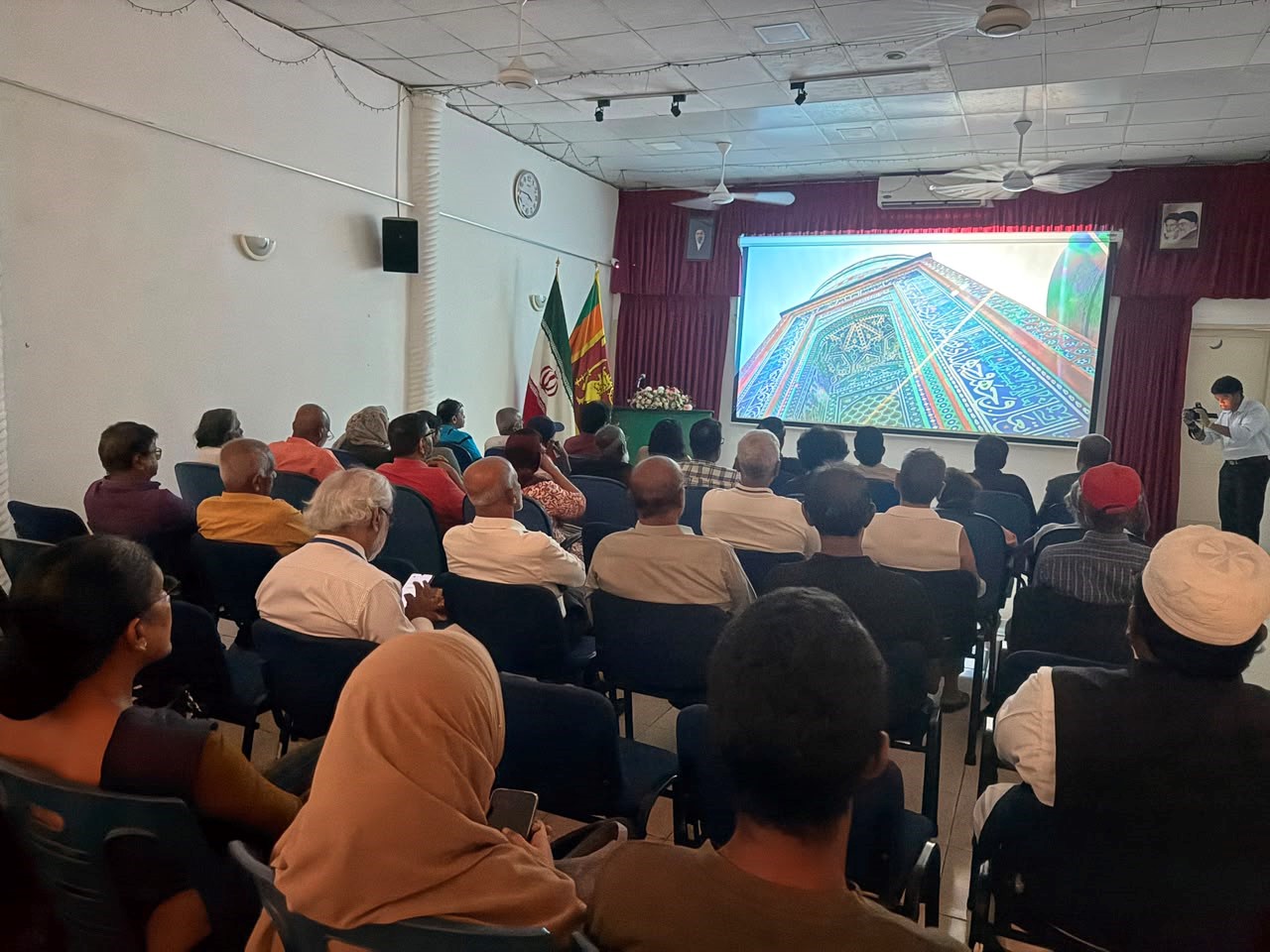
The programme was organised to introduce the capacities and achievements of Iranian cinema and to highlight its distinctive characteristics within the landscape of contemporary Iranian culture and art.
The event opened with the screening of a video introducing the cultural, artistic, and cinematic capacities of the Islamic Republic of Iran. This was followed by a video featuring the late Abbas Kiarostami, the internationally renowned Iranian filmmaker and director, in which he reflected on the nature and purpose of cinema and its relationship with human life and experience.
Addressing the gathering, Mr Ali Kebriaei Zadeh, Cultural Counsellor of the Islamic Republic of Iran in Sri Lanka, reviewed the development and transformation of Iranian cinema over recent decades. He compared Iranian cinema to a young sapling that, over time and by drawing upon the country's rich cultural and artistic resources and its attention to human experiences, has grown into a strong and mature tree. He noted that Iranian cinema has sought to preserve its artistic qualities while presenting narratives rooted in real life and the concerns of society.
Mr Kebriaei Zadeh attributed the international recognition of Iranian cinema to Iranian filmmakers' ability to transform everyday experiences and social realities into artistic narratives, while also drawing upon the rich resources of Iranian literature and culture. He stated that the success of Iranian cinema has been shaped less by expensive spectacle or large-scale production resources than by its distinctive perspective on people, society, and life.
The Cultural Counsellor further observed that producing a distinguished film capable of reaching international audiences does not necessarily require complex stories or extraordinary characters disconnected from everyday life. Rather, he emphasized that a film becomes more than mere entertainment when it has the ability to raise meaningful human and social questions and establish a genuine connection with its audience. From this perspective, he noted, Iranian cinema has successfully created a meaningful link between simplicity of storytelling and depth of meaning.
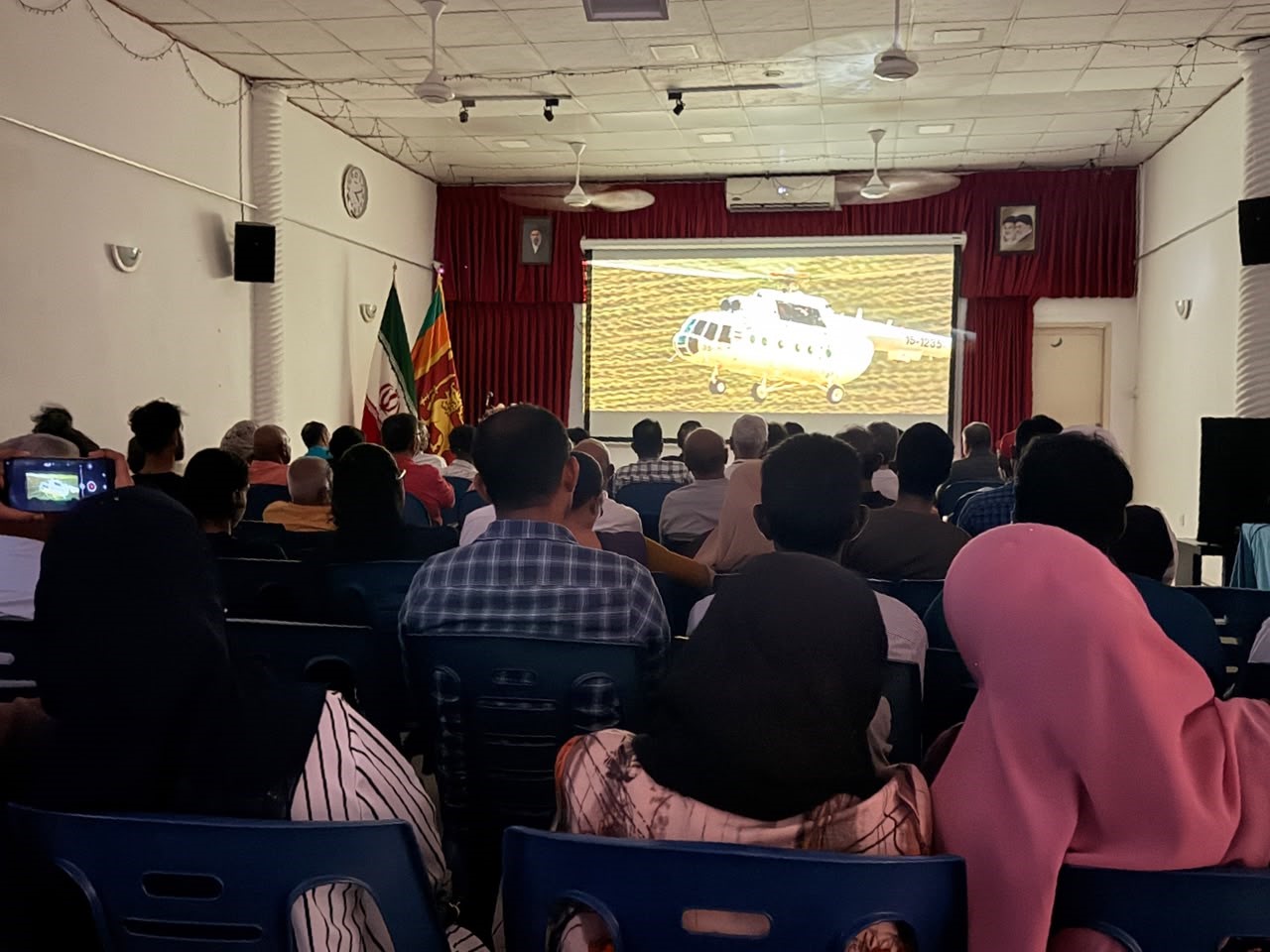
The programme provided Sri Lankan audiences with an opportunity to become more familiar with the achievements and distinctive features of contemporary Iranian cinema while also presenting a broader perspective on the role of film. In this approach, cinema is viewed not merely as a form of entertainment, but as a medium for understanding human beings, engaging with social realities and challenges, and reflecting on the importance of family and cultural values.

Write your comment.