

The Enduring Splendour of Persian Poetry Celebrated in Sri Lanka
A cultural gathering celebrating the enduring legacy of Persian poetry was held in Sri Lanka to mark Persian Poetry and Literature Day and commemorate the renowned Iranian poet Mohammad-Hossein Shahriar. Academics, poets, writers, researchers, cultural figures, and the President of Sri Lanka’s Public Libraries participated in the programme, which explored the global cultural significance of Persian poetry. The event also featured reflections on Persian literature and a live performance demonstrating the close and longstanding relationship between Persian poetry, music, and song
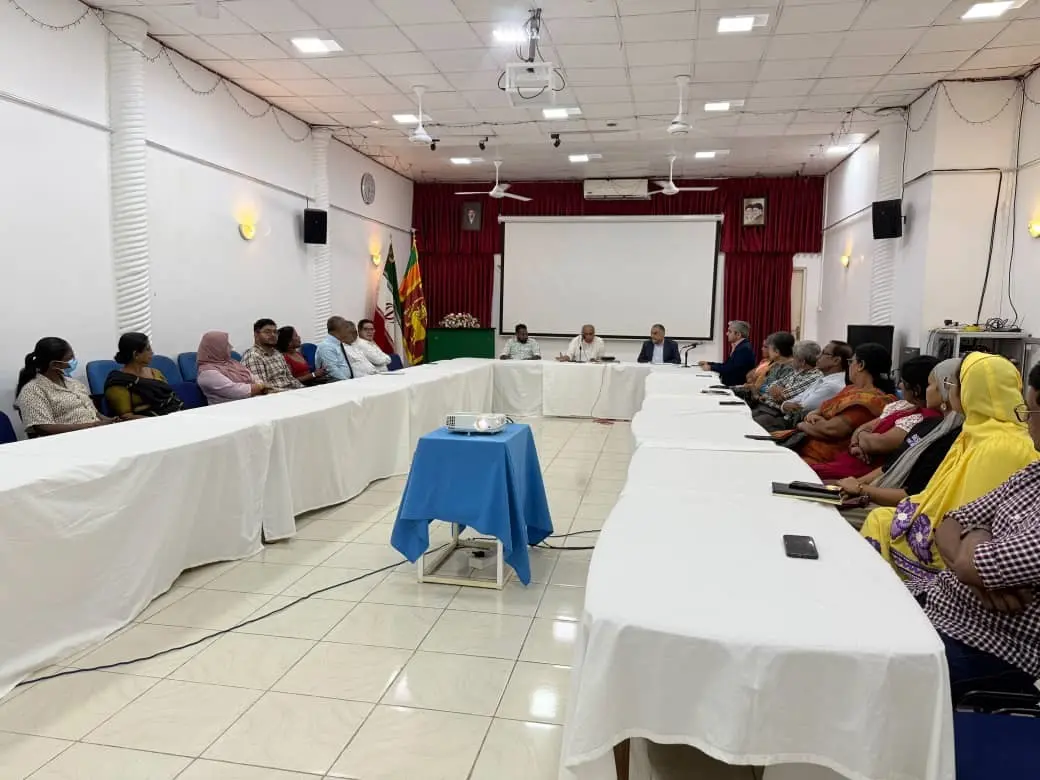
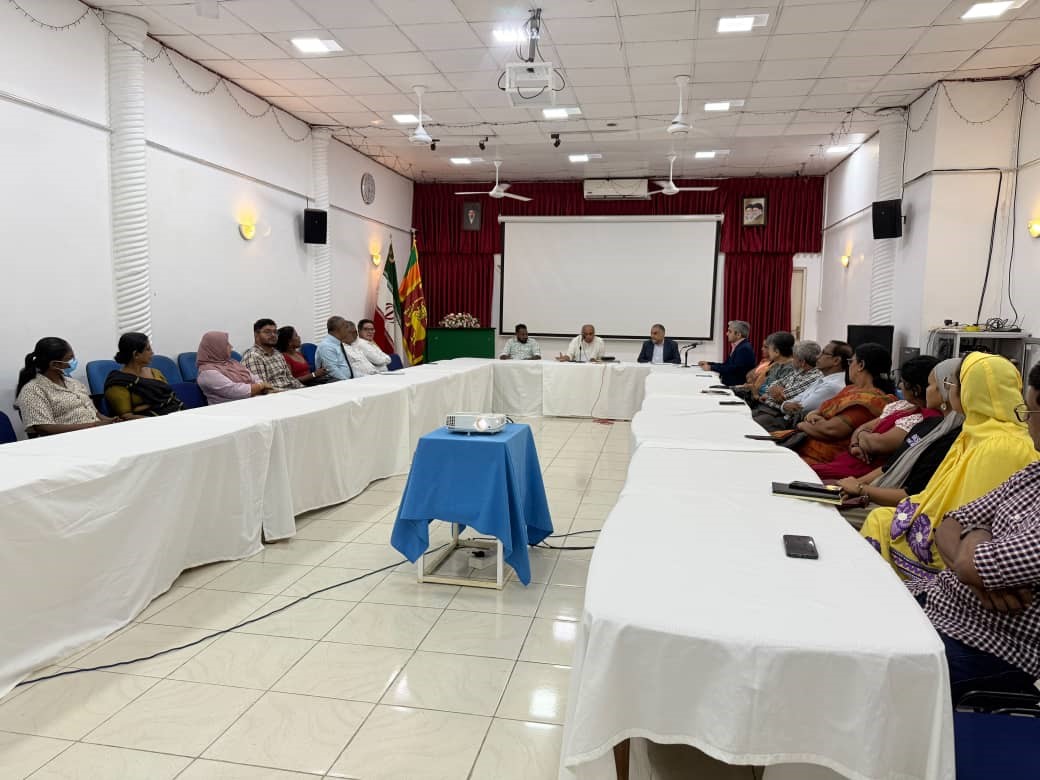
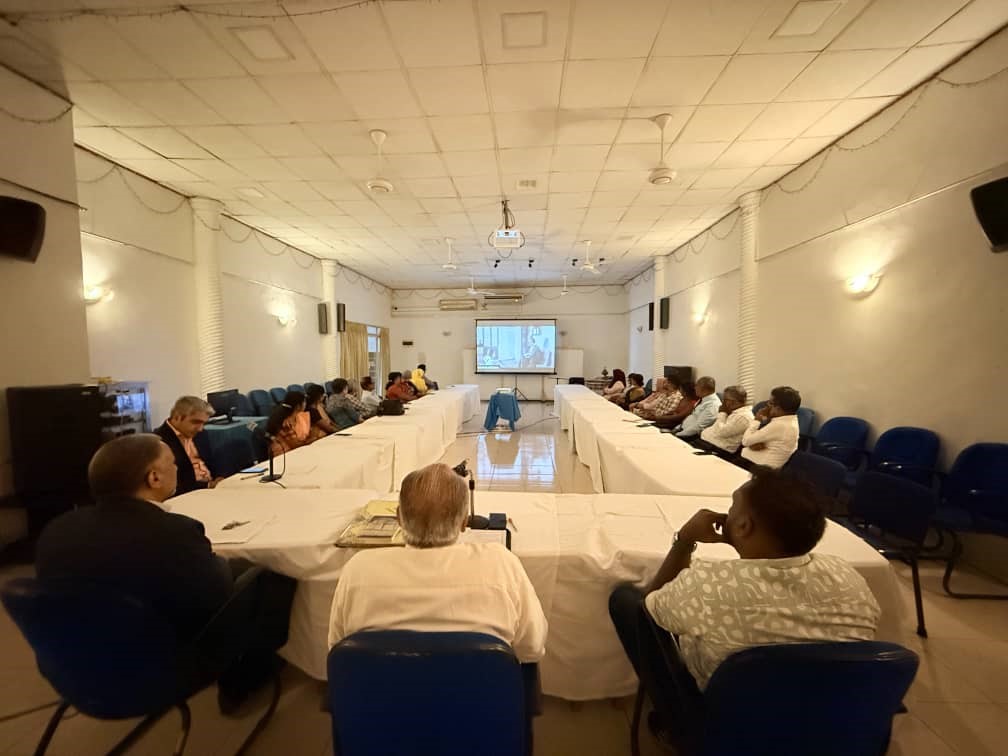
A cultural gathering entitled “The Splendour of Persian Poetry” was held at the Cultural Counsellorship of the Embassy of the Islamic Republic of Iran in Sri Lanka on Friday, 18 September 2026 (27 Shahrivar 1405), marking Persian Poetry and Literature Day in Iran and commemorating the renowned Iranian poet Mohammad-Hossein Shahriar.
The event brought together university professors, poets, writers, researchers, cultural figures, and the President of Sri Lanka’s Public Libraries, providing a forum for discussion on the enduring influence and cultural significance of Persian poetry.
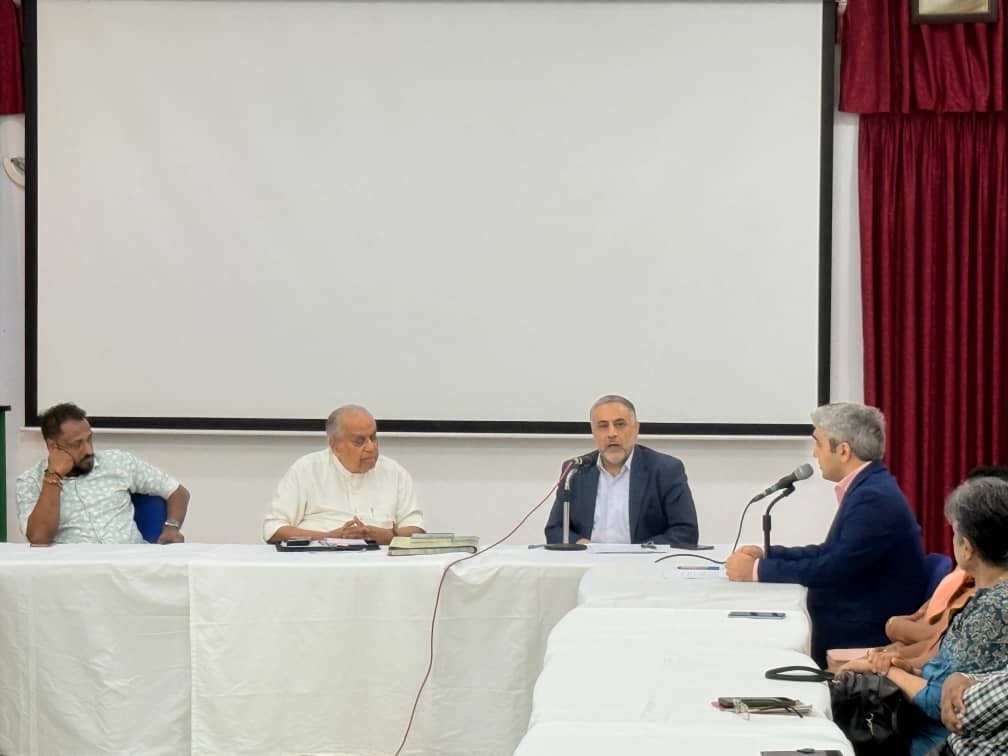
Mr Mahinda de Lanerolle, Secretary of the Sri Lanka Association for Iran Studies, welcomed the participants and emphasized the status of Persian poetry as a cultural heritage extending beyond the geographical boundaries of Iran.
In his remarks, Mr Ali Kebriaei Zadeh, Cultural Counsellor of the Embassy of the Islamic Republic of Iran in Sri Lanka, referred to 27 Shahrivar (18 September) in the Iranian calendar as an opportunity to become more familiar with the Persian language and literature. He noted that the occasion provides a platform for engaging with one of the world’s oldest and most influential poetic traditions.
The Cultural Counsellor referred to the long line of major figures in Persian literature, from Rudaki, widely regarded as the father of Persian poetry, to Ferdowsi, Omar Khayyam, Nizami Ganjavi, Rumi, Sanai, Saadi, Hafez, and Shahriar, as well as hundreds of other poets. He stated that their works have influenced not only the individual and social life of Iranian society, but have also contributed to human thought over many centuries.
Mr Kebriaei Zadeh further highlighted the inseparable relationship between Persian poetry and the history and social developments of Iran. He noted that poetry has been present across diverse dimensions of Iranian life, from royal courts and khanqahs to schools, marketplaces, and popular culture.
He emphasized that a deeper understanding of Persian poetry requires familiarity with both the Persian language and the history of Iran, as literary works are closely connected to the cultural, historical, and social context in which they emerged.
Mr Rashmika Mandawala, a Sri Lankan writer, translator, and researcher, shared his views on the place of Persian poetry in world literature. He began his remarks with a personal memory from his time in Doha, where he became acquainted with an Iranian merchant who regularly read the works of Hafez, Rumi, and Saadi.
Mandawala said that this encounter changed his understanding of Persian poetry and its connection with spirituality and later encouraged him to translate the poetry of Attar of Nishapur into Sinhala.
Reflecting on why people in the twenty-first century continue to connect with the works of Persian-speaking poets centuries after they were written, Mandawala attributed their enduring appeal to the poets’ ability to touch the deepest layers of the human mind and spirit. He described Persian poetry as a human and spiritual gift that continues to resonate with people in the contemporary world.
The relationship between Iranian music and Persian poetry was another focus of the programme. Mr Alireza Shahini, a researcher of Iranian music, spoke about the longstanding connection between Persian poetry, music, and vocal performance.
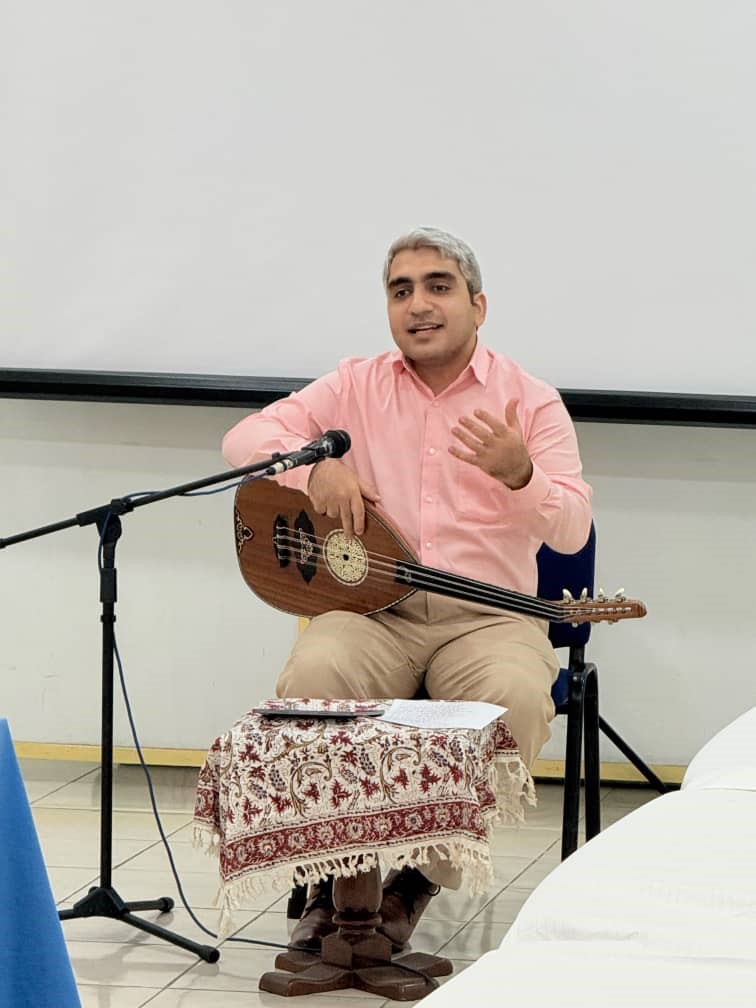
He noted that Persian poetry has acquired different dimension s of meaning and expression through its close association with music and singing across different periods and artistic traditions. He then demonstrated this relationship through a live performance.
Playing the oud, Shahini performed Shahriar’s celebrated ghazal, “You Came, My Beloved, But Why Now?”, combining recitation of selected passages with sung sections of the poem.
The performance offered a vivid illustration of the interwoven nature of poetry, music, and vocal art in the Iranian artistic tradition, demonstrating that Persian poetry is not confined to the written word but continues to live and evolve through its relationship with music and performance as an integral part of Iran’s literary, cultural, and artistic heritage.

Write your comment.