

Honouring 45 International Figures at the First Global Award for “Cultural Diplomacy”
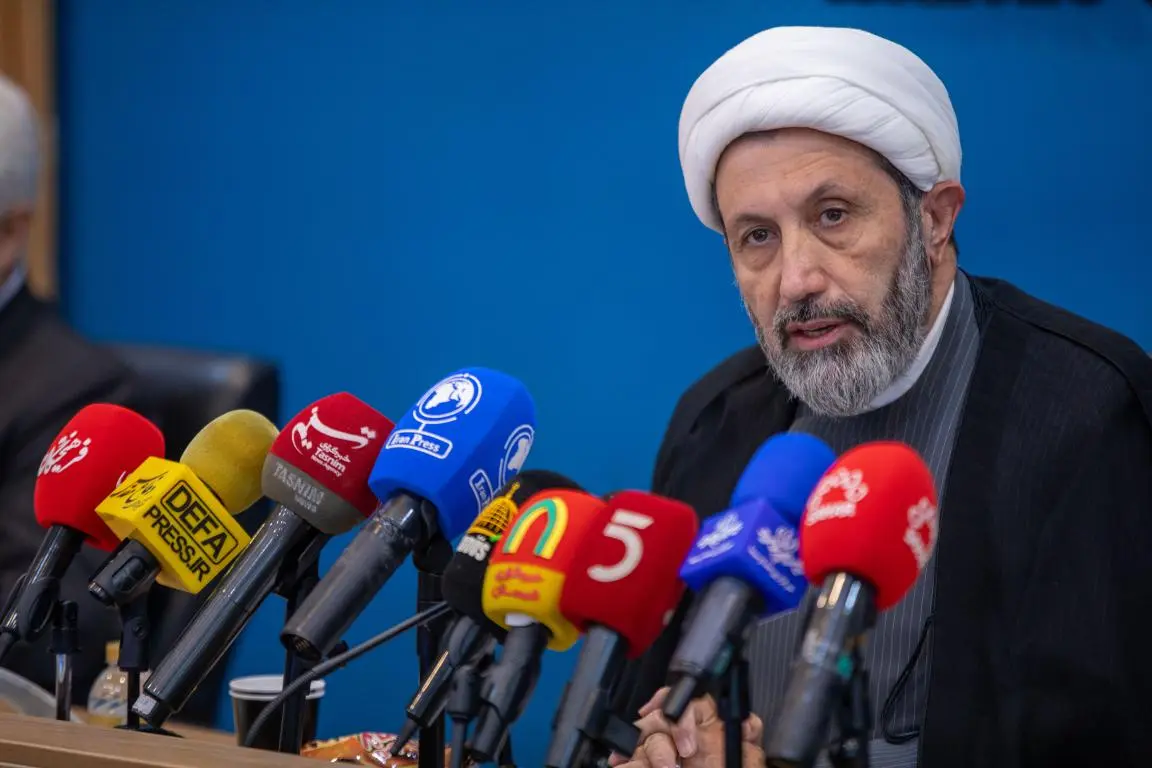
The Head of the Islamic Culture and Communication Organization (ICCO) emphasized that “storytelling” has today become the most important arena for confronting the Iranophobia project. He stated that, during the first Global Award for Cultural and Public Diplomacy, which will be held to introduce influential narrators of Iran on the international stage, 45 Iranian and foreign figures will be honoured.
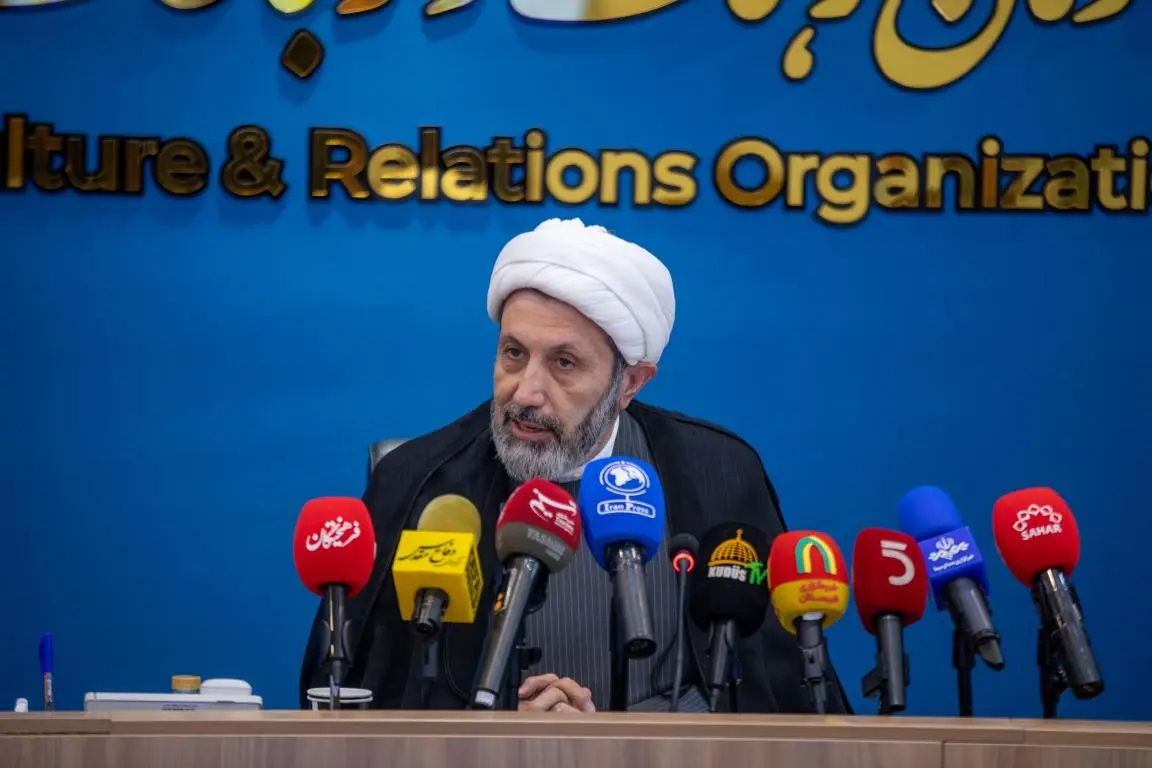
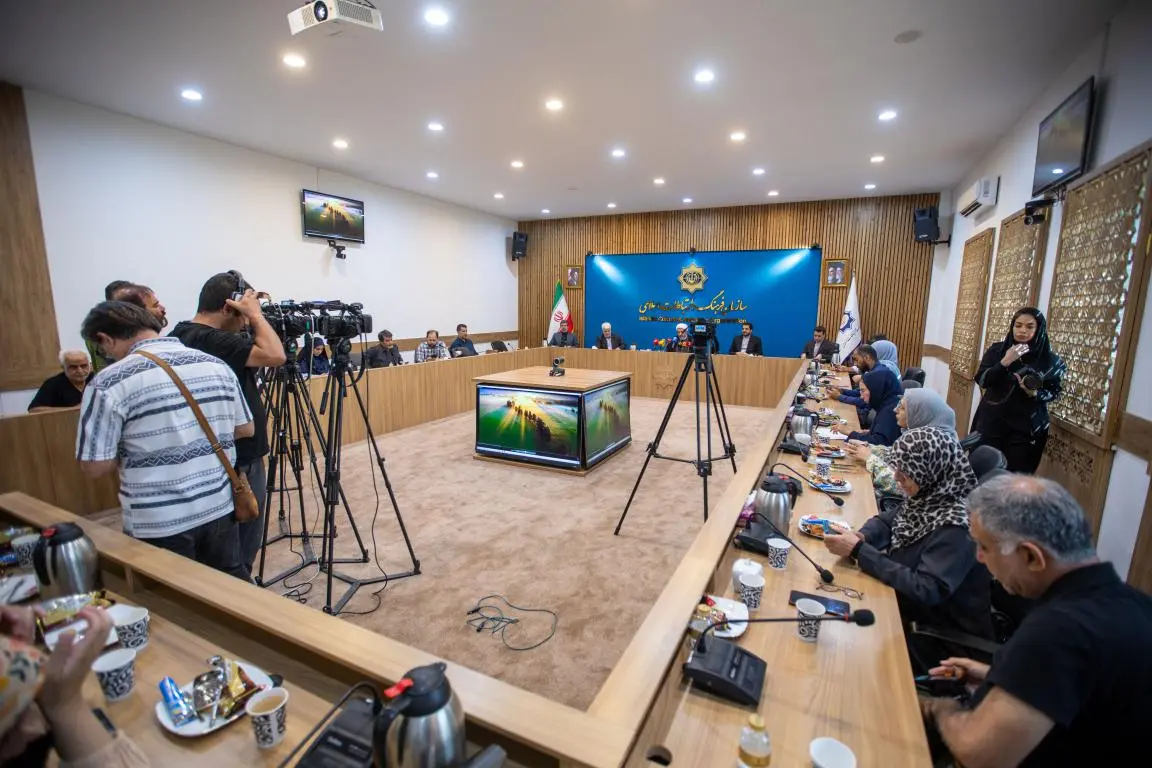
According to the Public Relations Department of the Islamic Culture and Communication Organization, a press conference on the “First Global Award for Cultural and Public Diplomacy” was held at the Shahid Rahimi Hall of the Islamic Culture and Communication Organization, with the participation of Hojjatoleslam Mohammad-Mehdi Imanipour, Head of the Islamic Culture and Communication Organization; Hossein Divosalar, Deputy for Scientific and Cultural Cooperation; and Mohammad Ali Rabbani, Director General of Scientific and University Cooperation.
“Narrative”: A Necessity Beyond the War of Narratives
At the meeting, Hojjatoleslam Imanipour congratulated participants on the birth anniversary of the Prophet Muhammad (PBUH) and Unity Week. He stated:
Today, the Islamic world needs unity and rapprochement more than ever. The occasion of commemorating the birth of the Prophet Muhammad (PBUH) provides an appropriate opportunity to strengthen Islamic unity and introduce the personality of the Prophet of Islam (PBUH) to the world.
He added that, in recent years, opponents have targeted the personality of the Prophet Muhammad (PBUH) and the Holy Qur’an, and that in Western and European countries there have been movements aimed at weakening and undermining these two fundamental pillars of Islam.
Therefore, he said, there is a responsibility to introduce the Prophet Muhammad (PBUH) to the world in the manner he deserves and to defend the truth of Islam and the Prophet of Mercy.
The Head of the Islamic Culture and Communication Organization also congratulated the country on Government Week, stating that just as unity in the Islamic world is important, national cohesion and unity within the country are among the main pillars of victory in the imposed war and of overcoming the country’s difficult circumstances.
He added that, given the particular circumstances in the country’s history, it was necessary to express appreciation to the President and members of the government for their continuous efforts in serving the people and the country.
Honouring 45 Iranian and Foreign Figures
Regarding the first edition of the Global Award for Cultural and Public Diplomacy, Imanipour said that the award will be held annually. Each year, individuals who have had the greatest impact during the preceding year in presenting an accurate image of Iran will be honoured.
He added that this year’s edition will also include a special section dedicated to activities related to the imposed wars, particularly the most recent war. In total, approximately 45 individuals will be introduced as award recipients and honoured.
Of these, 15 will be foreign figures and approximately 30 will be Iranian figures. In addition, around 200 influential activists and personalities abroad will be recognized by the cultural missions of the Islamic Republic of Iran.
He explained that the award recipients have been selected from a wide range of fields, including:
-
Culture and art
-
Cultural heritage and tourism
-
Religion and religious outreach
-
Media
-
Social media and cyberspace
-
Science
-
Sports
He noted that the scope of portraying Iran is very broad, which is why the award covers such a diverse range of fields.
Why 10 Shahrivar?
Regarding the date of the award ceremony, Imanipour explained that the first edition was initially scheduled for 10 Tir. In Iran’s official calendar, 10 Tir is recognized as the Day of Cultural Diplomacy and Engagement with the World, and the date is also associated with the establishment of the Islamic Culture and Communication Organization.
However, due to the circumstances in the country and the funeral ceremonies for those killed in the recent war, it was decided to move the ceremony to 10 Shahrivar, during Government Week.
He expressed hope that, in future years, the award would be held on 10 Tir, coinciding with the Day of Cultural Diplomacy and Engagement with the World.
13 Judging Panels for Selecting the Award Recipients
The Head of the Islamic Culture and Communication Organization highlighted the cooperation of various government institutions in organizing the event.
He expressed his appreciation to the Ministry of Foreign Affairs, Ministry of Culture and Islamic Guidance, Ministry of Science, Research and Technology, Ministry of Cultural Heritage, Tourism and Handicrafts, Ministry of Sports and Youth, Vice Presidency for Women and Family Affairs, as well as non-governmental organizations.
He explained that a Policy-Making Council had been established for the award, while judging panels were formed for various fields.
In total, 13 specialized areas were assessed, and the judging committees recommended qualified individuals to the award secretariat for final selection.
The Main Objective of the Award: Countering Distortion and Iranophobia
Imanipour described the main objective of the award as helping to improve Iran’s image in the world.
We have defined the objective of this award as confronting the project of distortion and Iranophobia.
He stated that opponents of the Islamic Republic of Iran are highly active in the fields of public and cultural diplomacy and have made substantial investments in these areas.
He emphasized that the Islamic Republic of Iran must, in accordance with new circumstances and by utilizing its media, cultural and public-diplomacy capacities, establish a more active and effective presence in the field of international image-building.
Referring to the importance of documenting the narrative of the war and its aftermath, he said that one of the organization’s serious concerns is ensuring that, in the post-war period, the narrative and realities of the war are not forgotten.
If we do not properly narrate our own history, others will narrate it for us.
He added that the events and realities of the war must be properly documented, written and studied today so that they can be preserved for future generations.
Storytelling: A Collective Responsibility
Imanipour emphasized the need for public participation in storytelling, stating that storytelling is a collective responsibility and that it will not have the necessary impact unless it becomes a matter of public concern and demand.
He continued:
Today, we are under a media siege and a form of media terrorism.
He said that during the recent war, young and patriotic Iranians demonstrated through their initiatives that they could showcase the Islamic Republic of Iran’s advantage in the field of narrative and storytelling.
He stressed that this capacity should continue with the same strength and seriousness in the post-war period.
The Head of the Islamic Culture and Communication Organization noted that people should not assume that storytelling and media activities end when a war ends. On the contrary, the need for accurate storytelling does not diminish after a war; rather, there is an even greater need to remain active in this field.
An Award for Identifying and Networking Iran’s Storytellers
At the conclusion, Imanipour emphasized that the award itself is not the ultimate objective of the initiative.
He explained that some people ask why the award is being organized, and responded that the award is a tool through which the Islamic Culture and Communication Organization can fulfil its responsibilities.
The first purpose of the award, he said, is to identify individuals who have worked consistently and effectively in the fields of cultural diplomacy and portraying Iran, so that their capacities can subsequently be supported.
He stressed that after identification, the next stages should involve network-building, teamwork, synergy and support for these individuals.
The award, therefore, is not an end in itself but rather an opportunity to continuously identify influential narrators of Iran, support them, and establish an active network in the field of cultural and public diplomacy.
Imanipour expressed hope that, through the organization of this award, Iran would be able to respond to what he described as the opponents’ coalition in the field of narratives through an effective and coordinated initiative, demonstrating that the Islamic Republic of Iran can also have the upper hand in the “battle of narratives.”

اوگاندا کامپلا
Pictures
Write your comment.