

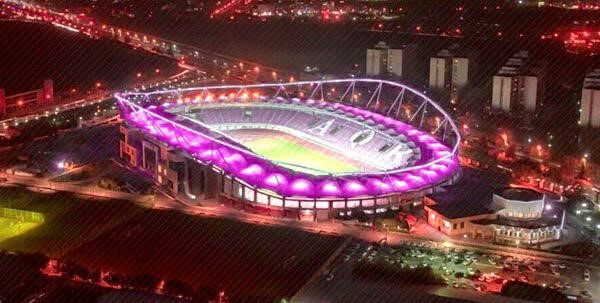
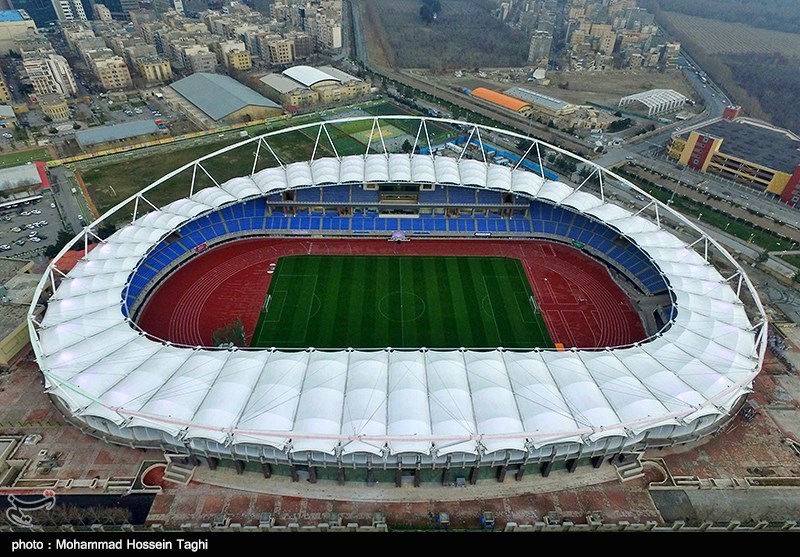
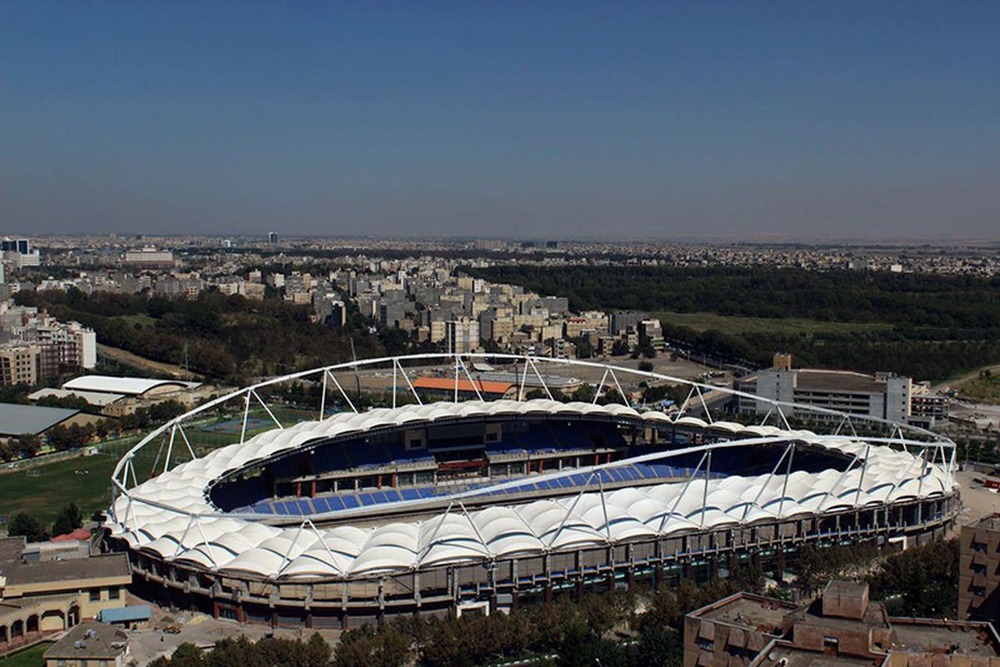
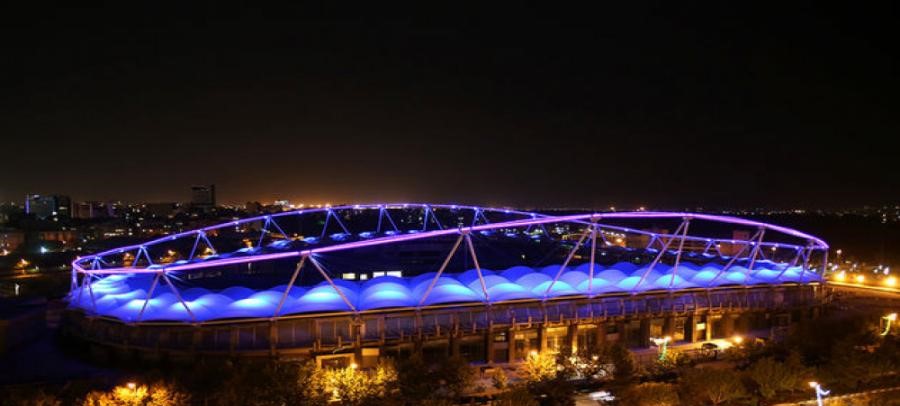
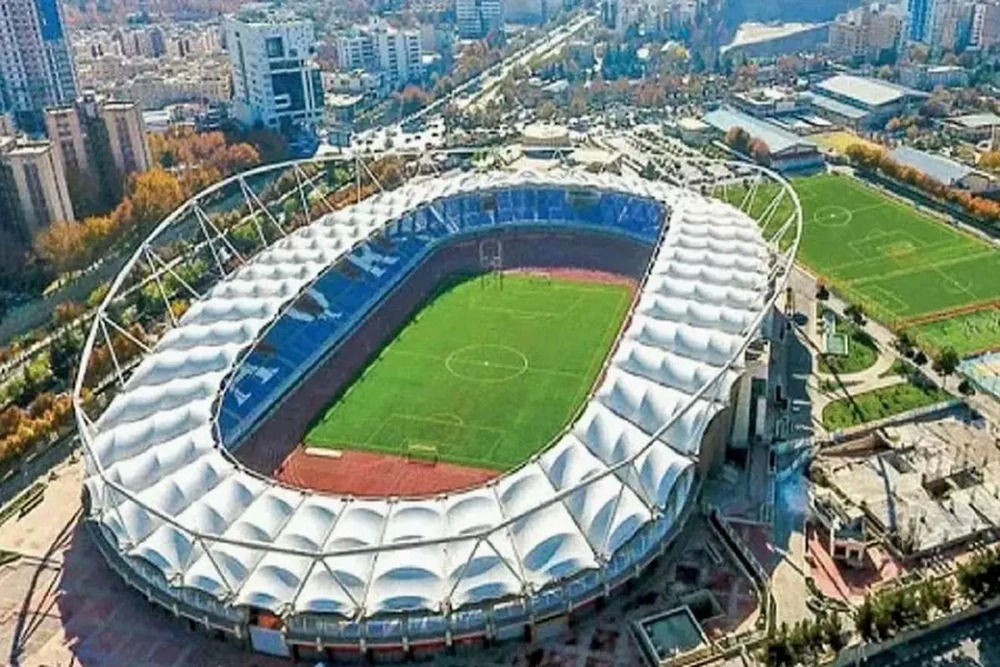
On the outskirts of Mashhad, with the towering Binalud Mountains rising in the distance and the sacred shrine of Imam Reza (peace be upon him) nearby, stands a remarkable sports venue that has become a prominent landmark in eastern Iran. Imam Reza Stadium represents a blend of modern sports architecture and Iranian-Islamic cultural identity. Located in one of Iran’s major cities and an important center of the Islamic world, the stadium was developed to meet the city’s growing need for modern sports facilities.
The story of the stadium began with Mashhad’s longstanding need for a large, modern venue capable of hosting national and international sporting events. As Iran’s second-largest city and one of the major pilgrimage and tourism destinations in the Islamic world, Mashhad welcomes pilgrims and visitors from across Iran and around the world each year. This has contributed to the demand for modern sports infrastructure. The older Takhti Stadium in Mashhad, with its more limited capacity and aging facilities, could no longer meet all the city’s growing needs. Plans for a new stadium therefore emerged as part of broader efforts to develop the city’s sporting facilities. Following preliminary studies, design, and planning, construction began in the early 2010s. The stadium was officially opened in March 2017, becoming a significant addition to Iran’s contemporary sports infrastructure.
One of the stadium’s most distinctive features is its architectural design, which can be appreciated in the context of Mashhad’s rich cultural and religious heritage. The city’s architectural identity is closely associated with the turquoise and golden domes of the holy shrine of Imam Reza (peace be upon him), as well as the historical architecture of Greater Khorasan. Turquoise, a color widely associated with Iranian-Islamic art and architecture, evokes spirituality and tranquility and is a familiar element of the region’s visual heritage. The relationship between traditional architectural references and contemporary design offers an interesting perspective on the development of modern public buildings in Iran.
Traditional Iranian architecture has long employed design strategies to respond to local climatic conditions, including the use of shading, natural ventilation, and carefully designed openings. Elements such as latticework and projecting balconies, known in some regional traditions as shanashir, illustrate how architecture can combine visual appeal with practical environmental functions. These historical approaches provide a broader context for exploring the relationship between architectural design, climate, and cultural identity in contemporary Iranian buildings.
The concept of double-shell domes is another notable feature of Iran’s architectural heritage. Found in historic buildings across the country, these structures consist of inner and outer layers separated by an intervening space. Depending on their design, double-shell domes can help manage structural weight and improve thermal performance. More broadly, the study of such traditional construction techniques demonstrates the ingenuity of Iranian architects in responding to structural and environmental challenges. The relationship between these historical principles and modern construction technologies offers an important subject for architectural study.
The iwan, a vaulted hall or space open on one side, is another defining element of traditional Iranian architecture. Prominent in historic mosques, religious complexes, and other monumental buildings, iwans contribute to the visual character and spatial organization of Iranian architecture. Alongside decorative traditions such as turquoise and lapis-lazuli-blue tilework and calligraphy, they form part of a rich architectural vocabulary that continues to inform discussions of Iranian cultural identity and design.
The landscape surrounding a sports venue also plays an important role in the visitor experience. Persian gardens, with their carefully organized greenery, water features, and emphasis on balance and symmetry, represent one of Iran’s most influential landscape-design traditions. Their enduring principles offer inspiration for creating public spaces that encourage relaxation, movement, and social interaction before and after sporting events.
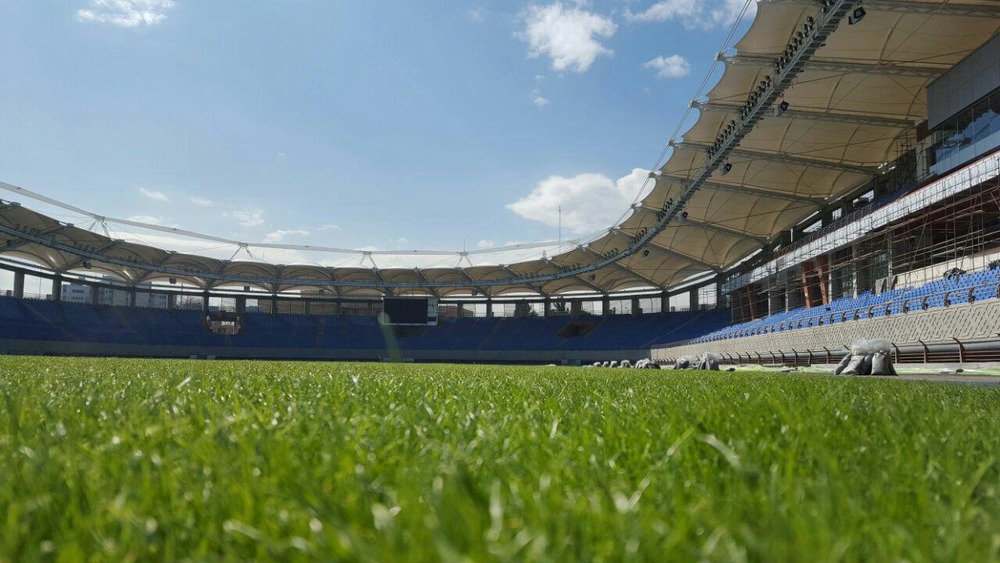
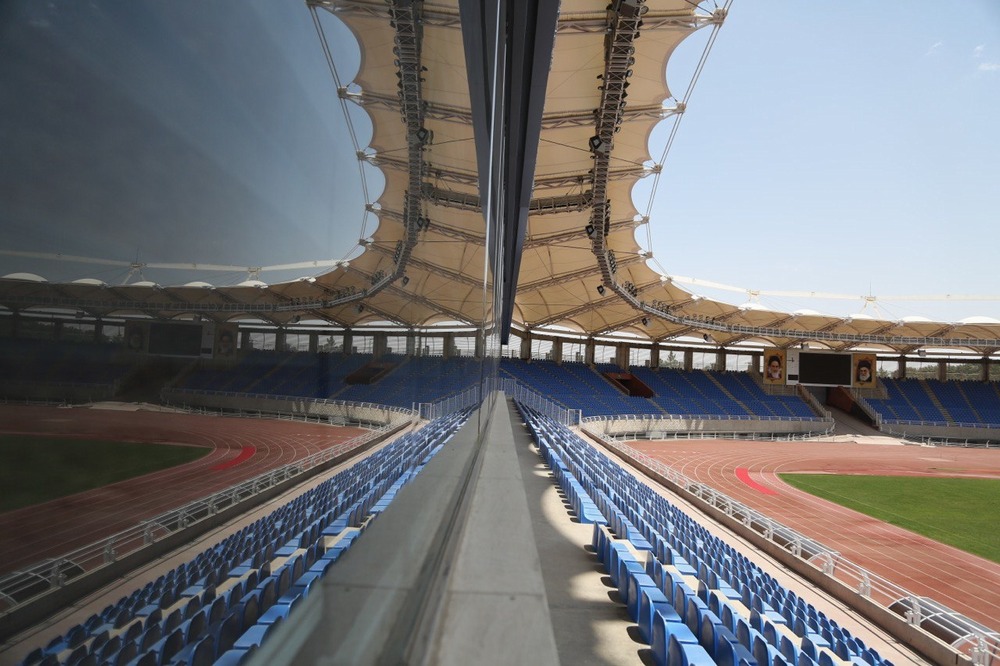
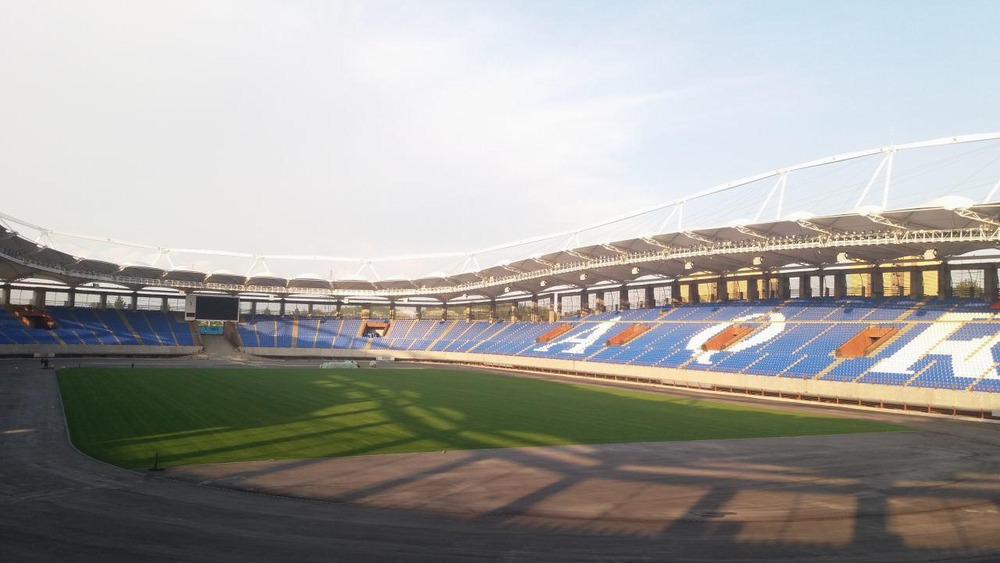
Inside Imam Reza Stadium, spectator facilities are designed to accommodate sporting events and provide views of the playing field. The venue includes seating areas and facilities for visitors and event personnel. Its playing surface, drainage infrastructure, and lighting are important elements in supporting the requirements of modern sports competitions. Together, these features contribute to the stadium’s role in Mashhad’s sporting life and its capacity to host major events.
Imam Reza Stadium represents an opportunity to explore the relationship between tradition and modernity in contemporary Iranian architecture. Its significance extends beyond its function as a sports venue to broader questions about urban development, cultural identity, and the design of public buildings. By considering modern sports architecture alongside Iran’s rich architectural heritage, the stadium offers a compelling perspective on how contemporary infrastructure can form part of a city’s evolving cultural landscape.