

_1.jpg)
_1.jpg)
When someone sets foot in Iran for the first time, before words or books can say anything, the buildings themselves begin the conversation. The wooden doors of traditional houses, sometimes fitted with different knockers for men and women; courtyards filled with pomegranate trees; and domes that, from a distance, seem like blue skies resting upon the earth—all speak to the traveler from that very first moment: to understand this land, you must experience it through its architecture.
Iran is a vast land: the snow-covered mountains of the north and west, the arid deserts of the central plateau, the humid southern coasts, and the vast plains and semi-arid landscapes of the east have each shaped a distinct way of life. And architecture, perhaps more than any other expression, reveals both this diversity and this underlying unity.
All it takes is a journey from Persepolis in Fars to the terraced houses of Hawraman in Kurdistan, or from the windcatchers of Yazd to the woven-mat shelters of the Makran coast. You soon realize that Iranian architecture is not merely the art of building; it is a mirror of history, climate, beliefs, and the spirit of its people.
Iranian architecture cannot be reduced to the grandeur of royal or religious monuments, just as it cannot be confined to the simplicity of rural homes. It is like a thousand-colored Persian carpet: woven into it are both the golden patterns of Achaemenid palaces, with their towering columns, and the humble forms of mud-brick houses with their thatched roofs. Yet despite all their differences, these forms of architecture are woven together by a shared logic: a deep attention to human life, harmony with nature, and the pursuit of beauty within necessity.
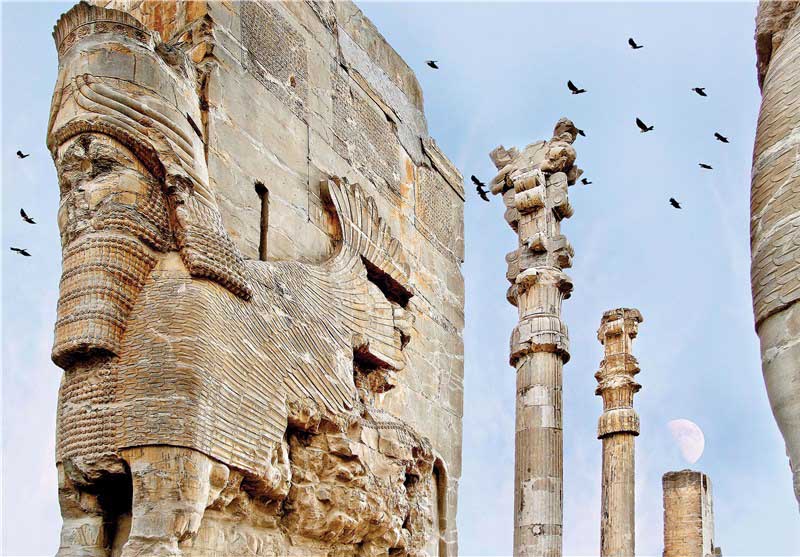
If we look at the grandeur of Persepolis, we see the story of an empire that sought to express the unity of its peoples through architecture. Its stone reliefs depict rows of people from different corners of the world, arriving to meet the king with their gifts. And if we travel a thousand years forward and stand in the Jameh Mosque of Isfahan, we encounter a different expression of that same communal spirit: a place where people gather beneath towering iwans, where light, tile, and brick come together to create both shelter and meaning.
But Iran is not only this. If you walk through the alleys of Yazd, you will see windcatchers rising like silent towers, drawing breezes into homes and cooling their interiors through natural ventilation. In some of the rainy regions of northern Iran, houses are raised on wooden posts so that the wet ground does not make daily life difficult. Wooden stairways and covered verandas provide practical shelter from rain and humidity. In the mountains, houses are built in stepped forms, following the natural slope of the land while offering beautiful views of valleys and fields. And in the hot south, simple but efficient woven-mat shelters make life possible, showing how Iranian architecture can create remarkable comfort with remarkably few resources. Across all these examples, the Iranian architect was not seeking to show off, but to respond to the needs of life—a response that was both practical and beautiful.
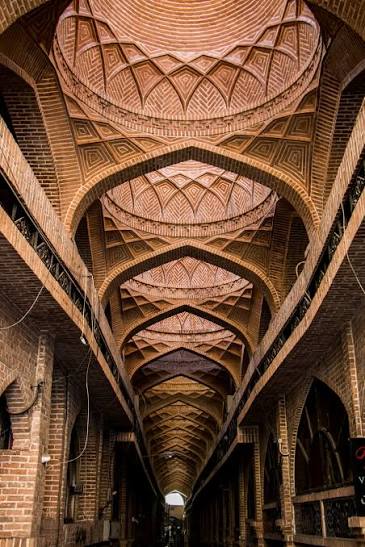
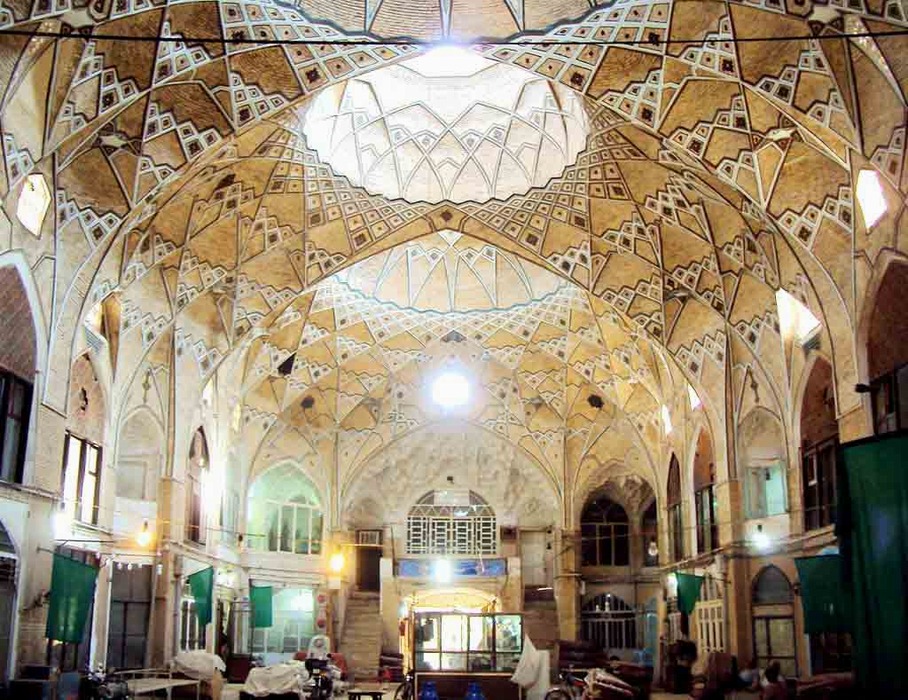
Iran’s bazaars tell another story: vaulted roofs that soften the summer heat, brightly lit timchehs—the domed commercial halls of traditional bazaars—that make the merchandise come alive, and passageways that were not merely places for shopping, but spaces for meeting, conversation, and communal life.
The bridges tell a similar story. If you look at Si-o-se-pol in Isfahan, you realize that it was not simply a bridge for crossing the river; it also served as a place for walking, gathering, and socializing.
The great caravanserais along the Silk Road, with their central courtyards and orderly chambers, were not merely places where travelers and caravans could rest. They were also symbols of Iranian hospitality. Through their geometric order and carefully designed interiors, each caravanserai offered travelers a sense of security and tranquility—reflecting a deeply human concern at the heart of their design.
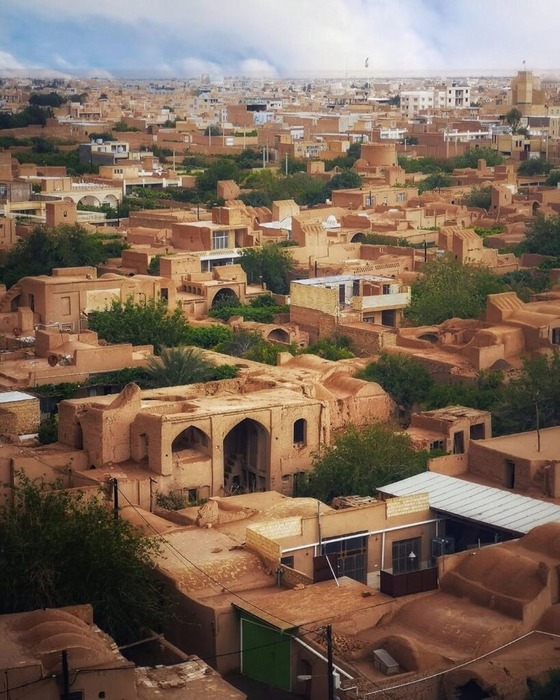
Iranian architecture has long sought to bring function and beauty together. Even the simplest mud-brick house might be adorned with plasterwork or geometric patterns. The turquoise blue of the tiles brought the Iranian sky down to earth; the mirrorwork in grand halls placed thousands of stars within the home.
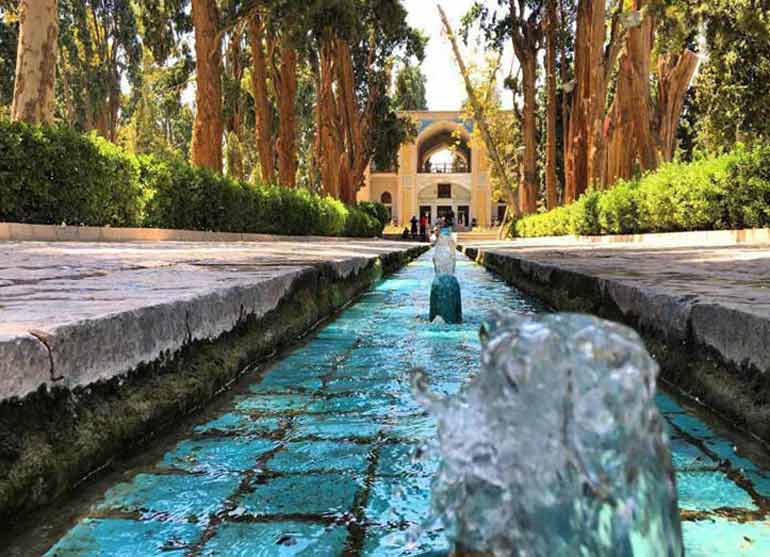
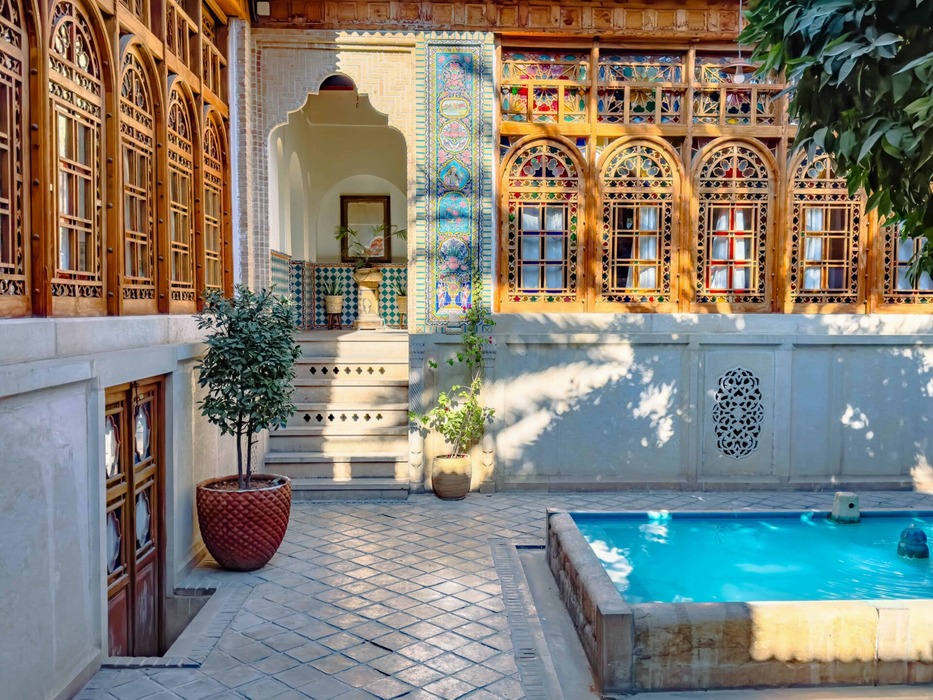
This appreciation of beauty was not merely superficial decoration. It was part of an Iranian worldview: that life should be infused with meaning and beauty, and that every space should offer a meaningful, human, and beautiful experience. Central courtyards, with their fruit trees and pools of water, are a perfect example of this approach, expressing a sense of balance between human beings and nature.
If we want to understand Iran, it is enough to look at its architecture. Architecture takes us into a land where grandeur and simplicity, power and everyday life, earth and sky exist side by side.
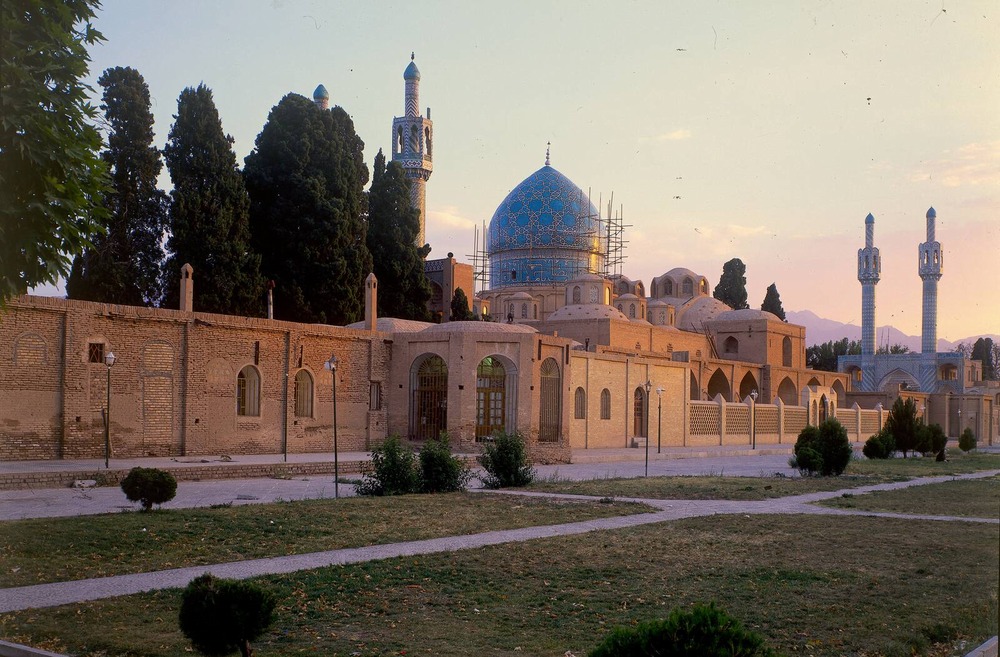
Just as Taq Kasra, the great Sasanian arch at Ctesiphon, symbolizes imperial power, the simple reed shelters of the south symbolize resilience and creativity. And just as the turquoise dome of the Goharshad Mosque evokes a sense of spirituality, the tree-filled courtyards of Qajar-era houses express the warmth and intimacy of family life.
This remarkable diversity shows that Iranian architecture is not simply a collection of buildings to admire, but a living narrative of a culture. A culture that, across different historical periods, responded to the needs of its time while never losing sight of beauty.
For this reason, anyone who visits Iran’s architectural landmarks can be more than a spectator. They can become a listener to a story—a story of thousands of years of life on this land.
Today, despite all the changes and challenges of the modern world, this heritage remains alive. Contemporary architects are once again turning to these traditions in search of a path toward the future. They draw inspiration from windcatchers for natural ventilation, from central courtyards to recreate a sense of communal life, and from vernacular architecture to create homes that live in harmony with nature.
In this return to tradition, Iranian architecture is not a nostalgia for the past, but a horizon for the future. Every new design becomes a bridge between tradition and today’s needs, between beauty and function, and between history and human experience.
Iranian architecture is not merely a proud legacy of the past; it is a story that continues to unfold. Anyone who wishes to understand Iran need only listen closely to what its architecture has to say.
There, they will hear the story of a people who, throughout history, used brick, tile, wood, and reeds to create ways of living—a people who, between hardship and beauty, between earth and sky, turned architecture into a bridge for life.
Every house, every mosque, every bazaar, and every caravanserai is a fragment of this vast story—an invitation to experience Iran, understand its culture, and gain a deeper sense of how its people have lived.