

In the heart of Tehran, on the northern side of the expansive and verdant Mellat Park, stands a building that is more than just a cinema. It is a cultural destination, an example of contemporary architecture, and a reflection of the evolution of Iranian cinema in the modern era. With a reported built-up area of 15,000 square meters and four screening halls, Mellat Cinema Complex is one of Tehran’s prominent modern cinema venues. Its bold, fluid design brings together contemporary architecture, cinematic technology, and urban landscape design, offering visitors a distinctive moviegoing experience. Mellat is more than a place to watch films; it is a cultural destination where architecture, art, technology, and urban life come together.
The story of Mellat Cinema Complex began with the ambition to transform going to the cinema from a simple leisure activity into a broader cultural experience and a memorable urban occasion. As audience expectations evolved, the need for modern cinema facilities with comfortable seating, improved audiovisual systems, and welcoming public spaces became increasingly important. The idea behind the complex was to create more than a venue for film screenings: it was envisioned as a cultural destination where people could spend their leisure time. Construction began in the mid-2000s, and the complex opened in the early 2010s. Its development marked a significant addition to Tehran’s cultural and cinematic landscape.
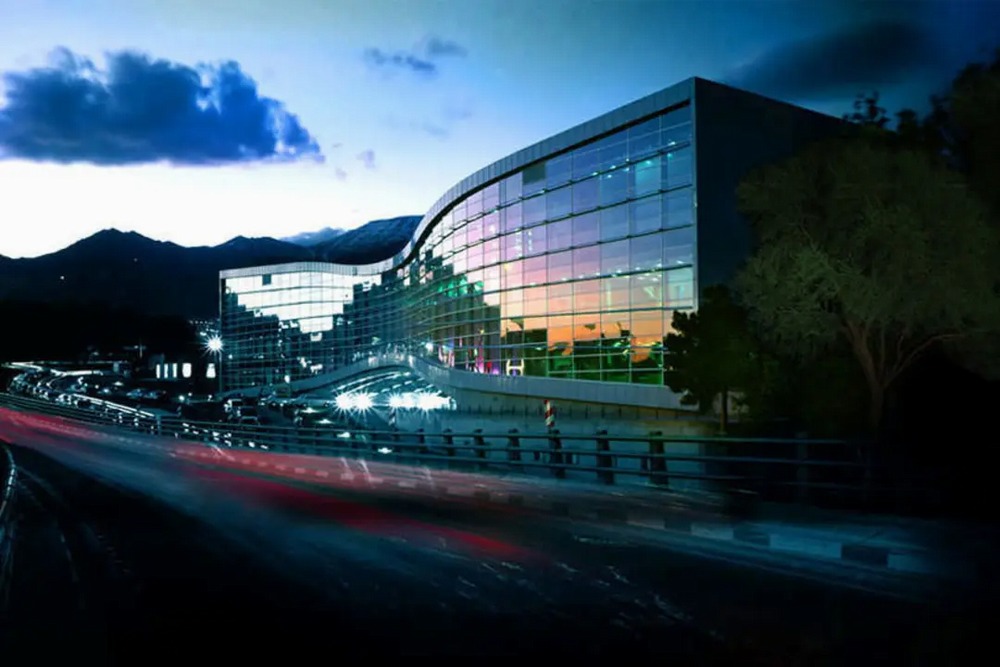
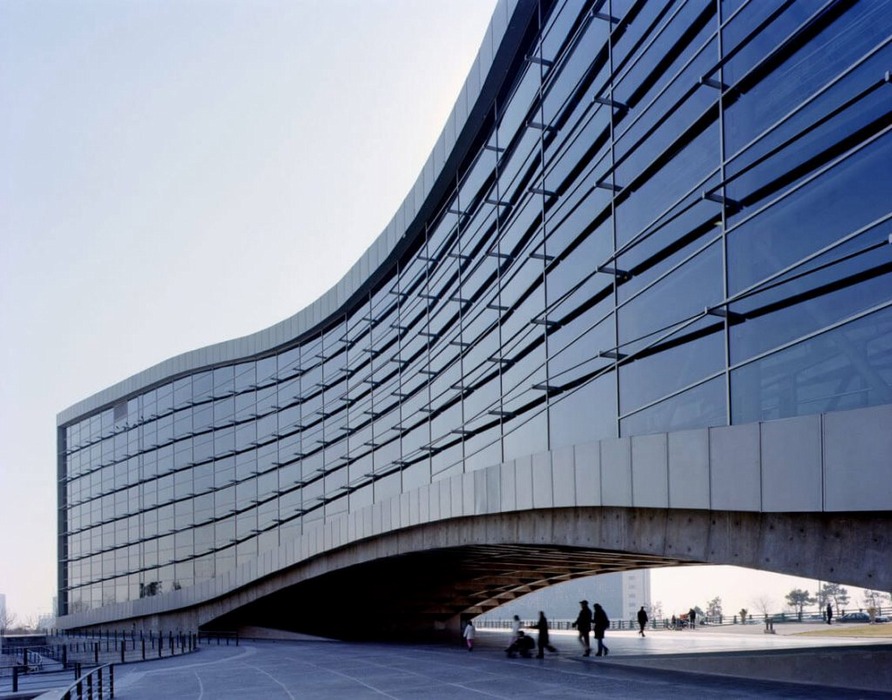
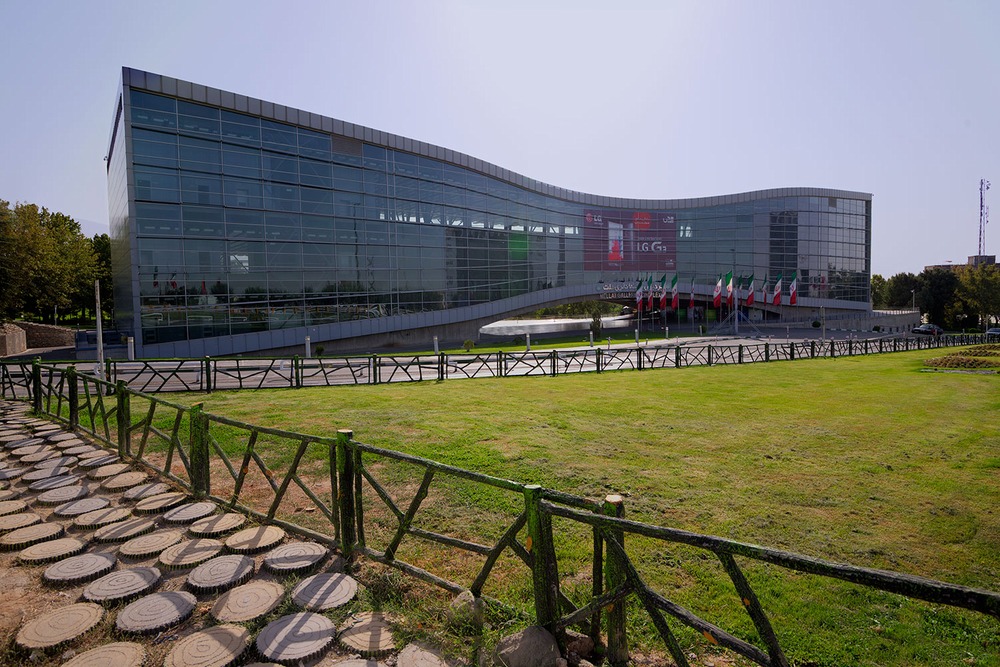
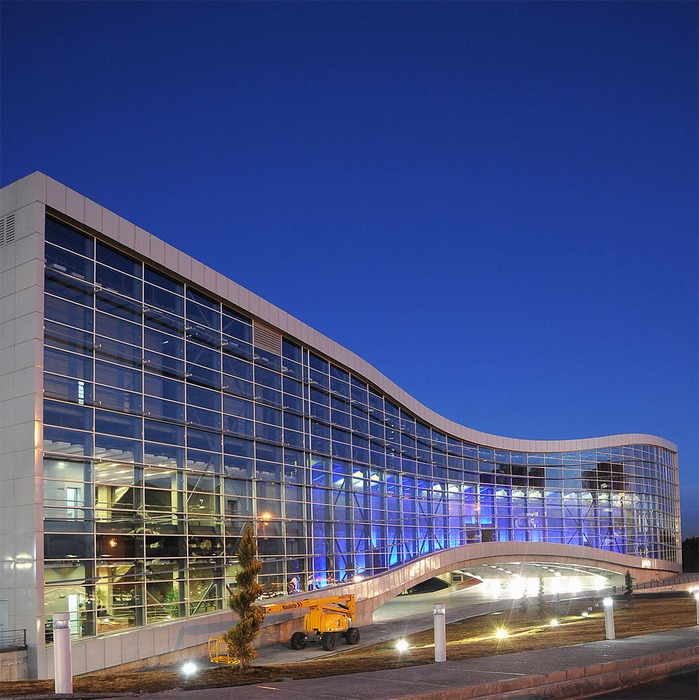
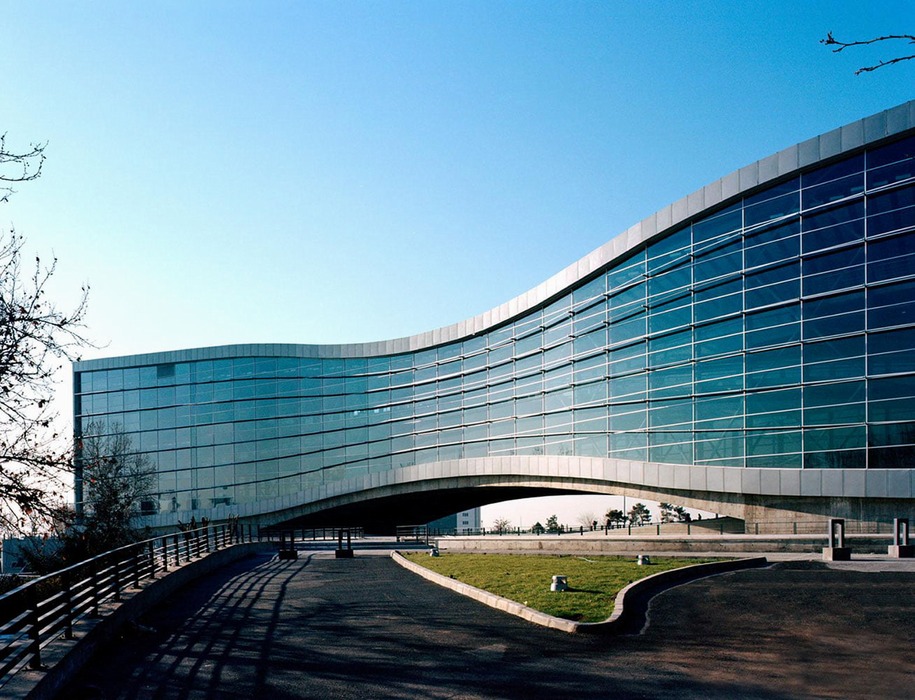
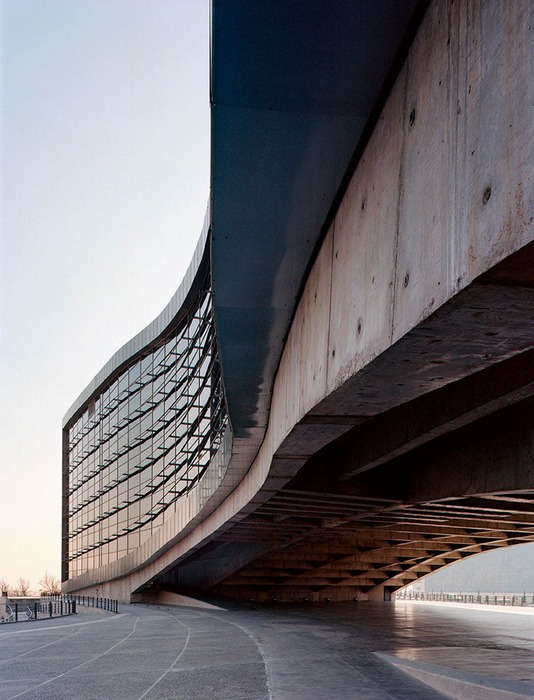
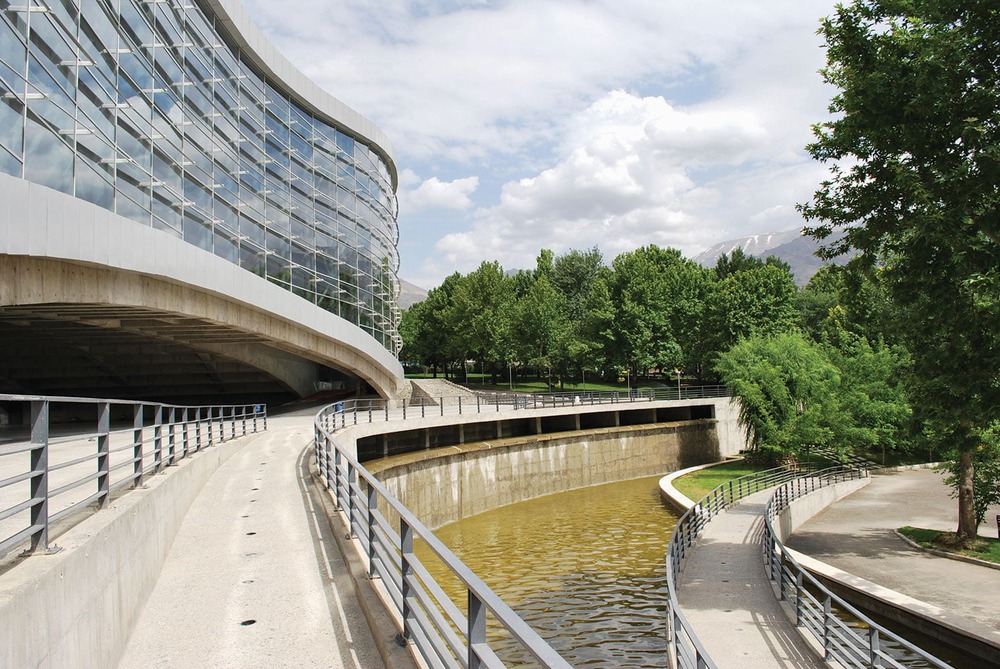
What distinguishes Mellat Cinema Complex is its distinctive architectural design, which conveys a strong sense of movement and visual dynamism. The building’s overall form creates an impression of fluidity, as though the structure itself were telling a story and drawing visitors into its world. Its exterior features curved lines and a contemporary architectural expression that give the building a distinctive presence in the surrounding urban landscape. At night, architectural lighting can further emphasize the building’s form, while the interplay of light and reflections adds visual interest. Together, these features contribute to the complex’s identity as a modern cultural venue.
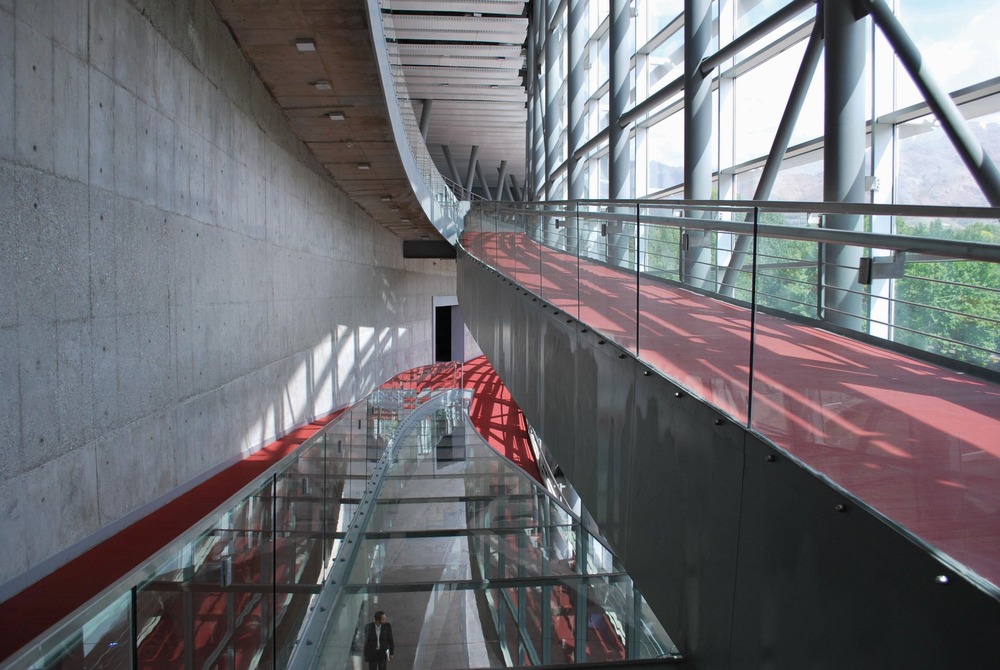
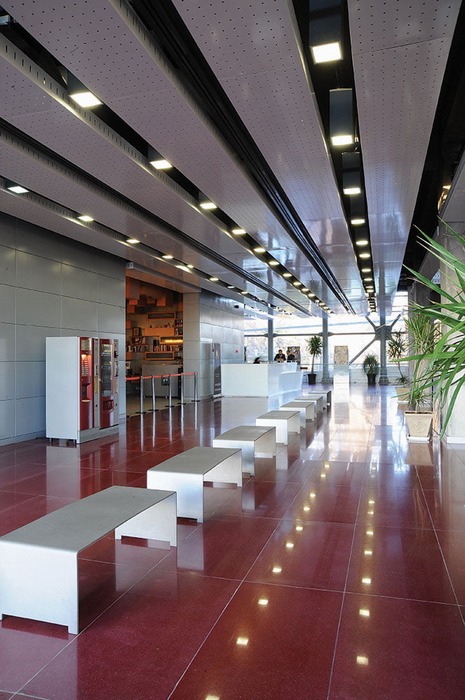
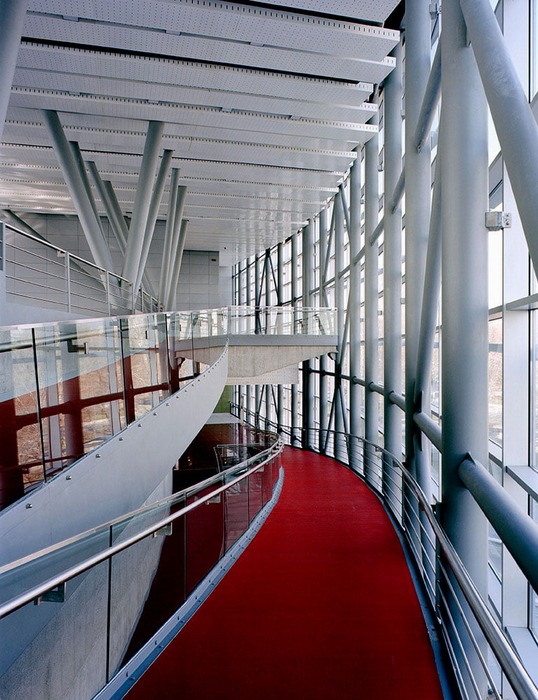
Entering Mellat Cinema Complex offers visitors a welcoming introduction to the world of cinema. The main lobby and interior circulation areas are designed to accommodate visitors moving between the building’s different spaces. Interior lighting, flooring, and film-related visual elements help establish an atmosphere associated with cinema, while the arrangement of the interior spaces supports the movement of audiences before and after screenings.
The complex’s four screening halls are intended to accommodate audiences of different sizes. Comfortable seating, audiovisual systems, large screens, and appropriate lighting are important elements of the cinema experience. The specific technical capabilities of each hall, including sound formats, screen dimensions, and seating capacities, should be distinguished from general descriptions of modern cinema facilities. The complex’s screening spaces contribute to its role as a venue for film exhibition and cultural activities.
Beyond its screening halls, Mellat Cinema Complex serves as a cultural and leisure destination. Food and beverage facilities, where available, provide visitors with opportunities to meet and relax before or after a film. Cultural and artistic activities can also broaden the role of a cinema complex beyond film exhibition, connecting it with other aspects of urban cultural life.
The complex also benefits from its location beside Mellat Park, one of Tehran’s major green spaces. This setting connects the cinema with the surrounding urban landscape and allows visitors to combine a movie outing with time spent in the park. The relationship between the building and its green surroundings contributes to its appeal as a public cultural destination.
For contemporary architects and designers, Mellat Cinema Complex offers an opportunity to consider the design of multifunctional cultural spaces, the creation of engaging visitor experiences, the integration of architecture and audiovisual technology, and the role of landscape in shaping public buildings. With its contemporary architectural character and location beside Mellat Park, the complex forms part of Tehran’s cultural landscape, bringing cinema and urban life together.