

_6.jpg)
_3.jpg)
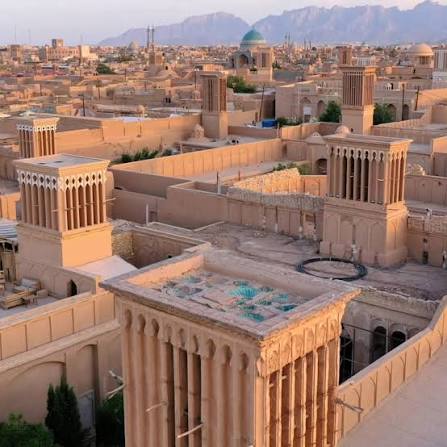
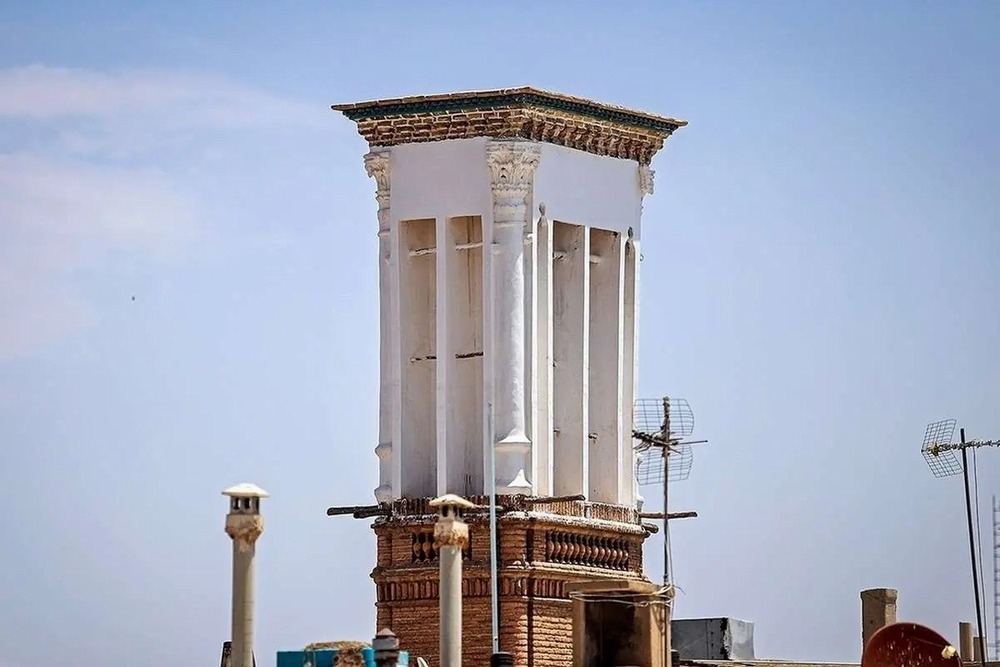
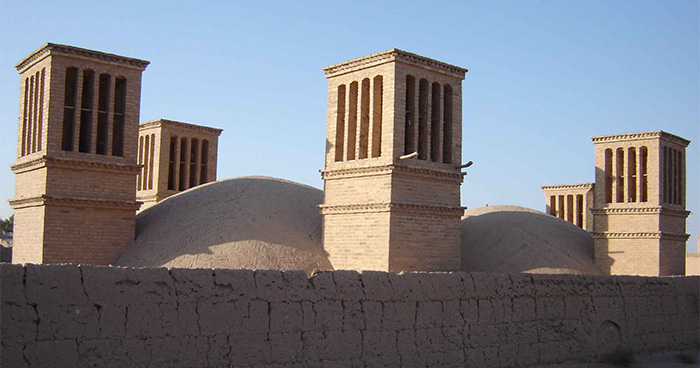
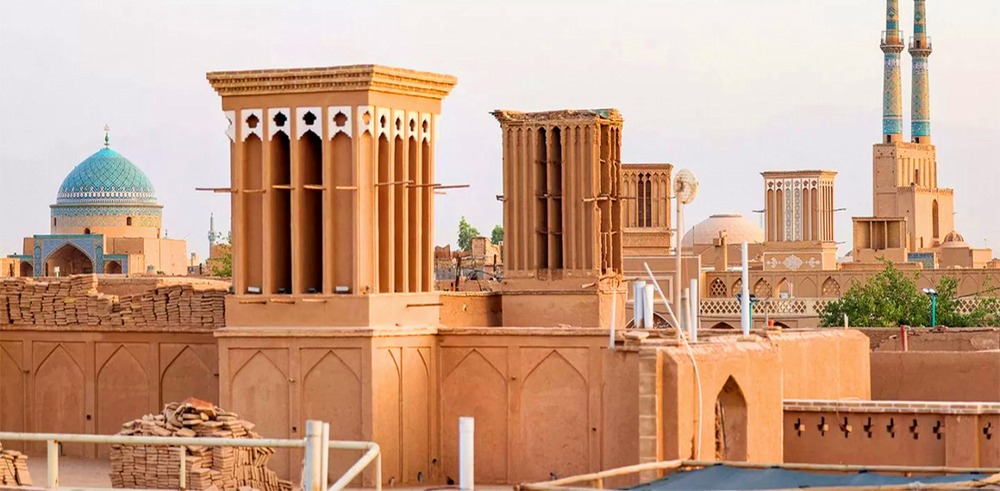
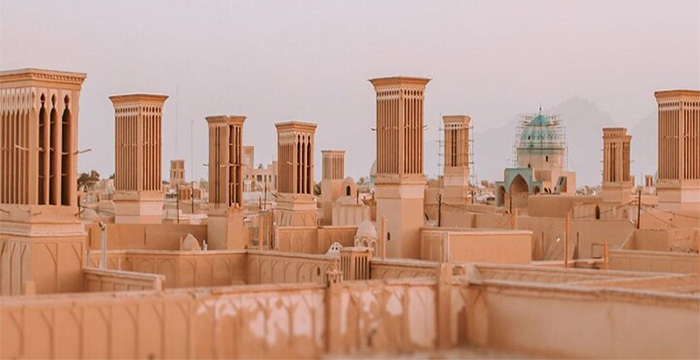
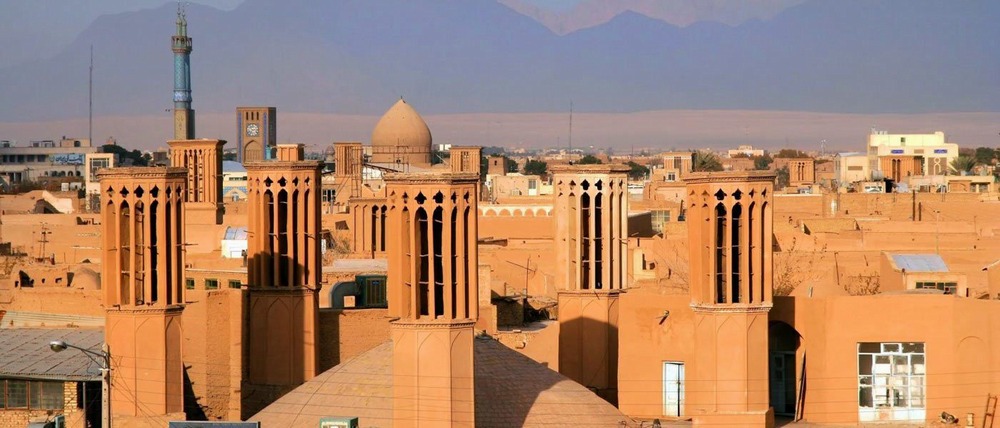
Imagine that it is the height of summer, and you are in one of Iran’s historic desert-edge cities, such as Yazd or Kashan. The heat is so intense that the paving stones are scorching beneath your feet, while the shimmering air makes the distant landscape appear distorted. Here, survival depends on finding shade and cool air. Now, you take refuge in an old traditional house. After passing through a dark hashti and a cool, narrow passageway, you suddenly find yourself in a room that is not only cool, but filled with fresh air—slightly humid and fragrant. It feels as though you have stepped from the depths of hell into a temperate paradise. This remarkable effect, which can sometimes create a striking difference in temperature between the interior and the outside, is the work of an ingenious and beautiful device known as the badgir, or windcatcher.
The badgir, locally known as badyur (“wind-bringer”), is a fully passive ventilation system driven entirely by natural forces. Its operation is based on simple principles of physics: temperature differences, pressure, and evaporation.
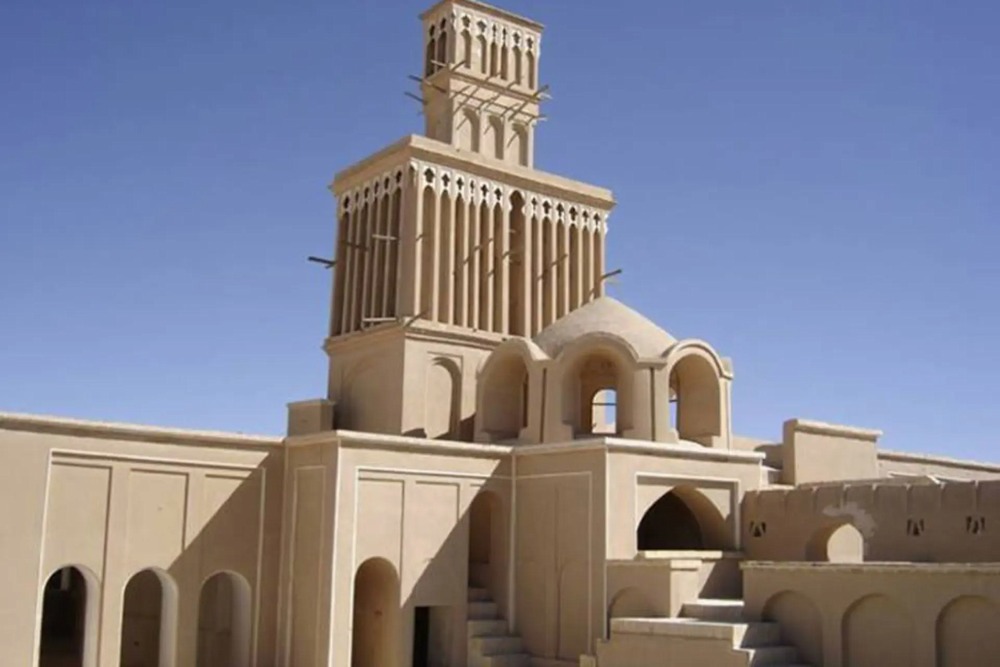
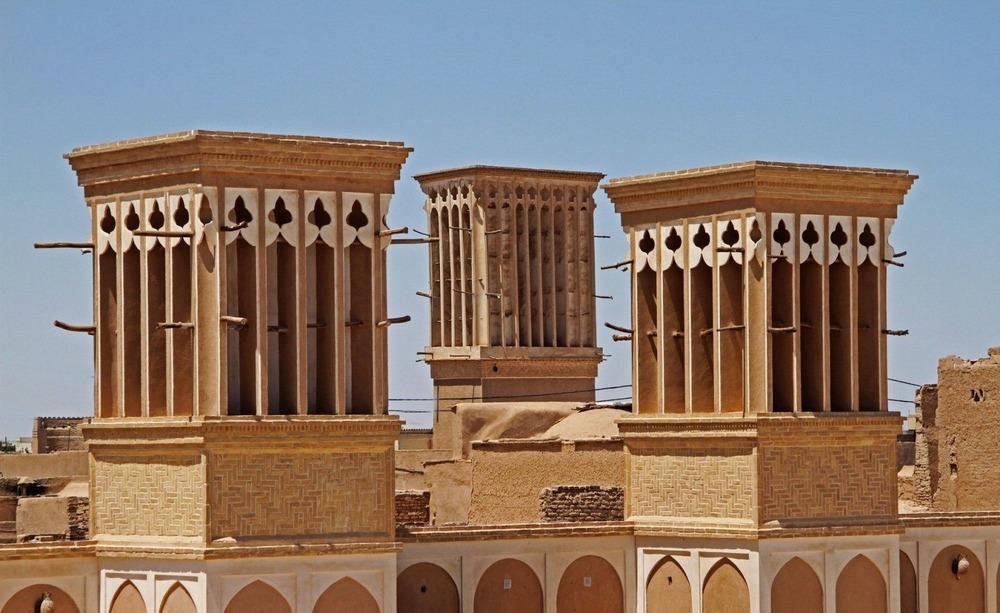
Architecturally, it is a tall tower that rises from the highest point of a building’s roof. More than just a functional feature, the badgir was once a symbol of the household’s wealth and prestige. Its openings, sometimes beautifully decorated with tiles, were designed to capture the wind. Warm air inside the house is lighter and naturally rises. By creating a tall vertical shaft, the badgir helps draw this warm air upward and out of the building through thermal buoyancy. At the same time, cooler, denser air at roof level—or air carried by winds from the desert—is captured through the same openings and directed downward. But the true genius lies in the integration of the system. Along the path of the descending air, there was often a shallow pool of water or a series of damp walls and surfaces. As the air passed over the water, it absorbed moisture. Through evaporative cooling, an heat-absorbing process, the air became significantly cooler and more pleasant.
This sophisticated technology transformed not only the way people lived, but also the interior architecture of their homes. Traditional houses often had a section known as the tābestān-neshin, or “summer quarters”: a group of rooms and halls positioned directly along the airflow created by the windcatcher.
During the hot months, the household’s daily life revolved around these cool spaces. In the mornings, the member of the household would prepare food and store fruits and vegetables in the howzkhāneh, or the pool room, or in the basement adjoining the windcatcher. In the afternoons, the space became a place for everyone to rest and take a qeyluleh, or midday nap. As evening approached, the howzkhāneh became the heart of the household’s social life—a place where family members gathered, intimate guests were welcomed, conversations unfolded, stories were shared, and tea was enjoyed. The soft, whispering sound of wind flowing down through the windcatcher’s shafts, accompanied by the soothing rhythm of water gently trickling into the pool, became the constant soundtrack to these shared memories. The windcatcher, therefore, was far more than a climatic device. It was a spatial and social organizer that shaped family relationships and the rituals of everyday life.
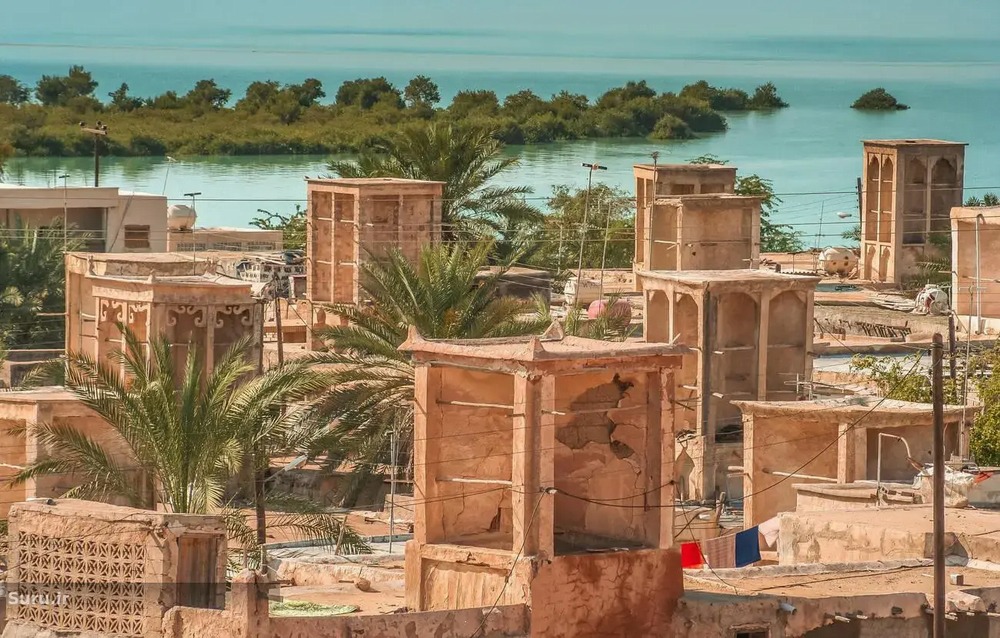
The beauty and ingenuity of the badgir lie in its flexibility and local adaptation. It was not a standardized design that was simply copied from one place to another; rather, it was a responsive idea shaped by the local conditions of each region. In cities such as Yazd, where prevailing winds are relatively consistent and well known, windcatchers were generally designed with one- or two-sided windcatchers to achieve maximum efficiency. In the southern coastal regions, however, such as Bandar Lengeh and Bushehr, where winds blow from different directions, we find multifaceted windcatchers with four, six, and even eight sides . More interestingly, in some areas, the openings were designed at specific angles to help reduce the entry of dust and sand carried by desert winds. The height and number of openings were also determined according to wind intensity, the house’s position within the urban fabric, and access to prevailing air currents. This remarkable diversity is evidence of a deeply contextual and collaborative design process—an architecture born from a direct dialogue between local builders and the language of nature in each landscape.
From a contemporary architectural and ecological perspective, the badgir can be seen as a masterpiece of sustainability and passive design. It requires no mechanical energy; instead, it harnesses, directs, and enhances naturally occurring energy flows, such as wind and temperature differences. It requires no mechanical energy. Its construction relies largely on natural, locally available materials, and it generally requires relatively little complex maintenance. In many ways, it exemplifies the very principles that we today associate with green architecture and net-zero energy design. On a symbolic level, the badgir embodies a distinctly Iranian philosophy of interaction and harmony with the environment. It shows how people can respond to seemingly harsh and threatening elements—such as hot winds and intense sunlight—not as enemies, but as potential partners and sources of energy. This approach, rooted in an understanding of and respect for the laws of nature, can also be seen in other elements of Iranian architecture, such as qanats and Persian gardens.
Although the widespread use of evaporative and mechanical air conditioners has diminished the vital function of windcatchers today, they still stand proudly above the rooftops as living monuments to climate-responsive engineering and an integral part of the visual identity of Iran’s historic cities. They are reminders of an era of collective wisdom and careful observation—an era when technology served human life and was deeply rooted in environmental constraints. At a time when the world is grappling with energy crises and global warming, revisiting and drawing inspiration from such systems is not merely an exercise in nostalgia; it is a rational necessity. The windcatcher tells a story of the peaceful, creative, and beautiful coexistence of human beings with nature.