

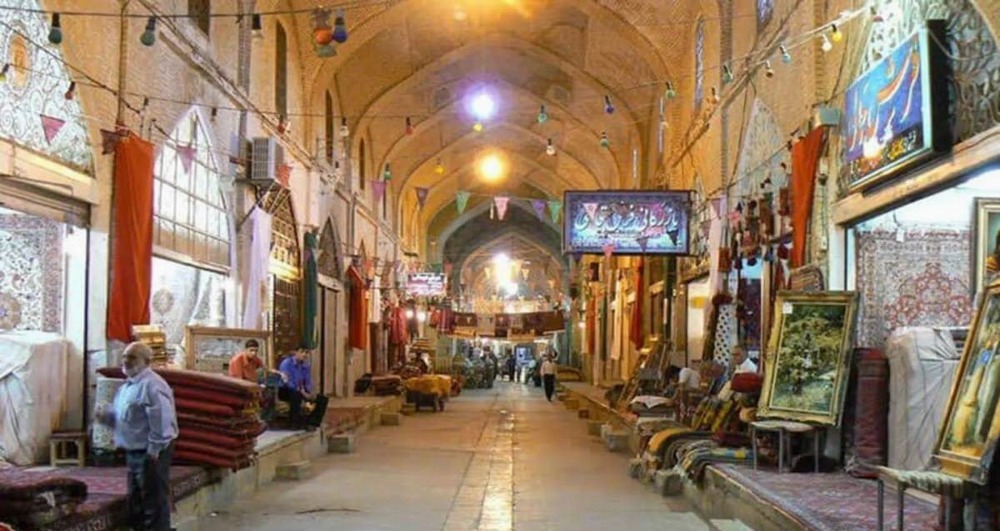
Along the route connecting Tehran to Azerbaijan, on a high-altitude plateau with a pleasant climate, bordered by the Alborz Mountains to the north and vast plains to the south, lies a city that was once one of the Silk Road’s important stopping points and a gateway to the Azerbaijan region. Zanjan, the capital of Zanjan Province, is a city whose history is deeply intertwined with trade, religion, and art. Its architecture reflects a blend of Azerbaijani regional traditions and established Iranian architectural styles. Zanjan may well be called the “City of Turquoise Domes and Historic Bazaars”—a city where Iran’s longest covered bazaar extends like a vital artery through the historic urban fabric, while the magnificent dome of Soltaniyeh, located nearby, tells the story of the grandeur and splendor of the Ilkhanid era.
The story of Zanjan is closely tied to its strategic location along the Silk Road and on the routes connecting Iran’s successive capitals with Azerbaijan and the Caucasus. Known in historical accounts as Zangan, the city is associated with the Sasanian era and is traditionally linked to Ardashir I, founder of the Sasanian Empire. It gained importance as a military and commercial center. However, Zanjan reached the height of its prosperity during the Safavid and, particularly, the Qajar periods. Under the Safavids, its location on the route connecting Tabriz—the Safavids’ first capital—with Qazvin and Isfahan brought considerable prosperity, leading to the construction of numerous caravanserais and bazaars. During the Qajar era, Zanjan further developed into one of Iran’s important commercial, religious, and cultural centers. Major structures, including the Grand Bazaar, Jameh Mosque, and religious seminaries, were built throughout the city.
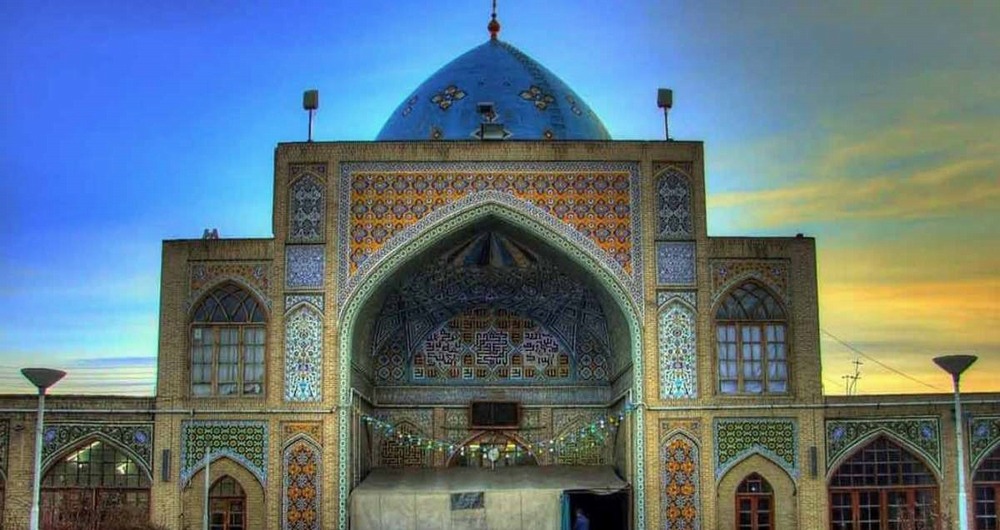
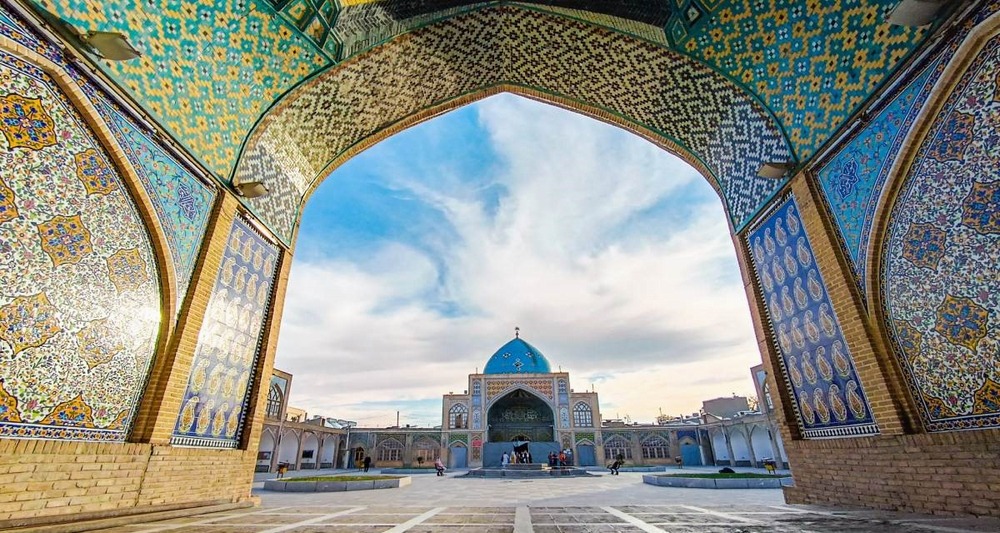
Zanjan Jameh Mosque, also known as Seyyed Mosque, is one of the most beautiful and magnificent mosques of the Qajar era. Built in the early Qajar period by Abdullah Mirza Dara, son of Fath-Ali Shah Qajar, the mosque features a spacious prayer hall with spiral columns, a turquoise dome, and a mihrab adorned with polychrome (haft-rang) tiles and intricate plaster muqarnas work. The prayer hall, with its 48 spiral stone columns and brick arches, provides a cool and serene atmosphere for worship. The mihrab is decorated with polychrome tiles and Quranic inscriptions in Thuluth script, while the intricately carved wooden minbar is a fine example of Qajar-era woodcarving. The mosque’s courtyard, with a large pool at its center and ancient trees, offers worshippers a peaceful and pleasant setting.
Yet undoubtedly, the most famous and extraordinary architectural monument near Zanjan is the Soltaniyeh Dome, an unparalleled masterpiece of the Ilkhanid era, located approximately 40 kilometers southeast of the city. Commissioned by Sultan Muhammad Khodabandeh (Öljaitü) and built in the early 8th century AH (14th century CE), the Soltaniyeh Dome stands approximately 48 meters high, with a diameter of around 25 meters. It is widely regarded as one of the world’s largest historic brick domes. Rising above an octagonal structure, it is adorned with turquoise and deep-blue tiles and can be seen from miles away across the surrounding plains. The Soltaniyeh Dome is a double-shell dome, consisting of two separate layers with an intervening cavity. This design helps reduce the overall weight of the structure while also providing thermal insulation. This remarkable engineering innovation, perfected during the Ilkhanid period, later influenced the construction of other monumental domes in Iran and beyond. The interior is adorned with deep-relief stucco work, mosaic tiles, wall paintings, and Quranic inscriptions, making the Soltaniyeh Dome one of the great masterpieces of art and architecture in the Islamic world.
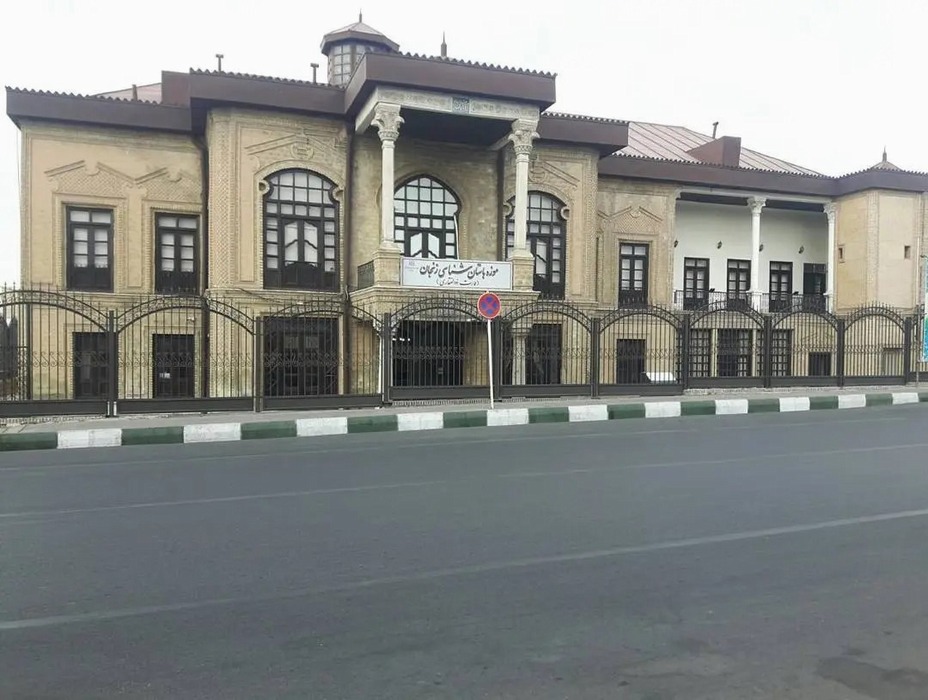
The Zanjan Laundry House, also known as the Rakhtshurkhaneh, is another distinctive landmark in the city. Built during the Qajar era by two philanthropic brothers, Mashhadi Akbar and Mashhadi Esmaeil, it was a public facility where local residents could wash their clothes. With its brick arches, water basins, and stone washing platforms, the building provided a warm, covered space for laundry during Zanjan’s cold winters. Today, it serves as an anthropology museum and stands as a remarkable example of public-service architecture and the attention given to the everyday needs of local residents during the Qajar era.
Zanjan is also renowned for its silver filigree work and knife-making. Zanjan filigree, the art of crafting decorative objects from fine silver wires, is one of Iran’s most delicate and celebrated handicrafts. The city’s handmade knives are another of its best-known traditional products.
For contemporary architects and urban planners, Zanjan offers valuable lessons in the design of long, cohesive bazaars, the integration of commercial, religious, and service functions within a single complex, the importance of public amenities such as traditional public washhouses, and the use of local materials such as brick and tilework. The city demonstrates how a center of civilization can create beautiful, functional, and enduring spaces over centuries by preserving its identity and drawing upon indigenous knowledge. Zanjan, this city of turquoise domes and historic bazaars, still whispers tales of its ancient grandeur, artistry, and history through the brick arches of its Grand Bazaar and beneath the magnificent dome of Soltaniyeh.