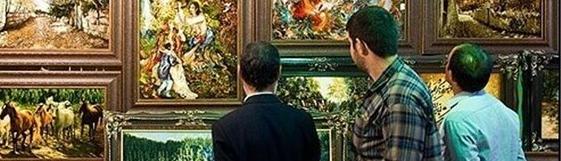
Carpet tableau title and the reputation of Sardrud in its production
Persian Pictorial Carpets (Tablo Farsh): Art, Innovation, and Local Identity
The Persian carpet represents one of Iran’s most distinguished artistic traditions and has long captivated art historians and collectors worldwide. Although weaving techniques and decorative motifs have undergone substantial transformation over time, the essential authenticity of this craft has been preserved and transmitted to the present. The emergence of pictorial carpets (Tablo Farsh) constitutes one of the most significant modern innovations within the Persian carpet tradition. Through the use of diverse visual themes and expanded chromatic palettes, pictorial carpets have developed into an artistic medium capable of addressing a wide range of aesthetic sensibilities.
Characteristics of Pictorial Carpets
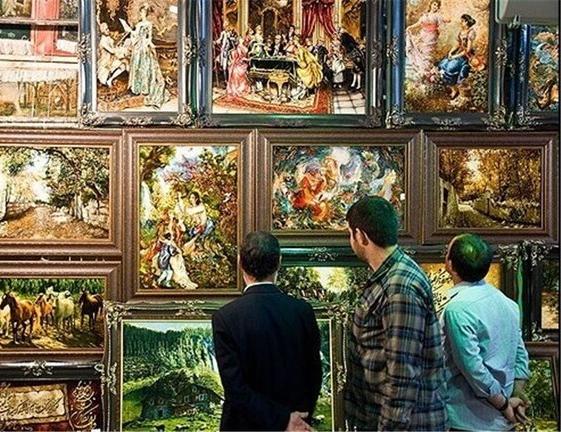
Pictorial carpets depict a broad spectrum of subjects, including natural landscapes, animals, floral compositions, and human figures. In some instances, master weavers select well-known paintings as the basis for their woven compositions, translating painterly imagery into textile form. These carpets are produced in various dimensions; however, the most common sizes include 35 × 50 cm, 50 × 70 cm, 70 × 100 cm, 80 × 120 cm, 100 × 150 cm, and 200 × 300 cm. In general, pictorial carpets are woven at scales specifically suited for wall display rather than floor use.
The complexity of design and the refinement of weaving techniques contribute to the comparatively higher artistic and economic value of pictorial carpets in relation to conventional floor rugs. Traditionally, hand-woven pictorial carpets are executed using a paper pattern (cartoon), structured as a grid in which each square corresponds to a single knot on the loom. In earlier periods, these patterns were largely restricted to geometric configurations. In recent decades, however, the introduction of computer-generated designs has significantly expanded the thematic and visual diversity of pictorial carpets.
Sardrud: A Center of Pictorial Carpet Production
Owing to the extensive concentration of pictorial carpet weaving in the city of Sardrud, located in East Azerbaijan Province, the “Sardrud Pictorial Carpet” was officially registered as an element of Iran’s National Intangible Cultural Heritage in 2020.
Sardrud, a township within the administrative boundaries of Tabriz, has an estimated population of approximately 30,000 inhabitants. While agriculture has historically constituted the primary economic activity of the region, contemporary assessments indicate that the local economy is now deeply interconnected with pictorial carpet production. According to official statements, nearly 80 percent of Sardrud’s population derives income either directly or indirectly from the weaving and commercial distribution of pictorial carpets. Alongside this craft-based economy, agriculture continues to flourish, supported by favorable water resources and an elevation exceeding 1,000 meters above sea level. The region is particularly known for its orchards, which yield products such as greengages (Gojeh Sabz), grapes, apricots, walnuts, apples, peaches, and pears.
Historical Context: Narin Qalʿeh
Sardrud is also characterized by a long historical trajectory, evidenced by the presence of Narin Qalʿeh, a fortified structure dating to the first millennium BCE. Constructed atop a hill for strategic surveillance, the fortress functioned primarily as a defensive installation protecting the important city of Tabriz, known in antiquity as Tamarkis. Measuring approximately 500 × 700 meters, the site today retains scattered cobblestones in its central area, which are believed to be remnants of architectural installations lost through erosion and natural processes.
The Craft Tradition in Sardrud
The practice of weaving pictorial carpets in Sardrud dates back approximately one century. The use of dense weaving techniques with high knot counts, combined with a broad range of chromatic variations, has enabled local weavers to render complex pictorial compositions, including works incorporating calligraphic elements. In recent years, pictorial carpets from Sardrud have gained recognition as highly valued cultural artifacts and have become increasingly popular among international visitors.
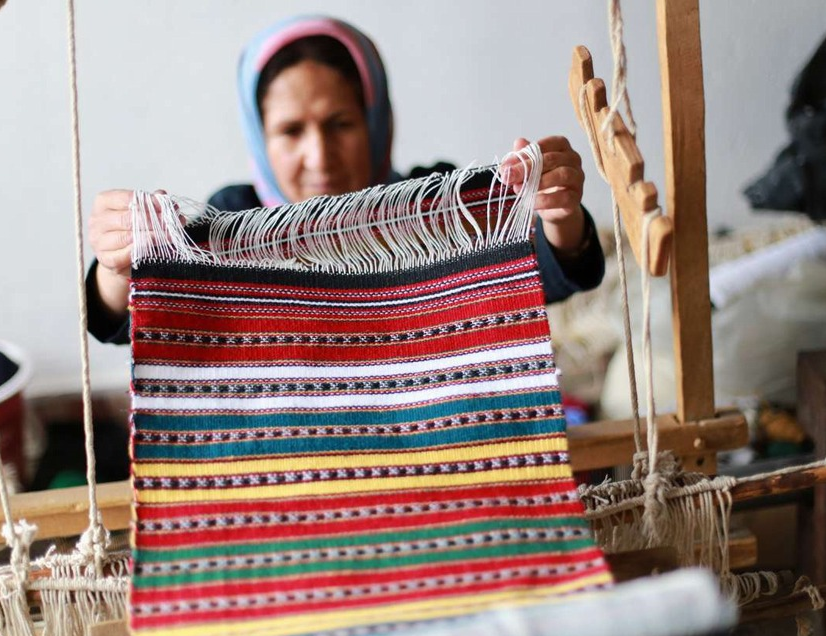
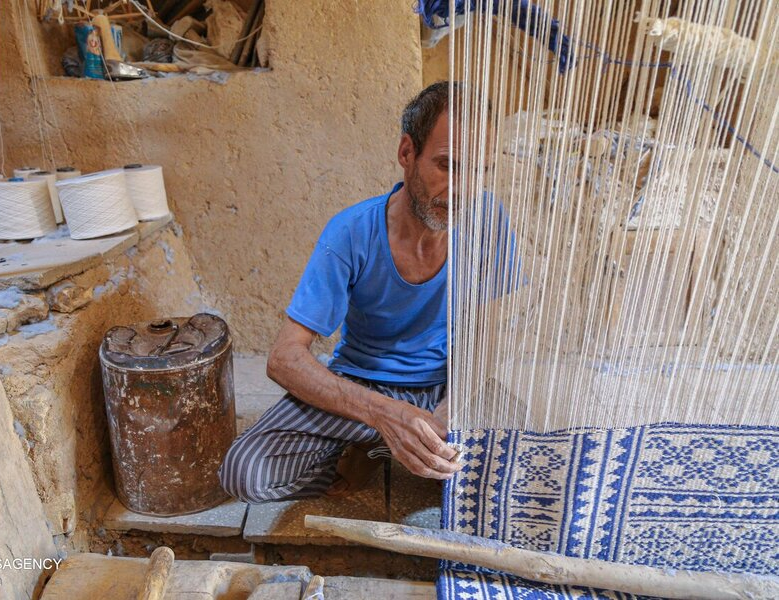
Production remains largely home-based, with artisans working on specialized looms that are smaller than conventional carpet looms and adapted to the dimensions of pictorial carpets. Through this mode of production, Sardrud’s weavers continue to sustain a distinctive form of textile art that merges technical mastery with visual expression, effectively transforming woven carpets into enduring pictorial narratives.
| Name | Carpet tableau title and the reputation of Sardrud in its production |
| Country | Iran |
| Cities | |
| Registration | National |




Choose blindless
Red blindless Green blindless Blue blindless Red hard to see Green hard to see Blue hard to see Monochrome Special MonochromeFont size change:
Change word spacing:
Change line height:
Change mouse type: