
Iran Cultural Council in Nairobi celebrates World Handicrafts Day
This program was aimed to introduce the potential of traditional Iranian arts, explain the position of women in preserving and transmitting cultural heritage, and strengthen cultural interactions between the Islamic Republic of Iran and Kenya.
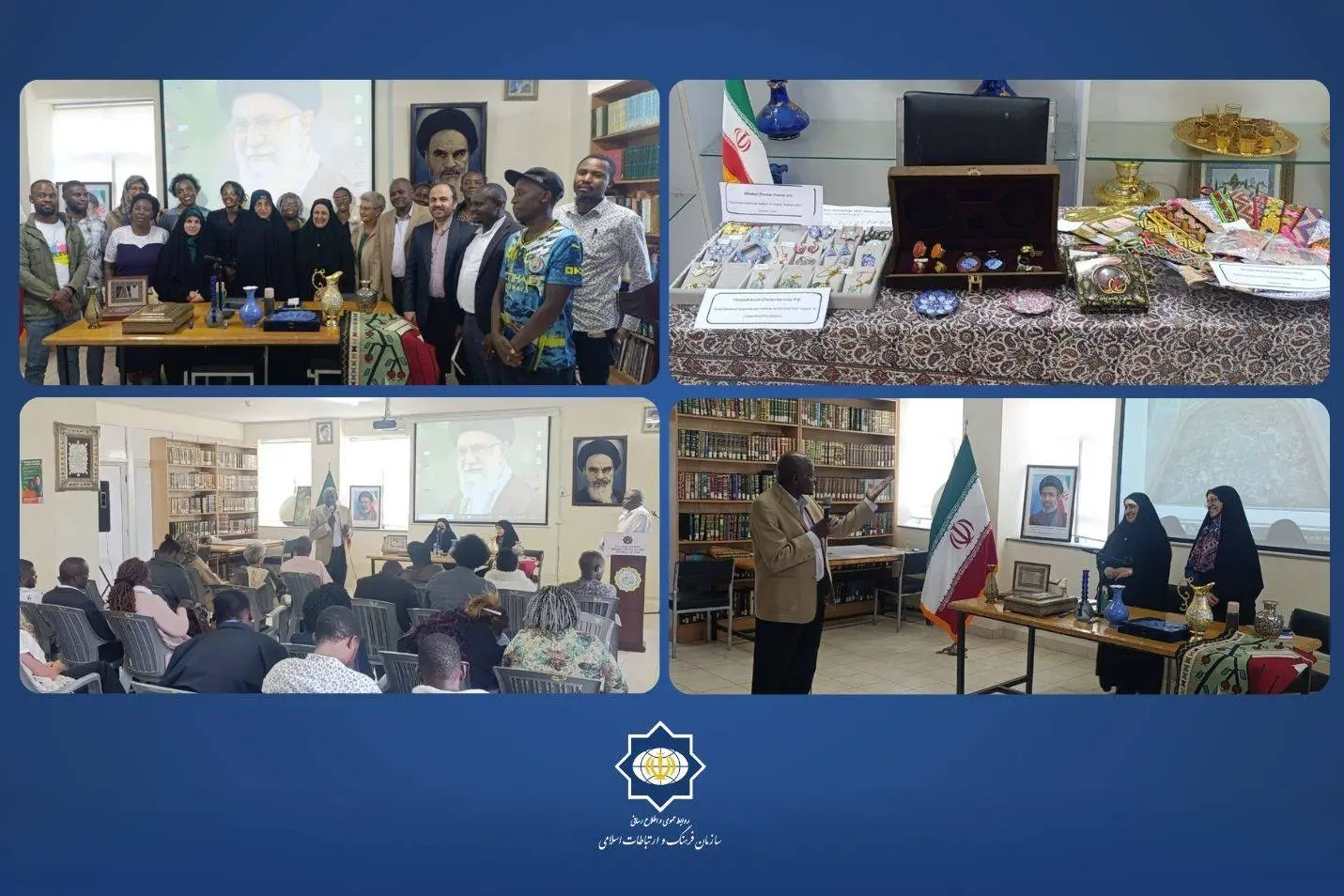
Iran Cultural Council in Nairobi organized a cultural and educational program in cooperation with the International Institute of Islamic Studies and the Kenyan Institute of Teacher Education (ABET) on the occasion of World Handicrafts Day.
This program was aimed to introduce the potential of traditional Iranian arts, explain the position of women in preserving and transmitting cultural heritage, and strengthen cultural interactions between the Islamic Republic of Iran and Kenya.
Dolar Delavari and Esmaili, Iranian university professors, and Allahyar Shahrpanahi, director of the Simorgh Institute and an activist in the field of handicraft exports, were present as speakers and gave speeches about Iran's civilizational background, the place of handicrafts in Iranian culture, the role of women in preserving and developing this valuable heritage, and the cultural and economic potential of Iranian handicrafts.
Referring to the history of Iranian civilization spanning thousands of years, the speakers considered handicrafts to be one of the most important manifestations of the cultural and historical identity of the Iranian nation and emphasized: Arts such as carpet weaving, pottery, enamel work, inlay work, calligraphy, painting, and traditional textile industries are not only artistic or economic products, but also reflect the values, beliefs, artistic taste, and lifestyle of Iranians throughout history.
Referring to the pivotal role of women in the family and society, the speakers announced: An important part of the heritage of Iranian handicrafts has been preserved and passed on to future generations through the efforts, creativity, and perseverance of Iranian women. Examples of the activities of Iranian women artists and entrepreneurs in the field of handicrafts and traditional arts were also introduced.
They emphasized: From the perspective of the martyr, women, in addition to playing a fundamental role in the family, can also have an effective and constructive presence in the scientific, cultural, social, economic and artistic fields.
Simultaneously with this program, an exhibition of works and examples of Iranian handicrafts was held at the Cultural Center of Iran. In this exhibition, visitors were introduced to various traditional Iranian arts and their historical background.
Also, along with the works on display, authentic Persian words related to each field of art were presented along with their correct pronunciation and semantic explanation so that foreign audiences, especially Persian learners, could establish a closer connection with the Persian language and Iranian culture.
Referring to Iran's civilizational status and the country's possession of valuable historical and cultural works, the speakers considered the protection of cultural heritage a global responsibility and emphasized the necessity of governments and international institutions to adhere to conventions and laws related to the protection of cultural heritage.
In this regard, images of the damage and injuries caused to some historical, cultural and civilian sites of the Islamic Republic of Iran following the brutal attacks by the Zionist regime and the United States were displayed.
The speakers, while condemning these actions, emphasized that attacks on historical and cultural sites are a clear violation of international principles and standards and a threat to the common heritage of humanity. The presentation of these images from some areas of Tehran and Isfahan drew the attention of the attendees to the less visible dimensions of these crimes and the necessity of protecting historical and cultural monuments in times of crisis and conflict.
The participants, while expressing their interest in Iranian culture and art, emphasized the importance of expanding cultural cooperation between the Islamic Republic of Iran and Kenya. Developing the exchange of experiences in the field of handicrafts, supporting women artists, teaching the Persian language, holding joint exhibitions and strengthening the relationship between the cultural and academic centers of the two countries were among the topics raised in this meeting.

Write your comment.