

Iran Room Inaugurated at Pwani University
Iran Room Inaugurated at Pwani University Serves as a Sustainable Bridge Between Kenya and Iranian Universities
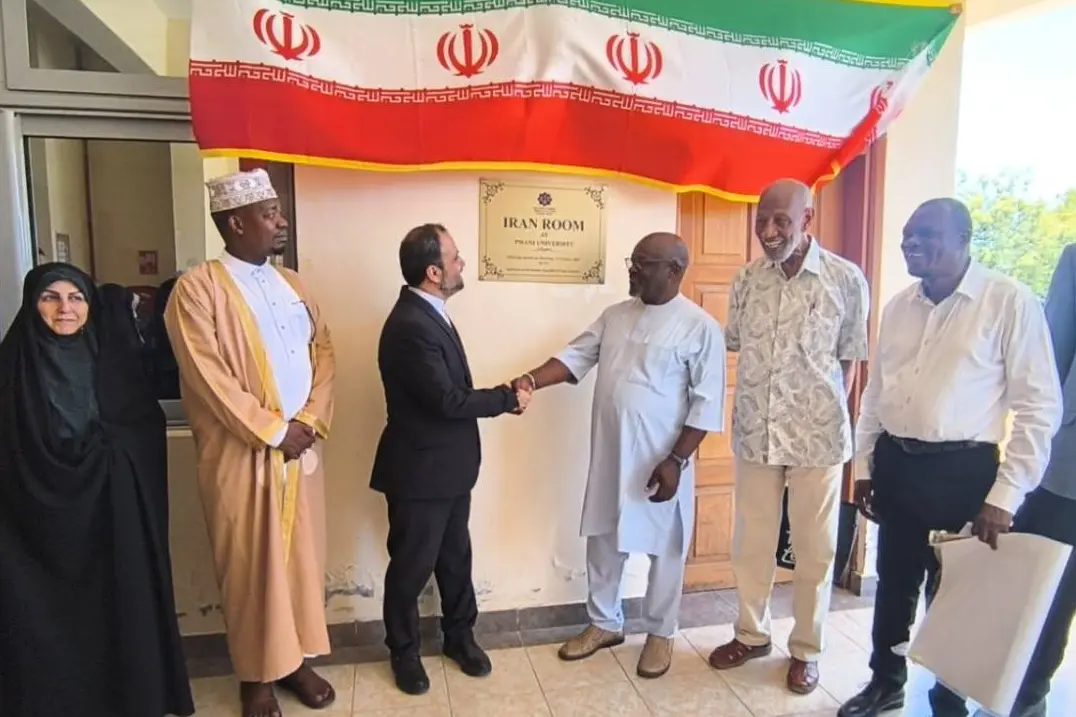
Through the efforts of Iran’s Cultural Consulate in Nairobi—and with the aim of building capacity to expand Iran's scientific and cultural diplomacy in East Africa—an "Iran Room" has been established at Pwani University in Kenya.
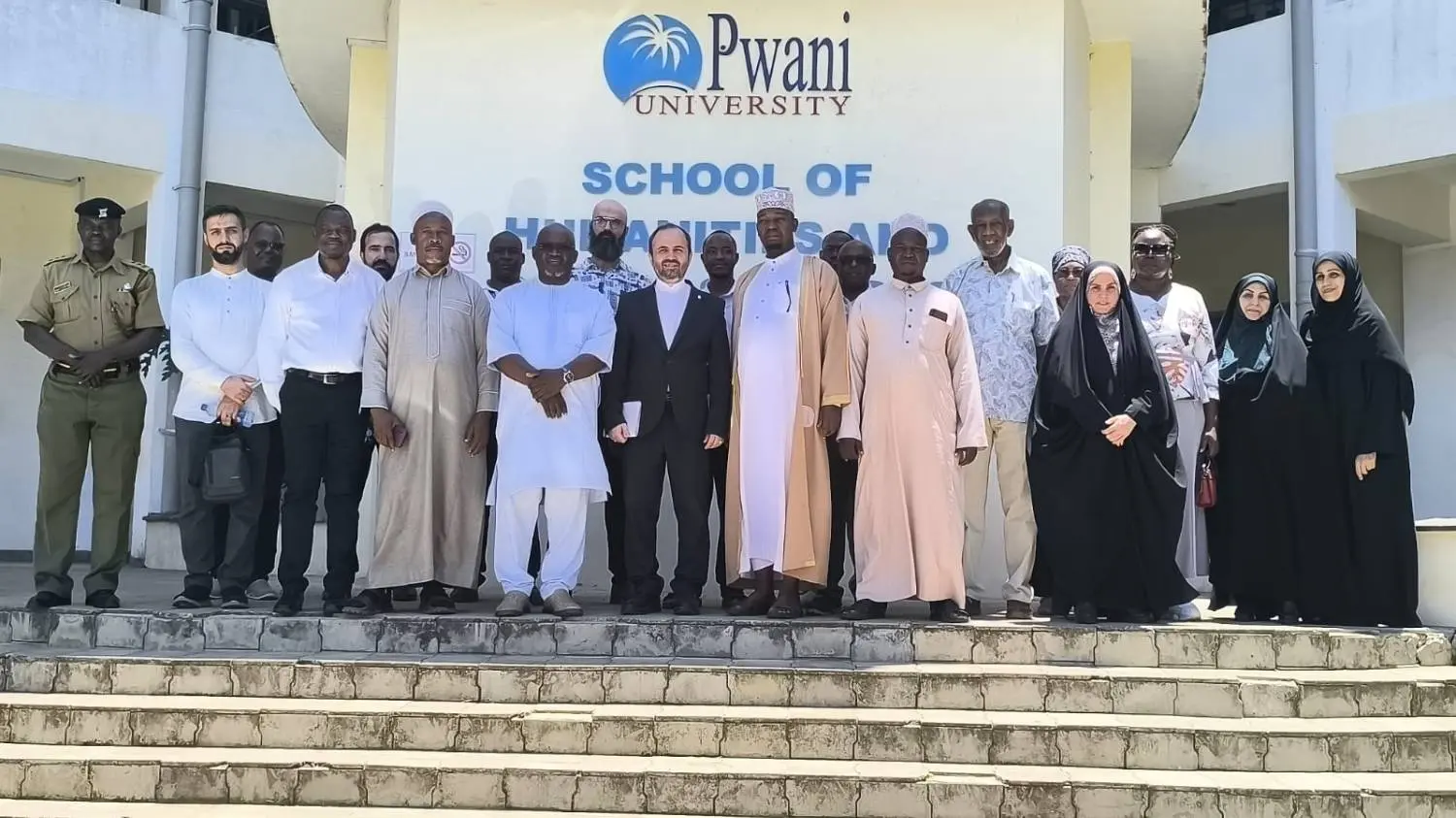
Dr. Mehdi Beiki, the Cultural Counselor of the Islamic Republic of Iran in Kenya,was the Chief Guest during the Inauguration of the Iran Room at Pwani University in the presence of university officials and faculty, a group of academic, cultural, and religious figures from the coastal region.
Dr. Beiki noted that the Centre provided an opportunity to showcase Iran's scientific, cultural, and academic capabilities and to explore new avenues for cooperation between Pwani University and Iranian academic institutions.
The Cultural Counselor remarked that the establishment of the Iran Room represents a step toward transforming cultural and academic cooperation between Iran and Kenya from sporadic initiatives into a continuous, institutionalized relationship. Key functions of the center will include Persian language instruction and Iranian studies, the promotion of Iranian culture and literature, faculty and student exchanges, research and study opportunities, and direct links with Iranian universities.
Highlighting potential areas for expanded cooperation—such as artificial intelligence, medicine, nanotechnology, agriculture, engineering, water and environmental sciences, and the humanities and Islamic studies—he stated that Pwani University officials and faculty welcomed the initiative. They emphasized the Islamic Republic of Iran's scientific and technological capabilities and the necessity of expanding academic ties, expressing hope that the center would become a platform for direct interaction among professors, researchers, and students from both nations. Highlighting the university's academic standing in Africa, Beiki noted that given Pwani University's location in Kenya's coastal region and the area's rich history, the inauguration of the "Iran Room" is expected to create unique opportunities for joint studies. These studies would focus on relations between the Islamic Republic and East Africa, Indian Ocean history, Islam, and the linguistic and literary ties between Persian and Swahili. Pwani University is ideally positioned to advance the Islamic Republic of Iran's scientific and cultural diplomacy along the East African coast, thanks to its location, substantial student body, and robust educational and research capabilities.
Outlining Iran's scientific and cultural potential, the Cultural Counselor of the Islamic Republic of Iran emphasized the country's readiness to expand scientific and educational cooperation, describing the Iran Room as a bridge connecting academics, researchers, and youth from both nations.
He highlighted the center's significance, noting that it is rooted in the historical ties between Iran, the East African coast, and the Indian Ocean region. Historical connections involving trade, travel, knowledge exchange, and culture—along with the presence of numerous Persian-derived or Persian-influenced words in the Swahili language—have created a fertile ground for joint academic research into the relationship between the Persian and Swahili spheres.
Mehdi Beiki, the Cultural Counselor of the Islamic Republic of Iran in Kenya, remarked that the opening of the Iran Room represents more than just the inauguration of a physical space; he described it as "opening a door to knowledge, dialogue, friendship, and cooperation" between Iran and Kenya.
He emphasized that the center aims to establish a lasting bridge between Pwani University and Iranian universities, while fostering communication and interaction among students, professors, and researchers from both countries. Referring to the martyrdom of the Leader of the Islamic Republic of Iran—along with several family members—during the recent imposed war, and highlighting the martyred Imam’s constant emphasis on the importance of science, research, universities, and youth to the nation's progress, he stated: "Scientific advancement, innovation, support for young talent, and the strengthening of universities constitute the fundamental pillars of a country's progress and independence. Science and knowledge are not merely tools for development but strategic assets for shaping the future of nations."
Pointing to Iran’s civilizational heritage and the role Iranians have played in fields such as medicine, mathematics, philosophy, literature, and art, the Cultural Counselor of the Islamic Republic of Iran also emphasized the country's contemporary capabilities in academia, science, and technology, noting: "Investing in education, scientific talent, and the youth is an investment in the future of nations."

Nairobi Kenya
Pictures


Write your comment.