

Rumi Belongs to All Humanity
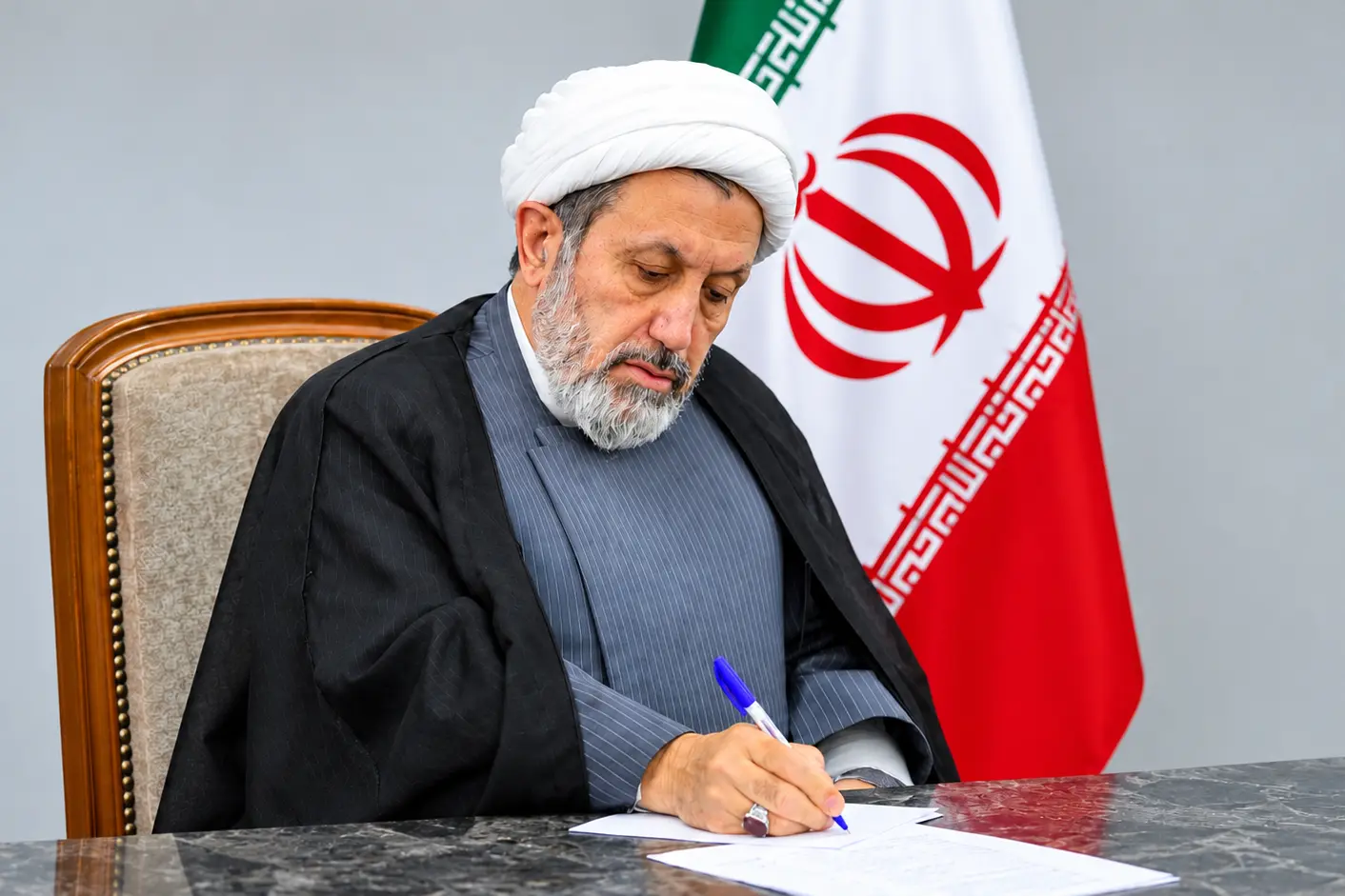
The head of the Islamic Culture and Relations Organization, referring to the fact that turning to Rumi’s ideas strengthens cultural dialogue around the world, wrote: Jalal al-Din Muhammad Balkhi, one of the most brilliant figures in Iranian culture and literature, was a mystic whose language has today transcended geographical boundaries and, for centuries, has attracted and inspired audiences in diverse lands and cultures.
According to the Public Relations Department of the Islamic Culture and Relations Organization, Jalal al-Din Muhammad Balkhi, popularly known as Mawlana, Rumi, or Molavi, is one of the most prominent poets and mystics in the history of Persian literature. His works have been admired not only in Iran but throughout the world. Every year, on 8 Mehr (30 September), commemorations are held around the world in honour of this literary figure, who is truly regarded as a symbol of cultural unity.
Hojjat al-Islam Mohammad-Mehdi Imanipour, head of Iran’s cultural and public diplomacy, marked the occasion with a statement highlighting the international dissemination of the profound ideas of this great literary figure. He emphasised that Rumi is not merely a poet confined to a particular geographical region; rather, he is one of the outstanding figures of the intellectual and spiritual heritage of the Islamic world and represents a valuable dimension of Iranian culture for dialogue among nations and cultures.
The following is the full text of his statement, written around the central idea: “Rumi has roots in the soil of Iran and casts his shadow across the entire world.”
Jalal al-Din Muhammad Balkhi, one of the most brilliant figures of Iranian culture and literature, was a poet and mystic whose thought and language transcended geographical and historical boundaries. For centuries, he has attracted and accompanied countless readers and admirers across different cultures and lands.
In Rumi’s works, poetry and mysticism are deeply intertwined with Islamic teachings, the Holy Qur’an, and the life and traditions of the Noble Prophet of Islam (peace be upon him). Through the language of poetry, he expresses concepts such as monotheism, human dignity, ethics, mercy, and the journey toward spiritual perfection in ways that continue to inspire and invite reflection among people today.
The Masnavi-ye Ma'navi and the Divan-e Shams, in addition to their eminent position in Persian literature, reflect the profound connection between Iranian wisdom and Islamic teachings. In these works, love for God and humanity, the call to self-knowledge, and the transcendence of outward appearances in pursuit of truth occupy a fundamental place.
From this perspective, Rumi is not merely a great poet; he is also one of the outstanding figures of the intellectual and spiritual heritage of the Islamic world and an important resource within Iranian culture for fostering dialogue among nations and cultures.
His message, founded upon love, spirituality, morality, and empathy, can still provide a basis for bringing hearts closer together and strengthening cultural dialogue in today's world.
May the commemoration of Rumi, the great poet of Iran and inheritor of Islamic culture and spirituality, be honoured and celebrated.

Write your comment.