

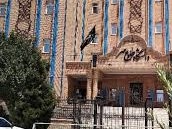
Tolo-e Mehr University of Qom: Humanities Education, Skills Development, and Futures Studies
As part of the development of higher education in the humanities and the enhancement of students’ academic and professional skills, Tolo-e Mehr University of Qom is an educational and cultural institution in Qom Province that emphasizes practical skills development and a forward-looking approach to education.
Established in 2011, the university began its educational activities with the aim of training specialized and committed professionals, advancing the humanities, and strengthening students’ professional competencies. Its establishment was supported by an experienced board of trustees and stakeholders committed to educational development.
The university seeks to provide a dynamic environment for students’ academic, cultural, and professional growth by drawing on the expertise of its faculty members, expanding skills-based education, and promoting research in futures studies.
History and Academic Profile of Tolo-e Mehr University of Qom
Since its establishment, Tolo-e Mehr University of Qom has pursued academic and professional development through educational programs organized into specialized faculties and academic departments.
According to the available institutional information, the university comprises three faculties and nine academic departments and offers programs at the associate, bachelor’s, and master’s levels. Educational activities are organized through units serving female and male students. The university has a built-up area of more than 8,000 square meters and a student population of over 3,000.
Tolo-e Mehr University of Qom at a Glance
General Information
-
Type: Non-governmental, nonprofit higher education institution
-
Year of Establishment: 2011
-
Fields of Study: Humanities, management, law, and futures studies
-
Educational Approach: Skills-oriented and forward-looking higher education
-
Degree Levels: Associate, bachelor’s, and master’s
-
Student Enrollment: More than 3,000 students, according to the available institutional information
Academic Approach and Educational Priorities
The university’s educational approach focuses on the following priorities:
-
Advancing education in the humanities and strengthening professional competencies
-
Promoting practical skills development and student empowerment
-
Providing academic programs and planning suited to working students
-
Integrating university education with futures studies and forward-looking research
-
Fostering a dynamic and creative environment for academic and cultural development
Faculties and Academic Departments
The university organizes its educational and research activities through the following faculties and academic departments.
Faculty of Law
-
Law departments
Faculty of Management and Accounting
-
Management departments
-
Accounting departments
Faculty of Humanities
-
Humanities departments
-
Futures Studies Department
The names and number of individual academic departments should be verified against the university’s official academic directory to ensure that the stated total of nine departments is accurately reflected.
Research and Technology
Tolo-e Mehr University of Qom identifies scientific research and futures studies as areas of focus, with an emphasis on knowledge production and the development of research in the humanities and related disciplines.
Research Areas
-
Futures studies
-
Humanities and management
-
Studies on the Islamic Revolution
Research Initiatives
The university’s reported research initiatives include:
-
Establishment of a Futures Studies Research Think Tank
-
Establishment of an Islamic Revolution Studies Think Tank
-
Publication of the academic journal Strategic Management and Futures Studies
-
Organization of specialized conferences and seminars on futures studies
-
Offering a master’s program referred to in Persian as مهندسی آیندهپژوهی. The official English name of the degree program should be confirmed by the university before publication.
Faculty Members
The university’s educational activities draw on the academic expertise of its faculty members. Faculty-related priorities include:
-
Teaching across various academic disciplines
-
Supporting improvements in educational quality through academic and research expertise
-
Participating in educational, research, and practical skills-development activities
Specific claims regarding faculty qualifications, academic rankings, or distinctions should be supported by official university records.
Students and Educational Opportunities
The university offers educational programs at different academic levels.
Key Features
-
More than 3,000 students, according to the available institutional information
-
Associate, bachelor’s, and master’s degree programs
-
Educational units serving female and male students
-
Opportunities to participate in practical skills-development courses and workshops
Facilities and Infrastructure
The facilities and services reported by the university include:
-
Educational facilities covering more than 8,000 square meters
-
Classrooms and laboratories
-
Psychological counseling center
-
Legal clinic
-
Skills Development Office
-
Language Center
-
Health Monitoring Center
-
Medical Sciences Skills Training Center
-
Electronic educational services
The official English names and current operational status of these facilities should be confirmed before publication. Claims regarding accessibility should also be supported by specific information about the services available.
Educational Opportunities and Student Support
The university’s stated educational priorities and reported student services include:
-
Instruction by experienced faculty members
-
Practical skills-development workshops
-
Academic planning options for working students
-
Tuition discounts for eligible high-achieving students
-
Student loans and financial assistance through the Student Welfare Fund, subject to eligibility and applicable regulations
-
Opportunities to participate in research and futures studies initiatives at the provincial and national levels
Tuition rates, discount policies, financial assistance arrangements, and eligibility requirements should be checked against the university’s current official regulations before publication.
Strategic Objectives
The university’s stated strategic objectives include:
-
Training specialized, committed, and skills-oriented professionals
-
Improving educational quality and professional competencies
-
Advancing research in futures studies and the humanities
-
Creating a dynamic and culturally enriching educational environment
-
Strengthening the university’s contribution to the academic and cultural development of Qom Province
Future Outlook
The university’s stated future priorities include:
-
Strengthening its role in humanities education and futures studies in Qom Province
-
Expanding skills-oriented academic programs
-
Developing research activities and think tanks
-
Enhancing academic and cultural engagement at the national level
-
Promoting a forward-looking, skills-oriented, and socially engaged approach to higher education
How to Apply to Iranian Universities Through Authorized Student Recruitment Agencies
Prospective international students seeking admission to Iranian universities can explore authorized student recruitment agencies operating under the supervision of Iran’s Ministry of Science, Research and Technology. Applicants should verify the authorization status of any agency before using its services.
The online platform iranian.university presents information about Iranian universities and academic programs available to prospective students. Applicants may use the platform to explore options based on their preferred city, field of study, tuition fees, and other relevant criteria.