

_1_1.jpg)
_1.jpg)
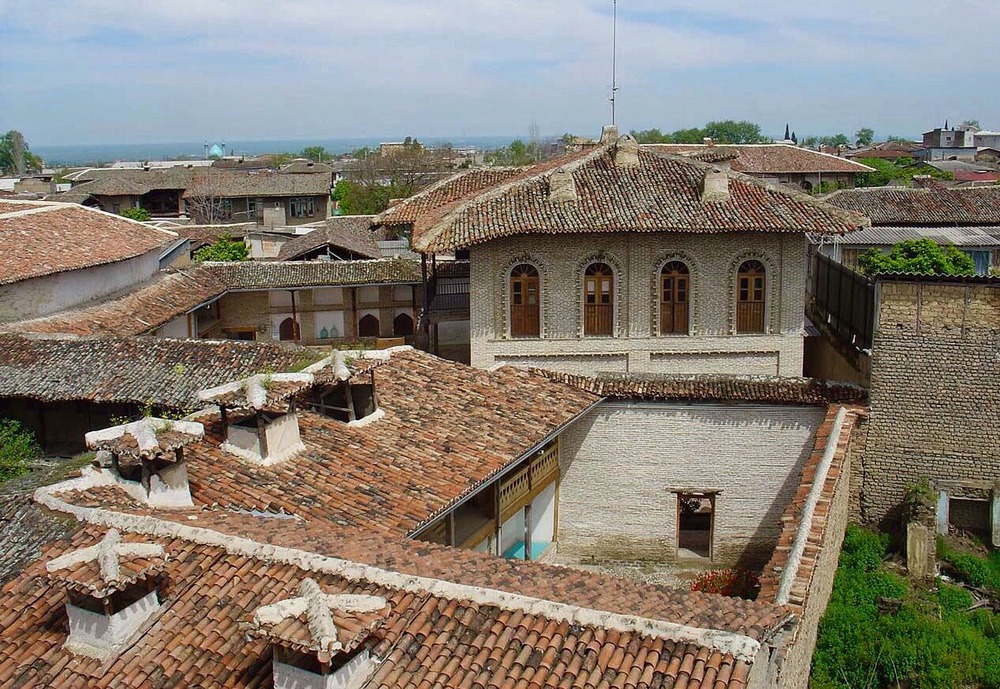
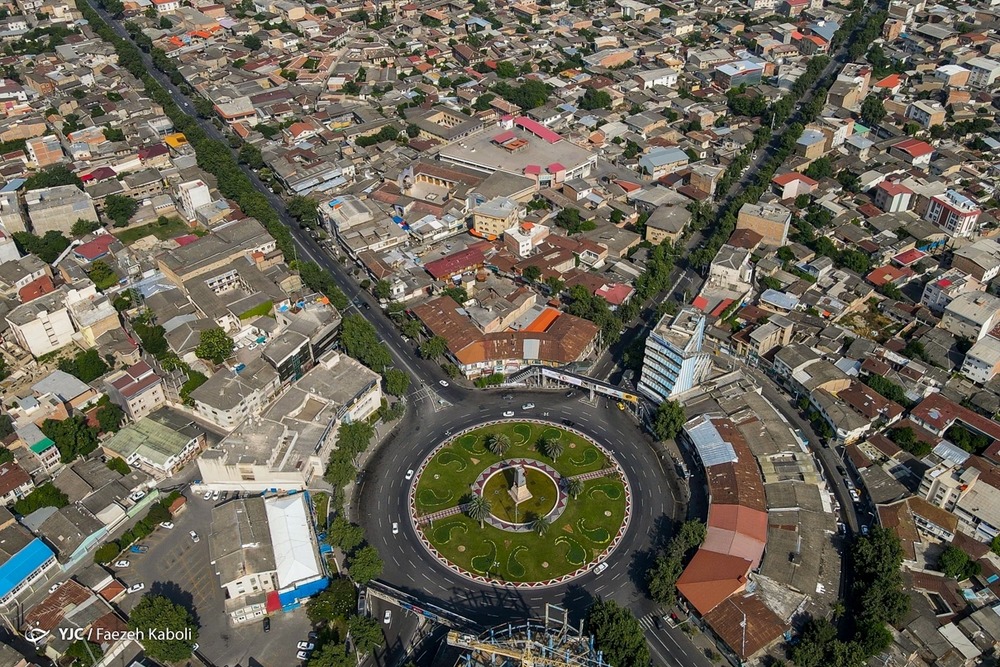
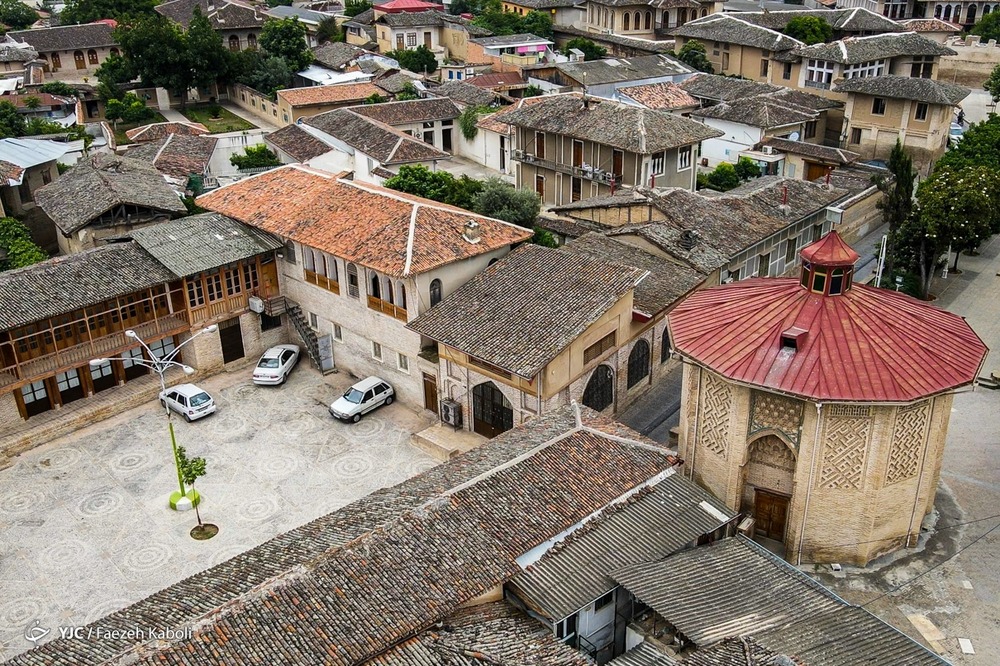
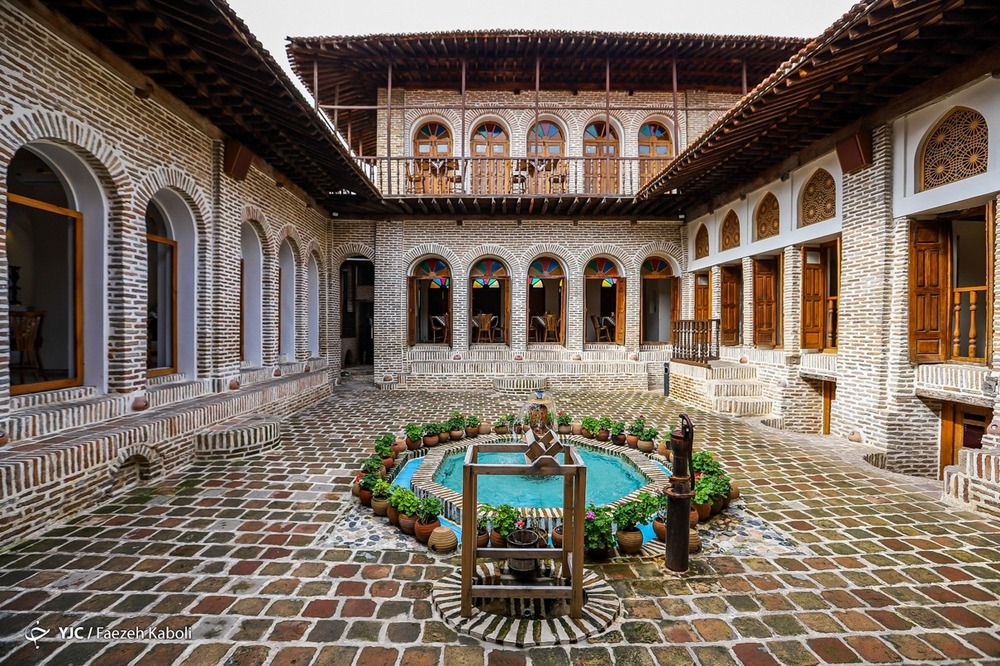
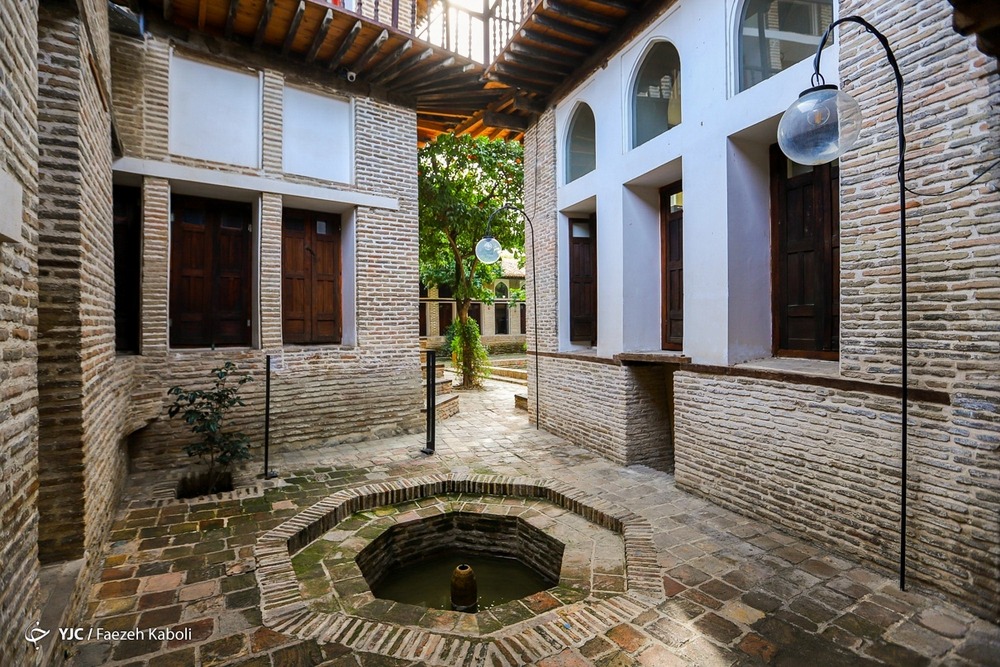
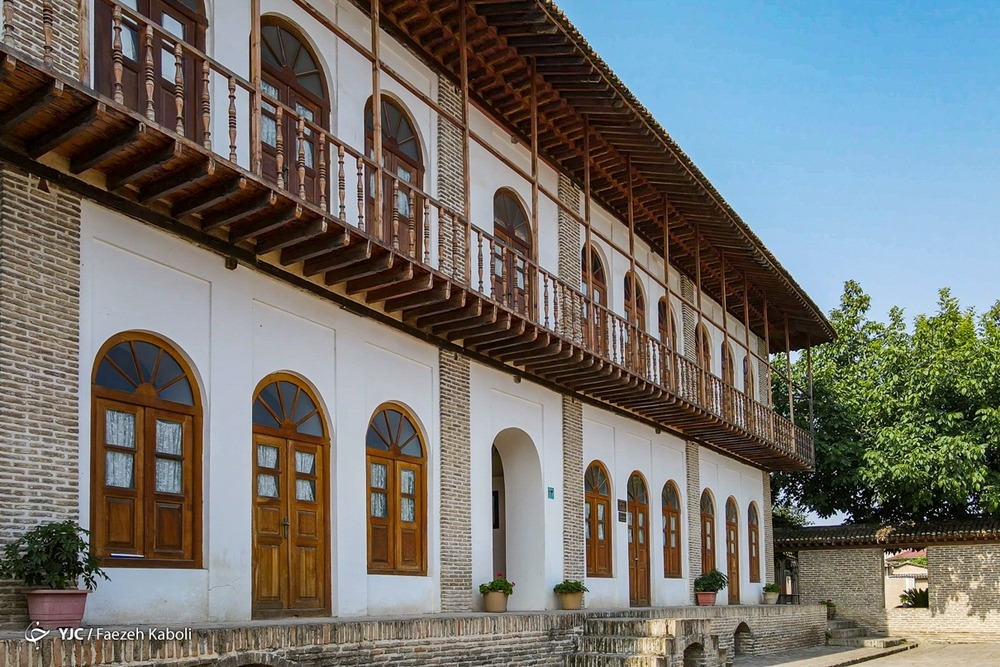
In northern Iran, nestled among the lush Hyrcanian forests and the fertile plains along the Caspian Sea, lies a city whose history is intertwined with myth, culture, and a civilization spanning thousands of years. Gorgan, formerly known as “Astarabad,” is one of the oldest human settlements in northern Iran and has been an important center of civilization throughout history. Gorgan can be described as the “City of Forests and History”—a city where the indigenous architecture of northern Iran blends with an ancient historical heritage, creating pleasant spaces that exist in harmony with nature and are imbued with a rich sense of collective memory.
The story of Gorgan is deeply intertwined with its unique geographical location. Situated between the Caspian Sea and the eastern Alborz Mountains, the city has long been one of the most important centers of settlement in northern Iran. The ancient name of the region, “Hyrcania” or “Varkana,” meaning “Land of the Wolves,” reflects its deep historical roots, with human settlement in the region dating back thousands of years. Throughout history, Gorgan has attracted the attention of successive rulers and dynasties because of its mild climate, fertile soil, and strategic location along the Silk Road. The city flourished during the Safavid period and, during the Qajar era, became one of the important commercial and cultural centers of northern Iran.
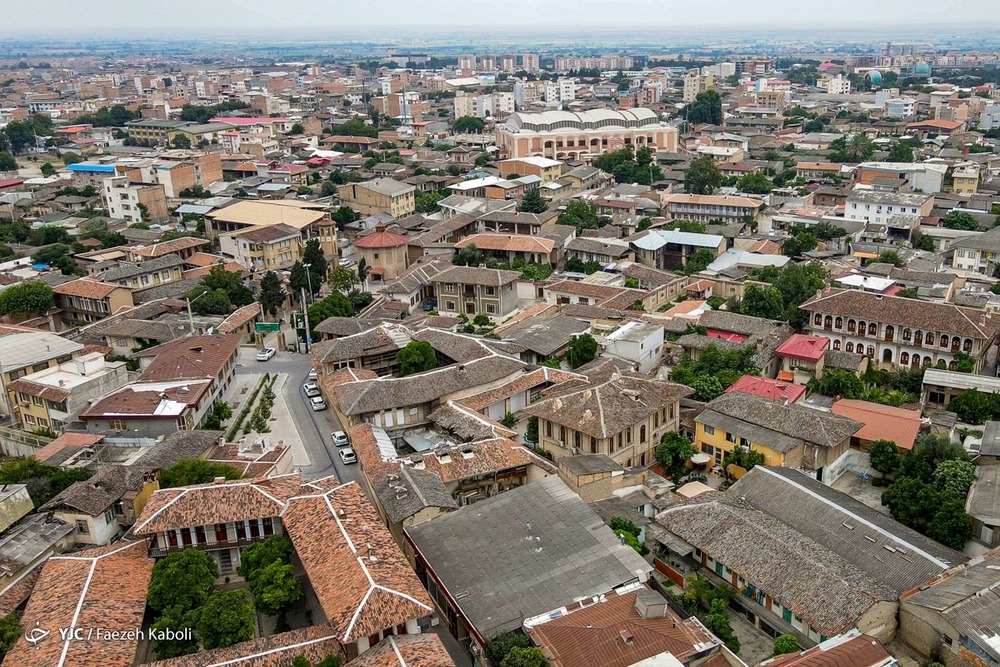
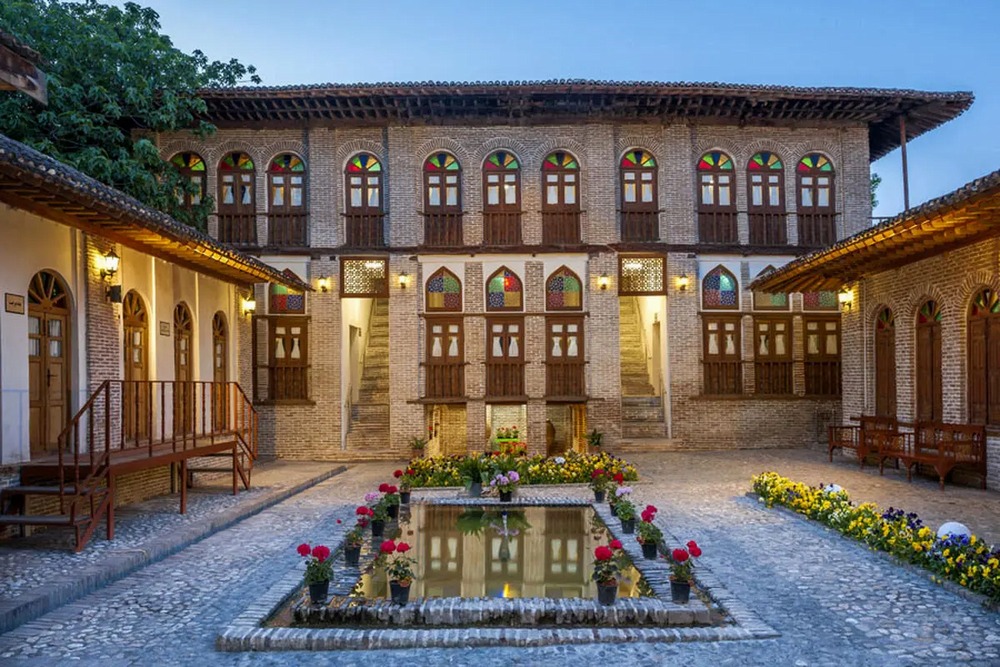
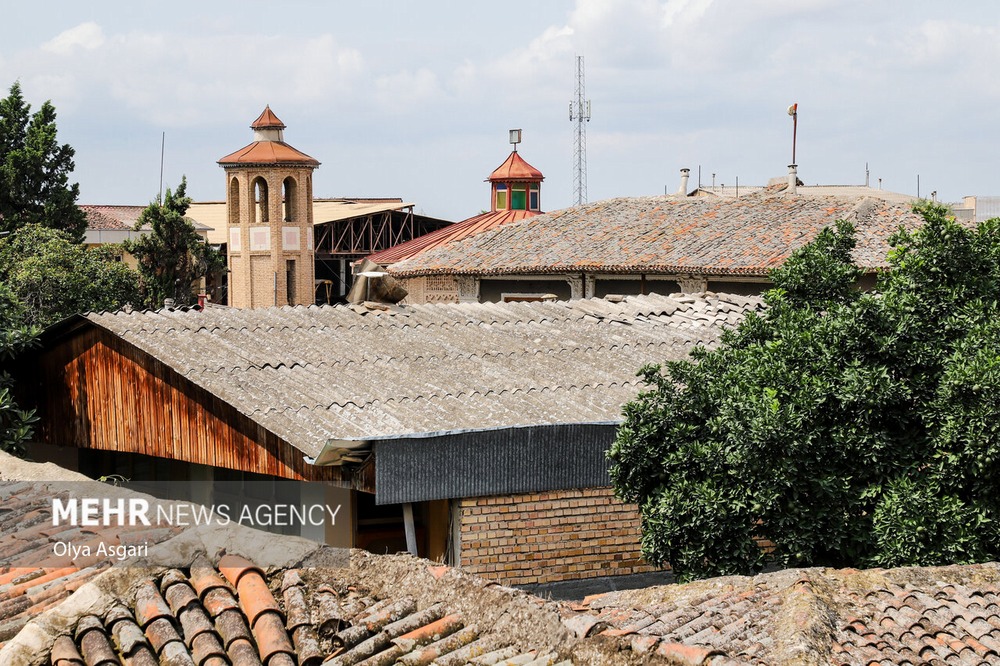
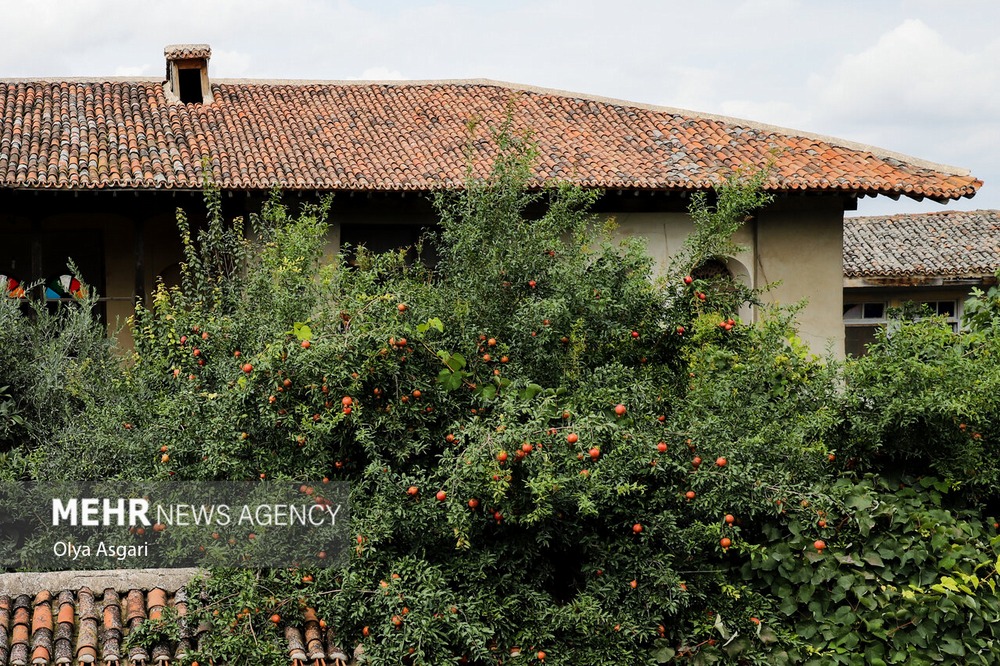
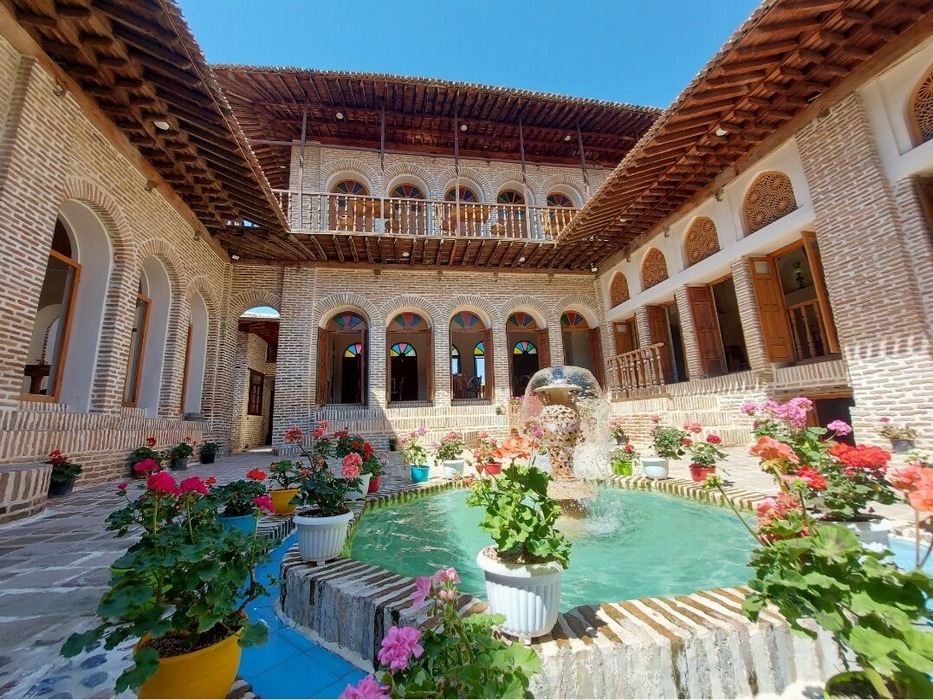
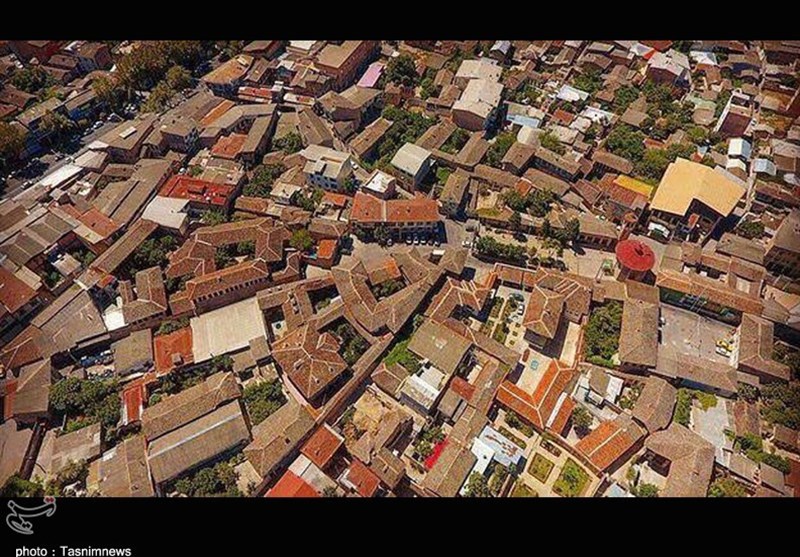
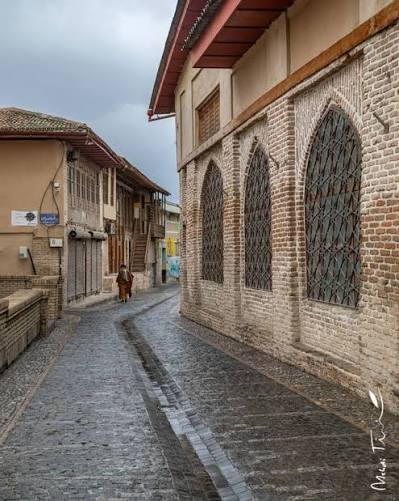
The historic urban fabric of Gorgan, formerly known as Astarabad, is a valuable treasure trove of Qajar- and Pahlavi-era architecture. Located in the heart of present-day Gorgan, this historic district, with its narrow, winding alleyways, historic houses featuring spacious verandas, and clay-tiled pitched roofs, offers a brilliant example of northern Iranian architecture. Unlike the desert cities of Iran, where architecture is typically inward-looking and enclosed, Gorgan’s historic houses open outward toward the region’s lush and rainy natural environment through their verandas, balconies, and numerous windows. This “outward-looking” approach, an intelligent response to the mild and humid climate of northern Iran, allows the houses to benefit from natural airflow and daylight while helping protect them from excessive moisture and decay.
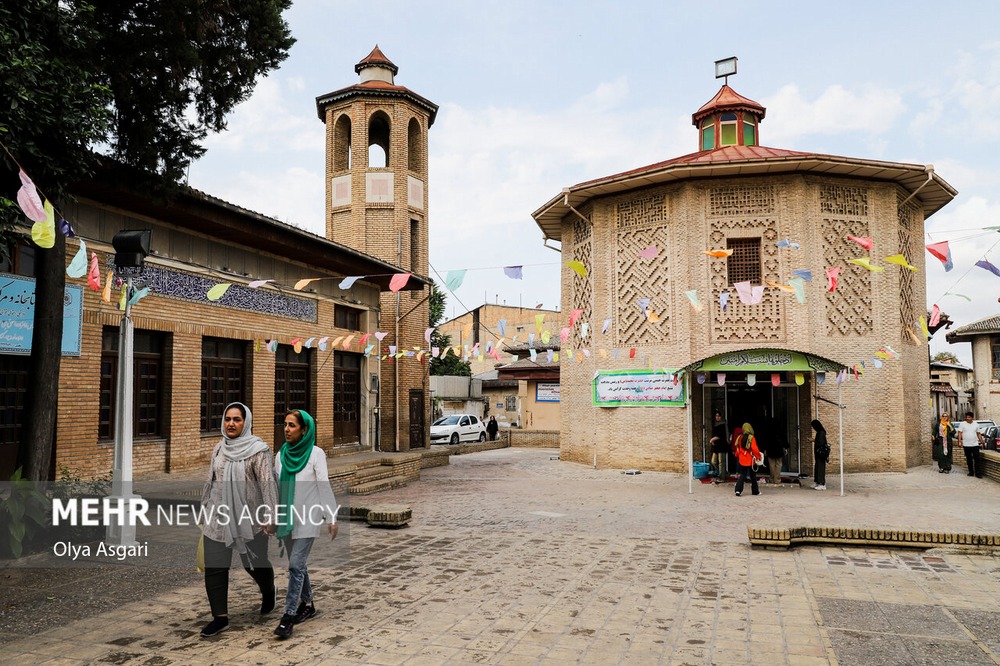
The Jameh Mosque of Gorgan is another prominent historic monument in the city. Its original core dates back to the Seljuk period, and it has been restored and expanded over the centuries. With its tall iwan, brick minaret adorned with Kufic inscriptions, and prayer hall featuring wooden columns and a pitched roof, the mosque offers a remarkable example of the fusion of Iranian religious architecture with the indigenous traditions of northern Iran. The mosque’s mihrab is decorated with delicate plasterwork and Qur’anic inscriptions, creating a serene and spiritual space for worship.
Gorgan is also a city of imamzadehs and historic shrines. Imamzadeh Noor (Ishaq ibn Musa ibn Ja‘far) is one of the city’s important pilgrimage sites. Located within Gorgan’s historic urban fabric, the shrine features a turquoise dome, a magnificent iwan, and a spacious courtyard. Built during the Safavid period and expanded in later eras, the complex is adorned with seven-color tiles, delicate plasterwork, and tall minarets, making it a remarkable example of historic shrine architecture in northern Iran.
One of the distinctive features of Gorgan’s architecture is the extensive use of wood as a primary building material. In this region, the abundance of timber in the Hyrcanian forests, combined with the need for lightweight structures that can better withstand humidity and seismic movement, has given wood an important role in local architecture. Pitched roofs covered with glazed clay tiles, wooden verandas with turned-wood railings, and wooden windows fitted with colored glass are among the defining elements of Gorgan’s architectural tradition. Beyond creating warm and inviting spaces, the use of wood also provides buildings with a degree of flexibility that can help them better withstand earthquakes.
Gorgan is also the gateway to the “Great Wall of Gorgan,” also known as “Alexander’s Wall,” one of the largest and most enigmatic defensive structures of the ancient world. Stretching for approximately 200 kilometers from the eastern shores of the Caspian Sea to the mountains of Golestan, it is regarded as the second-longest historical wall in the world after the Great Wall of China. Built during the Sasanian period to defend against invasions from the north, the Great Wall of Gorgan, constructed with large mudbricks and fired bricks, was accompanied by a deep ditch and a chain of forts and watchtowers, forming a sophisticated and comprehensive defensive system. Although much of the wall is now buried beneath the soil, its remains testify to the remarkable engineering skills and organizational capabilities of the Sasanian Empire.
The traditional bazaar of Gorgan, also known as Na’lbandan Bazaar, is another of the city’s notable attractions. Dating back to the Qajar period, the bazaar features brick vaults, traditional shops, and numerous interconnected market lanes, and it continues to serve as a vibrant center of commerce and everyday life. Here, visitors can find Turkmen handicrafts, handwoven rugs, and a variety of local products.
Gorgan offers valuable lessons in “outward-looking architecture adapted to a mild and humid climate,” “the use of local materials such as wood and clay,” and “the preservation and revitalization of historic urban fabrics.” The city demonstrates how a center of civilization can, over thousands of years, draw on indigenous knowledge and local materials to create pleasant, sustainable spaces in harmony with nature.