

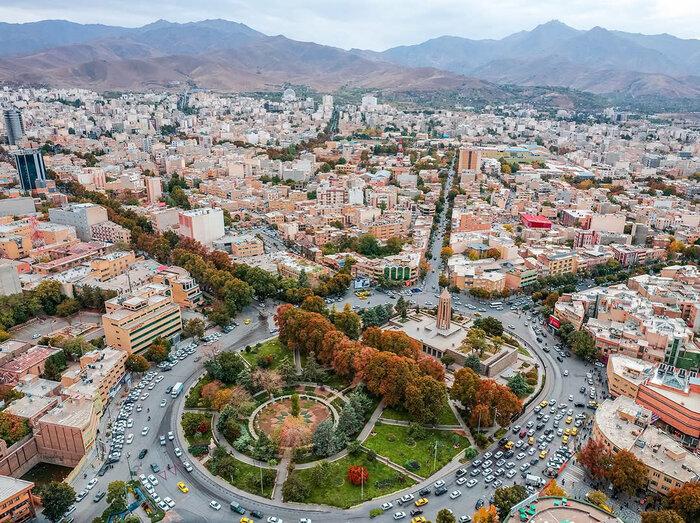
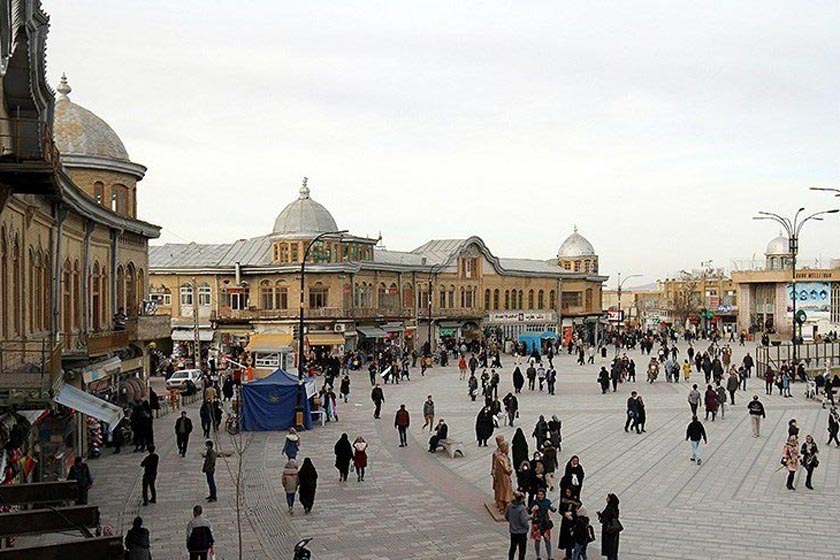
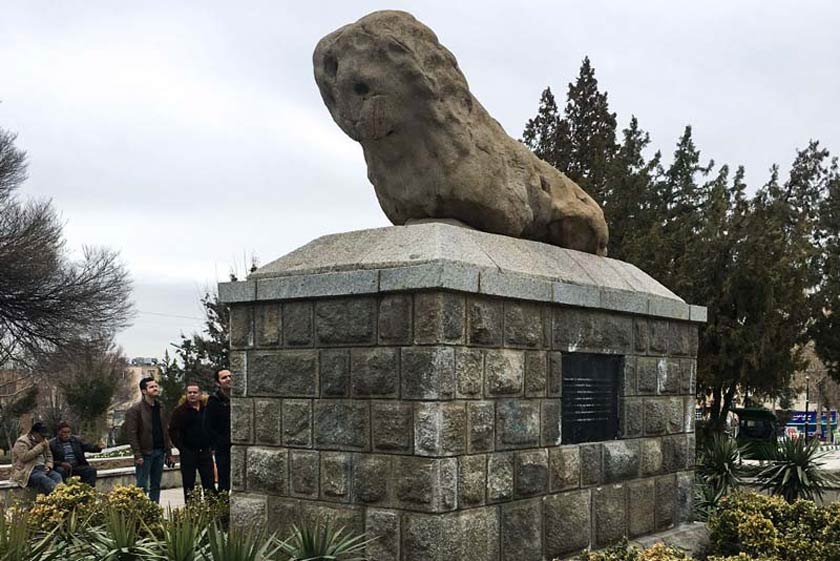
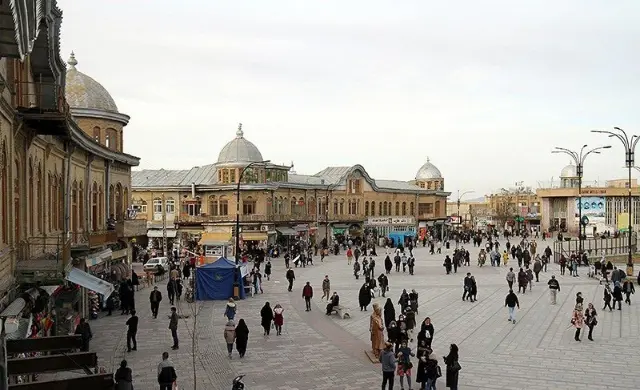
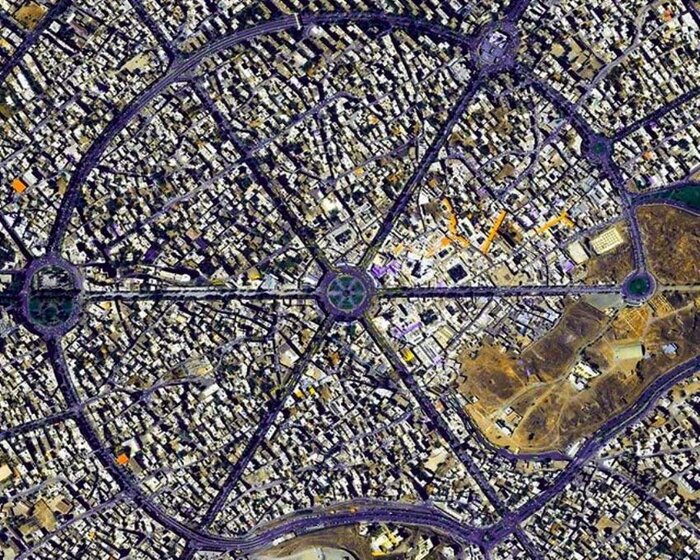
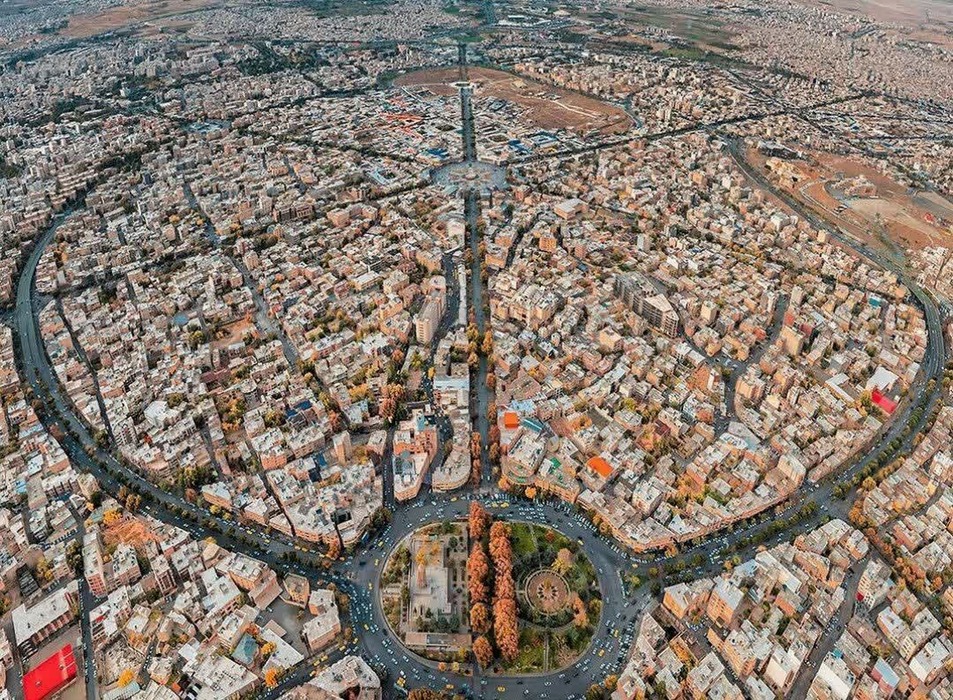

In western Iran, on the lush and cool slopes of Mount Alvand, lies a city whose history is intertwined with myth and legend, and whose ancient stones tell the story of a civilization thousands of years old. Hamedan, an ancient city set high above the surrounding landscape, is one of the oldest cities in Iran and, according to some historical accounts, one of the earliest capitals in Iranian history, serving as the capital of the Medes. Hamedan can be described as the “City of Stone and History”—a city where architecture was created not merely for habitation, but to endure through time and preserve the collective memory of a nation. From Achaemenid rock inscriptions carved into the mountains to the magnificent mausoleums of renowned figures, from Seljuk domes to modern architecture inspired by tradition, Hamedan is a city where every stone and every structure turns another page in the great book of Iranian history.
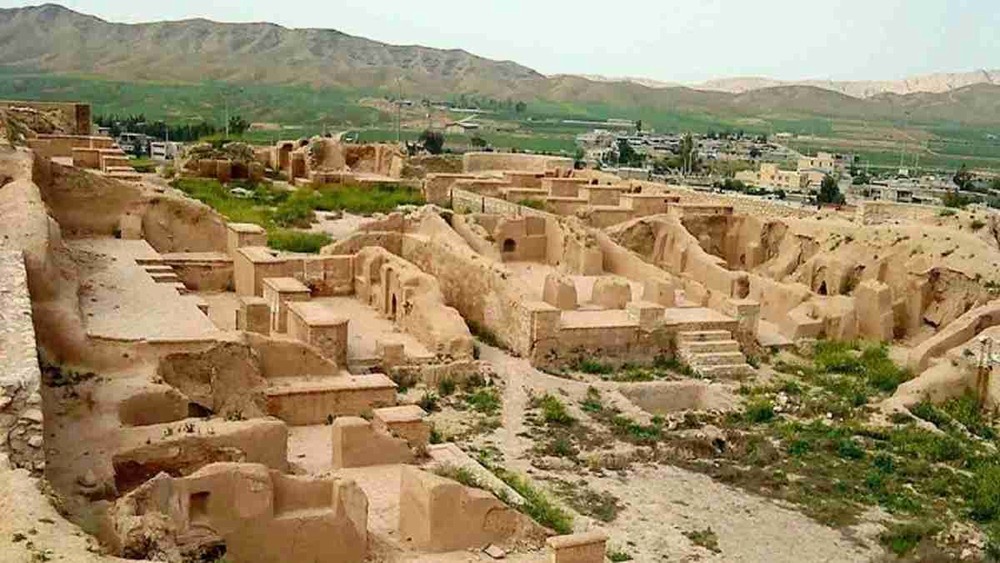
The story of Hamedan is closely intertwined with its strategic location along the routes connecting western Iran with Greater Khorasan and the Silk Road. Situated at an elevation of around 1,800 meters above sea level, the city, with its mild mountain climate and abundant springs, has long been a desirable place to live. The ancient name of Hamedan, “Hegmataneh” or “Ecbatana,” has traditionally been interpreted as meaning “place of gathering.” According to historical sources, Deioces, the first king of the Medes, chose it as his capital. The Greek historian Herodotus described Ecbatana as a city surrounded by seven-colored walls, with a magnificent palace at its center. Although little of that ancient splendor survives today, archaeological excavations at Hegmataneh Hill have revealed remains of architecture dating from the Median, Achaemenid, and Parthian periods.
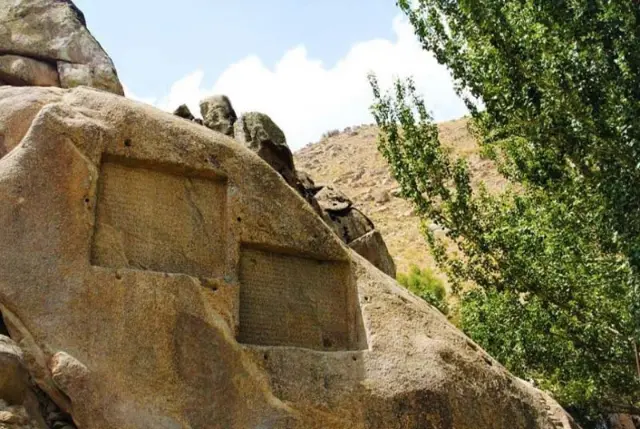
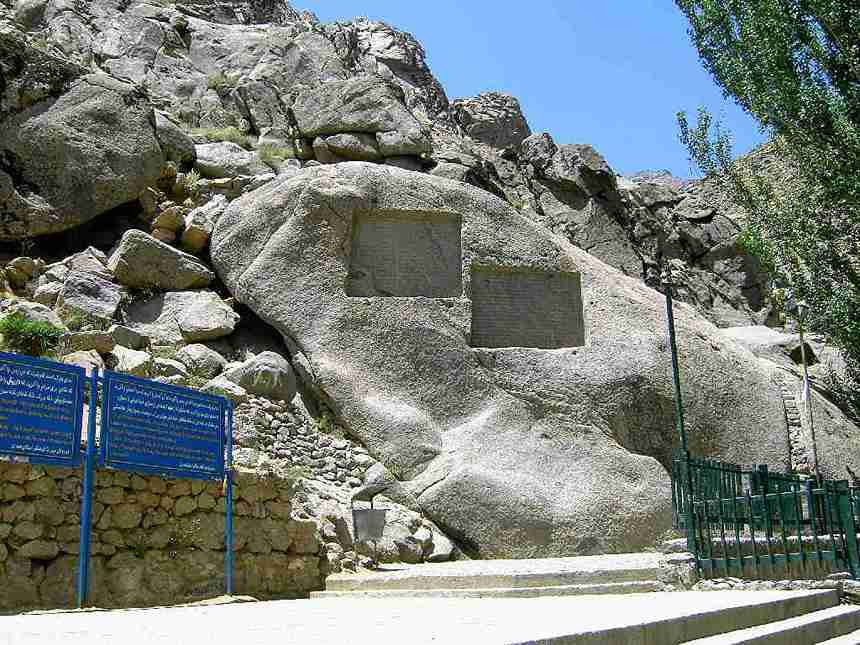
Yet Hamedan is more than a city that draws upon the grandeur of its ancient past; it is a city that has preserved history through its many layers. Ganjnameh comprises two magnificent Achaemenid rock inscriptions carved into the slopes of Mount Alvand near Hamedan. Written in cuneiform in three languages—Old Persian, Elamite, and Babylonian—the inscriptions contain texts commissioned by Darius the Great and Xerxes, praising Ahura Mazda and recording their achievements and conquests. Set beside a beautiful waterfall and amid the pristine mountain landscape, these inscriptions offer a remarkable example of the integration of “art, nature, and political power” in the ancient world.
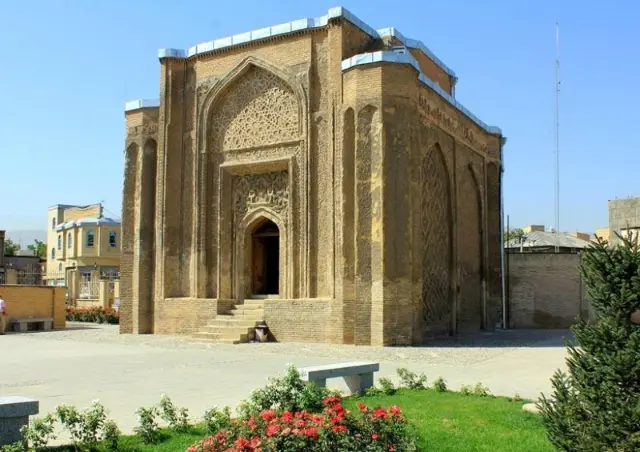
One of the most remarkable and distinctive monuments in Hamedan is the Alavian Dome, a Seljuk-era structure renowned for its deeply carved and intricate plasterwork. It is considered one of the masterpieces of Iranian art and architecture. Originally built as a mosque, it was later converted into a mausoleum for the Alavian family. The structure is a rectangular brick building that was once crowned by a dome, which unfortunately collapsed and no longer survives today. What makes the monument truly unique, however, is its richly decorated interior. The walls and ceiling of the Alavian Dome are covered with richly carved relief plasterwork featuring intricate arabesque motifs, delicate floral patterns, Qur’anic inscriptions in Kufic and Thuluth script, and a variety of geometric designs. The carvings are so deep, intricate, and elaborate that they seem to cast a delicate web of light and shadow across the walls. With its breathtaking plasterwork, the Alavian Dome stands as a brilliant example of the sophistication of Seljuk decorative art.
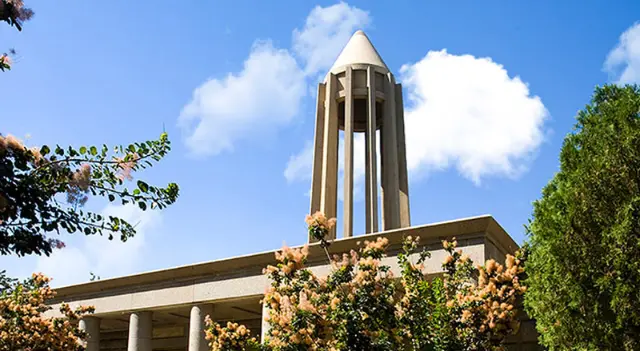
Hamedan is also a city of mausoleums. The Mausoleum of Avicenna, the great Iranian philosopher, physician, and scholar, is one of the city’s most iconic landmarks. Designed and built in the 1950s, the mausoleum is a brilliant example of “modern Iranian architecture,” drawing inspiration from ancient architectural traditions while creating a structure that reflects the spirit of its own era. The architect, Hooshang Seyhoun, drew inspiration from the Gonbad-e Qabus Tower and other funerary towers across Iran, designing a tall tower with a distinctive geometric form supported by twelve concrete columns. Rising above a stone base, the tower symbolizes the grandeur and enduring legacy of Avicenna’s thought. The garden surrounding the mausoleum, with its pools and lush trees, provides visitors with a tranquil and contemplative setting.
Near the Mausoleum of Avicenna stands the mausoleum of Aref Qazvini, a poet and composer known for his support of the Constitutional Revolution. This simple yet dignified monument, with its brick arch and semi-open design, is an example of modern Iranian commemorative architecture. Hamedan is also home to the Mausoleum of Baba Taher, the renowned Iranian poet and mystic known for his heartfelt quatrains. Located in a spacious, tree-lined square in the center of the city, the mausoleum features an octagonal tower crowned by a turquoise dome, creating a poetic and contemplative atmosphere.
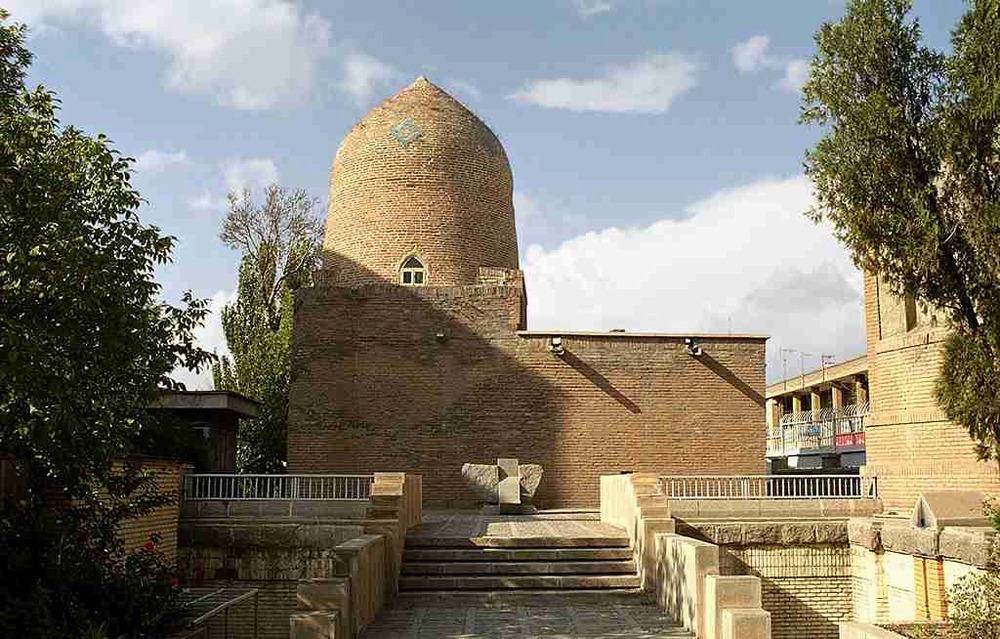
Yet one of the most remarkable and lesser-known monuments in Hamedan is the Tomb of Esther and Mordechai. Located in the historic fabric of the city, the tomb is believed to be the burial place of two revered Jewish figures and is regarded as an important Jewish pilgrimage site. The structure is a simple brick tower crowned by a conical dome, with origins traditionally attributed to the Ilkhanid period. Its interior is decorated with marble and Hebrew inscriptions, creating a serene and spiritual atmosphere. The presence of this shrine in the heart of Hamedan reflects the long history of coexistence among different religions and cultures in this ancient city.
Hamedan reflects “historical continuity,” “commemorative architecture,” “the integration of tradition and modernity,” and “the importance of local materials, particularly stone, in architectural design.” The city demonstrates how a place can preserve its identity for thousands of years while remaining open to change and innovation.