

Tehran Book Garden
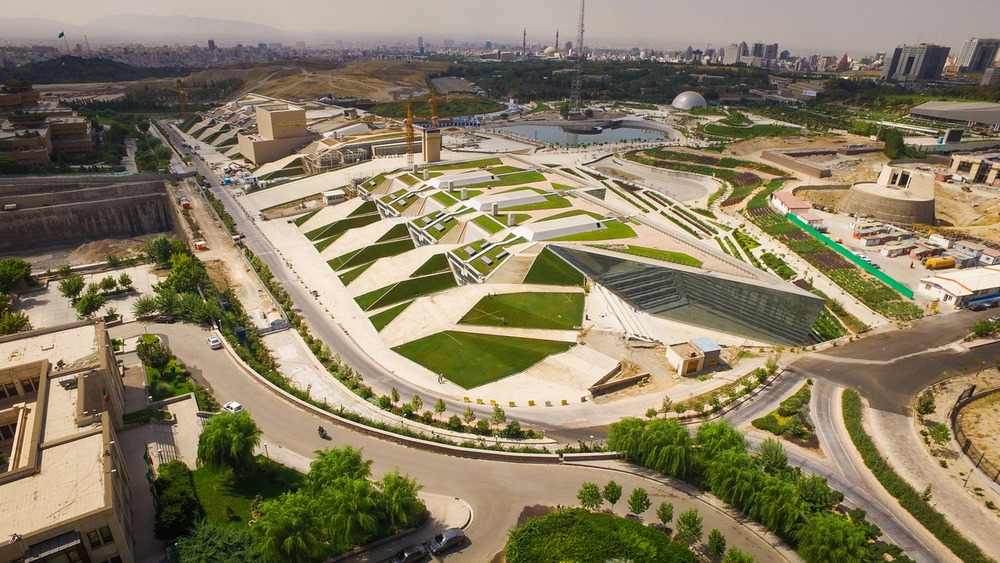
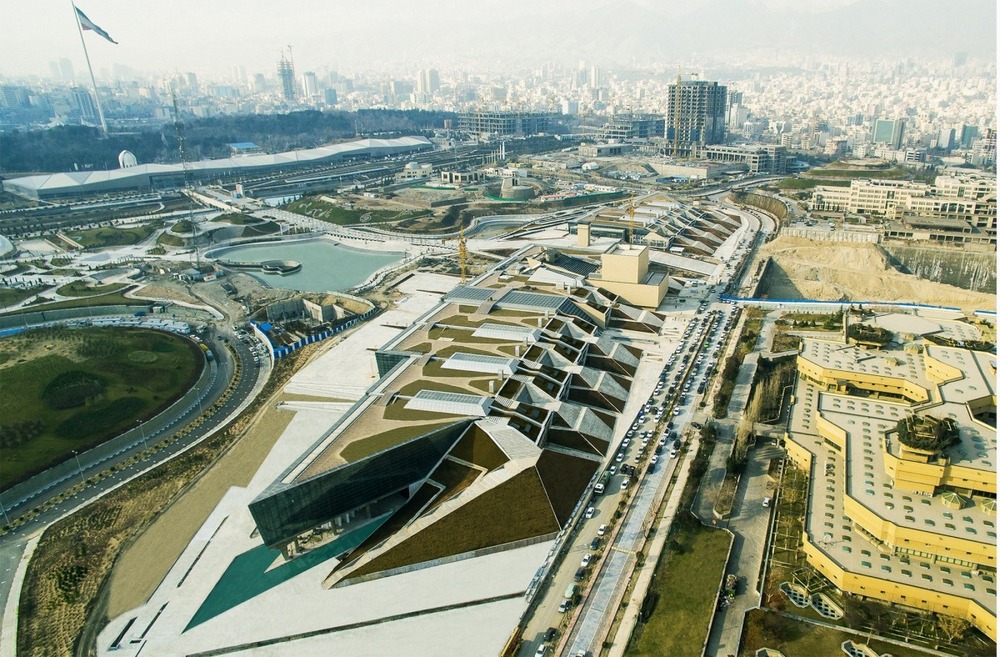
A Cultural Destination for Book Lovers In the heart of Tehran, on the northern edge of the vast and verdant Taleghani Park, stands a complex that is much more than a bookstore. It is a city of books, a paradise for book lovers, and a statement of cultural ambition for the Iranian capital. With a reported built-up area of 65,000 square meters arranged across two floors, and space to display more than 400,000 book titles across a wide range of subjects, Tehran Book Garden is one of Iran’s largest bookstores and cultural complexes. It brings together modern architecture, creative and inviting interior design, and a passion for books and reading to create an enjoyable experience of browsing, reading, and leisure. This extensive cultural complex is not merely a place to purchase books; it is also a popular destination for families, university students, researchers, domestic and international tourists, and others interested in books and culture.
The story of Book Garden began with an ambitious vision: to bring books beyond the confines of traditional bookstores and transform them into a more engaging, immersive experience. Visitors were encouraged to come not only to purchase books, but also to stroll among the shelves, explore a wide range of titles, browse books, read a few pages of a new novel, and enjoy an environment devoted to knowledge and culture. The concept drew inspiration from large, modern bookstores around the world, including Barnes & Noble in the United States and Waterstones in the United Kingdom. It was developed on a large scale and complemented by a variety of cultural, educational, and recreational facilities, resulting in Tehran Book Garden. The primary objective was not simply to sell books, but also to promote reading among all segments of society and create a dynamic, appealing public cultural space for Tehran’s residents and visitors. Construction began in 2010 (1389 in the Iranian Solar Hijri calendar), and the complex opened to the public in 2017 (1396 in the Iranian Solar Hijri calendar), following approximately seven years of planning and construction. Since its opening, it has attracted considerable public interest among Tehran’s residents and visitors.
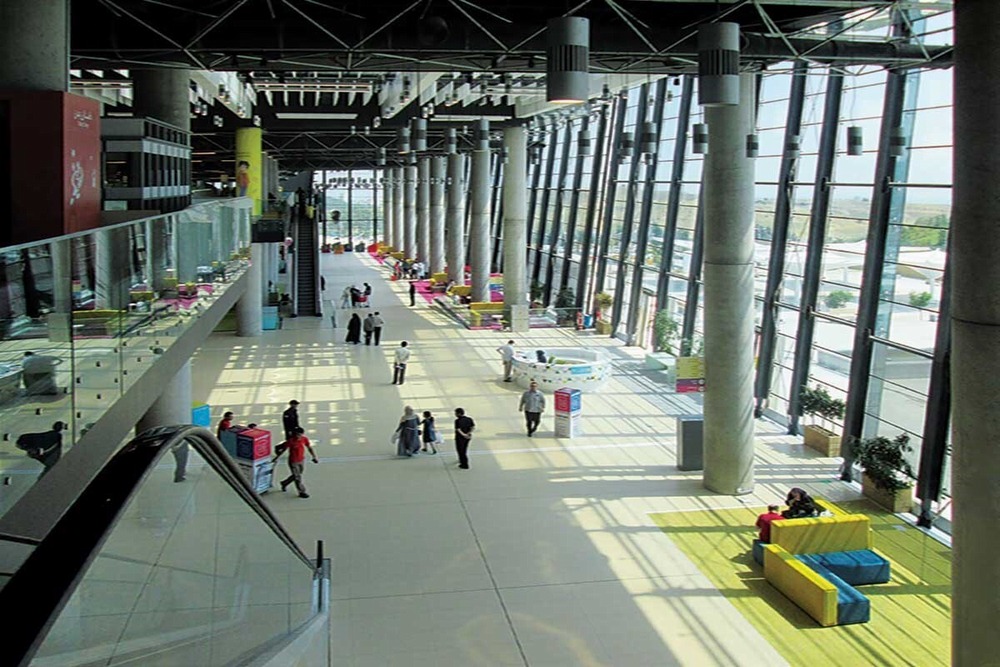
Book Garden consists of two main sections: the adult section and the children’s and teenagers’ section. The adult section offers a spacious, bright, and welcoming environment, with rows of tall bookshelves containing titles arranged by subject. Its collection covers a broad range of topics, from classical and contemporary Iranian and world literature to history, philosophy, psychology, science, art, architecture, cooking, and reference works. High ceilings contribute to a sense of openness and grandeur, while soft, indirect lighting creates a comfortable reading environment. Wide aisles make it easy for visitors to move around and explore the shelves. Comfortable chairs and sofas are placed throughout the space, including between the bookshelves, allowing visitors to sit down, browse books, and spend time reading in a peaceful setting. Large study tables are also available in designated areas for university students and researchers who wish to read or take notes.
The children’s and teenagers’ section of Book Garden offers a different and imaginative environment. Its colorful, creative, and whimsical interior design invites young visitors into a world of stories, fairy tales, and adventures. The bookshelves are designed to resemble small houses, trees, sailing ships, fairy-tale castles, and other imaginative structures that stimulate children’s curiosity and sense of adventure. The section also includes a storytelling area with colorful chairs and painted walls, a puppet theater with a dedicated stage, and educational workshops for painting, crafts, creative writing, and puppet-making. The aim is not simply to sell books to children, but to encourage their interest in reading through enjoyable, memorable, and interactive experiences. In this environment, children can play, explore, read books, and engage with characters from their favorite stories.
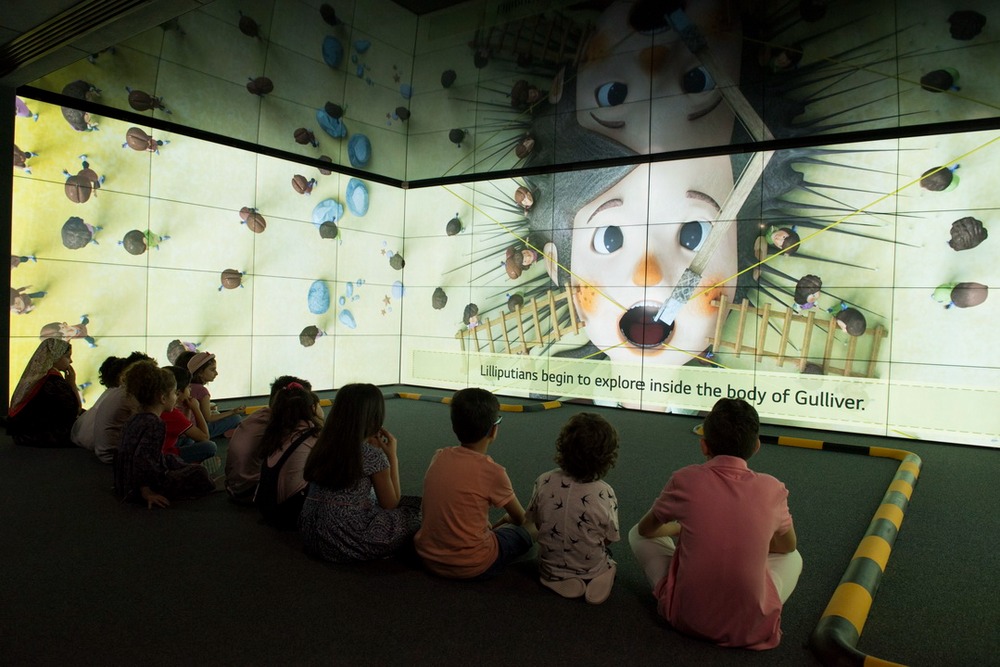
In addition to its book retail areas, Book Garden offers a range of cultural and recreational facilities. These include conference halls and an amphitheater for literary gatherings, book-launch events, and authors’ book-signing sessions; art galleries for exhibitions of visual art; cafés and restaurants where visitors can relax; and a Science Garden designed to introduce children and teenagers to scientific concepts through interactive activities. Equipped with interactive devices and displays, the Science Garden introduces young visitors to subjects such as physics, astronomy, biology, and mathematics, making learning a more engaging and enjoyable experience.
Tehran Book Garden also incorporates modern technology to make browsing and searching for books more convenient. Touchscreen kiosks are installed throughout the complex, allowing visitors to search for specific titles and access information about authors, book summaries, and reviews.
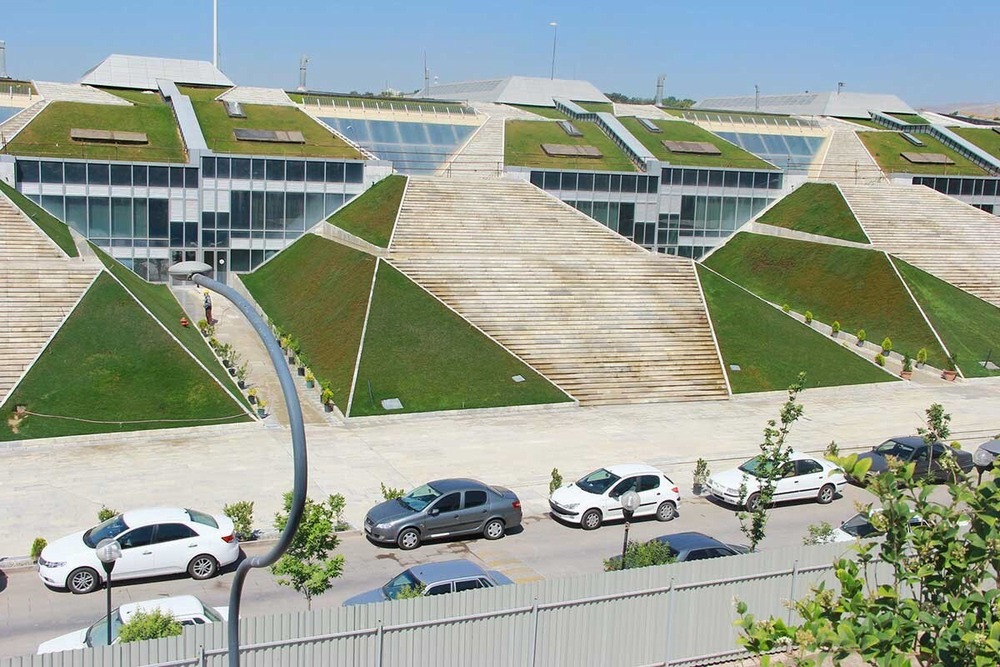
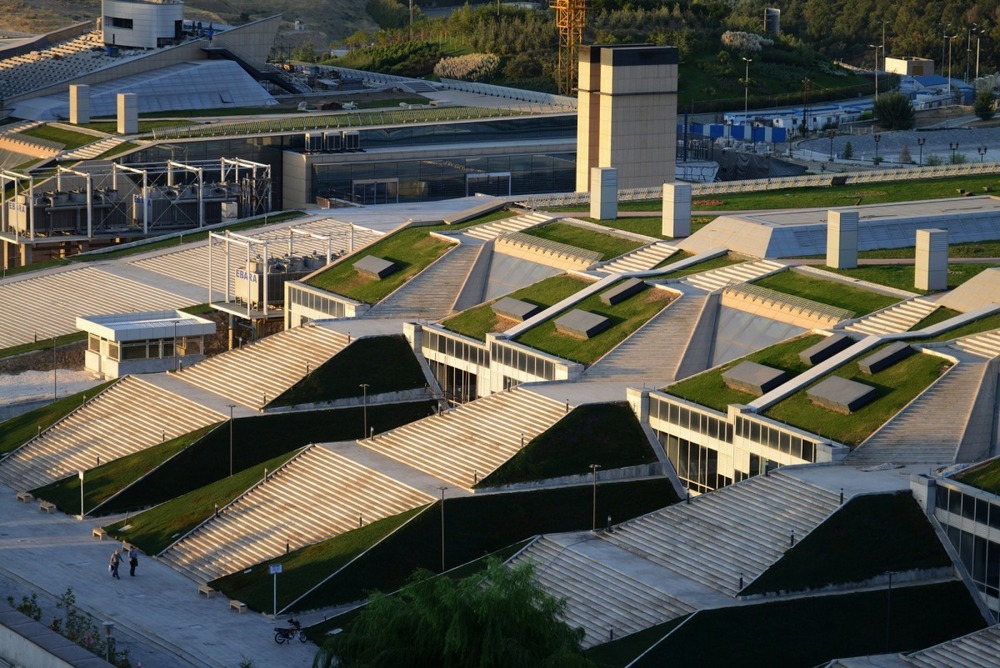
The architecture of Book Garden combines modern design with elements described as traditional Iranian influences. The building’s exterior features stone, glass, and metal, creating a contemporary appearance. Small central courtyards with water features and plants bring natural light and greenery into the interior spaces and establish a visual connection with the surrounding Taleghani Park.
For architects, interior designers, and cultural planners, Tehran Book Garden offers an example of multifunctional cultural-space design, the integration of commerce, culture, and recreation, visitor-centered experience design, and the role of public spaces in promoting reading. The complex demonstrates how a conventional bookstore can be developed into an engaging cultural destination for families and visitors of different ages. Tehran Book Garden continues to celebrate a love of books and reading in the heart of the Iranian capital, offering a space where literature, learning, leisure, and cultural activities come together.