Architectural Masterpieces

Expression of Art and Spirituality

Tilework, arabesque motifs, and turquoise domes: a tangible expression of Iranian beauty and wisdom.

Today's Highlight May 15
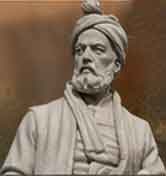
Ferdowsi

Ferdowsi Commemoration Day

Creator of the Shahnameh and guardian of Persian language and identity.

View Special Programs
Literature and Global Luminaries

Home of Poetry, Wisdom, and Thought

The timeless legacy of Ferdowsi, Saadi, Hafez, and Rumi lives through public diplomacy and international engagement.

Gallery of Luminaries

Iran's Enduring Voice

Live Archive
F
Ferdowsi

Iranian Epic and Identity

H
Hafez

Language of Mysticism and Beauty

I suffered greatly in these thirty years...
Discover
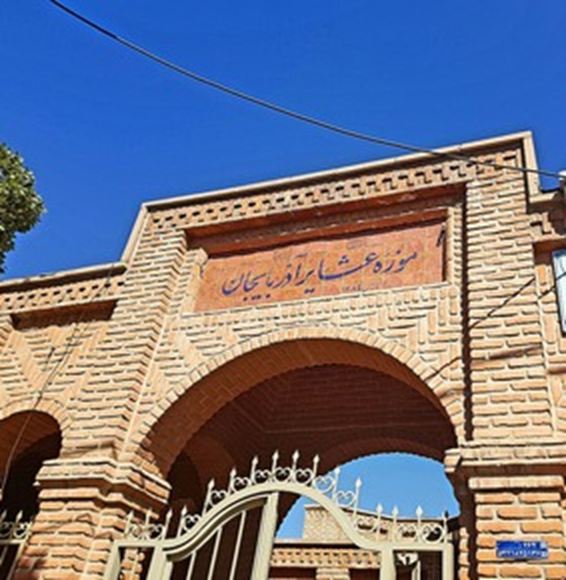
Azarbaijan Museum of Nomads,  Getting to Know One of the Most Influential Parts of Iranian Society

Category

Museums

Parsian Esteghlal International 5-Star Hotel

Category

Accommodation

Traditional Aushes of Yazd

Category

Food

Tourism Learn More About Iran's Tourist Destinations

Azarbaijan Museum of Nomads, Getting to Know One of the Most Influential Parts of Iranian Society

Azarbaijan Museum of Nomads displays a lifestyle that is completely compatible with nature and introduces visitors to one of the most influential parts of Iranian society

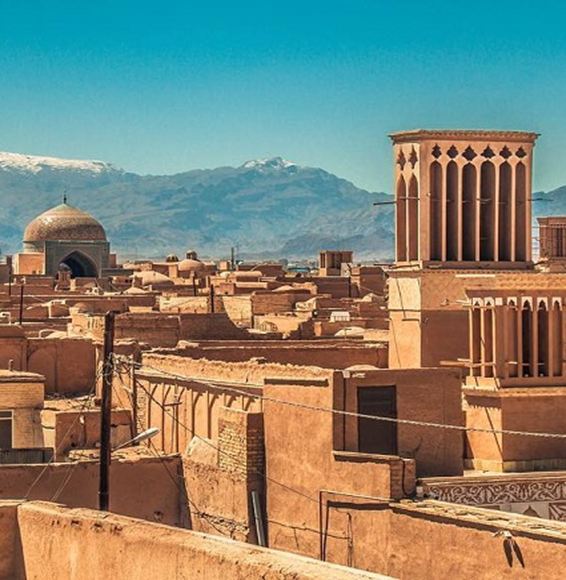
Yazd

Having numerous historical, religious, and natural tourist attractions and being one of the most traditional Iranian cities in the post-Islamic era, Yazd is considered to be one of the best tourist destinations of Iran

Parsian Esteghlal International 5-Star Hotel

Parsian Esteghlal International Hotel, part of the Parsian International Hotels Group, is located on a 70,000-square-meter estate in Tehran’s Baghshahr area at the foot of the Alborz Mountains.

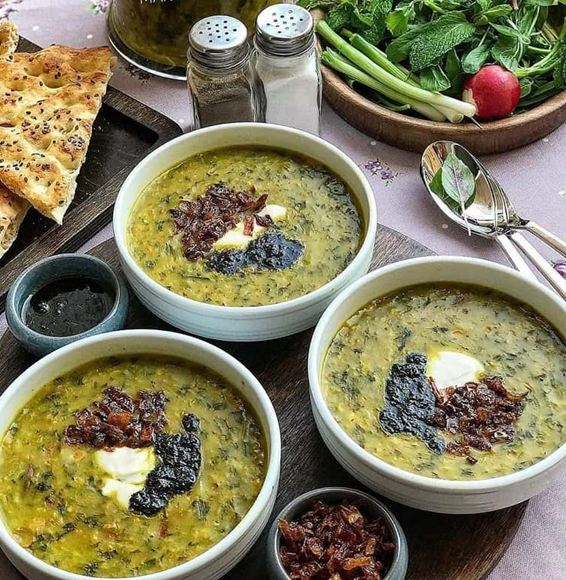
Traditional Aushes of Yazd

Many types of Aush (a particular Iranian dish) with different flavors and healthy and nourishing ingredients are cooked in Yazd, which have an important place in the diet of the people of this province

Related Content

Azarbaijan Museum of Nomads,  Getting to Know One of the Most Influential Parts of Iranian Society
+
Yazd
+
Parsian Esteghlal International 5-Star Hotel
+
Traditional Aushes of Yazd
+

Art

Learn More About Iranian Art

Handicrafts

More
pic

Iranian Khatam

Khatam (marquetry) is an ancient Iranian skill and art of decorating objects and it is one of Iran’s handicrafts and a symbol of the art and taste of the people of this land.

pic

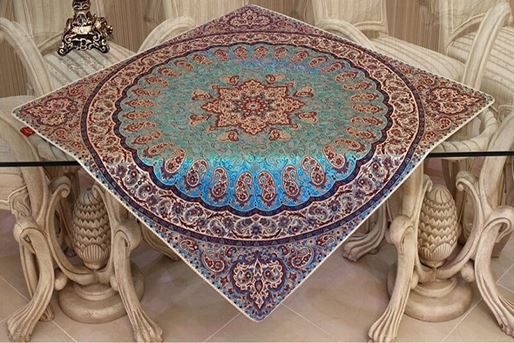
Cashmere Weaving

Yazd City is the main center of the old arts of cashmere weaving, producing very beautiful and eye-catching cashmere: an Iranian souvenir.
pic

Maragheh Soap

Maragheh soap is one of the semi-industrial products of this city, which is obtained in a traditional way and has many properties.

pic

Meybod Pottery; Creating Artifacts from Lifeless Soil

Meybod pottery is one of the famous handicrafts of Yazd Province, where beautiful and efficient artifacts are made using soil.

pic

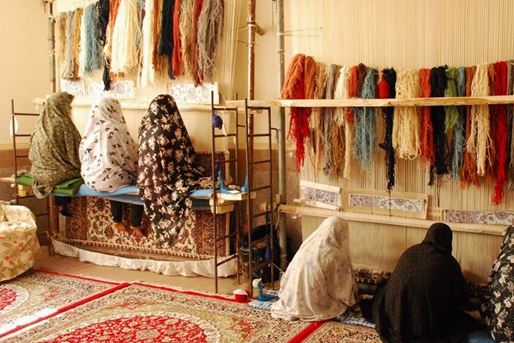
Tabriz Carpet, the Most Elegant Iranian Carpet

The type of knot used in weaving Tabriz carpet, which is known as the “Turkish knot” makes the texture and design of the carpet more elegant.

pic

Silversmithing

East Azarbaijan Province of Iran is one of the main centers of silversmithing in Iran. The products of this craft include a wide range of ornaments and other artifacts.

Cinema

More
pic

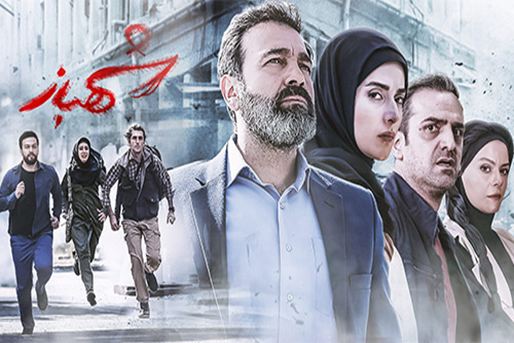
Shahbaz

“Shahbaz” is a thrilling TV serial about a genius student in computer programming. Her skills have led her to uncover a secret internet subversive network called Arghavan, which she believes is responsible for the death of her close friend. Meanwhile, a team of cyber security forces led by the elite agent Hessam has been searching for years to uncover the identity of the leading operator of the Arghavan network. While Najva and Hessam’s team race against time to discover the truth before it is too late, the big mystery is who is Arghavan.

pic

For After My Death

“For After My Death” recounts some aspects of the life and views of Ali Safai Haeri (who was a prominent Islamic and cultural scholar) as narrated by his children and prominent cultural personalities.

pic

Ashes

A mother of seven seeks justice from an Imamzadeh for the burning death of her husband 23 years earlier.

pic

Hollein in Iran

This documentary depicts the history of the Qavam al-Saltaneh mansion (of Ahmed Qawam who was an Iranian politician and five times prime minister during the Qajar and Pahlavi periods from 11921 to 1952 AH) and the transformation of this mansion into a water museum designed by the famous Austrian architect, Hans Hollein. While passing through the different halls of the museum and seeing the unique interior design of each hall, the audience gets to know about the process of the emergence and development of the art of glassmaking from the beginning of history up to the Achaemenid (570-320 BC), Ilkhanid (1260-1335 AD), and Safavid (1501-1736 AD) eras.

pic

The Vegetable Neighborhood

The adventures of “Qelqeli”, “Gol Beser”, “Gerdijan”, “Noghli” and their new friend “Ti Ti Li” (a pumpkin) who live together in a vegetable garden. The focus of this animation is on teaching its audience such social skills as cooperation, conscientiousness, healthy relationships, obeying the law, etc. The series showcases the spirit of friendship and empathy between the five main characters and displays certain exciting stories about their relationships.

pic

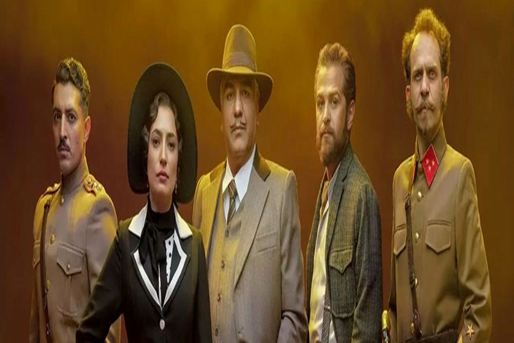
Khatoon (Once Upon a Time in Iran)

The story of a Bakhtiari woman living in the 1940s, whose life is affected by the Second World War, and in order to prevent the occupation and looting of her country, she fights against the army of the invading countries.

Architecture

More
pic

Qasabeh Qanat of Gonabad One of the World s Oldest and Deepest Qanats An Achaemenid Masterpiece Beneath the Earth

One of the most remarkable aspects of the Qasabeh Qanat of Gonabad is its continued operation for more than 2,500 years. Despite earthquakes, floods, wars, and climatic changes, the qanat is still flowing and continues to supply water. Today, its discharge is approximately 150 liters per second, enough to irrigate parts of Gonabad’s agricultural fields and orchards. This remarkable continuity and resilience reflect the quality of its construction, the sophistication of its engineering knowledge, and the extraordinary skill of its builders.

pic

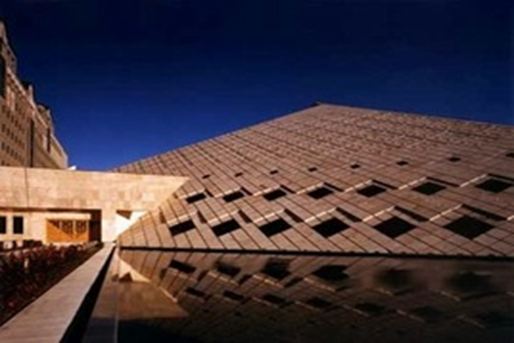
The New Islamic Consultative Assembly Building in Tehran

For contemporary architects and designers, the new building of the Islamic Consultative Assembly offers an important lesson in “architecture for governance.” It demonstrates how abstract concepts such as “law,” “transparency,” “sustainability,” and “democracy” can be translated into a physical and visual language through the choice of architectural style and materials, as well as spatial organization.

pic

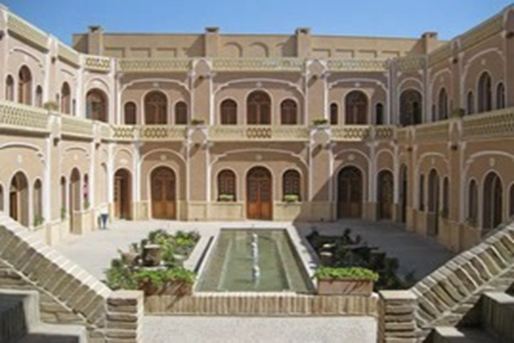
The Lariha House of Yazd The Jewel of Windcatchers in the Heart of the Desert

Lariha House is a practical and inspiring lesson in passive and sustainable climate-responsive design, the intelligent use of windcatchers as a natural cooling system, the precise separation of public, private, and service areas, and spatial organization adapted to year round, multi seasonal living.

pic

Falahati (Agricultural) Palace

This palace was by the order of Gholamreza Khan, the governor of Ilam in the year 1908 CE on a plot of land with an area of 810 square meters with an infrastructure of about 337 square meters within the orchards of Ilam city.

pic

Qazvin: The Safavid Capital; A City on the Threshold of History

The story of Qazvin is deeply intertwined with its strategic location. Situated on the southern slopes of the Alborz Mountains and along the Silk Road, the city has long been one of Iran’s most important crossroads. During the Sasanian period, Qazvin was known as a frontier fortress and later, in the early Islamic period, as one of the principal bases of the Muslim armies advancing into the Iranian plateau. Yet Qazvin reached the height of its prosperity in the 10th century AH, when Shah Tahmasp I of the Safavid dynasty moved his court and capital to Qazvin, before Isfahan was later chosen as the Safavid capital.

pic

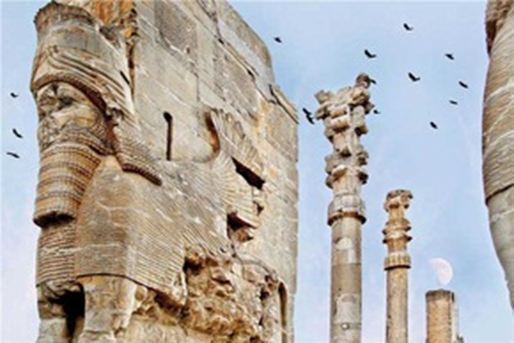
Persepolis: The Terrace of Royal Power

The Achaemenid Empire stretched from the Indus to the Nile, encompassing dozens of peoples, languages, and beliefs. Force could conquer such a vast realm, but it could not secure its lasting unity. The empire needed an idea—one powerful enough to bring all its diversity together under a shared vision. Persepolis was the embodiment of that idea. It was not a temple, nor a tomb, nor a royal palace in the conventional sense. Persepolis was a ceremonial capital—a place of royal audience, where, during Nowruz, the King received delegations from across the empire. Its architecture was designed to give lasting form to this ceremony of welcome, order, and imperial unity.

literature

More
pic

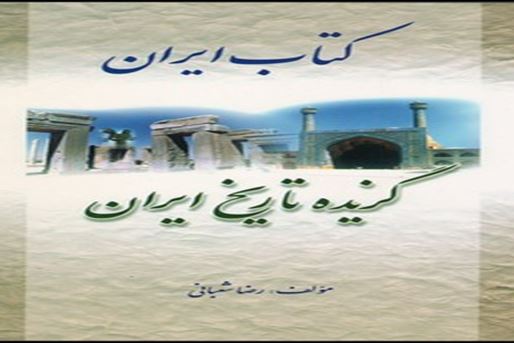
The Selected from the History of Iran a complete look at contemporary Iran.

The contemporary history of Iran has many ups and downs, and Al-Montakhab min Tarikh Iran (The Selection from the History of Iran) is an attempt to provide an overview of these ups and downs.

pic

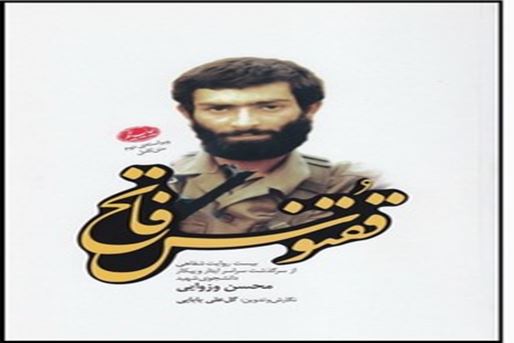
Conquering Phoenix, A Tribute to a Great Martyr

Phoenix the Conqueror tells the story of a martyred student.

pic

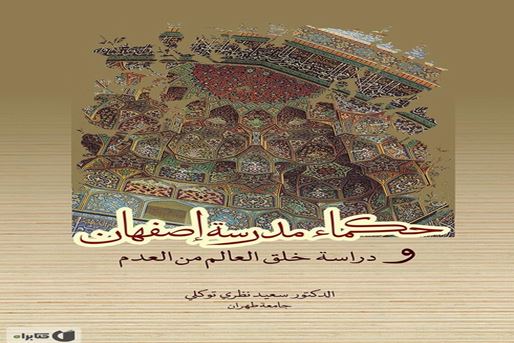
Sages of the Isfahan School and the Issue of the Origin of the World, an examination of the Isfahan School philosophers view

The book Sages of the Isfahan School and a Study of the Creation of the World ex Nihilo is one of Dr. Nazari Tavakkoli’s well known books.

pic

"Islam and Religious Pluralism" and the Perspective of a Muslim on Plurality

The West aggressively promotes the notion of religious pluralism, but is this narrative truly perfect and free of flaws?

pic

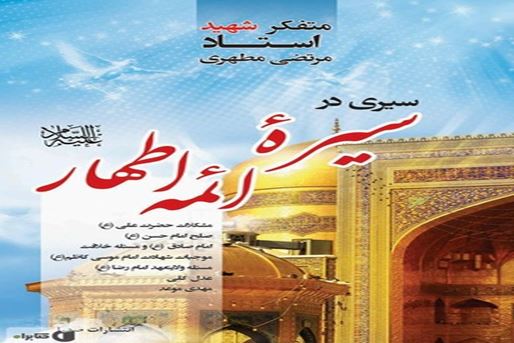
A Journey Through the Conduct of the Imams: In Search of an Answer to the Enigma of War or Peace

A study of the lives of the Imams examines the approach of the Imams (peace be upon them) in dealing with the issue of the caliphate and government.

Music

More
pic

Radif in Iranian Music

Radif in Iranian music is one of Iran’s intangible cultural heritages, which was inscribed in the UNESCO List of intangible world heritage in October 2009.

pic

Kurdish Music

Kurdistan is a land with special customs and traditions, where special instruments are used to play music, especially in celebrations.

pic

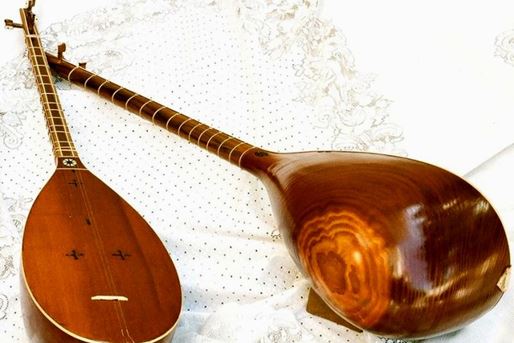
Qopuz

Qopuz also pronounced as Kopuz is an ancient string instrument, which is so important in the culture of the Azari-speaking people that when they generally talk about a musical instrument they mean Qopuz.

pic

The Music of Chaharmahal and Bakhtiari Province

The Bakhtiari community of Iran reflects the difficulties of nomadic life in their music.

pic

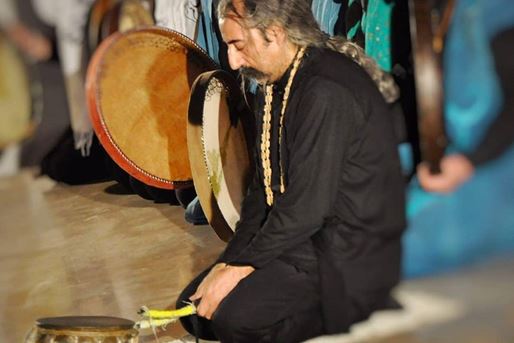
Tas

“Tas” is a type of Kurdish percussion instrument that is mostly used in the monastic (khanqah) traditional music of Kurdistan and is considered very important.

pic

Azari Music

Azari music is an important part of the culture of the Azari-speaking people of Iran, which has evolved throughout history.

Drawing

More
pic

Kamal-ol-Molk: The Enduring Innovator of a New Path in the History of Iranian Painting

Mohammad Ghaffari, known as Kamal-ol-Molk, is regarded as a renowned and highly skilled painter in the history of contemporary Iranian art, who, through his works, initiated a major historical break from tradition, bringing an end to the two-century-long fusion of Iranian and European styles along with European naturalism. His unique style and method served for many years as a singular model for Iranian painters, and his profound influence continues to shape the work of subsequent generations of artists.

pic

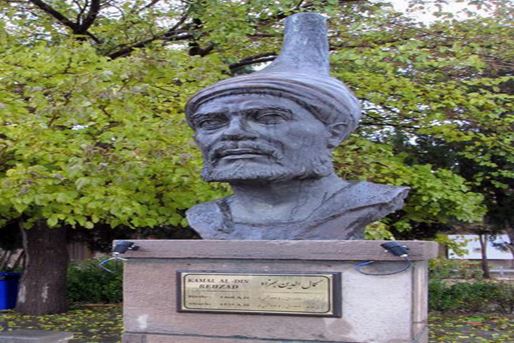
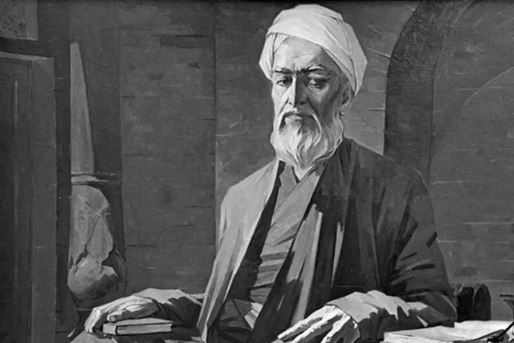
Kamal-ud-Din Behzad: The Second Mani or the Raphael of the East

Kamal-ud-Din Behzad was a renowned and highly skilled Iranian painter who opened a new path in the realm of Persian miniature painting and left a profound and widespread influence on the work of later artists in Iran, India, Turkey, and Central Asia.

pic

Iranian Design: From Ancient Pottery to Innovative and Unprecedented Forms

Design is one of the various branches of visual arts and is considered one of the oldest methods of communication among humans, often executed with simple tools and through lines. The word “design” literally means “planning” or “drafting”, but in a specialized sense, it refers to recreating tangible images or visualizing mental concepts.

pic

Ibn Muqla: The Innovative Calligrapher

Ibn Muqla is considered one of the most influential figures in the illustrious realm of Iranian calligraphy. Through his unparalleled dedication and creativity, he was able to develop and perfect the six canonical scripts—Muḥaqqaq, Rayḥān, Thuluth, Naskh, Ruqʿah, and Tawqiʿ—thereby leaving a lasting legacy for this quintessentially Iranian-Islamic art.

pic

Iranian Pottery and Ceramics: A Cohesive Union of Art and Craft

Pottery and ceramics constitute important branches of the visual arts. Pottery, one of the earliest ceramic products, is made of a porous and colored body.

pic

Calligraphy; the Gem of Islamic-Iranian Art

Calligraphy is the art of beautifying letters and words based on established principles and rules. In general terms, this art means writing beautifully and having elegant handwriting. In other words, calligraphy involves attention to the visual aspect and adherence to aesthetic principles and rules when writing letters and words.

Celebrities

More
pic

Ibn Bawwab: Scripting the Holy Quran in Beautiful Reyhani Naskh Script

Ibn Bawab has written 64 copies of the Holy Quran. The full version of the Quran scripted by him is in the Chester Beatty Library of Ireland.

pic

Farid Javaherkalam

Farid Javaherkalam translated many works in the fields of literature, history, and psychology into the Persian language during more than 70 years of activity

pic

Abd al-Rahman Jami and Islamic Gnosticism

Abd al-Rahman Jami managed to insert mysticism into the hearts of Iranian readers. The fluency of his prose helped Iranian readers get familiar with Islamic mysticism.

pic

Allameh Tabatabai: Outstanding Role in the Development of Islamic Philosophy

By writing the books Badayeh al Hikmah and Nahayah alHikmah, Allameh Tabatabai opened a new phase for Islamic philosophy.

pic

Mulla Sadra and the Compatibility of Revelation and Wisdom

By writing the book “Asfar al-Arba’a”, Mulla Sadra changed Islamic philosophy.

pic

Hamzeh Ilkhanizadeh and His Role in the Iranian Sport of Polo

Hamzeh Ilkhanizadeh is a well-known name among those interested in polo, which is as an authentic Iranian sport

Customs of Iran

More
pic

Alam Gardani in Siah Saran Village

Alam Gardani is a ceremony held in the first decade of the month of Muharram participated by the residents of the three villages of Siah Aaran, Zaviyeh, and Livarjan in Jolfa County.

pic

Welcoming Nowruz

Nowruz is an ancient Iranian festivity, which is celebrated by Iranians and special customs to welcome the New Year.

pic

(Chest-beating (sineh-zani

Chest-beating (sineh-zani) is a traditional act of mourning performed in mourning groups or in mosques and tekyeh (religious halls)

pic

Shabih Khwani in Bkhshayesh

Every year, tens of thousands of people attend the Shabih Khwani ceremony in Bakhshayesh City of East Azarbaijan.

pic

The Story of Asli and Karam

The story of Asli and Karam is considered to be the greatest oral heritage of the Azarbaijani people, which is narrated by Ashiqs/Ashiks in gatherings and in the form of a folklore song.

pic

Esfandi Custom of Meybod

”.The People of the Meybod City of Iran give a gift to newly wedded brides, which is known as “Esfandi

University

More
pic

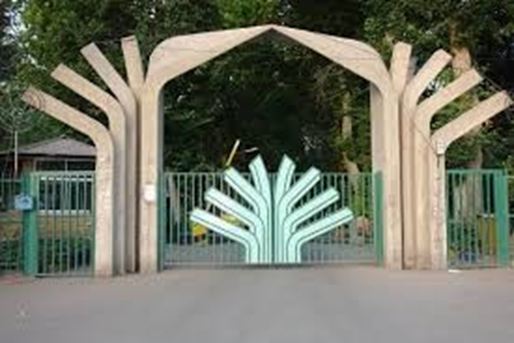
Kousha University of Applied Science and Technology: Bridging Skills-Based, Industrial, and Practical Education with Labor Marke

Kousha University of Applied Science and Technology: A higher education institution dedicated to enhancing students’ scientific and technical knowledge and equipping them with the skills needed to undertake practical and industrial projects.

pic

Karaj Sugar Applied Science and Technology Center: One of the Modern Institutions of Skills-Based and Industrial Higher Educatio

Karaj Sugar Applied Science and Technology Center: Bridging Skills-Based Education, Industry, and Entrepreneurship to Meet the Needs of the Country’s Industries

pic

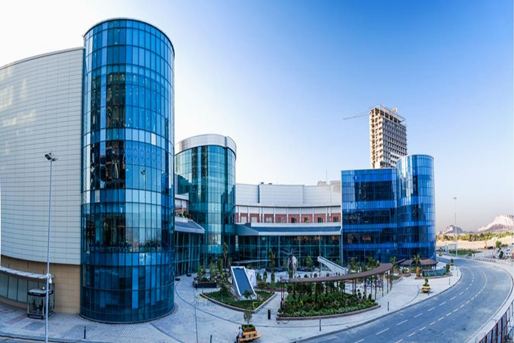
Isfahan City Center Comprehensive Center for Applied Science and Technology: Integrating Skills-Based Education, Employment-Orie

Isfahan City Center Comprehensive Center for Applied Science and Technology: A Modern Institution for Skills-Based Higher Education, Adopting a Practical Approach Aligned with Labor Market Standards.

pic

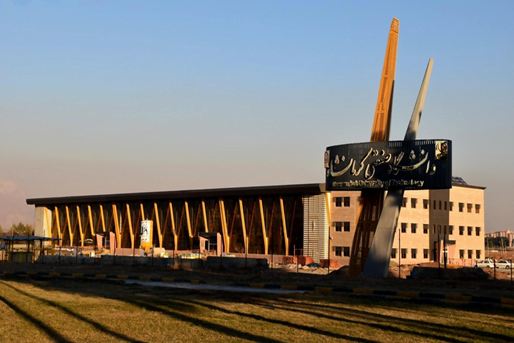
Kermanshah University of Technology: Bridging Engineering Education, Research, and Technological Development in Western Iran

Kermanshah University of Technology aims to train specialized professionals, meet the needs of industries in Kermanshah Province and western Iran, and advance the development of modern technologies across various industries.

pic

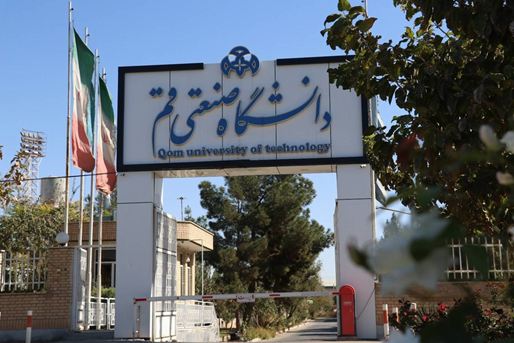
Qom University of Technology: Bridging Engineering Education, Research, and Industrial Development in the Province

Qom University of Technology: A University Focused on Engineering and Technology Education, Fostering an Innovative Environment for Training Professional Engineers

pic

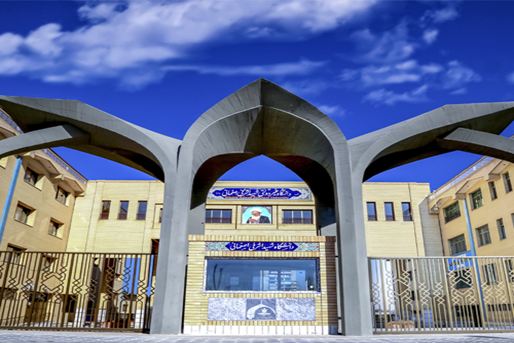
Shahid Ashrafi Esfahani Non-Profit University: Connecting Education, Research, and the Development of Academic Skills

Shahid Ashrafi Esfahani Non-Profit University: Providing Quality Education, Advancing Academic and Research Activities, Enhancing Society’s Cultural Standards, and Educating Competent Graduates

Latest Events

Latest Events of Islamic culture & relations organization of Iran

Latest News

Latest News Of Islamic Culture And Communication Organization

Sharing Iran’s cultural Heritage with the World
A Gateway to Iranian Culture and Global Exchange

Culture, Heritage, Dialogue

Bringing People and cultures Closer Together

57 Cultural Offices
29 Countries
About Us
Global Cultural Relations Network
Iran Center Cultural Offices