Anthropology Museum of South of Sahand
The Anthropology Museum of South of Sahand, which was the first of its kind in the East Azarbaijan Province of Iran displays various aspects of the life of the people of the region in 12 sections.
Tilework, arabesque motifs, and turquoise domes: a tangible expression of Iranian beauty and wisdom.
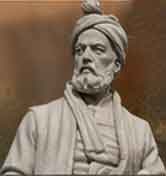
Creator of the Shahnameh and guardian of Persian language and identity.
View Special Programs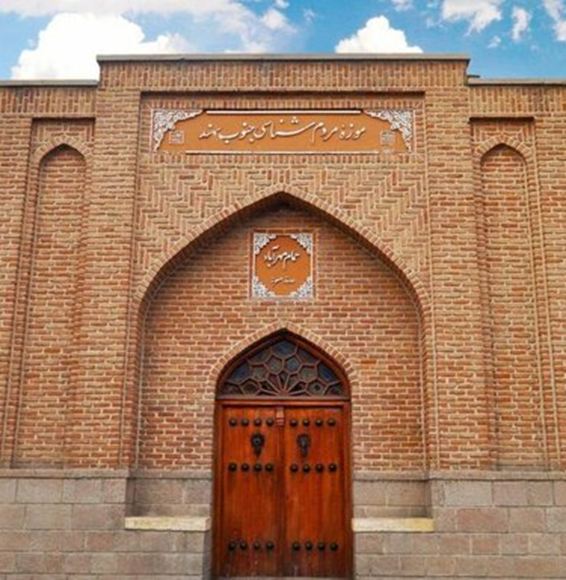
Related Content
Learn More About Iranian Art
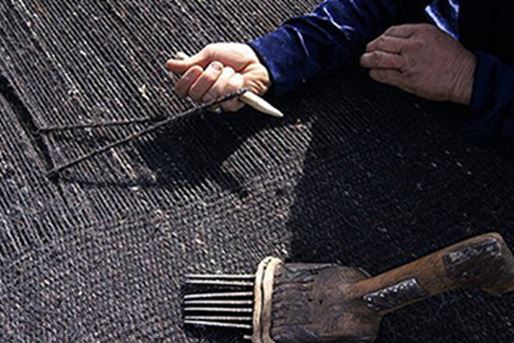
In Mootabi, goat or camel hair is transformed into yarn, rope, and netting through a specific process. The textiles produced using this technique are very strong and durable.
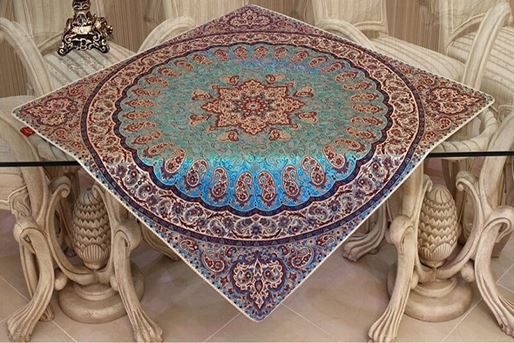
Yazd City is the main center of the old arts of cashmere weaving, producing very beautiful and eye-catching cashmere: an Iranian souvenir.
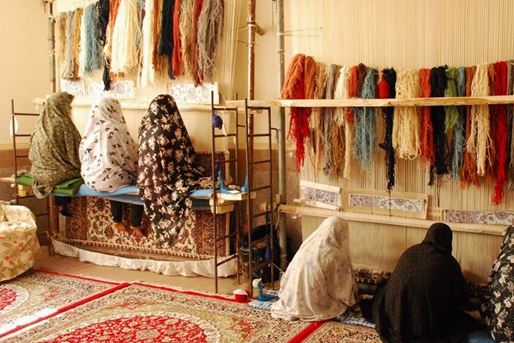
The type of knot used in weaving Tabriz carpet, which is known as the “Turkish knot” makes the texture and design of the carpet more elegant.

Khatam (marquetry) is an ancient Iranian skill and art of decorating objects and it is one of Iran’s handicrafts and a symbol of the art and taste of the people of this land.

Maragheh soap is one of the semi-industrial products of this city, which is obtained in a traditional way and has many properties.

Charuq (lit. clodhopper) is a traditional, famous, and colorfully decorated footwear that has been and is popular among some Iranian communities
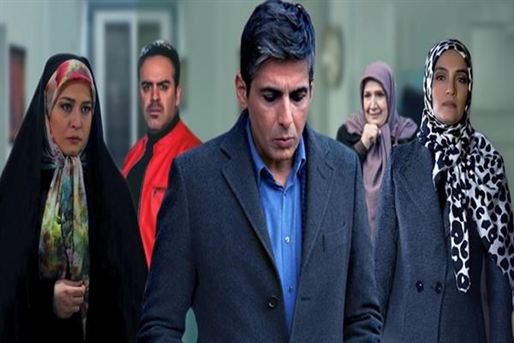
Hamed is an ambitious boy from a relatively low-income family who resorts to anything possible to have a better life and in the bargain loses the entire belongings of his family. But, all of a sudden a simple incident takes place that changes his life and financial status following which he begins to think of leaving his cousin, Maryam, and marrying Parinaz.
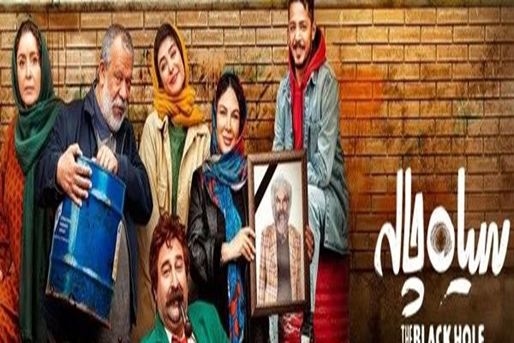
The serial “The Black Hole” depicts the life story of a man named Jamshid, who, at the age of 60, is unemployed and lives in a rented house. While being forced to go to his father’s house outside the city, he learns about an incident that…

A fascinating documentary about the life of an environmental activist who struggles to preserve the oak forests as well as take care of his father. The film depicts the dangers and efforts of forest rangers in their fight against wood thieves, the vital importance of protecting natural resources, and the sacrifices made by those who fight to preserve them.
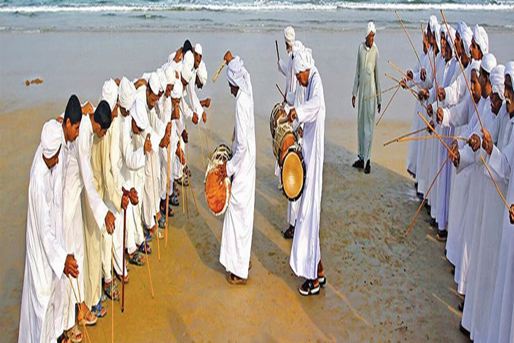
Fisherman's Nowruz is a precious tradition practiced by the people of Qeshm Island and is close to fading away. This ancient tradition has its roots in Iran’s history and is a method of calculating periods of time such as days and months, specific to Iranians. Experienced old sailors, who are fully familiar with this nautical calendar, continue to keep the tradition alive. The documentary Fisherman’s Nowruz aims to highlight the significance of this tradition and its impact on the lives of the people of Qeshm Island.
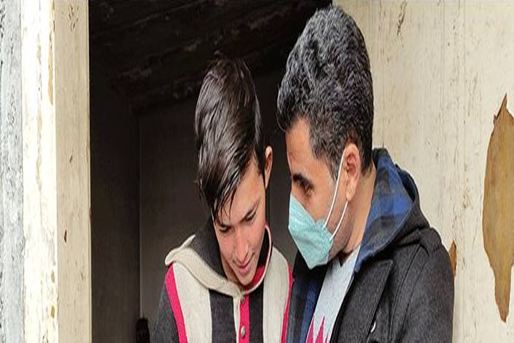
Jamil's lifelong passion for horses has become his life. He works with his uncle as a horse trainer in Gonbad-e Kavus (a city in the Golestan Province of Iran) away from his family. He dreams of entering a professional course to provide for his family but before he can enter the competition, he must fulfill a vow made by his mother. This documentary is about Jamil’s love for horses and horse riding, his responsibilities towards his family, and his struggles, hard work, and determination to fulfill his dreams.
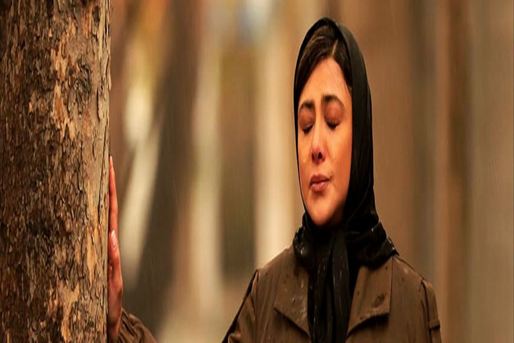
This feature film is about a part of the life of Dr. Arash Simin, a psychologist in the field of success and self-help, who gained fame by holding “TED” (Technology, Entertainment, Design) conferences and gained many audiences. However, with a news broadcast in the virtual space, her family condition suddenly undergoes certain changes.
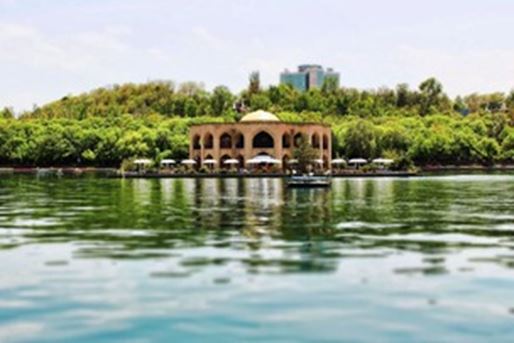
With its resilient, inward-looking architecture and its outward-looking spirit, Tabriz offers an invitation to discover another layer of Iran’s identity. It reminds us that the character of a nation is not forged in isolation, but strengthened through its encounters with the wider world—and through its ability to endure even the greatest upheavals. To walk through Tabriz is to follow the echoes of the Silk Road. Here, every brick seems to tell the story of a Venetian merchant, a Persian poet, and a world that, centuries ago, found its own path toward exchange, coexistence, and connection. That legacy still endures today, inviting us to reflect on what it truly means to build, to endure, and to remain connected across cultures and civilizations.
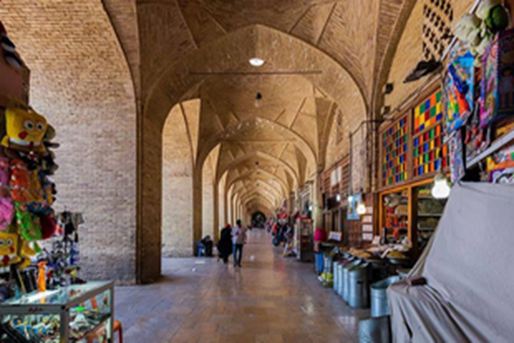
Today, after centuries, the Ganjali Khan Complex remains a vibrant and active part of Kerman s urban life. The bazaar is a lively marketplace for exquisite Kerman carpets, handcrafted copperware, tribal kilims, colorful spices, and local sweets such as kolompeh and qavoot. After careful restoration, the Ganjali Khan Bathhouse has been transformed into an ethnographic museum, where wax figures recreate scenes from traditional Iranian bathing customs. This thoughtful adaptive reuse has breathed new life into the historic complex, making it one of Kerman s principal cultural and tourist attractions.
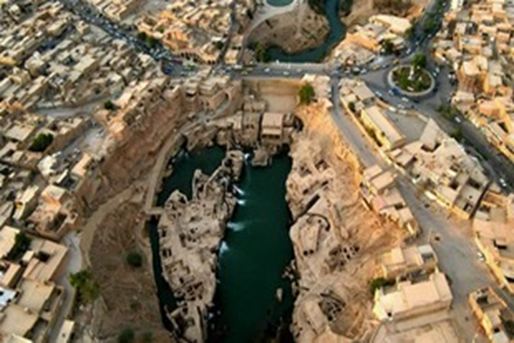
Among all the architectural masterpieces of Iran, there is one that was built not with bricks and tiles, but with water. This masterpiece is the Shushtar Historical Hydraulic System—a vast hydraulic machine from antiquity that, remarkably, has transcended its role as mere technical infrastructure and evolved into a magnificent cultural landscape. Shushtar, in Khuzestan Province, on the Karun River, tells a story of how engineering and architecture, when placed in the service of life and community, can become a form of poetry.
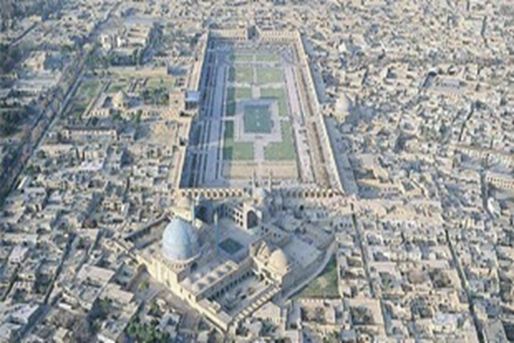
The story of Isfahan is a story of “rebirth.” With a history that stretches back to antiquity and even to Iranian mythology, the city entered its golden age in the 10th century AH, when Shah Abbas I chose it as the capital of the Safavid dynasty. Shah Abbas envisioned a city that would be not merely a political and economic center, but a “terrestrial image of paradise.” He brought together the finest architects, engineers, calligraphers, tilemakers, and artists from across Iran, and the result of this extraordinary gathering was a city that, even four centuries later, continues to astonish and inspire.
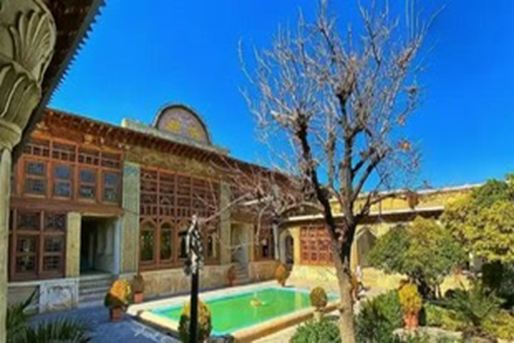
Zinat al Moluk House is a place for living, characterized by its garden like entrance and landscaped forecourt instead of enclosed vestibules, its human scale and intimate spatial character rather than grandeur and formal ceremonial design and its successful and creative adaptive reuse of historic buildings.
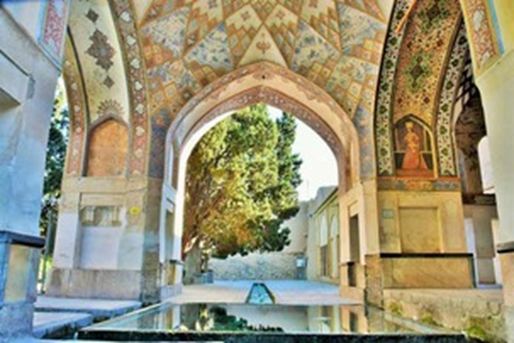
Fin Garden in Kashan, one of the oldest Persian gardens and a UNESCO World Heritage Site, is far more than just a garden. It is the archetype of the Persian garden: a complete, refined, and remarkably well-preserved expression of what Iranians have long called pardis, or “paradise on earth.”
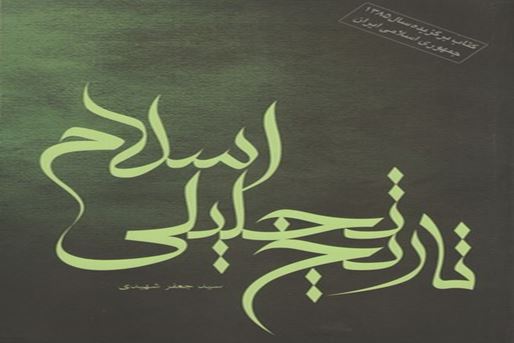
History is a subject in whose analysis impartiality comes first, a perspective that has been well implemented in Analytical History of Islam.
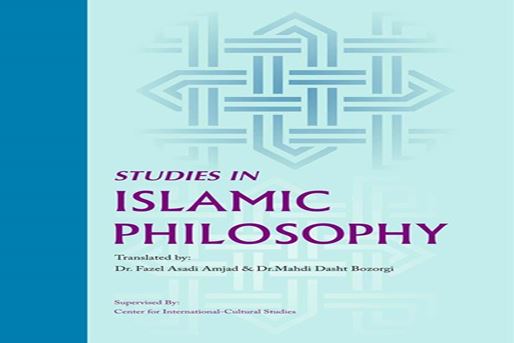
Islam’s response to fundamental philosophical questions can provide a precise path to understanding its essence.

The West aggressively promotes the notion of religious pluralism, but is this narrative truly perfect and free of flaws?

The topic of religion and politics has always been a challenge for thinkers. Religious democracy tries to provide an answer to this challenge.
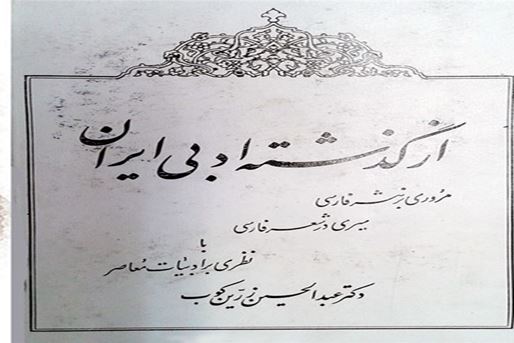
Iran is an ancient country with an authentic culture, a culture that has maintained its vibrancy throughout the centuries.

Tonbak, sometimes written as Tombak is one of the most known and popular Persian musical instruments in Iran

Tanbur (Tambour), another Persian musical instrument, is shaped from mulberry wood

Azari music is an important part of the culture of the Azari-speaking people of Iran, which has evolved throughout history.

Tar (Persian: تار) is an Iranian[1][2][3][4] long-necked, waisted lute family instrument, used by many cultures and countries including Iran, Azerbaijan, Uzbekistan, Armenia, Georgia, Tajikistan ( Iranian Plateau) and others near the Caucasus and Central Asia regions.

The Bakhshi music of Khorasan, which has its own special characteristics expresses the rich and noble culture of the people of the region.

Radif (lit. order) in Iranian music is its identity: an identity that because of its importance, has been inscribed on the UNESCO List of World’s Intangible Heritage

New art media are a relatively recent branch of the visual arts, emerging through the use of fresh language and innovative forms of expression.
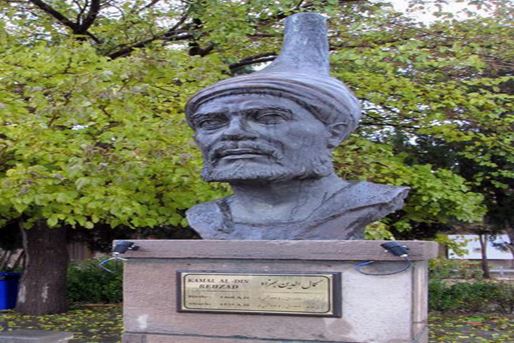
Kamal-ud-Din Behzad was a renowned and highly skilled Iranian painter who opened a new path in the realm of Persian miniature painting and left a profound and widespread influence on the work of later artists in Iran, India, Turkey, and Central Asia.

Mirza Gholamreza Esfahani, a renowned calligrapher of the Qajar era, is considered a distinguished figure in the history of Iranian calligraphy, having produced first-rate works in various scripts.
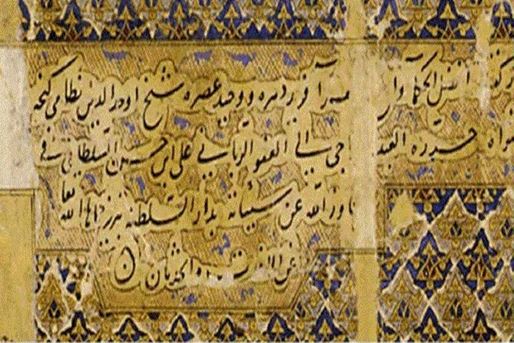
Mir Ali Tabrizi, one of the greatest Iranian calligraphers of the Timurid era, in the 9th century AH, for the first time, was able to establish the principles and rules governing calligraphy in the Nastaʿlīq style and bring order to it.
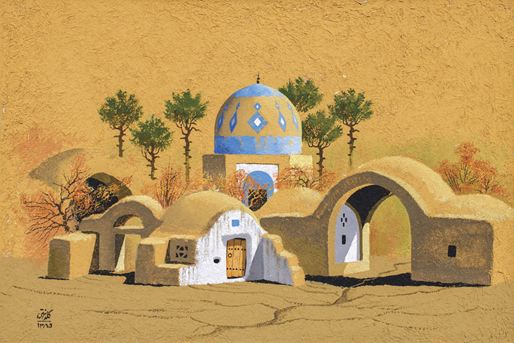
Painting is one of the key branches of visual arts, in which the artist conveys ideas and emotions using colors, techniques, and tools such as brushes, pencils, or pastels, creating images on surfaces like paper, canvas, or walls. It is among the oldest and most significant art forms, employed to express emotions, reflect realities, visualize imagination, and communicate a wide range of concepts.

Sculpture is a branch of the visual arts in which the artist, inspired by both nature and imagination, shapes a variety of materials such as stone, wood, clay, plaster, metal, glass, wax, or paper. Through the use of hands, tools, and diverse techniques—including addition, subtraction, cutting, and reshaping—the artist creates a tangible, three-dimensional form.
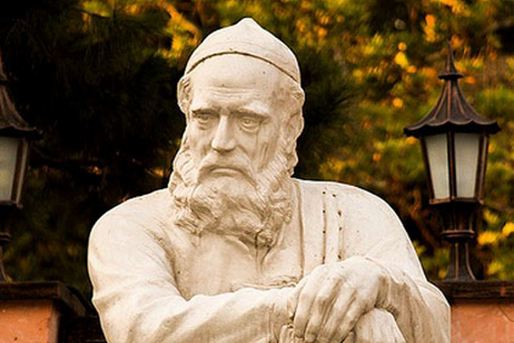
Khayyam was a great Iranian scientist and mathematician who is world-renowned mostly for his poetry.

By compiling Kitab al-Kafi, al-Kulayni helped preserve the traditions of the Ahl al-Bayt of the Holy Prophet of Islam.
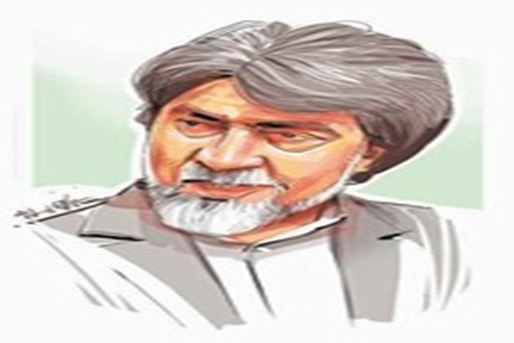
Qeysar Aminpour is one of the most influential poets of the post-Iranian Revolution period. He has written poems about Iran-Iraq War, as well as poems in classic and modern style. Some believe that he shifted from poems about the war to poems about love, and others know him to be the greatest poet of Iranian Revolution.
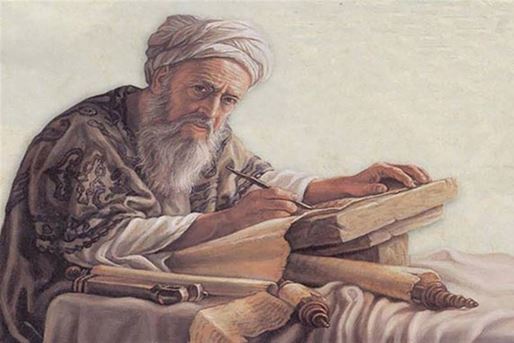
Al-Biruni is said to be one of the greatest and most influential scientists of the 10th and 11th century CE.
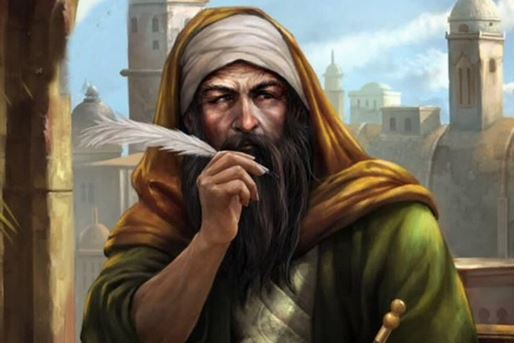
Being a great personality, many stories have been told about Attar Neyshaburi’s life.
Farid al-Din Abu Ḥamed Mohammad bin Abu Bakr, popularly known as Attar Neyshabouri - one of the renowned Iranian mystics and poet of the Persian language - was born in the Kadkan district of the city of Neyshabour in the year 1146 CE.

Bayatilar is an important part of the oral culture of the people of Azerbaijan, which has been formed over the centuries and passed down from generation to generation.

The Grand Bazaar of Tehran has a long history and the oral culture prevalent in it is the manifestation of the beliefs of Iranians in business and social relations.
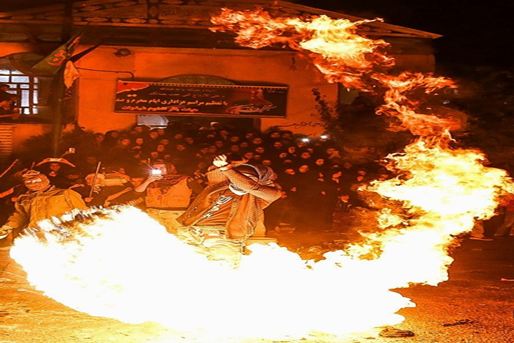
The Polkeh Gardani ritual can be considered one of the most unique ways Iranians mourn during Muharram.
_1.jpg)
Yalda Night or Chelleh Night is one of the oldest Iranian festivals. In this celebration, the passing of the longest night of the year and the subsequent lengthening of days in the Northern Hemisphere, which coincides with the winter solstice, are celebrated.
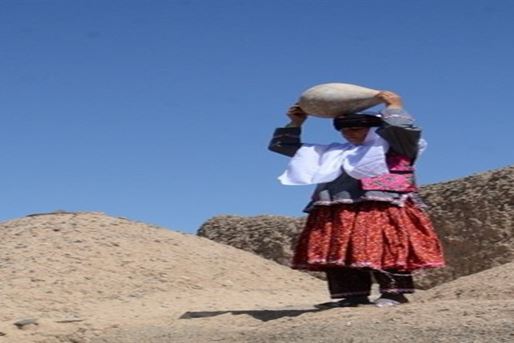
The pottery-breaking ceremony of Qaen is held on the verge of the end of the year and the arrival of the new year a ceremony in which many symbols are seen.
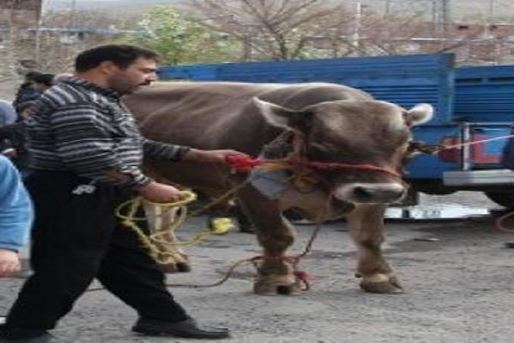
The people of Esfanjan celebrate the 36th day of the spring by sacrificing a cow and making Kooftef Tabrizi (Tabrizi Meatball) with its meat.
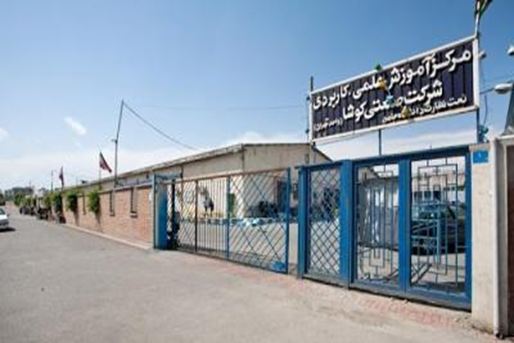
Kousha University of Applied Science and Technology: A higher education institution dedicated to enhancing students’ scientific and technical knowledge and equipping them with the skills needed to undertake practical and industrial projects.
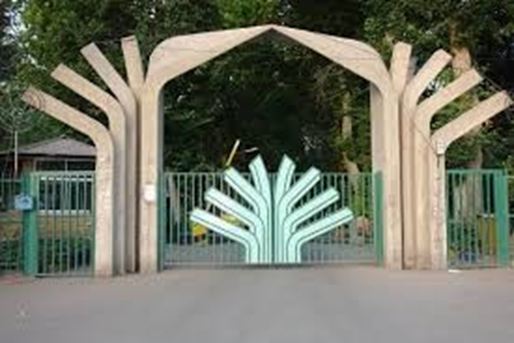
Karaj Sugar Applied Science and Technology Center: Bridging Skills-Based Education, Industry, and Entrepreneurship to Meet the Needs of the Country’s Industries
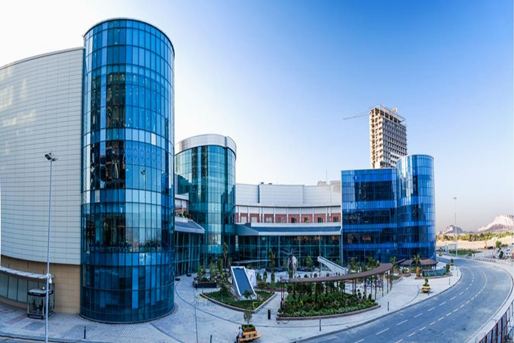
Isfahan City Center Comprehensive Center for Applied Science and Technology: A Modern Institution for Skills-Based Higher Education, Adopting a Practical Approach Aligned with Labor Market Standards.
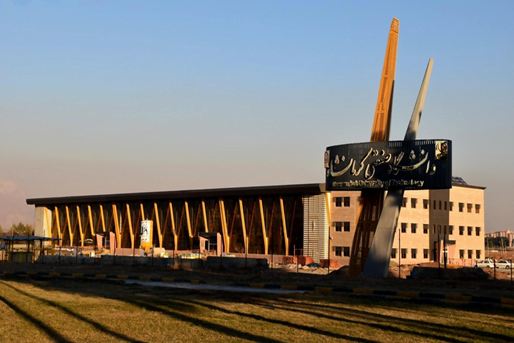
Kermanshah University of Technology aims to train specialized professionals, meet the needs of industries in Kermanshah Province and western Iran, and advance the development of modern technologies across various industries.
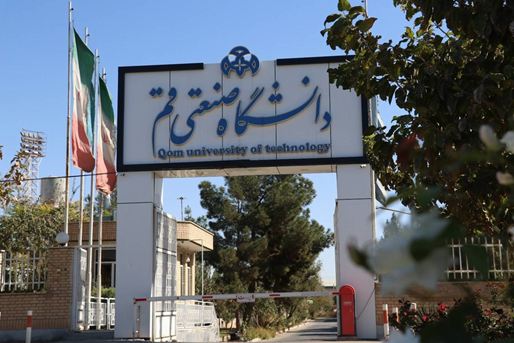
Qom University of Technology: A University Focused on Engineering and Technology Education, Fostering an Innovative Environment for Training Professional Engineers
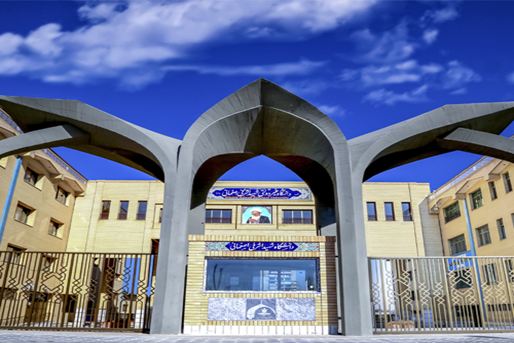
Shahid Ashrafi Esfahani Non-Profit University: Providing Quality Education, Advancing Academic and Research Activities, Enhancing Society’s Cultural Standards, and Educating Competent Graduates
Latest Events of Islamic culture & relations organization of Iran
Latest News Of Islamic Culture And Communication Organization
Bringing People and cultures Closer Together