Total: 0Toman
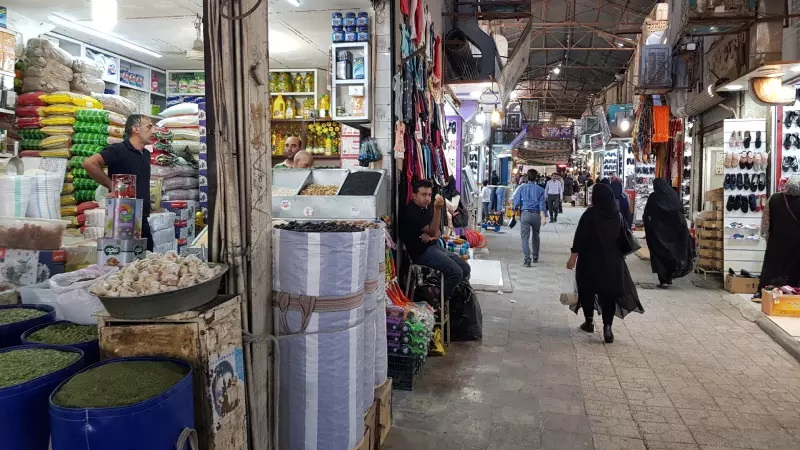
The Traditional Bazaar of Kazeroun
The traditional bazaar of Kazeroun is one of the city’s most fascinating attractions and a vibrant center where all kinds of goods are traded. This historic market can be regarded as the economic heart of Kazeroun.
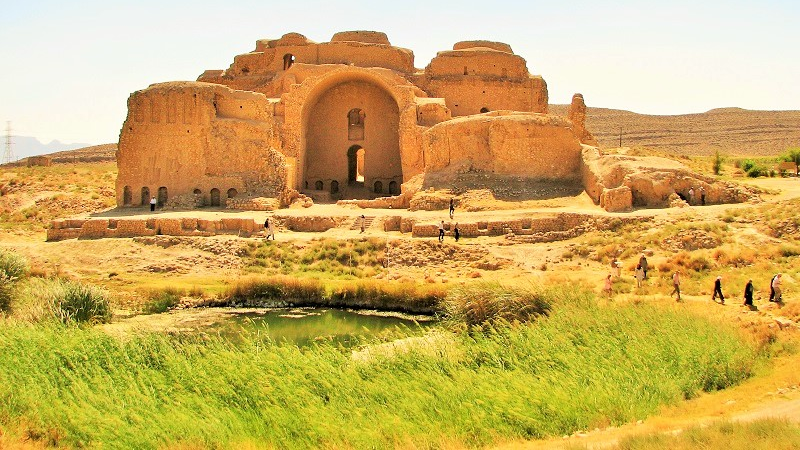
The Palace of Ardeshir Babakan
Built in the 3rd century CE, the Palace of Ardeshir Babakan exhibits the outstanding features of the Sassanid architecture

The Ancient City of Bishapur
Bishapur, established in 266 AD, stands as a masterpiece of Sassanian urban planning, reflecting the era’s most sophisticated city-building knowledge
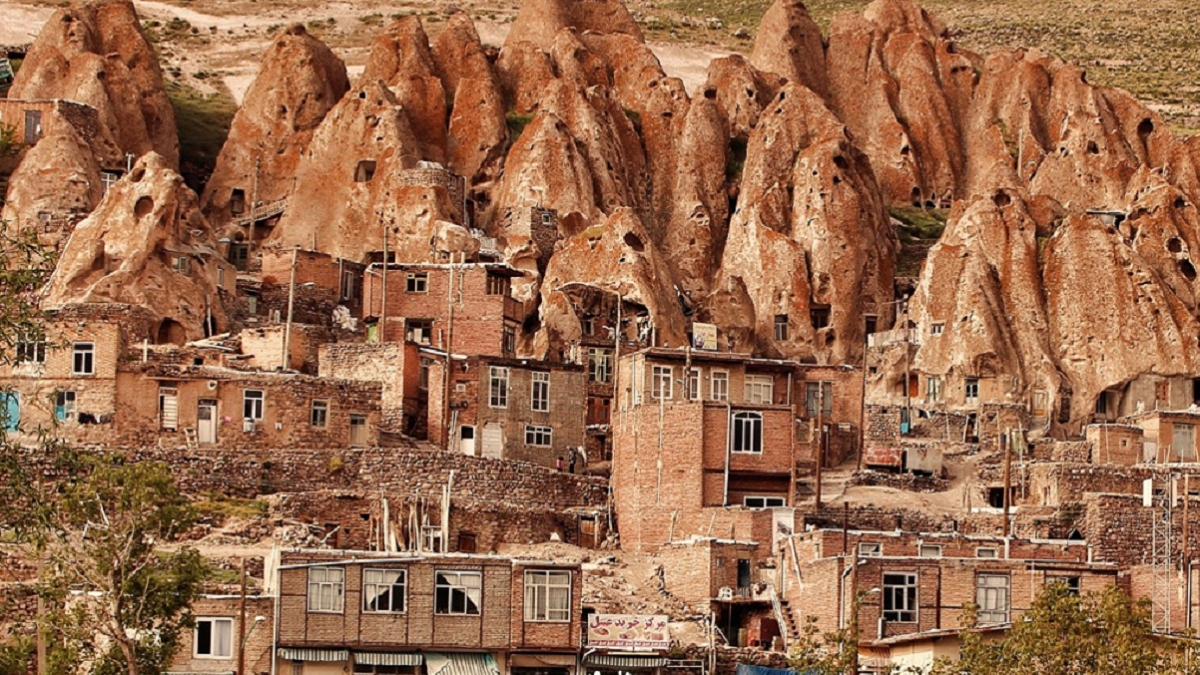
The Ancient Kandovan Village
Kandovan Village, with its homes hewn into the mountainside, is among the most unique human settlements in Iran
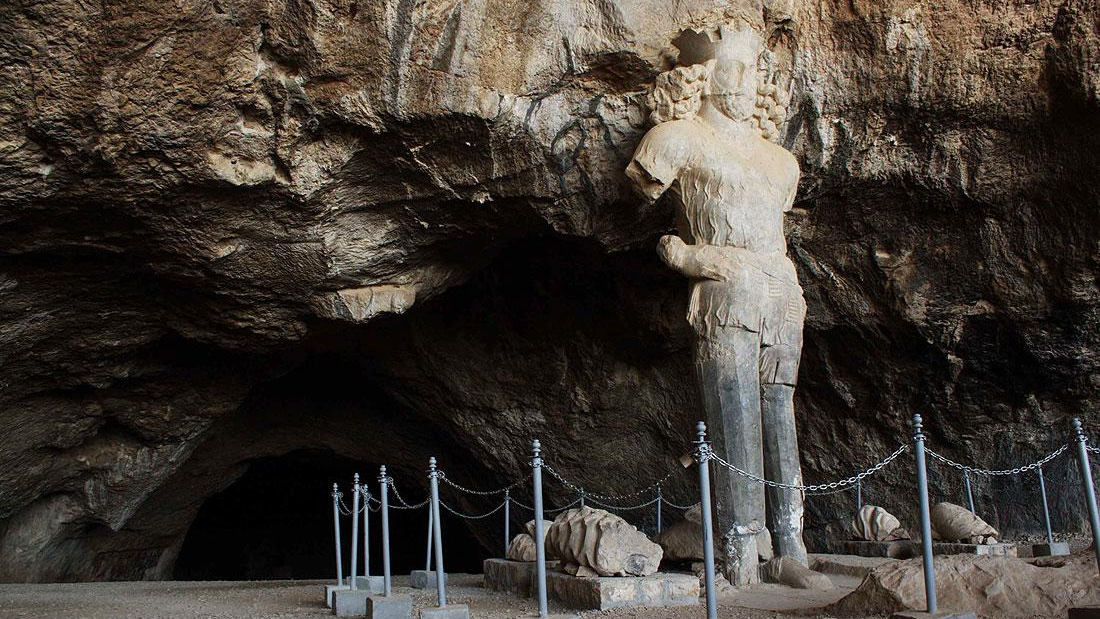
Shapour Cave, An Astounding Cave Housing the largest Statue of Ancient Iran
The largest statue left from ancient Iran, with a height of about seven meters, is located in an astounding cave called Shapour Cave
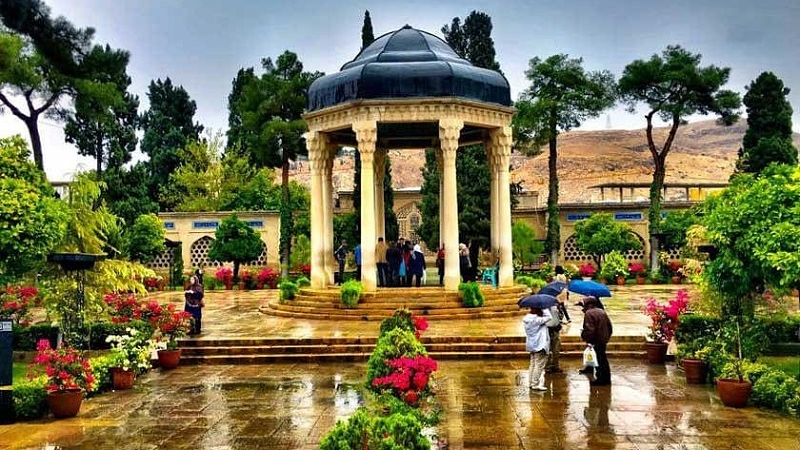
Hafezieh or Tomb of Hafez
Hafezieh or Tomb of Hafez hosts many lovers of the Persian language and culture every year
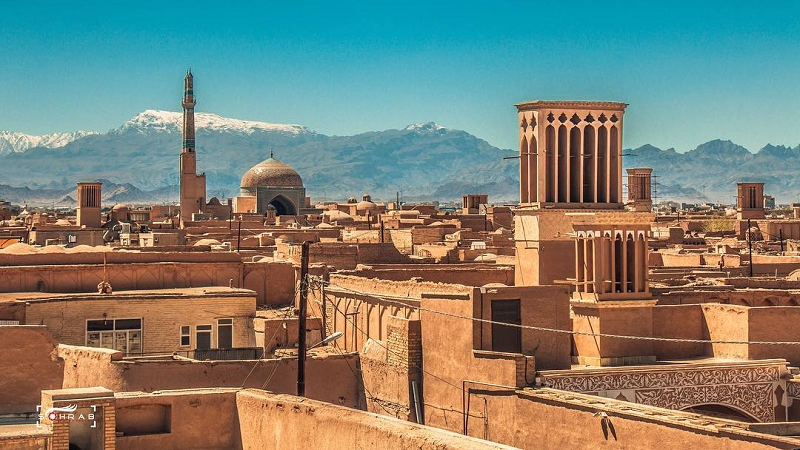
Yazd
Having numerous historical, religious, and natural tourist attractions and being one of the most traditional Iranian cities in the post-Islamic era, Yazd is considered to be one of the best tourist destinations of Iran
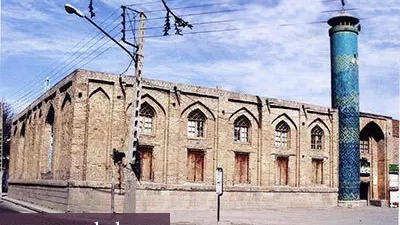
Mehrabad Jame’ Mosque of Bonab
The beautiful capitals of the columns of the Mehrabad Mosque of Bonab should be considered one of the most beautiful manifestations of the art of the Safavid era

Damgahan Recreation Resort
Damgahan is a pleasant recreational resort in Yazd Province, which houses a variety of plant and animal species
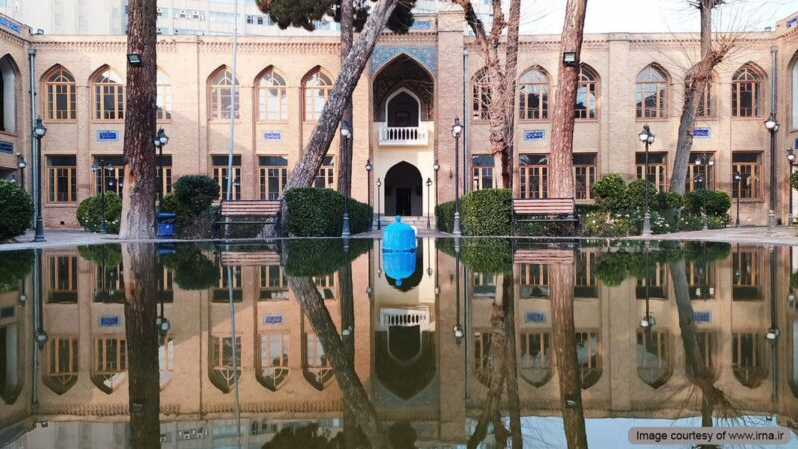
Dar ul-Fonun School: An Enduring Legacy of One of Iran’s Greatest Statesmen
The establishment of Dar ul-Fonun School in the 19th century was a remarkably progressive and forward-thinking initiative by Amir Kabir, who is regarded as one of the greatest statesmen in Iran’s history.
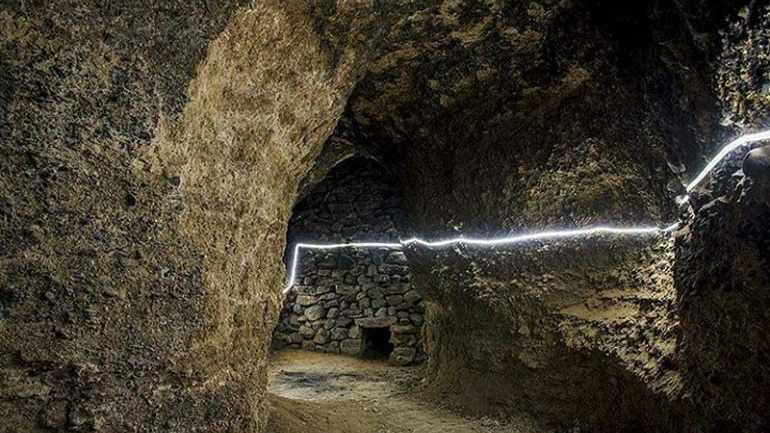
Vazvan Qanat and Its Remarkable Subterranean Dam
The subterranean dam and artificial underground reservoir of the Vazvan Qanat are ingenious creations, showcasing the creativity and engineering innovation of Iranian architects from over two thousand years ago.
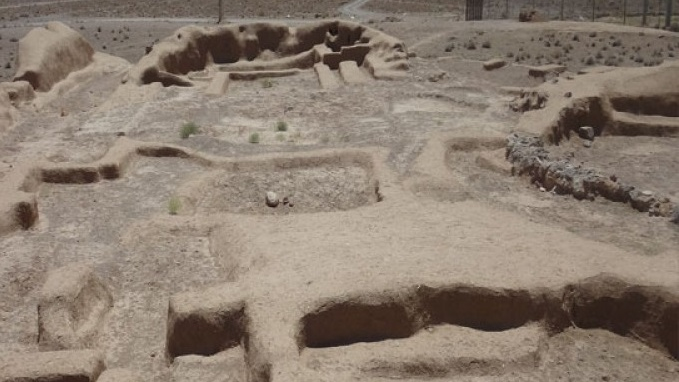
Gharbalbiz: An Ancient Site and Scenic Recreational Area
Gharbalbiz is currently known as a water-rich spring in the south of Mehriz, but the remains of an ancient site indicate that people inhabited the area during the pre-Islamic era.
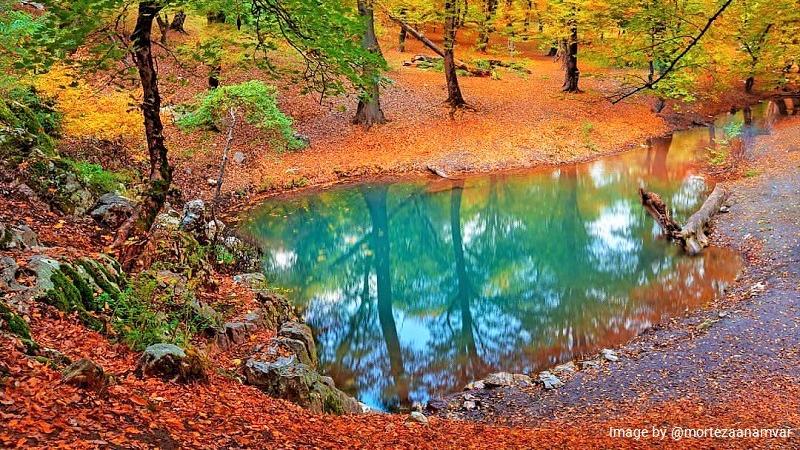
Golestan Biosphere Reserve: A Showcase of Iran’s Wildlife
The plant and animal diversity of the Golestan Biosphere Reserve is unparalleled among the regions of Iran.
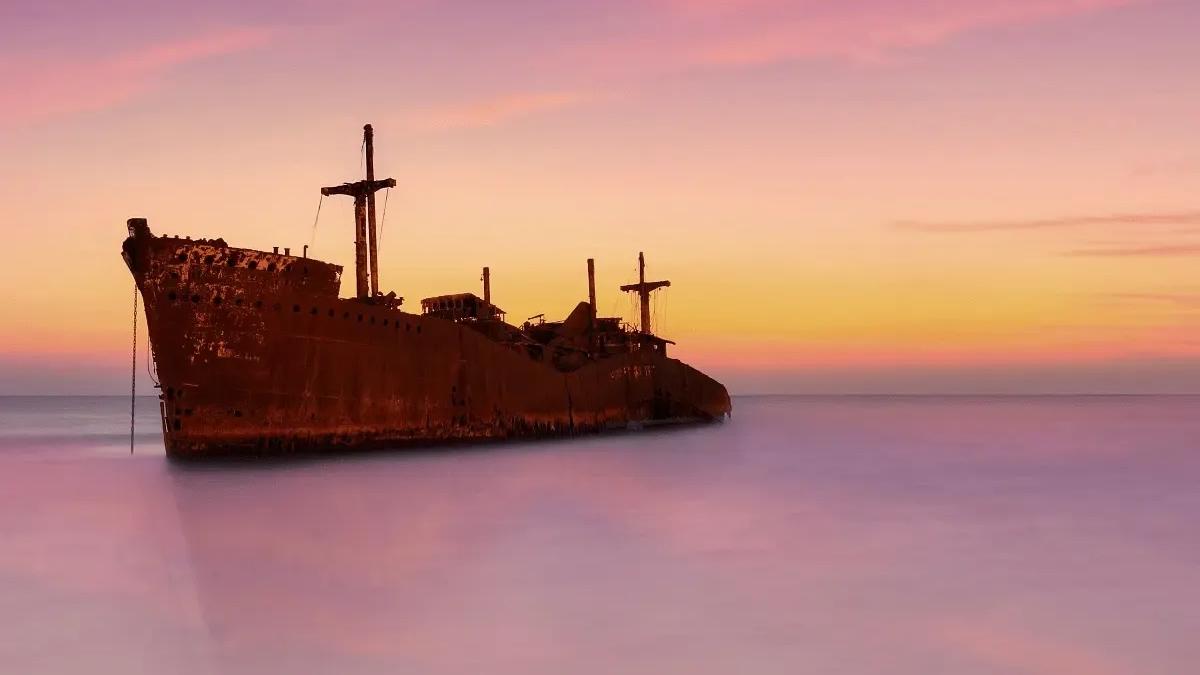
The Greek Ship and Its Fascinating Story
The Greek Ship, located on the western shores of Kish Island, creates one of the island’s most beautiful views, especially during sunset.
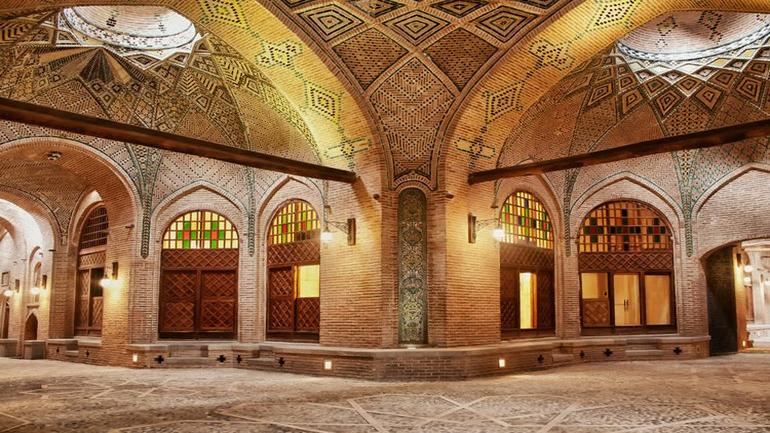
Sa’d al-Saltaneh Caravanserai: The Largest Urban Caravanserai in Iran
The splendor of Sa’d al-Saltaneh Caravanserai is truly beyond words!
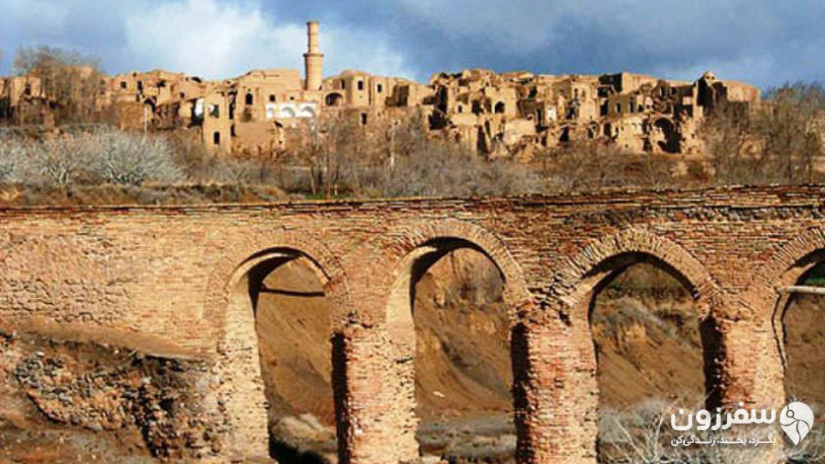
Kharanaq Waterway Bridge: Iran’s Only Traditional Water-Transfer Bridge
The Kharanaq Waterway Bridge is considered the only traditional bridge in Iran built not for human passage, but solely for the flow of water.
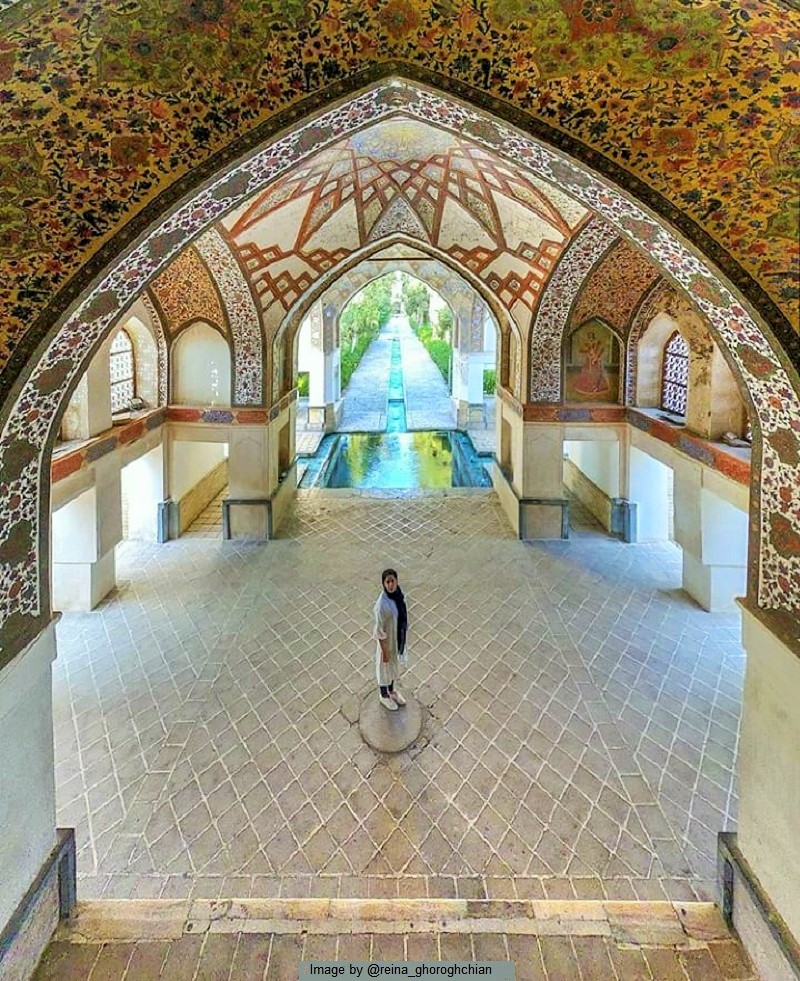
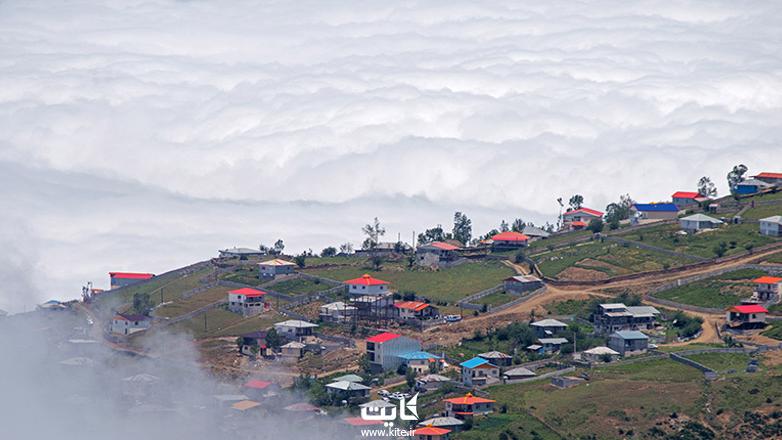
Filband: Walking on the Clouds
Describing certain places and landscapes is impossible—a statement that also applies to Filband.
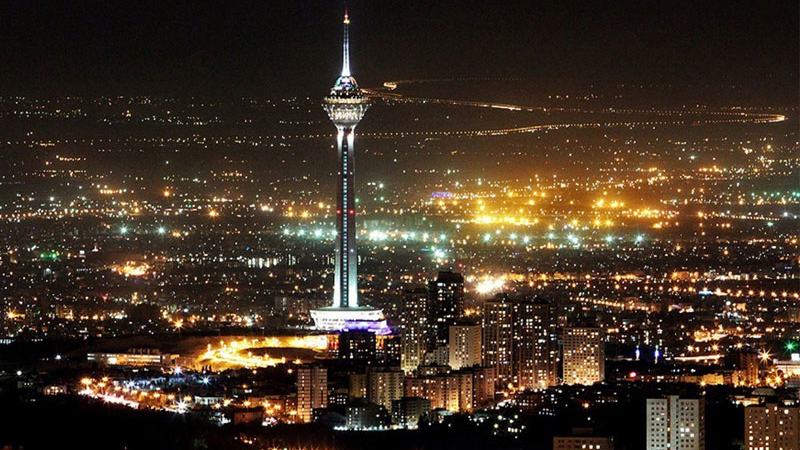
Milad Tower, the Tallest Tower in Iran
Milad Tower is the tallest tower in Iran and one of the symbols of Tehran.
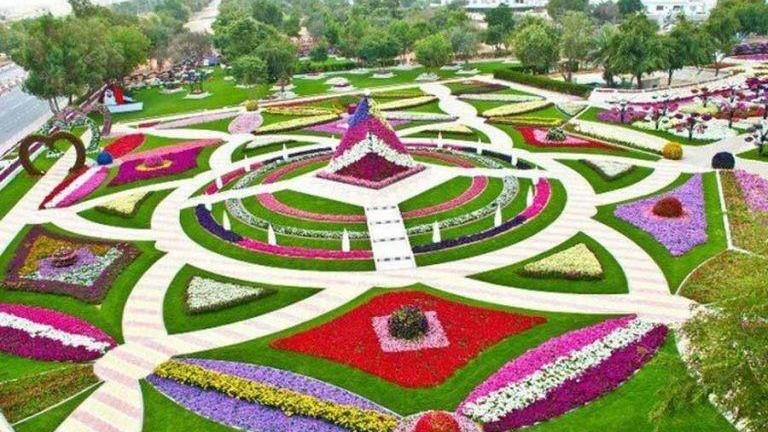
Kermanshah Flower Garden—a gigantic painting laid out on the ground!
The colorful flowers and the charming design of Kermanshah Flower Garden give it a dreamlike atmosphere.
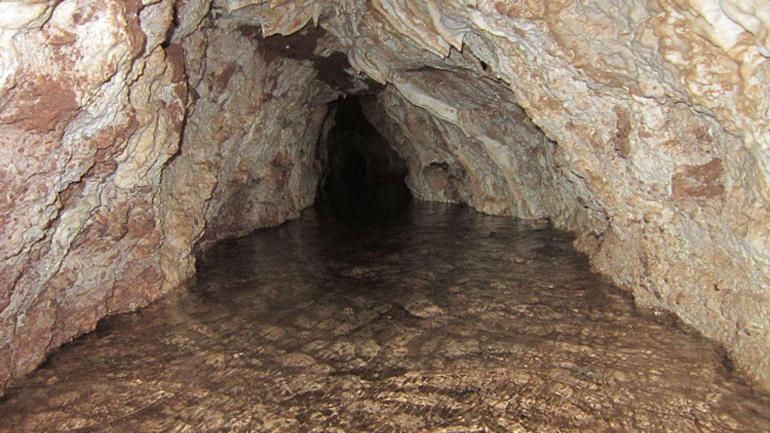
Boravat Twin Qanats: The Leading Qanats of the Bam Region
In the Bam region and its surrounding lands, more than 300 qanats have been constructed, among which the Boravat Twin Qanats are considered the most outstanding.
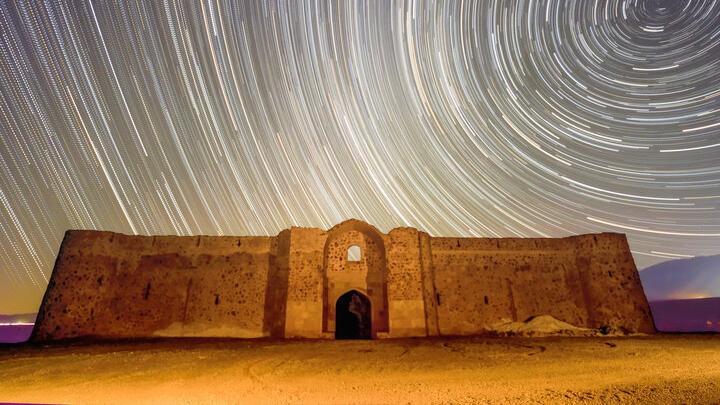
Rabat Qoli — A Caravanserai with a Colorful Appearance
The presence of red, green, and purple stones in the structure of Rabat Qoli sets it apart from other caravanserais in Iran.
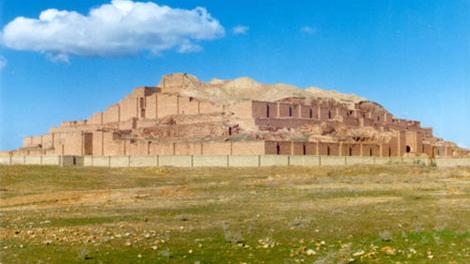
The Choghamish Hills — a Remnant of Seven Thousand Years of Human Life in Southern Iran
The artifacts unearthed at the Choghamish Mounds are truly astonishing, offering a vivid narrative of seven thousand years of life and culture in Iran.
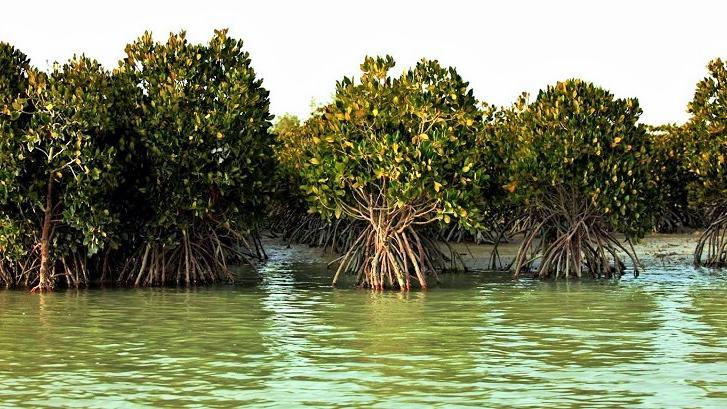
Hara Biosphere Reserve — The Habitat of Trees Rooted in the Sea
The Hara Biosphere Reserve is home to one of the world’s most extraordinary forests , a forest of trees that grow with their roots in the salty waters of the sea.
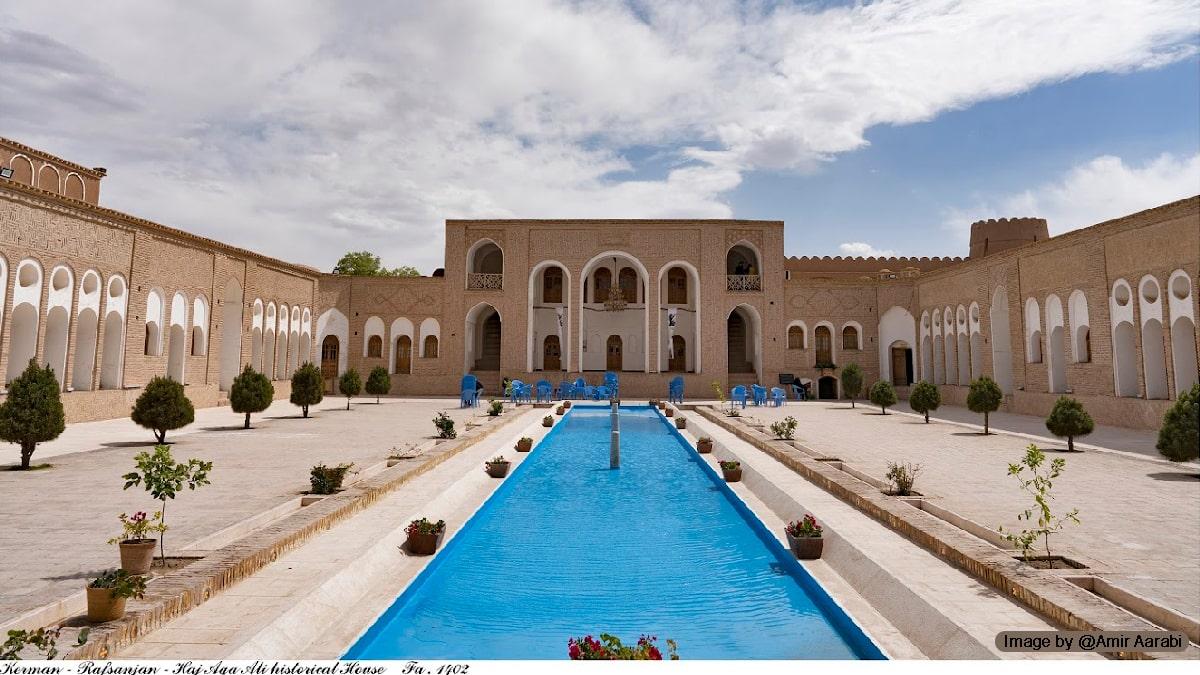
The House of Haj Agha Ali in Rafsanjan, a magnificent adobe structure with remarkable interior design.
.Some believe that the House of Haj Agha Ali in Rafsanjan was the largest roofed adobe structure in the world during the 18th century.
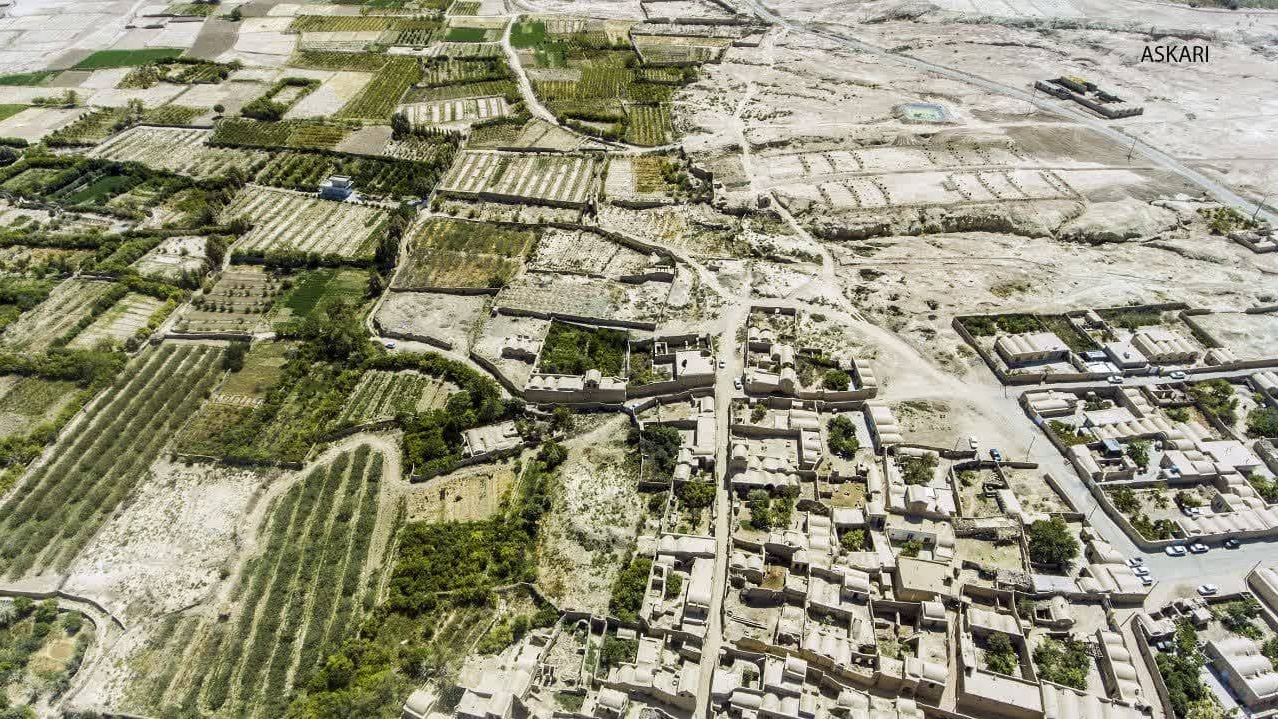
Herabarjan Village: A Stroll Through Its Charming, Timeless Garden Alleys
Herabarjan Village is remarkable for the traditional adobe architecture of its houses, which gives the village a distinctive and picturesque charm.
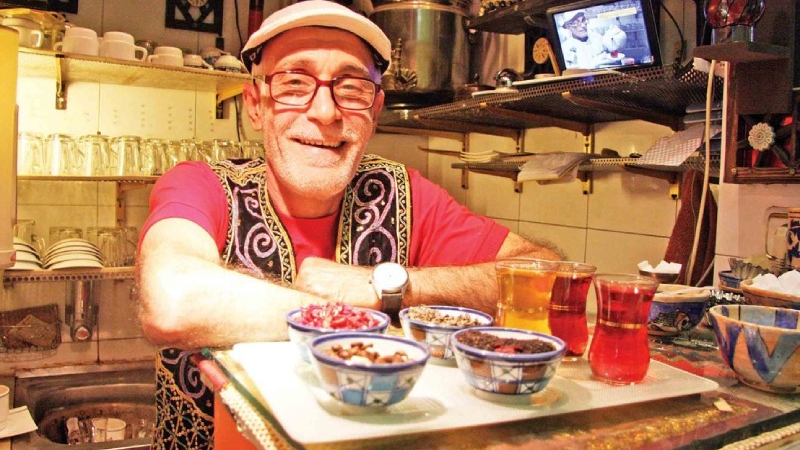
Haj Ali Darvish Teahouse , The Smallest Teahouse in the World, Located in Tehran’s Bazaar
In one of the corridors of Tehran’s Grand Bazaar, there is a teahouse called “Haj Ali Darvish Teahouse,” which has been recognized as the smallest teahouse in the world.

Maranjab Caravanserai and Its Wonders Amid the Scorching Desert
The Maranjab Caravanserai, along with the surrounding desert areas and the Salt Lake, forms a unique destination for tourists and nature enthusiasts alike.
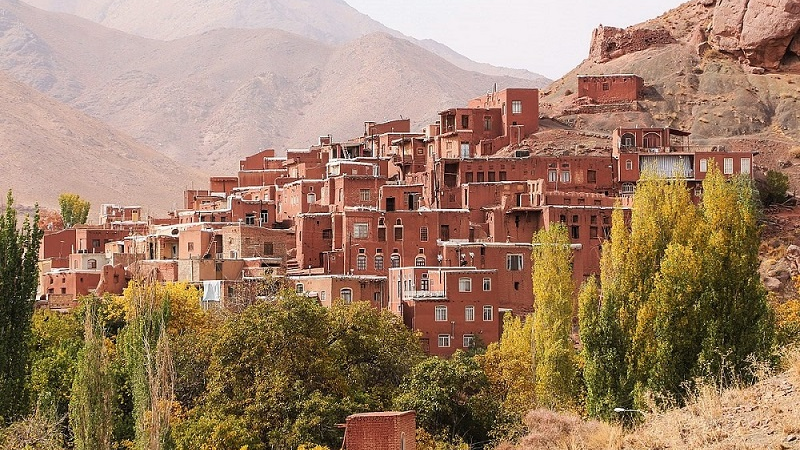
Abyaneh: Walking Through a Village That Has Preserved Its Historical Authenticity
Abyaneh is a truly unique and remarkable destination, not only for its pristine landscapes and historical landmarks but also for the traditional lifestyle of its inhabitants.
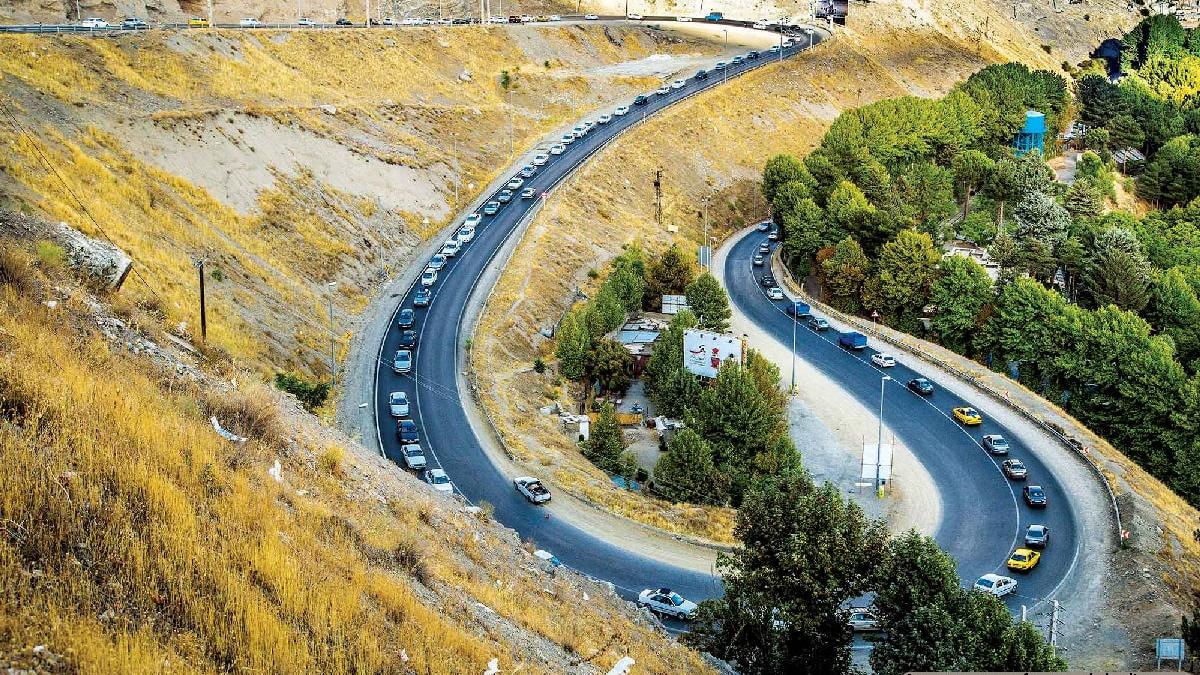
Chalous Road — The Scenic Route to Northern Iran
Chalous Road is one of the most famous and beautiful roads in Iran and serves as an important route connecting the northern regions of the country to the capital.
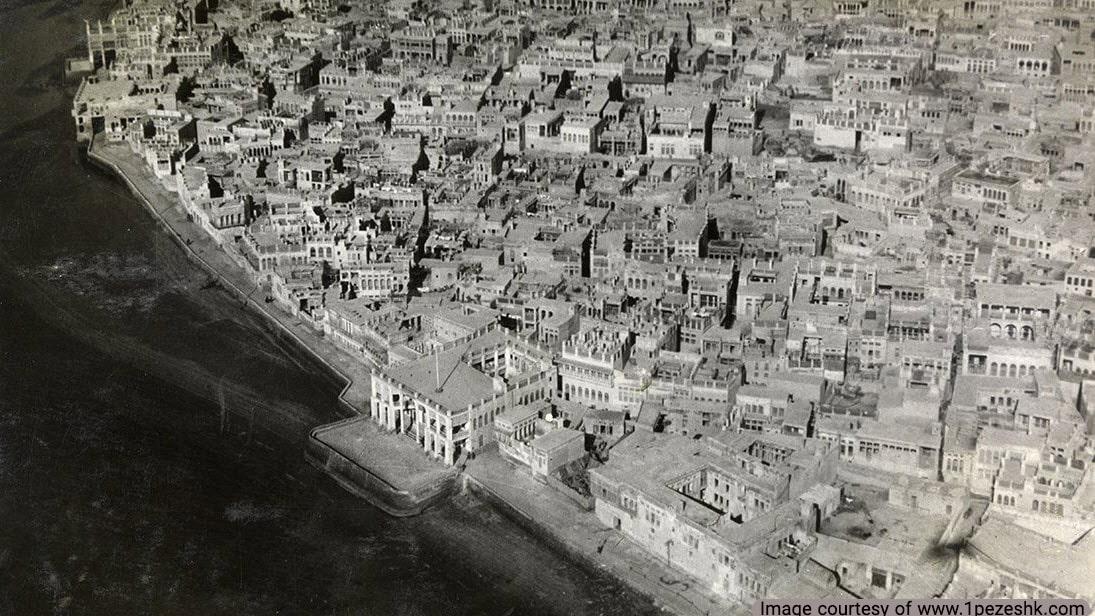
Bushehr, A Historic and Strategic Port of Iran
The history of Bushehr is estimated to date back more than five thousand years. Throughout much of this time, Bushehr has been one of Iran’s most important and strategic coastal regions.
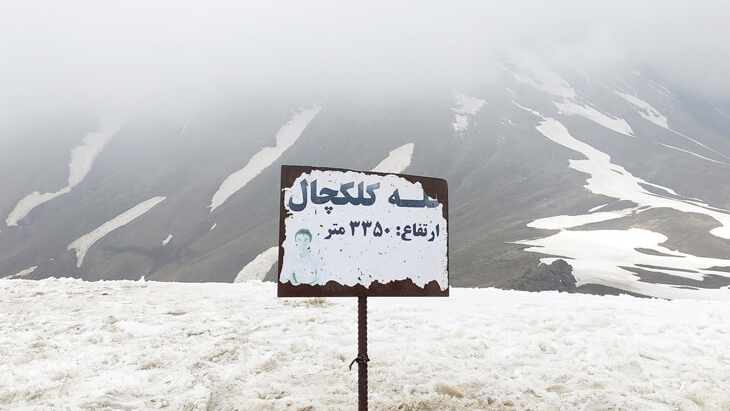
Kolakchal: The Beloved Mountain Retreat of Tehran’s Nature Enthusiasts
Every weekend, the scenic heights of Kolakchal in northern Tehran come alive with hikers and nature lovers.
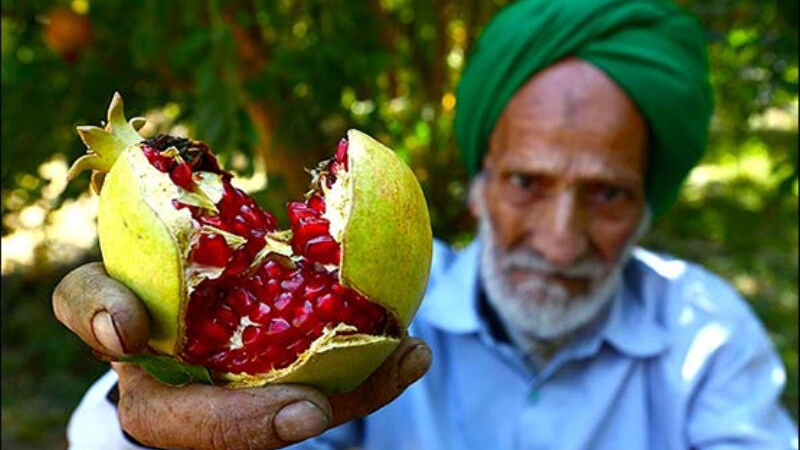
Ābān, the Season of Pomegranates in Yazd
Mid-autumn is the season for harvesting pomegranates in Yazd Province.
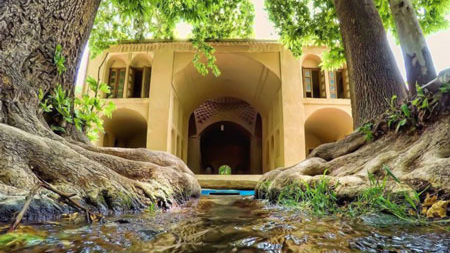
Pahlavanpour Garden and the Transition of the Persian Garden from Traditional to Modern Structure
According to experts, the architectural and structural elements of Pahlavanpour Garden reflect the transition from the traditional structure of the Persian garden to a new style of construction.
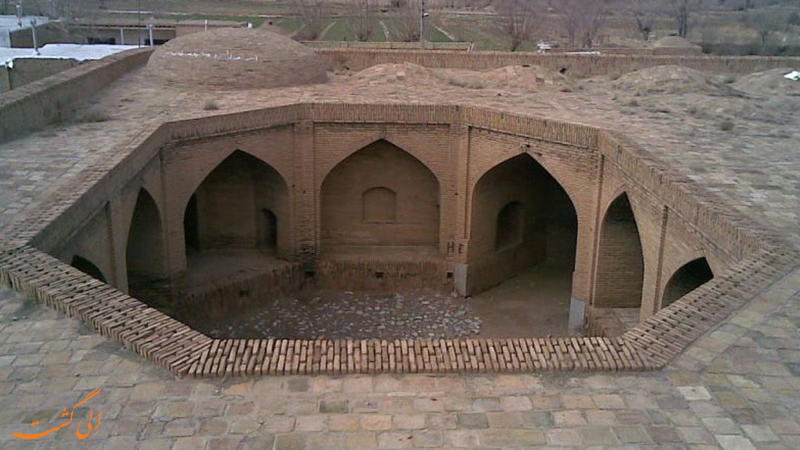
Sheikh Ali Khan Caravanserai — A Luxurious Inn for Trade Caravans
The presence of several private lodging areas in the Sheikh Ali Khan Caravanserai indicates that special arrangements were made to accommodate distinguished guests.
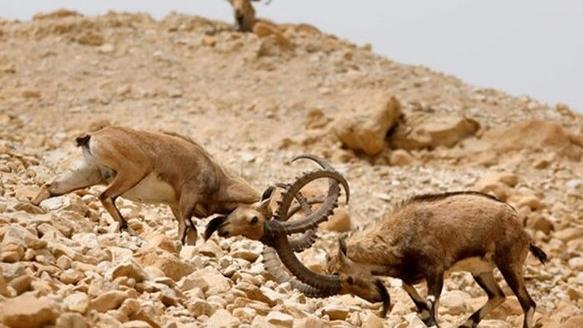
Geno Biosphere Reserve — An Isolated Mountain Range in Southern Iran
The Geno Biosphere Reserve, located in southern Iran, holds a special place for its stunning natural beauty and rich biodiversity.
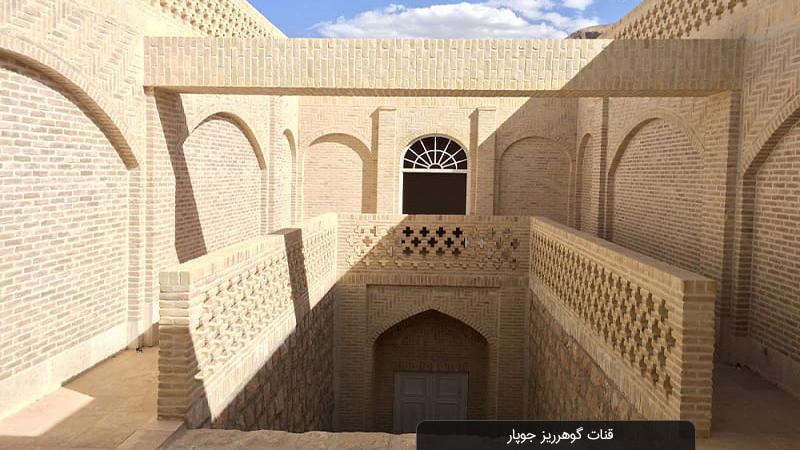
Goharriz Qanat, the lifeblood of Jopar city
In the Qanat of Gowharriz Jupar, social and cultural institutions can be observed that are intertwined with the history and traditions of this region.
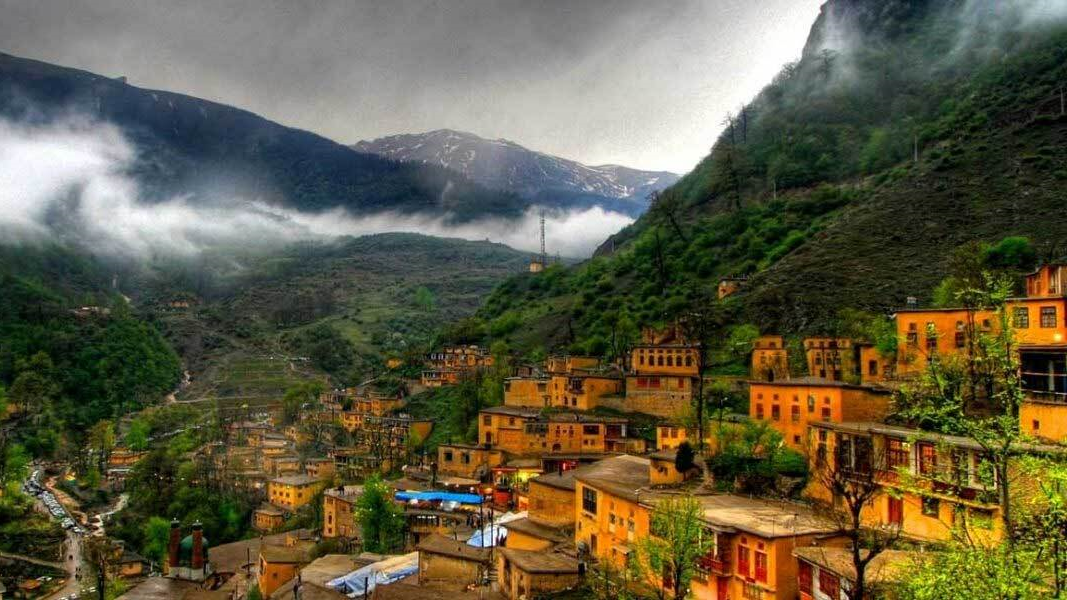
Masouleh, a beautiful region with special architecture
What has made Masouleh famous is the stepped structure of its houses.
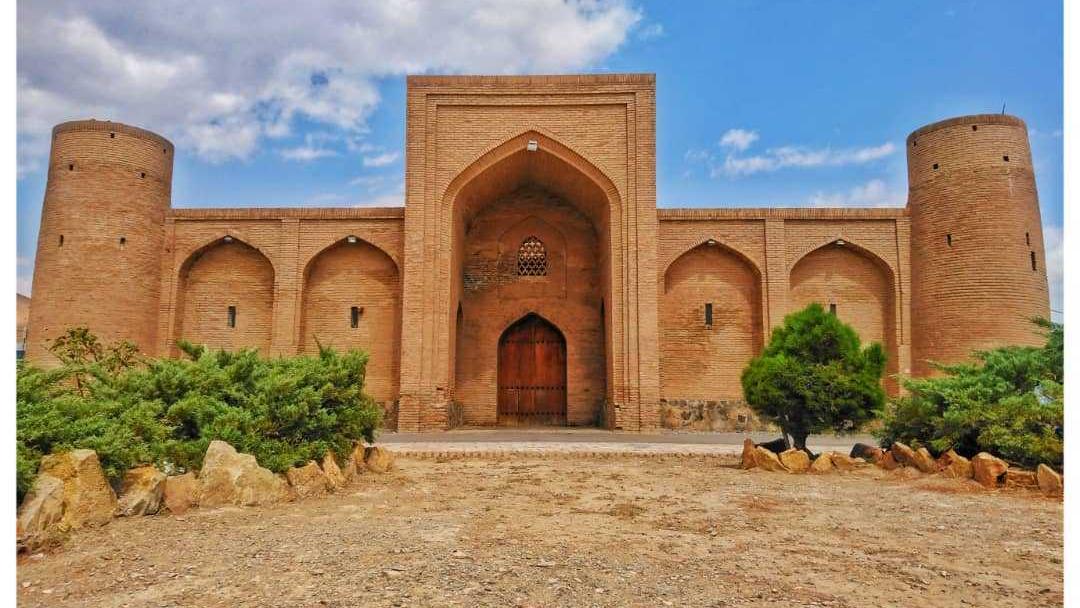
Fakhr Davoud Caravanserai: Eastern Iranian trade route lodging.
Fakhr Davood Caravanserai was a vital communication center for Iranian merchants trading with the East.
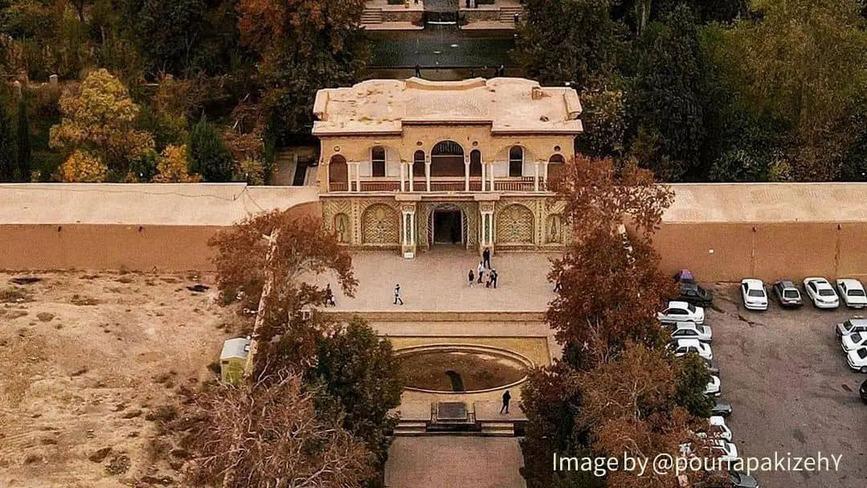
Shazdeh Mahan Garden — the marvel of Persian garden design in the heart of an arid land
Shazdeh Mahan Garden is one of the largest Persian gardens located in a desert region.
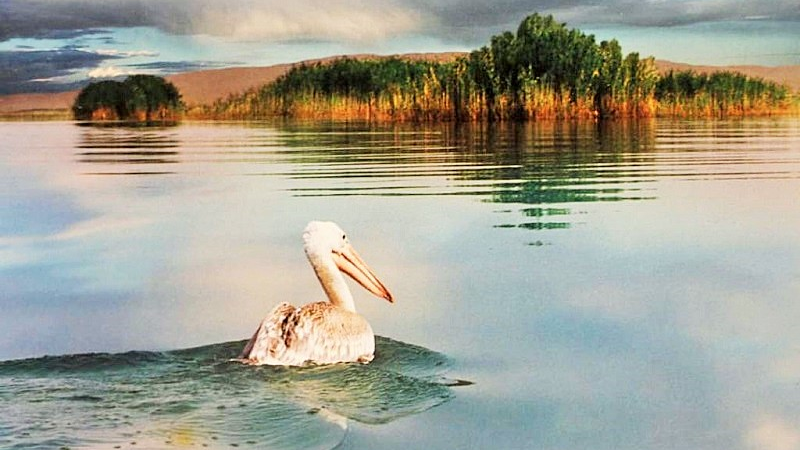
The Arjan and Parishan Biosphere Reserve is the oldest biosphere reserve in Iran.
In recent years, drought and the excessive extraction of water resources have posed significant threats to the Arjan and Parishan Biosphere Reserve.
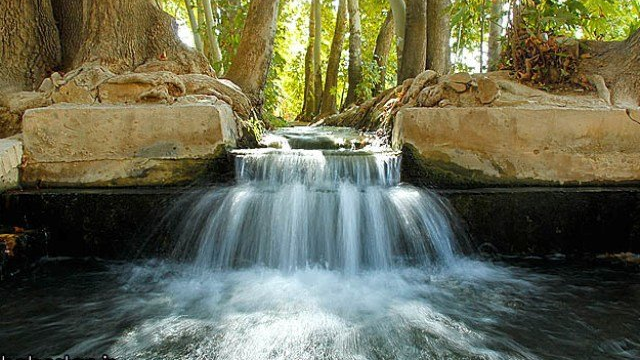
The Hasanabad Moshir qanat is a flow of crystal-clear water deep within the hot and scorching regions.
The Hasanabad Mehriz qanat, with a length of 71 kilometers, is one of the longest qanats in Iran.
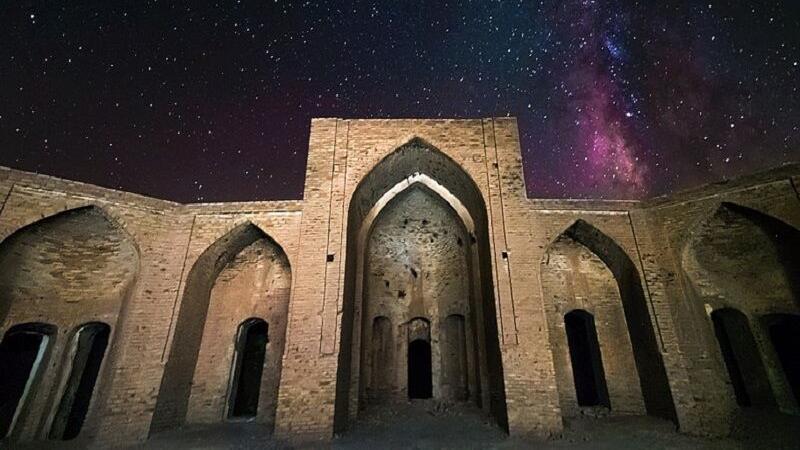
Abbasabad Caravanserai of Taybad — Witnessing the Grandeur of an Authentic Iranian Monument
The Abbasabad Caravanserai in Taybad has lost its vibrancy today, but until a few centuries ago, it was one of the most important and busiest caravanserais in eastern Iran.
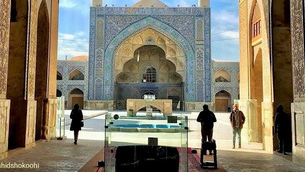
A Glimpse into the Indescribable Beauty of the Jameh Mosque of Isfahan
Describing the grandeur and beauty of the Jameh Mosque of Isfahan is beyond the power of words!
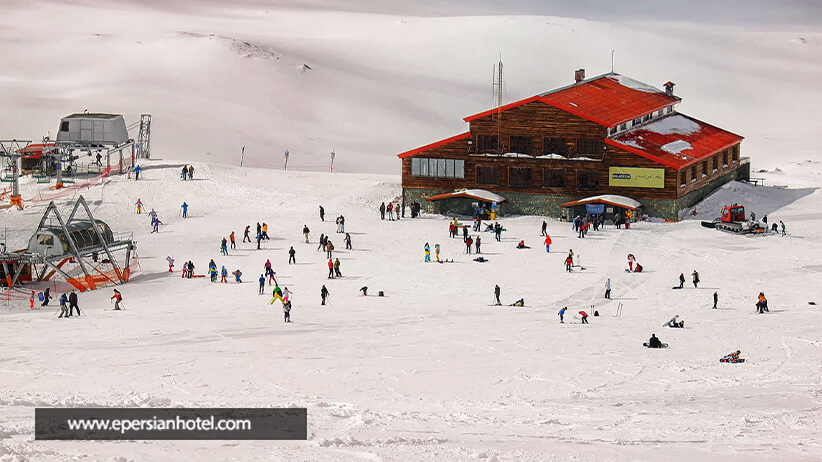
Tochal Leisure Complex: A Complete Winter Entertainment Experience!
Tochal is a mountain peak in the north of Tehran, where a fully equipped and complete complex welcomes visitors on its slopes.
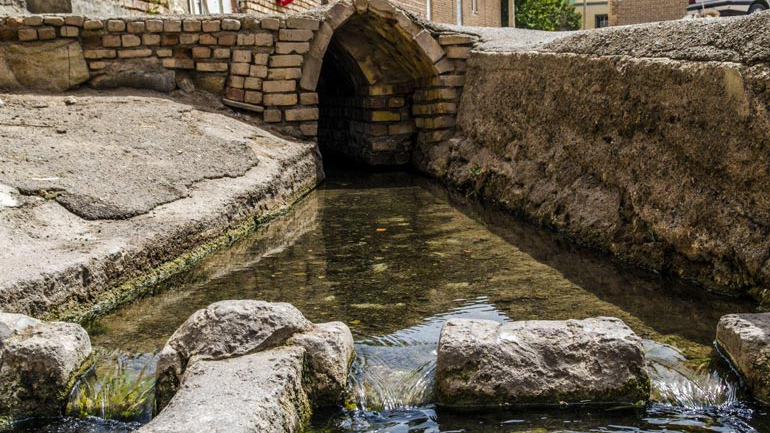
Moon Qanat: A Masterpiece of Ancient Iranian Engineering
The Moon Qanat is the world’s only two-level underground aqueduct, masterfully engineered so that the waters of the two layers remain completely separate and never intermingle.
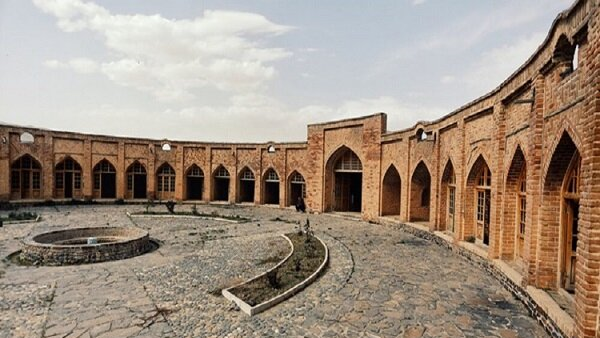
The Brick and Stone Caravanserais of Anjireh: Two World Heritage Sites Just 500 Meters Apart
The Brick and Stone Caravanserais of Anjireh, both inscribed on the UNESCO World Heritage List, are located just 500 meters apart
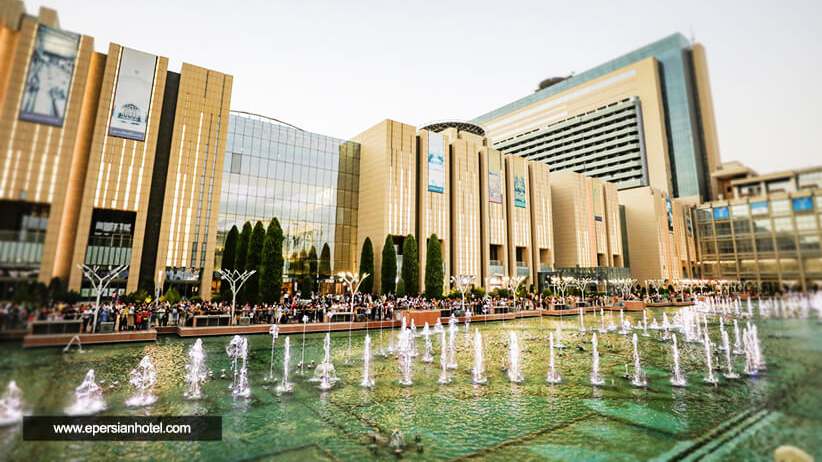
Iran Mall,The Grand Bazaar of Iran in Western Tehran
The Iran Mall complex brings together a wide range of commercial, recreational, accommodation, and entertainment services.
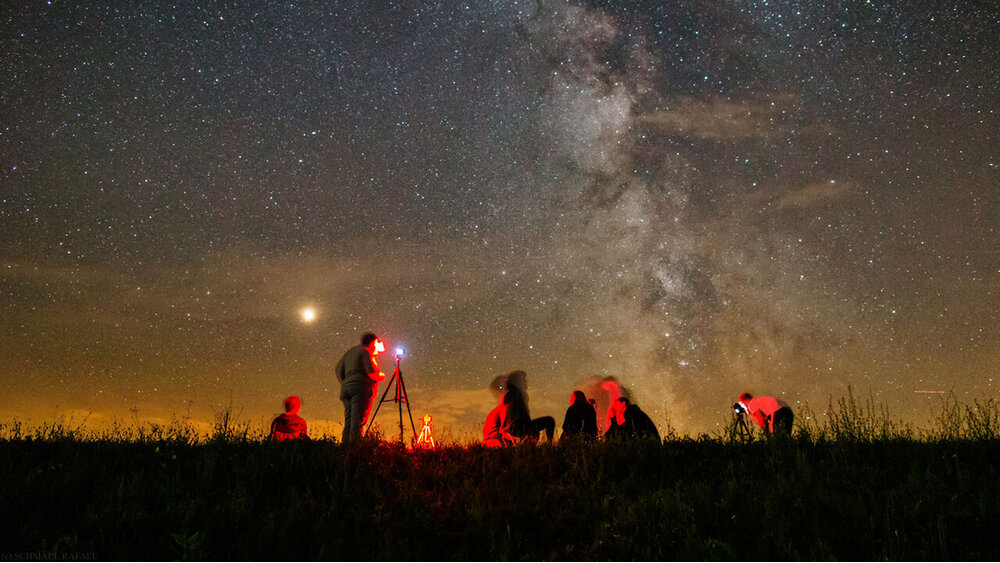
Look at the Sky: The Astronomical Tourism Potentials of Yazd Province
Yazd Province, with its vast deserts and wide plains far from light pollution, is considered one of the best destinations for astronomy tourism enthusiasts.
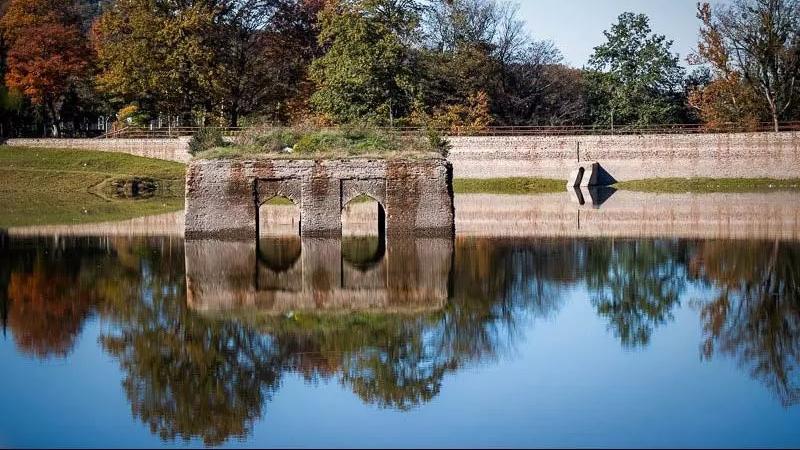
Abbasabad Garden of Behshahr: A Manifestation of Hydraulic Engineering Genius from 400 Years Ago
The Abbasabad Garden in Behshahr is one of Iran’s UNESCO World Heritage sites, where the sophisticated engineering knowledge of 400 years ago is remarkably evident.
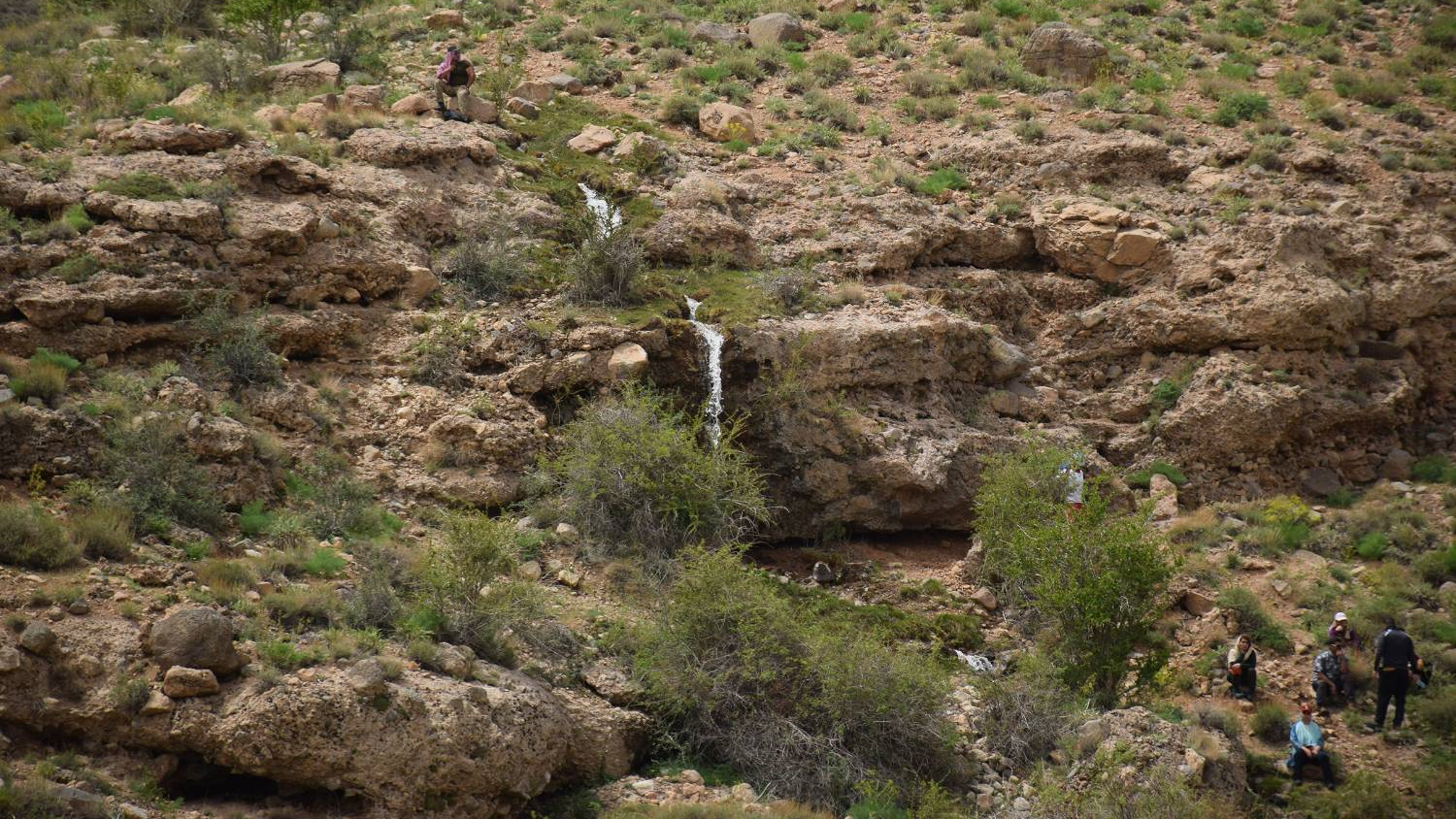
The Adarashk Valley and Its Astonishing Ice Tunnels Near the Scorching Desert
At certain times of the year, ice tunnels form in the Adarashk region , a truly astonishing phenomenon given the hot and arid climate of Yazd Province.
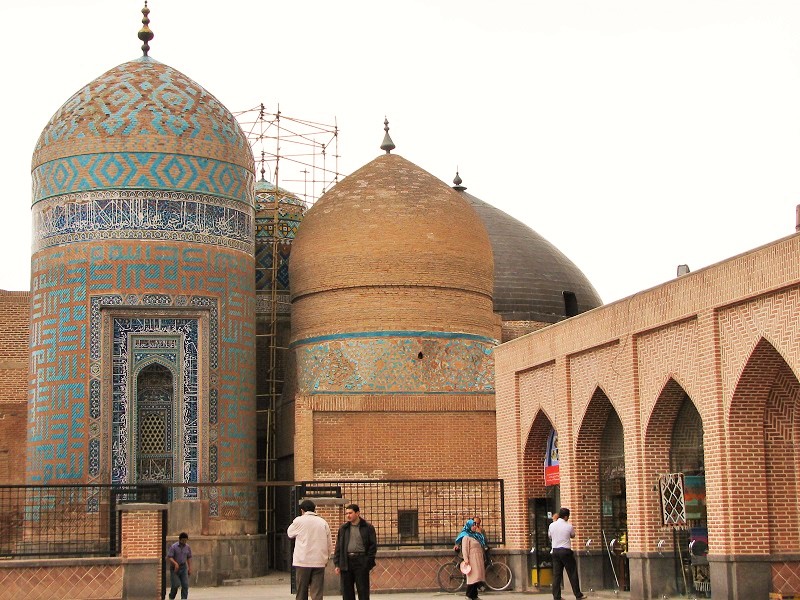
The Sheikh Safi al-Din Ardabili Complex – A UNESCO World Heritage Site of Iran
The Sheikh Safi al-Din Ardabili Complex is not merely a historical monument — it is also the resting place of individuals who shaped significant chapters of Iran’s history.
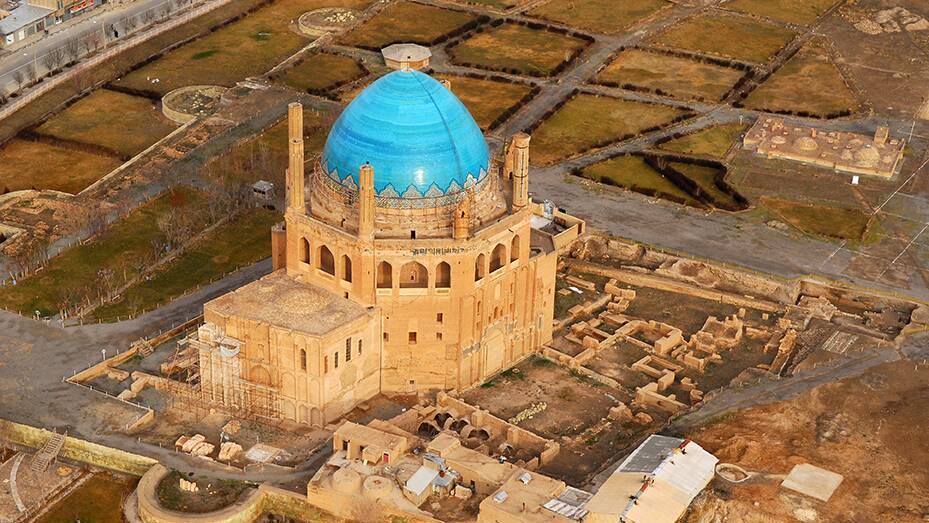
Visiting the Largest Brick Dome in the World — The Soltaniyeh Dome Complex
The Dome of Soltaniyeh is an engineering masterpiece — a massive structure with foundations only 90 centimeters deep, yet it has withstood numerous devastating earthquakes for centuries.
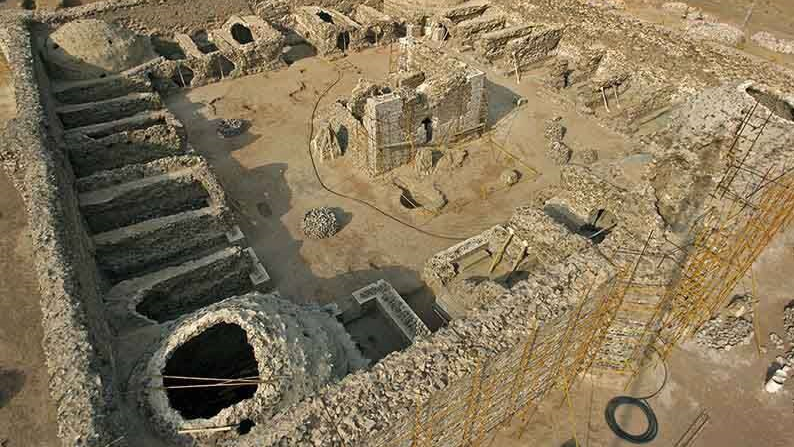
Qaleh Sangi Caravanserai and Its Untold Secrets
What has made the Qaleh Sangi Caravanserai famous as the most mysterious caravanserai in Iran is the discovery of 23 skeletons, which were most likely buried at this site more than six centuries ago.
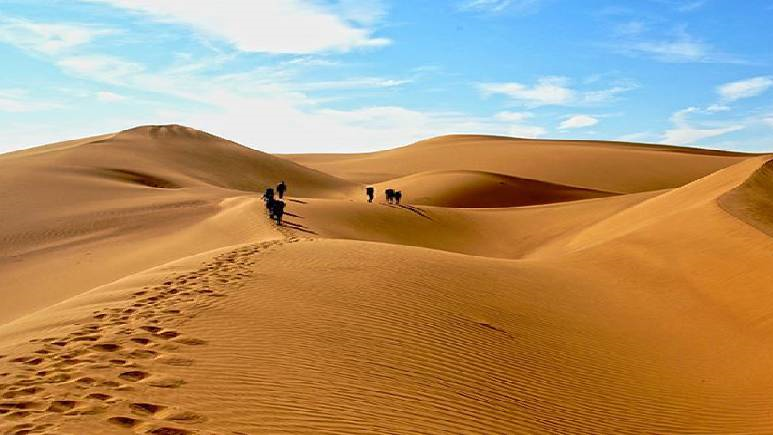
Abozeidabad: Unique Architecture and the Stunning Siyazgeh Desert
Aboozeydabad is located in the north of Isfahan Province and attracts visitors thanks to its proximity to the stunning Siyazgeh Desert.
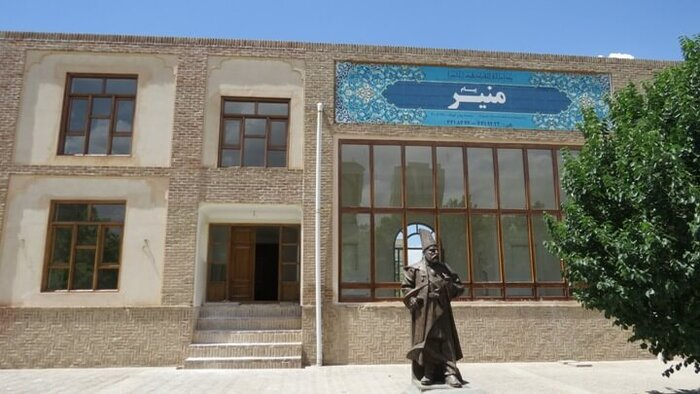
Amir Garden Mansion of Tabriz
.This 19th-century AD garden mansion was built by Amir Kabir during his stay in Tabriz
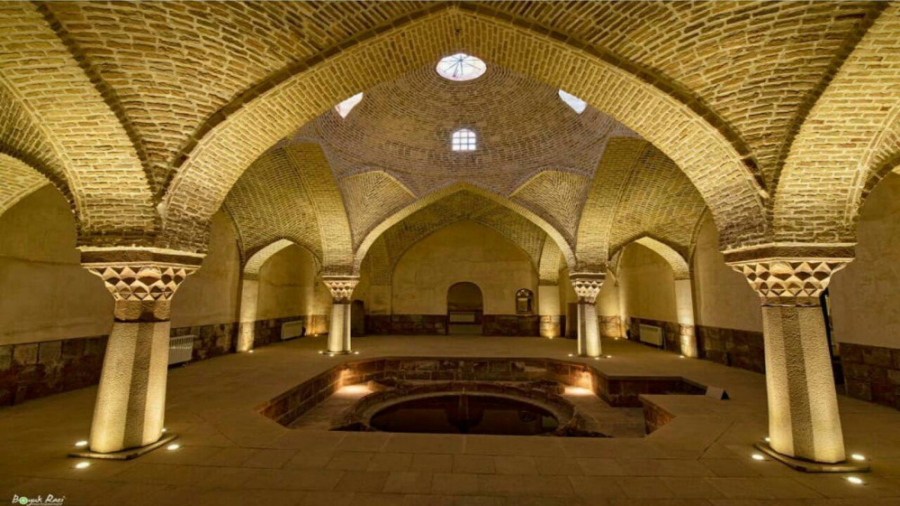
Jolfa Historical Bathhouse
.Jolfa Bathhouse was a historical structure built in such a way that could make it possible to prov services to cide. sanitaryommercial caravans passing through the region
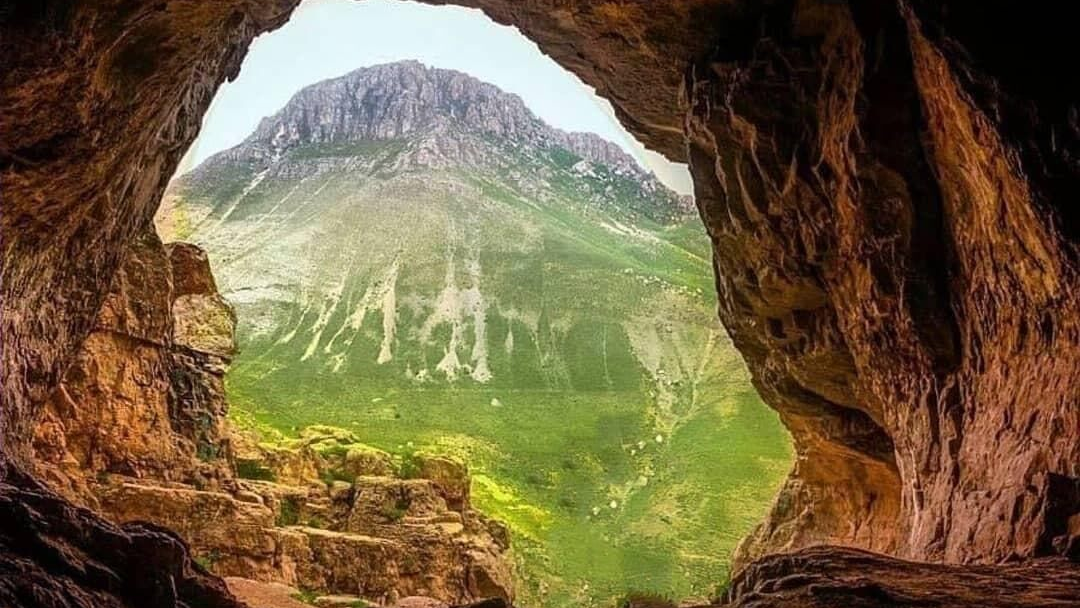
Maragheh Caves
Some caves of Maragheh were among the first human habitats in the region and are of great historical importance
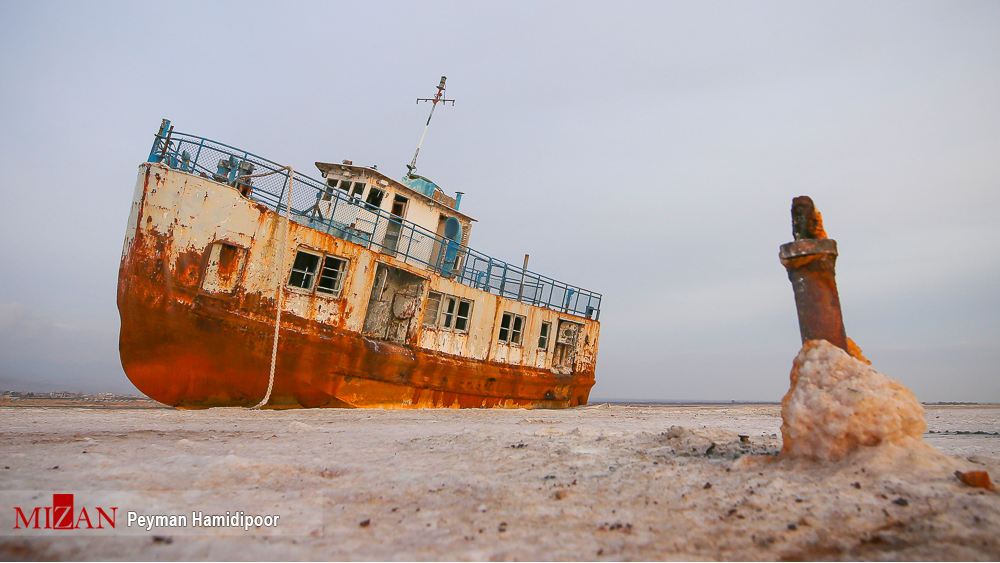
Sharafkhaneh Port City
There was a time when Lake Urmia had indescribable splendor and glory, and Sharafkhaneh Port hosted many merchants and travelers every day
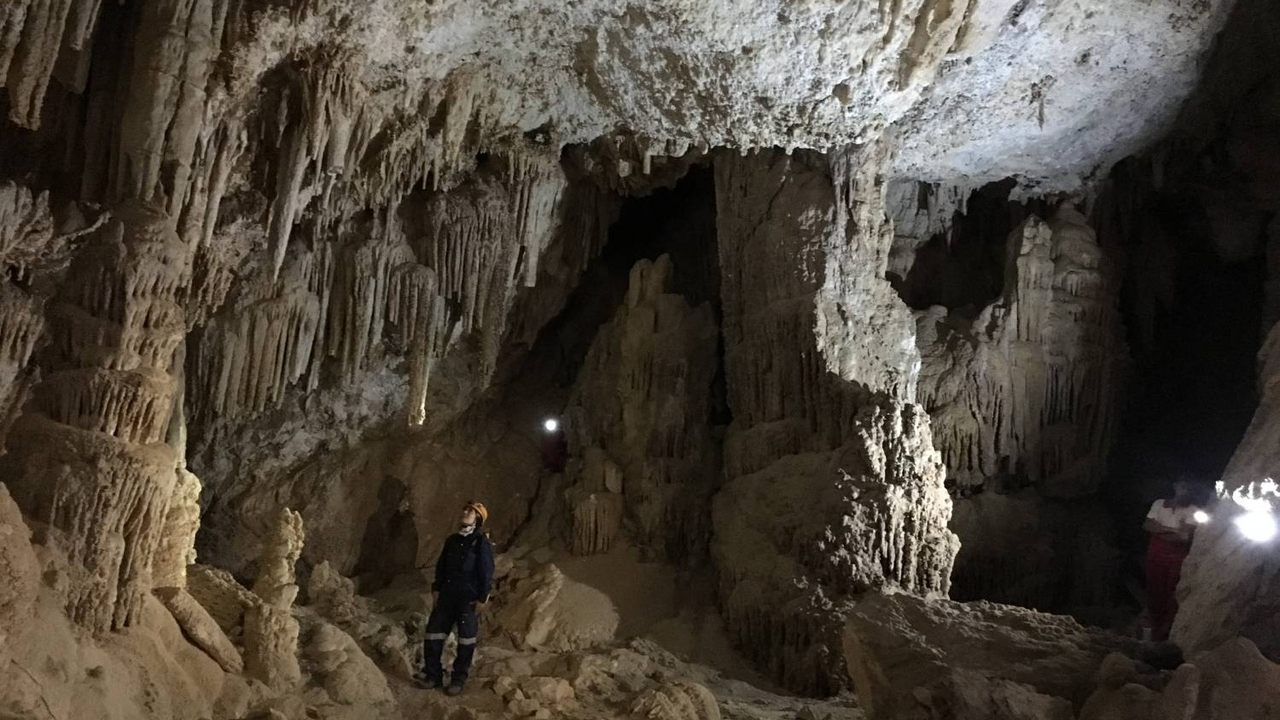
Gudbungah Cave
.Being located in an area far from human activities, Gudbungah Cave has so far remained unknown and untouched
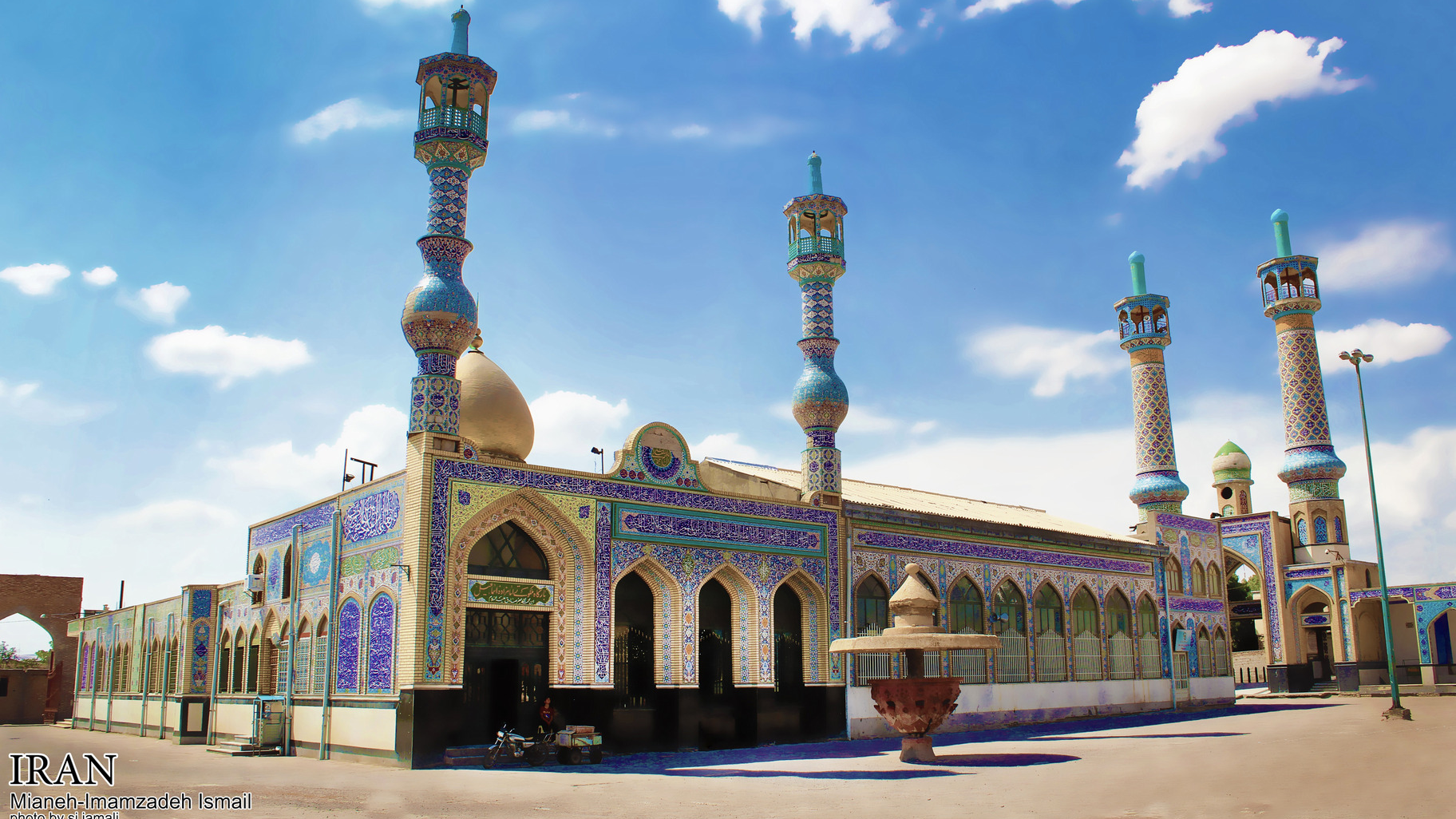
Tomb of Imamzadeh Ismail in Miyaneh
Apart from its religious position, the shrine of Imamzadeh Ismail in Miyaneh is also considered a base for cultural and social activitie.s
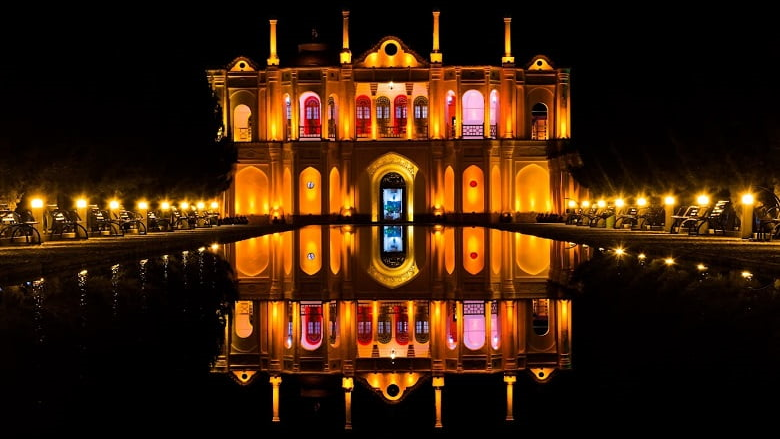
Fath Abad Garden of Tabriz
The historical Fath Abad Garden of Tabriz, which is located in an area of 30 hectares, is currently used as an educational and cultural center
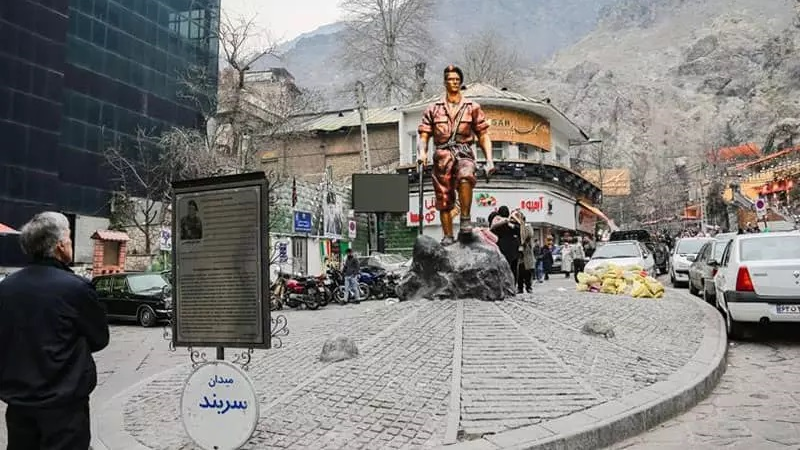
Darband: The Northernmost Neighborhood of Tehran
Darband is located in the northernmost part of Tehran and is considered one of the city’s main recreational areas.

Rakhtshooykhaneh of Zanjan: A Unique Museum in an Exceptional Building
The Rakhtshooykhaneh of Zanjan is a place that was once used for washing clothes and has now been transformed into an ethnographic museum.
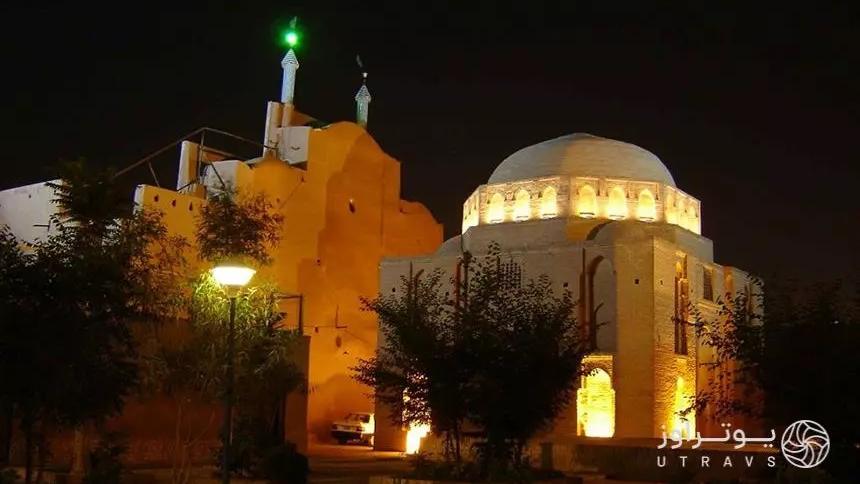
The Shrine of Sheikh Ahmad Fahadan, a striking architecture with a unique dome
The Shrine of Sheikh Ahmad Fahadan is the tomb of two revered mystics of Yazd. It is crowned with a solid dome unlike any other.
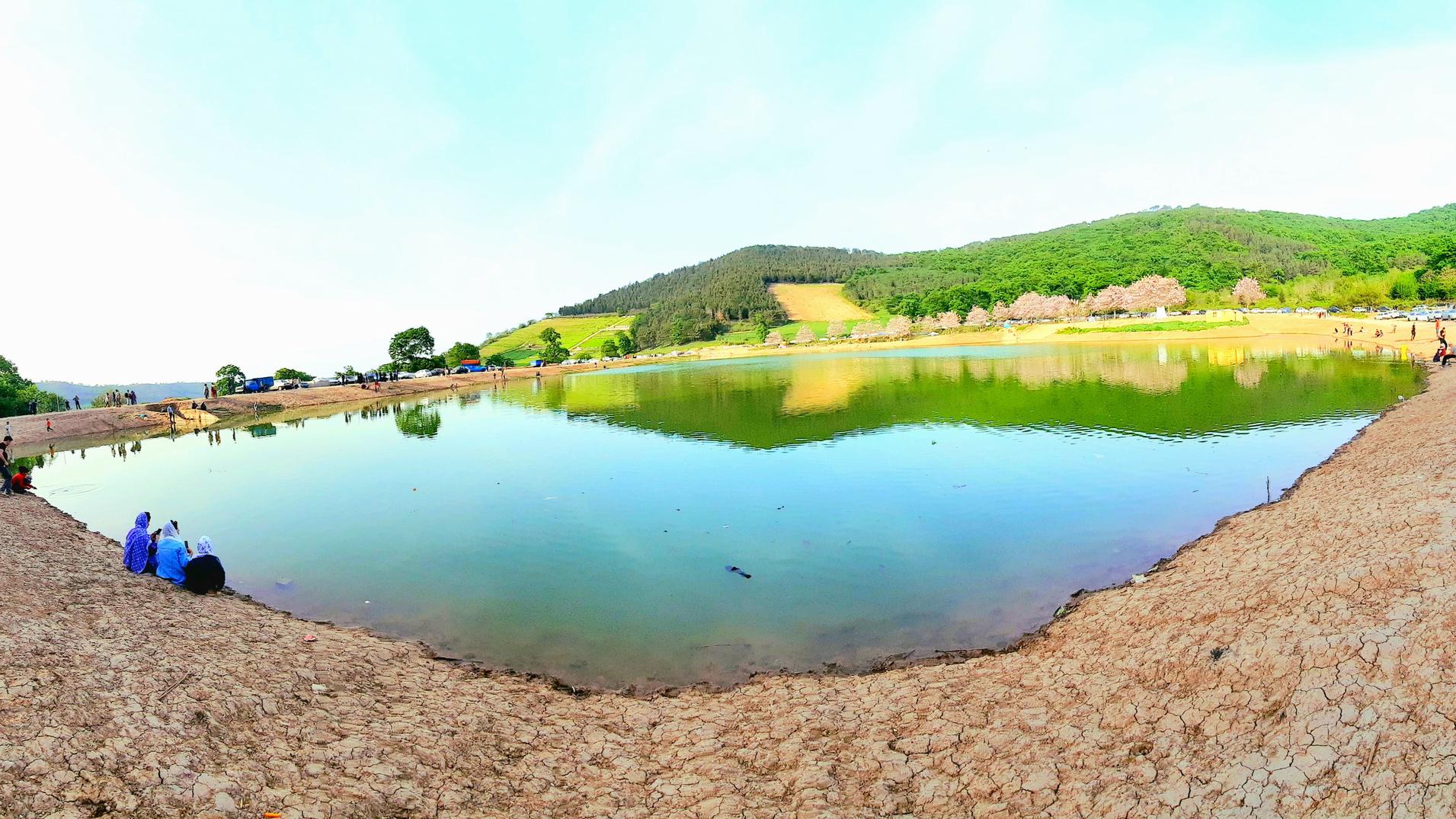
Toshan Lake — A Perfect Destination for an Unforgettable Nature Trip in the Province
Toshan Lake and its stunning natural surroundings are captivating for anyone who loves nature and outdoor exploration.
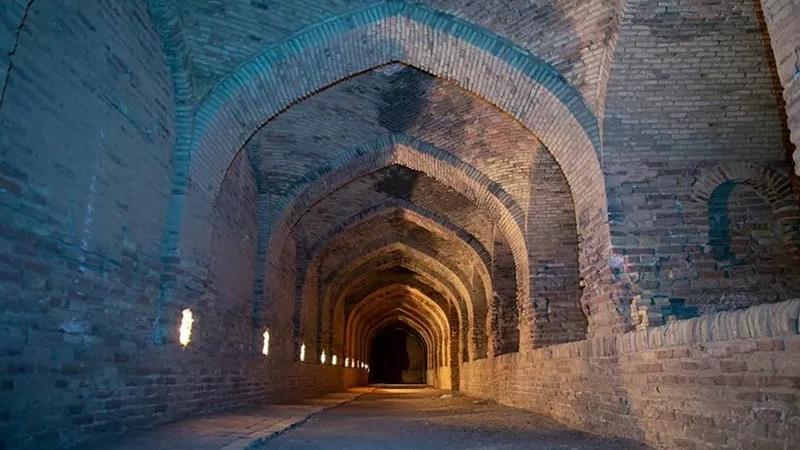
The Deir-e Gachin Caravanserai and its 1,700-year-old history
The Deir-e Gachin Caravanserai, which is considered the largest traditional caravanserai in Iran, has been inscribed on the UNESCO World Heritage List.
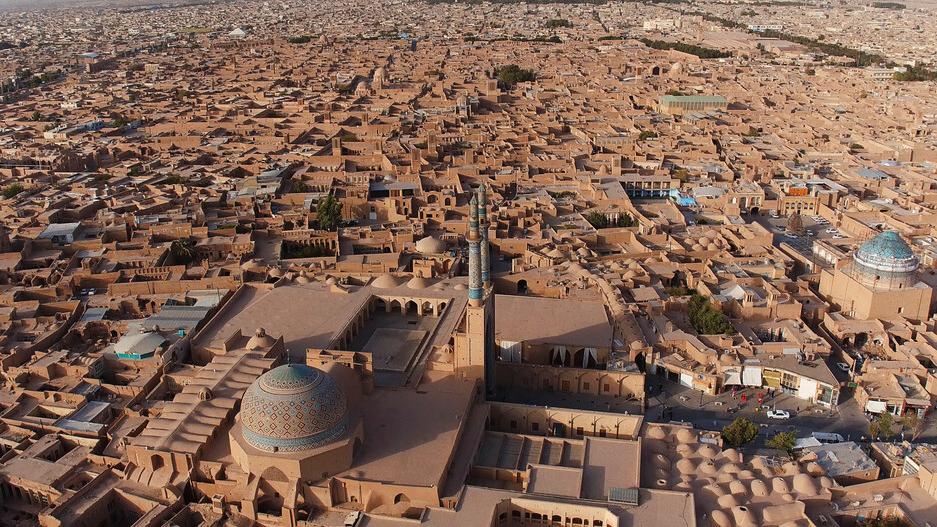
The historical texture of Yazd: the legacy of the warm-hearted people of the desert for the world.
The historical texture of Yazd is one of the sites inscribed on UNESCO’s World Heritage List.
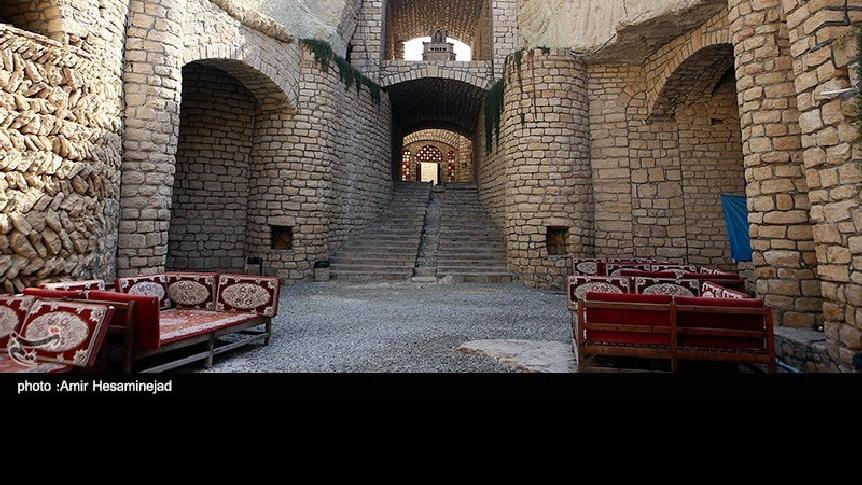
Visiting the Underground City of Kish—an experience you will never forget!
Kish Island is one of the well-known islands in the Persian Gulf, attracting numerous tourists each year who come to explore its historical sites, including the Underground City of Kish.
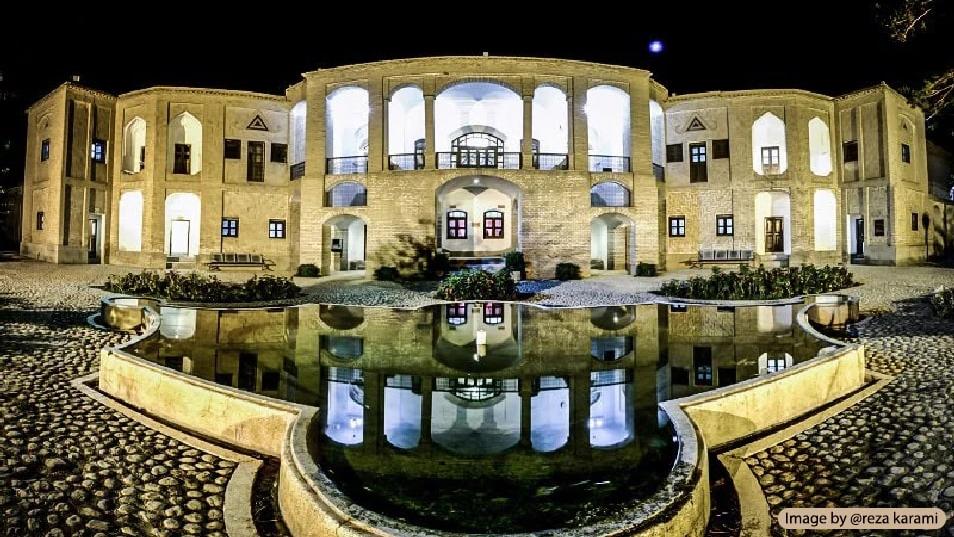
The Akbarieh Garden of Birjand is aperfect example of the Persian Garden.
The Persian Garden is a heritage of Iranian architecture for all humankind**, and the **Akbarieh Garden of Birjand** is considered **one of the most complete examples of this timeless tradition.
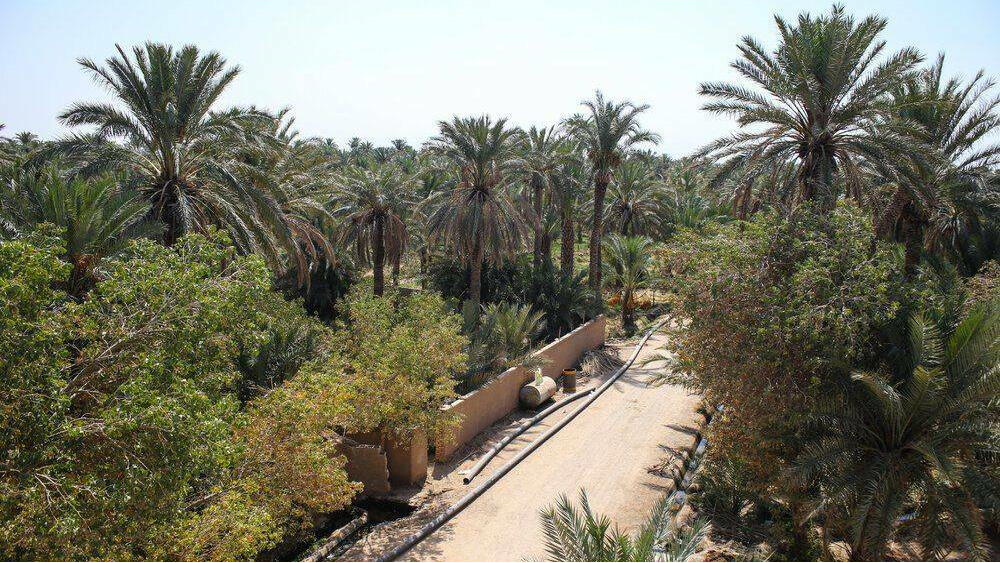
Bafq, the Land of Affectionate People and the Gateway of the Desert
Due to its ancient history, rich and dense groves, and affectionate and hospitable people, Bafq is an ideal choice for an enjoyable trip
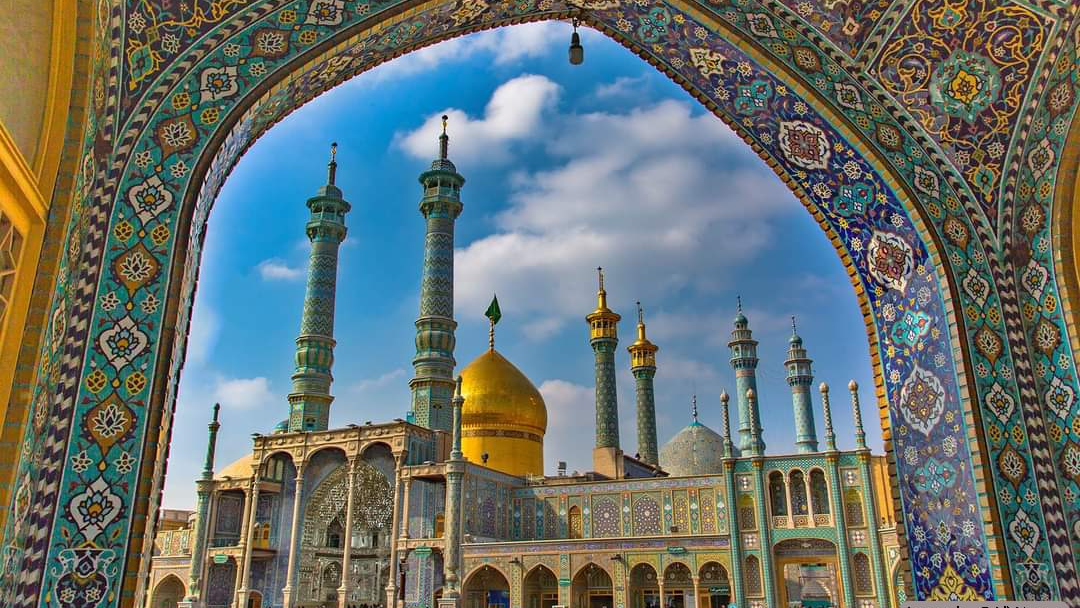
Hazrat Fatima Masoumeh Holy Shrine
.Due to the presence of Hazrat Masoumeh’s shrine, the city of Qom has long been considered one of the pilgrimage cities and scientific centers of Shiism.
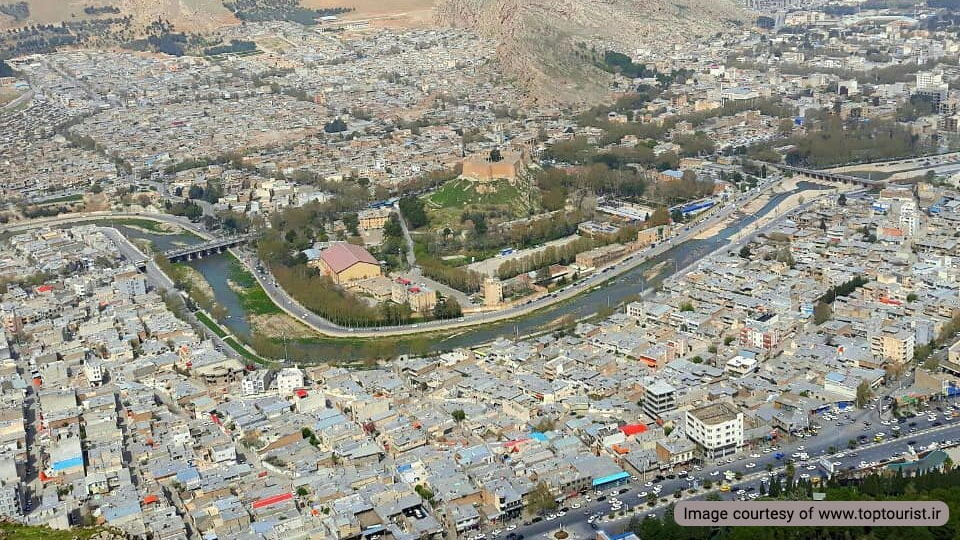
Khorramabad
!Khorramabad is an Iranian city that every tourist should visit
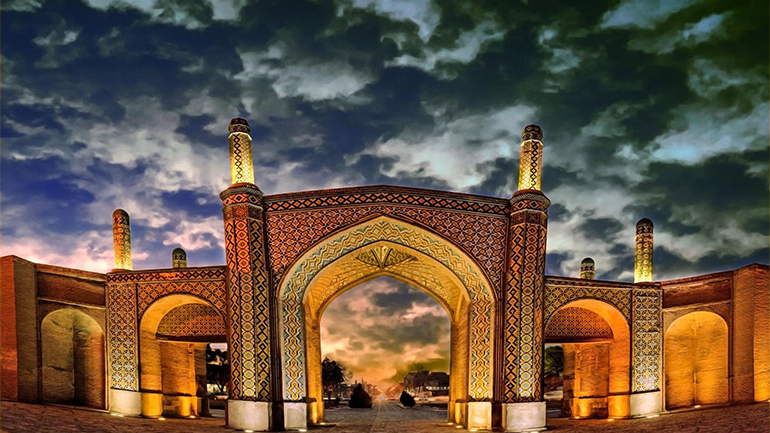
Old Tehran Gate of Qazvin
The Old Tehran Gate of Qazvin, or simply the Tehran Gate, is a historical gate in the city of Qazvin, and one of the only two remaining gates of this city.
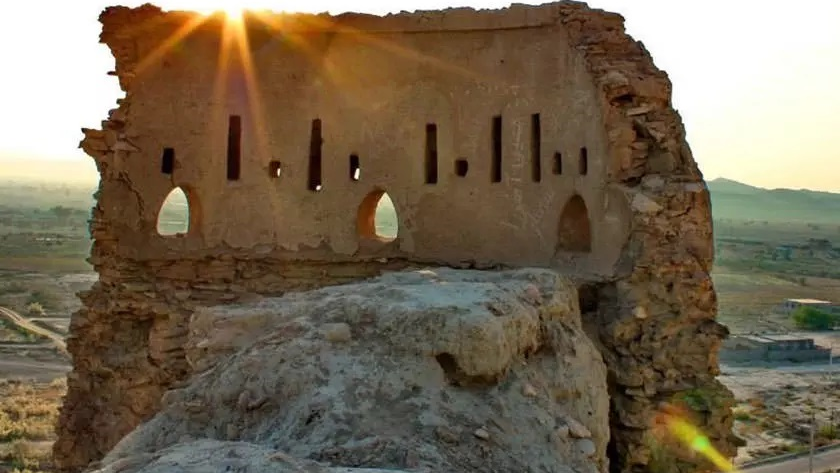
Fin Castle
The Fin of Bandar Abbas County has thick and dense palm groves, but the most important attraction of this city is the remains of a castle that stands out on top of a high hill in the vicinity of the city.
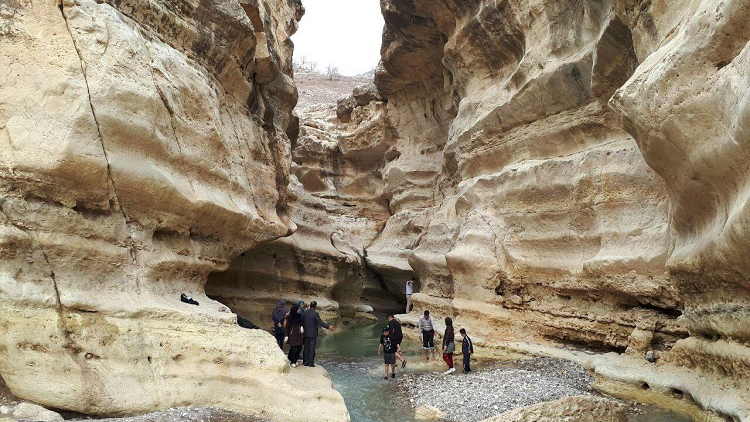
Razianeh (Fennel) Gorge of Ilam Province
A deep and narrow valley located in the green lands of Ilam Province, visiting the strange and pristine sight of which can be an adventurous experience
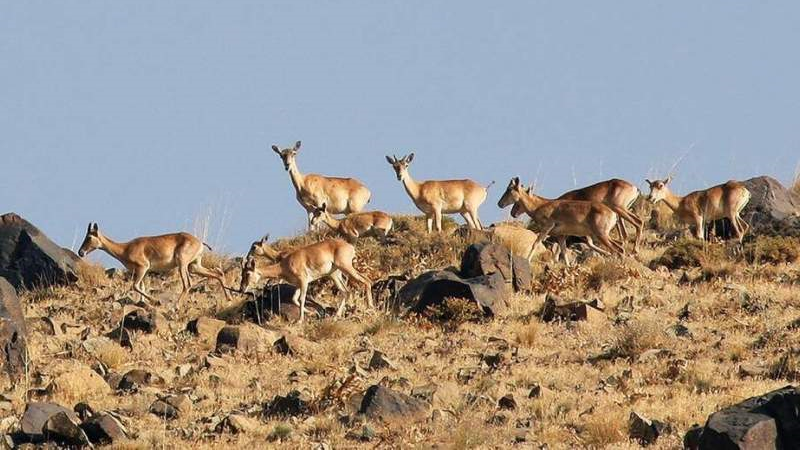
Biosphere Reserve of Dena
The Biosphere Reserve of Dena was the 10th reserve of Iran that was inscribed on the UNESCO List
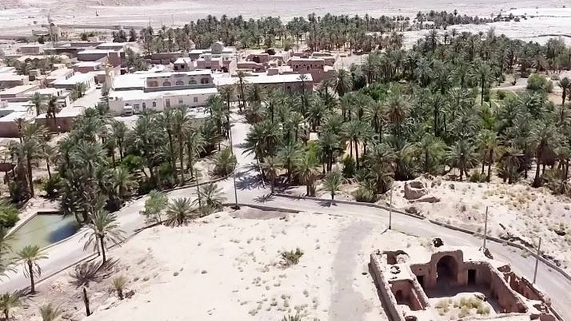
Hajjiabad-e Zarrin Village
Hajjiabad-e Zarrin Village is a village in Zarrin Rural District of Kharanaq District of Ardakan County, Yazd Province, with many desert and mountain tourist attractions
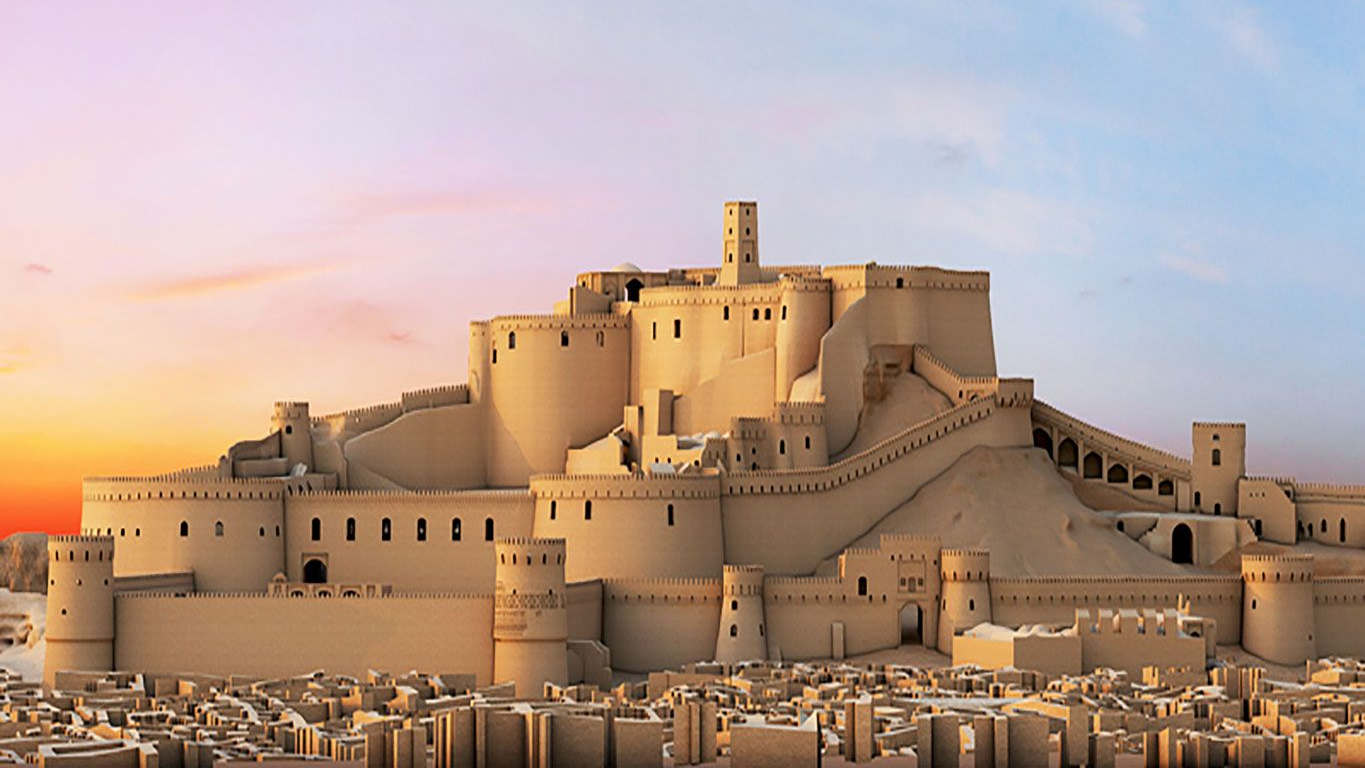
Arg-e Bam
Located in the city of Bam, Kerman Province of southeastern Iran, this citadel is the largest adobe building in the world
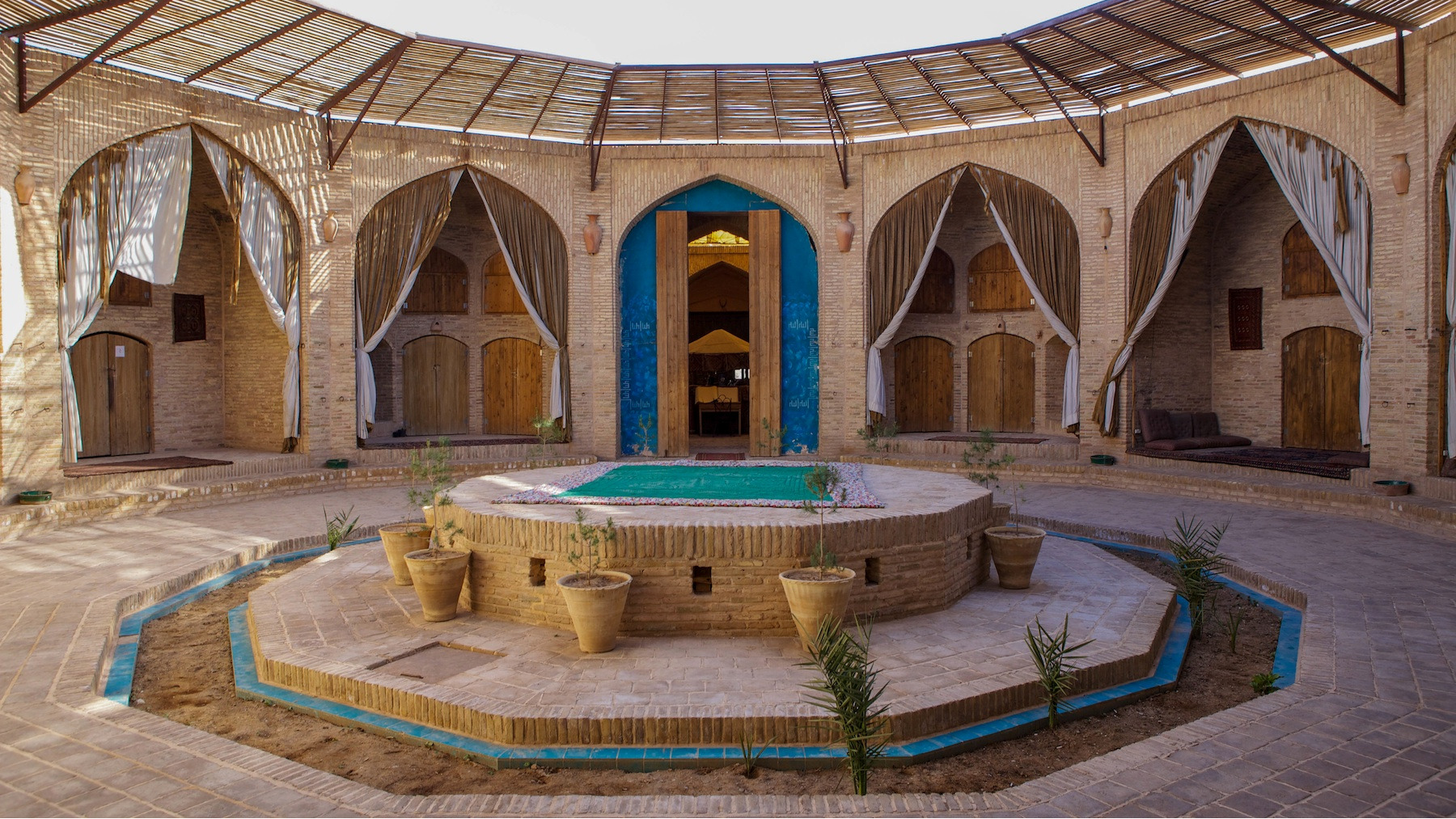
Zein-o-Din Caravanserai of Mehriz
Zein-o-Din Caravanserai of Mehriz is the only circular Caravanserai left from the Safavid era, which shines like a pearl in the heart of the Yazd desert, and its unique and attractive architecture attracts hundreds of tourists from different parts of the world every year
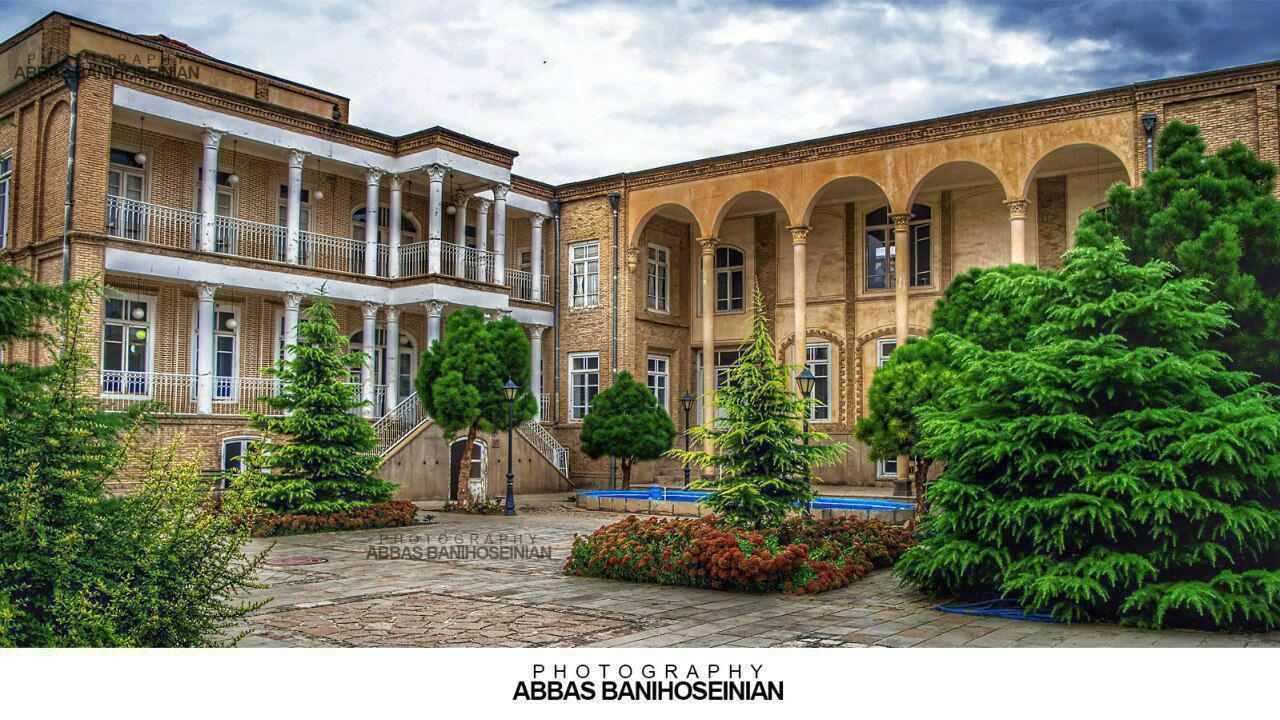
The Museum of Sacrifice and Martyrdom in Ardakan
The invasion of Iran by the Iraqi Baath army and the self-sacrifices made by the youths of Ardakan in defense of the motherland is the main subject of the Museum of Sacrifice and Martyrdom in Ardakan.
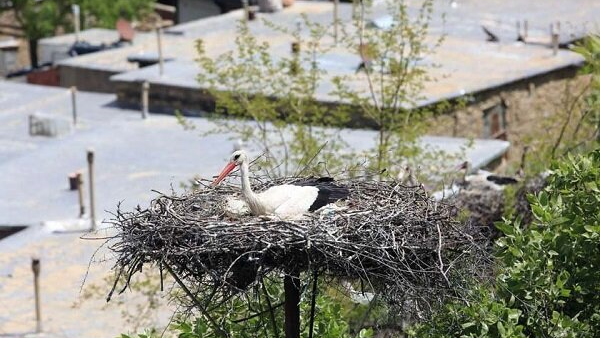
Darreh Tefi Village; the Host of Storks
Located on the shores of Lake Zarivar in Marivan City of the Kurdistan Province of Iran, Darreh Tefi Village is the stopover of beautiful migratory birds, including flocks of storks, during the springtime.
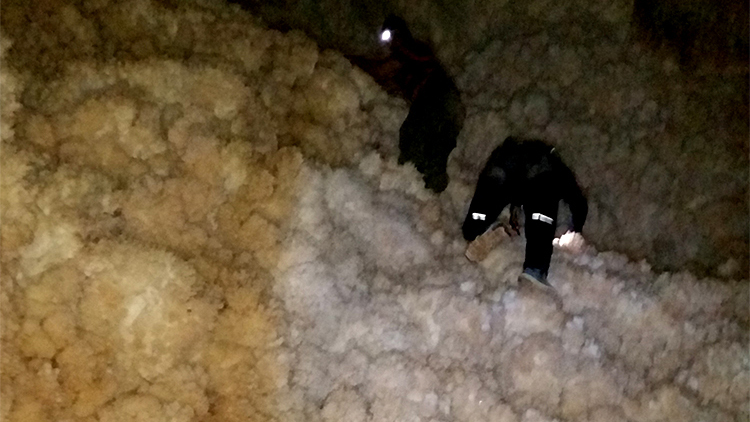
Almas (Diamond) Cave of Bahabad
Visiting the Almas (Diamond) Cave of Bahabad, which is a manifestation of the most beautiful geological movements requires high skill and full caving equipment
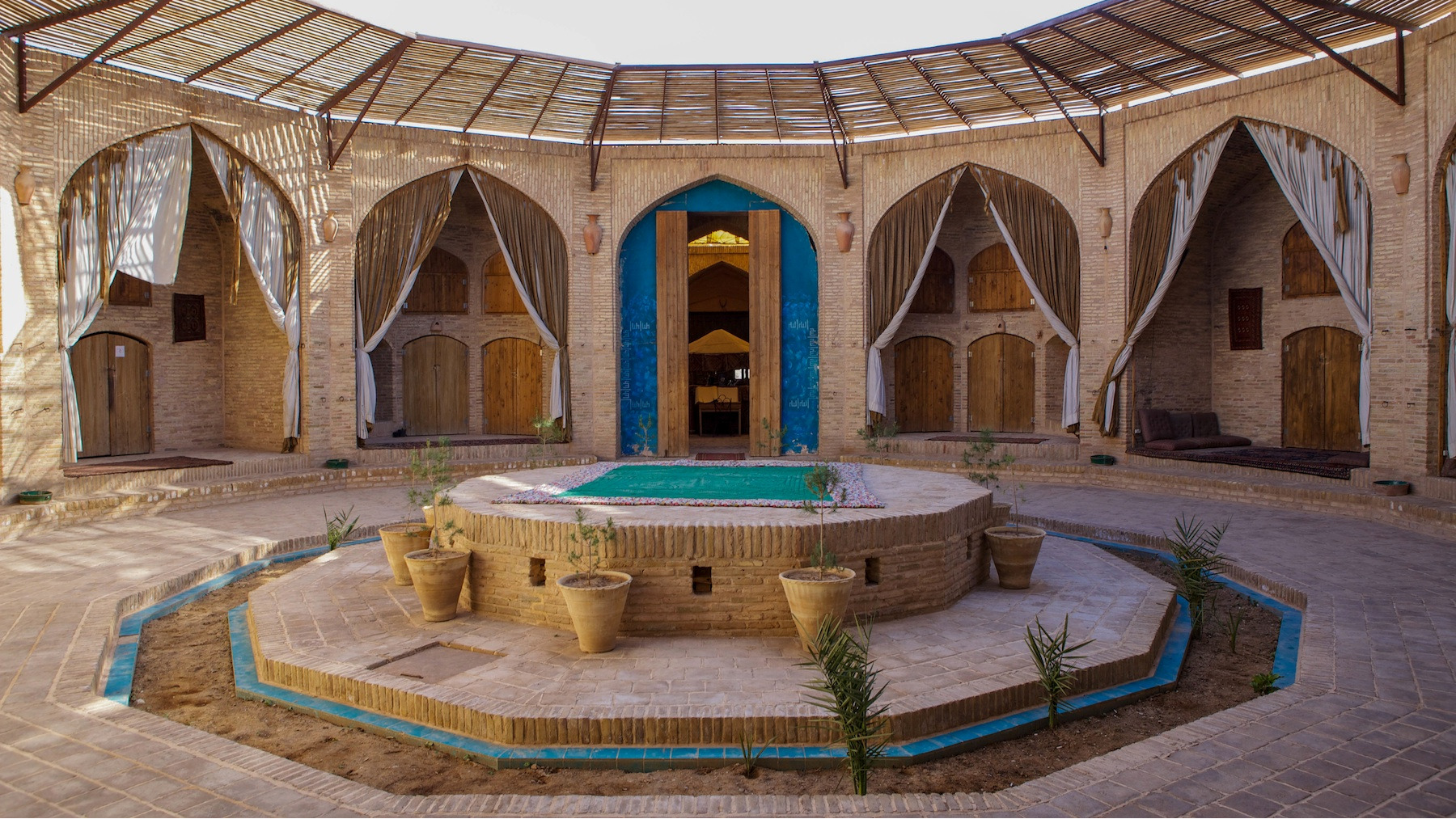
Caravanserais of Yazd
Six of the caravanserais of Yazd province have been inscribed on the UNESCO World Heritage List.
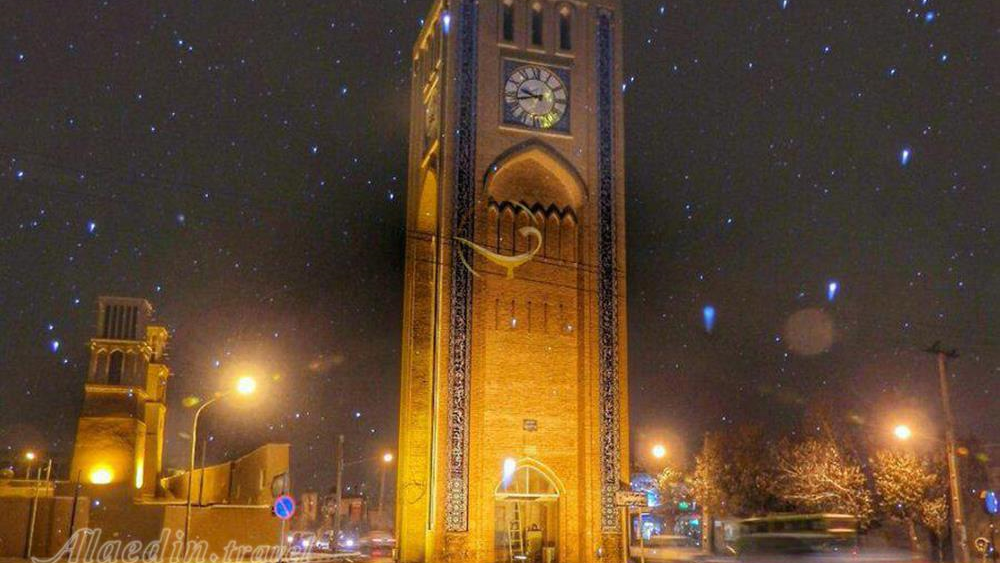
Yazd Clock Square
Housing one of the oldest clock towers of the world, the Yazd Clock Square or Time Square is one of the tourist attractions of Yazd City.
Ghaleh Kohneh (Old Castle) Neighborhood of Yazd
Traditional urban fabric shows the identity of historical cities. This identity stands out more than anywhere else in the old neighborhoods.
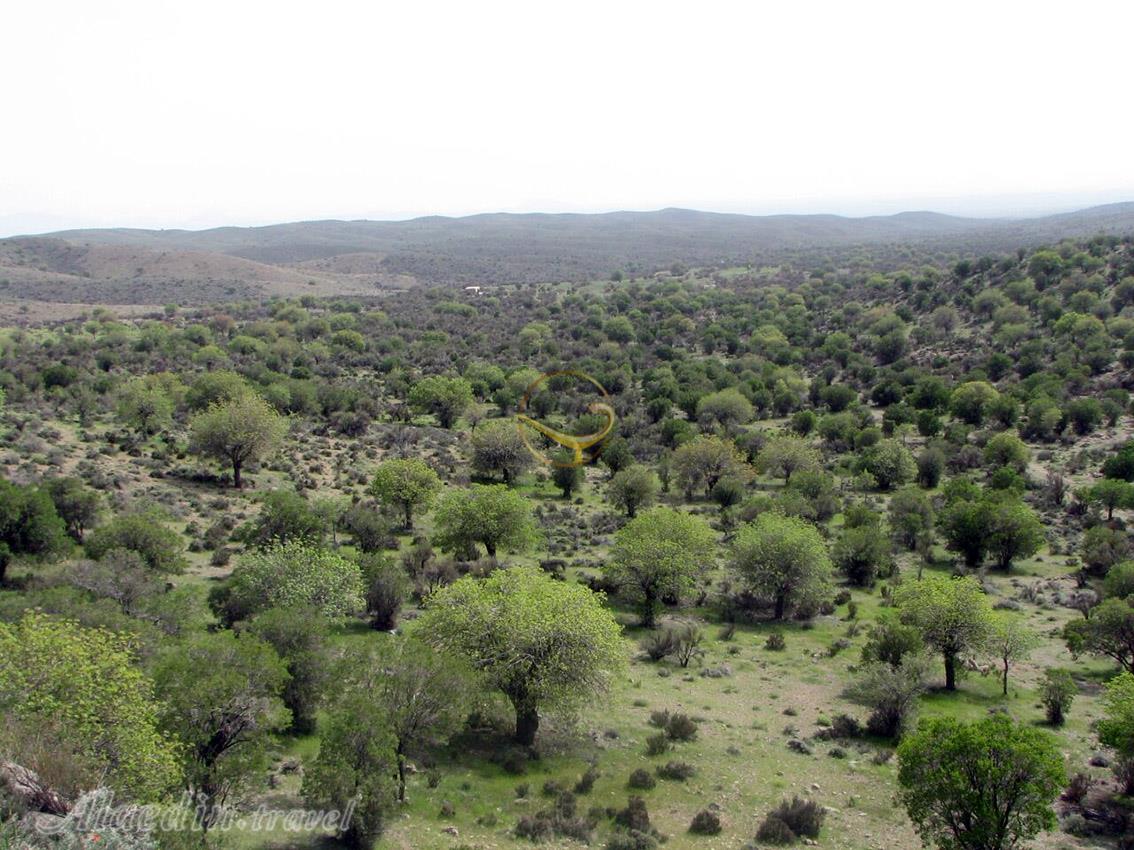
Juniper Forest of Bajegan
Yazd Province of Iran is a dry region, and its only forest area is located in the southeast of the province in Bajegan Rural Area.
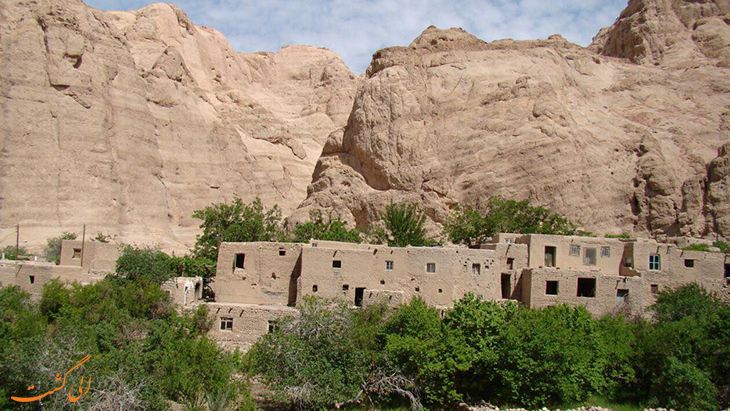
Qatram Village
Located in the desert province of Yazd, the four-season Qatram Village is a miracle of nature where one can feel the change of seasons by walking a short distance.
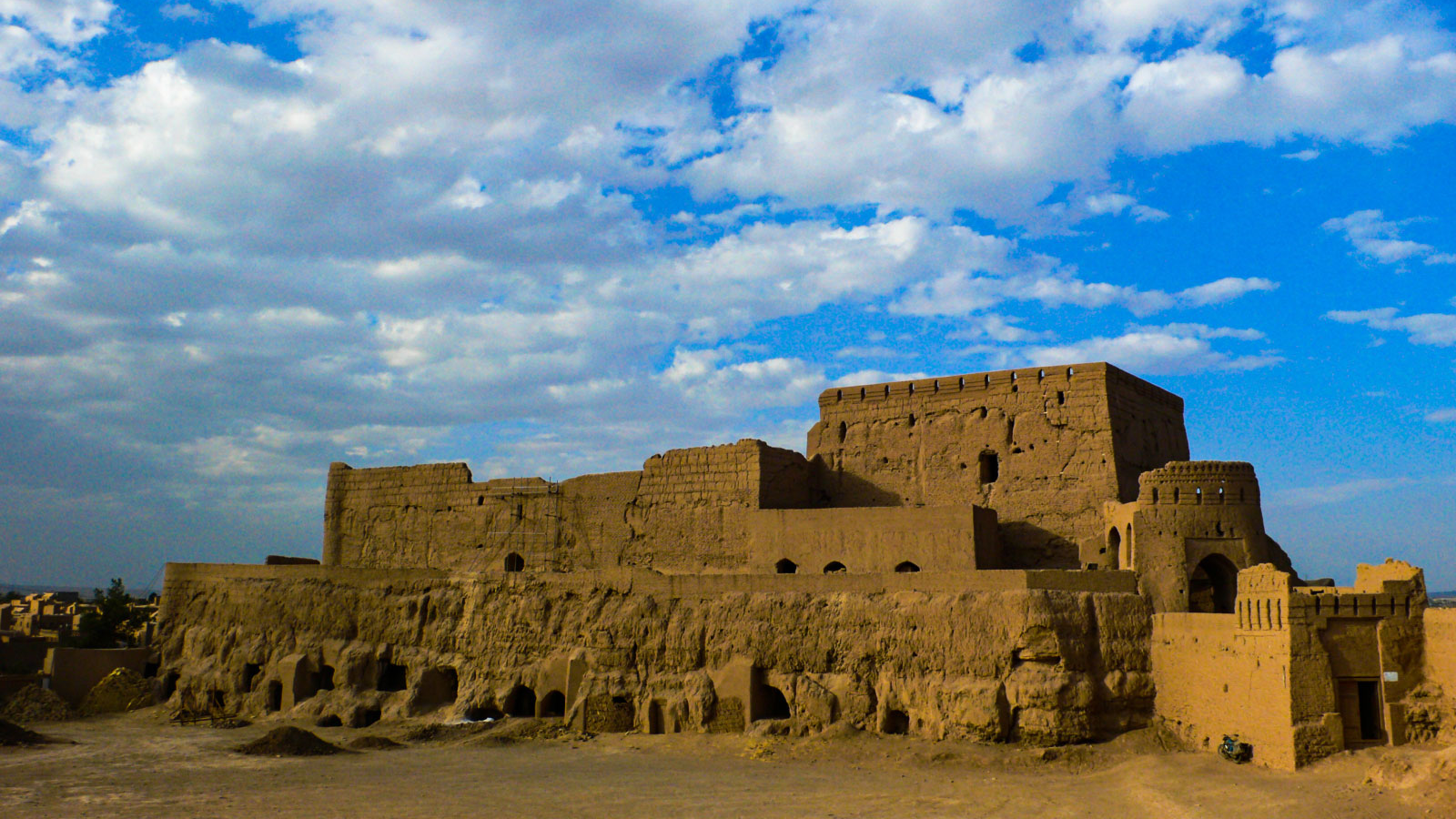
Narin Castle of Meybod
Narin Castle of Meybod is the oldest state citadel in Iran, which has been renovated several times and certain parts have been added to it.
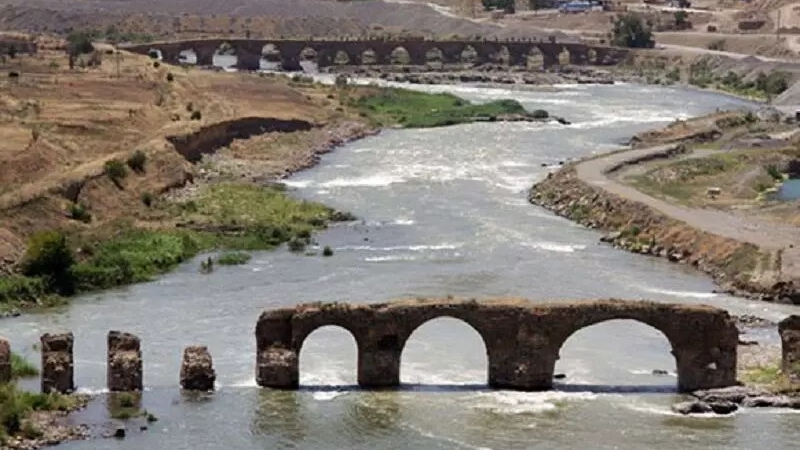
Historical Khoda Afarin Bridges
Khoda Afarin Historical Bridges are two arch bridges located at the border of the Republic of Azerbaijan and Iran connecting the northern and southern banks of the Aras River.
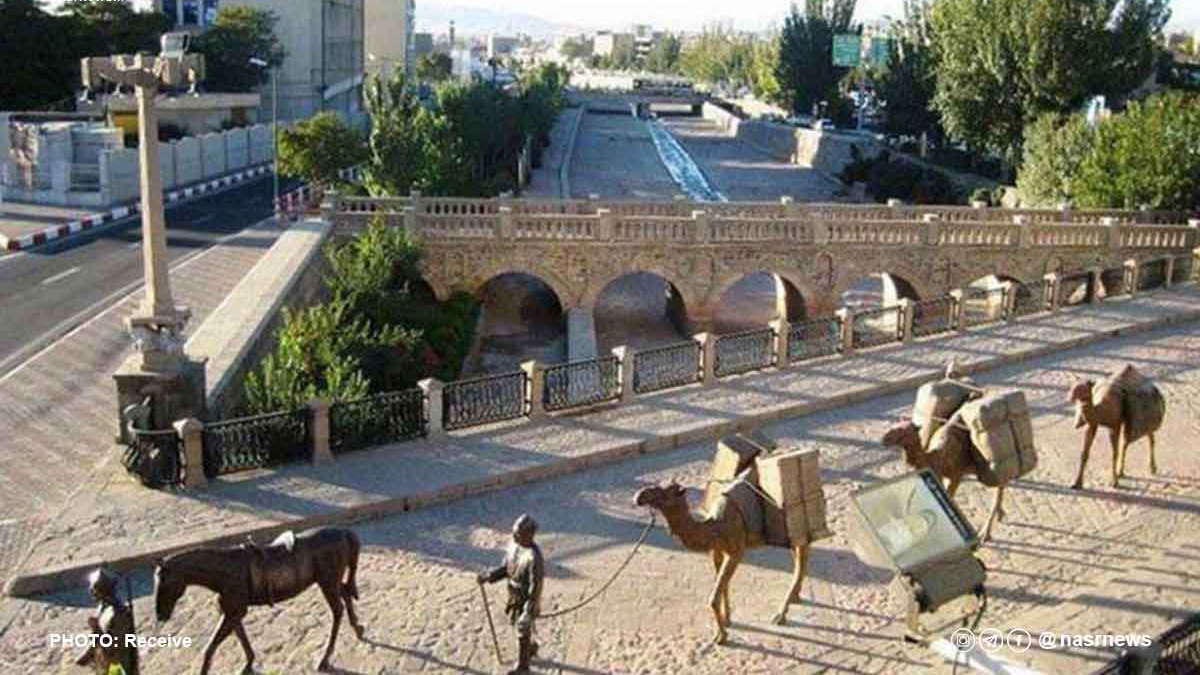
Mehraneh Rud Bridges
Some of the bridges that had been built to connect the two sides of the city of Tabriz in the distant past are not part of the national heritage of Iran.
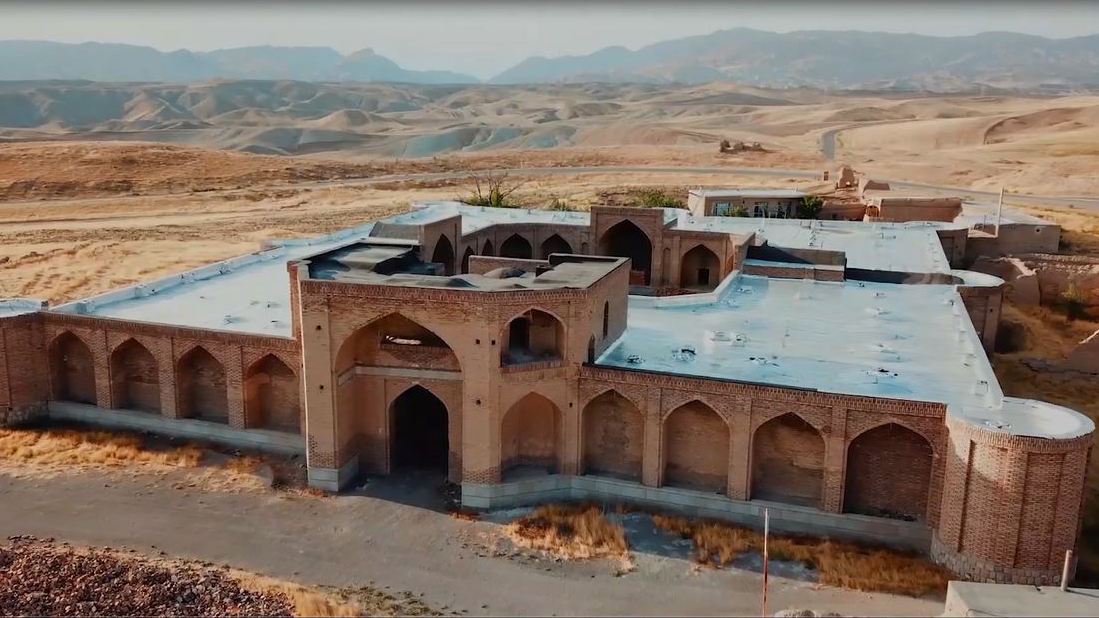
Jamalabad Caravanserai
Located on the route from Tabriz to the middle regions of Iran, Jamalabad Caravanserai of Mianeh is a historical caravanserai, which has been visited by many European tourists over the centuries.
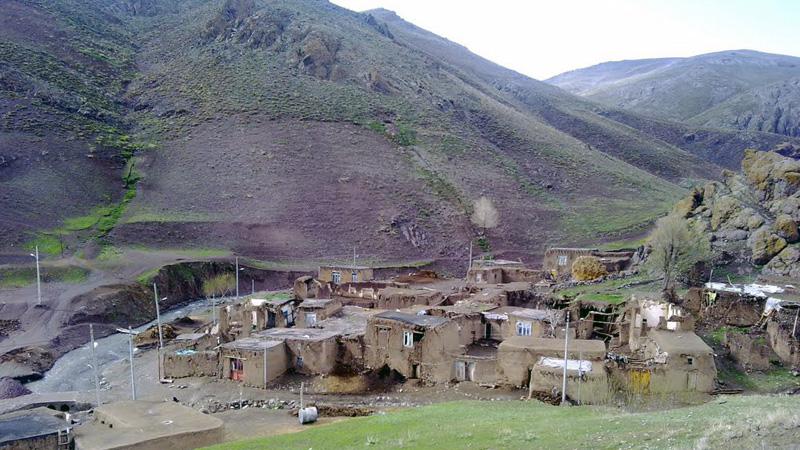
Heris
Heris is a region with historical and natural attractions visiting which will always be remembered.
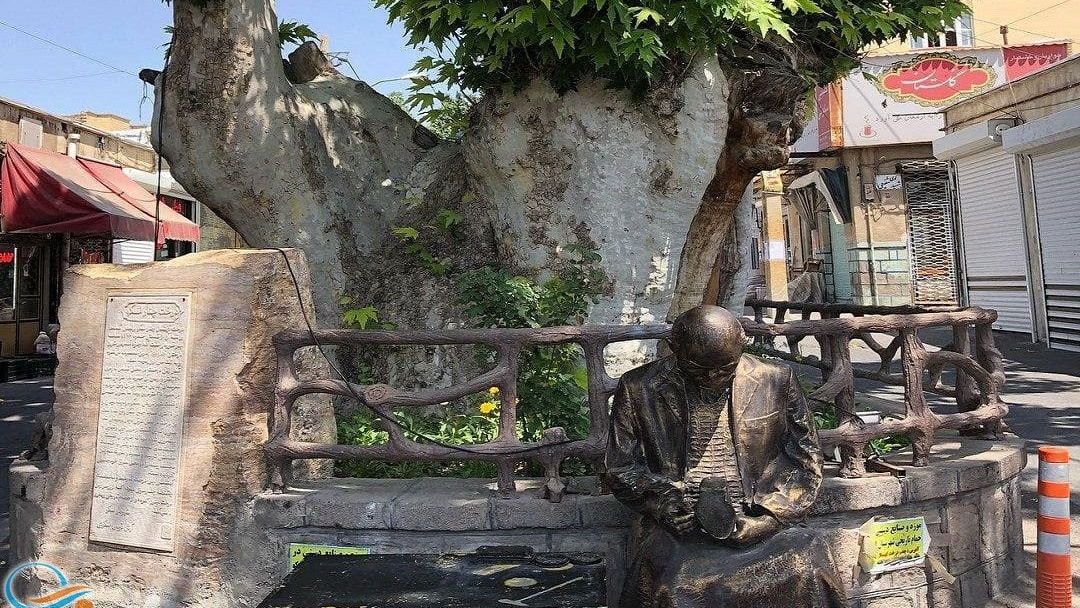
Plane trees of East Azarbaijan Province of Iran
The old plane trees of East Azarbaijan, the longevity of which dates back to centuries ago can be a suitable incentive for touring this province.
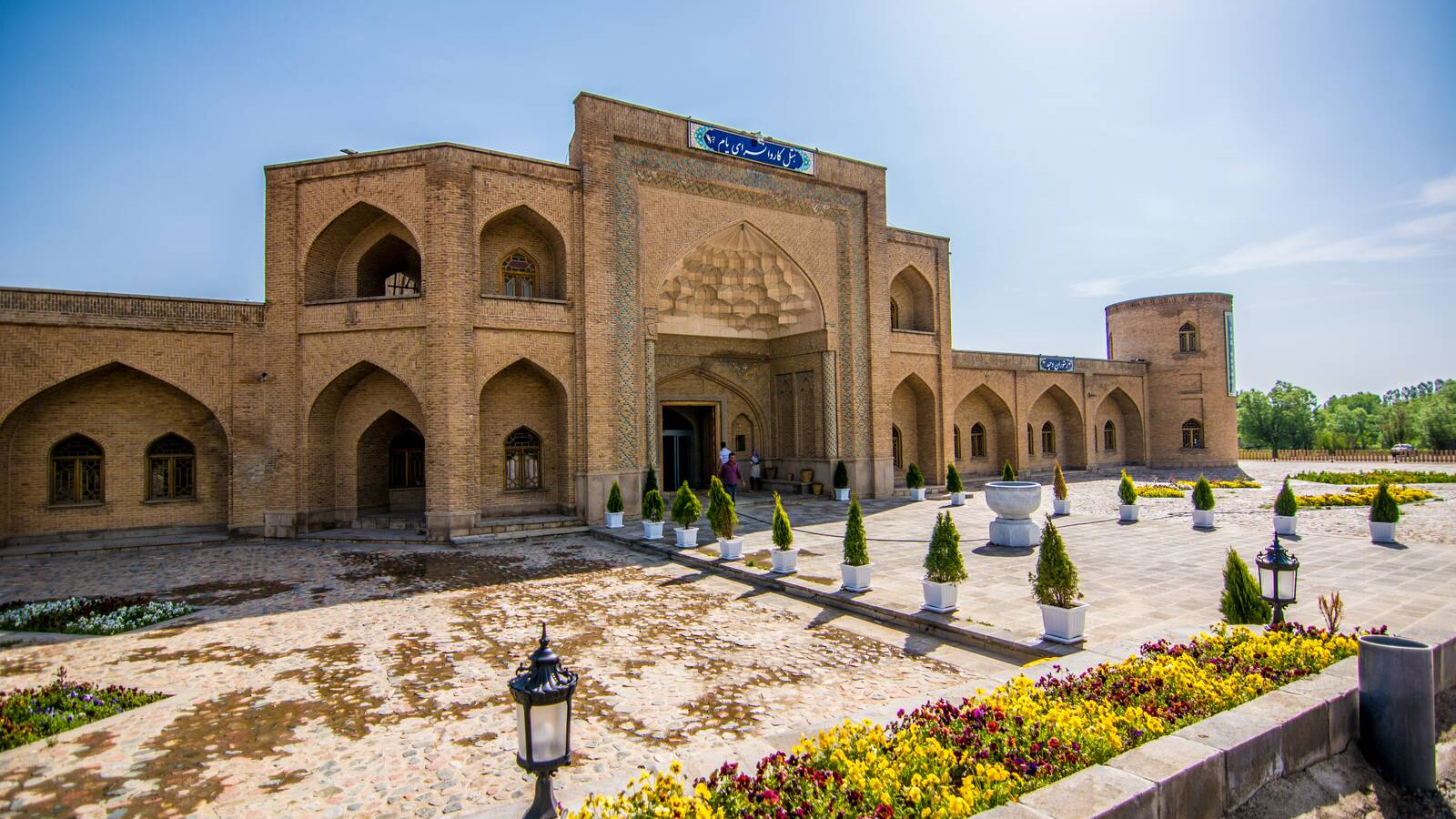
Yam Caravanserai, the largest caravanserai in northwestern Iran
Due to its geographical location, the village of Yam historically held a strategic position along trade and communication routes—a significance that was the main reason for establishing the Yam Caravanserai
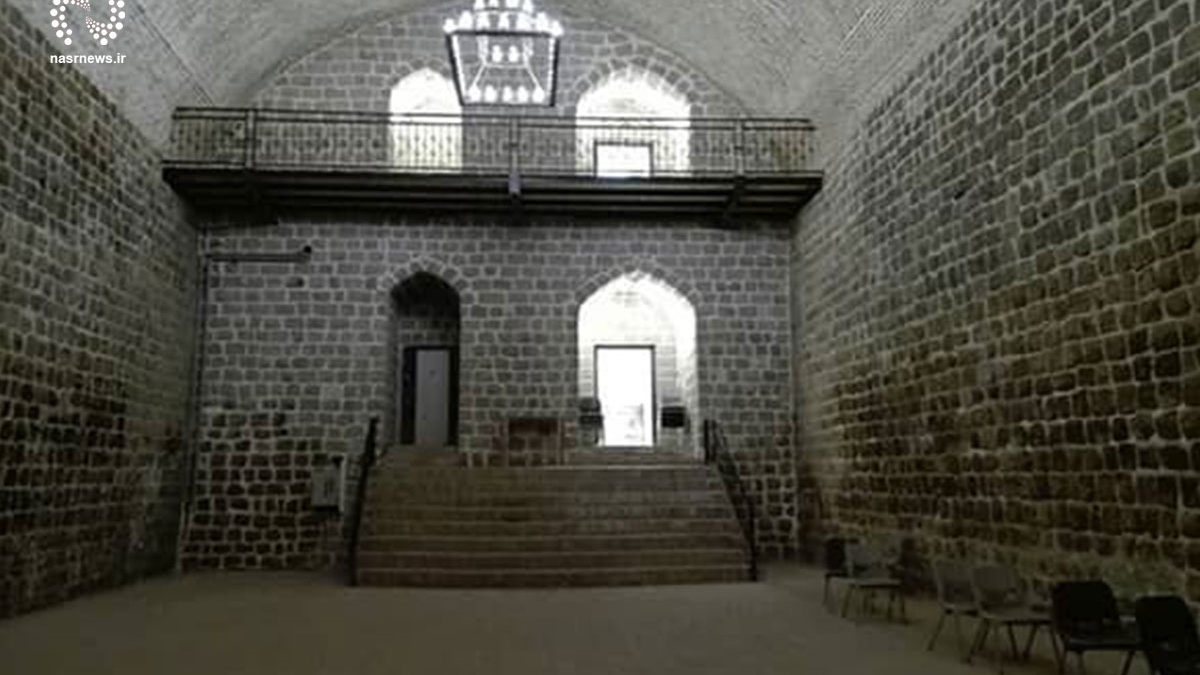
The ancient icehouses of Tabriz are a remarkable example of the ingenious Iranian technology for storing ice.
The ancient icehouses of Tabriz can be described as examples of Iranians’ harmony with nature and their mastery of architecture.

Eshtibin Village: A Showcase of Historical and Natural Beauty
In Eshtibin Village, there are numerous natural and historical attractions, making it one of the top destinations for tourists.
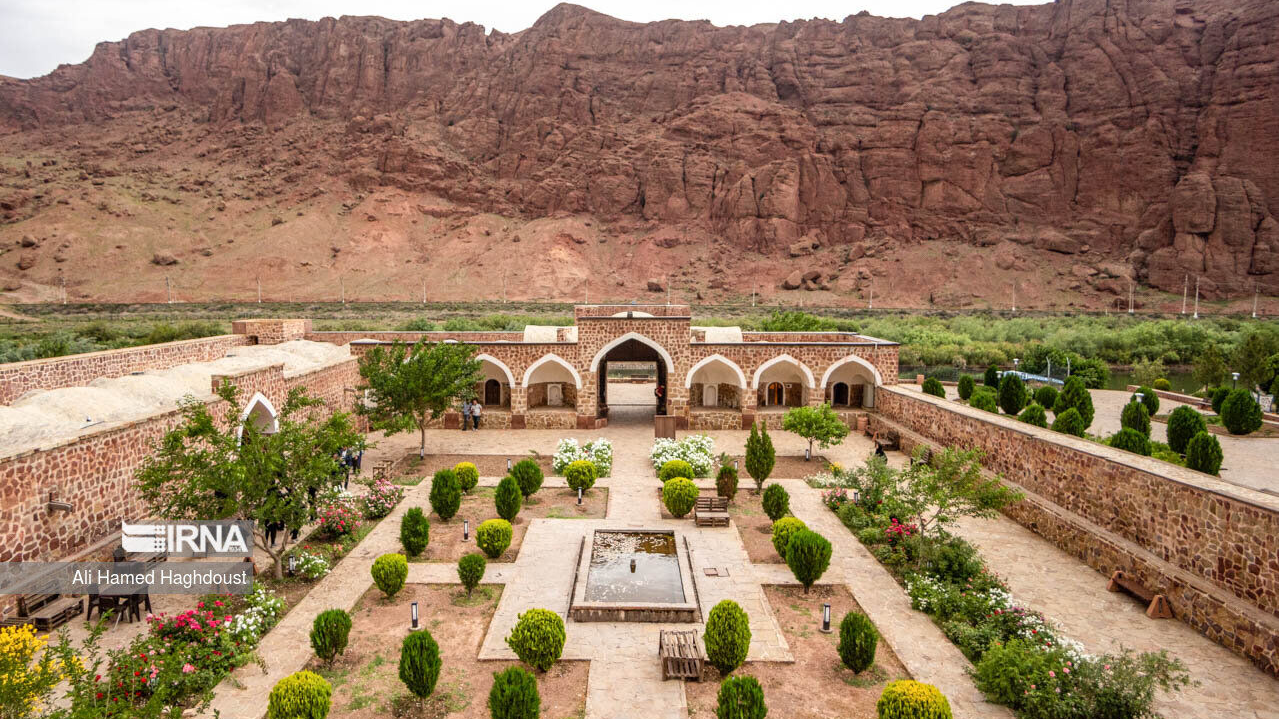
Khwaja Nazar Caravanserai in Jolfa – A Living Dreamscape!
The beauty of Khwaja Nazar Caravanserai in Jolfa, perfectly harmonized with its surrounding environment, creates a dreamlike landscape.
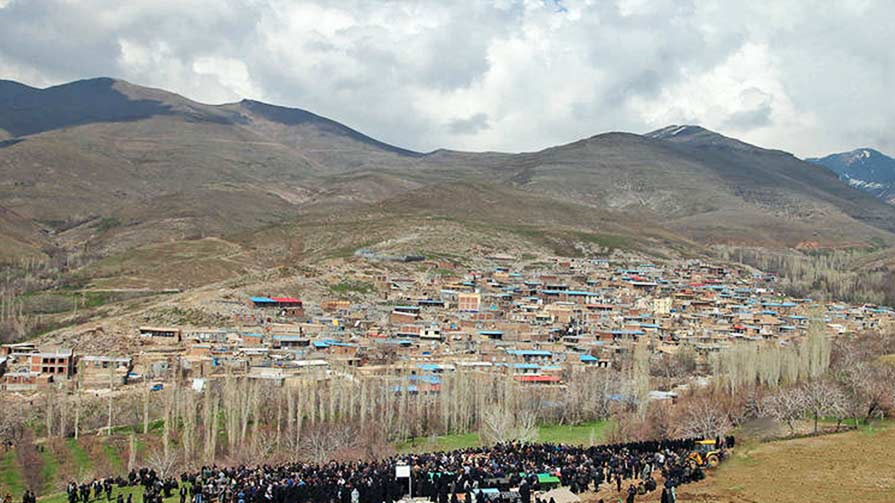
Ajabshir – A Land of Wonders and Timeless Mysteries
Some historians believe that Ajabshir is the remnant of the ancient city of Shiz, which was the largest city in Azerbaijan during the first millennium BCE.
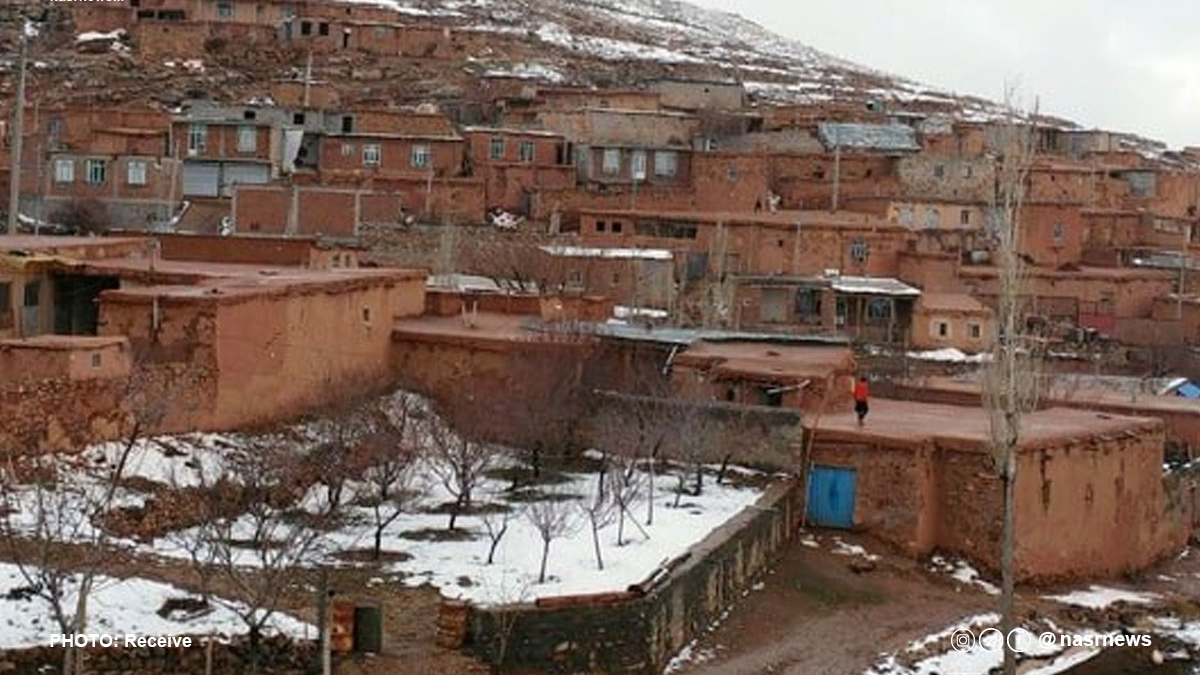
Sur Village and Its Amazing Rock-Cut Houses
In Sur Village, there are ancient and astonishing rock-cut houses and spaces that were created with exceptional skill and remarkable craftsmanship.
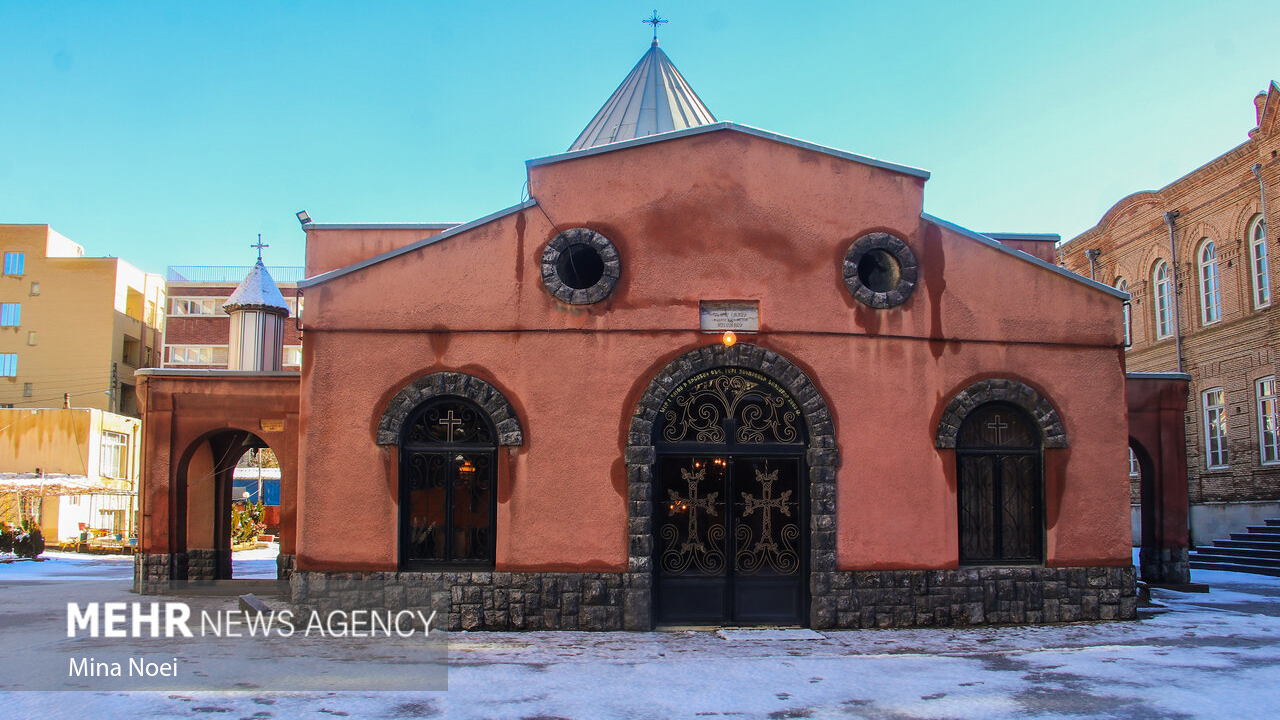
Saint Sarkis Church and Its Armenian Architectural Features
The exterior and interior of Saint Sarkis Church showcase a remarkable sense of harmony and proportion.
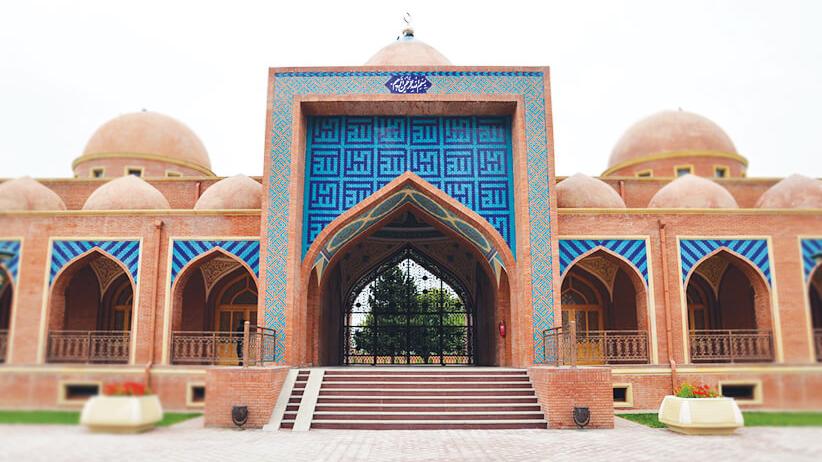
Imamzadeh Ebrahim of Tabriz: A Small Space Brimming with Spirituality
Although Imamzadeh Ebrahim in Tabriz is small and simple in appearance, its spiritual significance is extraordinary.
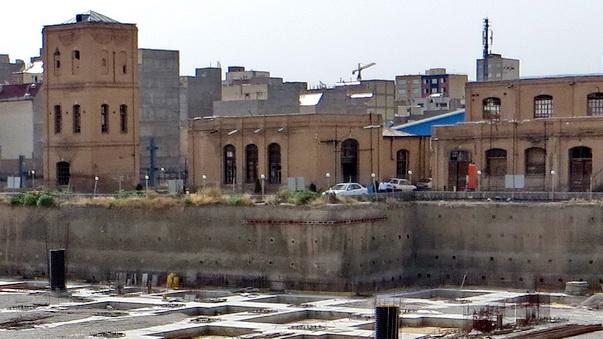
Tabriz Salambour Factory: A Milestone in Iran’s Leather Industry
The establishment of the Tabriz Salambour Factory sparked significant interest among local artisans, prompting them to found numerous factories and workshops in the leather industry.
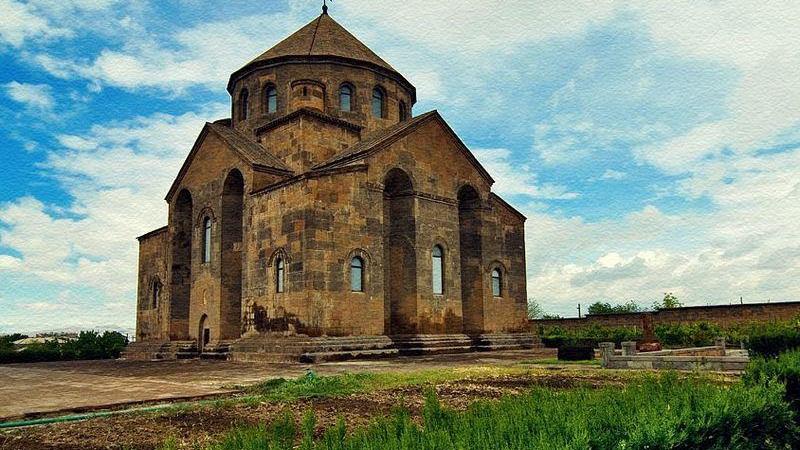
Haripsimeh Church: A Testament to the Ancient Presence of Armenians in Iran
The Haripsimeh Church is one of the Armenian churches, and according to some sources, its origins date back to the 9th century AD.
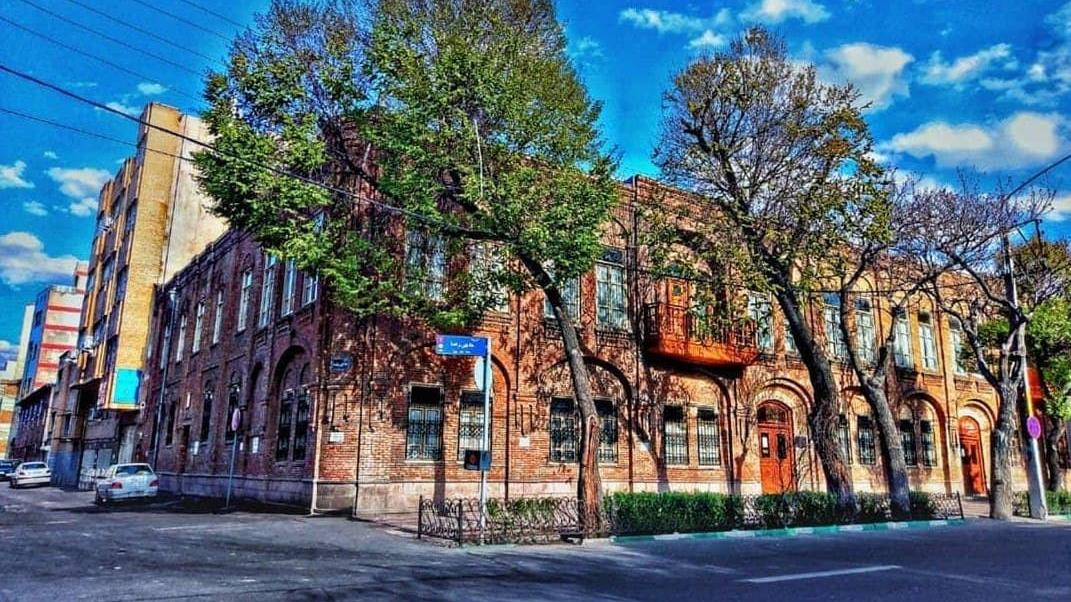
Rastgar House in Tabriz: A Building with a Rich and Eventful History
The Rastgar House in Tabriz, which once served as the Nizam High School and a government health center, today continues its legacy as the Ostad Shahriar Research Foundation.
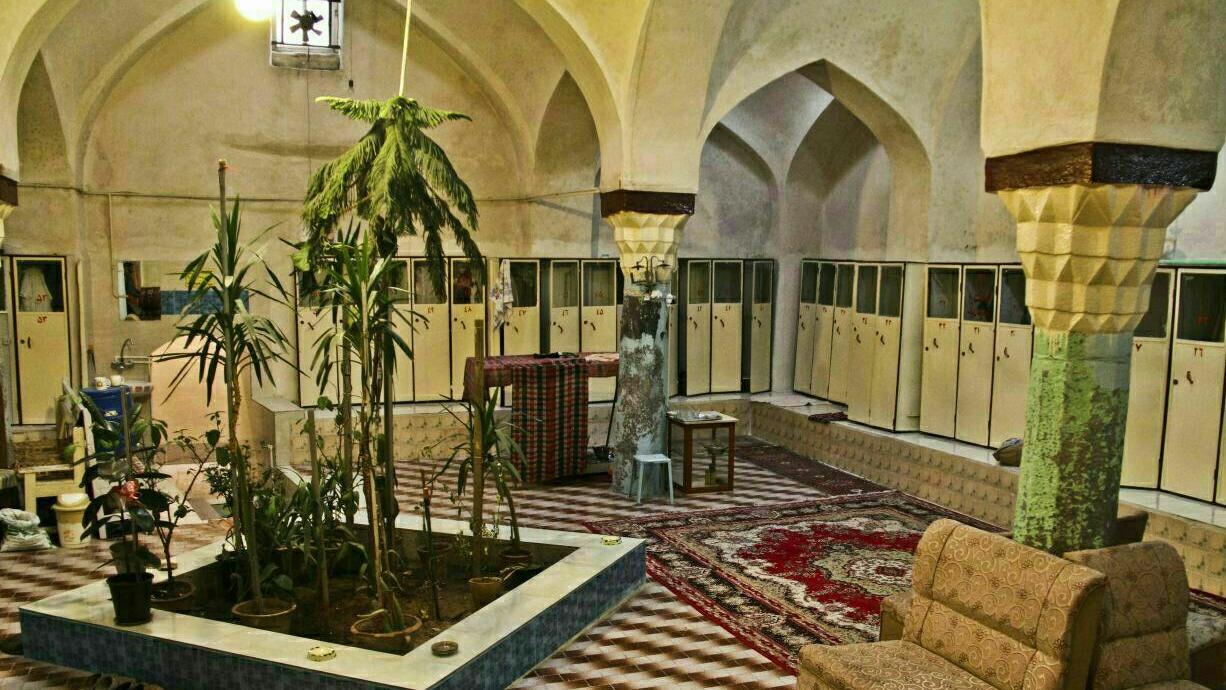
Nazafat Bath: The Only Functioning Traditional Bath in Tabriz
Nazafat Bath is the only traditional bath in Tabriz that continues to operate today, just as it did in the past.
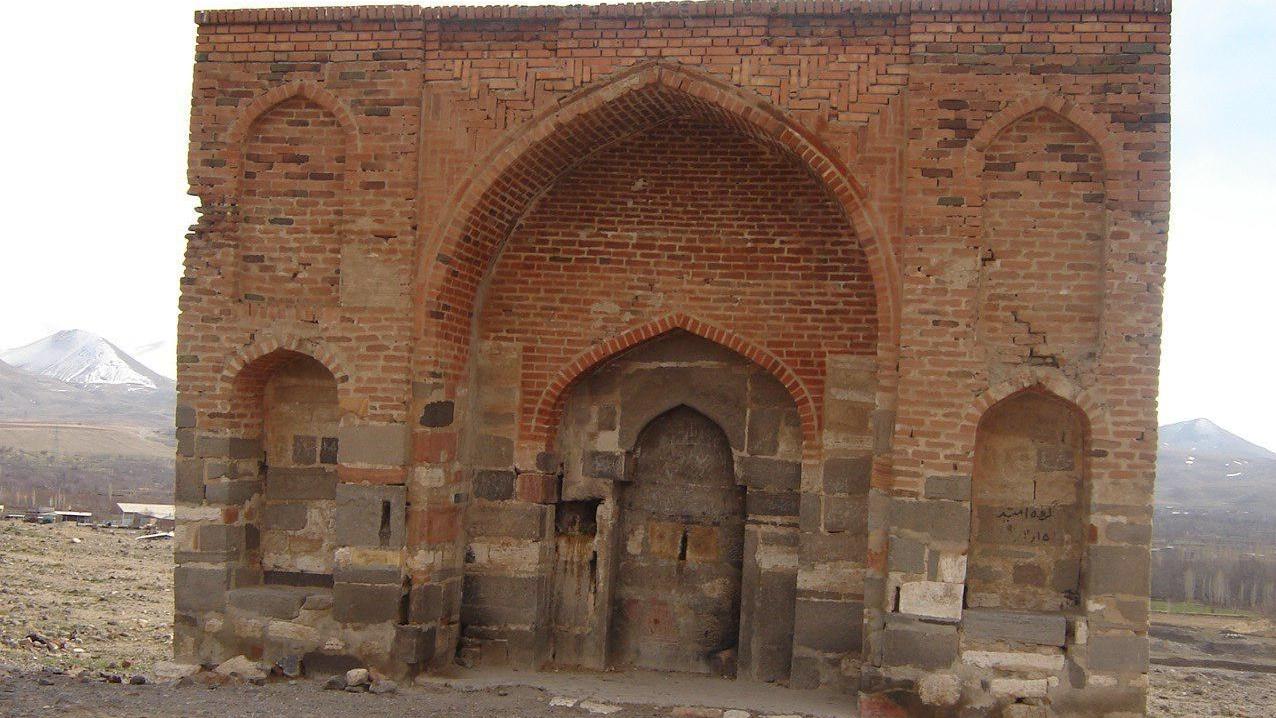
The Azarshahr Musalla: A Structure Standing Firm for Centuries
The Azarshahr Musalla was built on a hill overlooking the Dehkhvargan River.
_crop_2.jpg)
Dozal Tower: A Mausoleum atop a Peak on the Aras Riverbank
Dozal Tower, located on a peak along the southern bank of the Aras River, serves as the mausoleum of Imamzadeh Shoaib.
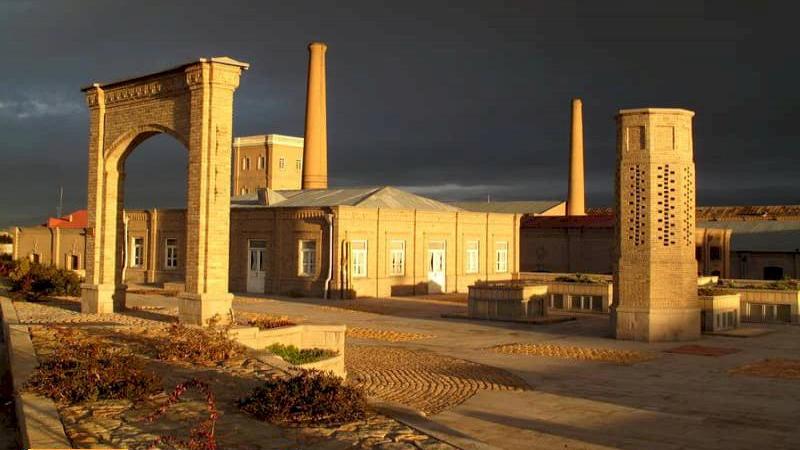
Tabriz Leather Factory: The Factory That Became a University
After restoration, the Tabriz Leather Factory was transferred to the Islamic Art University of Tabriz.
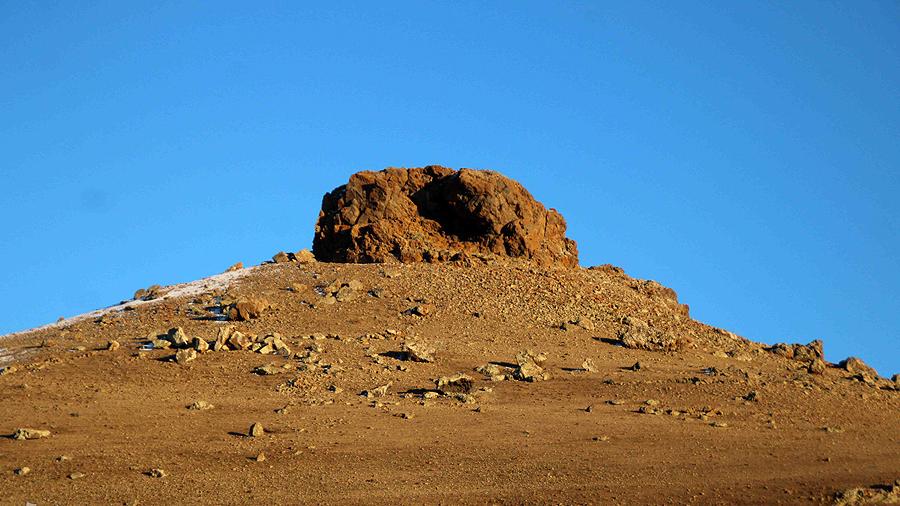
The Shisheh Village Inscription and the Ancient Shirbit Fortress: Hidden Attractions of the Qaradagh Mountains
Among the mountains of Ahar, there are little-known ancient treasures, with the Shirbit Fortress and the Shisheh Village Inscription being the most fascinating of them.
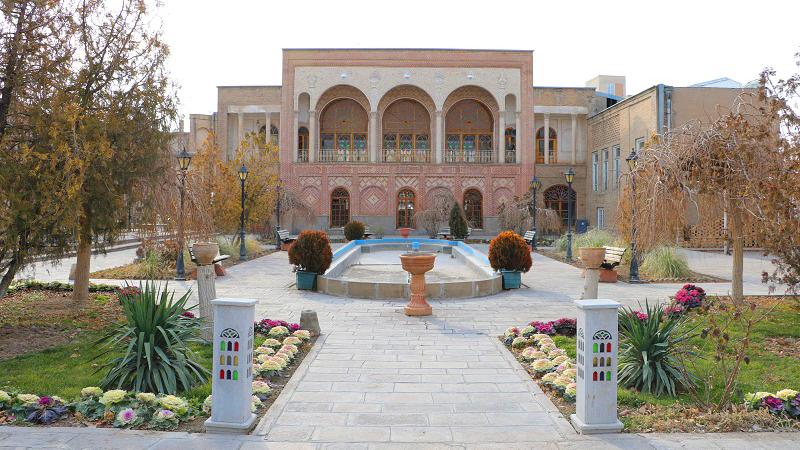
Ardubari House: The Center for Preserving Valuable Historical Documents of Northwest Iran
The founding of Ardubari House dates back to the early Pahlavi period (early 20th century). Architecturally, the house stands out with numerous distinctive features, showcasing the design and construction style of its era.
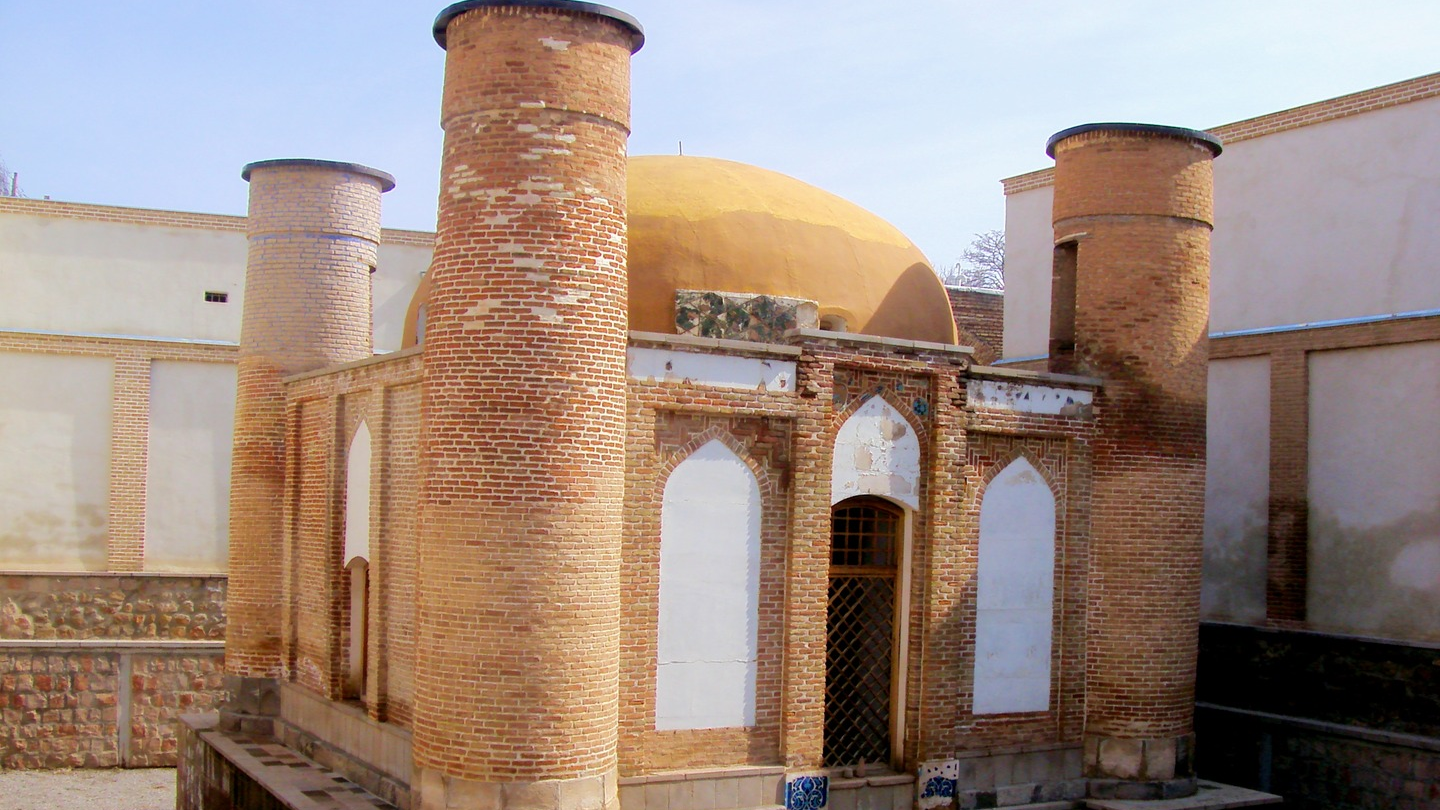
Chahar Menar: The Lesser-Known Neighborhood of Tabriz
The Chahar Menar neighborhood of Tabriz has received little attention due to its proximity to the city’s Grand Bazaar.
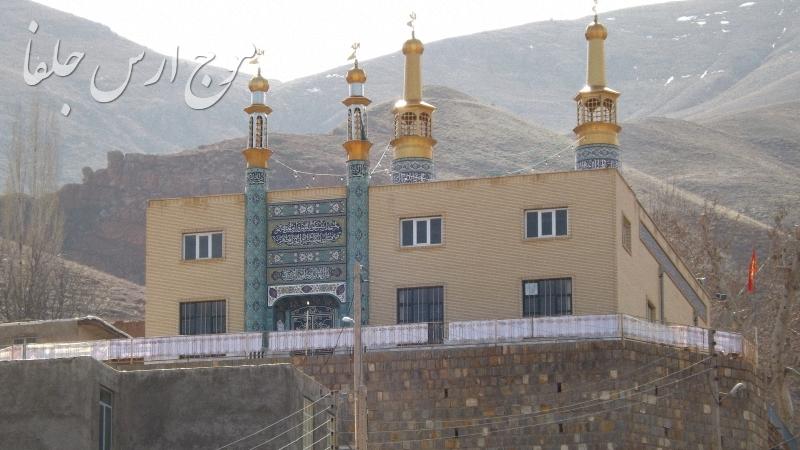
Imamzadeh Seyyed Esmaeil Shrine and the Centuries-Old Plane Trees of Zaviyeh
Visiting the Shrine of Imamzadeh Seyyed Esmaeil in Zaviyeh offers a unique and deeply spiritual experience.
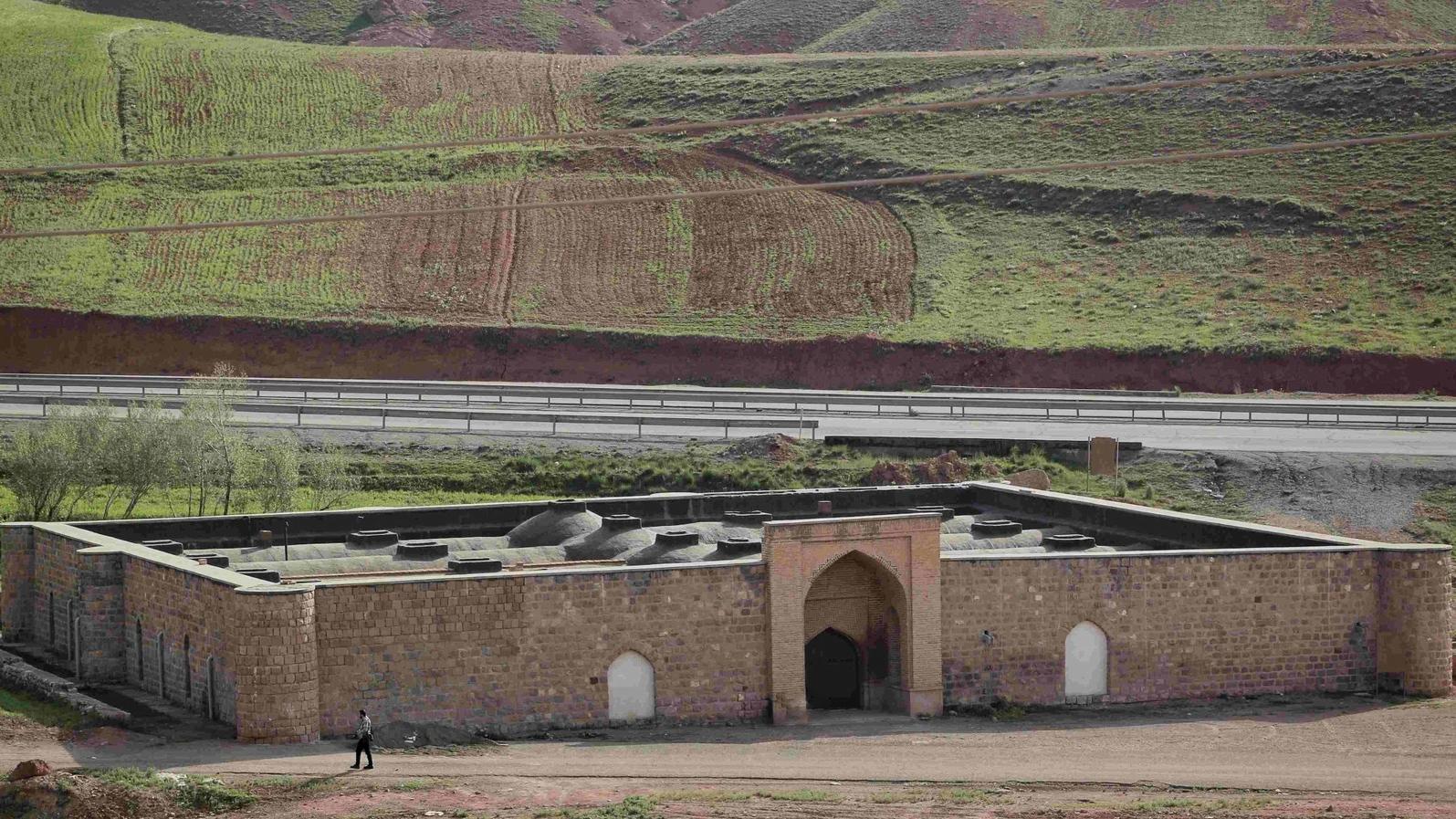
Guyejeh Bel Caravanserai — A Remarkable Example of Iranian Ingenuity in Adapting to Nature
Guyejeh Bel Caravanserai, registered as a UNESCO World Heritage Site in 2023, is located in a cold-climate region. Unlike many other Iranian caravanserais, it does not feature a central courtyard.
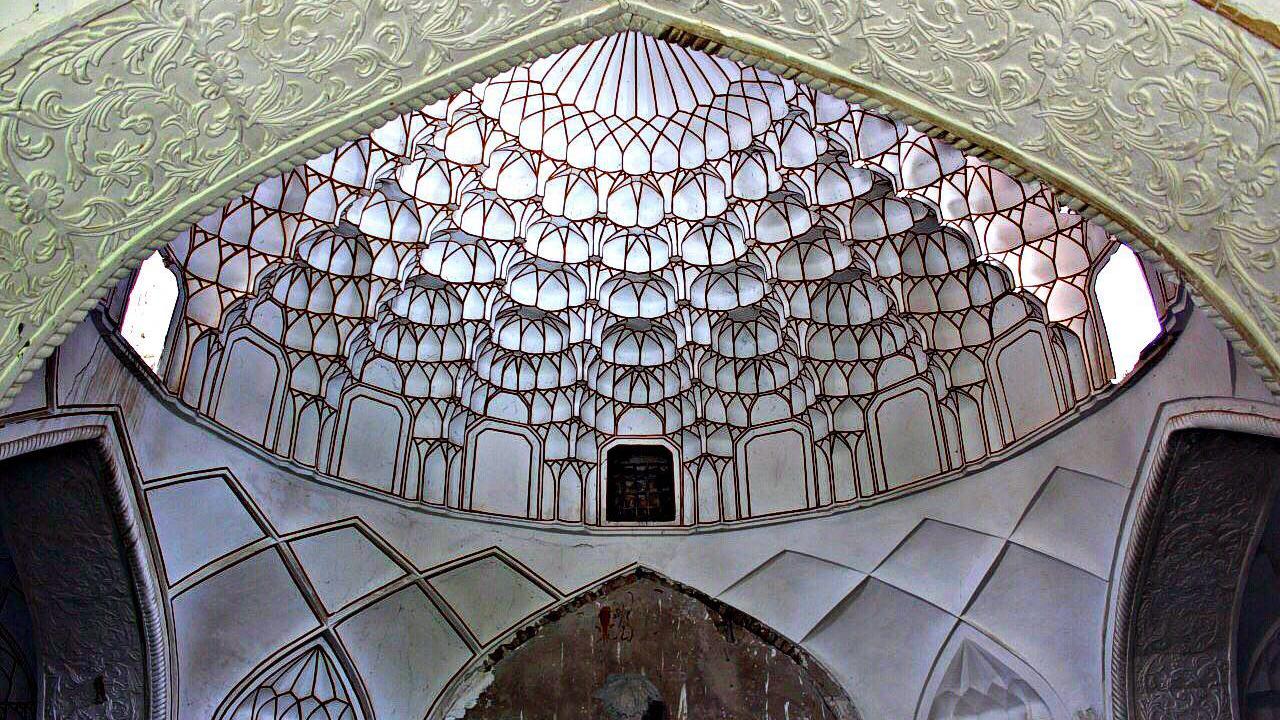
Ali Siahpoosh Mausoleum and the Exquisite Decorations of Its Dome
The Ali Siahpoosh Mausoleum is considered one of the most remarkable examples of Iranian art due to the intricate decorations inside its dome.
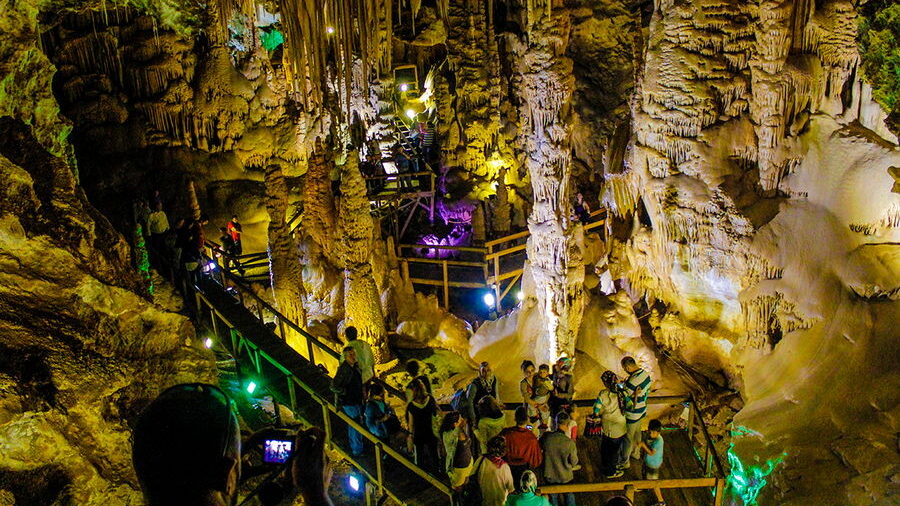
Maragheh Caves
Some caves of Maragheh were among the first human habitats in the region and are of great historical importance.
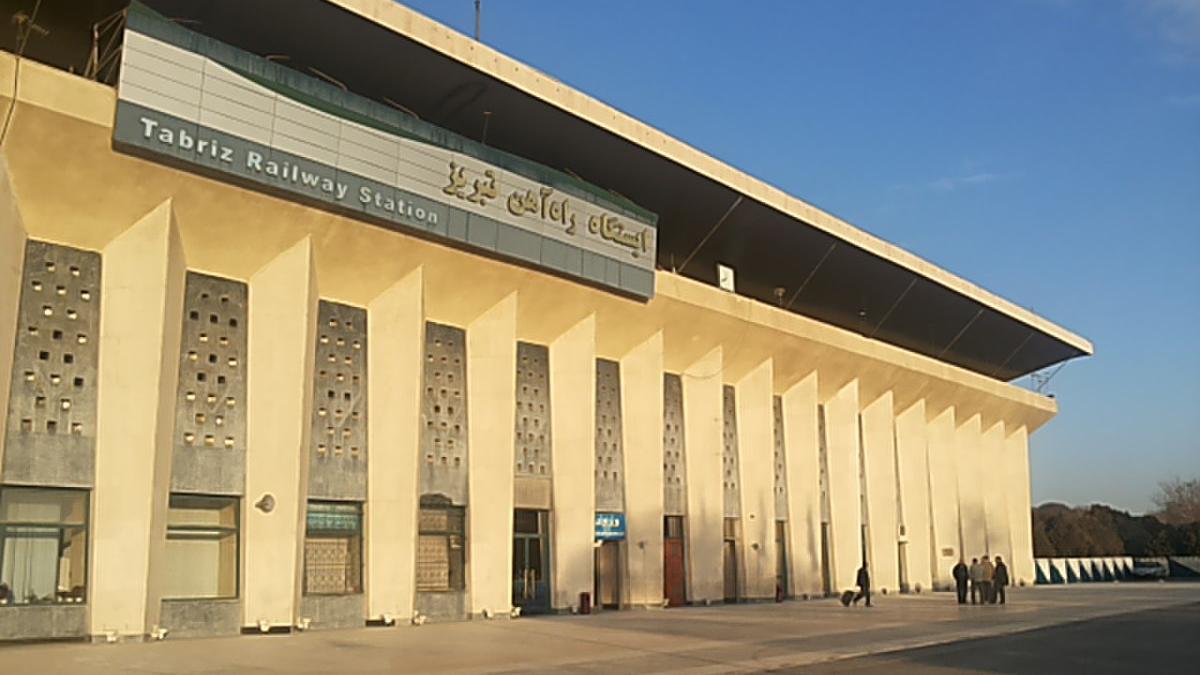
The unique design of Tabriz Railway Station is renowned among both the general public and experts alike.
From an architectural perspective, Tabriz Railway Station can be described as a bold and innovative design. Its W-shaped roof, supported by two massive main columns along with several secondary columns, combined with a roof designed independently of the walls, showcases the creative ingenuity of the engineers who designed this station.
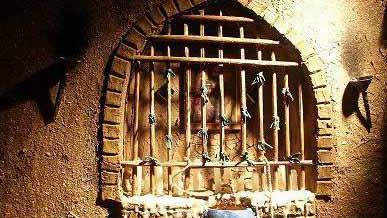
Ahrab Saqqakhaneh in Tabriz: The City’s Only Saqqakhaneh
In Tabriz, there used to be many saqqakhanehs, but today, Ahrab Saqqakhaneh is the only one that remains.
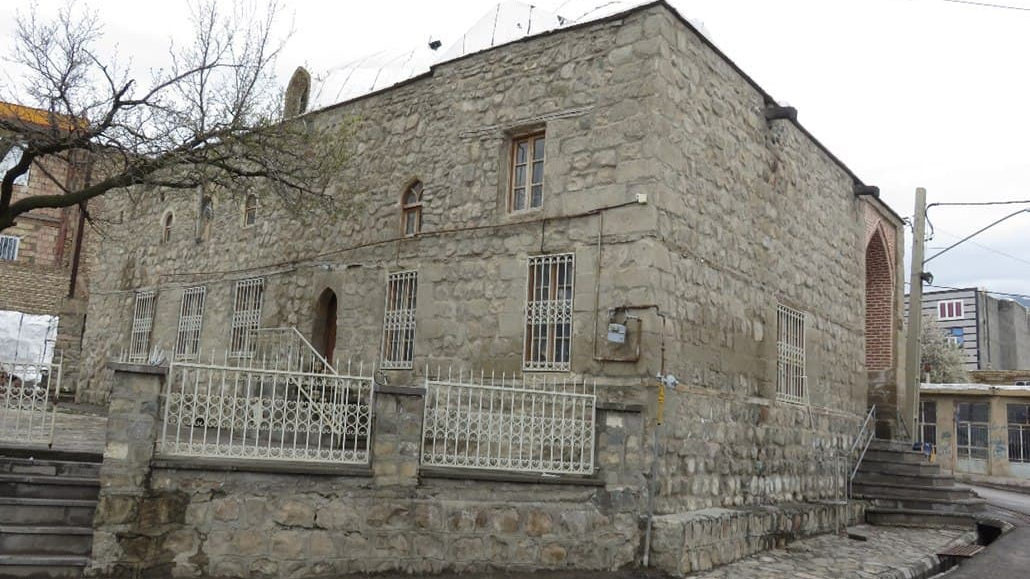
Kharvana Jame’ Mosque
مسجد جامع خاروانا بWith its stone walls, Kharvana Jame’ Mosque was a symbol of the resistance of the Iranian nation against the Russian invasion in the 19th century.ا دیوارههای سنگی خود، نمادی از ایستادگی ملت ایران در برابر هجوم ارتش روسیه در قرن نوزدهم میلادی است.
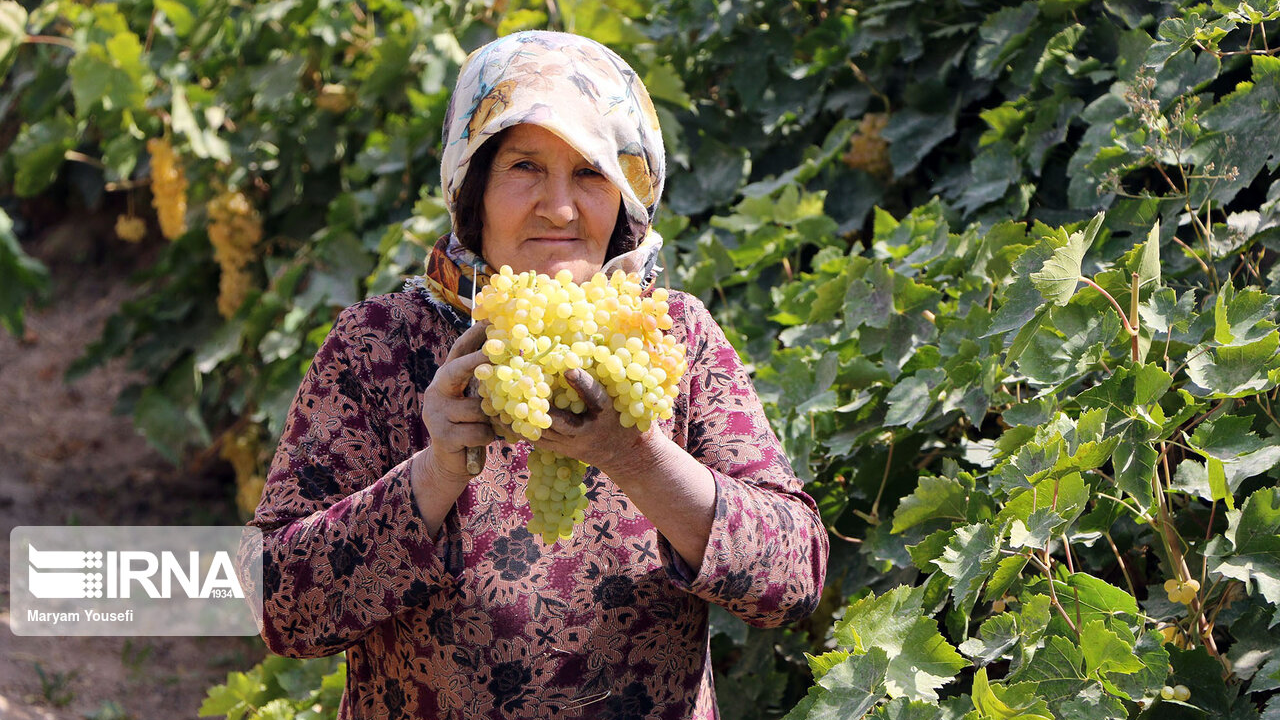
Vineyards of Malekan
Grapes of Malekan are one of the best varieties of Iranian grapes, the processed products of which are exported to other countries of the world every year.
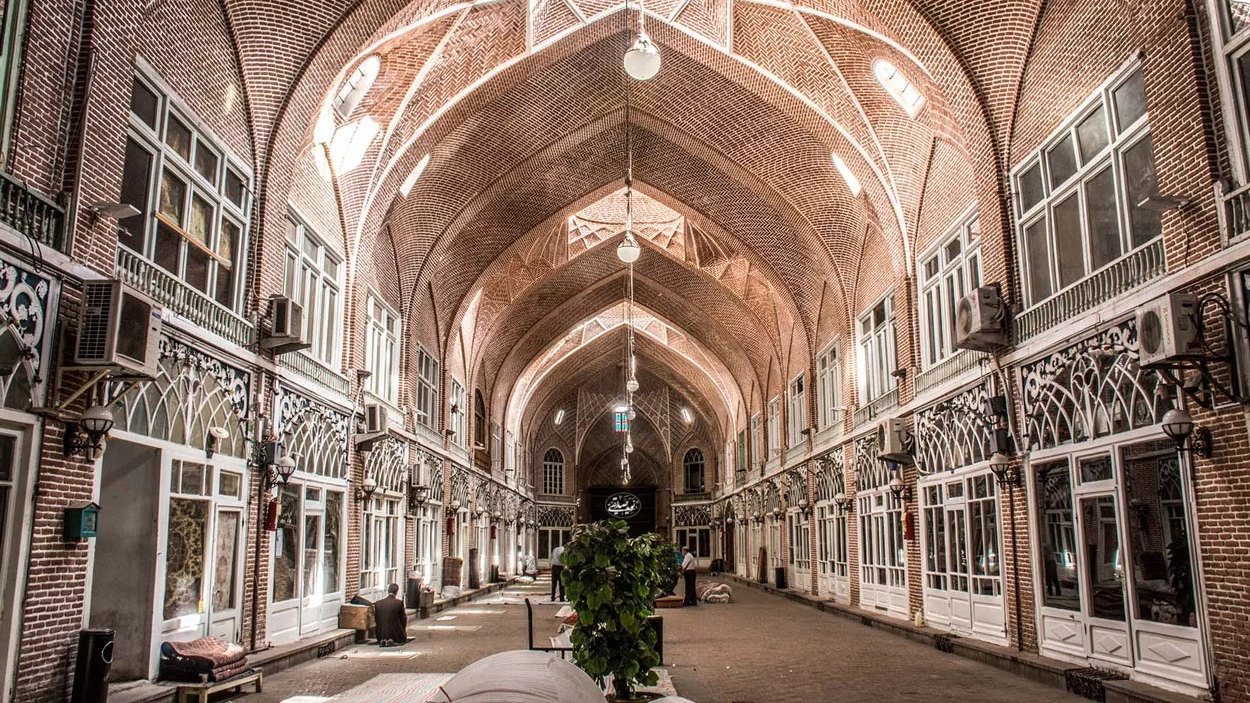
Historical Bazaar of Tabriz; the Largest Covered Bazaar in the World
A historical market situated in the city center of Tabriz, it is one of the oldest bazaars in the Middle East and the largest covered bazaar in the world. This bazaar is one of Iran’s UNESCO World Heritage Sites.
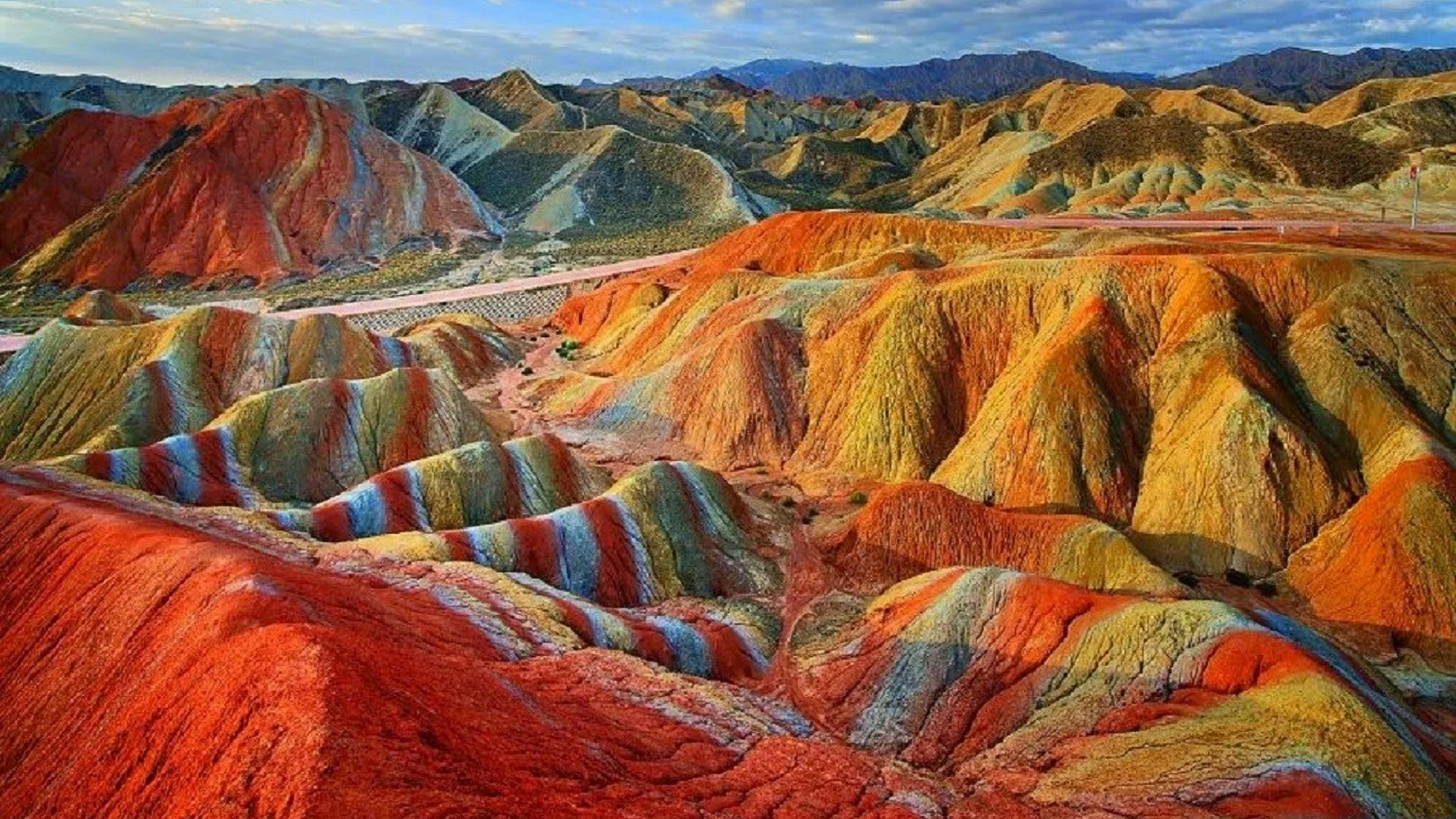
Aladaglar Mountains
The incredible hills of Aladaglar (meaning rainbow) Mountains might, for a moment. Make one think that he or she is walking on another planet.
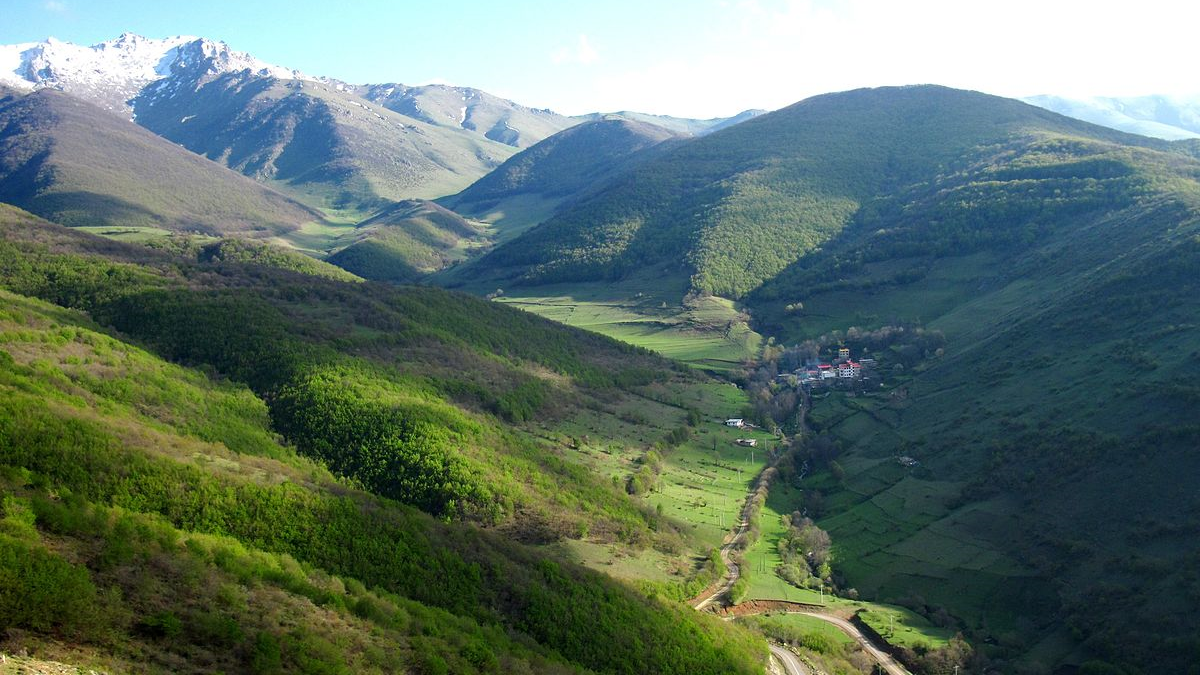
Makidi Forest Valley and Park
Located in the heart of Arasbaran forests, Makidi Forest Valley and Park are considered one of the most beautiful natural attractions of the East Azarbaijan Province of Iran.
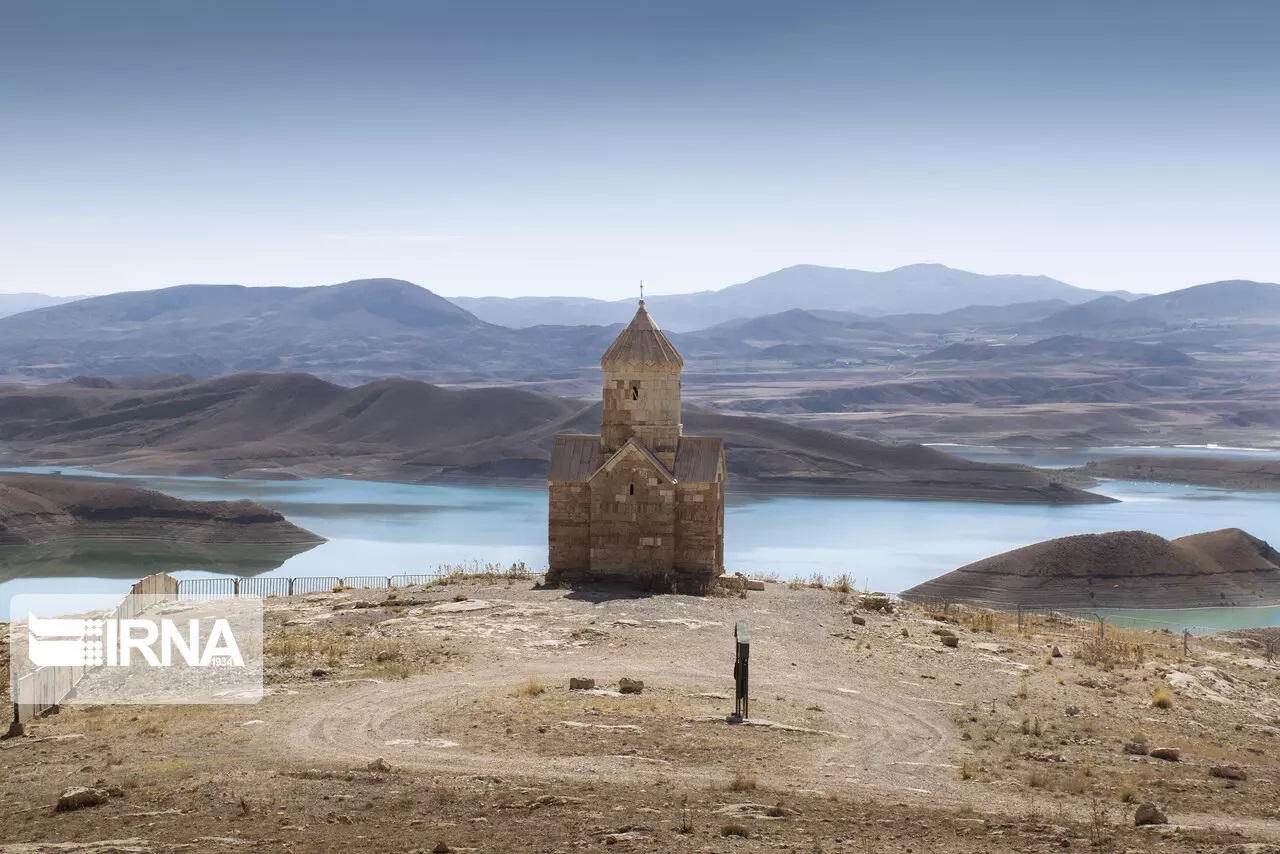
Chapel of Dzordzor
Relocating the Chapel of Dzordzor, which took place to prevent it from sinking - after a dam was constructed in the area - was one of the most difficult and important operations to preserve Iran’s cultural heritage.
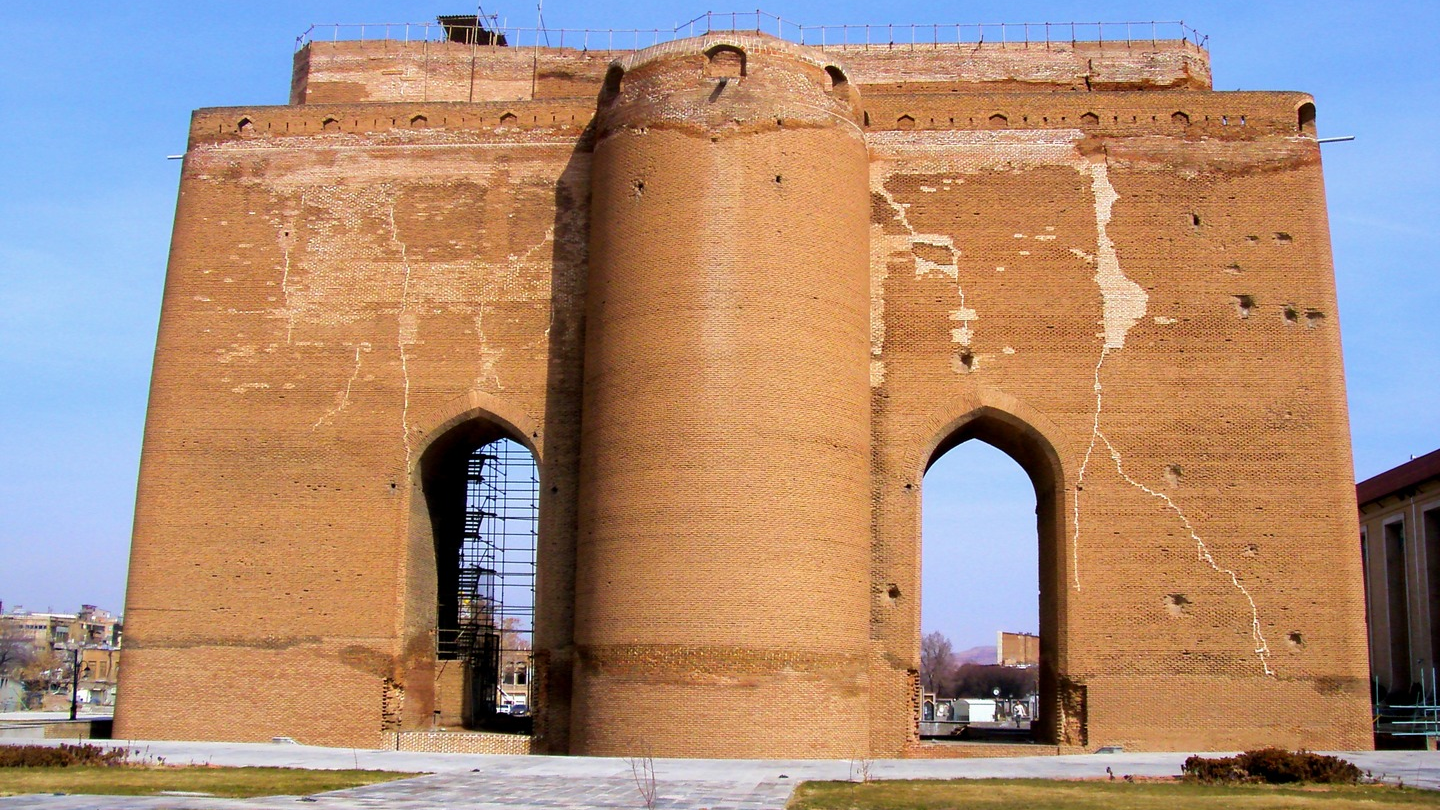
Alishah Citadel
Alishah Citadel, which was the headquarters of struggles against tyranny and occupation at some points in Iranian history, has been mentioned as one of the most important and impressive historical buildings of Tabriz in historical texts and travelogues.
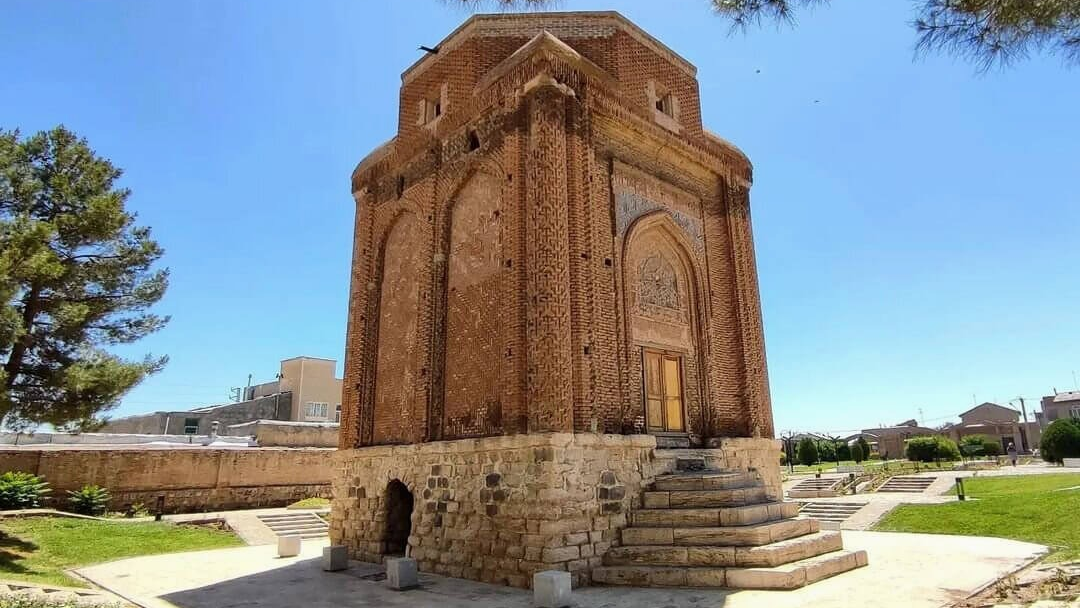
Gonbad-e Sorkh (Red Dome) of Maragheh
Being decorated with turquoise color tiles amid red brickwork, the Gonbad-e Sorkh of Maragheh looks uniquely beautiful.
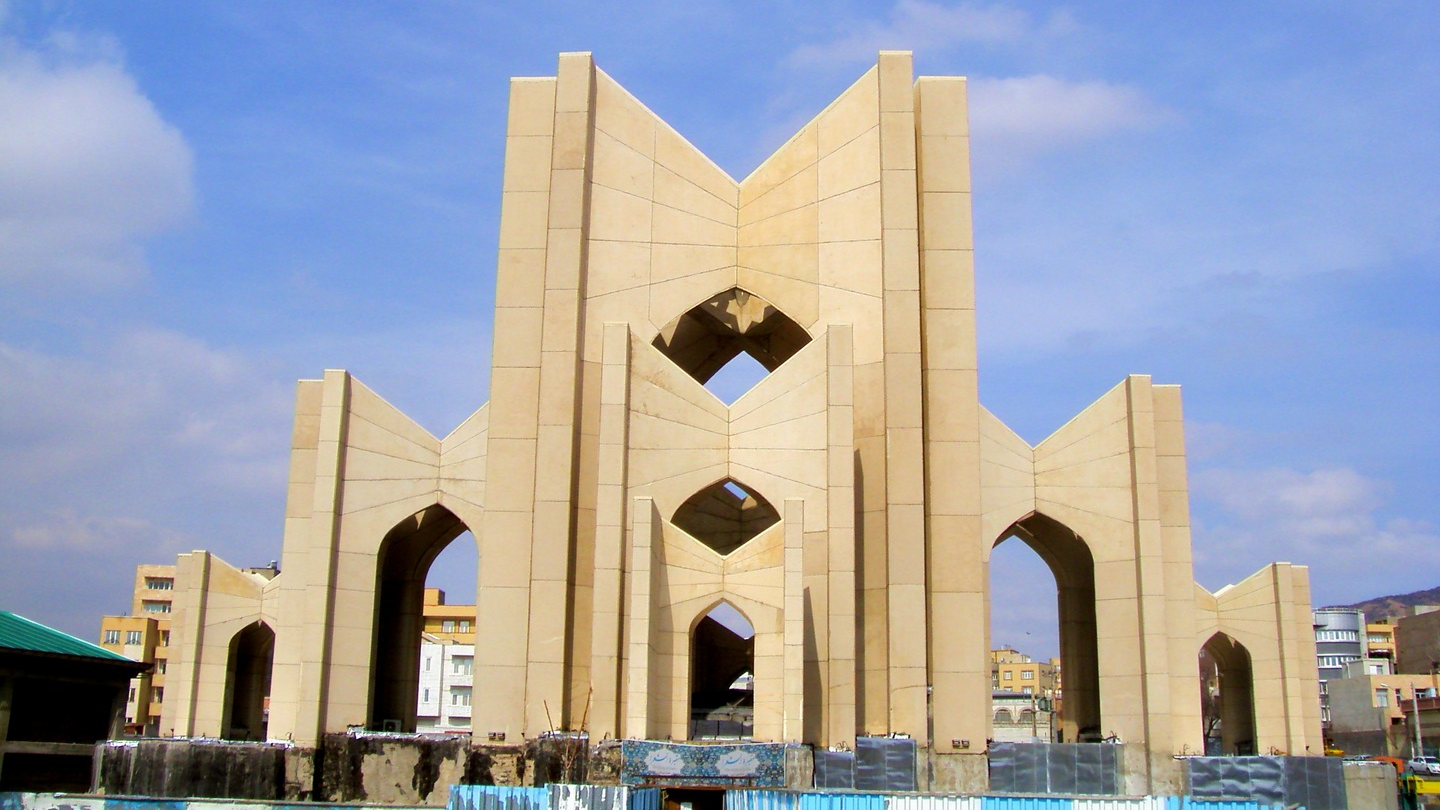
Maqbarat-o-Shoara (Mausoleum of Poets) of Tabriz
Maqbarat-o-Shoara (Mausoleum of Poets) of Tabriz has been the burial place of poets and scholars since the 11th century AD.
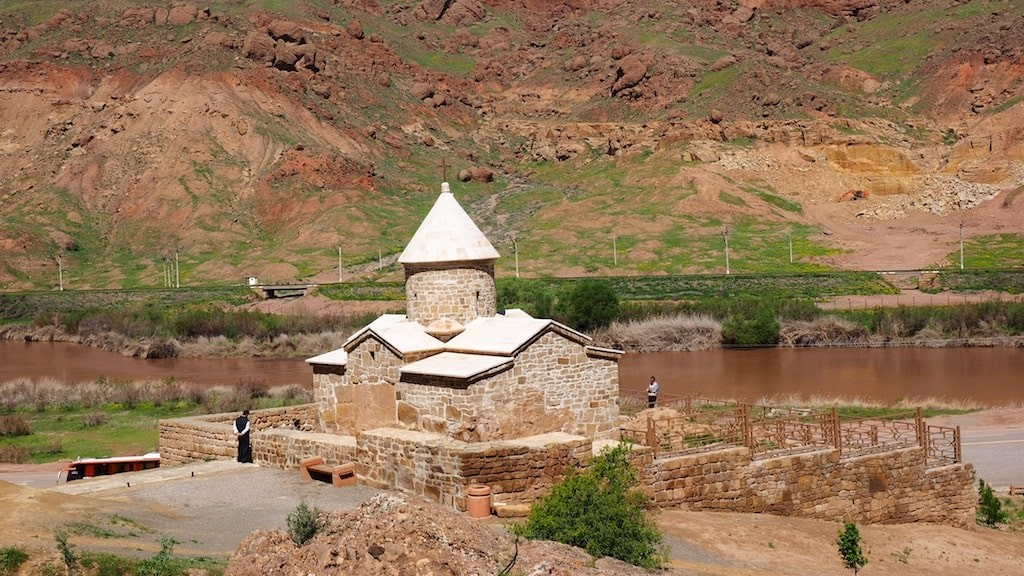
Chapel of Chupan
Situated within the vicinity of the Saint Stepanos Monastery and with a longevity of more than 500 years, the Chapel of Chupan was inscribed by UNESCO as a World Heritage site in 2008.
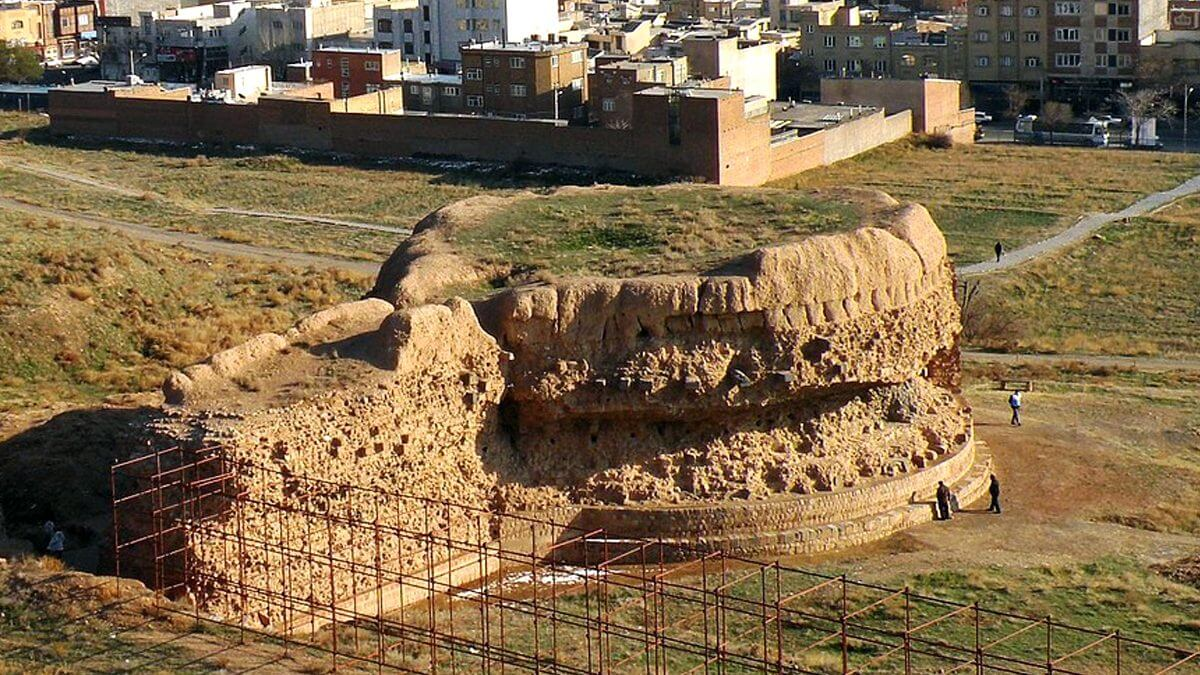
Rab’-e Rashidi, the World’s First University Complex
Rab’-e Rashidi can be considered the first university town in the world, where students and scientists from different ethnicities were engaged in educational and research activities.
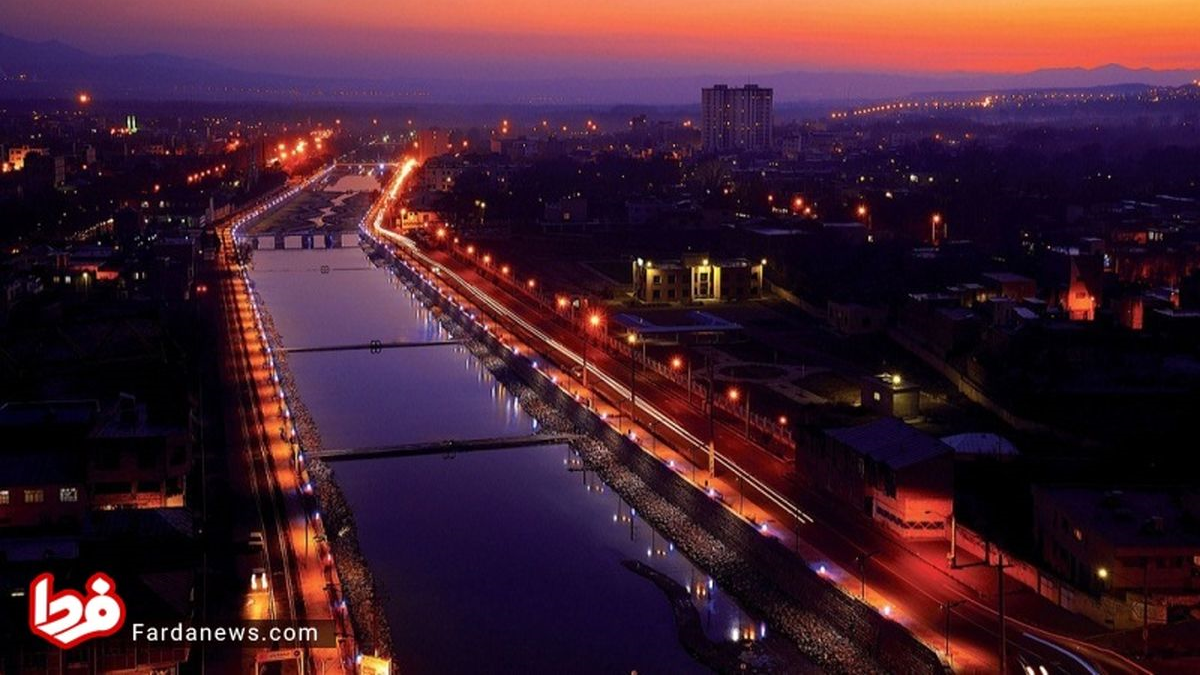
Sufi Chay
Rivers are the life-giving arteries of many cities, and Sufi Chay is the river on which the life of Maragheh and Bonab depends.
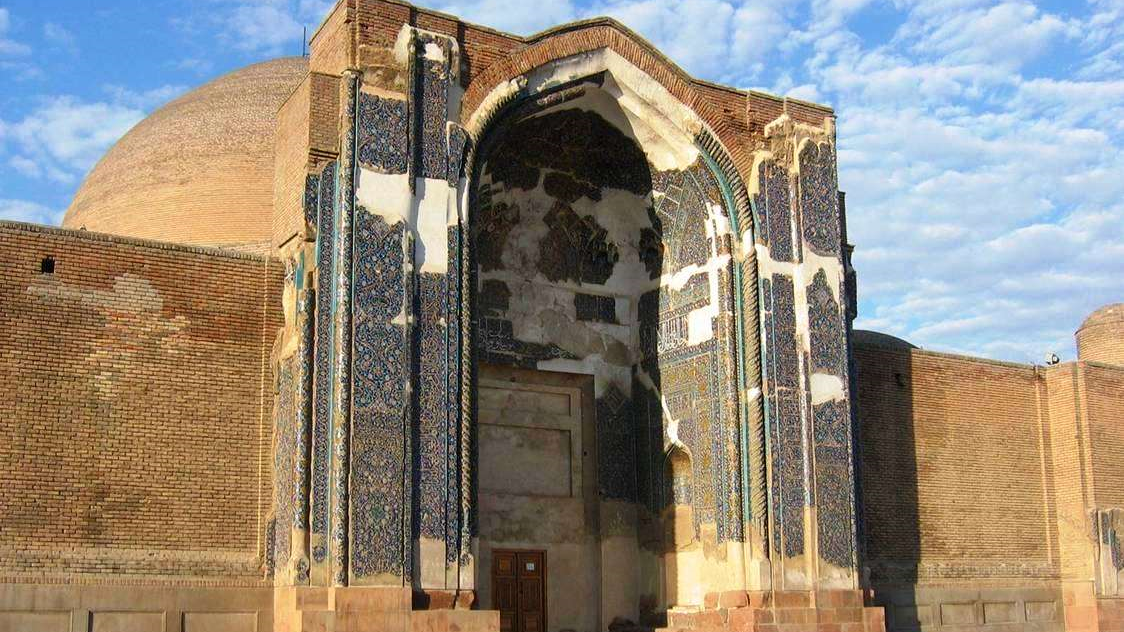
Masjid-e Kaboud (The Blue Mosque) of Tabriz
The grandeur and splendor of the Blue Mosque of Tabriz leave every visitor with indescribable memory.
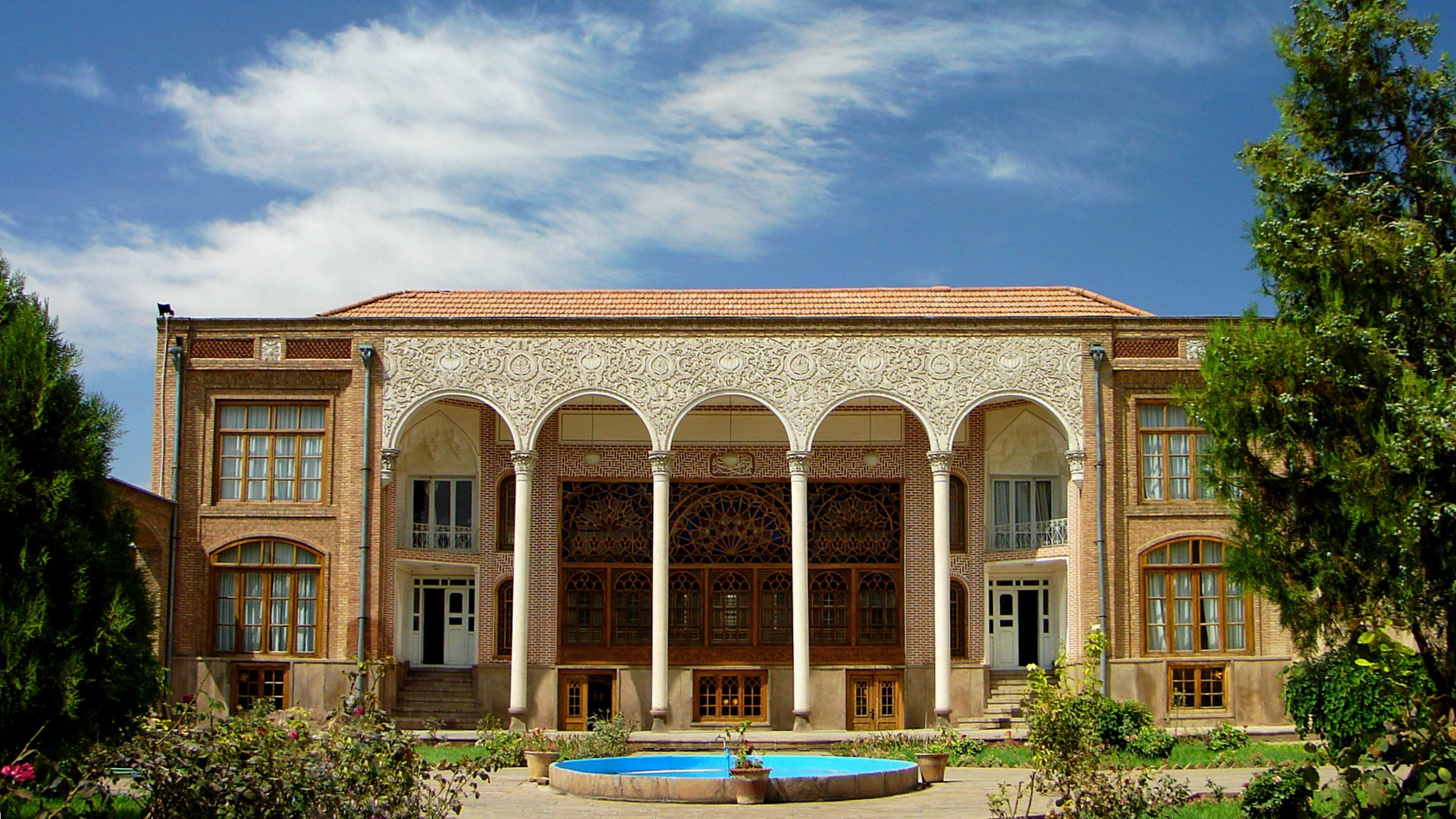
Behnam House
Located in the central part of Tabriz, the interior paintings and the eye-catching façade of the historical Behnam House have made it a must-see site.
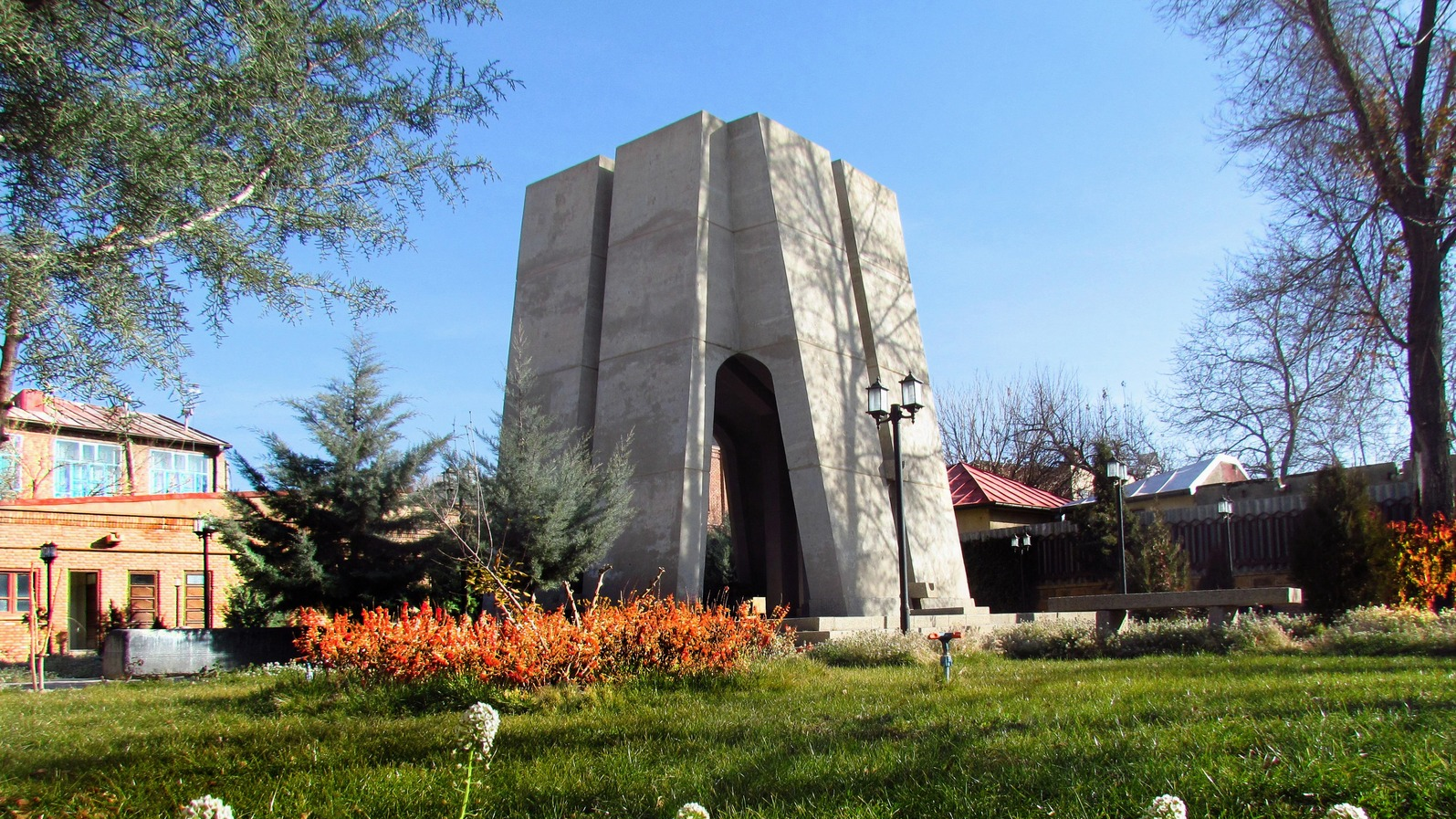
Awhadi Maraghei’s Tomb
Located in the heart of a green garden, next to the Ilkhanate Museum, and with its modern structure, Awhadi Maraghei’s Tomb, which was built between 1974 and 1978 AD, welcomes those who nurture Persian culture and literature.
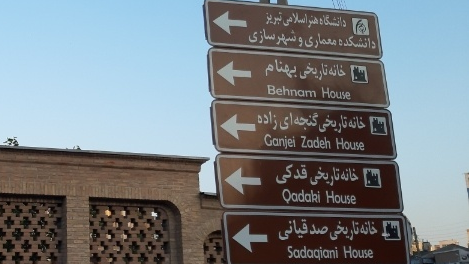
Maqsoudiyeh Locality of Tabriz
Maqsoudiyeh Locality of Tabriz is one of the old neighborhoods of this city, which - with its many historical houses - has a 19th-century atmosphere.

Ahar
Having a pleasant climate, Ahar is also considered one of the attractive tourist destinations in East Azarbaijan Province of Iran.
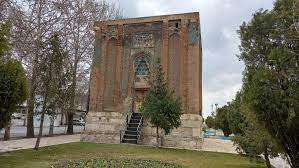
Gonbad-e Kaboud (The Blue Dome) of Maragheh
The beautiful tile and brick decorations of Gonbad-e Kaboud of Maragheh have made it an outstanding tourist attraction.
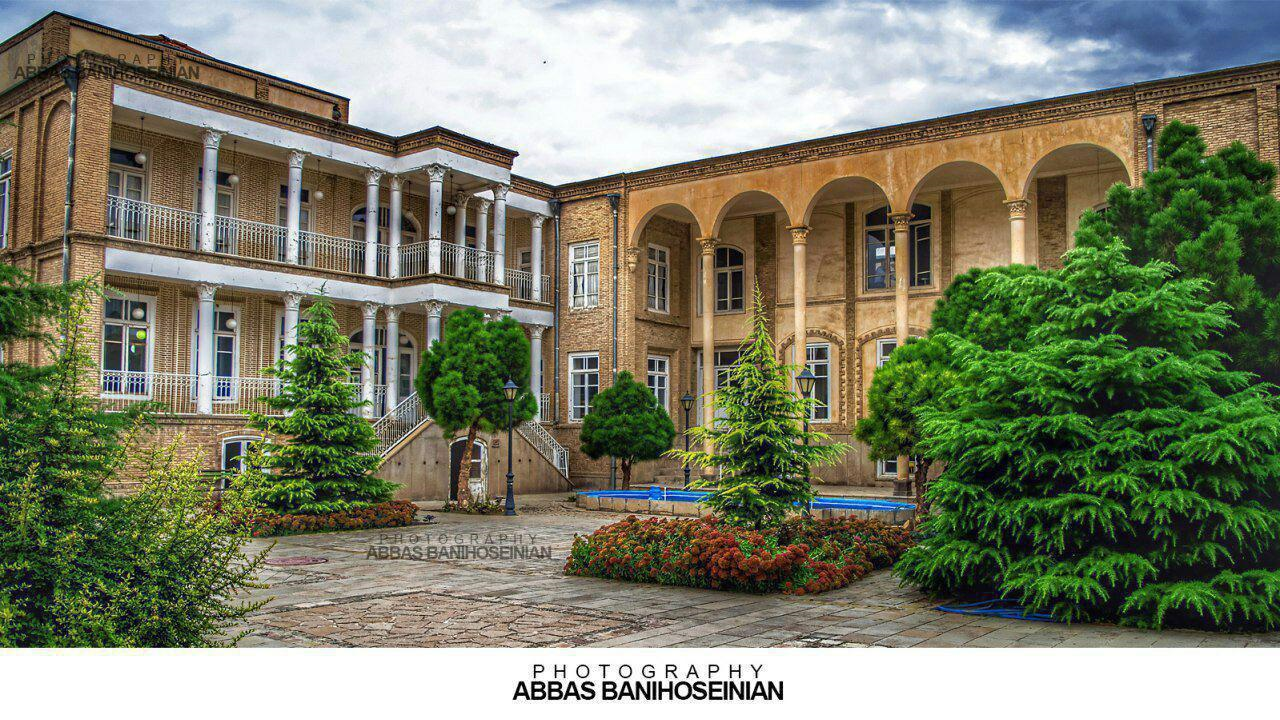
Ganjei-Zadeh Mansion
Ganjei-zadeh Mansion is known as one of the largest mansions in Tabriz, which was built in two different historical periods.
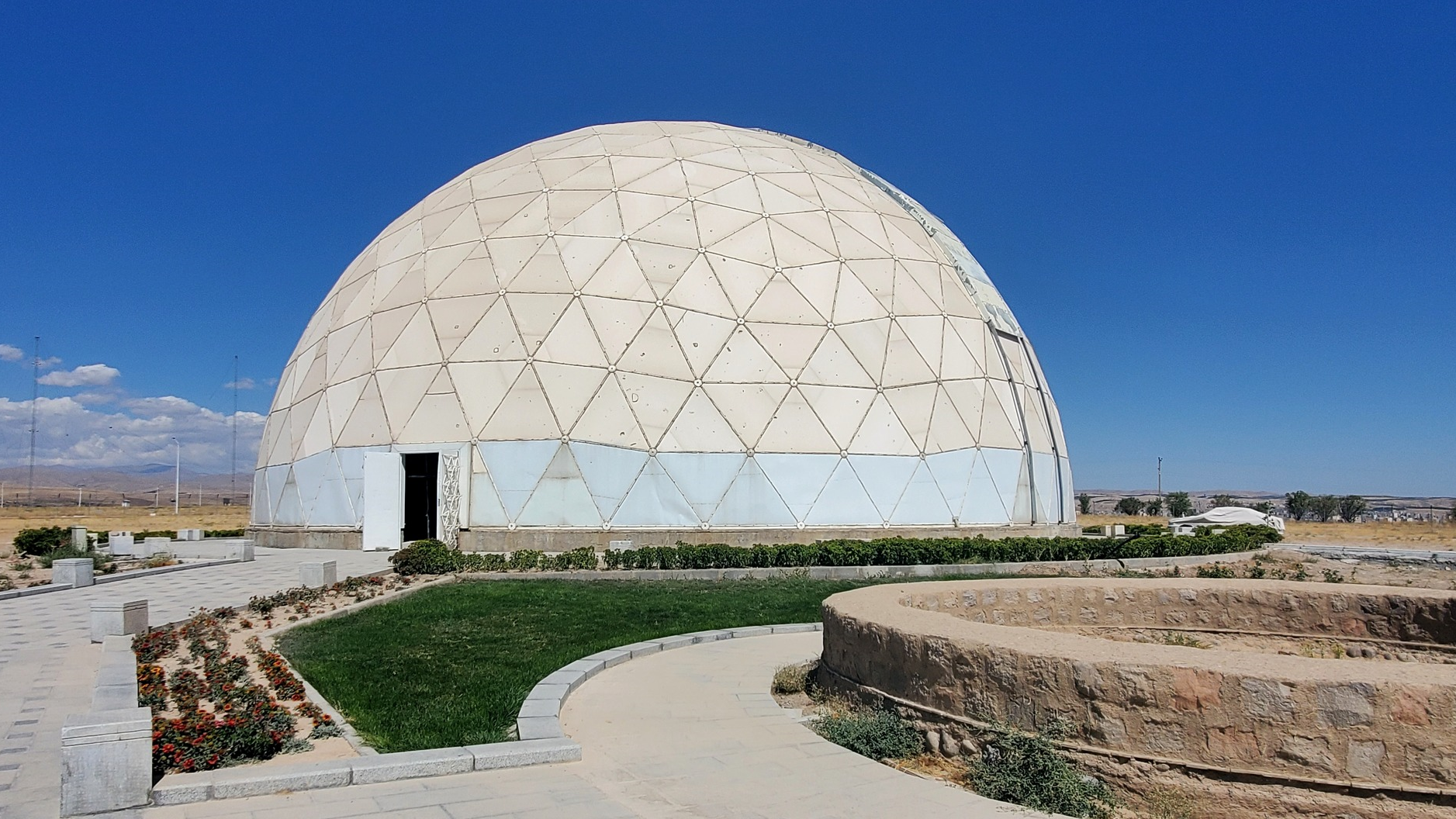
Maragheh Observatory
About 800 years ago, Maragheh Observatory was known as the main scientific center of the region and many scientists engaged in research in this observatory.
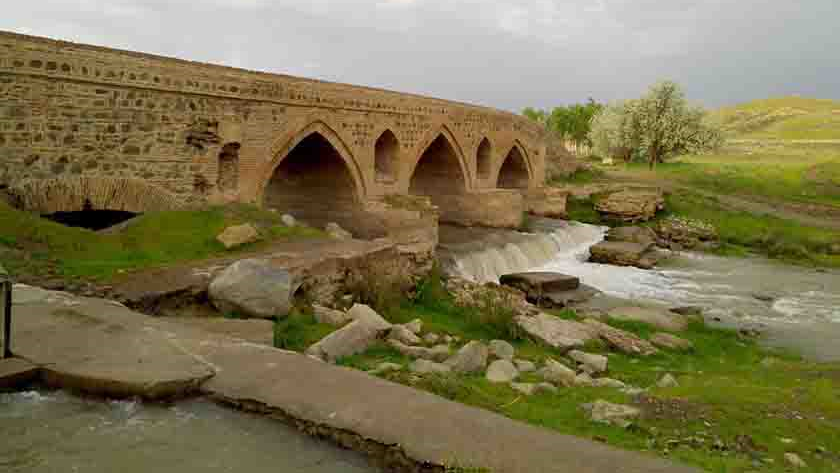
Dokhtar Bridge of Malekan
Dokhtar Bridge of Malekan, which is called “Qizlar Corpousi” in the local language, stands firmly after 500 years and is used by the rural people of the region.
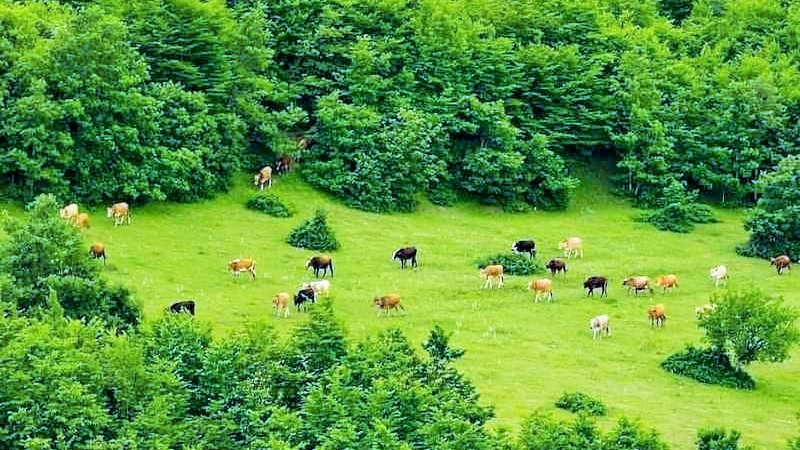
Biosphere Reserve of Arasbaran
From among the 13 regions of Iran that are considered biosphere reserves, Arsbaran Biosphere Reserve has special features that make it an area with surprising and incredible beauty.
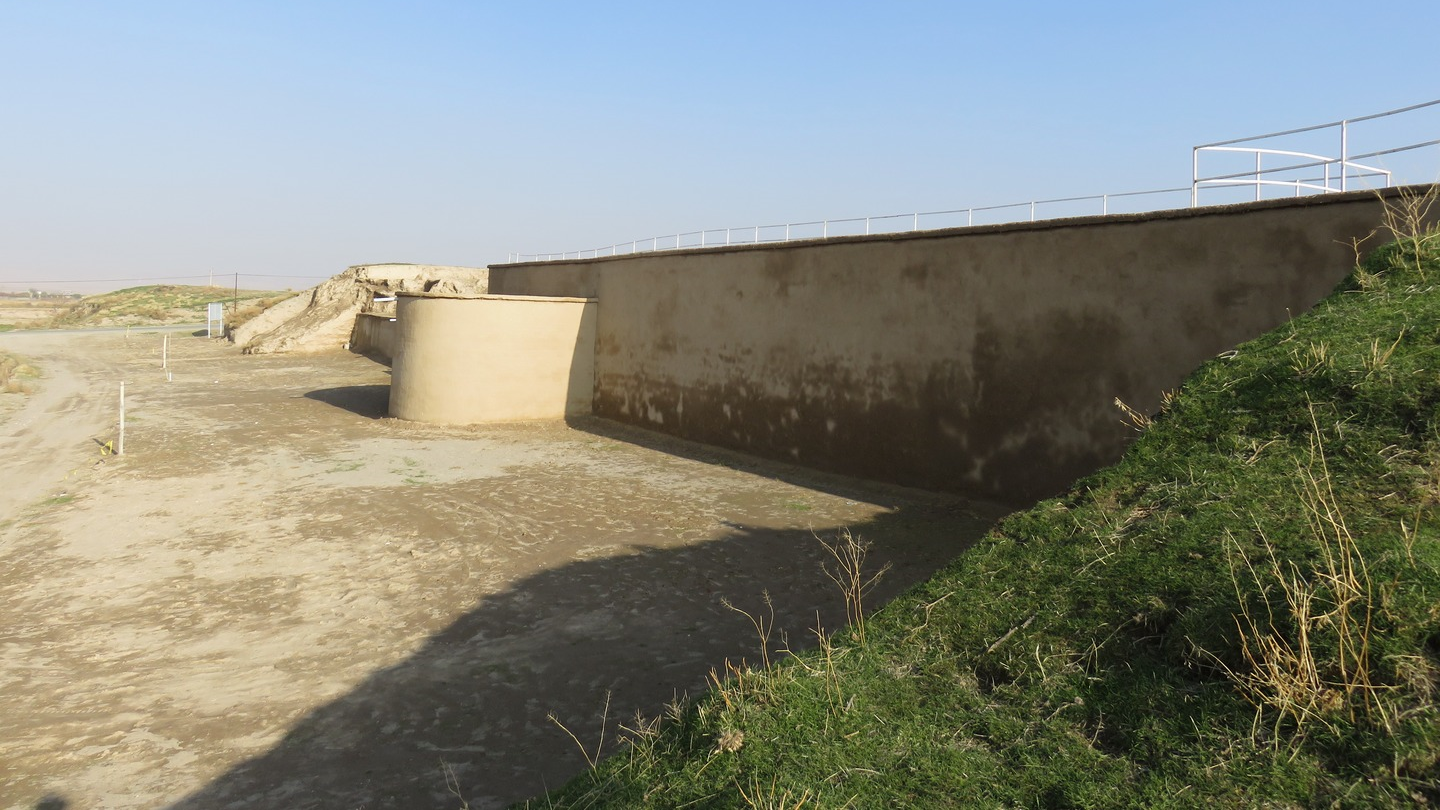
Bakhtak Castle of Leylan
It is believed that the ancient city of Shiz, which was one of the most important cities of ancient Iran, was located within the vicinity of Bakhtak Castle of Leylan.
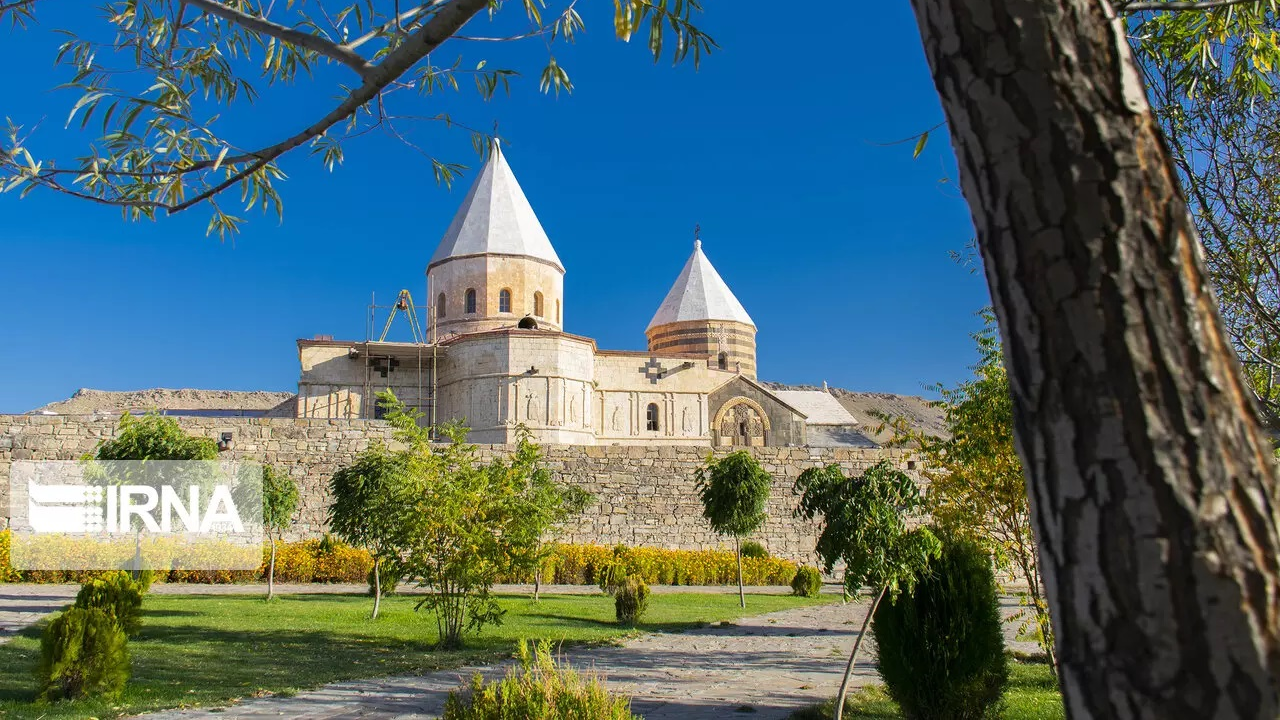
Saint Thaddeus Cathedral
The historically important Saint Thaddeus Cathedral has faced a lot of ups and downs in the course of history.
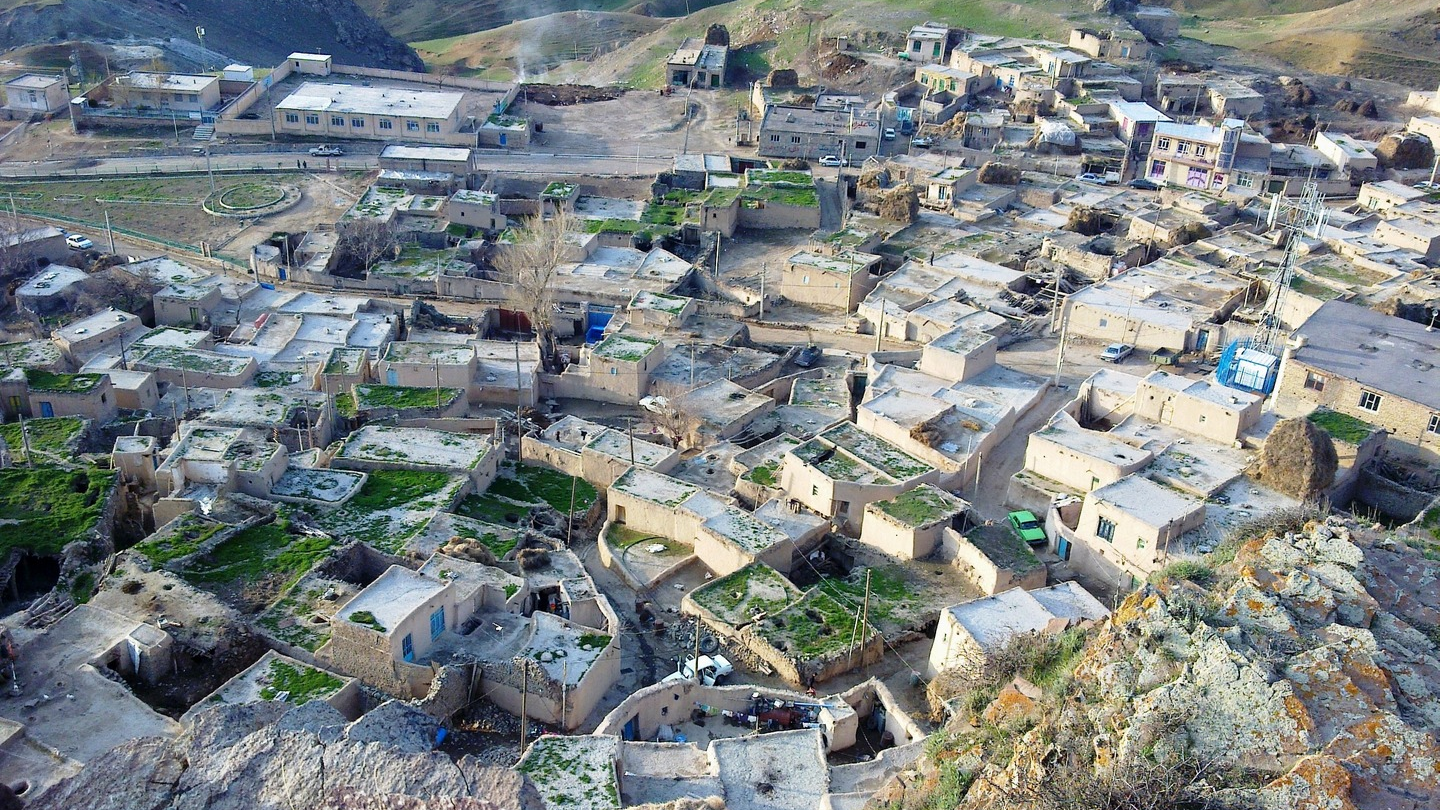
Joushin Village
Joushin is one of the oldest villages of Varzeqan, discoveries made in which prove human habitation in prehistoric millennia.
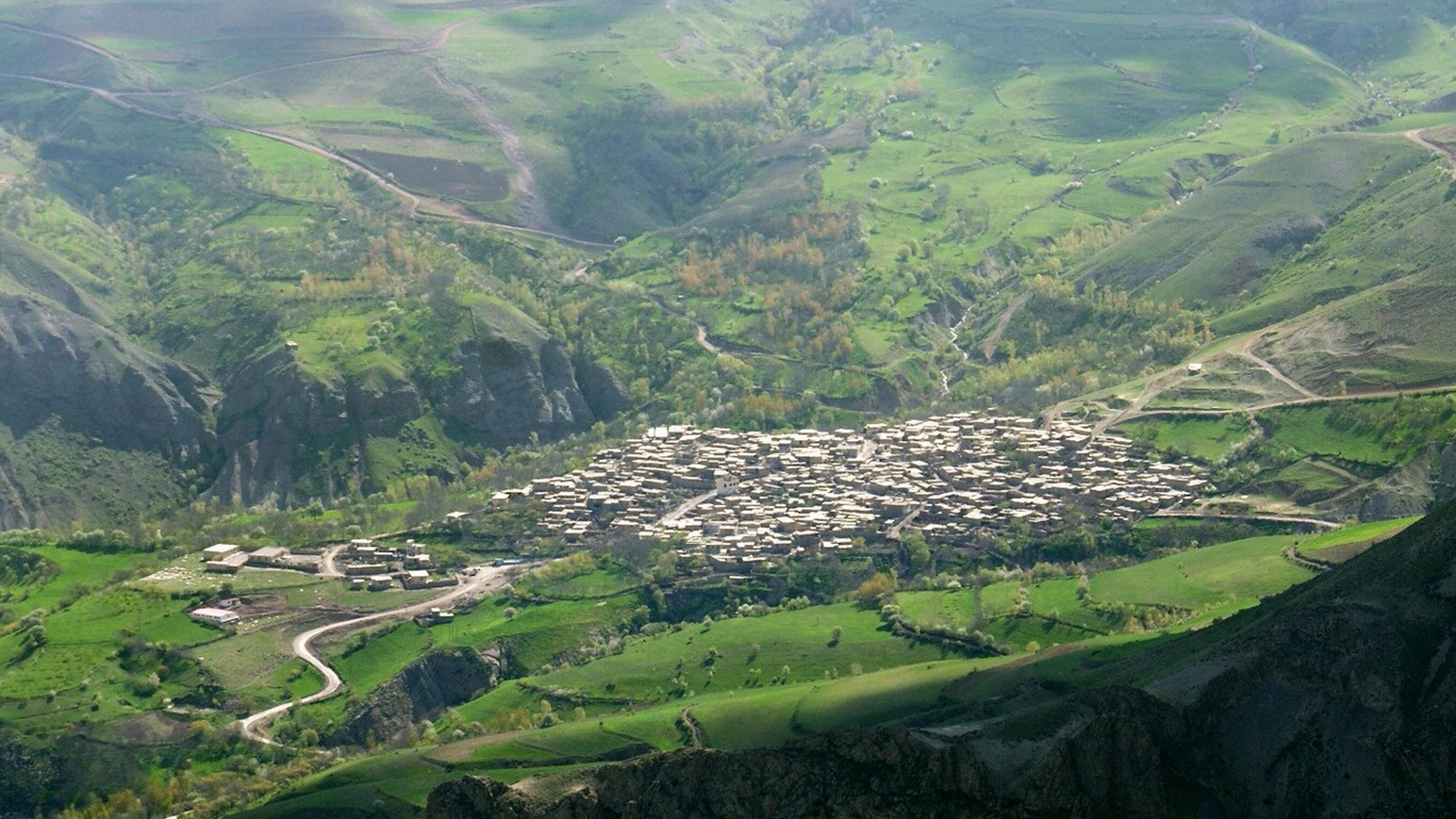
Varzeqan
Varzeqan is one of the most pristine counties of East Azarbaijan province, most of the people of which live in rural areas.
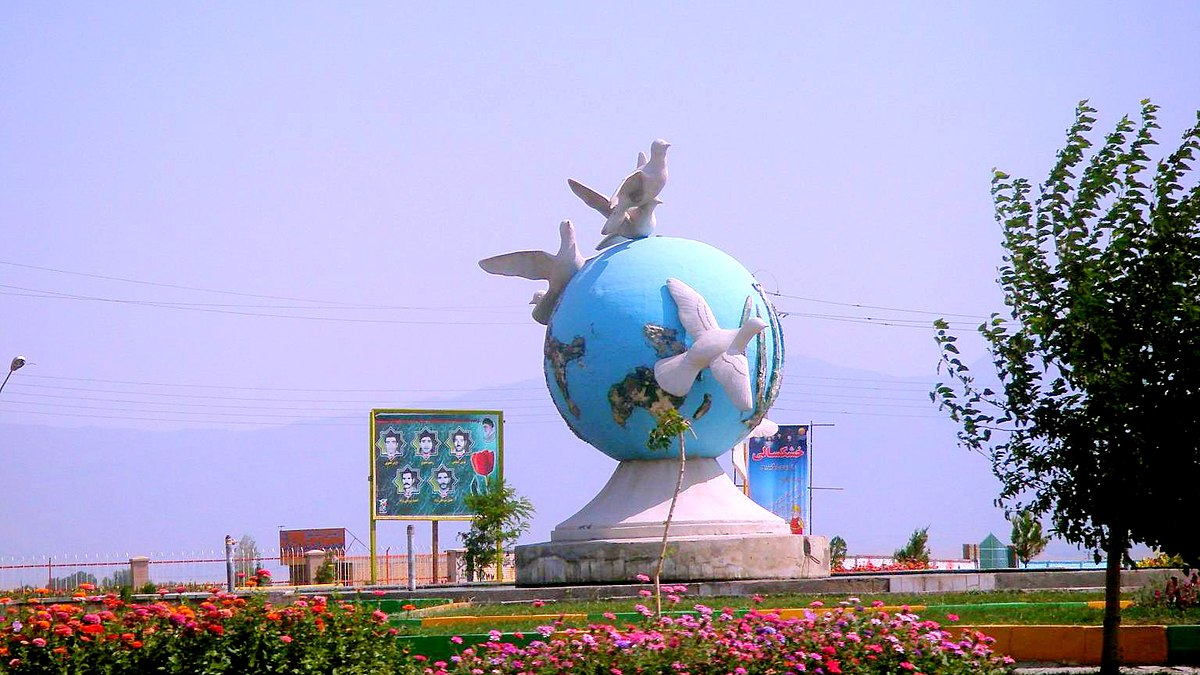
Sarab and its natural attractions
Sarab County is located between two mountain ranges and its geographical conditions have created special landscapes for nature lovers.
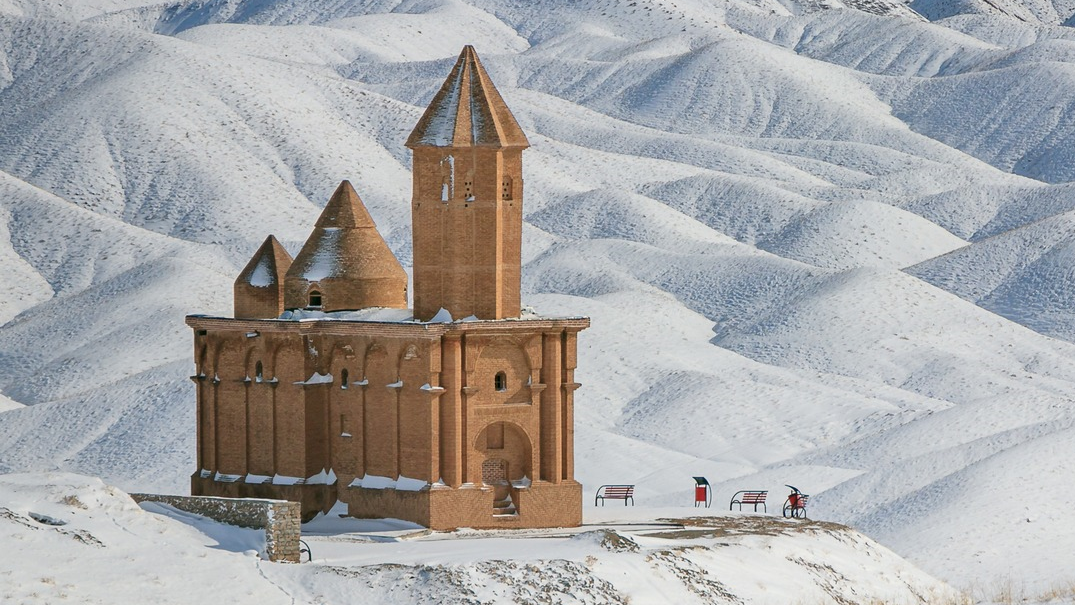
Saint John Church of Sohrol
Saint John Church of Sohrol
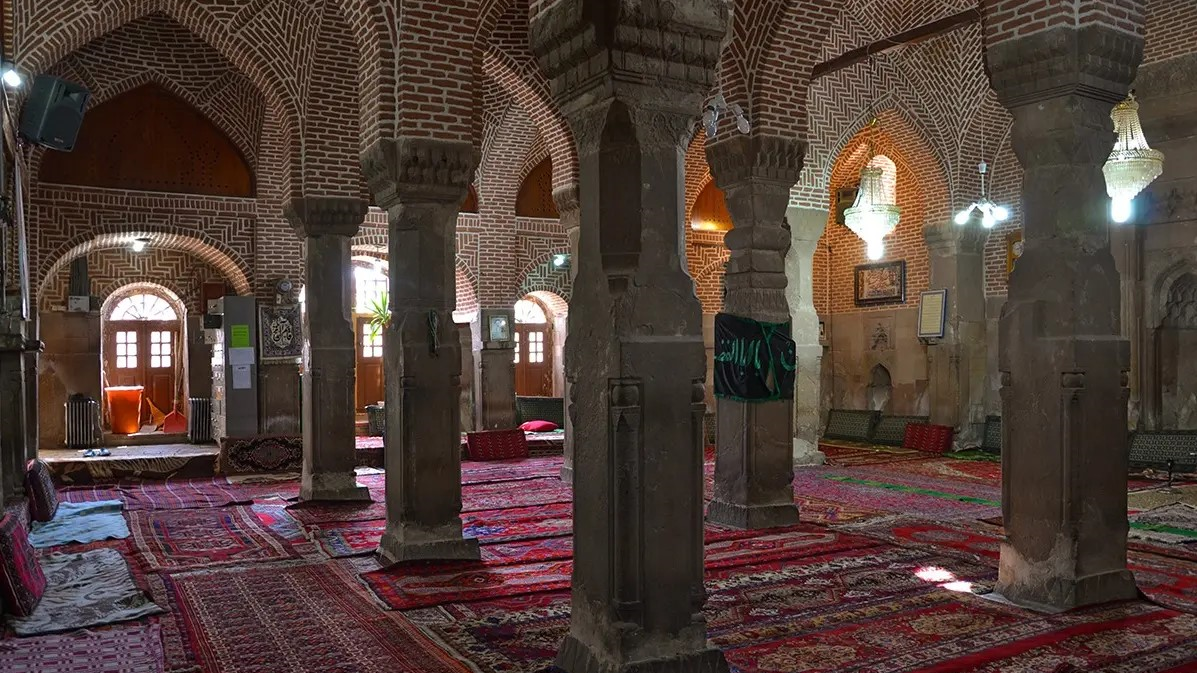
Stone Mosque of Tark
The stone columns and niche of Jame’ Mosque of Tark, which are in one piece, make every viewer wonder and admire.
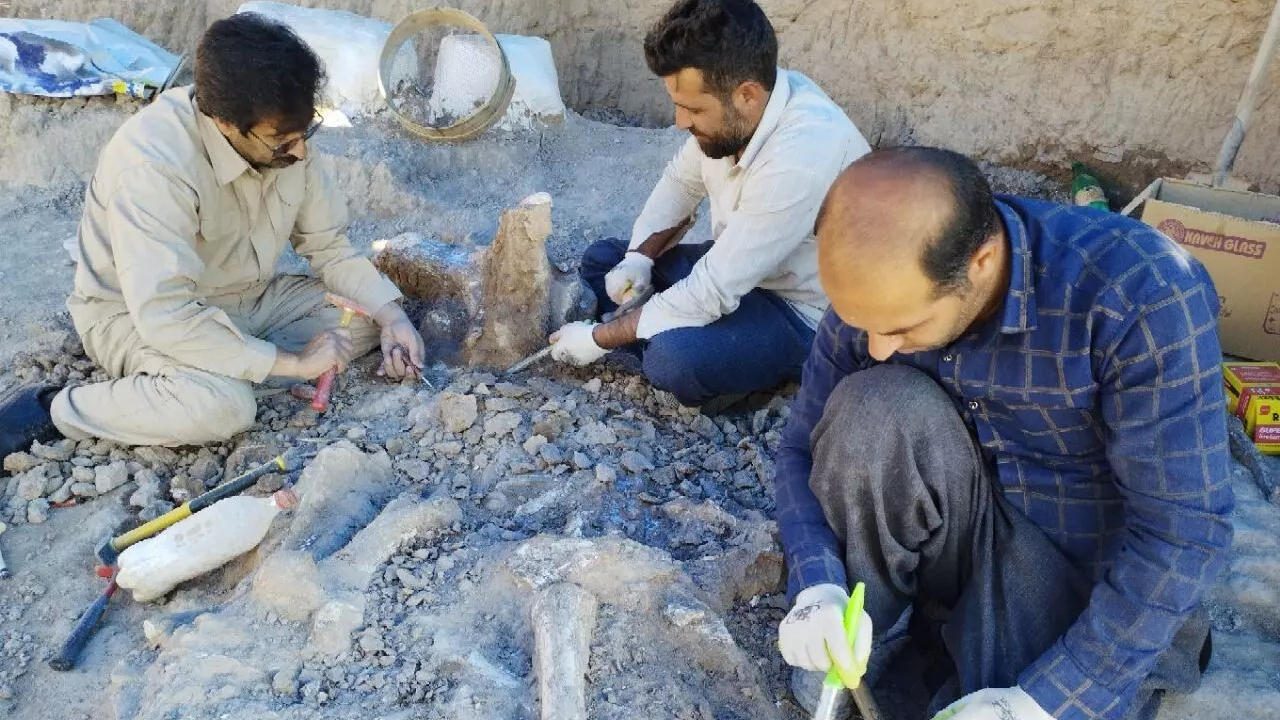
Fossil Site of Maragheh
Due to the discovery of all kinds of fossils related to mammals from 11 to five million years ago, the Fossil Site of Maragheh has been called the fossil paradise of Iran.
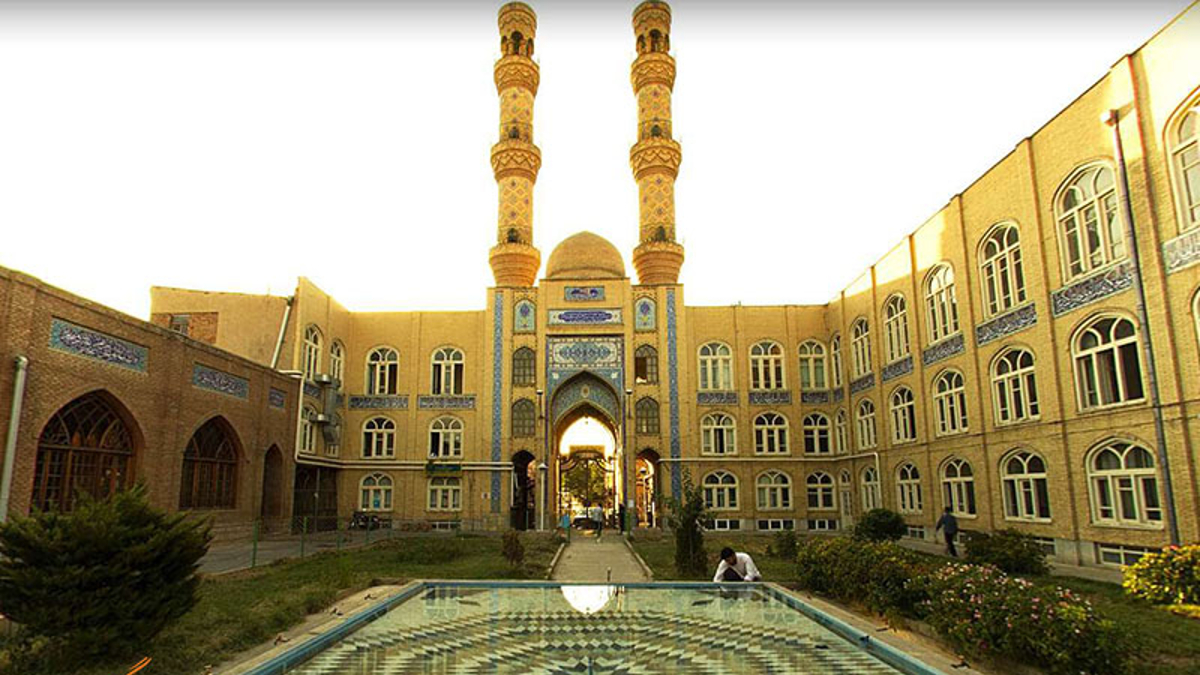
Jame’ Mosque of Tabriz
Jame’ Mosque of Tabriz has been restored many times during different periods and what remains today is the manifestation of architectural art of several historical periods.
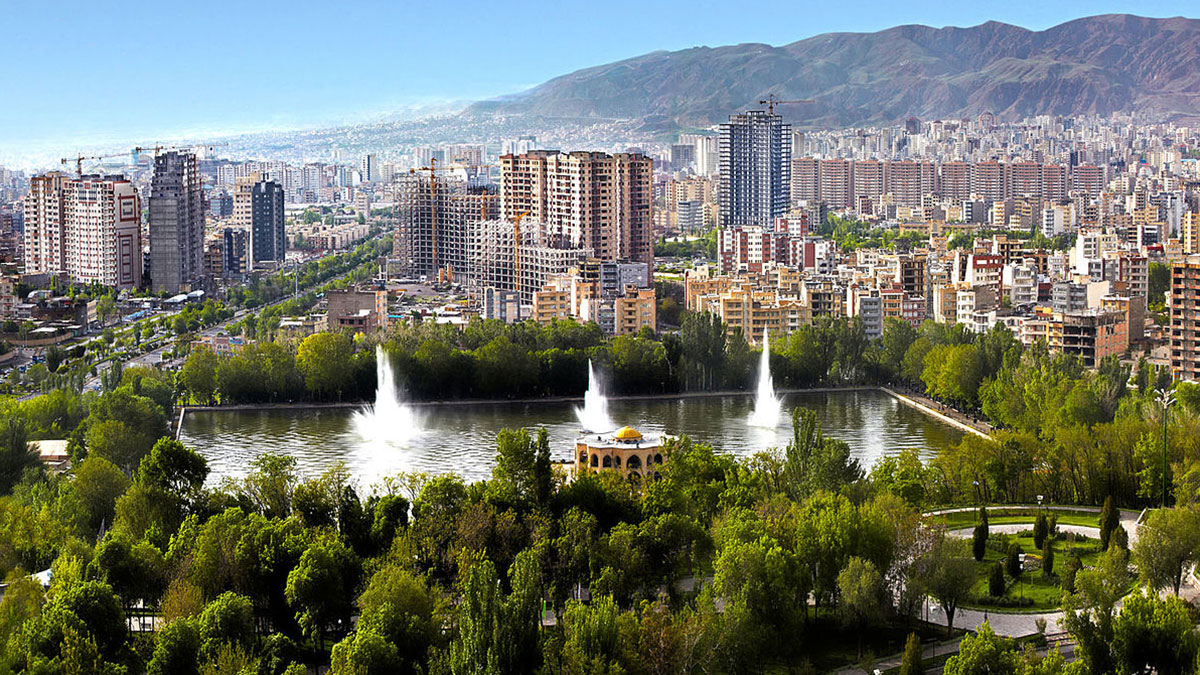
Tabriz
Housing numerous natural, historical, and recreational attractions, Tabriz is a city that every tourist should visit.
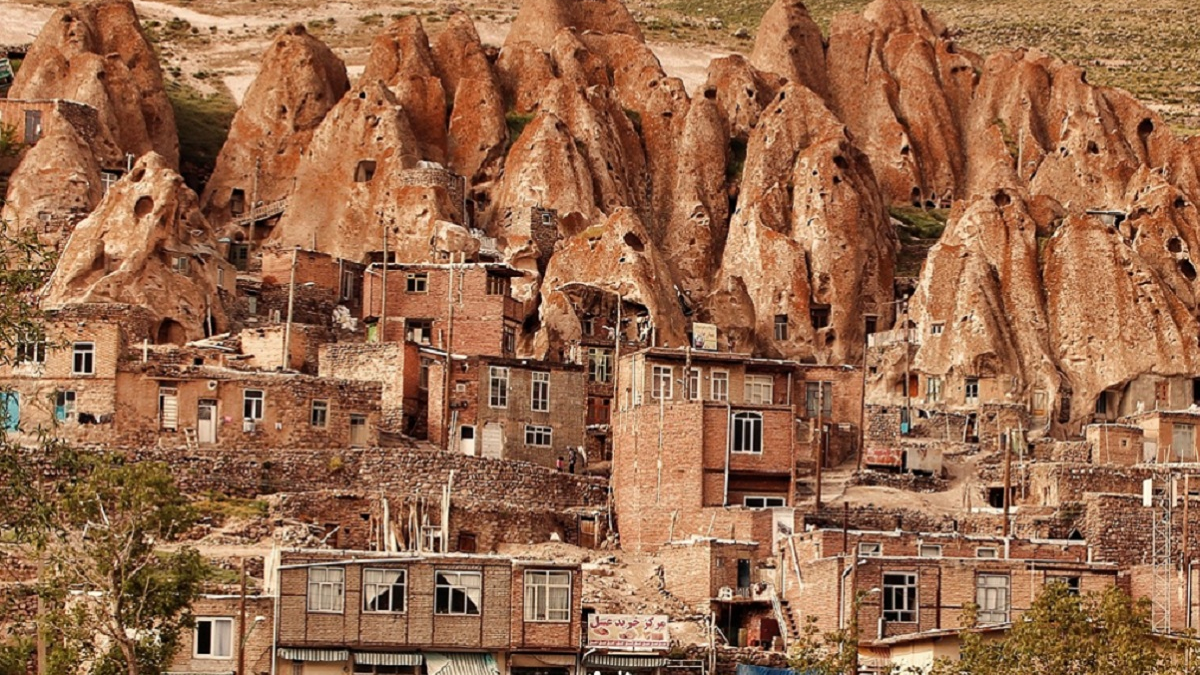
کندوان، عجیبترین روستای ایران
روستای کندوان را با خانههایی که درون صخرههای کوه حفر شده، میتوان یکی از عجیبترین روستاها و سکونتگاههای ایران دانست.
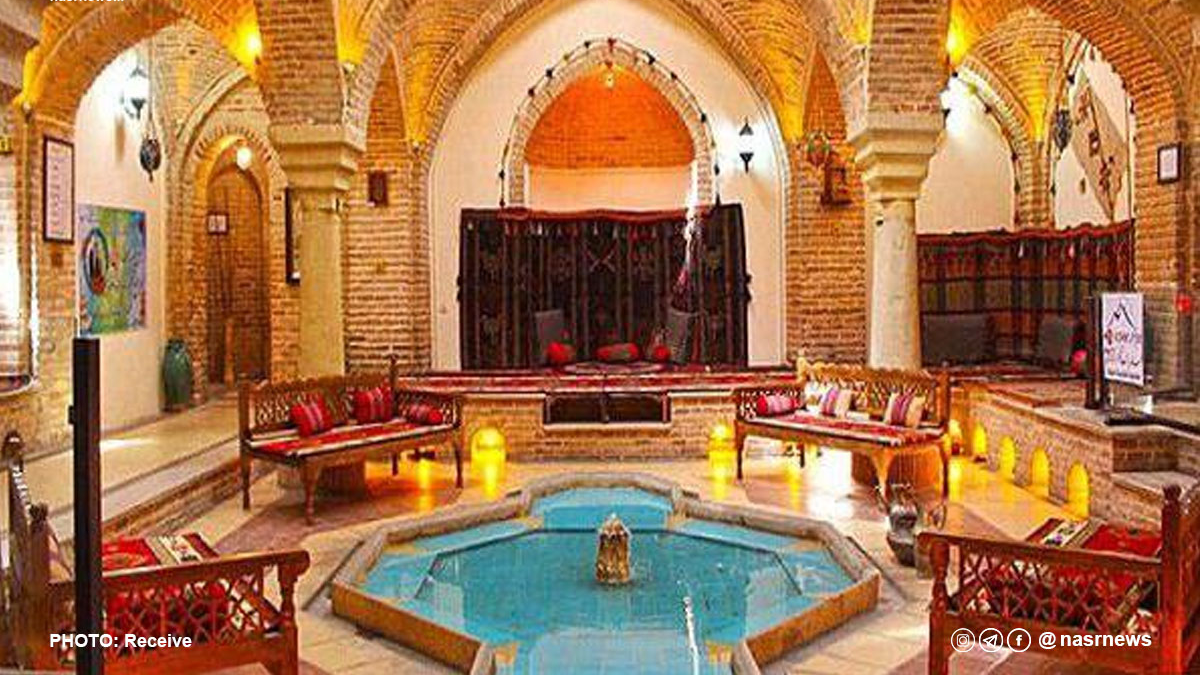
Nobar Bathhouse of Tabriz
Once upon a time, one of the largest public bathhouses of Tabriz, it is now - with the expansion of home baths - a historical monument.
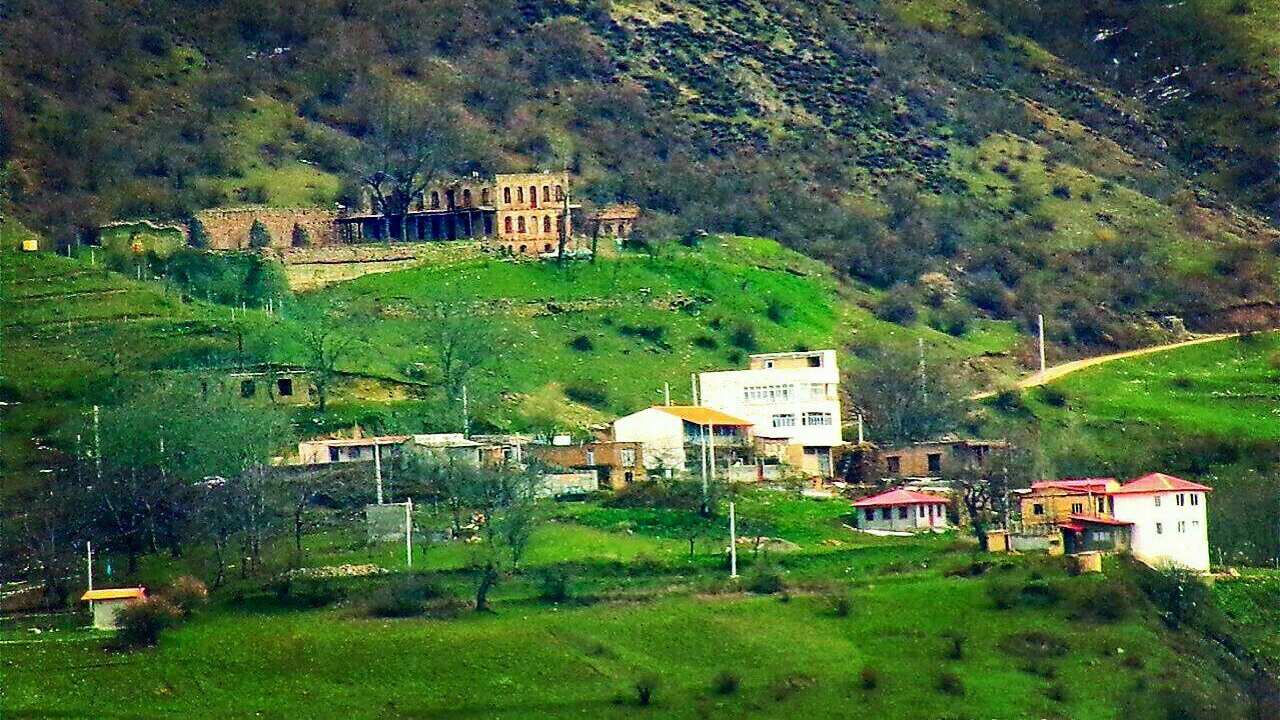
Aynalu Protected Area
The protected area is so beautiful that it can be considered the gem of East Azarbaijan Province of Iran.
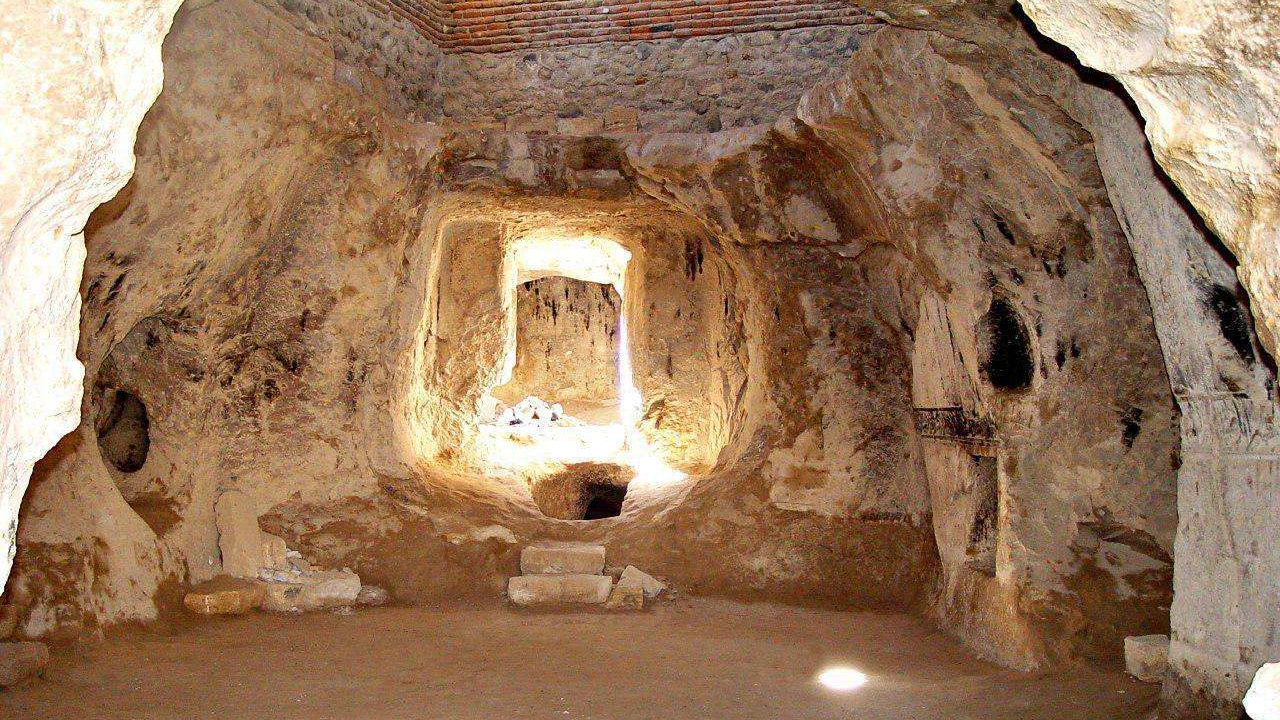
Mithra Temple of Maragheh
Mithra Temple of Maragheh, also referred to as Mehr Temple was a place of worship of the Aryan (Indo-Iranian) god. It was dug and built by hand and was also the gathering place of Sufi mystics centuries ago.
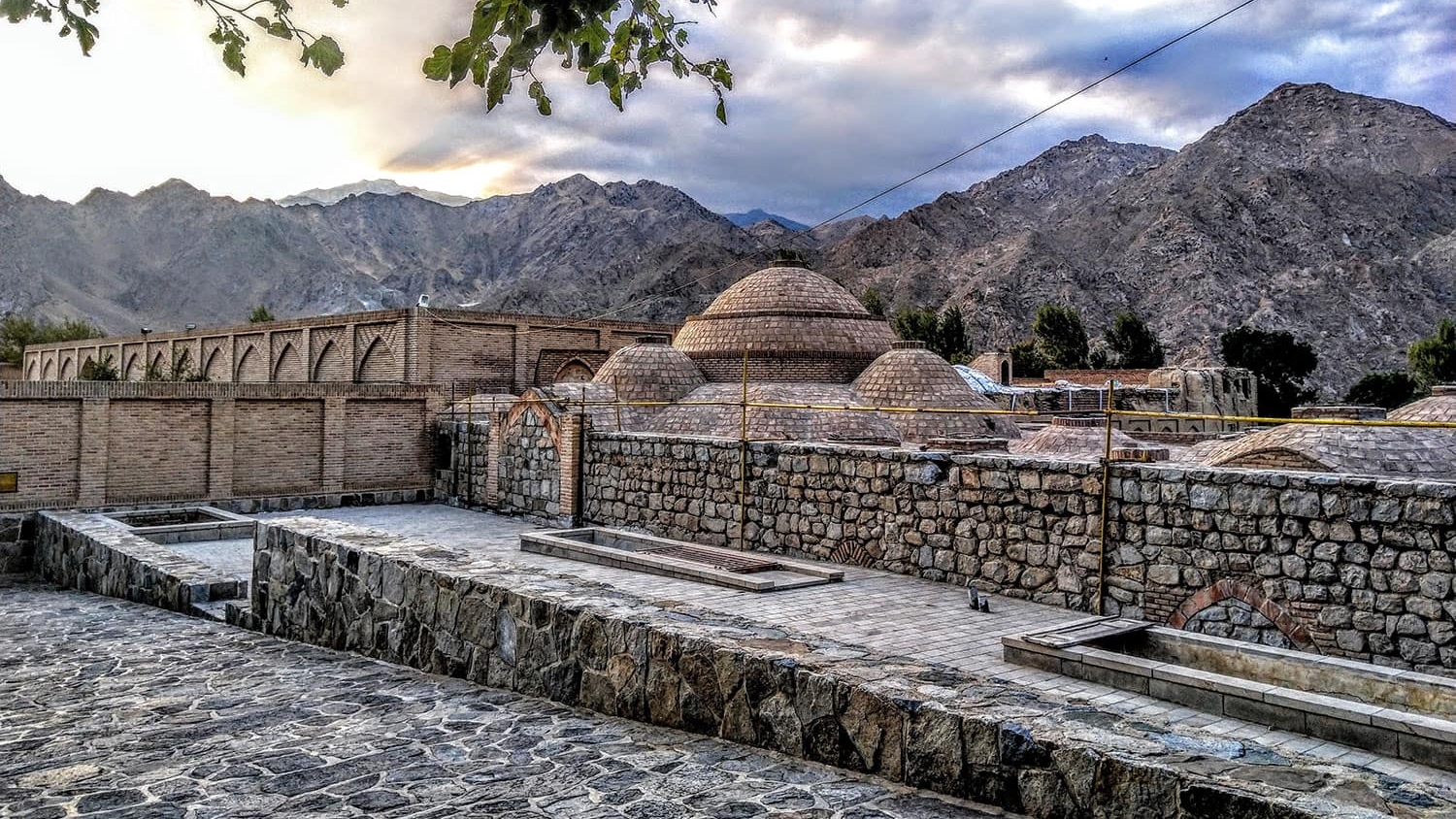
Kordasht
The village that has become important in the history of Iran because of being chosen as the headquarters of Iran’s military command during the Iran-Russia wars in the early 19th century.
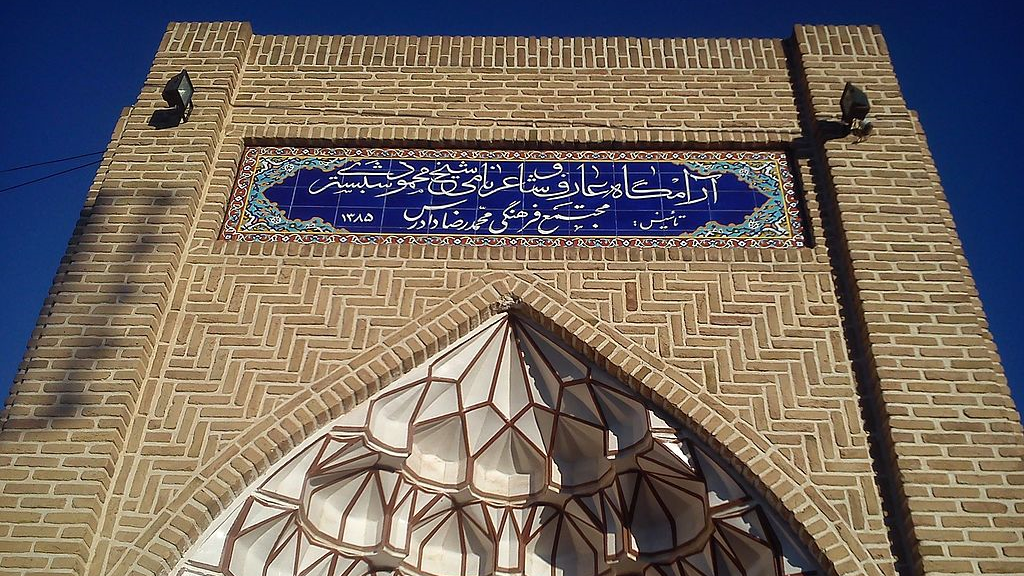
Tomb of Sheikh Mahmoud Shabestari
Built in the 14th century AD, the Tomb of Sheikh Mahmoud Shabestari is located in the central part of the city of Shabestar.
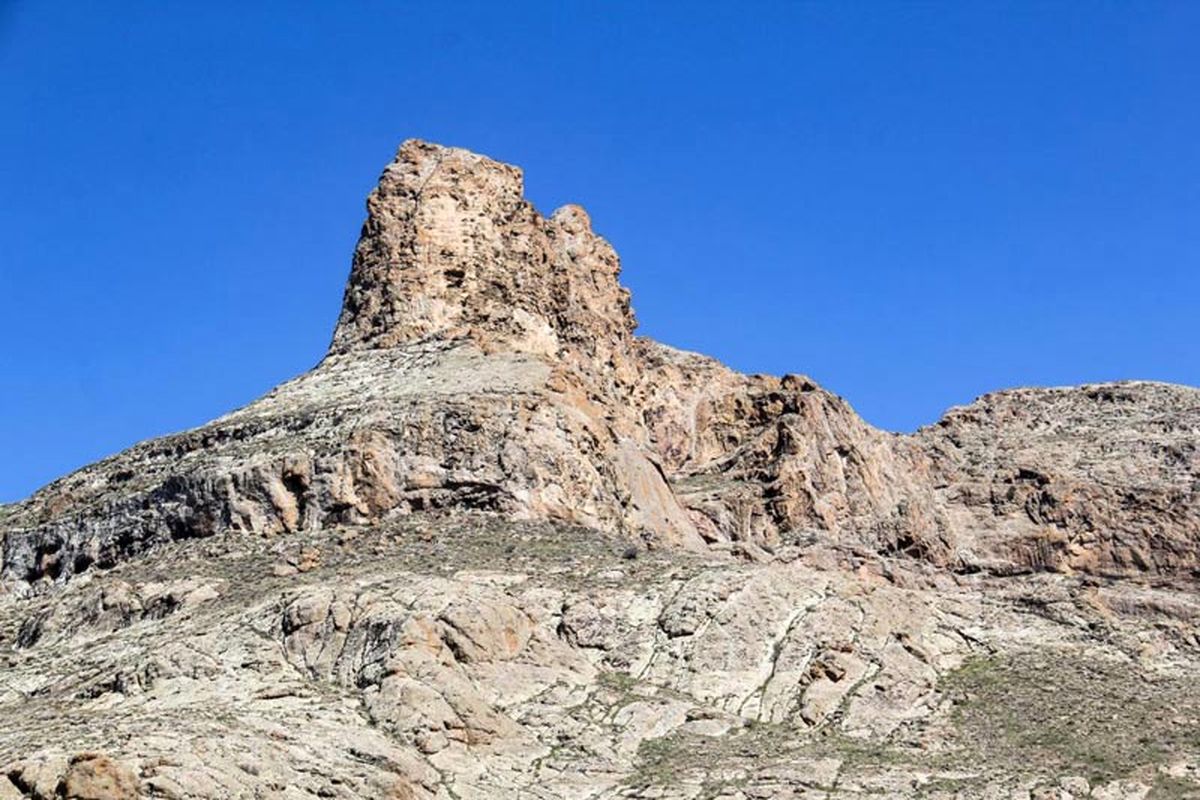
Sardroud — A Land of Beautiful Nature and a Historic Fortress Still Shrouded in Mystery
Despite the valuable remains and historical information it holds, Narincastle of Sardroud has not yet been fully excavated.
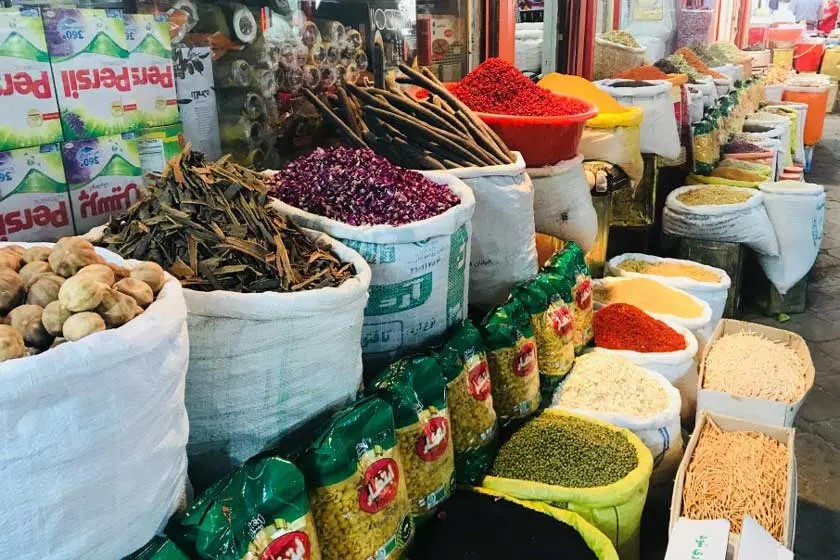
Traditional Bazaars of Maragheh
Maragheh is one of the most important cities in northwest Iran and its traditional bazaars are spectacular.
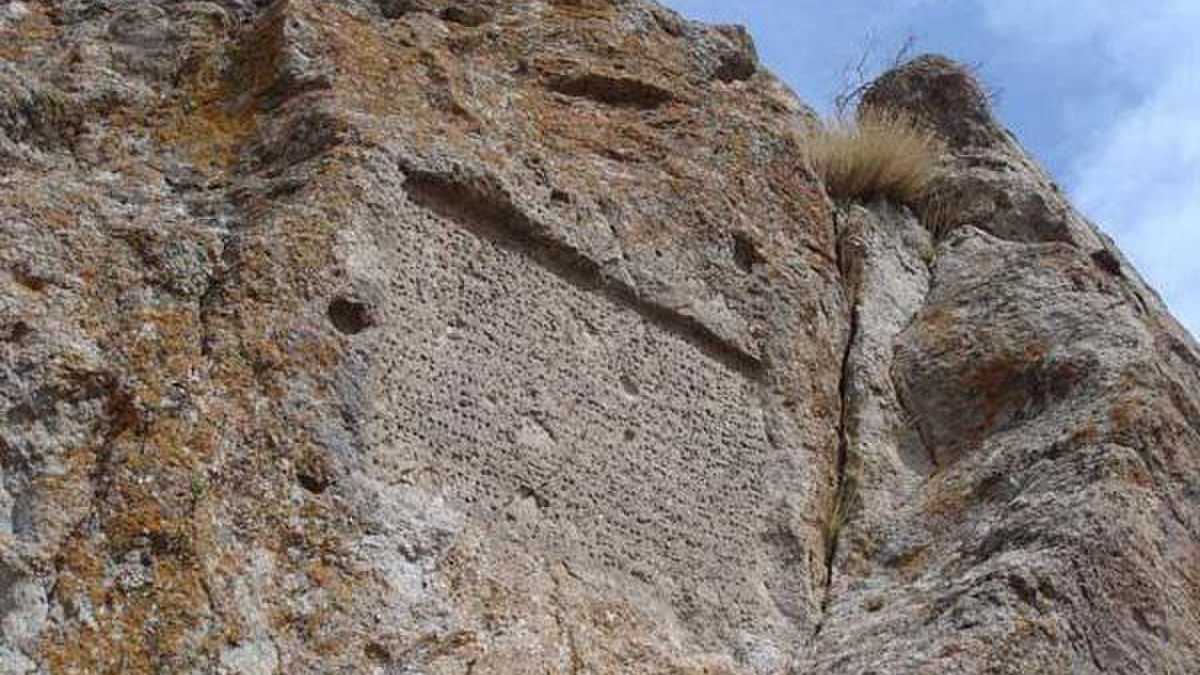
Razliq
2800 years ago, some tribes lived in Azarbaijan, and some traces of whose activities and rule can still be noticed there.
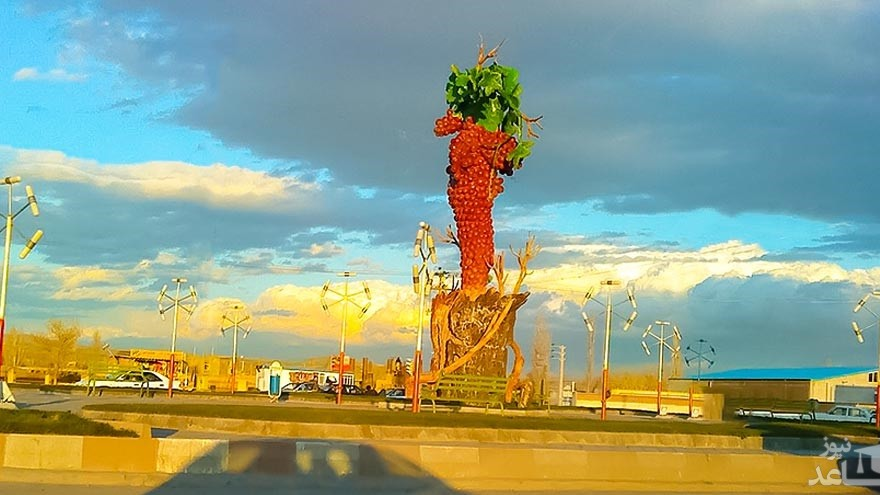
Malekan County
Malekan is one of the counties of East Azarbaijan province, the many natural springs of which can make it an ideal place for the development of geotourism.
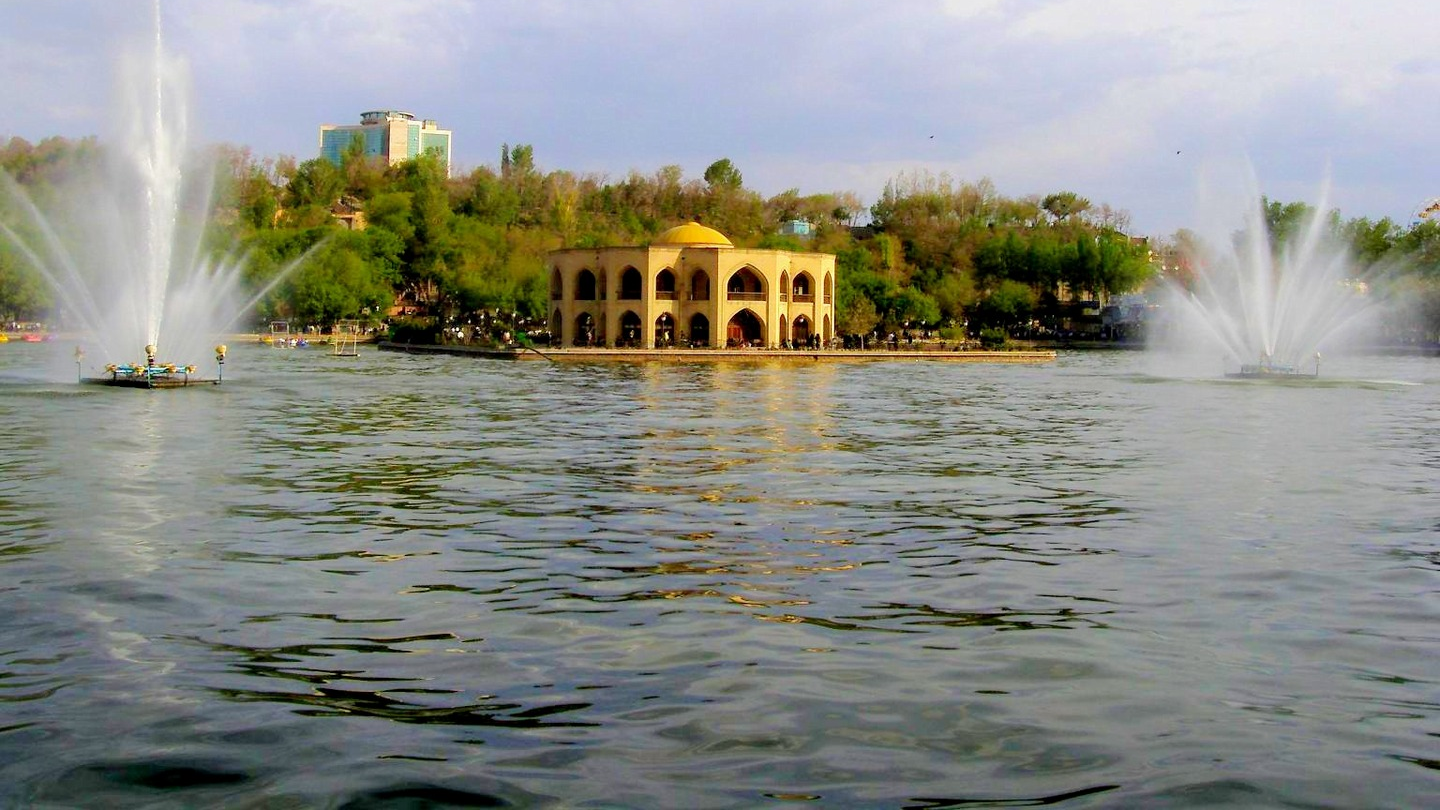
El Goli Complex of Tabriz
El Goli (also known as Shah Goli in the past) is one of the most important recreation resorts of Tabriz and one of the most well-known tourist attractions of this city.
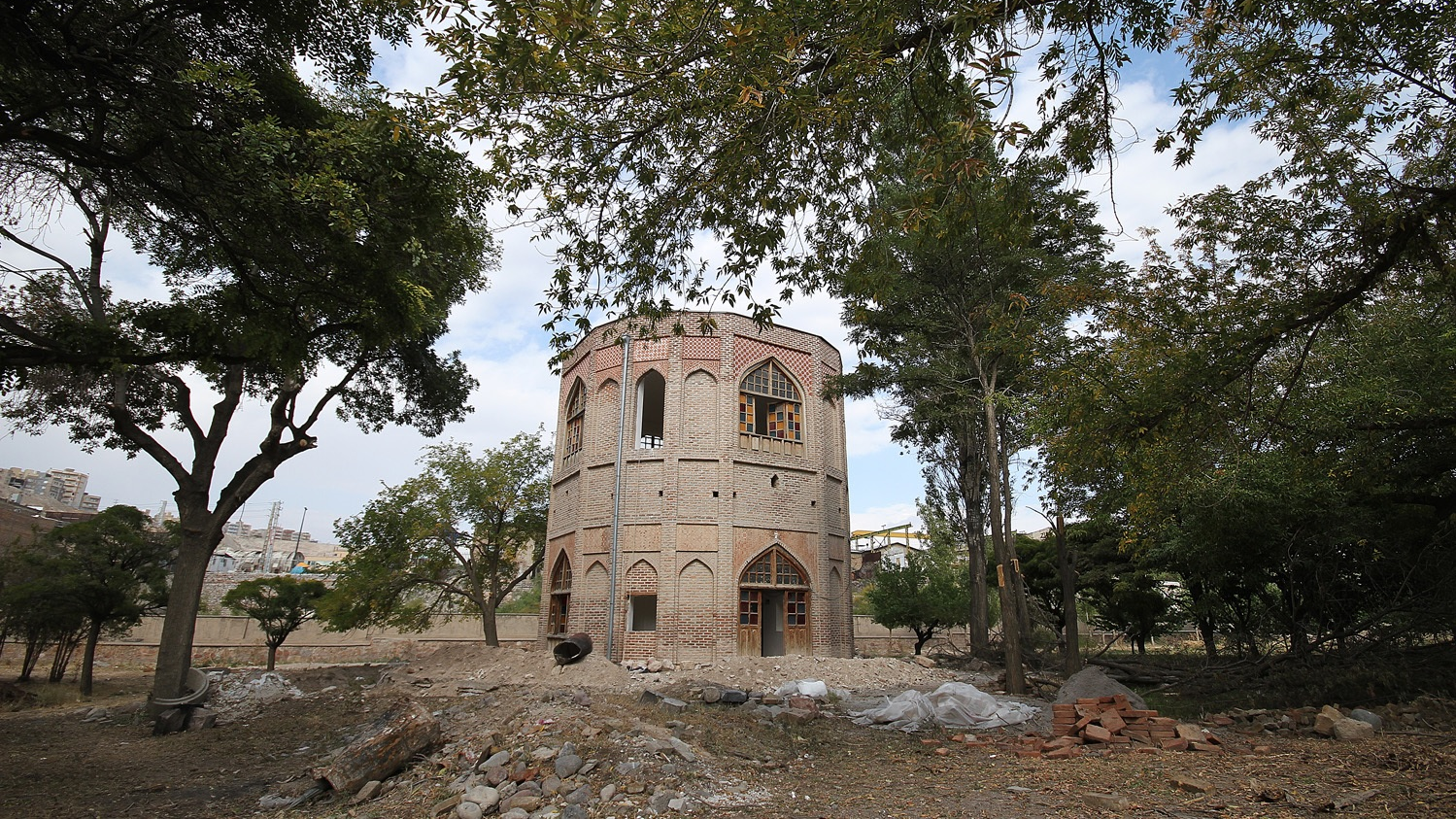
Khal’at Pooshan Tower
Khal’at Pooshan Tower of Tabriz was a place to hold a traditional ceremony to honor government servants until the beginning of the 20th century.
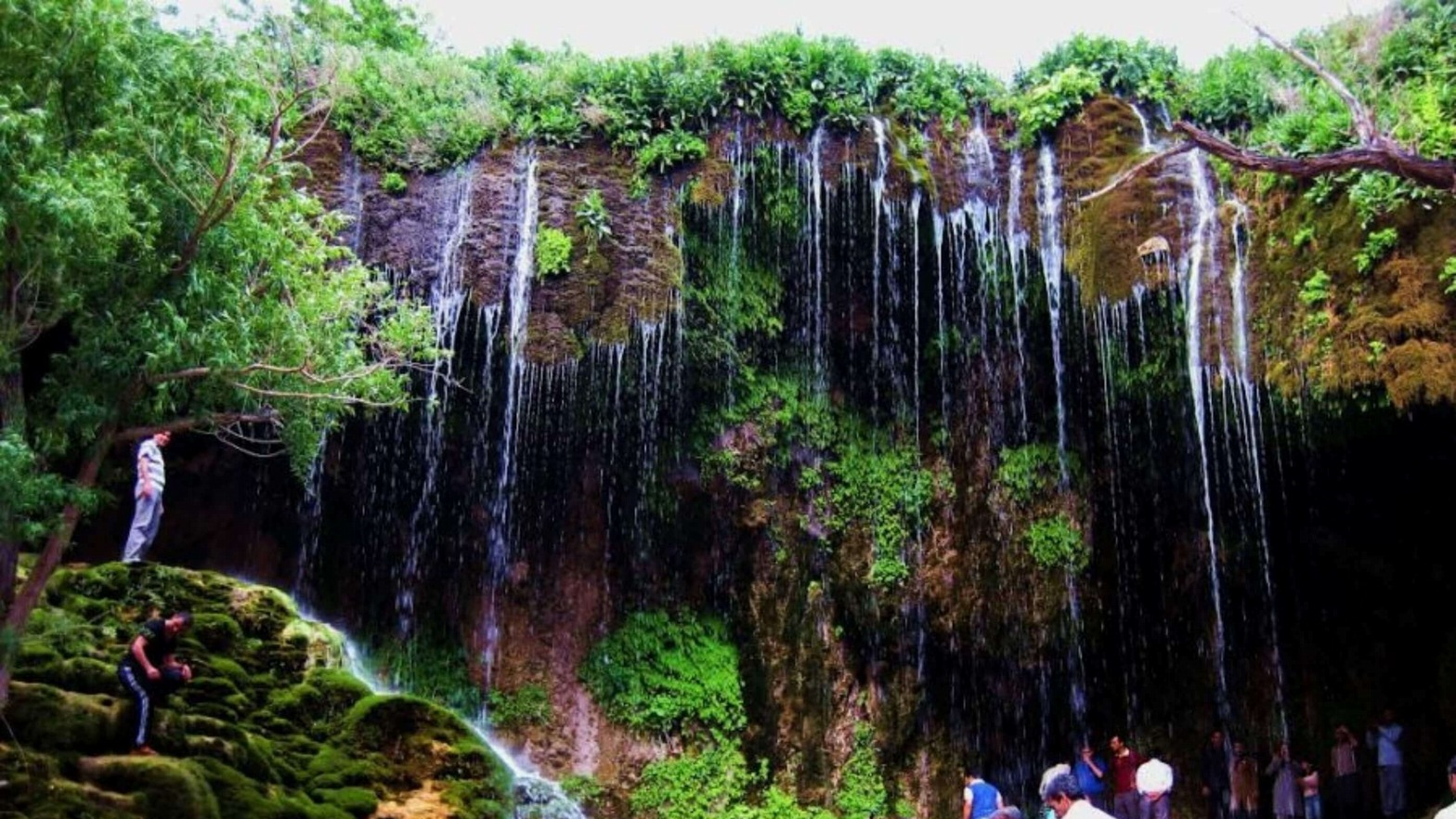
Asiab Kharabeh Waterfall of Jolfa
Having beautiful natural scenery and many nature tourism attractions such as Asiab Kharabeh Waterfall, Jolfa County is one of the main tourist destinations in the East Azarbaijan province of Iran.
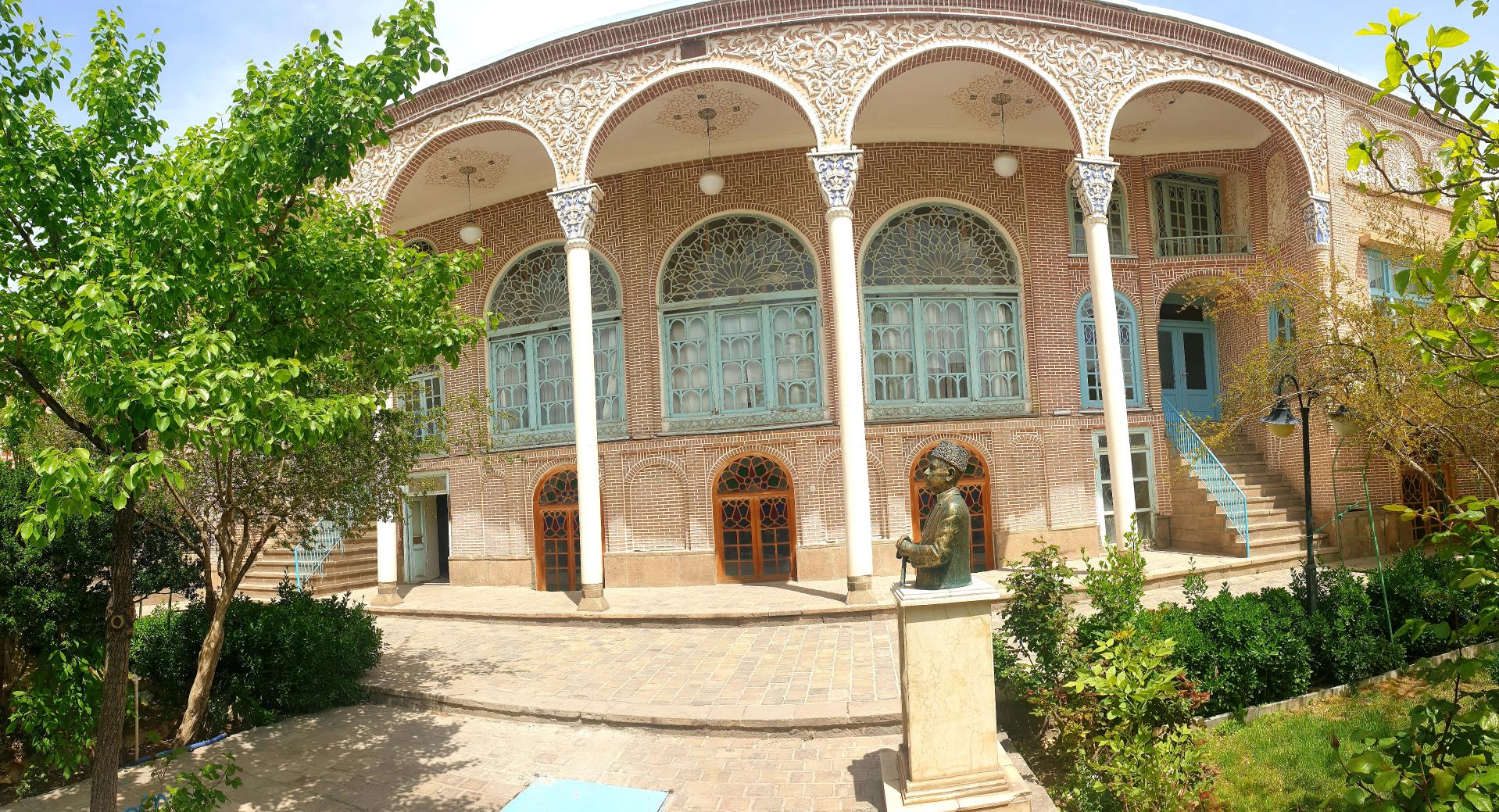
Nikdel House
The old photography equipment and sewing preserved in the Nikdel House have made this historical mansion look outstandingly interesting.
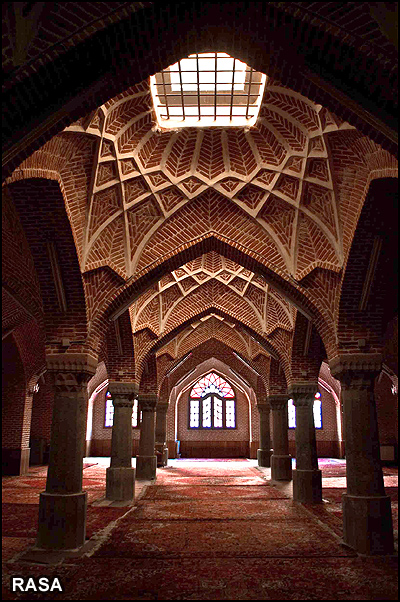
Jame’ Mosque of Shabestar
Jame’ Mosque of Shabestar is one of the sixteen tangible cultural heritage of East Azarbaijan Province of Iran, the original building of which was constructed in the Ilkhanate era and its minaret was added during the reign of the Timurids. The resistance of the dome of this mosque against natural disasters, including the devastating earthquake at the end of the 19th century, is amazing.
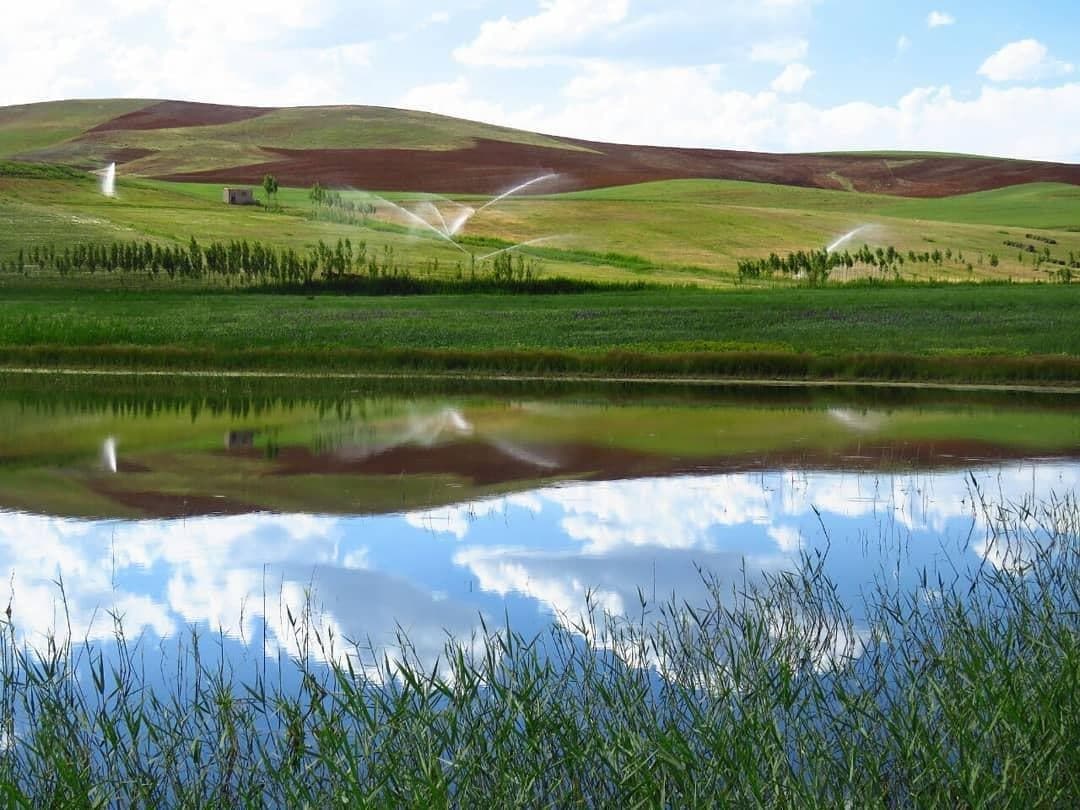
Yaniq Wetland
Despite its small size, Yaniq Wetland has an important role in the agriculture of the region and is the habitant for some important flora and fauna species.
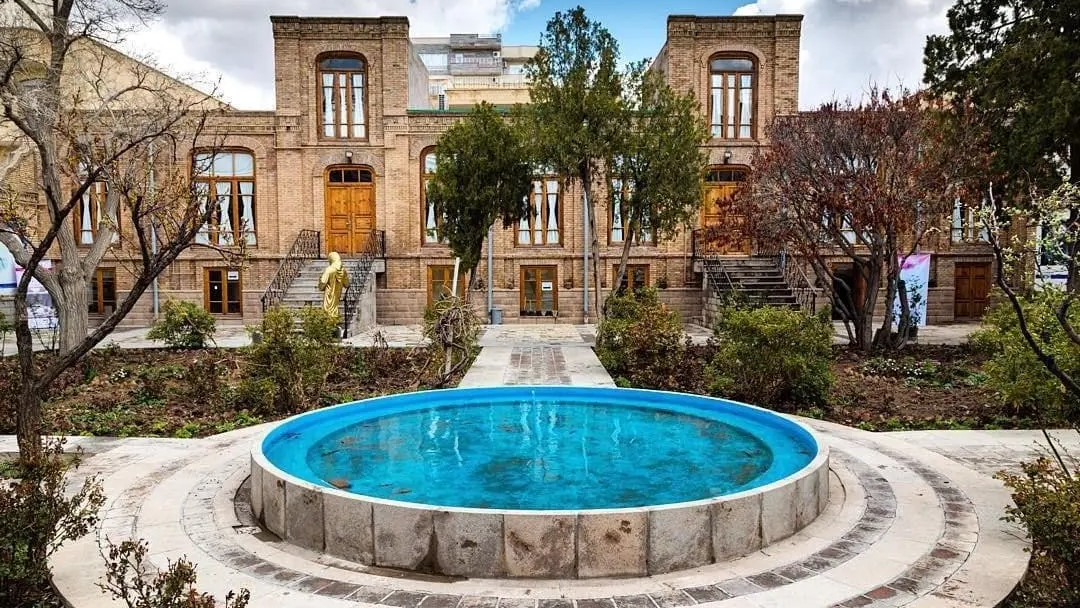
Parvin Etesami’s House
What is called Parvin Etesami’s House is the place where this contemporary Iranian poet lived before leaving for Tehran at the age of seven.
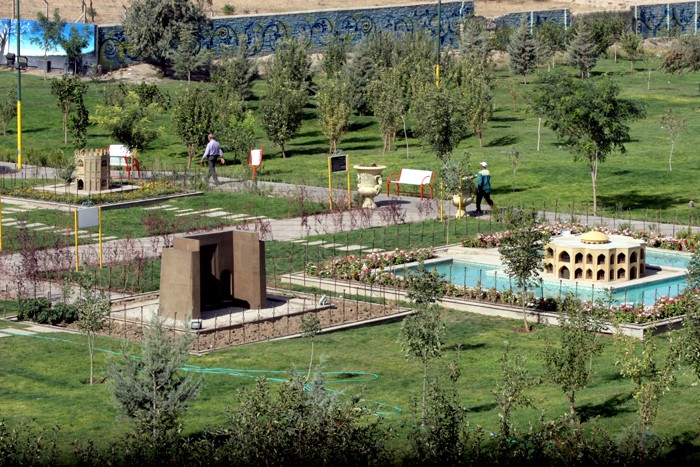
The Miniature Park of Tabriz
By visiting the Miniature Park of Tabriz, which houses miniature models of the historical monuments of Tabriz, one can have a glance at the whole of this city in one go.
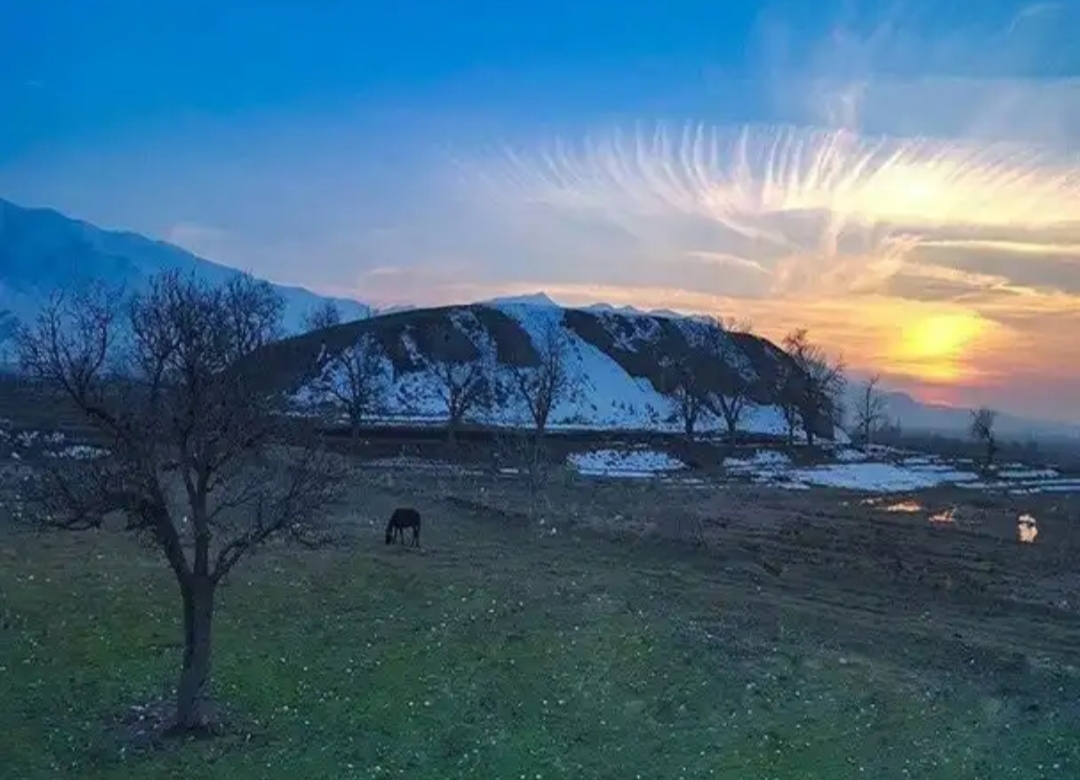
Gargar Hill (Kul Tepe Jolfa)
Valuable artifacts from several historical periods have been discovered in Gargar Hill (Kul Tepe Jolfa), which is nearly seven thousand years old.
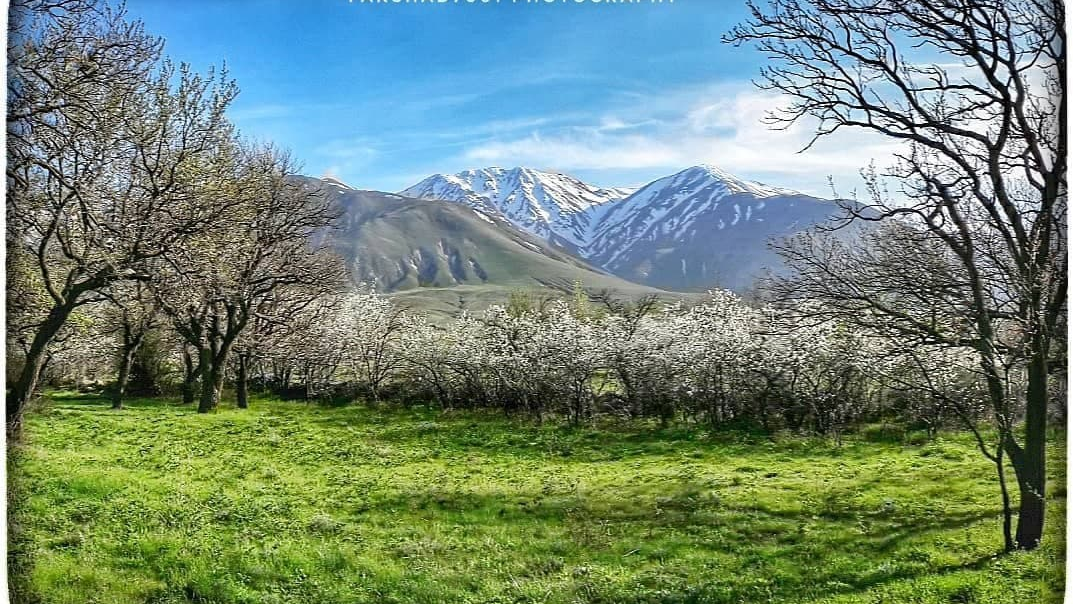
Sarab
Having many natural, historical, and tourist attractions, Sarab can be an ideal place to visit, but not in cold seasons.
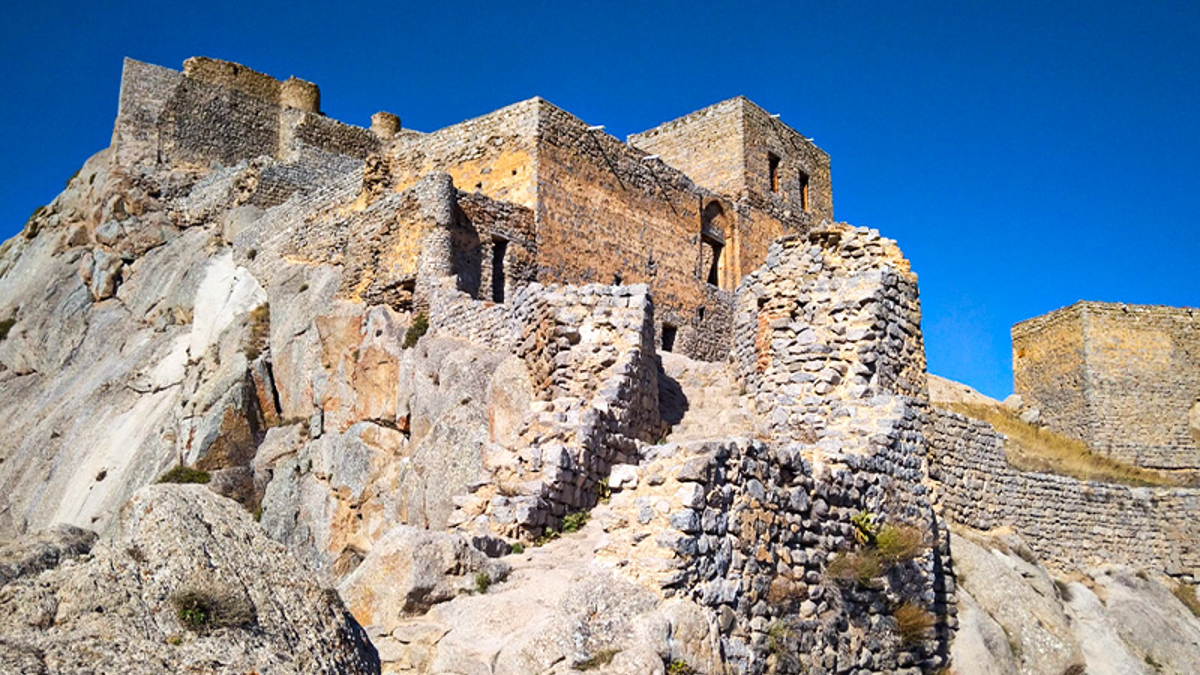
Babak Fort
Babak Fort was a very strong and impenetrable fort and it is said that no enemy had been able to capture it.
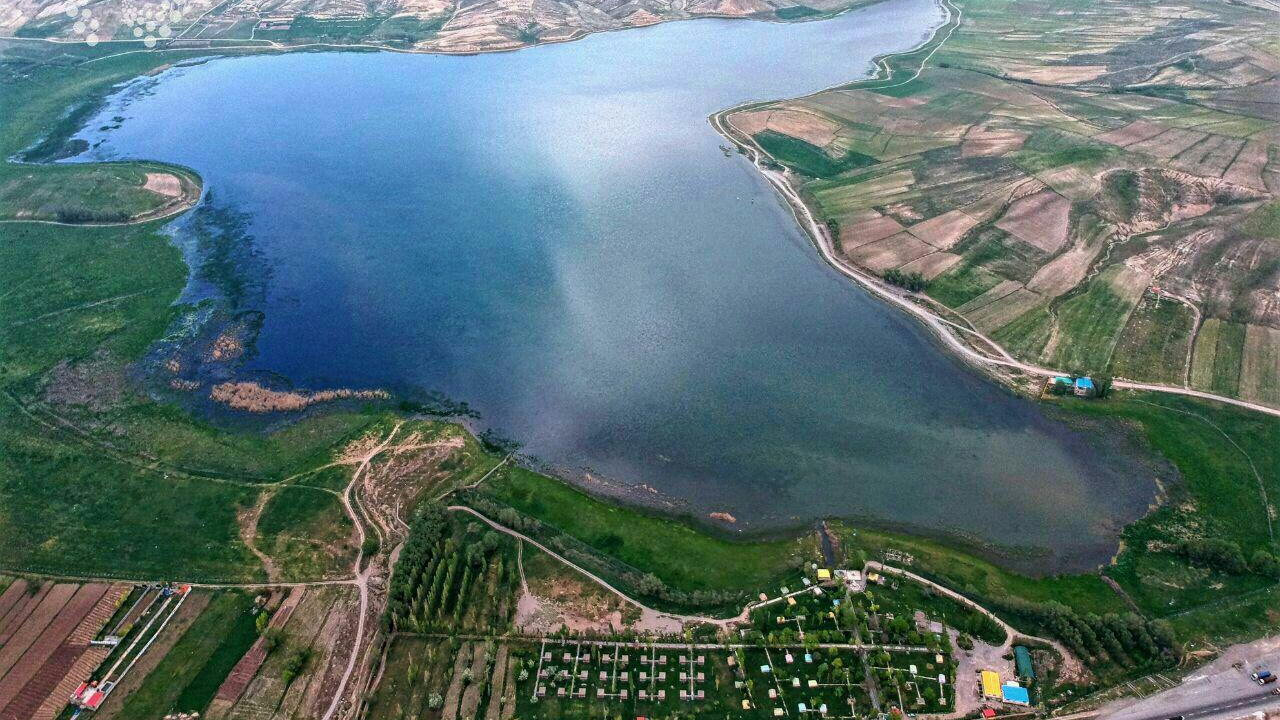
Quri Gol Wetland
Having proper facilities, Ghori Gol Wetland is quite a suitable place for recreation and pending one’s free time.
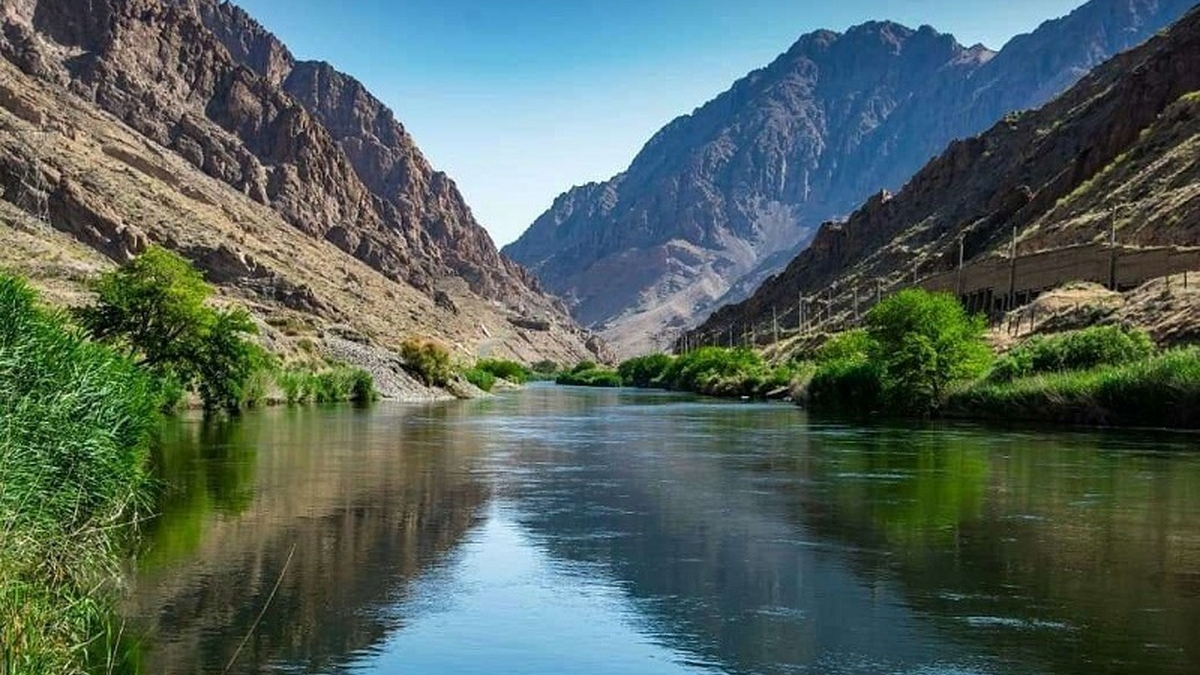
Aras River
In Persian literature, Aras River has been referred to as a place visiting which will make it possible to attain the knowledge of truth.
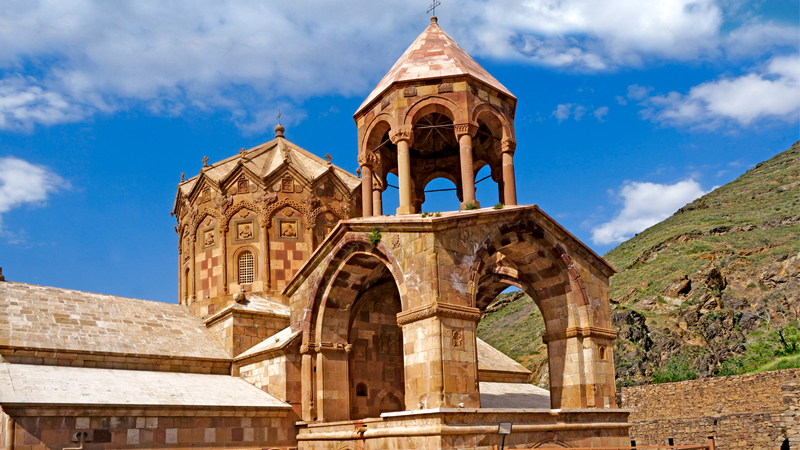
Saint Stepanos Monastery
The Saint Stepanos Monastery, also known in Armenian as Maghardavank, is a historic Armenian monastery and a part of the Armenian Monastic Ensembles of Iran.
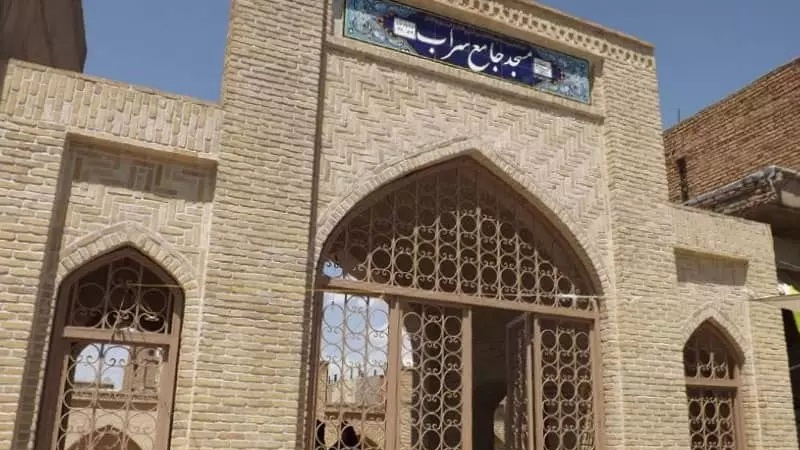
Jame’ Mosque of Sarab
More than 550 years after its establishment, Jame’ Sarab Mosque still maintains its effectiveness and is considered one of the main centers of worship and prayers.
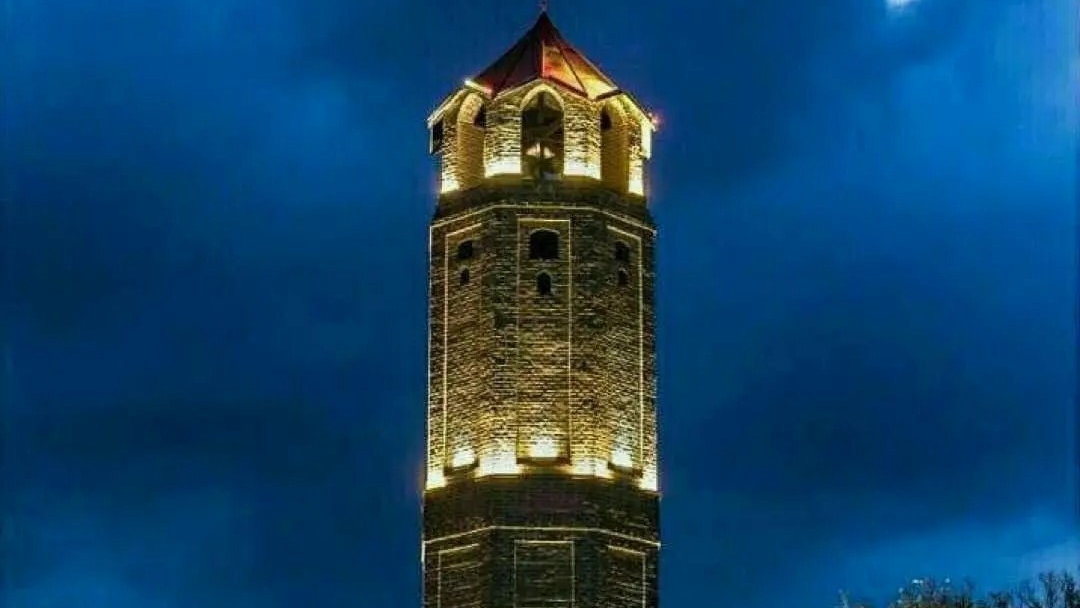
Tabriz Fire Tower
The Tabriz Firefighting Tower is a historical tower and the first firefighter tower built in this city to investigate fire-related incidents by Iran’s first fire station.
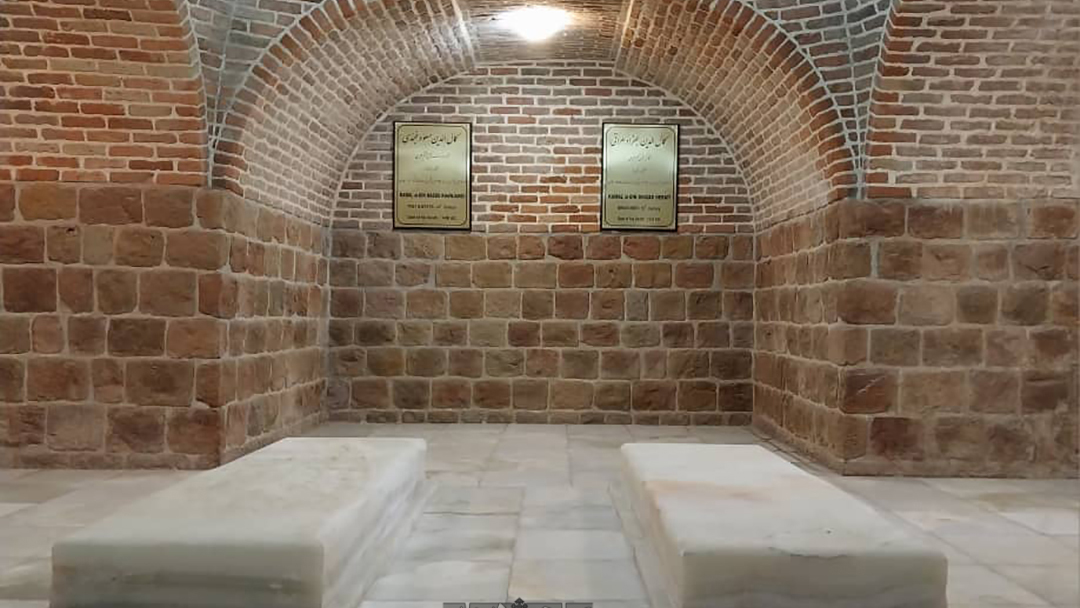
Tomb of Two Kamals
Tomb of Two Kamals, in short, the “2-Kamal Tomb”, is a funerary monument in Tabriz and the burial place of two important figures in the history of literature and art, i.e. Kamaluddin Behzad, a great Iranian painter, and Kamaluddin Khujandi who was a Tajik poet.
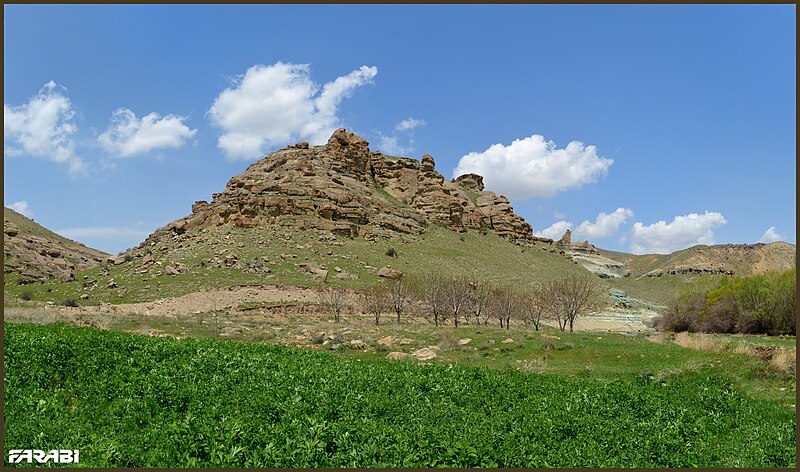
Gowijeh Qal’eh
Gowijeh Qal’eh is a historical castle in Maragheh, which was created in the heart of the mountain and certain parts were added to it in different eras.
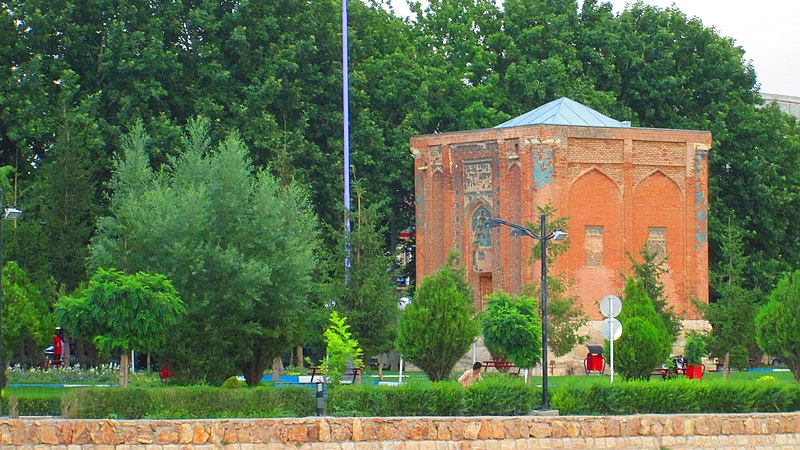
Ghaffariyeh Dome of Maragheh
Located in the heart of a beautiful environment, Ghaffariyeh Dome is actually a tomb that was built during the Ilkhanate era in the 14th century AD.
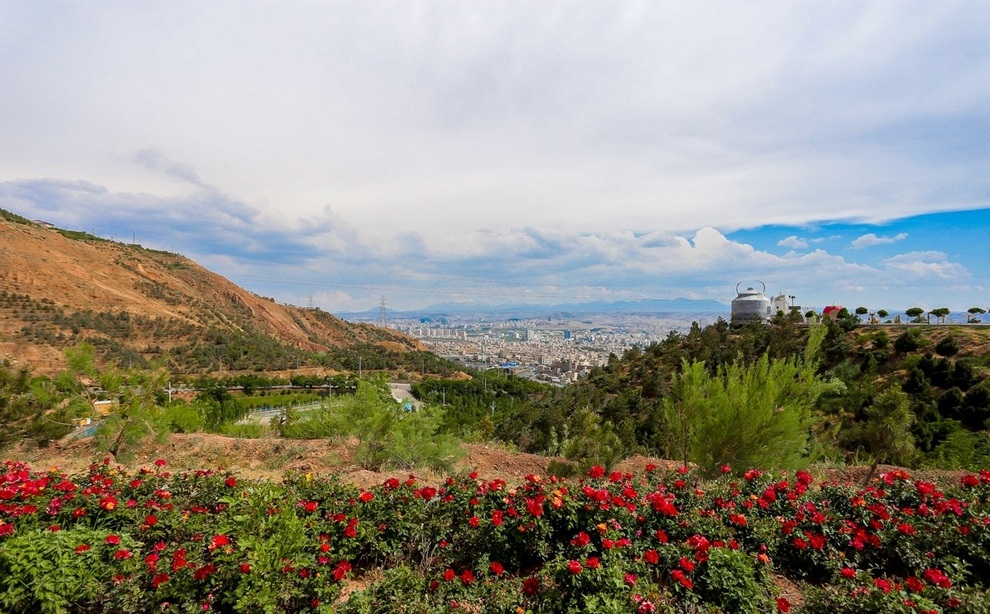
Eynali Mountain of Tabriz
There is a resort in the Eynali Mountain of Tabriz, which is located in a beautiful environment and from where the entire city of Tabriz can be viewed
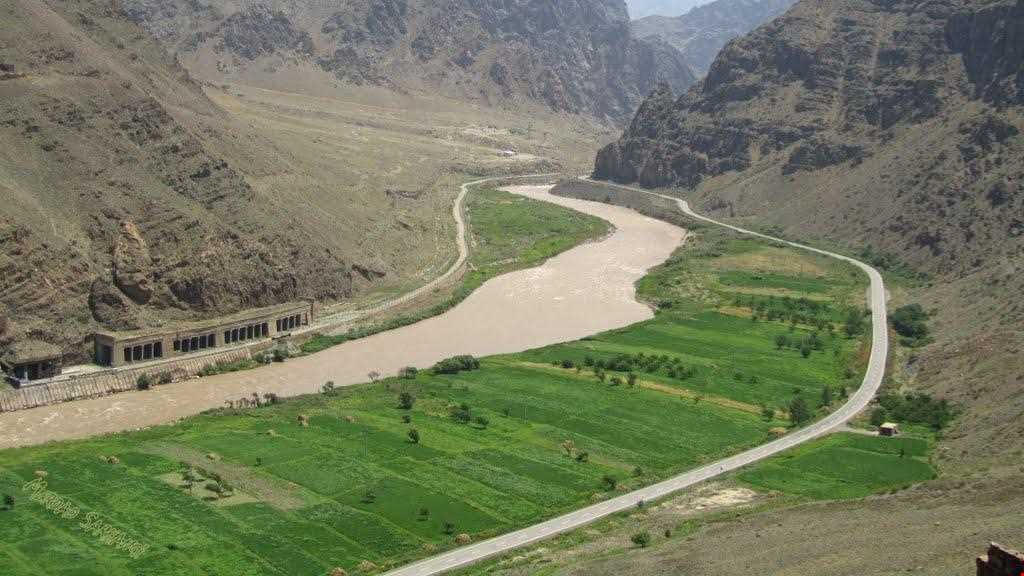
Kantal National Park
Kantal National Park is one of the most pristine natural areas in the north of East Azarbaijan province, which has striking and eye-catching views.
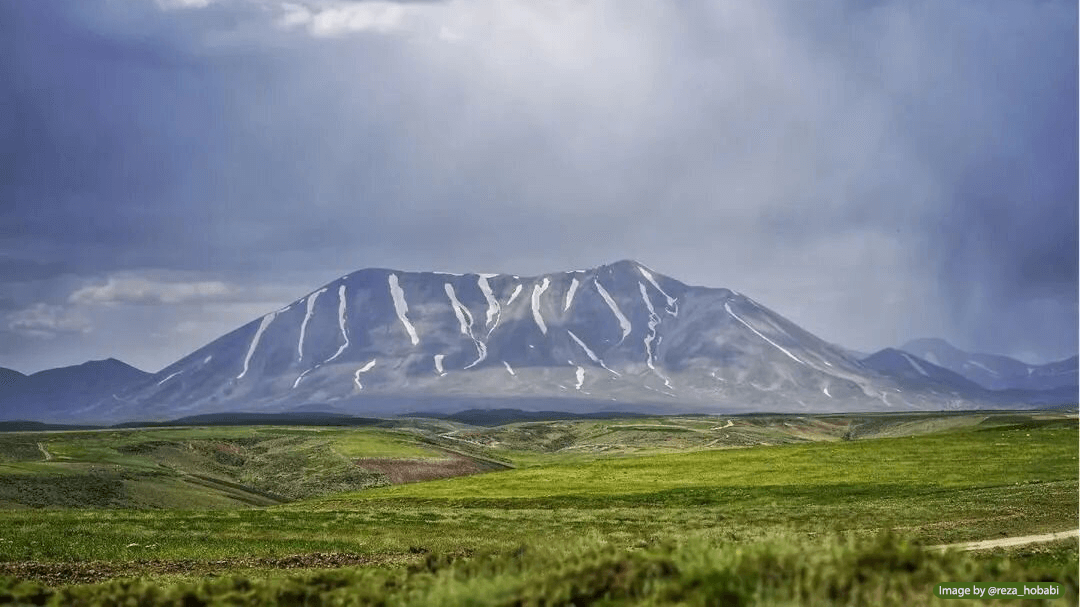
Sahand Mountains
With their unique beauty and stunning views, the Sahand Mountains are one of the popular destinations for nature lovers.
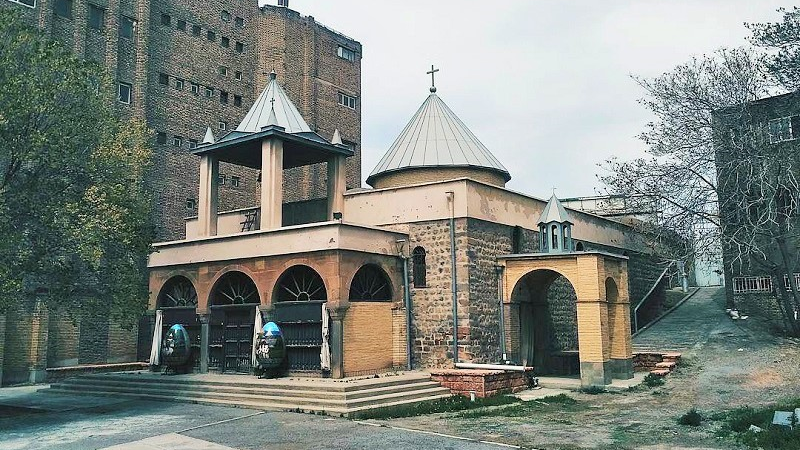
Saint Mary Church of Tabriz
Saint Maryam Church of Tabriz is one of the most important Armenian churches in the world, which also houses a museum.
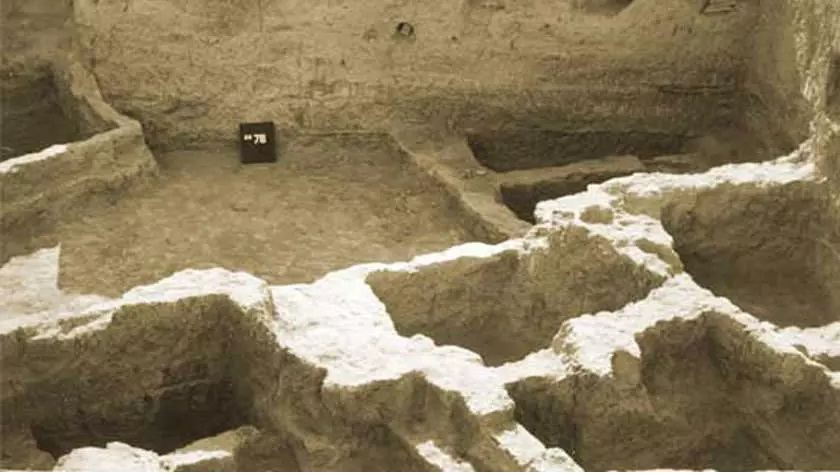
Tall-e Bakun Prehistoric Site
The prehistoric site of Tall-e Bakun, which is located near Persepolis, reveals amazing information about the people of its time.
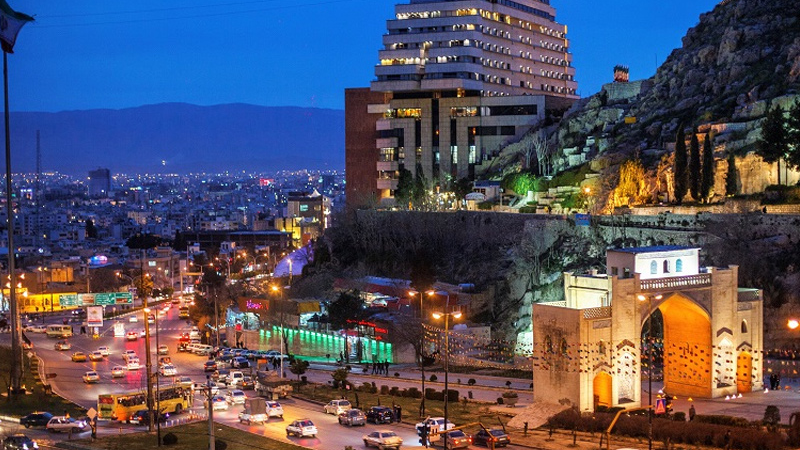
Hafez Avenue of Shiraz
The street known as Hafez today has been a tourist attraction for centuries because of its beautiful scenery and the historical sites it houses.
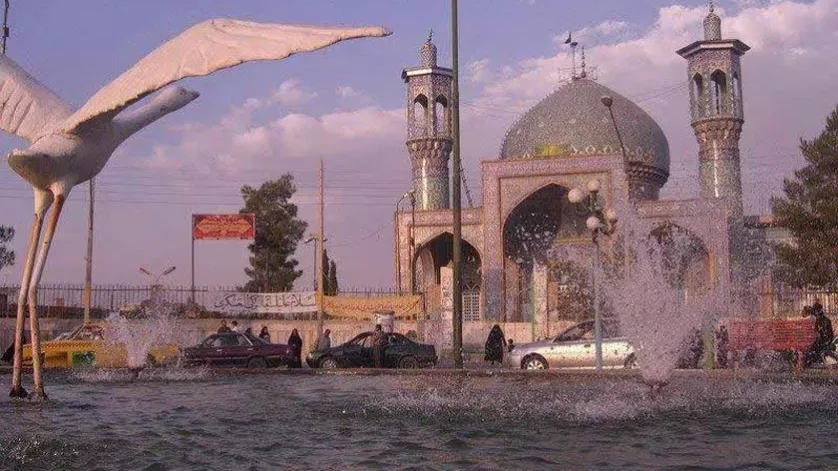
Fasa
Fasa is one of the rather largely populated cities of Fars province of Iran, which has been mentioned in inscriptions related to
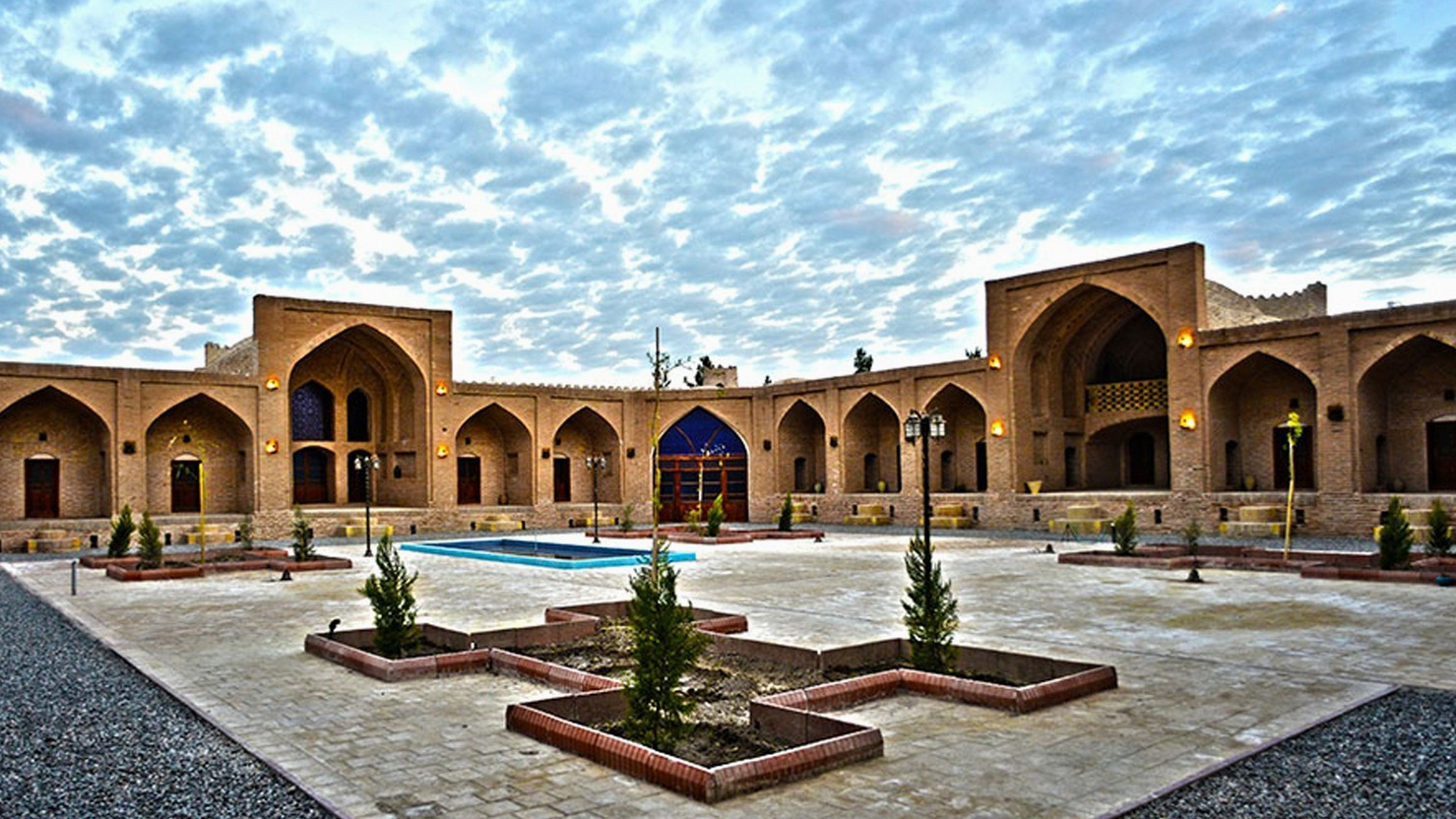
Caravanserais of Shiraz
Despite the fact that the caravanserais of Shiraz are the spectacular heritage of the past, they have been less seen due to being overshadowed by other historical sites of this city.
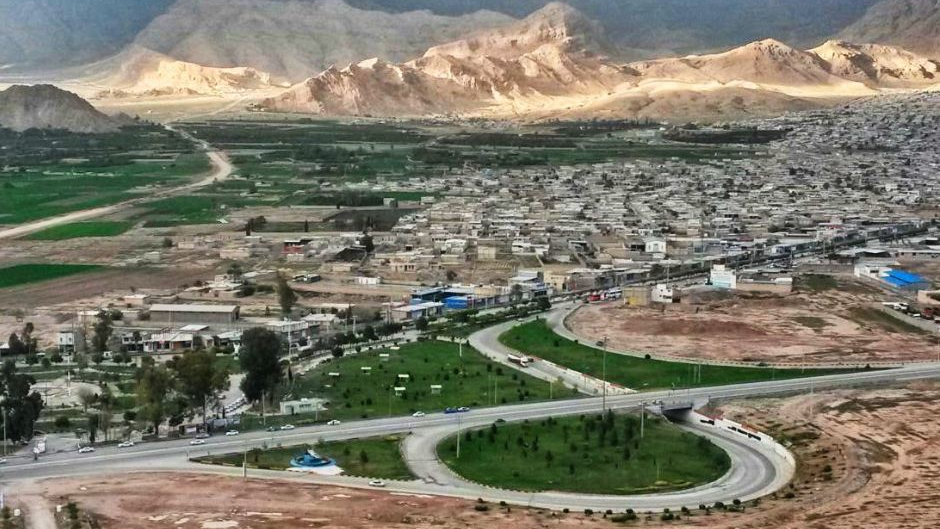
Darab City
In addition to housing several astonishing historical sites, the natural attractions of Darab City of Fars Province of Iran are also very spectacular.
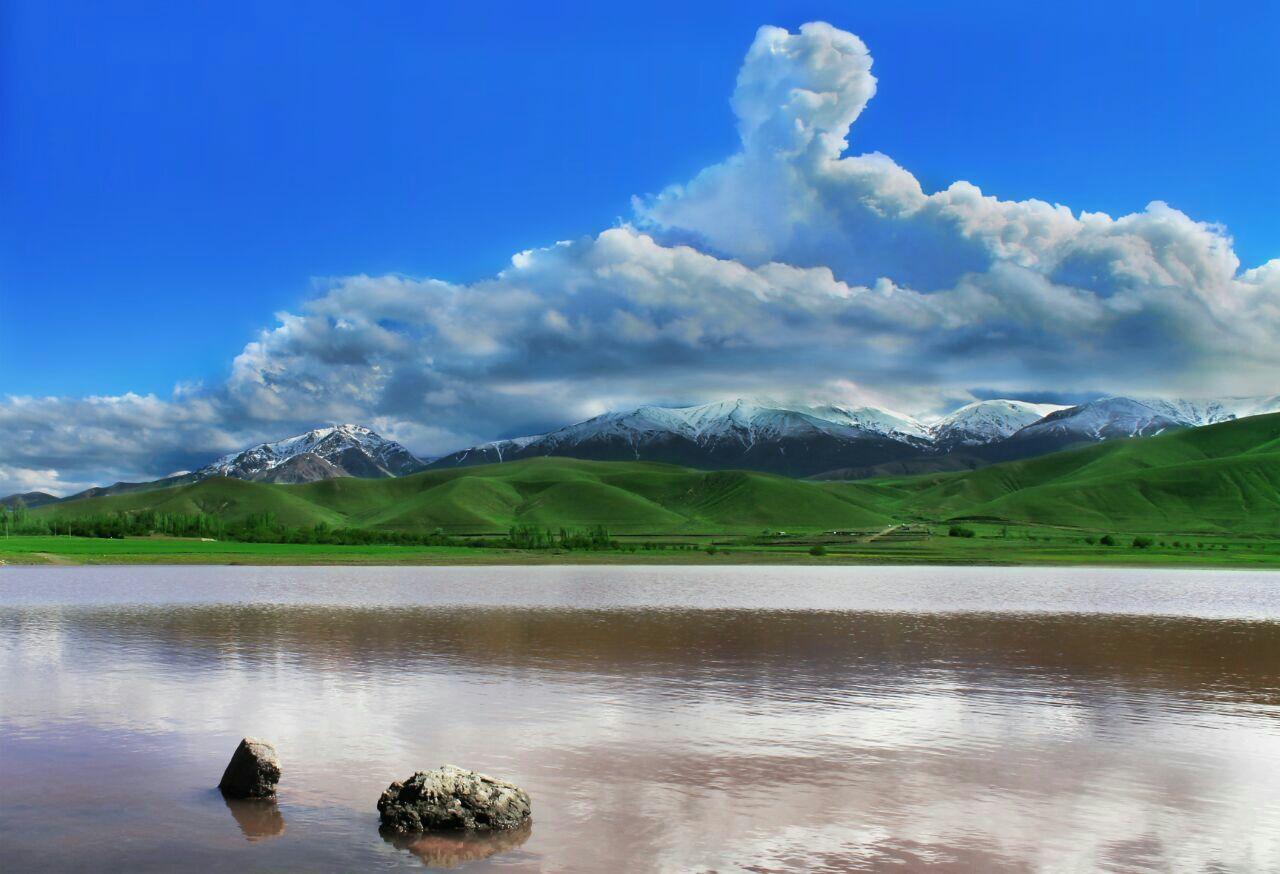
Marand; A 7000 Years Old City
Because of its geographical conditions, Marand City of the East Azarbaijan Province of Iran has always been a prosperous and important city since the distant past.
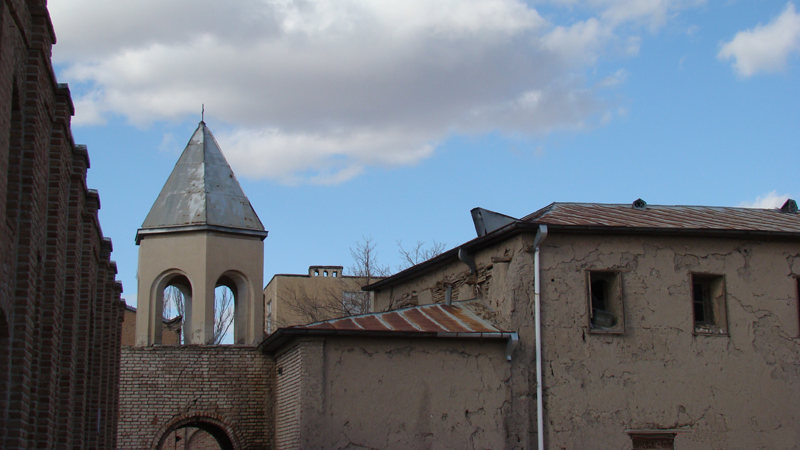
Saint John Church of Maragheh
Maragheh had been one of the most important habitats of Iranian Armenians in past centuries, and the Saint John Church of Maragheh, which is the only church in this city, is their most important historical monument.
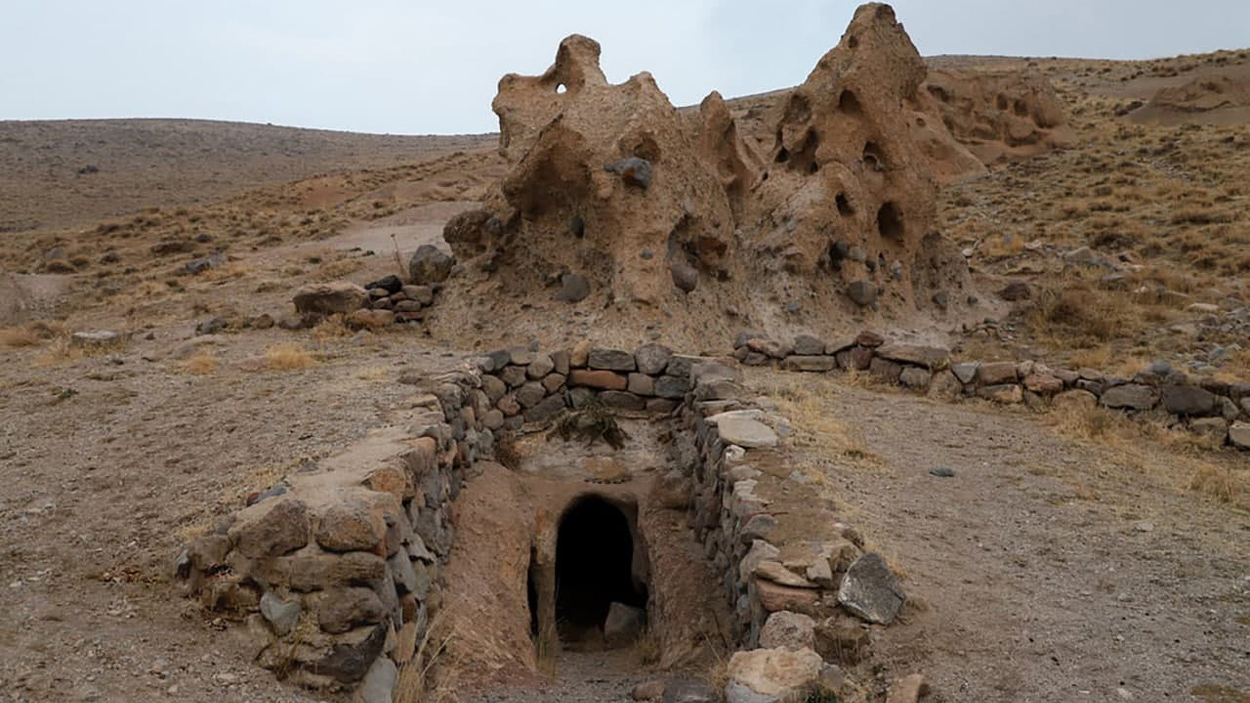
Hilehvar Historical Village
The architectural form of the Hilehvar Historical Village and the creation of houses in the heart of the mountain rocks will astonish every visitor.
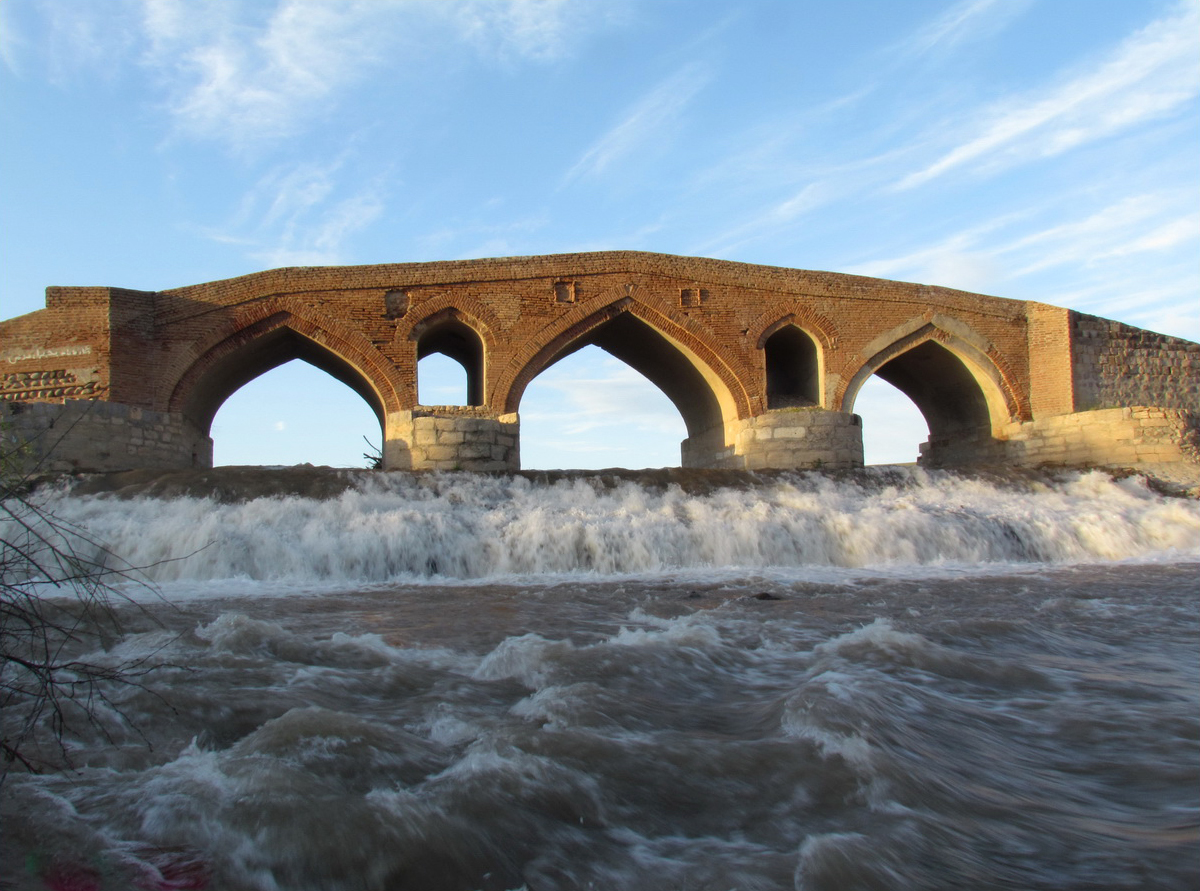
Sarcheshmeh Bridge of Mordaq
Located near the picturesque village of Mordaq, the historical Sarcheshmeh Bridge of Mordaq, in East Azerbaijan Province of Iran, which was built five centuries ago, still stands strong.
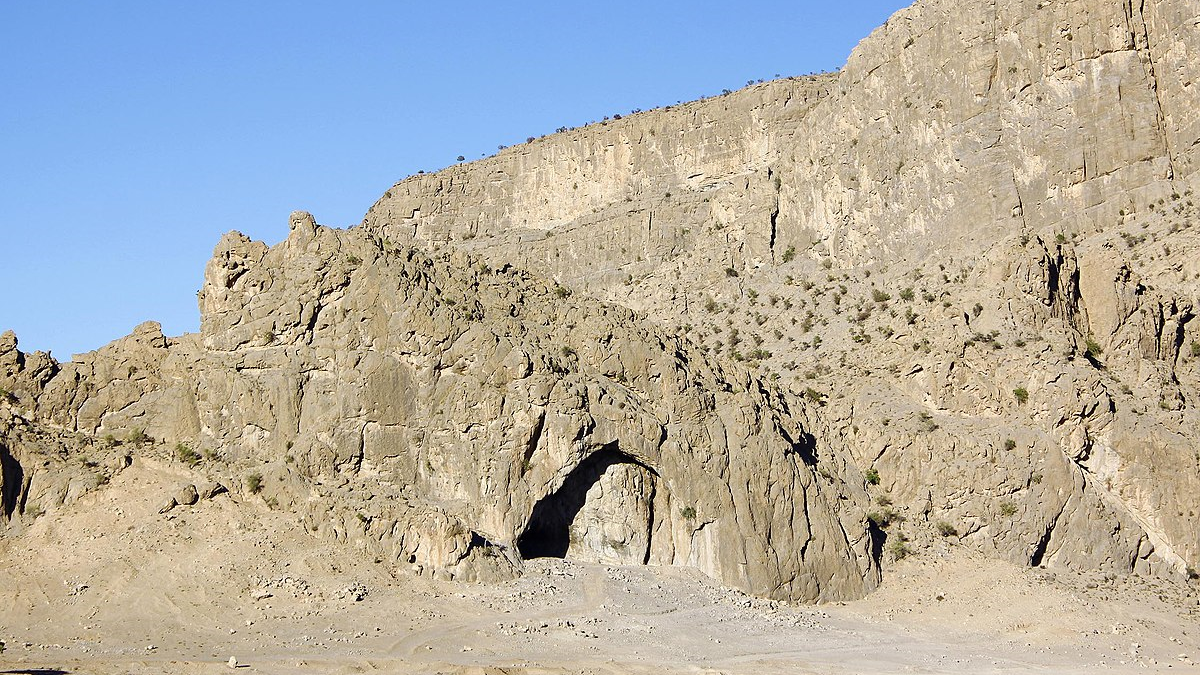
Saydeh Khatoon Cave of Arsanjan
Archeological explorations in Sayedah Khatoon Cave have proved that this 70 thousand-year-old cave had been the house of several human generations.
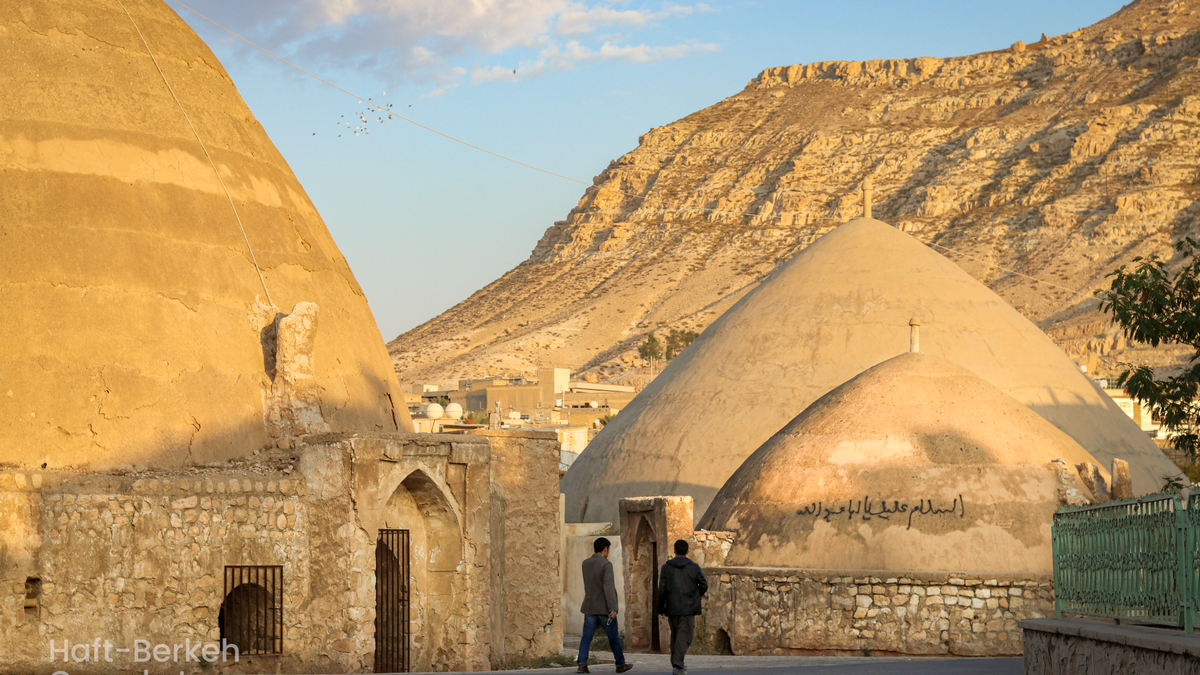
Reservoirs of Gerash
The reservoirs of Gerash are large artificial lakes used for storing the surface waters during the rainy season.
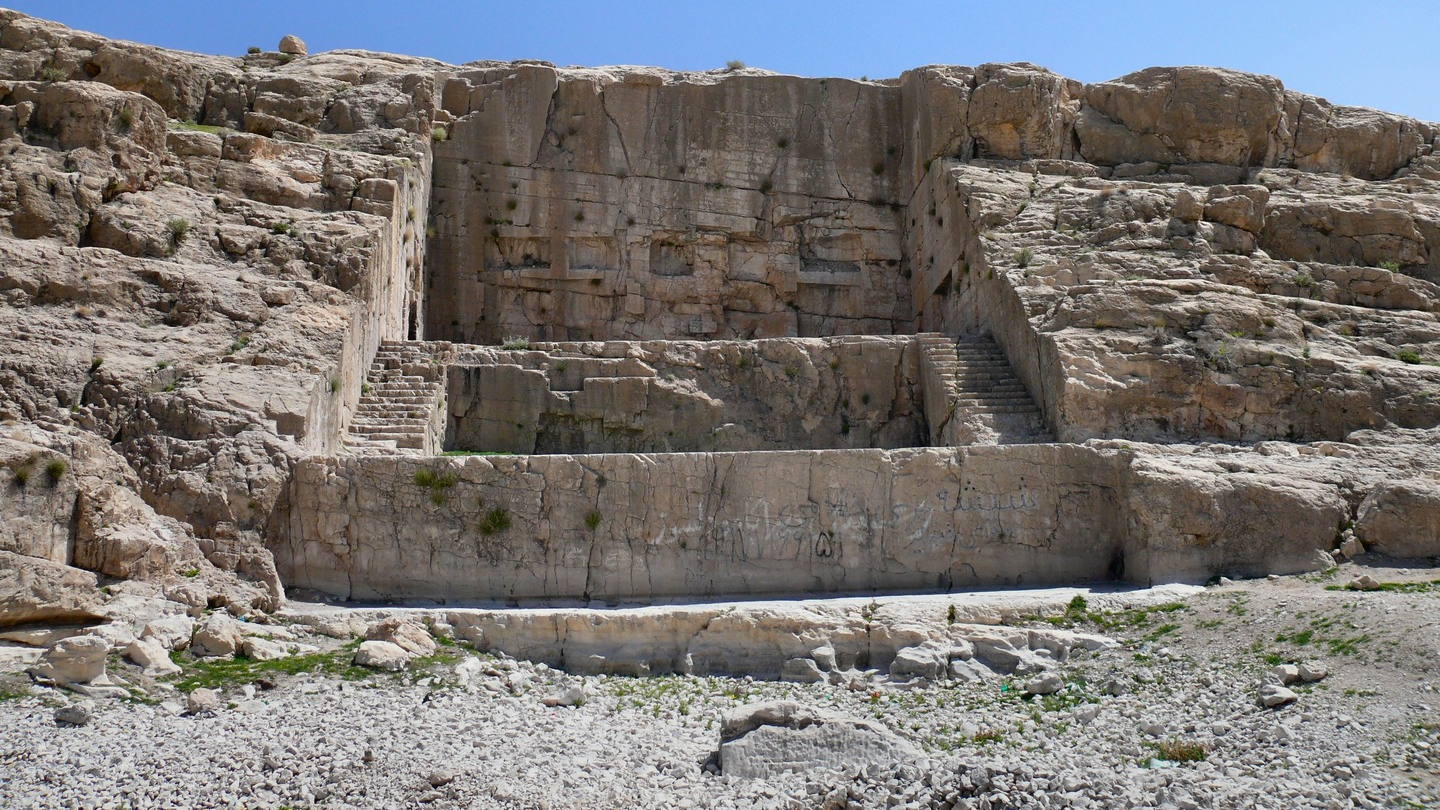
Arsanjan
Housing pristine natural attractions, Arsanjan is believed to have been a human settlement seven thousand years ago!
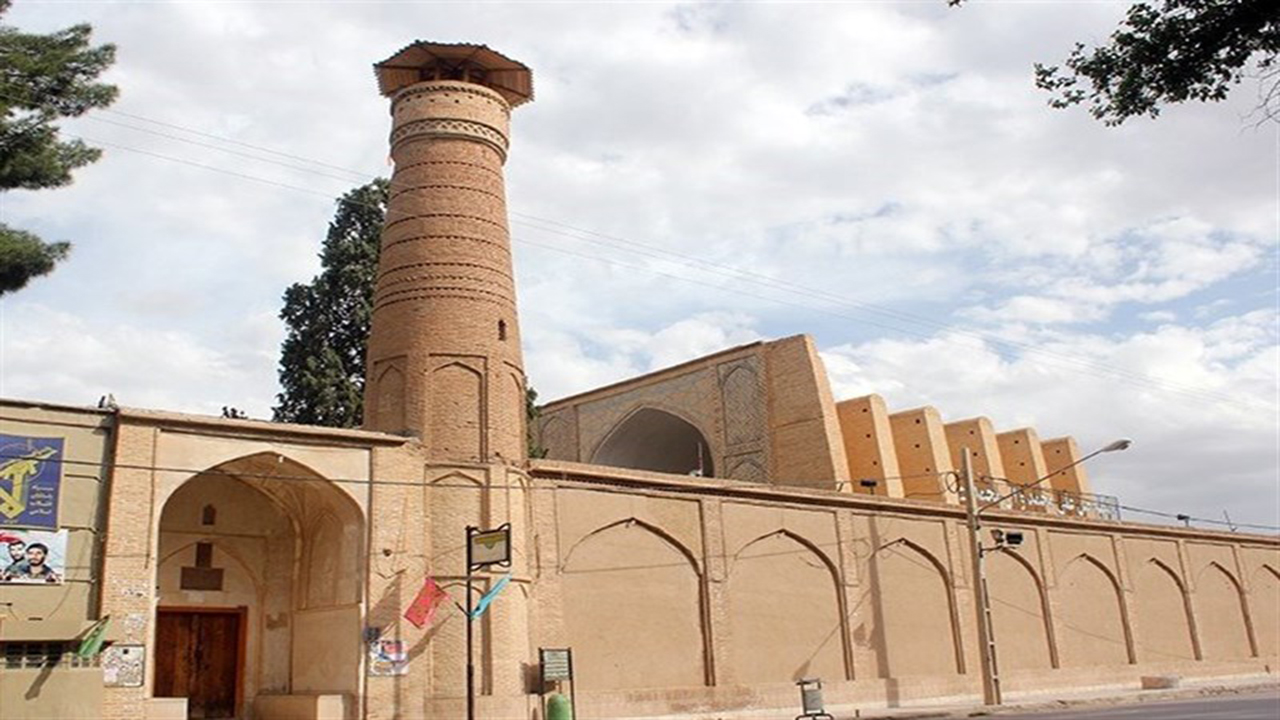
Jame’ Mosque of Neyriz; A Mosque with a Pre-Islamic Architecture
Jame’ Mosque of Neyriz - the city that is located about 200 km from Shiraz - should be considered one of the oldest mosques in Iran, which according to experts, was built on the ruins of an old fire temple.
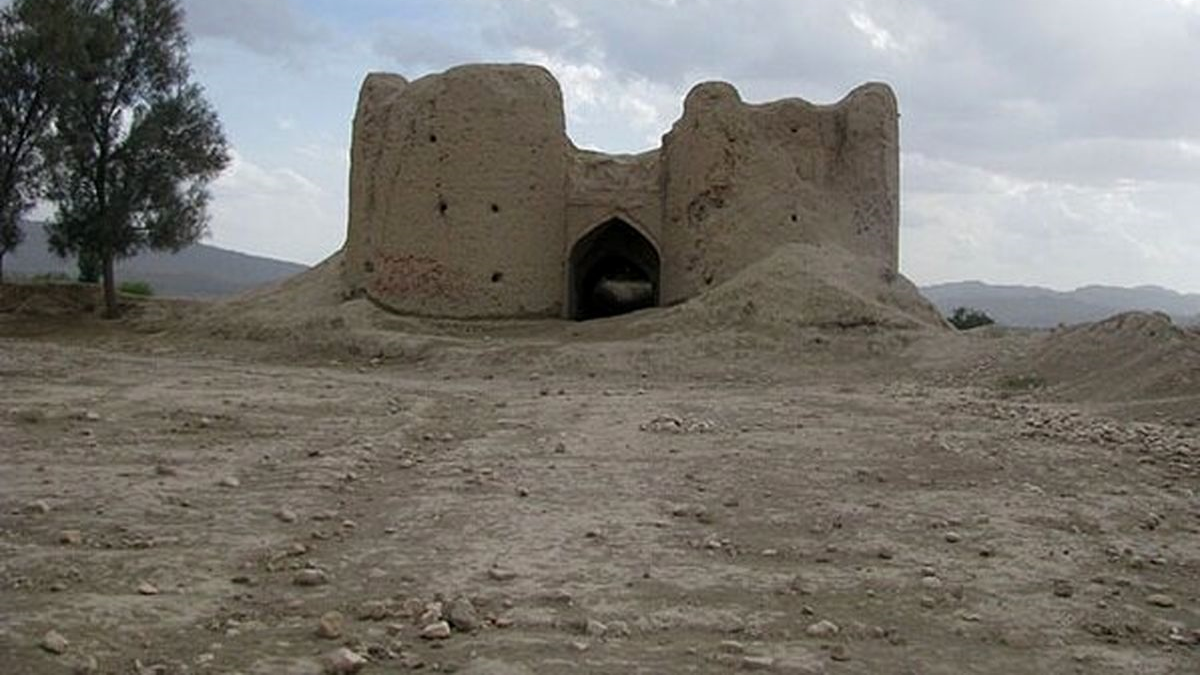
Forg District of Darab
Having a pristine and pleasant nature, the Forg district of Darab City is considered a suitable destination for nature lovers.
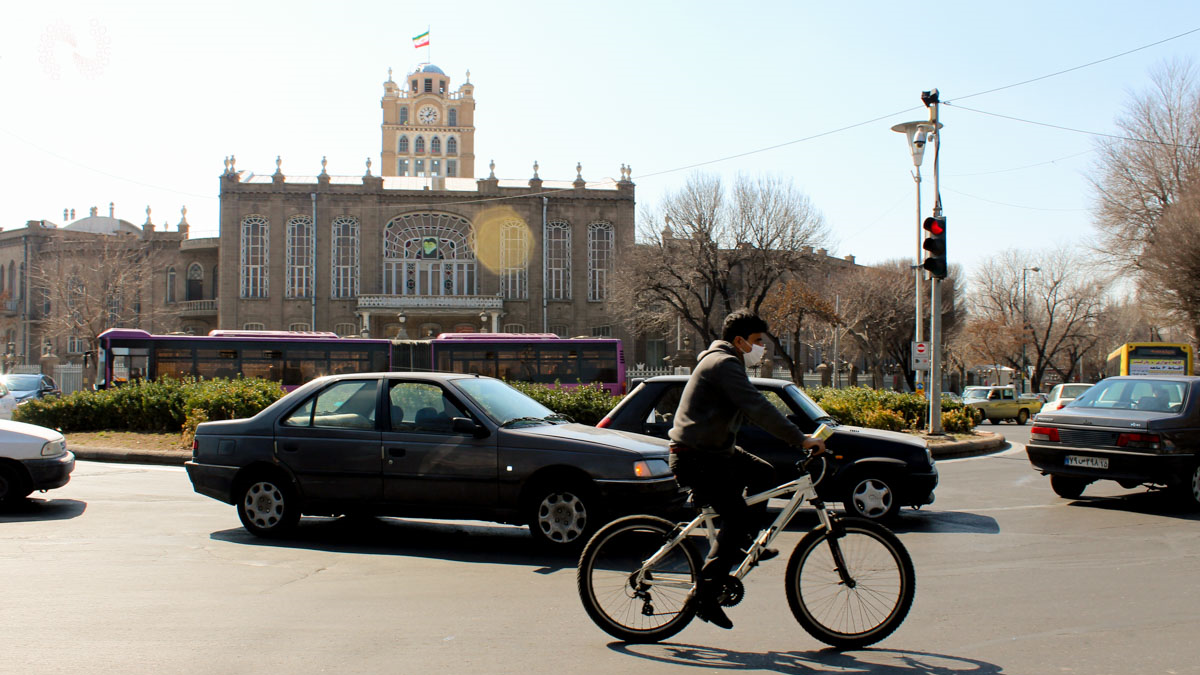
Sa’at (Clock) Square of Tabriz
The most important and busiest square of Tabriz City, Sa’at Square is the modern symbol of a historical city.
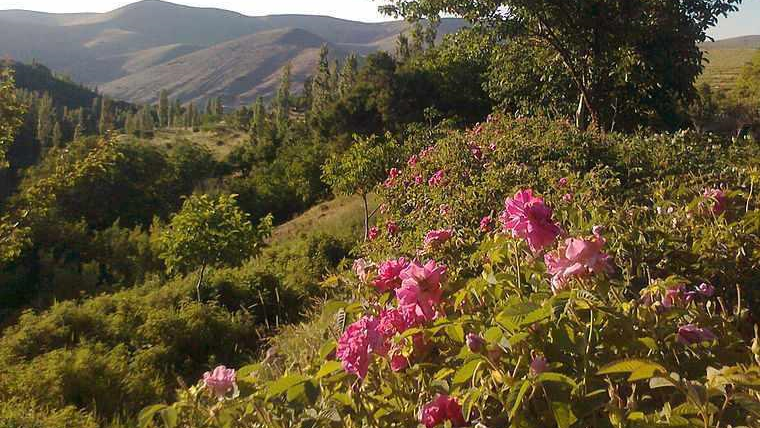
Majarshin Village
Situated in the heart of the mountains of East Azarbaijan Province of Iran, Majarshin Village is an excellent destination for tourists who look for natural and historical attractions.
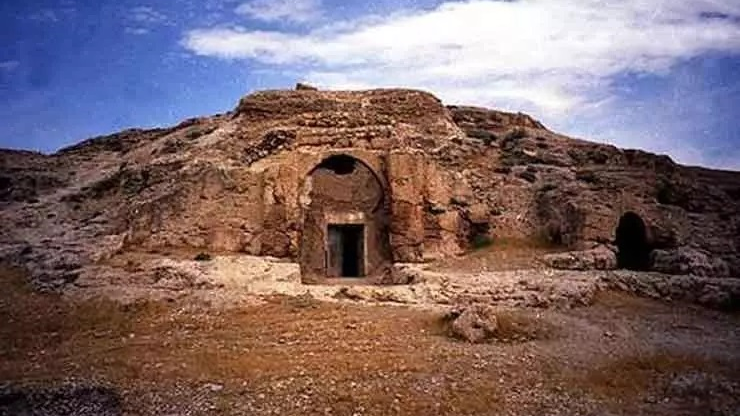
Azar Ju Fire Temple
Darabgerd was one of the most important cities of the Iranian governments before the advent of Islam and the existence of fire temples like “Azar Ju” Fire Temple is a sign of its importance in ancient Iran.
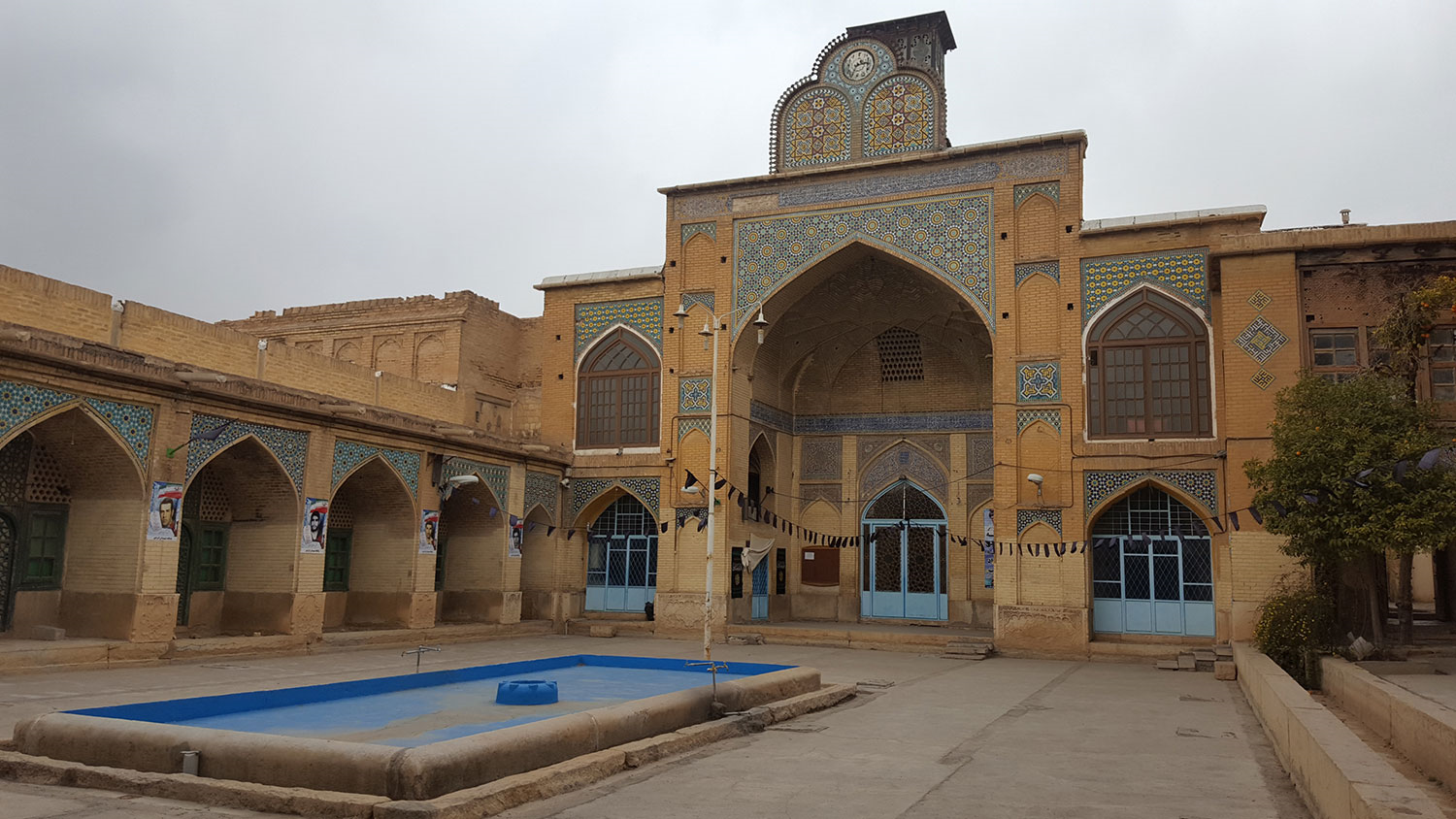
Moshir al-Molk Mosque of Shiraz
Moshir al-Molk Mosque of Shiraz can be considered one of the most beautiful mosques in this city where the oldest clock in Shiraz is installed on one of its walls.
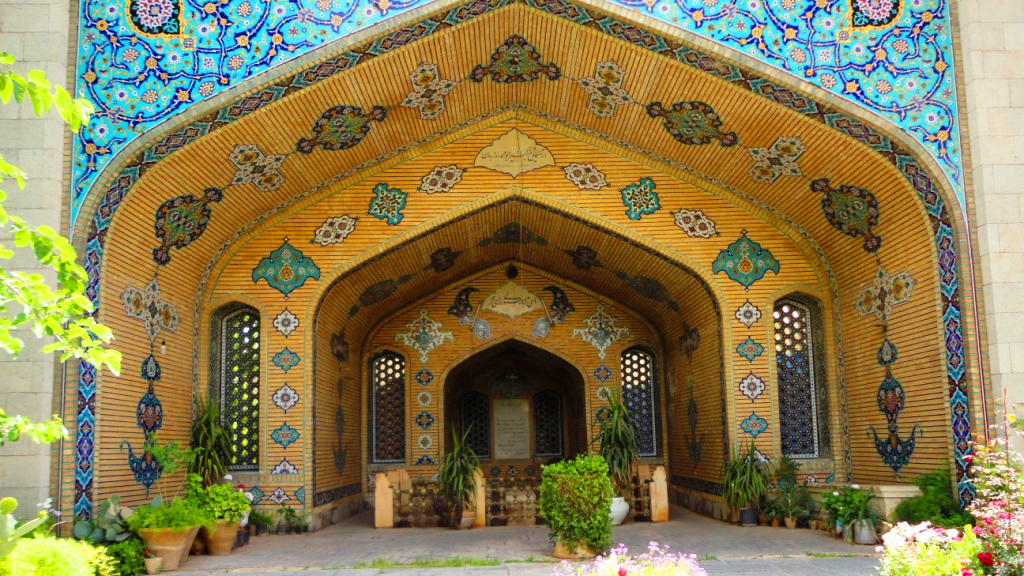
Sheikh Ruzbehan’s Tomb
Sheikh Ruzbehan lived about 800 years ago and was considered one of the greatest mystics and scholars of his time.
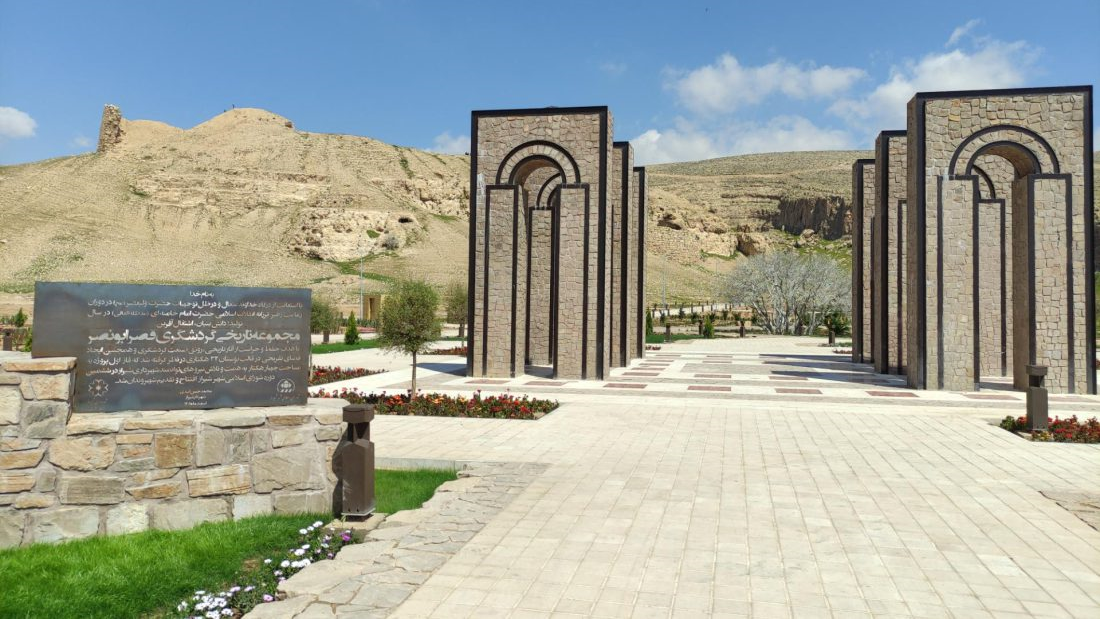
Qasr-e Abu Nasr and Barm-e Delak
The existence of Qasr-e Abu Nasr (Abu Nasr Palace) or Takht-e Sulayman and Barm-e Delek proves that human settlement in the area that we know today as “Shiraz” dates back more than 1700 years ago.
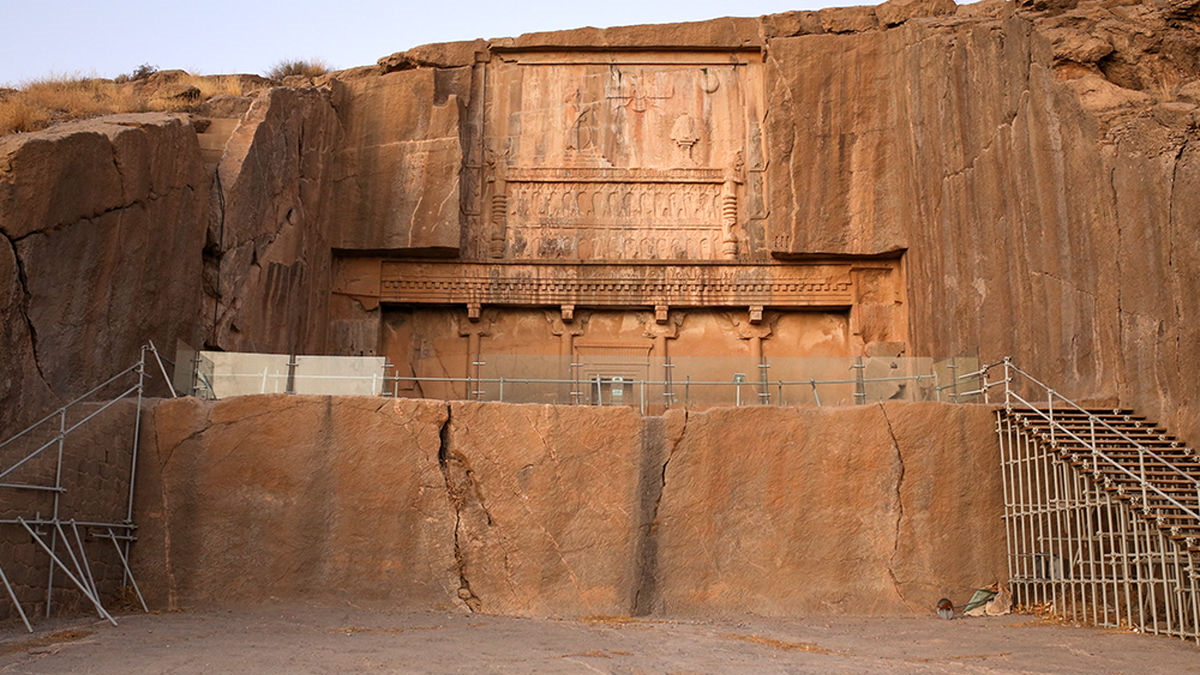
Ivan-e Qadamgah of Arsanjan
The 2500 years old Ivan-e Qadamgah of Arsanjan, still has many unrevealed secrets
_crop_3.jpg)
Hormod Protected Area; The Habitat of the World’s Smallest Ovis
Hormod Protected Area is located between Fars and Hormozgan provinces and in Larestan County and it is famous for being the habitat of the world’s smallest ovis.
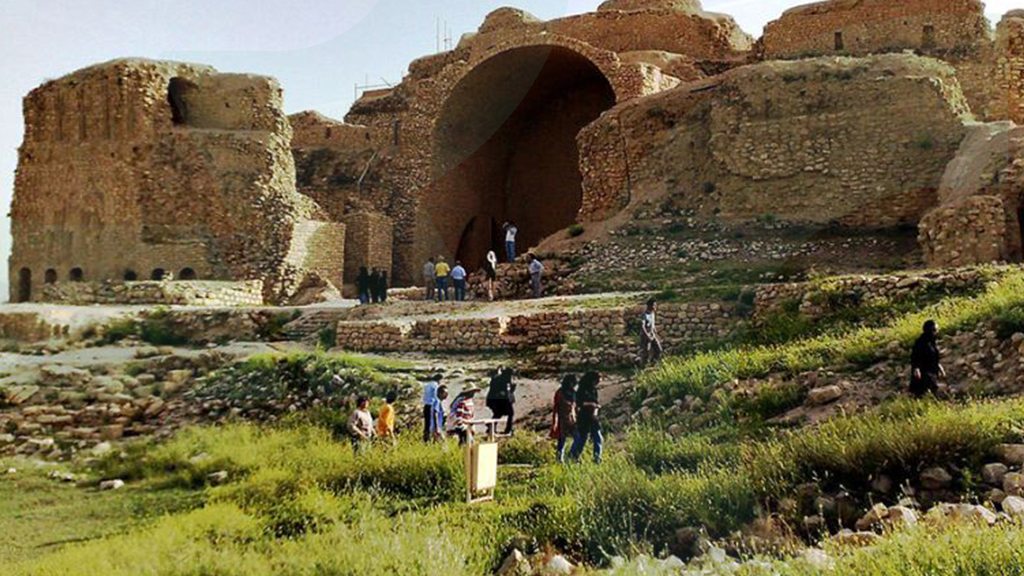
Azar Faranbagh Fire Temple
Azar Faranabgh Fire Temple was one of the biggest fire temples in ancient Iran, where only kings and high-ranking Zoroastrian priests were allowed to enter and see the sacred fire inside.
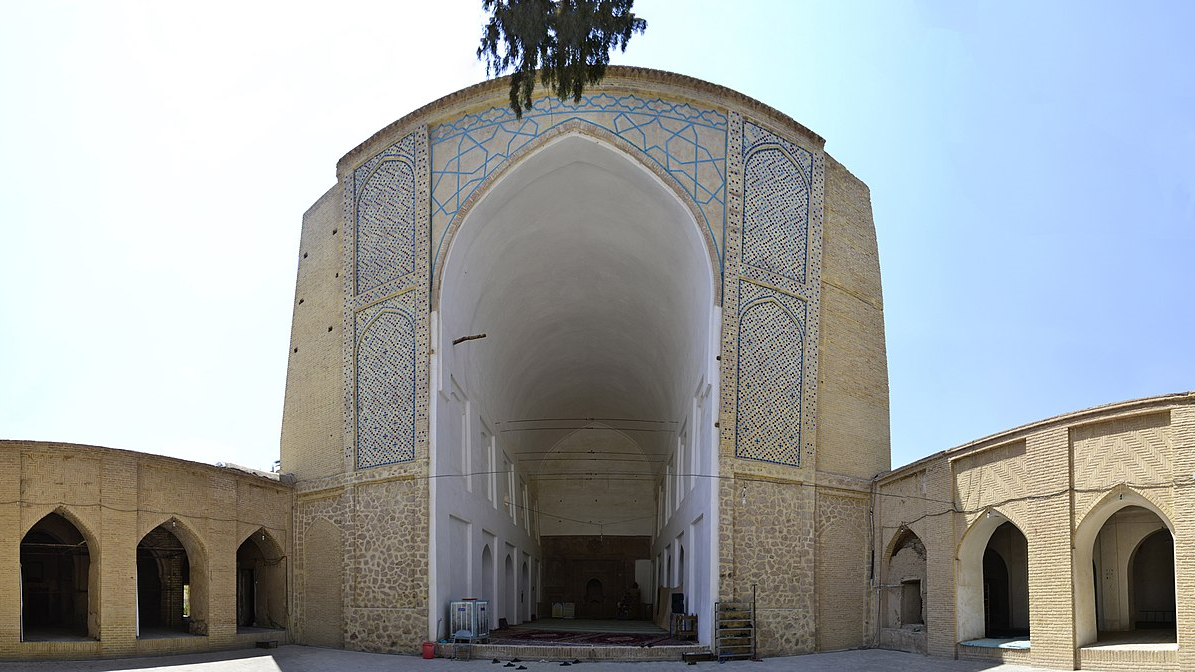
Neyriz
Being situated among several important cities in the center and south of Iran, the ancient city of Neyriz has been of geographical importance since the distant past and is considered one of the important cities of southern Iran.
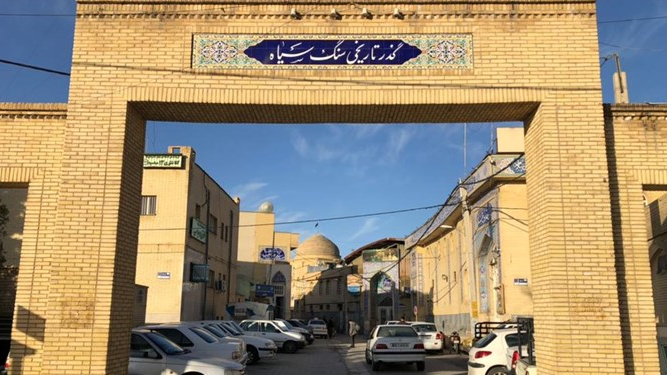
Sang-e Siah (Black Stone) Neighborhood of Shiraz
Sang-e Siah Neighborhood of Shiraz, one of the oldest in this city, houses many historical monuments.
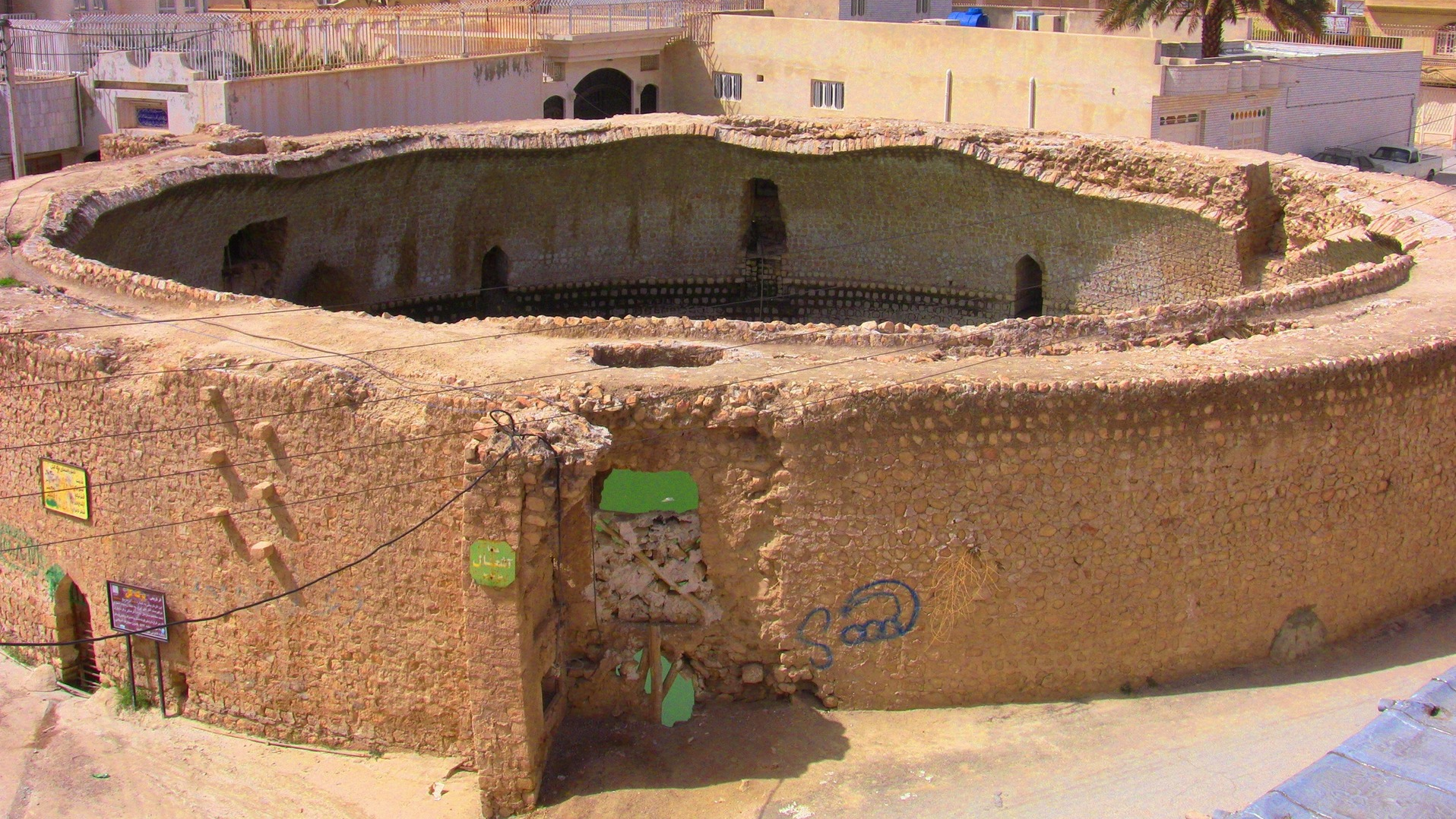
Kal Pond; the Largest Reservoir of Iran
Reservoirs are structures for storing water and using it in low rainy seasons. There are many water reservoirs in Iran, the largest one of which is the Kal Pond of Gerash.
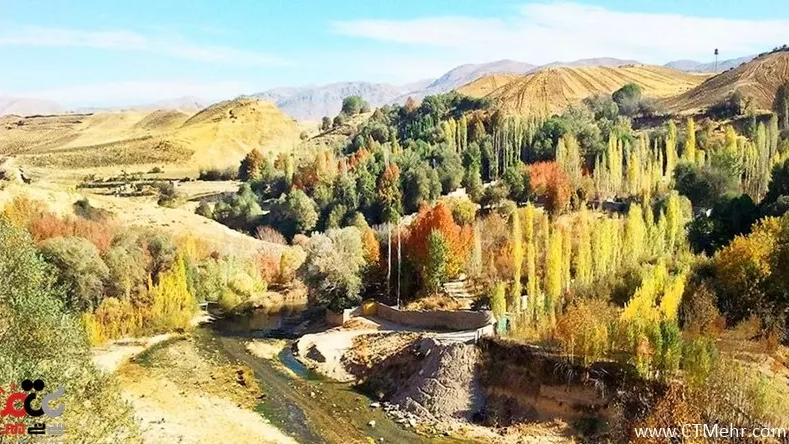
Firouzabad and Its Natural Attractions
The untouched nature and diverse landscapes of Firouzabad make the pleasure of nature tourism indescribable.
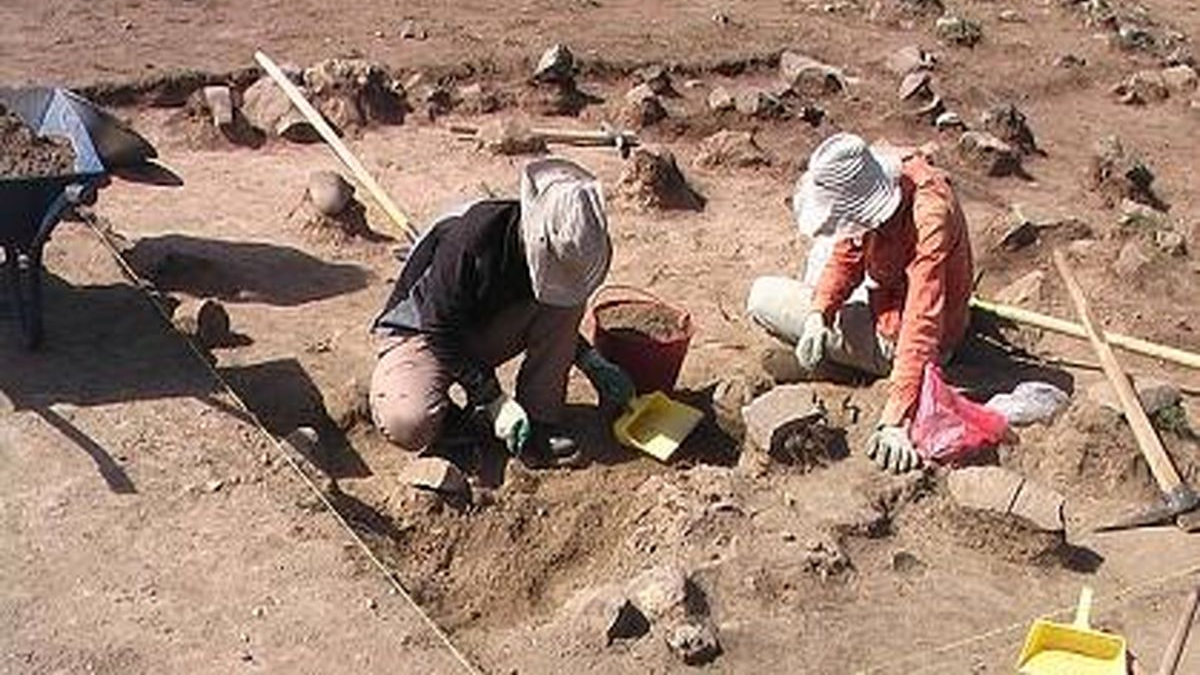
Tall-e Nokhodi
Tall-e Nokhodi is one of the ancient sites of Fars province, which - in all probability - was a human habitat seven thousand years ago.
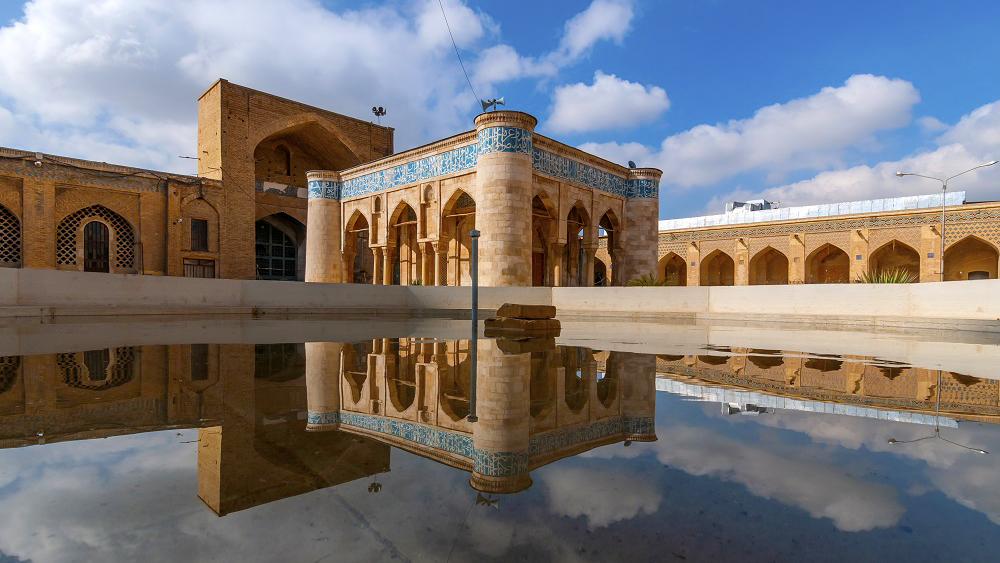
Jame’ Atiq Mosque of Shiraz
The oldest mosque of Shiraz, the antiquity of which dates back to more than 11 centuries ago.
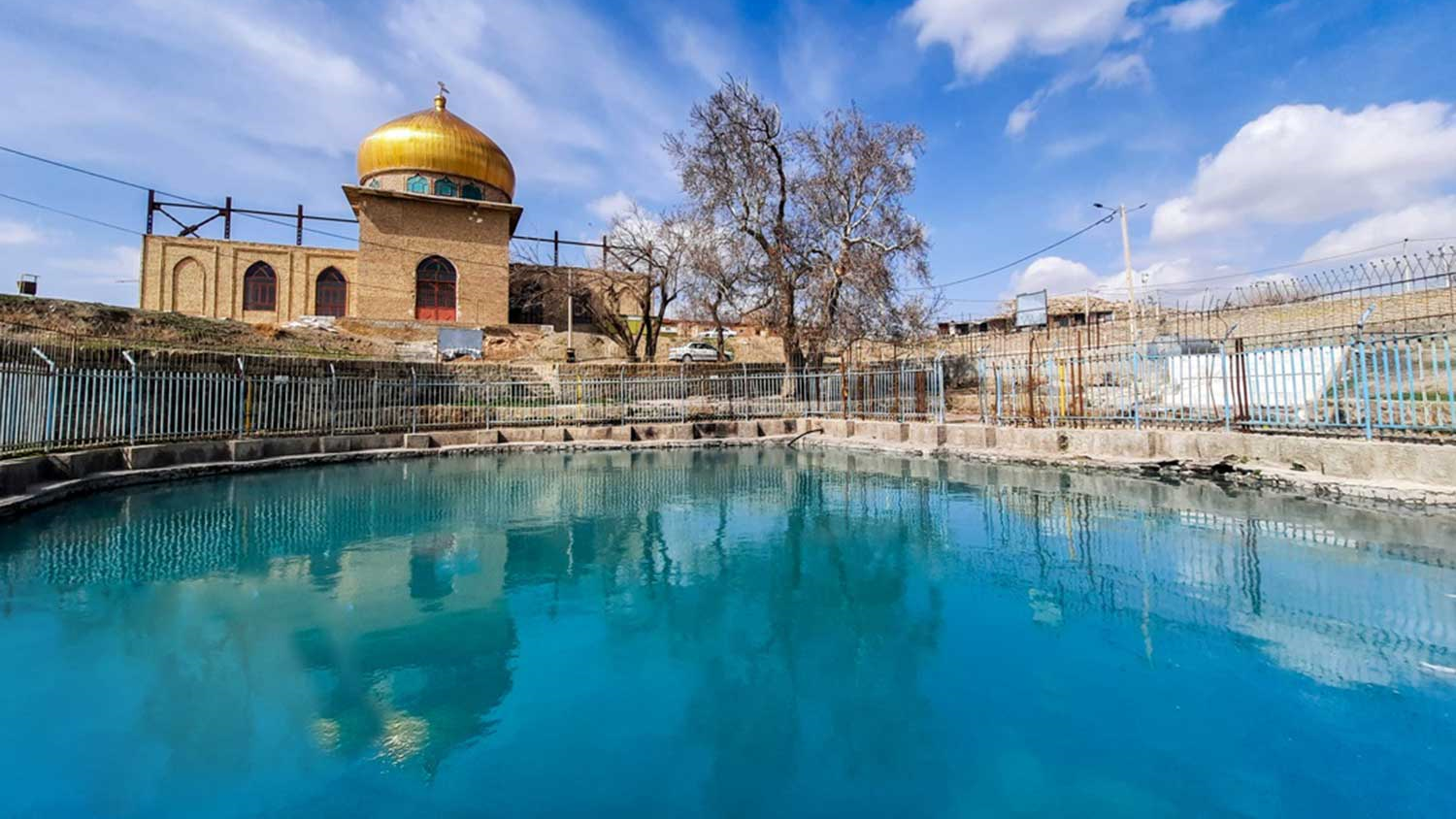
Less-Known Tourist Attractions of Marvdasht
Although Marvdasht is generally famous for Persepolis, it also houses several less-known historical attractions that make traveling to this city a memorable experience.
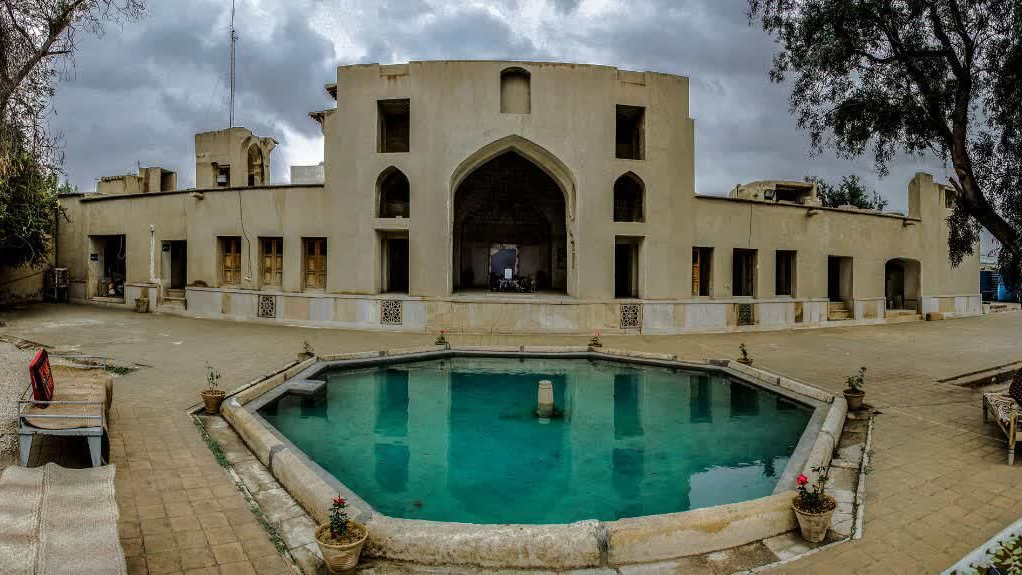
Neshat Historical Garden of Lar
The mansion in the Neshat Garden of Lar was the residence of the local rulers of Lar, and although some parts of it have been damaged, it still looks quite glorious.
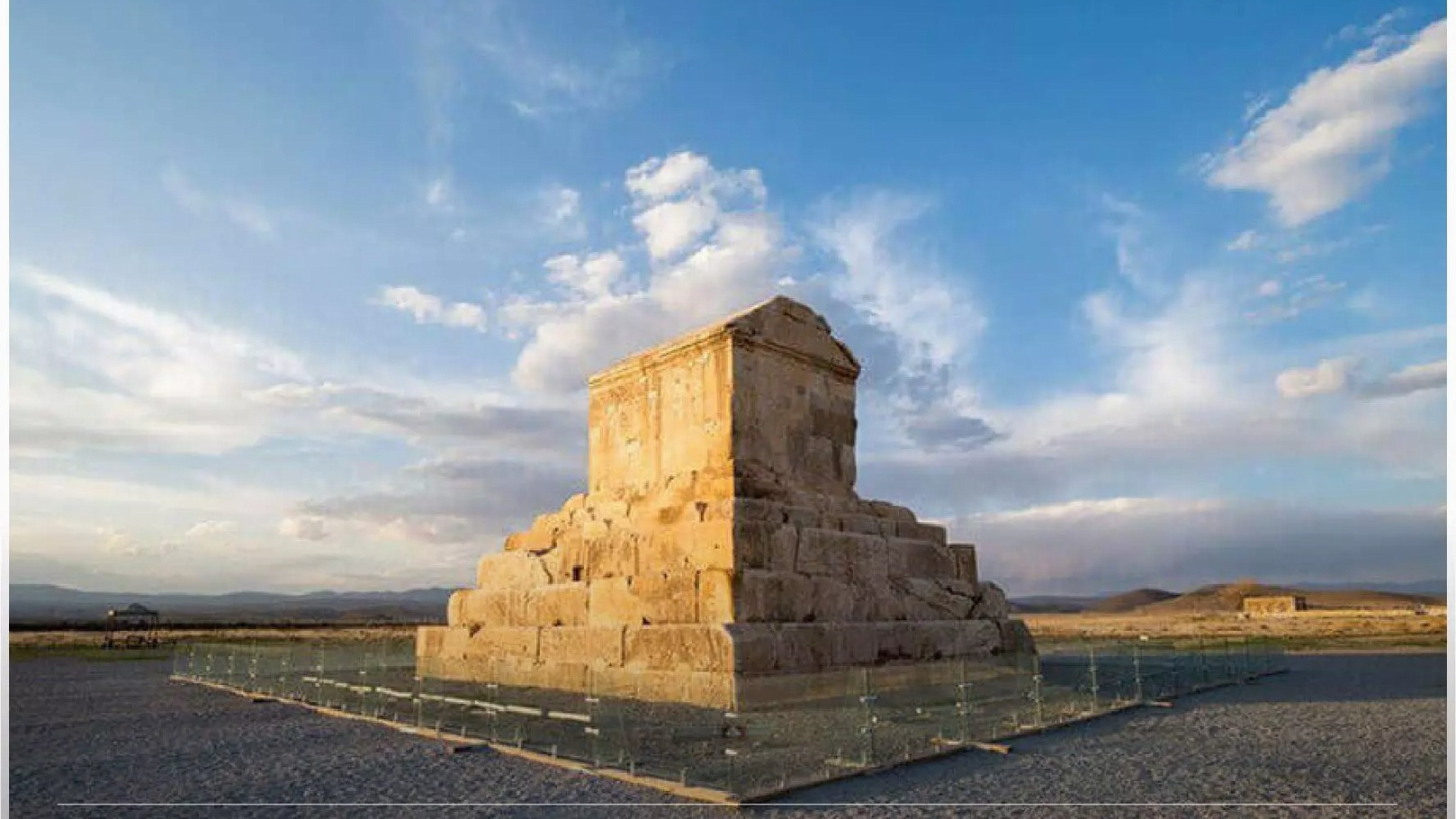
Pasargad County
Although famous for the Pasargad ancient site located in it, there are many historical hills in Pasargad county that have not yet been subjected to archeological explorations.
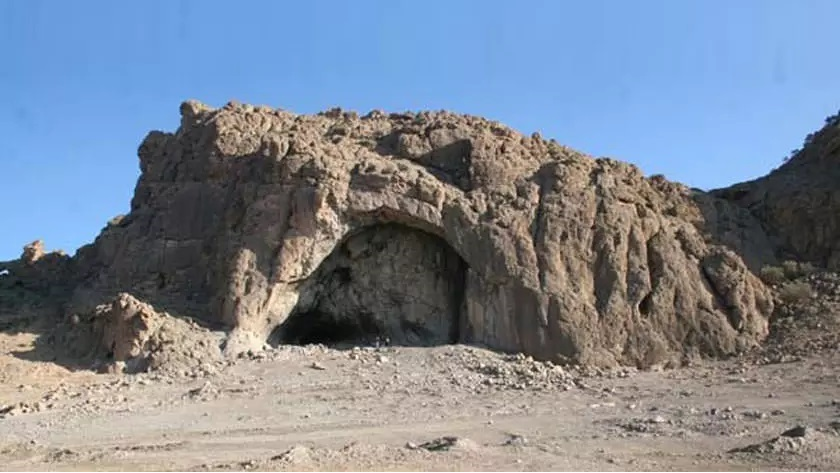
Tall-e Teimouran
According to experts, the expertise that had been used to make the potteries found in Tall-e Teimouran had suddenly disappeared and reappeared a hundred years later.
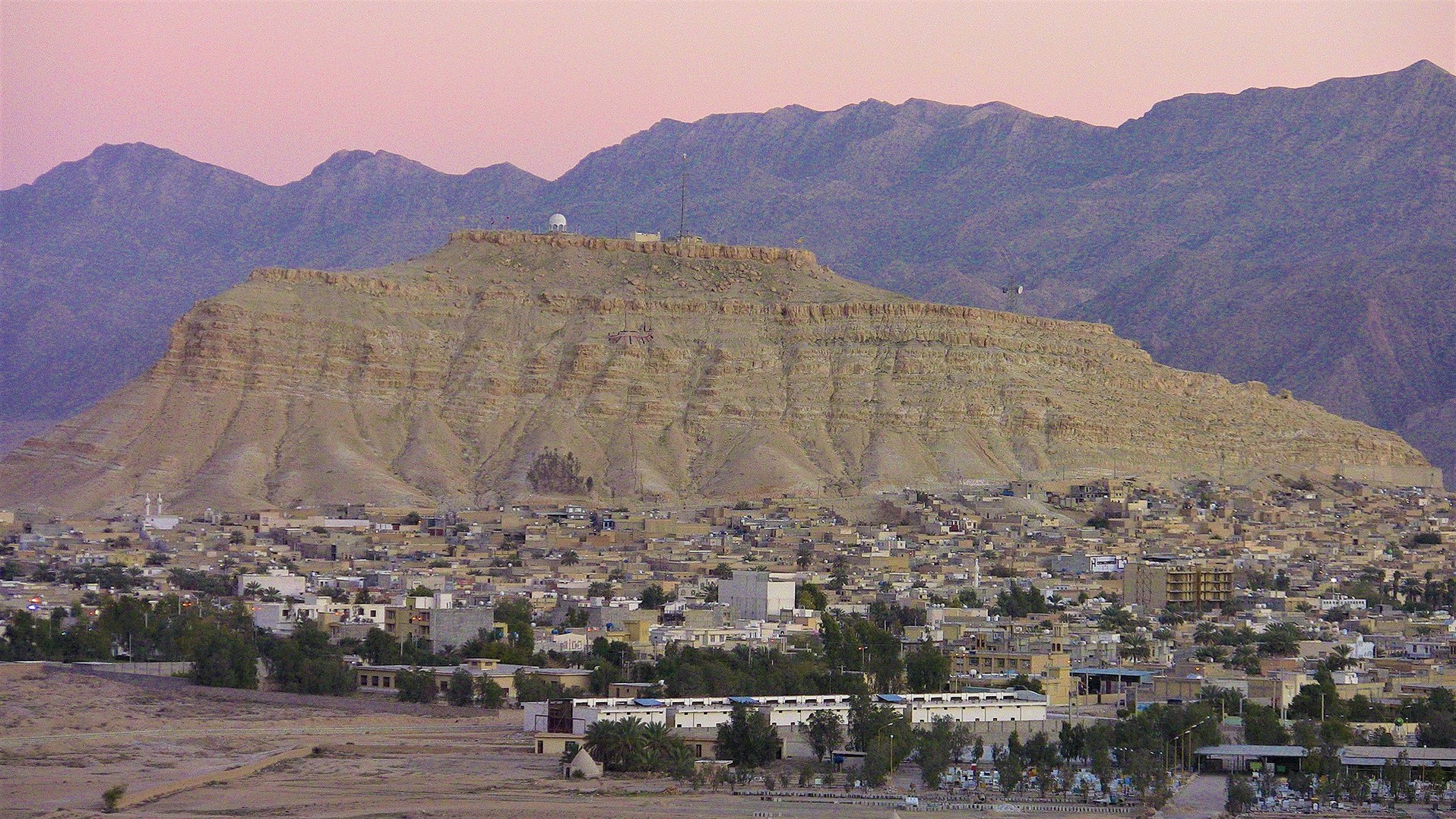
Gerash
Situated in the southern part of Fars Province, Gerash is a city with a collection of historical monuments since 2000 years ago.
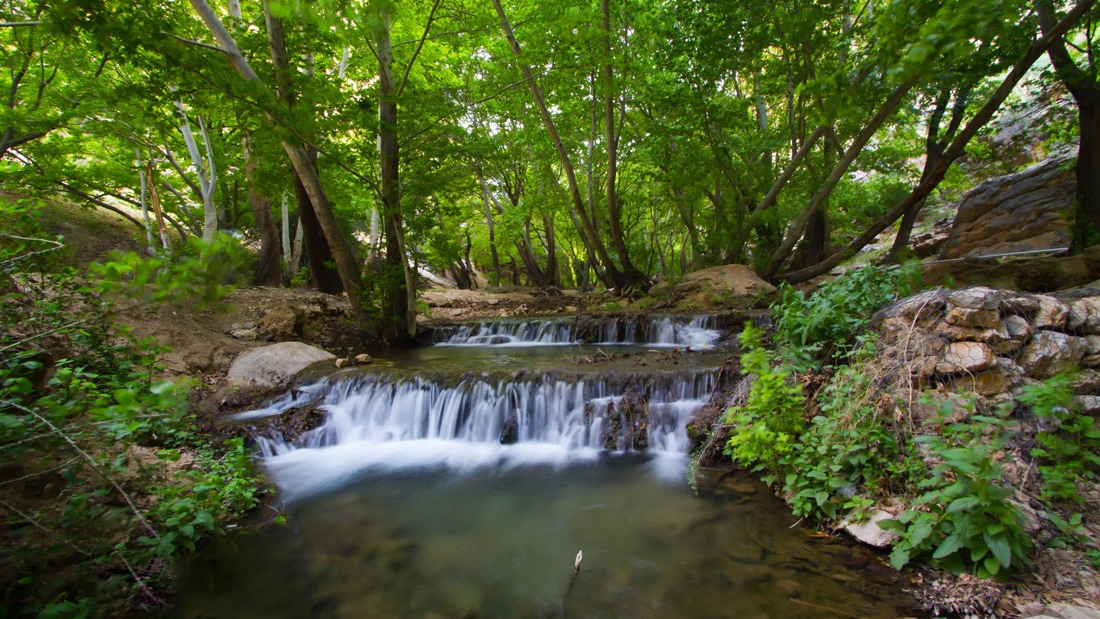
Marvdasht
Besides its natural beauty and eye-catching attractions, Marvdasht houses many ancient monuments, which make the trip to this city very pleasant.
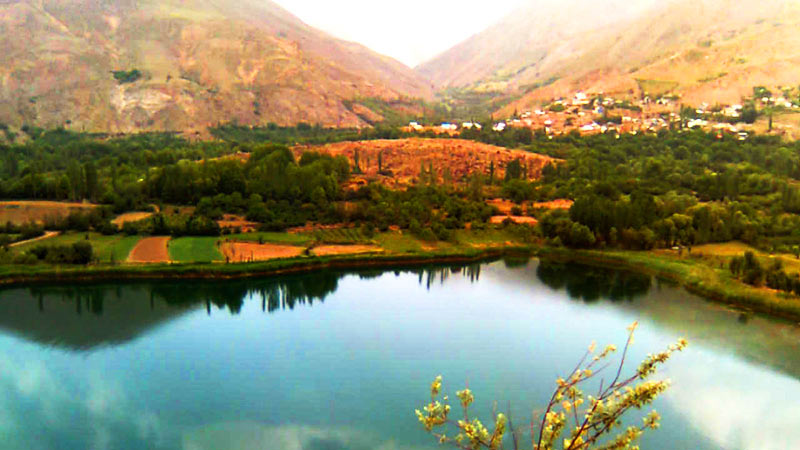
Kazeroun
A trip to Kazeroun provides a unique opportunity to visit the largest oak forest in Iran and an amazing collection of artifacts left from the Sasanian era.
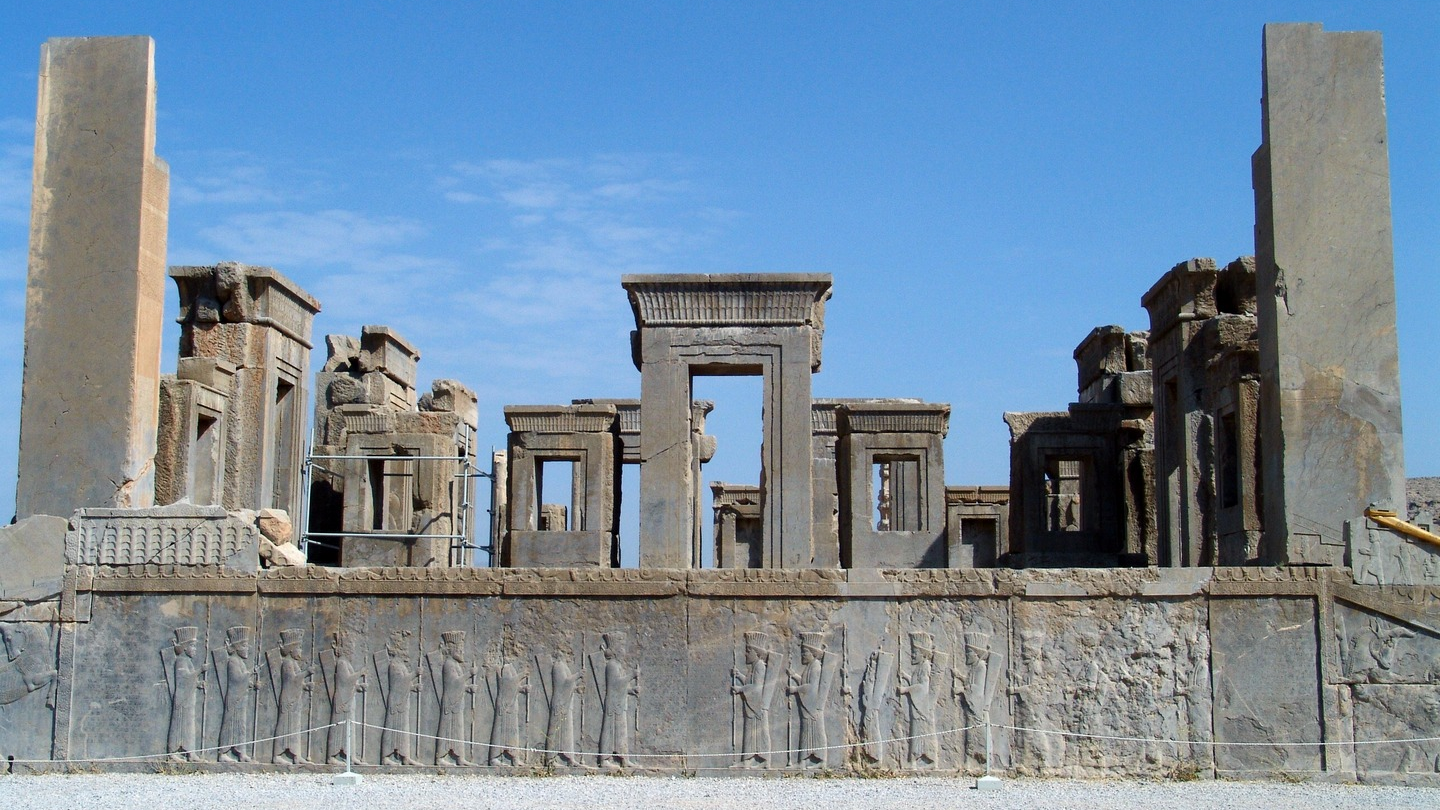
Lost Paradise of Marvdasht
Tang-e Bostank, which is known as the lost paradise of Iran, is one of the most beautiful areas of Fars province with amazing views.
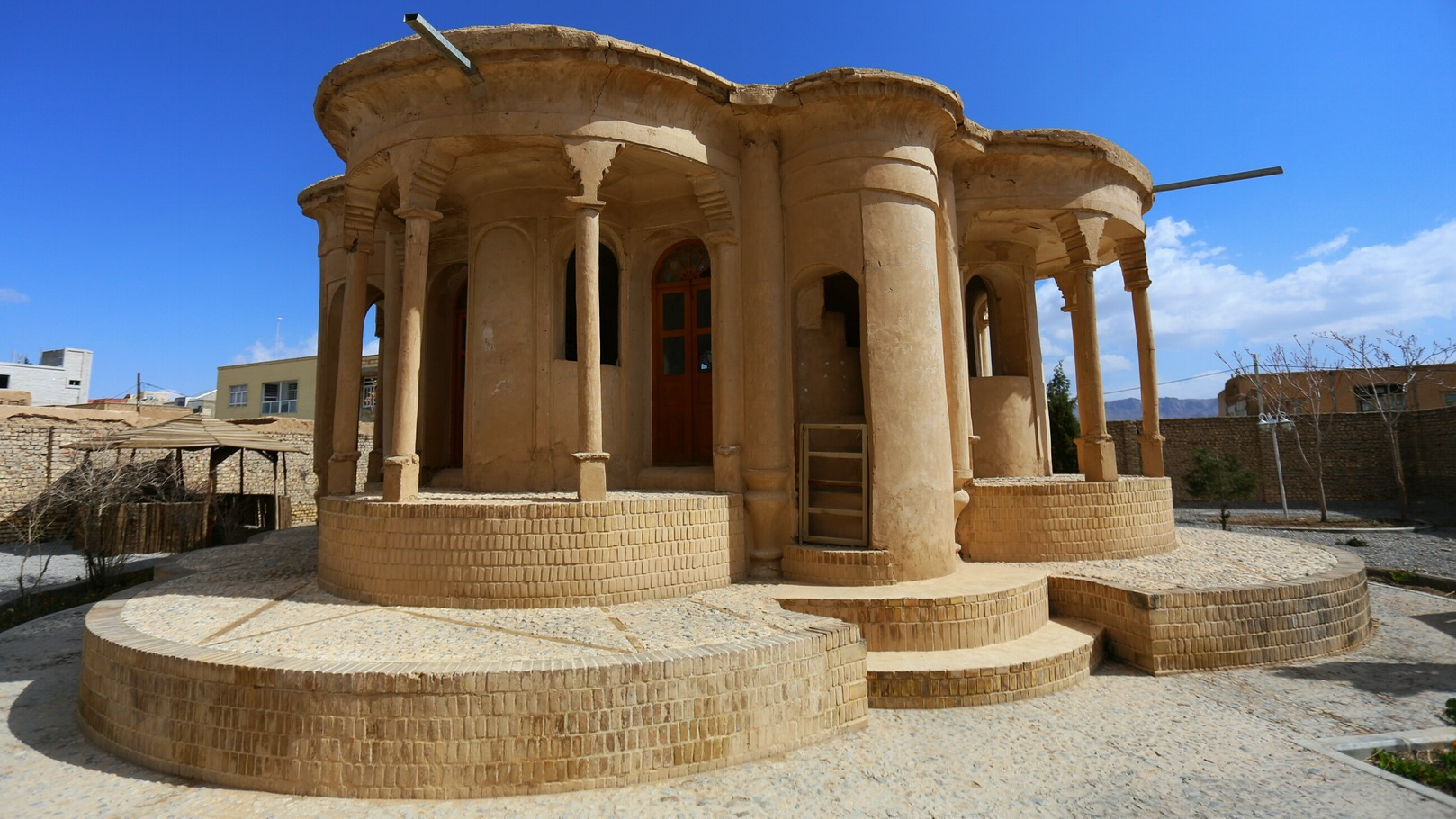
Abadeh
Abadeh is the northernmost city of Fars with an ancient history, fascinating ancient monuments, and a nature influenced by both hot and dry as well as mountainous climates.
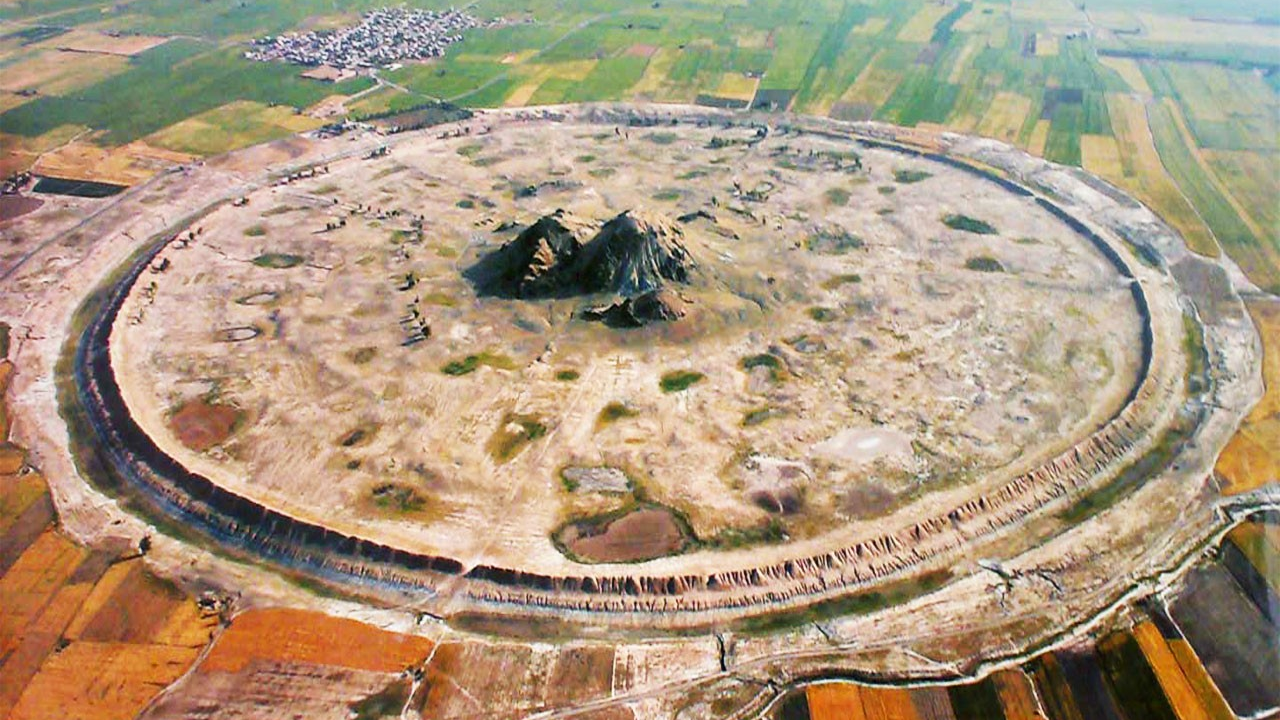
The Ancient City of Darabgerd
The ancient city of Darabgerd was one of the important cities of ancient Iran, which was amazingly built with a circular structure.
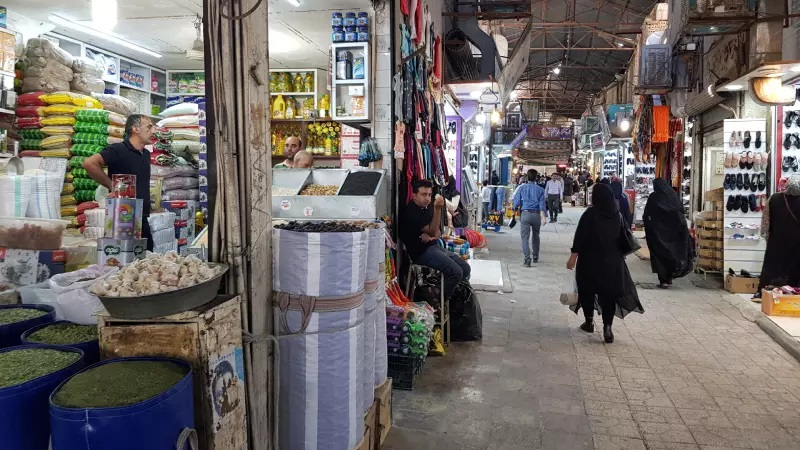
The Traditional Bazaar of Kazerun
The traditional Bazaar of Kazeroun is one of the interesting sights of this city and a place where all kinds of goods are supplied. This bazaar can be considered the economic heart of the city.
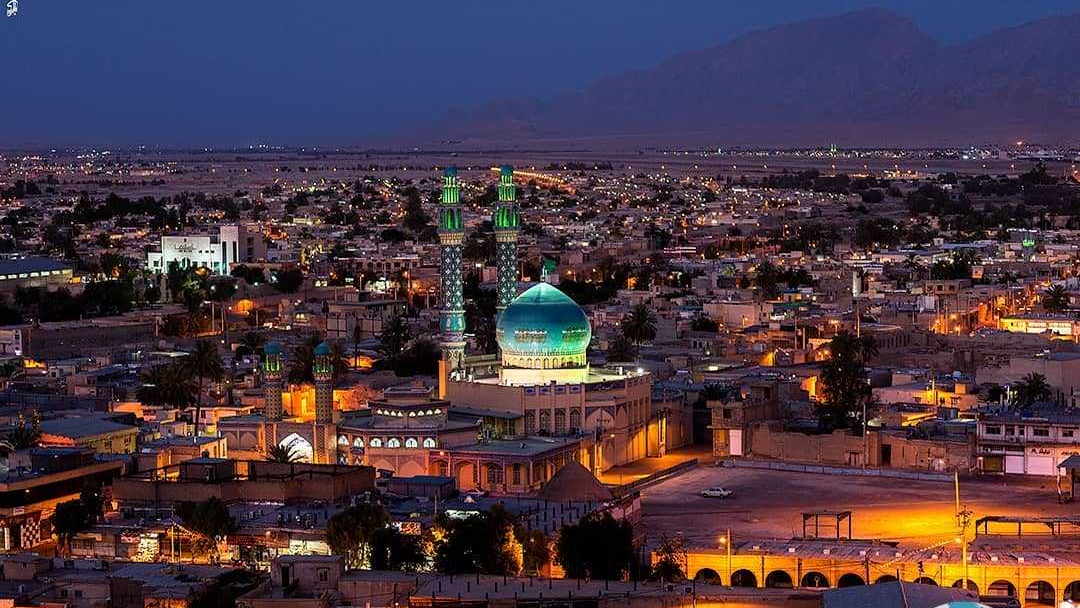
Lar
Lar is one of the historical cities of Fars province of Iran, which has many tourist attractions.
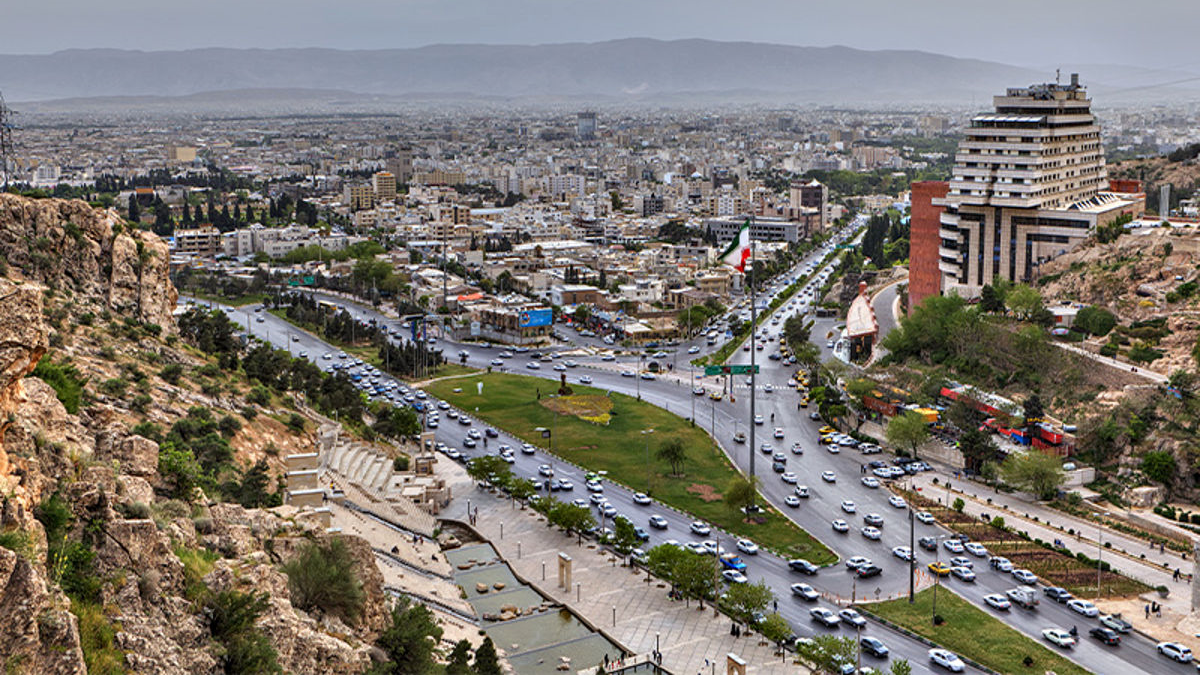
Shiraz; An Ideal Tourist Attraction
Owing to its long history and its housing many historical monuments, Shiraz can be an ideal destination for tourists.
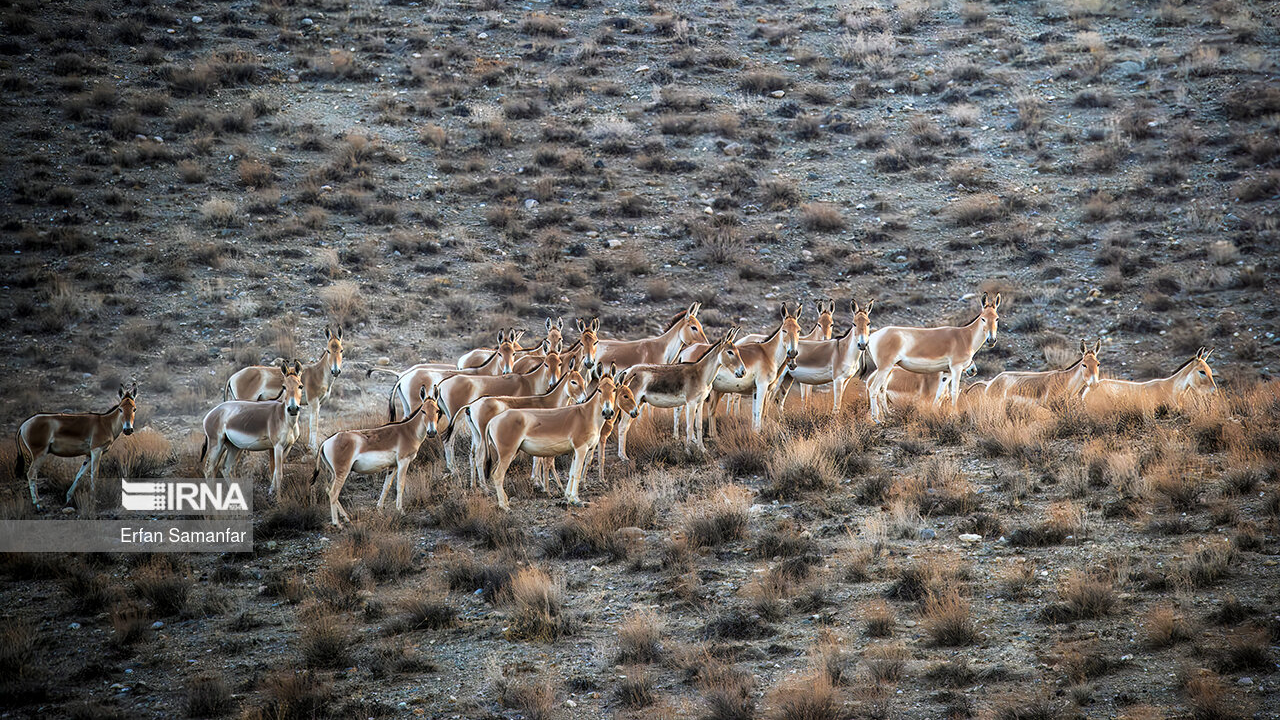
Bahram-e Gur Protected Area
Bahram-e Gur Protected Area is home to various animal species, especially the Iranian zebra, which is on the verge of being extinct.
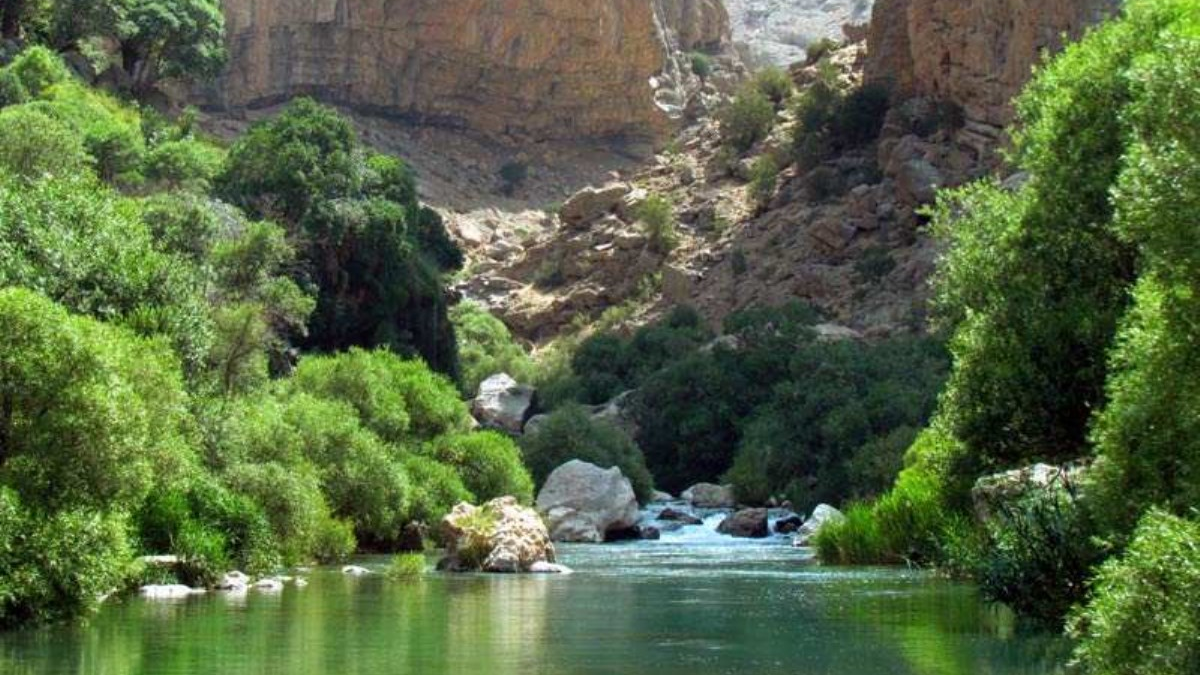
Tang-e Boraq of Eqlid
With its pristine views, Tang-e Boraq of Sedeh is considered one of the most beautiful natural attractions of Eqlid city.
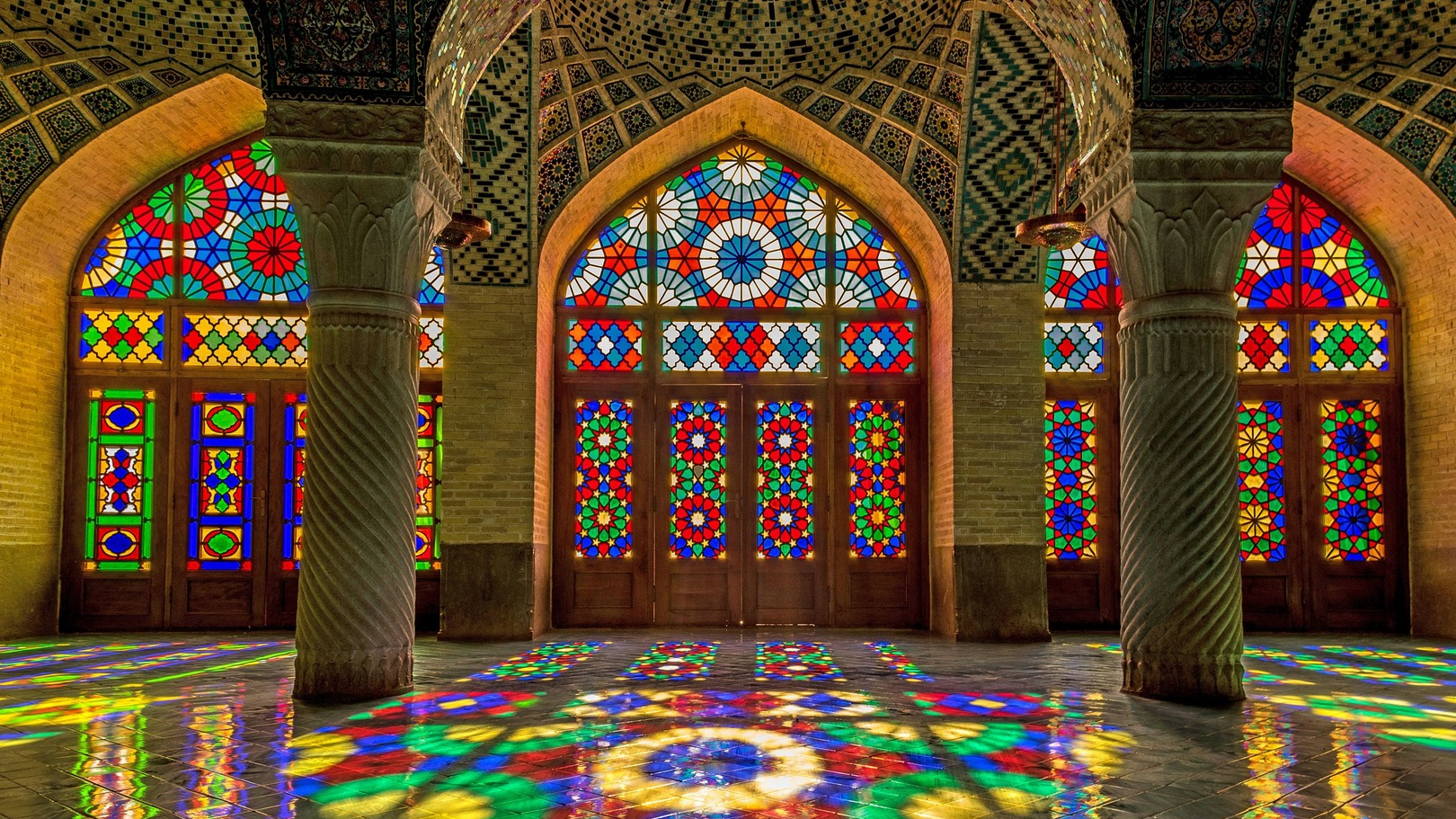
Nasir al-Mulk Mosque
Among all the historical monuments of Shiraz, Nasir al-Mulk Mosque has, due to the use of attractive and innovative combinations of colors, become one of the symbols of this city.
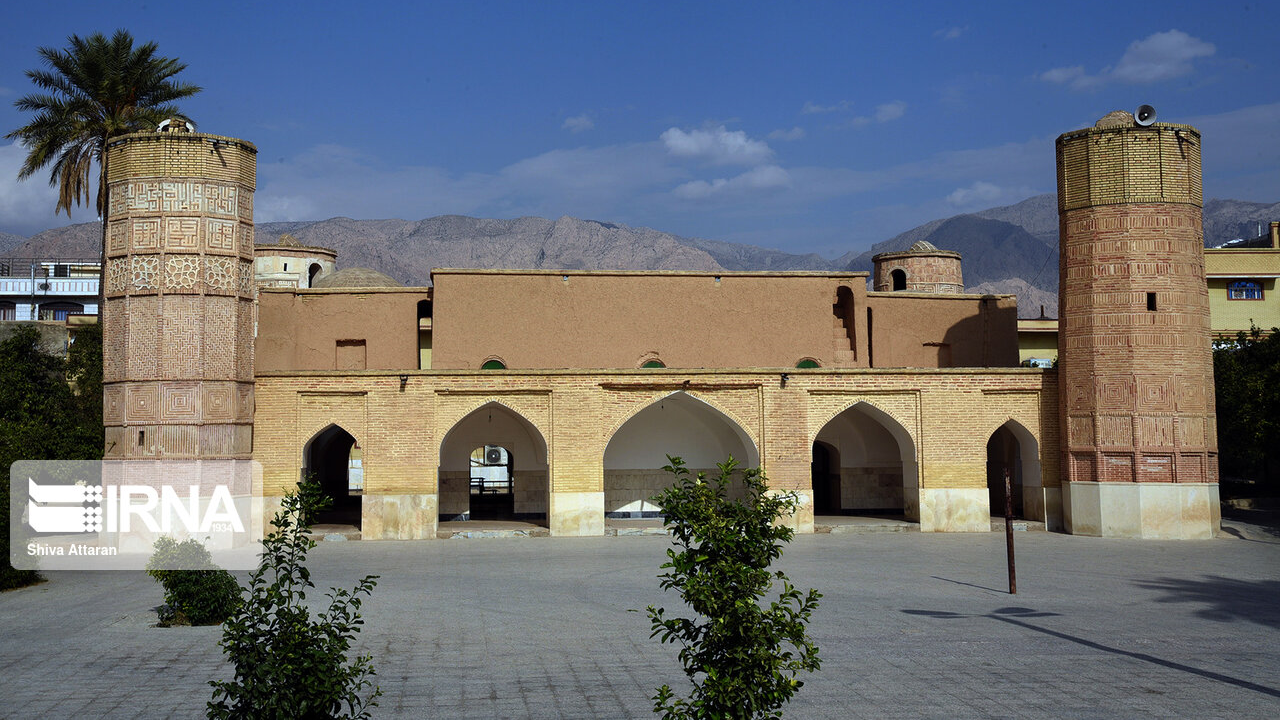
Jame’ Mosque of Darab; The Only Mosque in the World with Four Minarets
Jame’ Mosque of Darab is the only mosque in the world, which has four minarets and was probably built on the remains of an ancient fire temple.
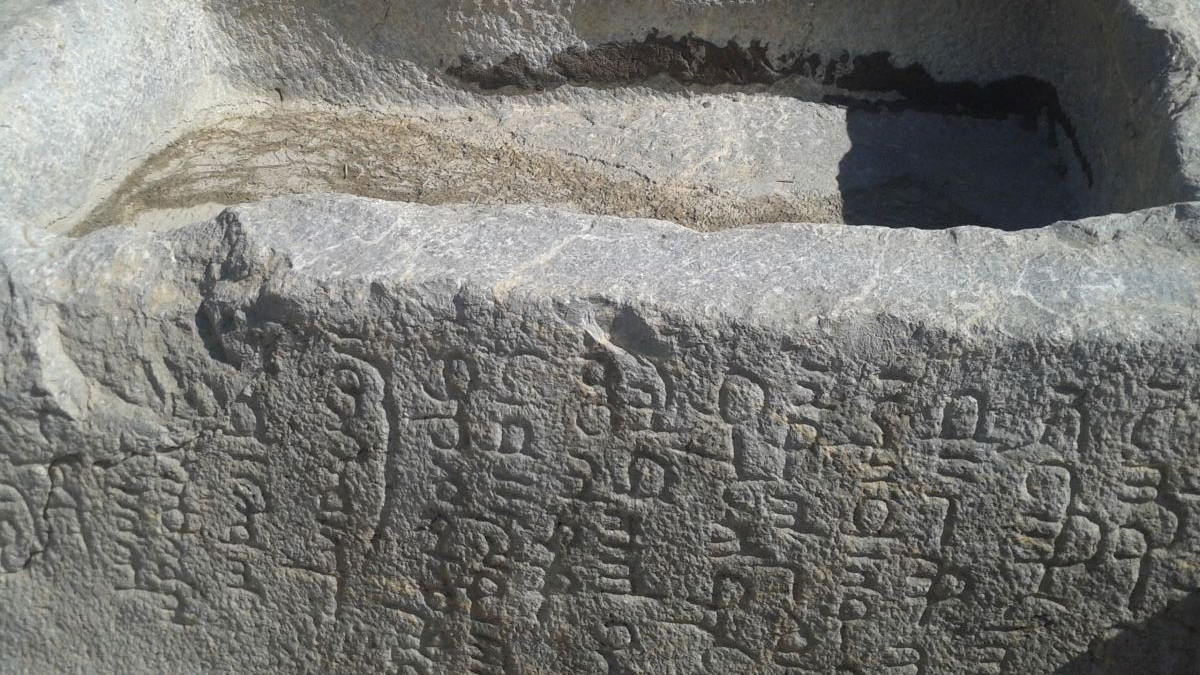
Dokhtar Gabr pool
The inscription of Dokhtar Gabr is a mysterious 1500-year-old tombstone that was placed on the tomb of a girl.
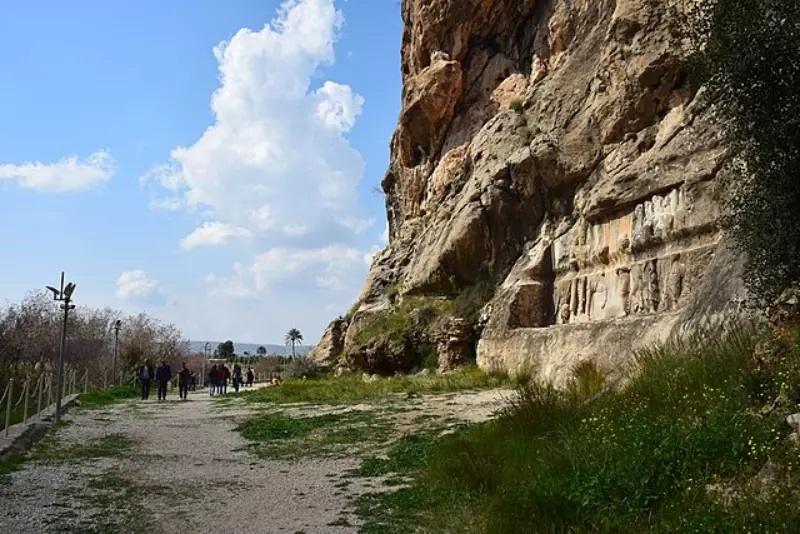
Tang-e Chogan and its Mysterious Petroglyphs
There are six petroglyphs in Tang-e Chogan, which were carved about 1800 years ago and narrate the victories of three Sassanid kings.
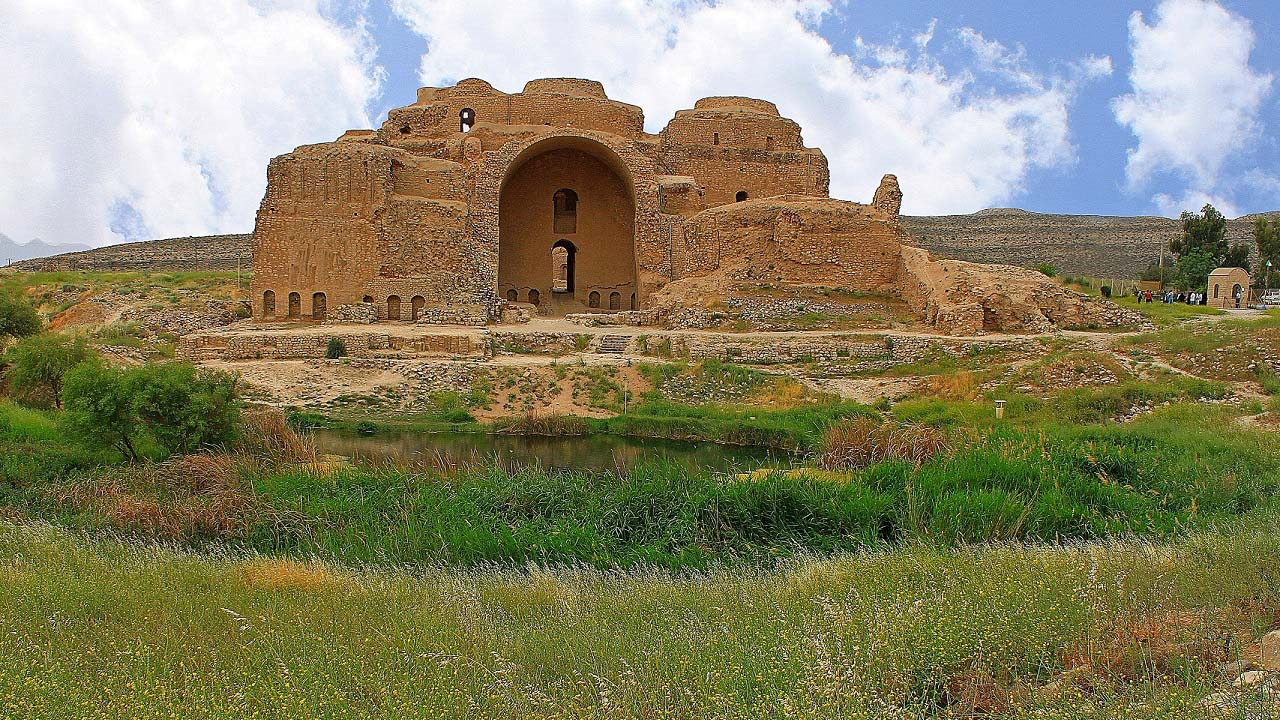
Three Historical Monuments of the Sassanid Era
This archaeological site of the Fars region was inscribed as a world heritage on the UNESCO list in the year 2018.
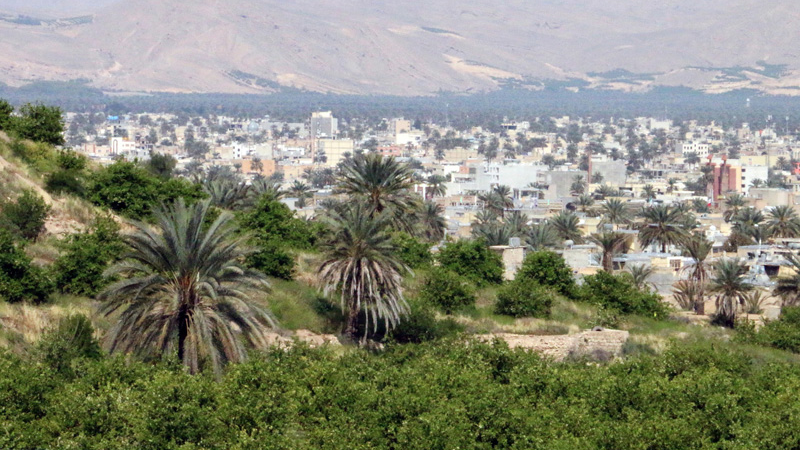
Jahrom
As one of the ancient cities of Fars province, Jahrom has many historical monuments, some of which are more than two thousand years old.
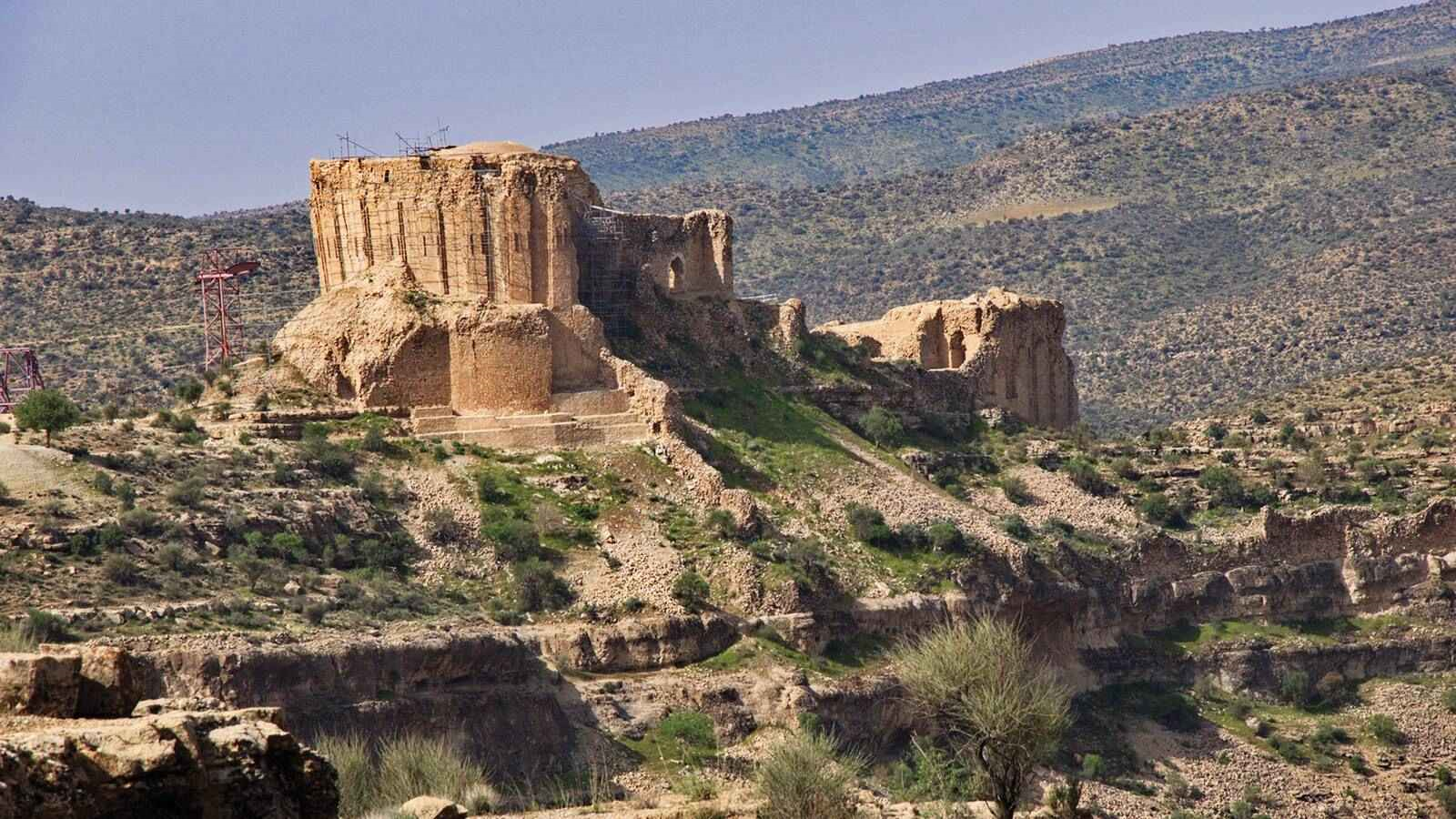
Qal’eh Dokhtar or Dokhtar Castle of Firouzabad
Gur was the capital of the Sasanian dynasty in the 3rd century AD and a lofty fort named Qal’eh Dokhtar protected the city.
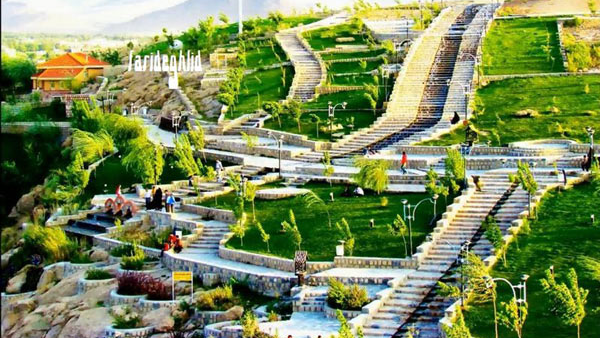
Eqlid and Its Incredible Nature
Eqlid is one of the old cities of Fars province the natural attractions of which have made this city a tourist attraction.
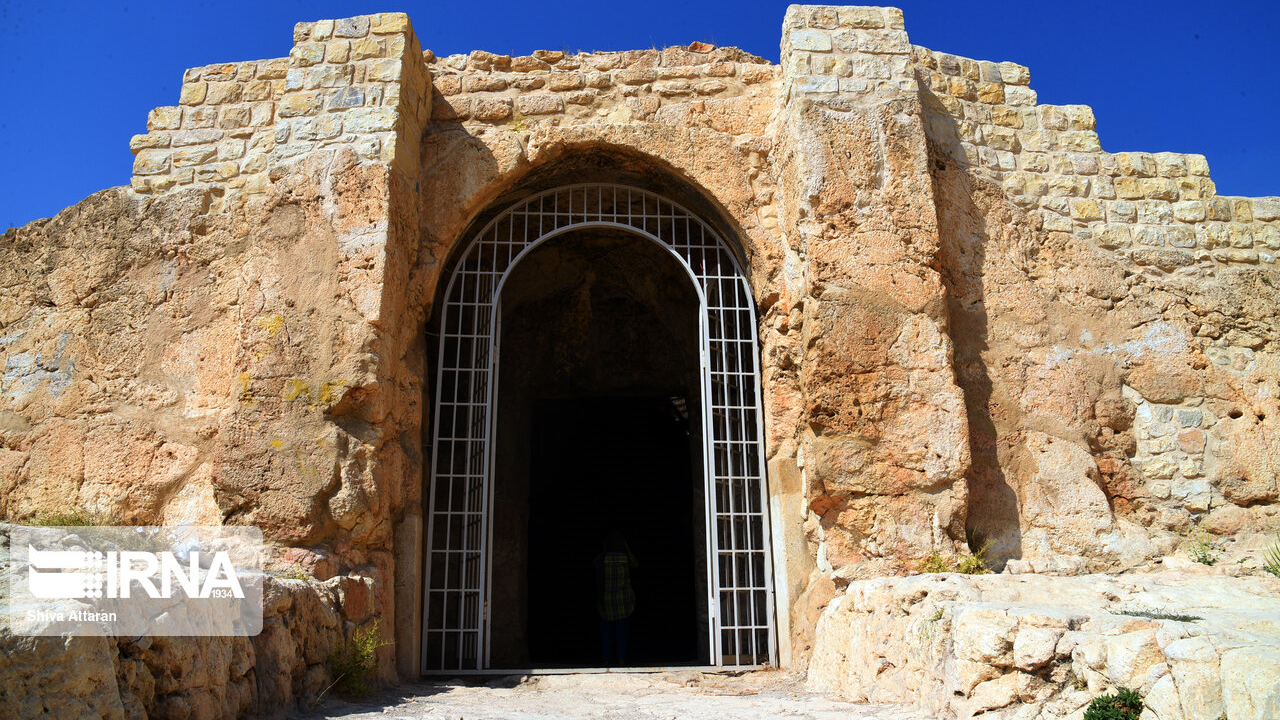
Azarakhsh Fire Temple of Darab
Azarakhsh Fire Temple can be considered the only building in Iran that was used as a place of worship in three periods by Mehr (Mithra) worshipers, Zoroastrians, and Muslims.
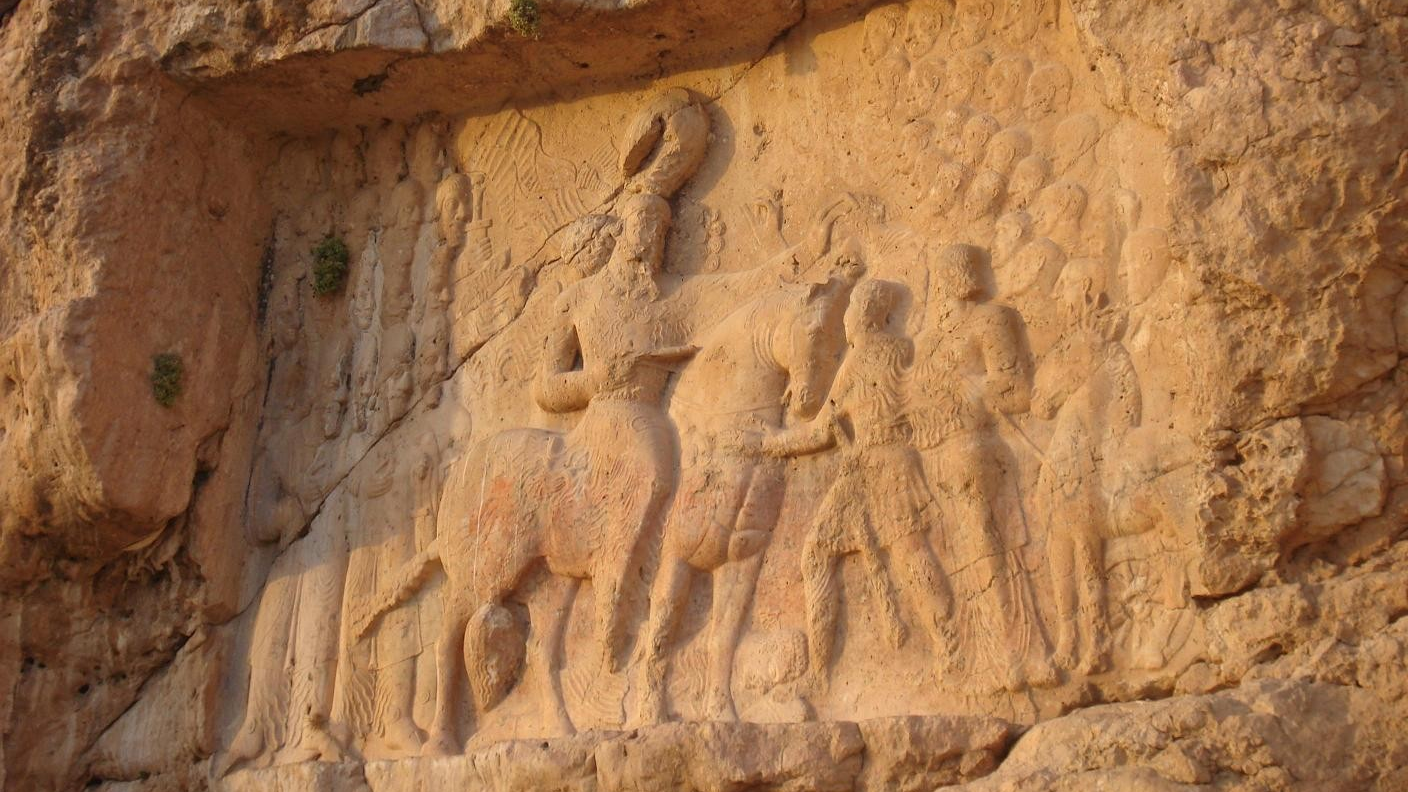
Shapur Inscription of Darab
Located some four kilometers south of Darab, Shapur Inscription of Darab was carved immediately after Iran’s victory over Rome in 260 AD to immortalize the captivity of the Roman emperor, Valerian.
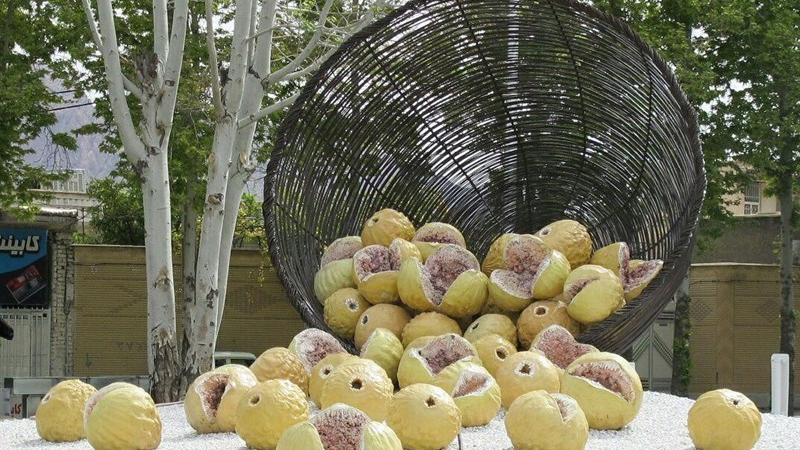
Estahban; A City with Various Natural and Historical Attractions
Situated in the eastern parts of Fars province, Estahban is a city with many tourist attractions and is famous for its fig trees.
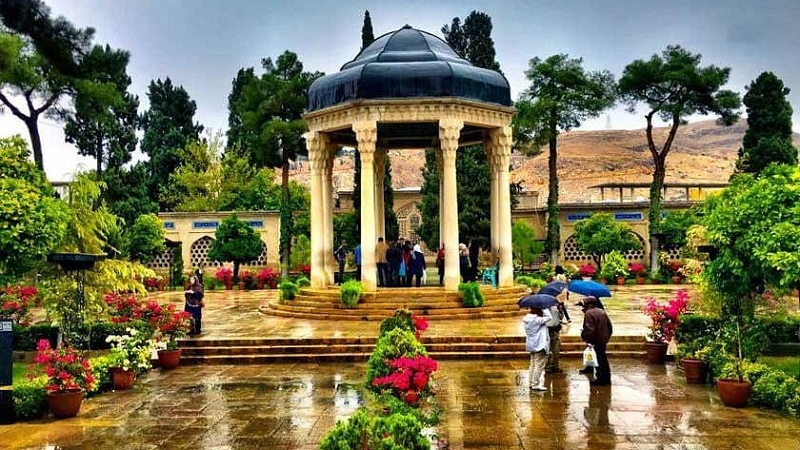
Hafezieh or Tomb of Hafez
Hafezieh or Tomb of Hafez hosts many lovers of the Persian language and culture every year.
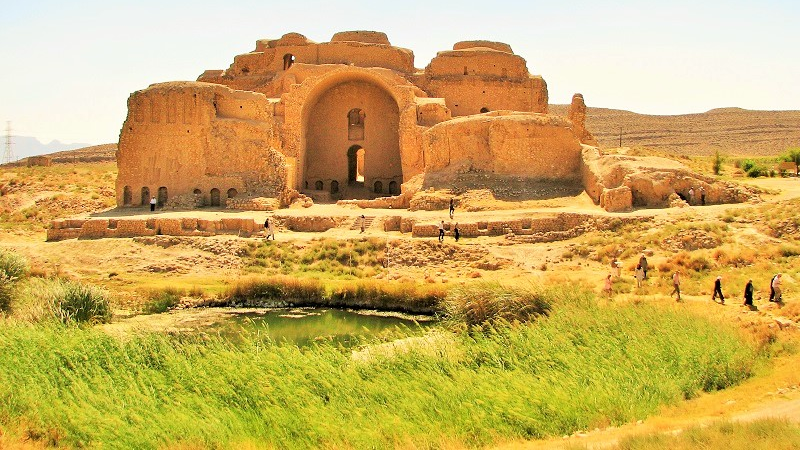
The Palace of Ardeshir Babakan
Built in the 3rd century CE, the Palace of Ardeshir Papakan exhibits the outstanding features of the Sassanid architecture.
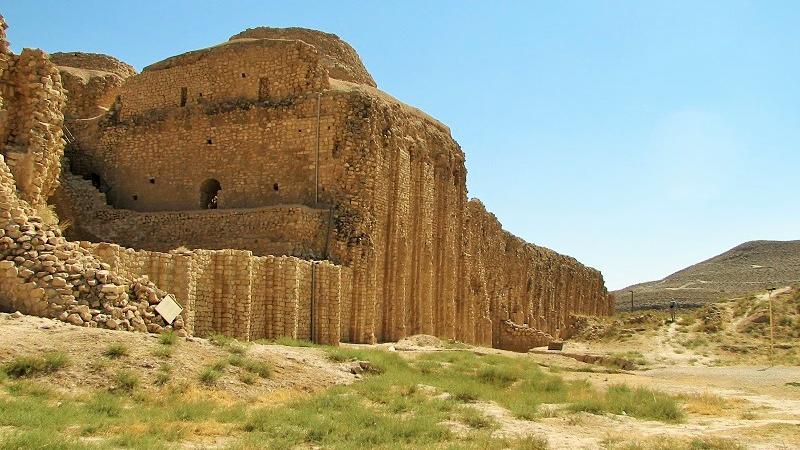
Archaeological Landscape of Fars and Its Three Historic Regions
The archaeological landscape of Fars was inscribed as a UNESCO World Heritage site in 2018 (1397 in the Iranian calendar).
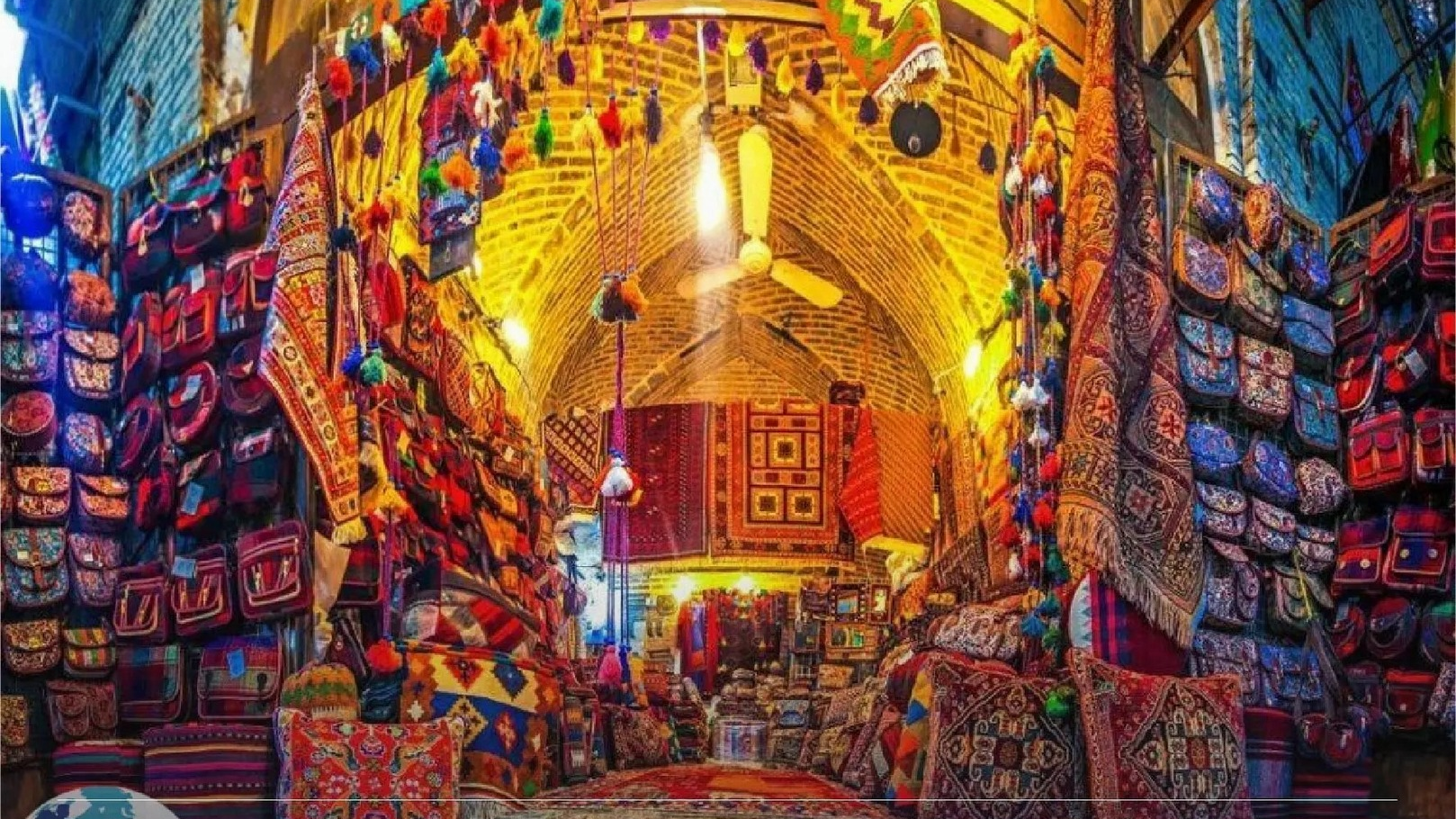
Vakil Bazaar
The construction of Vakil Bazaar, which is one of the most beautiful bazaars of Iran, started in 1758 and lasted for 21 years.
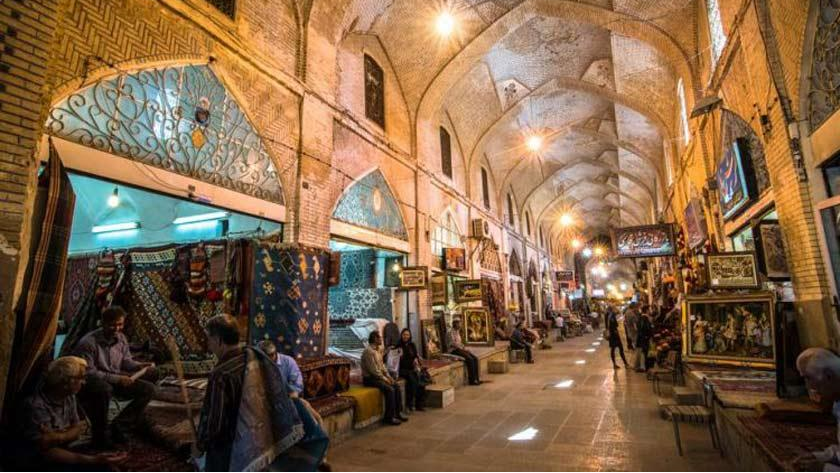
Jahrom’s Bazaar; A Marketplace with a Unique Crossing
Jahorm’s Bazaar is the commercial heart of this city, which like other bazaars of Fars Province, has been built in the shape of a cross with a unique central crossing.
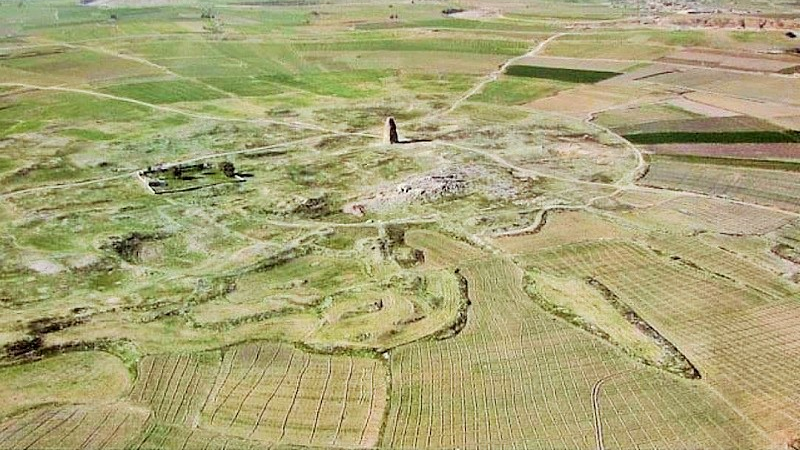
Firouzabad Monuments; Outstanding Symbols of Sassanid Architecture
Situated in the southern part of the Fars Province of Iran, Firouzabad City houses several monuments depicting the outstanding Architecture of the Sassanid era.

Some Must-See Places in Shiraz
There are some must-see places in Shiraz, which will leave unforgettable memories for the visitors.
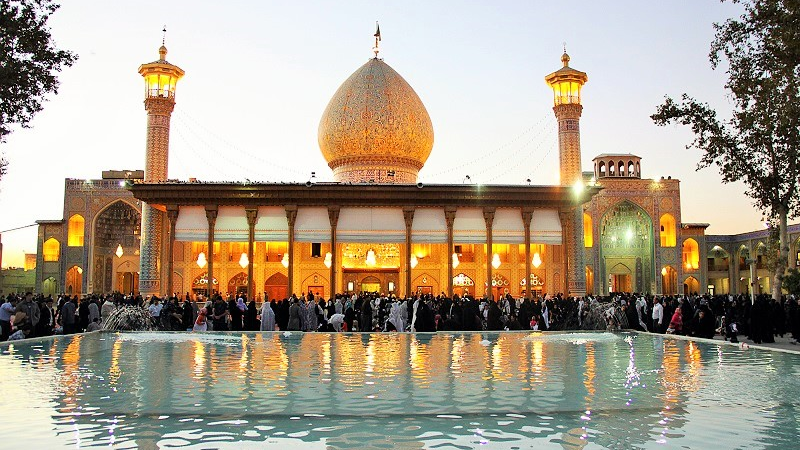
Shah Cheragh Holy Shrine
Shah Cheragh Holy Shrine is the burial place of two of Imam Reza’s (the 8th Shiite Imam) brothers and one of the pilgrimage places in Shiraz, which has been built with utmost beauty.

Vakil Mosque of Shiraz; Manifestation of Architectural Beauty
With its eye-soothing tiles and its famous Shabestan, the Vakil Mosque of Shiraz, is the manifestation of the peak beauty.

Zandiyeh Complex; Administrative, Welfare, and Service Institutions in the 18th Century
Consisting of administrative, service, and recreational institutions, the Zandiyeh Complex of Shiraz was established during the rule of Karim Khan Zand.

Shapur Cave; An Astounding Cave Housing the largest Statue of Ancient Iran
The largest statue left from ancient Iran, with a height of about seven meters, is located in an astounding cave called Shapour Cave.

Recreational Places in Shiraz
Besides many historical and natural attractions, the recreational places of Shiraz can also be of great interest to tourists as options to make their trip to this city more exciting.

Gardens of Shiraz
If you ever go to Shiraz, do not miss seeing the beauty of the historical gardens of Shiraz and historical gardens, walking in which will become a unique experience to remember.

Three Historical Sites that Depict the Rise and Fall of the Achaemenid Empire
The Achaemenid Empire was one of the most powerful empires in human history, the rise and fall of which covers 220 years of Iran’s ancient history.

Naqsh-e Rajab; Depicting the Coronation of Ancient Iranian Kings
Naqsh-e Rajab is a region containing rock face inscriptions and rock-cut bas-reliefs of three prominent Sassanid kings inscribed on the mountains of the area depicting their coronation ceremony.
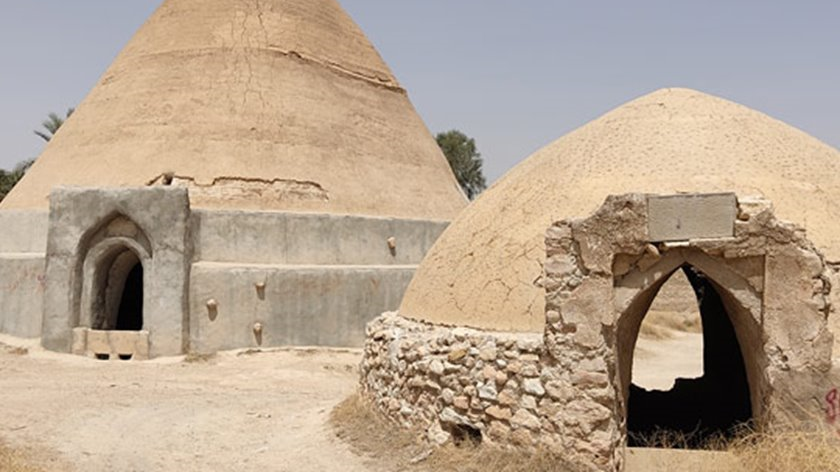
Salafi Water Reservoir of Evaz
Built more than 550 years ago, the Salafi Water Reservoir of Evaz stands strong and continues to cater to a part of the water requirement of the people of this city.

Izadkhast Historical Complex; The First Multi-Storied Building of the World
Due to its housing structures, the historical complex of Izadkhast can be considered to have the world’s first apartments.

Tomb of Darius I; And Its 2500-Year-Old Inscription
The Darius Naqsh-e Rostam Inscription is a famous Achaemenid royal inscription located in Naqsh-e Rostam, Iran. It dates to 490 BC, the time of Achaemenid king, Darius the Great, and appears in the top-left corner of the façade of his tomb.
 در تخت جمشید_crop_2.jpg)
Persepolis
As one of the most renowned ancient monuments in the world, Persepolis has a magnificent history and amazing architecture

Chogha Zanbil Ziggurat; A 3500-Year-Old Architectural Masterpiece
Chogha Zanbil Ziggurat (Temple) is an ancient monument, which was built as a temple about 3500 years ago and is considered an architectural masterpiece of that era.

Ka’ba-ye Zartosht
Ka’ba-ye Zartosht also called the Cube of Zoroaster is situated exactly opposite the tomb of Darius II, in the historical site of Naqsh-e Rostam, and different possibilities have been speculated about its use.

Karim Khan Citadel Bathhouse; Iran's First Private Bathhouse
In the olden times, bathhouses were considered public places to provide health services, but the bathhouse of Karim Khan’s Citadel was a private one for the royal family.

Qaysariyeh Bazaar of Lar; the Oldest Bazaar of Iran
There are several possibilities regarding the construction date of the Qaysariyeh Bazaar of Lar. However, regardless of which one is more accurate, it should be considered the oldest bazaar of Iran.

Eram Garden of Shiraz; A Rainbow of Flowers and Plants and Architectural Beauties
The Eram Garden of Shiraz is one of the oldest gardens in Iran, which is famous for the variety of its plants and the two beautiful mansions built in the middle of the garden.

Shapouri Mansion; A Different Experience
Due to the beauty of its design and its components, the Shapouri Mansion or Shapouri Pavilion of Shiraz can be quite mesmerizing for visitors!

Sa’di’s Mausoleum
Being one of the greatest Persian-speaking poets, Sa’di’s mausoleum is a place where people gather to commemorate this great Iranian poet and Persian literature.
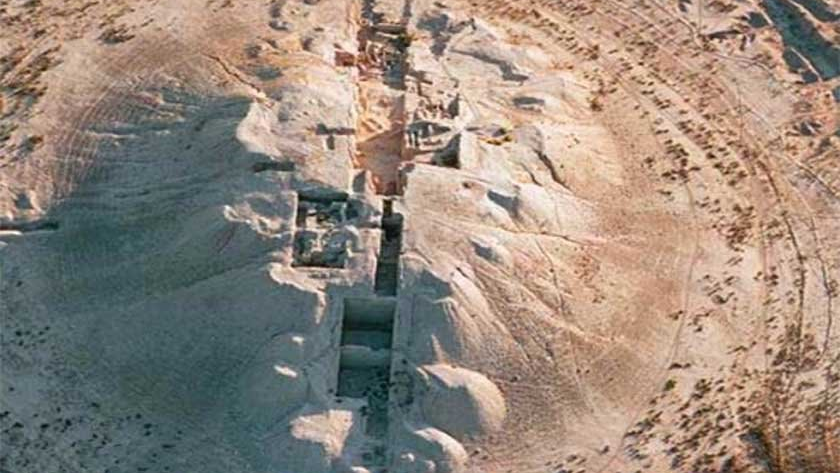
Malyan Hill
Malyan Hill is one of the historical sites of Fars Province, where remains of civilizations of the 3rd to the 1st millennium BC have been found.
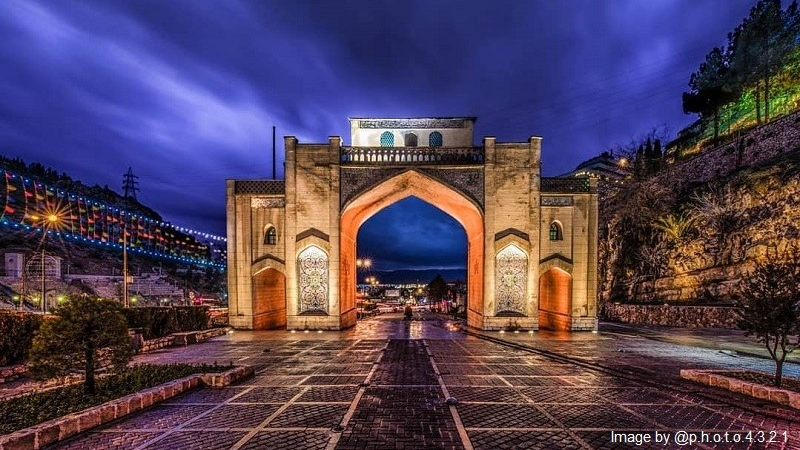
Qur’an Gate of Shiraz
Shiraz City had six historical gates in the past, but today Qur’an Gate of this city is the only symbolic gate of this ciry.
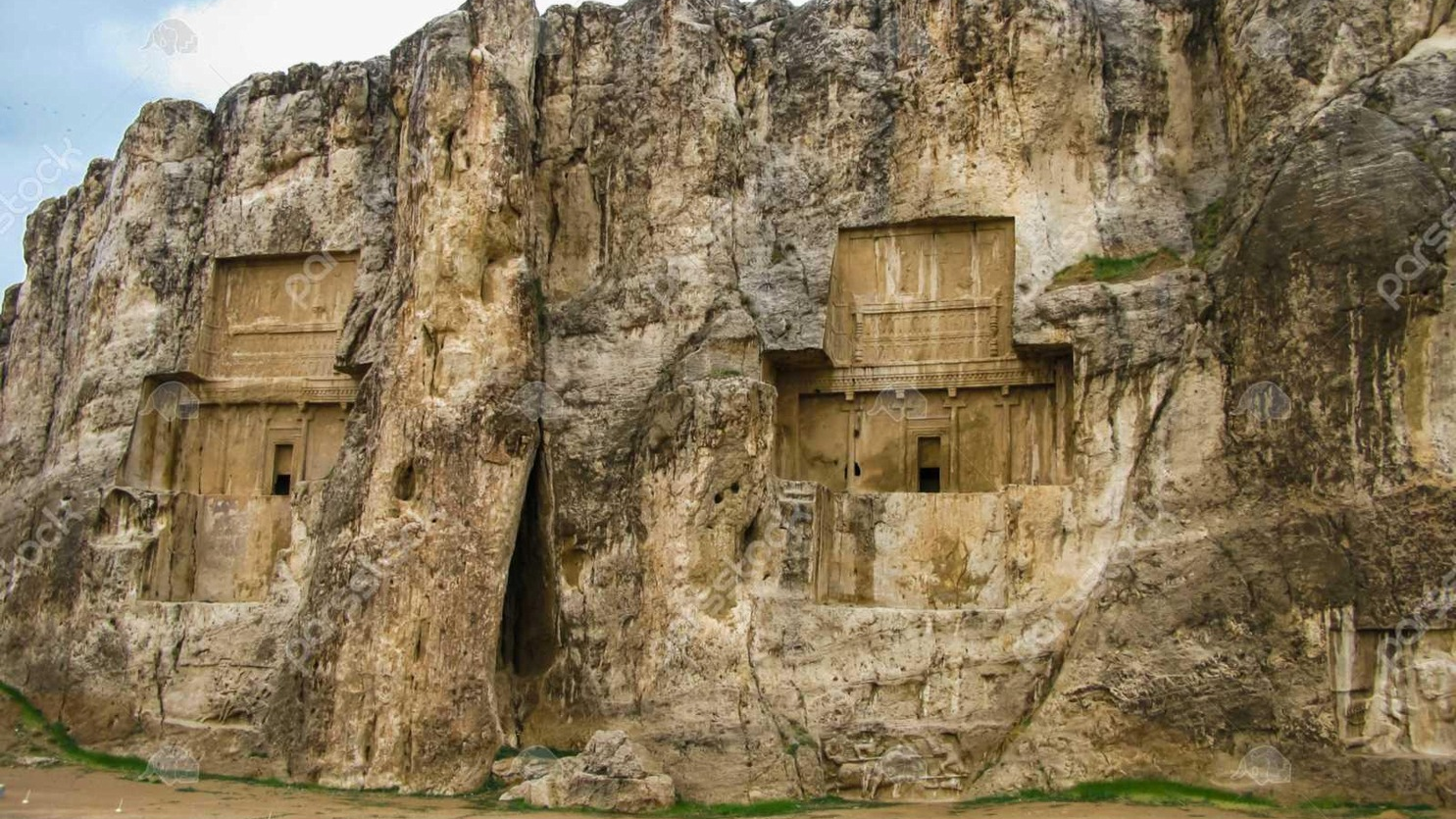
Tombs of Achaemenid Kings
The Tombs of the Achaemenid Kings are mysterious mausoleums made by four Achaemenid kings in the heart of the rocks before their deaths.
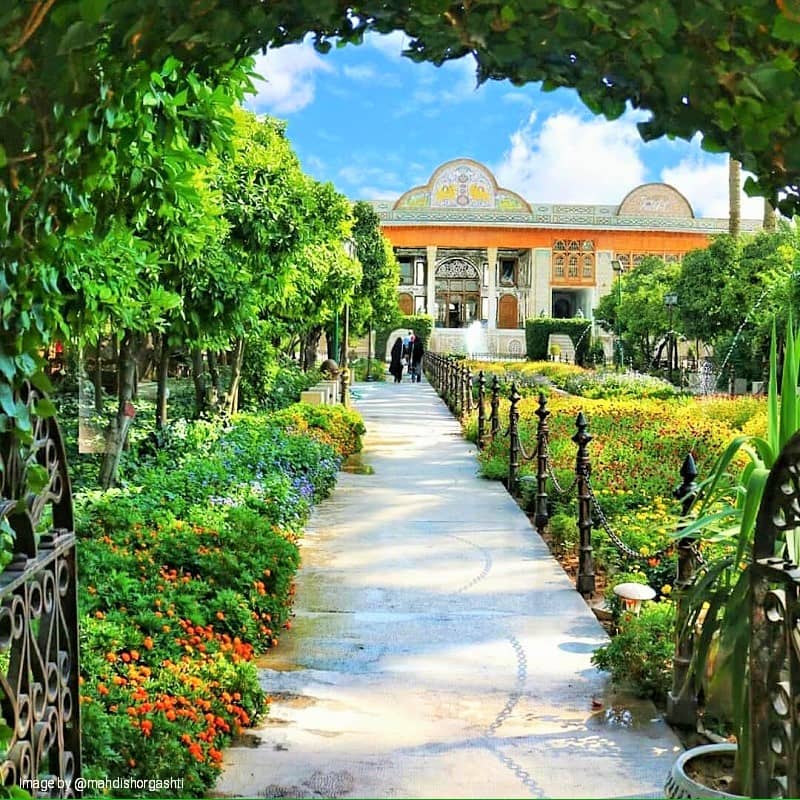
Qavam House
Qavam House, which is popularly known as “Narenjestan-e Qavam” - because of being full of citrus trees - is a traditional and historical house garden in Shiraz.
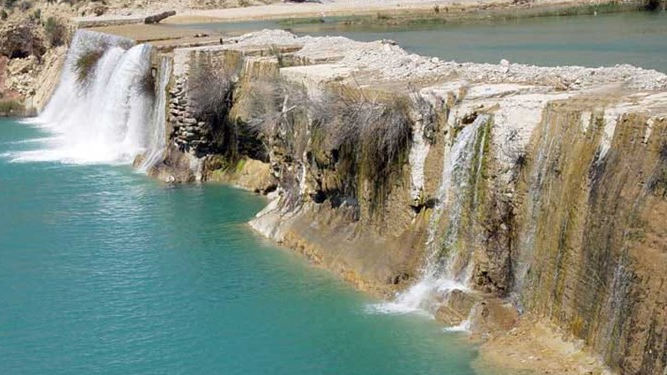
Band-e-Bahman of Kavar
Band-e-Bahman of Kavar, which is a barrage, still standing after 2500 years and continues to supply water to the downstream villages.
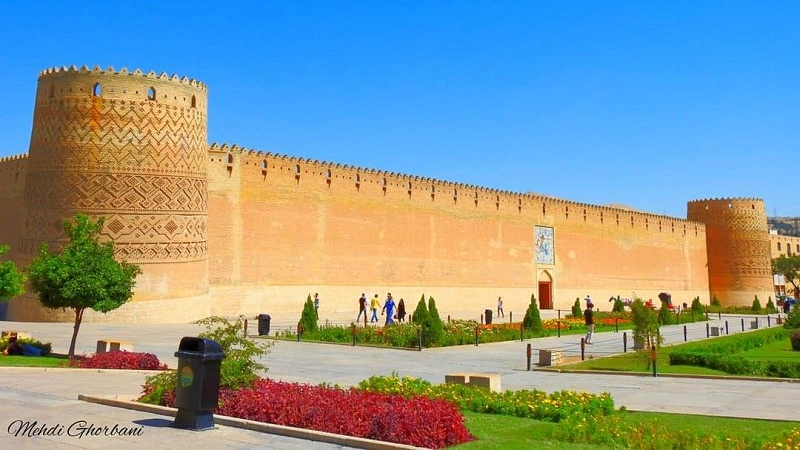
Karim Khan Citadel
Karim Khan Citadel, which was the center of Iran’s rule, was built by the best Iranian architects and artists toward the end of the 18th century AD.
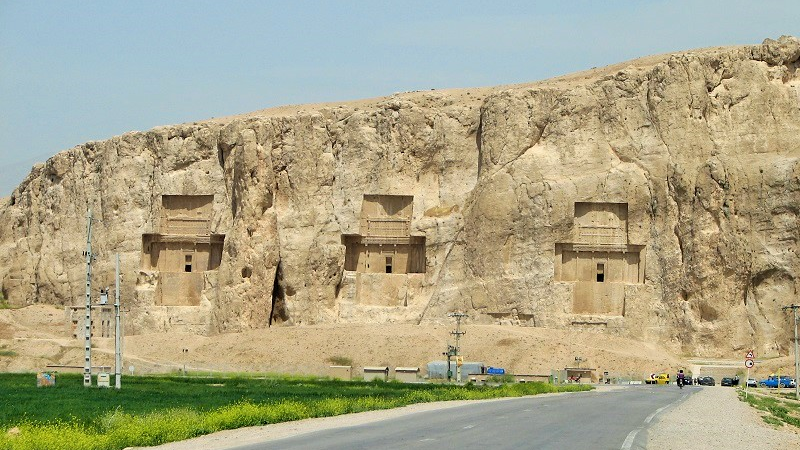
Naqsh-e Rostam
Housing many ancient monuments, the historical site of Naqsh-e Rostam reflects 1800 years of Iranian history.
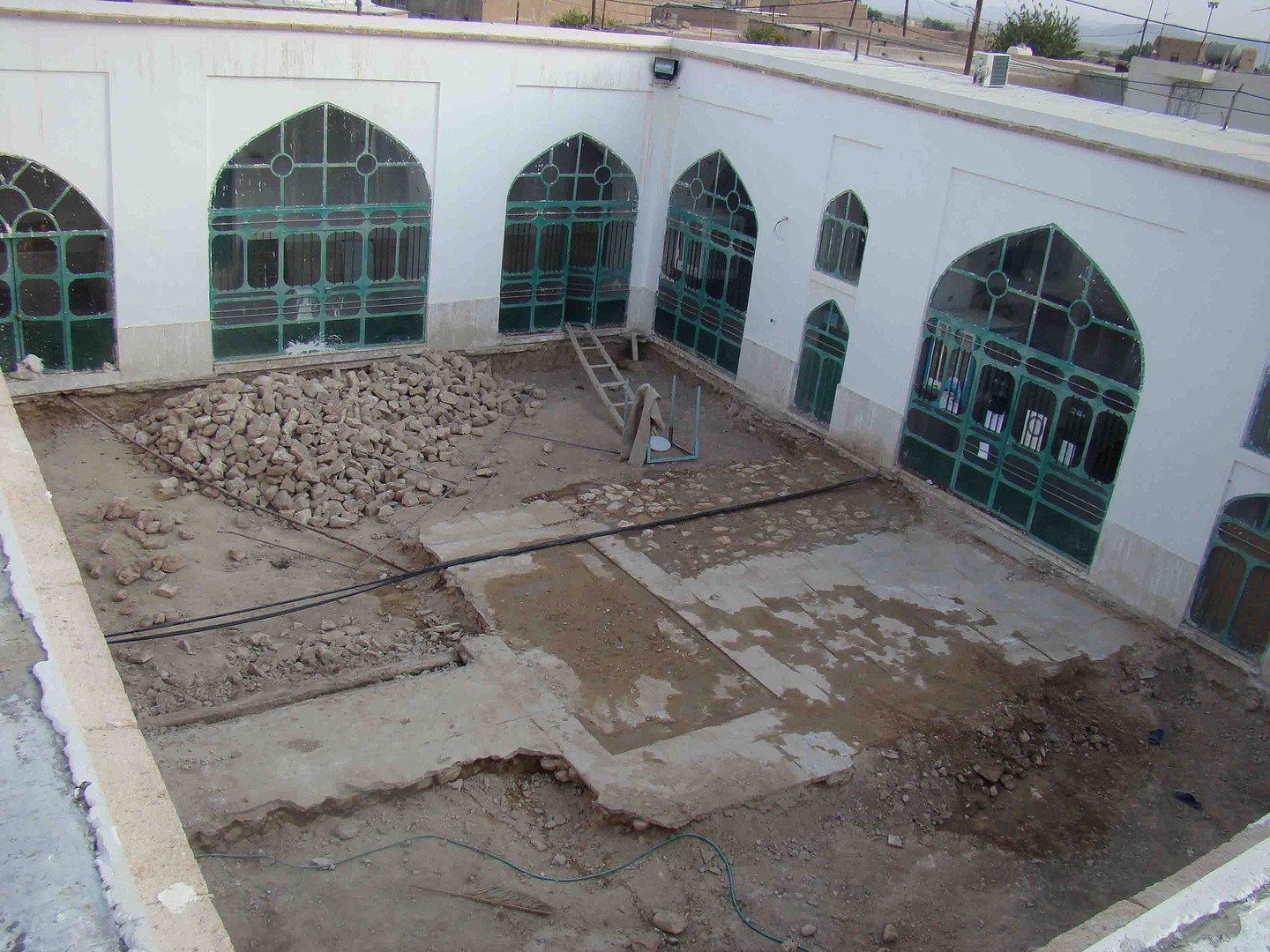
Jame’ Mosque of Juyom
Jame’ Mosque of Juyom is one of the historical monuments of Juyom city, which was probably built on the remains of an old fire temple
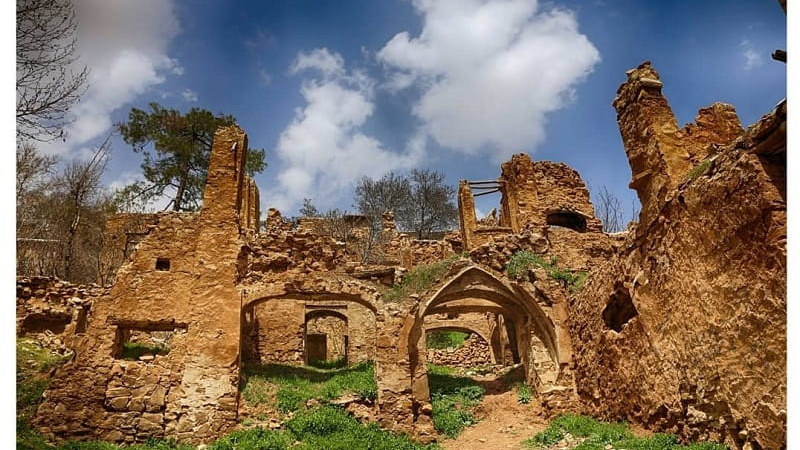
Qalat Village of Shiraz
Qalat Village of Shiraz is located at the foot of Qalat Mountain, and with its attractive nature and spectacular historical attractions, it is considered a paradise-like rural area
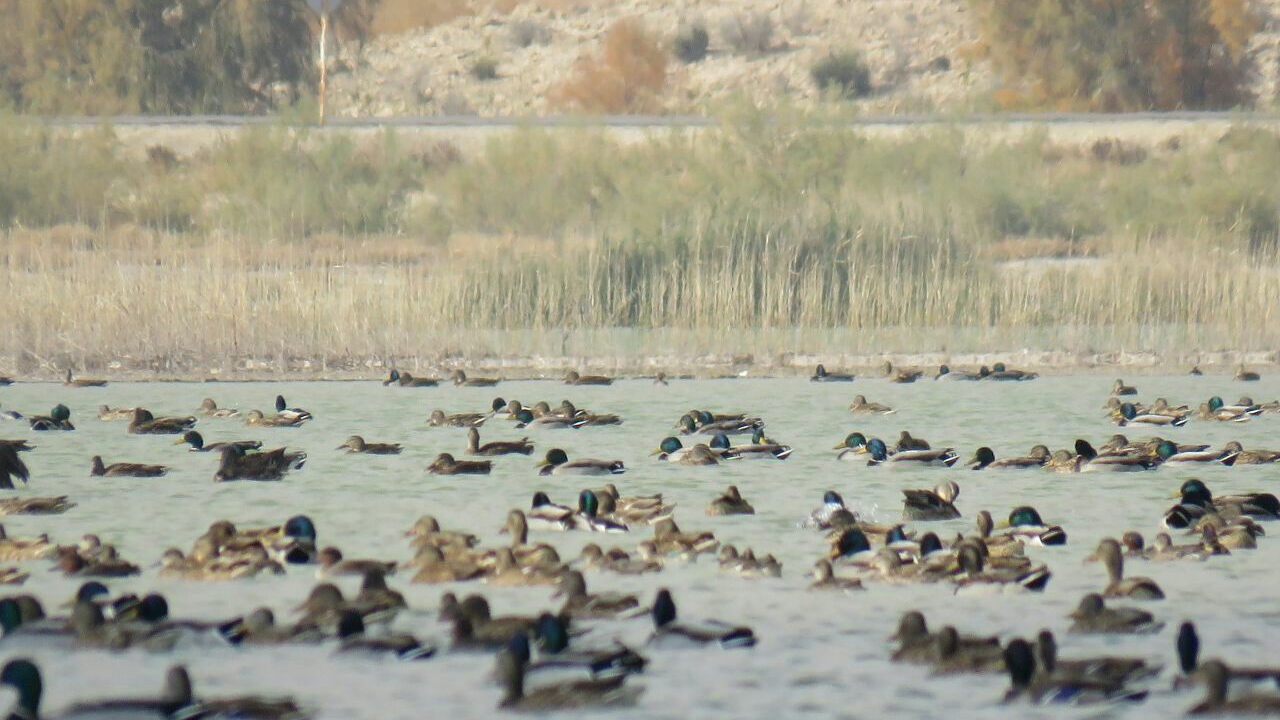
Hirom Lagoon
Hirom Lagoon is a saltwater lagoon located in the south of Fars province and is a resting place for migratory birds.
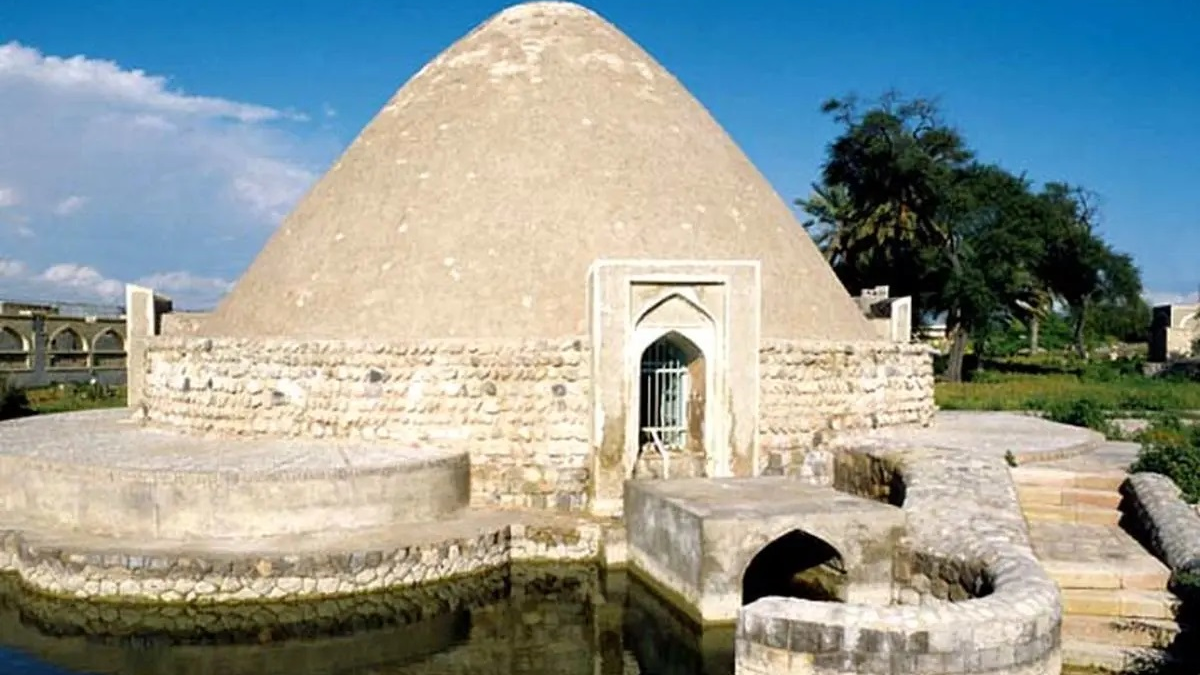
Khonj City of Fars Province
Khonj is one of the small cities of Fars province, which was located on the ancient Silk Road in the past
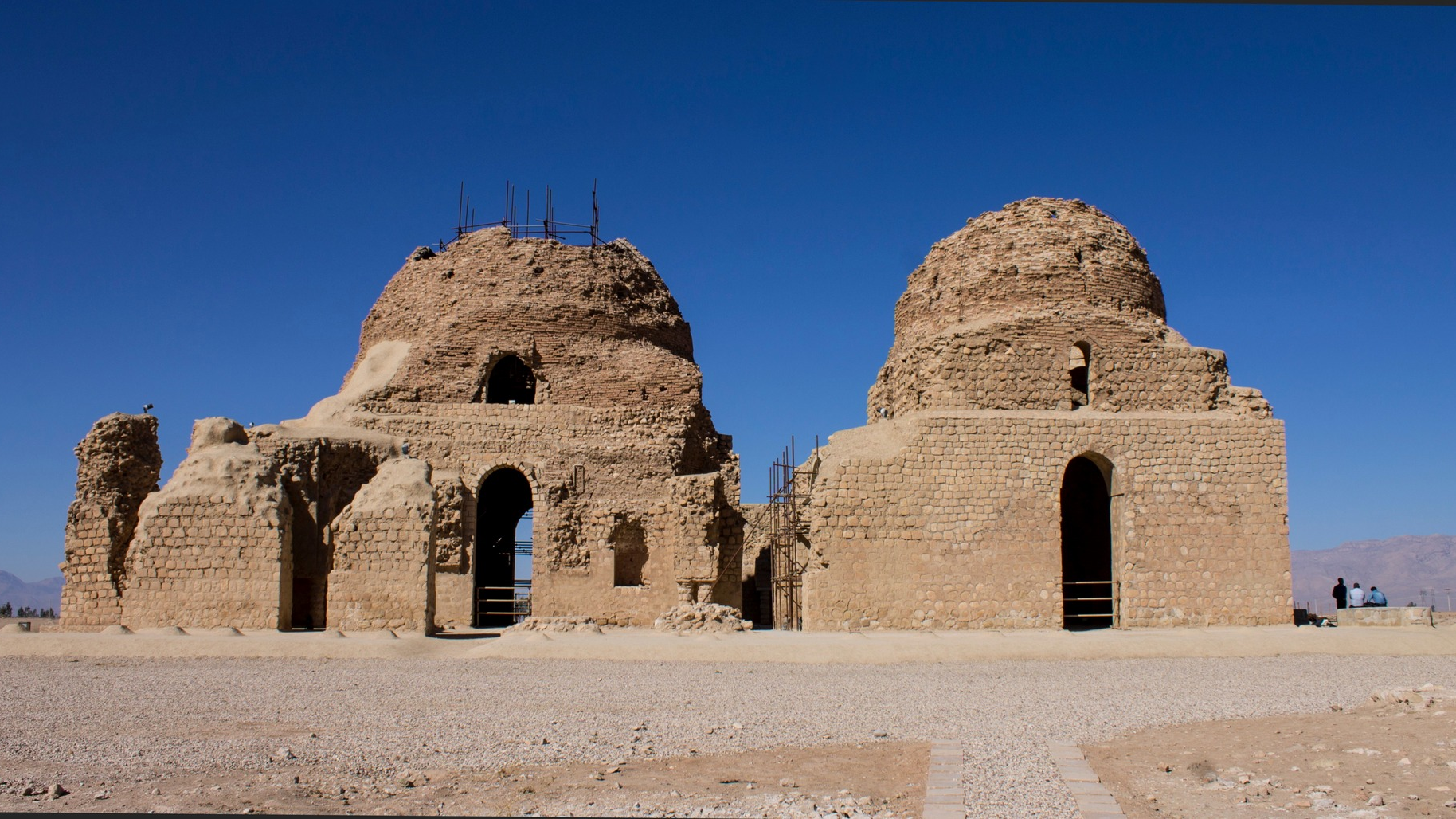
The Sassanid Palace of Sarvestan
The Sassanid Palace of Sarvestan is one of the pre-Islamic monuments of Iran, which was probably the king’s resting resort or a Zoroastrian fire temple.
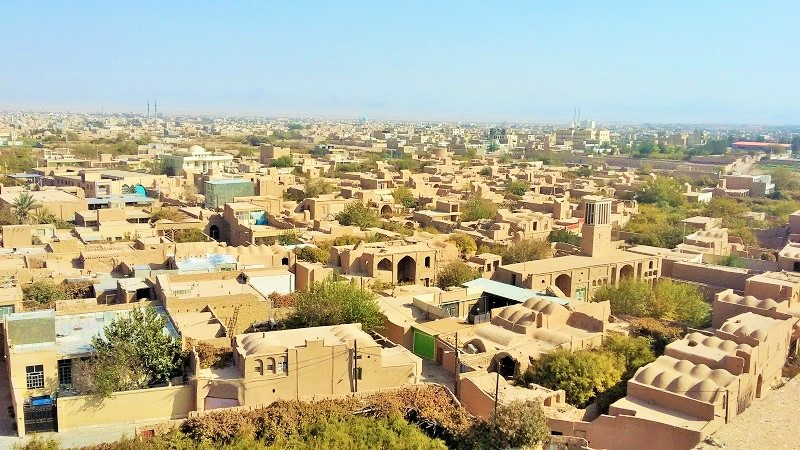
Meybod
Meybod is the second industrial city of Yazd Province, which is nearly five thousand years old and houses numerous historical sites.
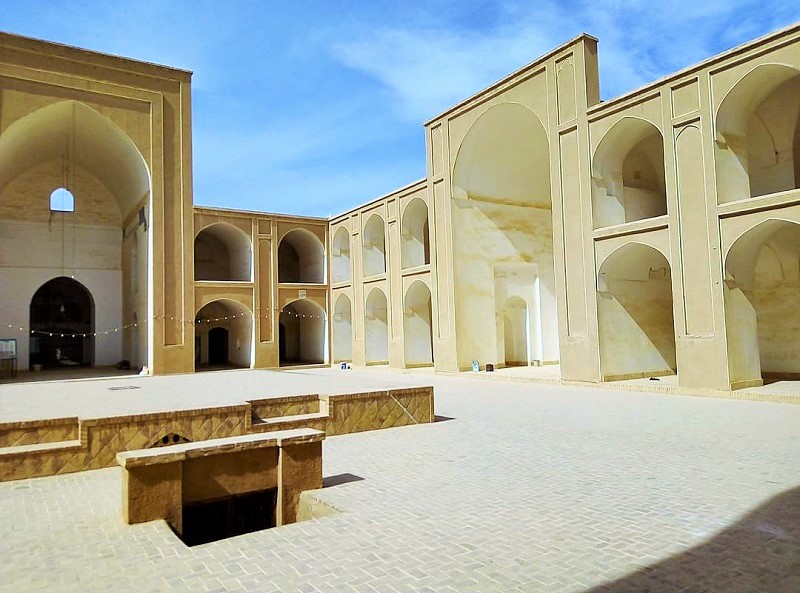
Abarkuh
Being situated between the three historical cities of Yazd, Shiraz, and Isfahan, Abarkuh is also a historical Iranian city and an attractive destination for domestic and foreign tourists.
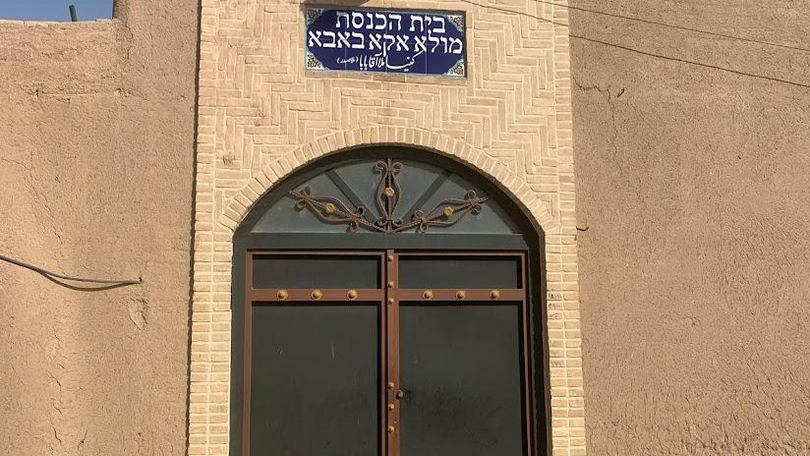
Kamal synagogue of Yazd
Iranian Jews have been living in Yazd for a long history and Kamal Synagogue of Yazd is one of their oldest synagogues.
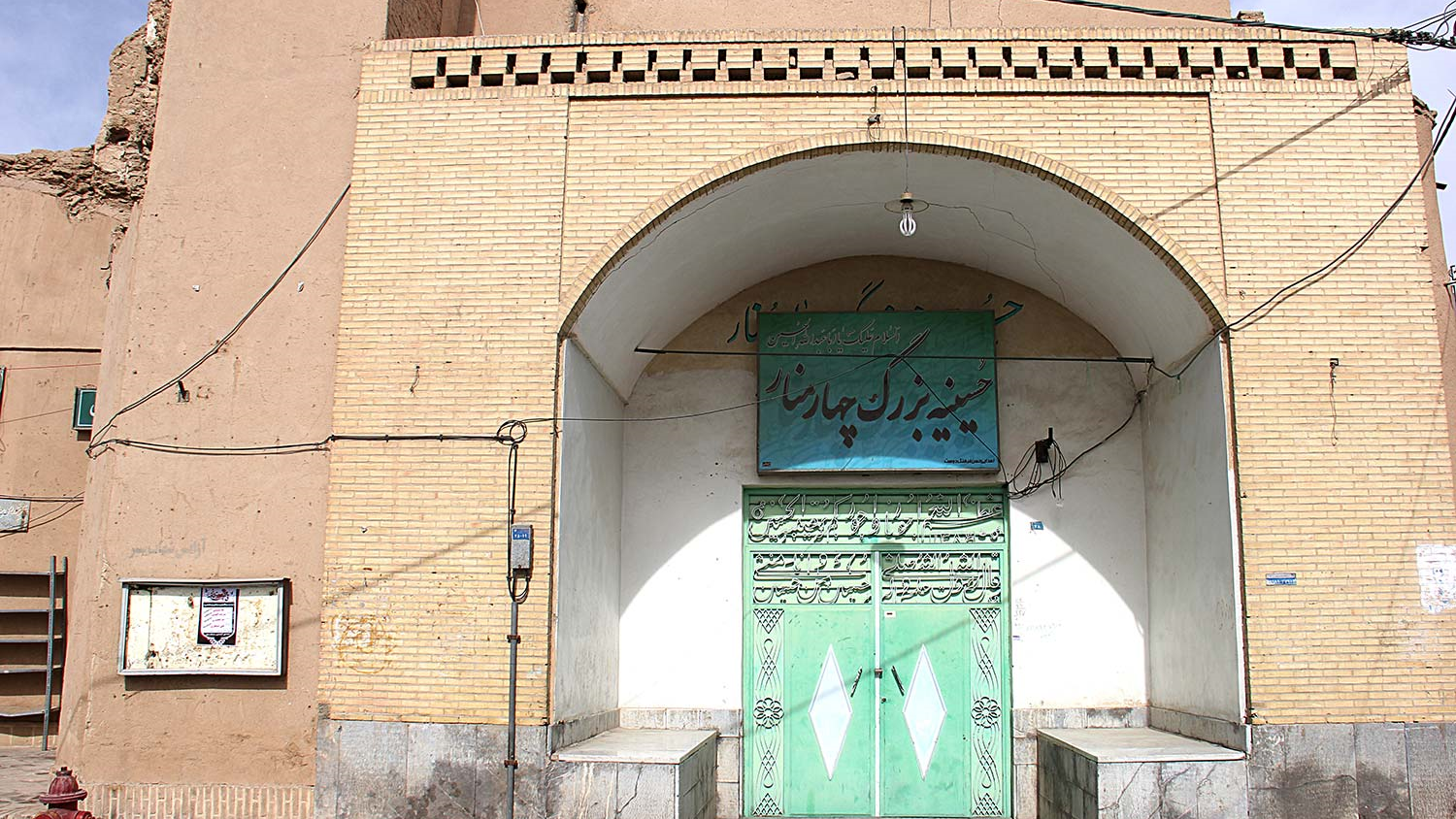
Chaharmenar Locality and Mosque
Chaharmenar Locality and Mosque of Yazd was located outside the boundaries of this city in the past and was considered an isolated part, but it is located in the heart of Yazd City.
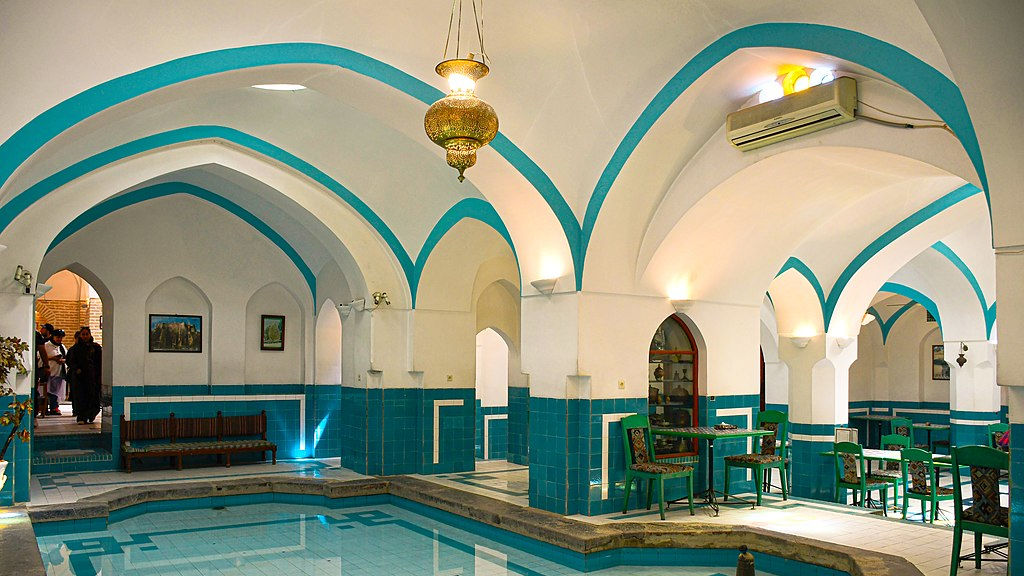
Khan Bathhouse of Yazd
Khan Bathhouse of Yazd is a historical public bathhouse in the construction of which certain subtleties and interesting points have been observed in order to strengthen the building and increase its thermal efficiency.
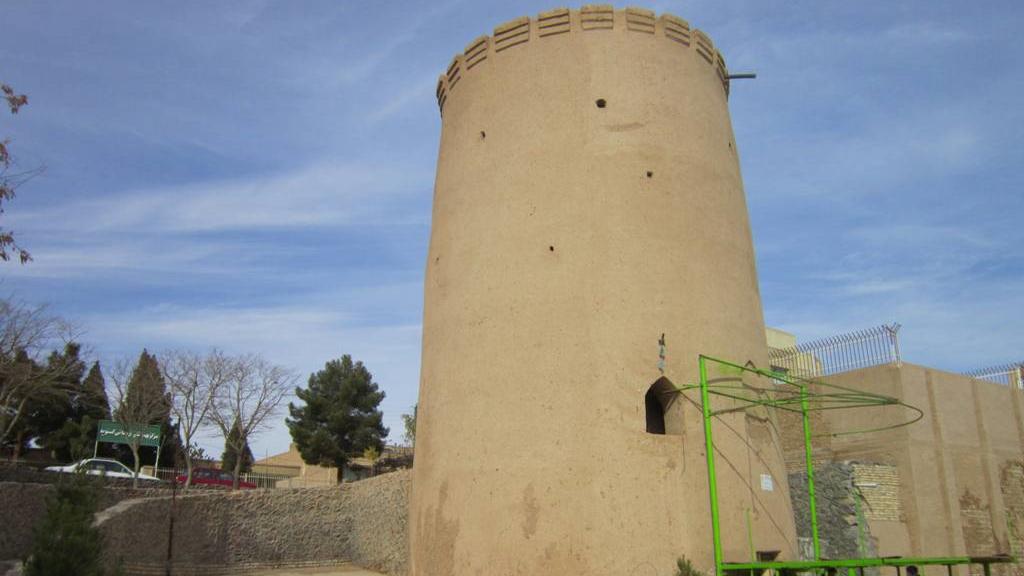
The Kahnu neighborhood: from the Pigeon Tower to the Zoroastrian Sacred Fire
The Kahnu neighborhood, also known as Kesnaviyeh, has historically been home to both Muslims and Zoroastrians in Yazd and contains significant historical landmarks.
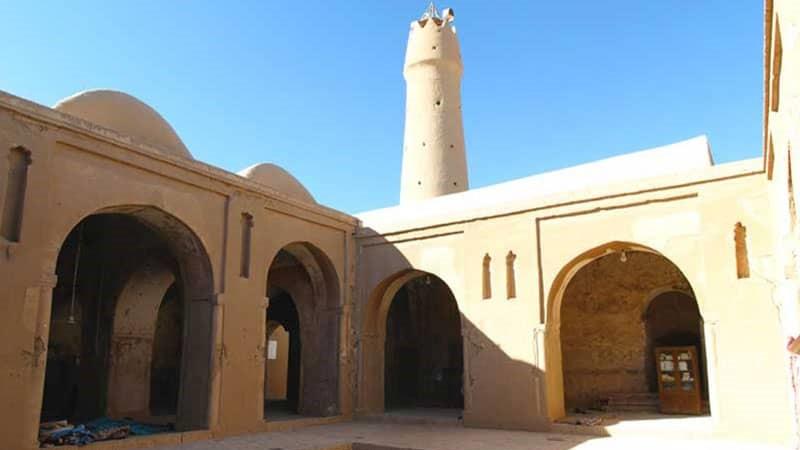
Fahraj Mosque: A Structure from the Early Years of the Rise of Islam
Fahraj Mosque is one of the oldest Islamic mosques still in use for prayers and religious ceremonies.
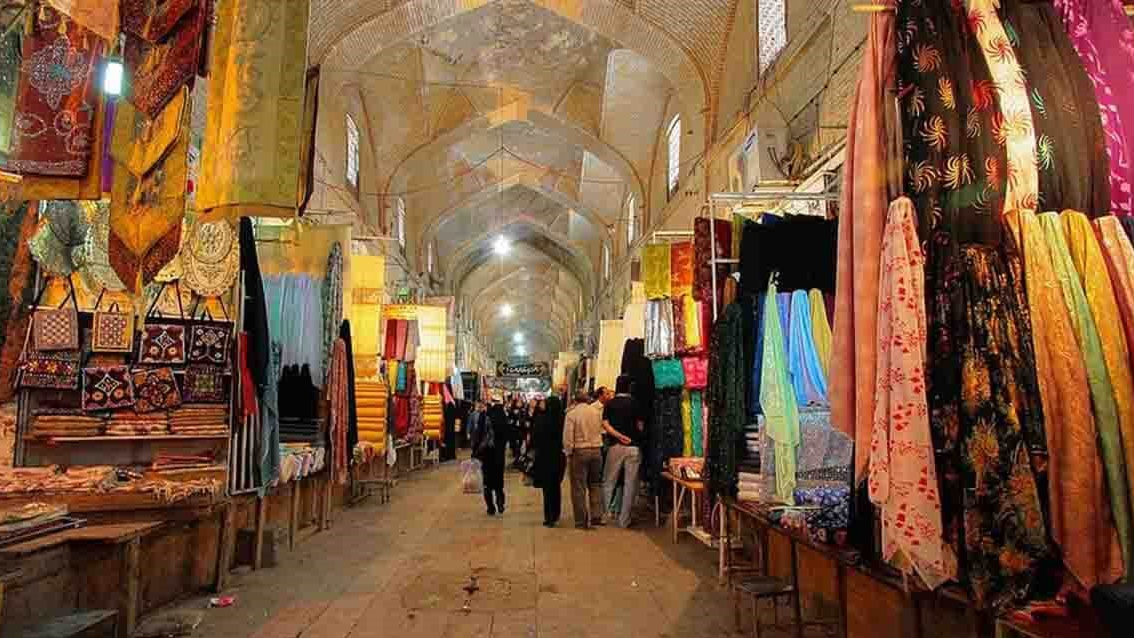
Historical Bazaars of Yazd
A bazaar is a marketplace consisting of multiple small stalls or shops. The word “bazaar” is derived from the Pahlavi word “Vakar”.
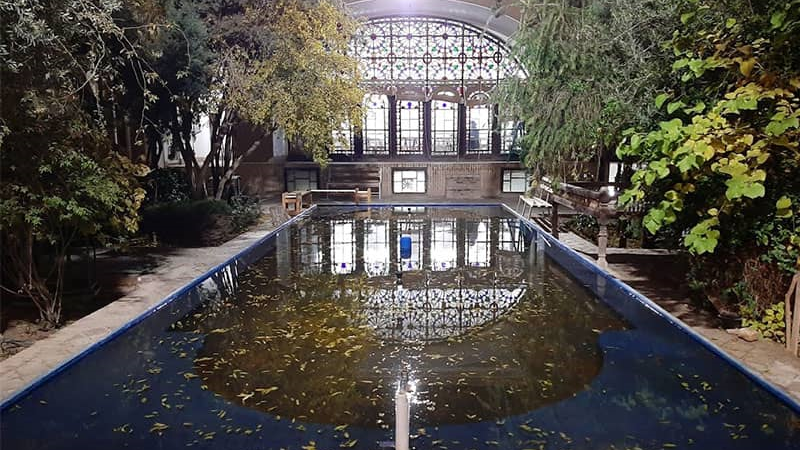
Rasoulian House of Yazd
Rasoulian House of Yazd, which is more than 100 years old, is now the Faculty of Art and Architecture of Yazd University
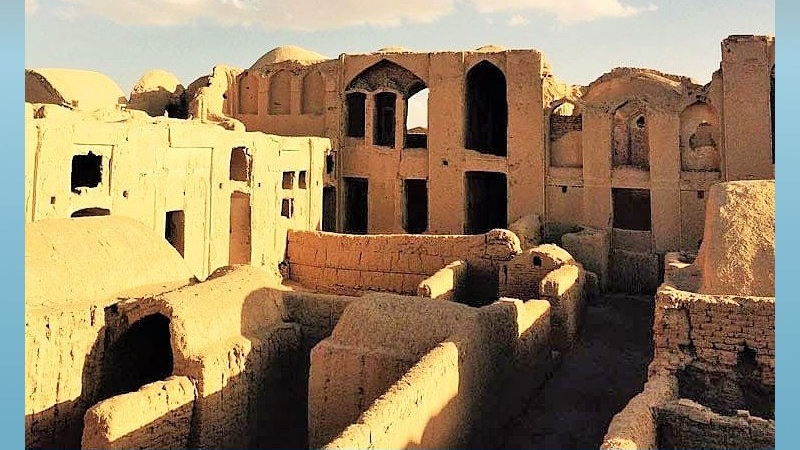
Shahrasb Castle of Abarkuh
Even though it is believed that the Shahrasb Castle of Abarkuh was built in the 16th century AD, there are certain evidences that its longevity dates back to ancient times.
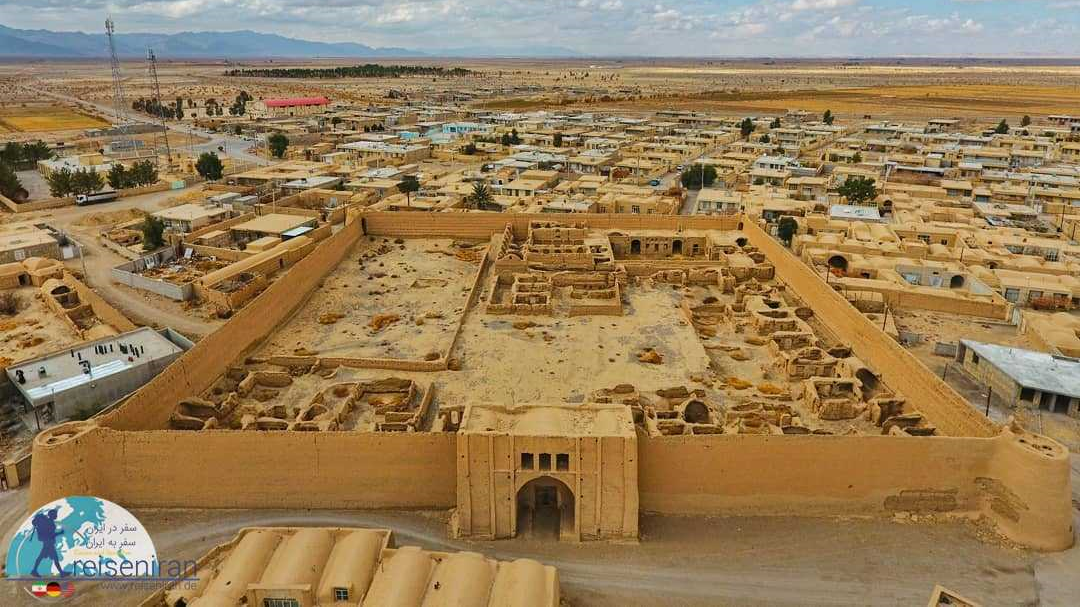
Haji Khan Castle of Esfandabad
Haji Khan Castle of Esfandabad, which is located in the Esfandabad Village of Abarkuh, is a 200-year-old castle with 2.5 meters thick and 10 meters high walls.
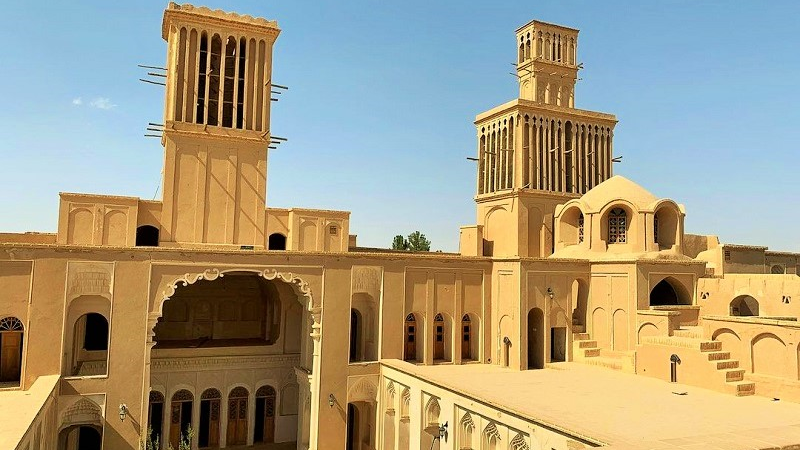
Aghazadeh Mansion of Abarkuh
Aghazadeh Mansion of Abarkuh is the only house with a two-story windcatcher in the world and it is because of this special feature that its image has been portrayed on the back of some Iranian banknotes.
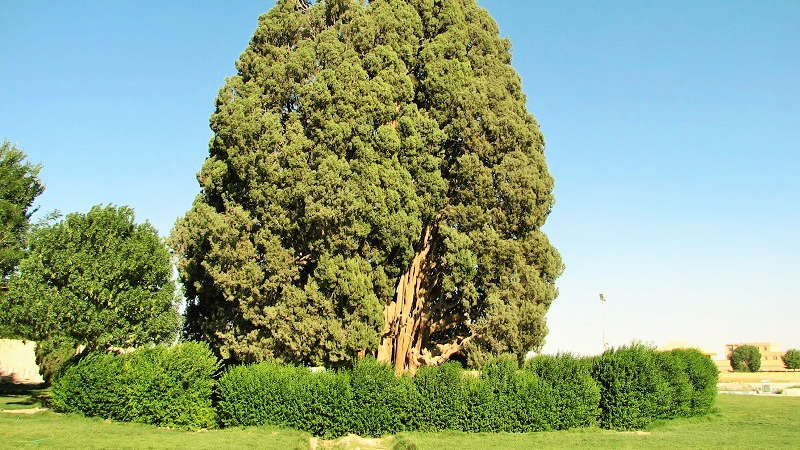
Cypress Tree of Abarkuh
Cypress Tree of Abarkuh with an estimated age of 4500 years is one of the oldest living trees of the world, located in the desert province of Yazd.
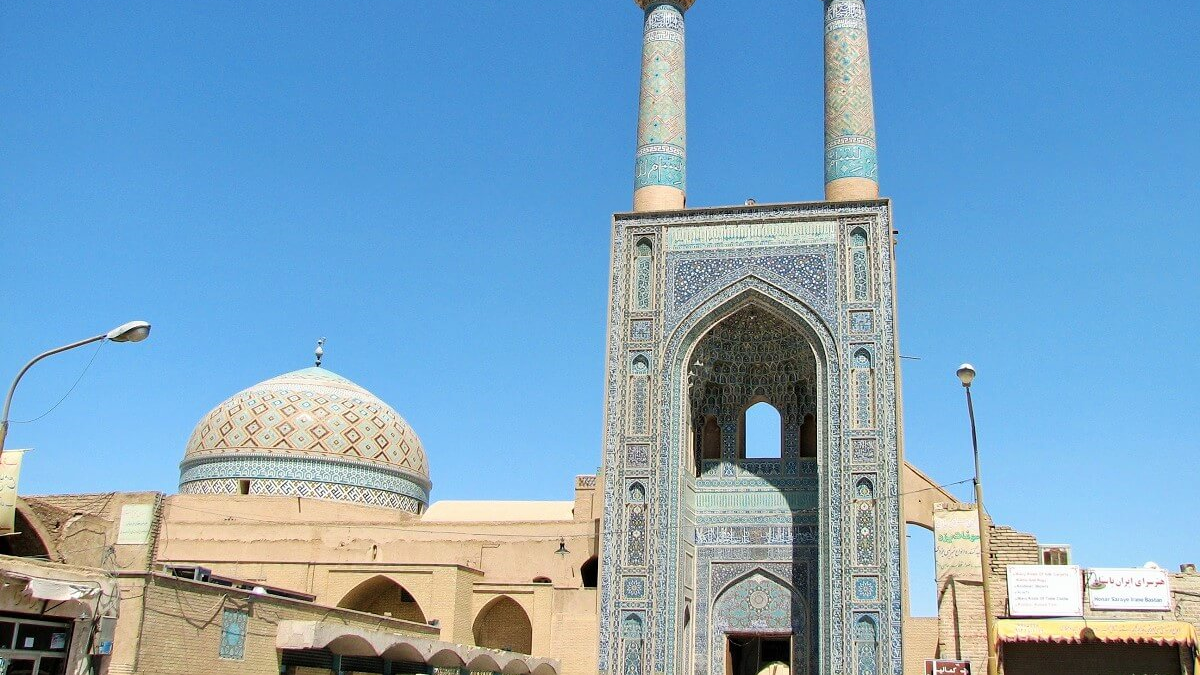
Jame’ Mosque of Yazd
Jame’ Mosque of Yazd is one of the most important historical sites of Yazd, the various stages of its construction have taken about a thousand years.
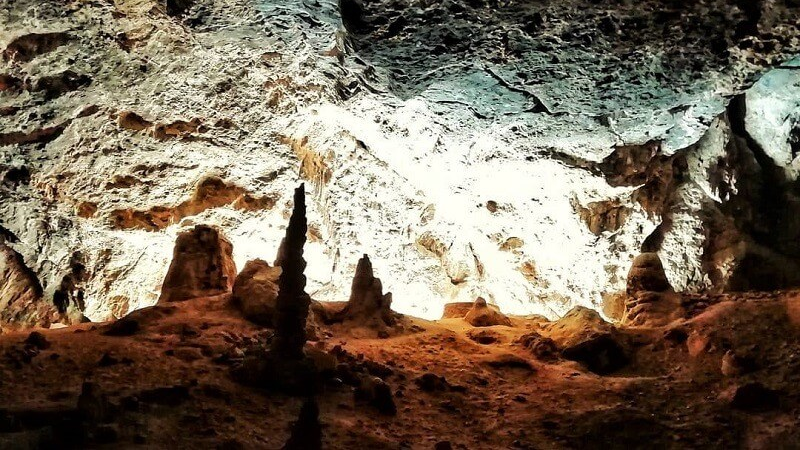
Ashkaft Yazdan Cave
Ashkaft Yazdan Cave of Yazd is a place where the sacred fire of Zoroastrians was preserved for many years and, therefore, it is considered sacred by the followers of this religion.
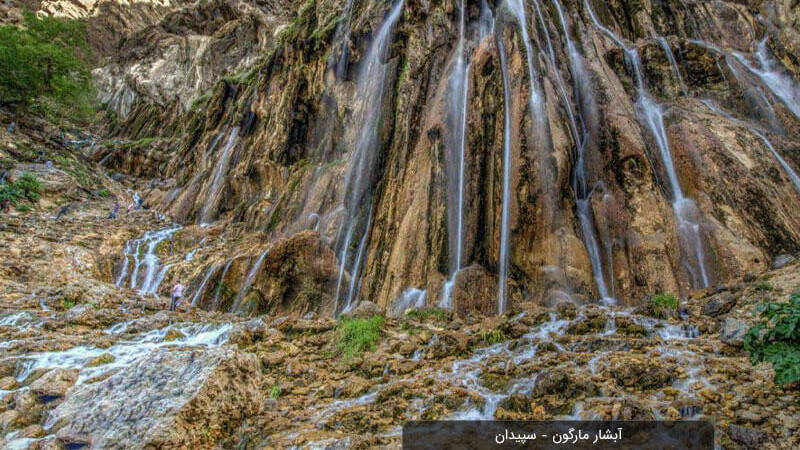
Nature Tourism Attractions of Sepidan Country
The Nature Tourism Attractions of Sepidan Country are so diverse that make many tourists travel to this city every year.
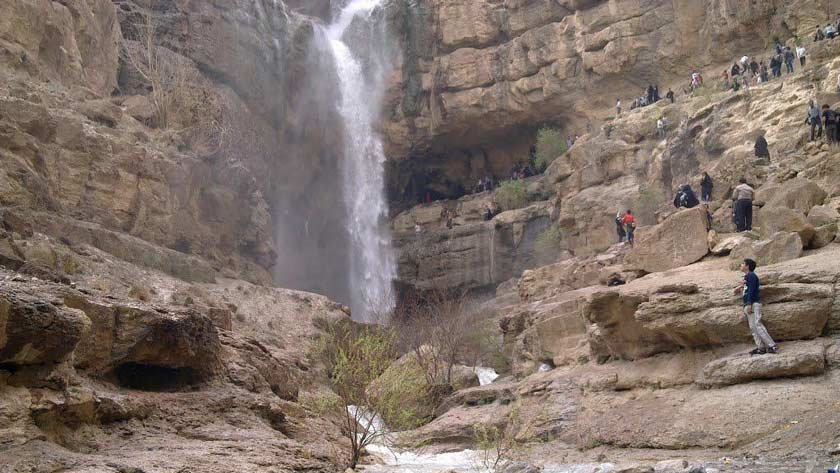
Darreh Gahan Waterfall
Darreh Gahan (lit. Gahan Valley) Waterfall is one of the tourist attractions of Yazd Province, located at the foothills of Shirkuh and near this the mysterious castle of “Pahlavan Badi”.
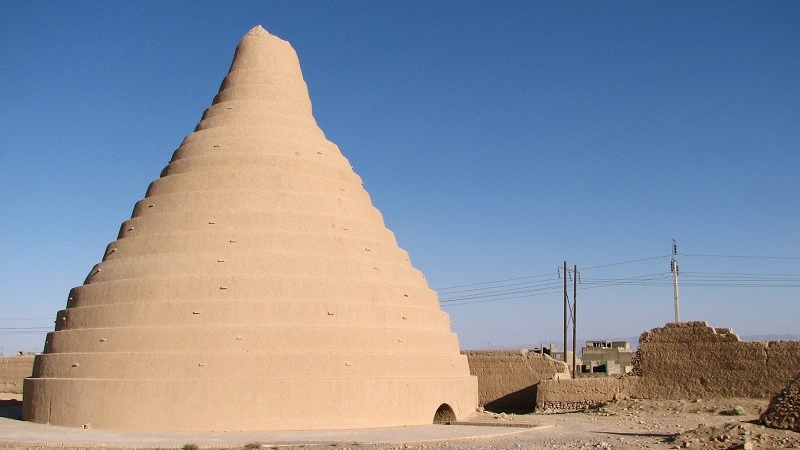
The Ice House of Abarkuh
Aqazadeh Ice House of Abarkuh is a historical building built by using indigenous techniques to produce and preserve ice in the desert region of the Yazd Province.
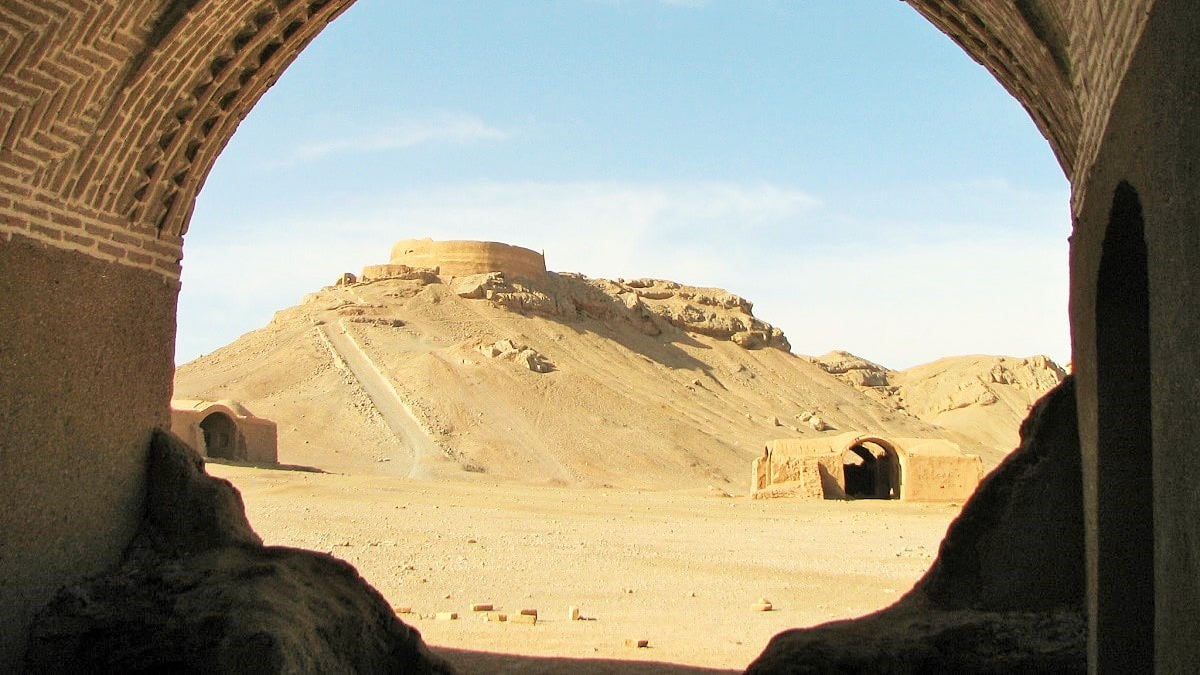
Zoroastrian Tower of Silence
Tower of Silence (known as Dakhmeh in the local language) is a circular, raised structure built by Zoroastrians for disposing of the bodies of their dead by performing certain rituals.
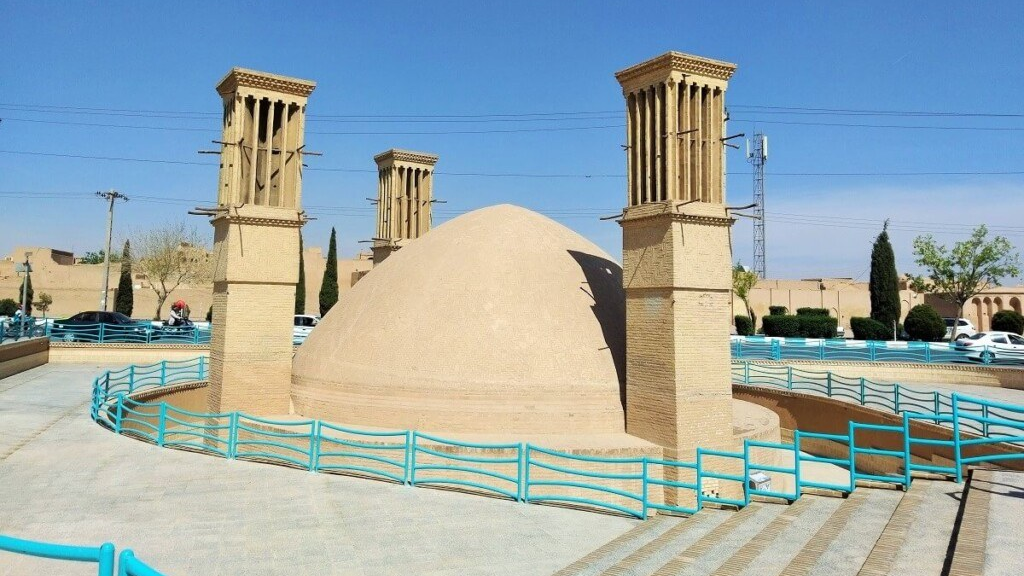
Rostam Giv Water Reservoir
Rostam Giv Water Reservoir of Yazd is a large, cylindrical water reservoir with a capacity of 2300 cubic meters, a diameter of 14 meters, and a depth of 15 meters that was used both by Zoroastrians and Muslims of this city in the past.
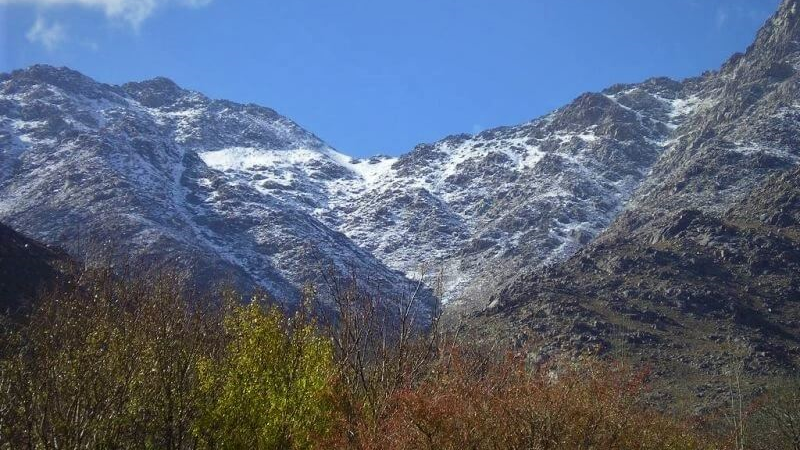
Mountaineering in Yazd
Even though Yazd is a relatively dry and desert province, there are beautiful mountains with green foothills, which are suitable destinations for mountaineers.
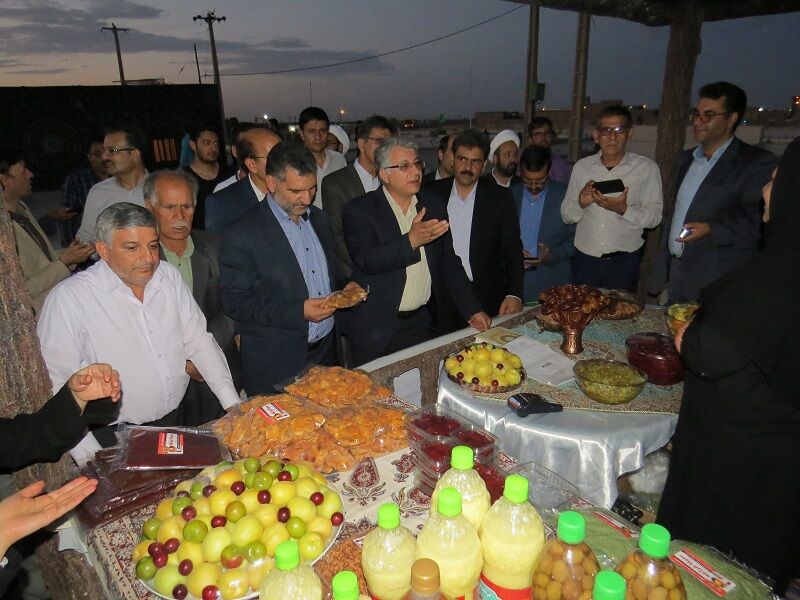
Faragheh Village, Abarkuh, and Its Eid al-Ghadir Traditions
Faragheh Village is one of the green and fertile villages of Abarkuh County. Surrounded by lush and productive gardens, the village is also well-known for its Eid al-Ghadir traditions, which attract attention for their cultural and religious significance.
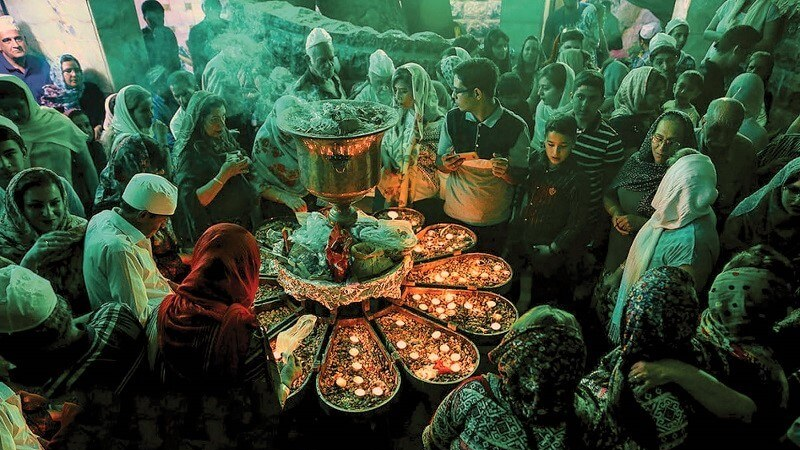
Chak Chak Zoroastrian Temple
Located near Ardakan City of Yazd Province, Chak Chak Temple is one of the most important shrines of Iranian Zoroastrians, in which they perform certain rituals every year.
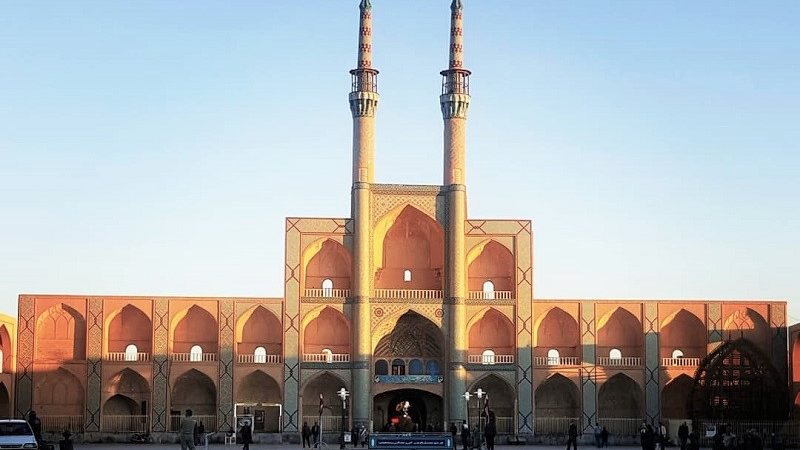
Amir Chakhmaq Husayniyya
Amir Chakhmaq Husayniyya of Yazd, which is located in the neighborhood of some other historical monuments, has hosted the annual Muharram mourning ceremony of the city’s people for more than 500 years.
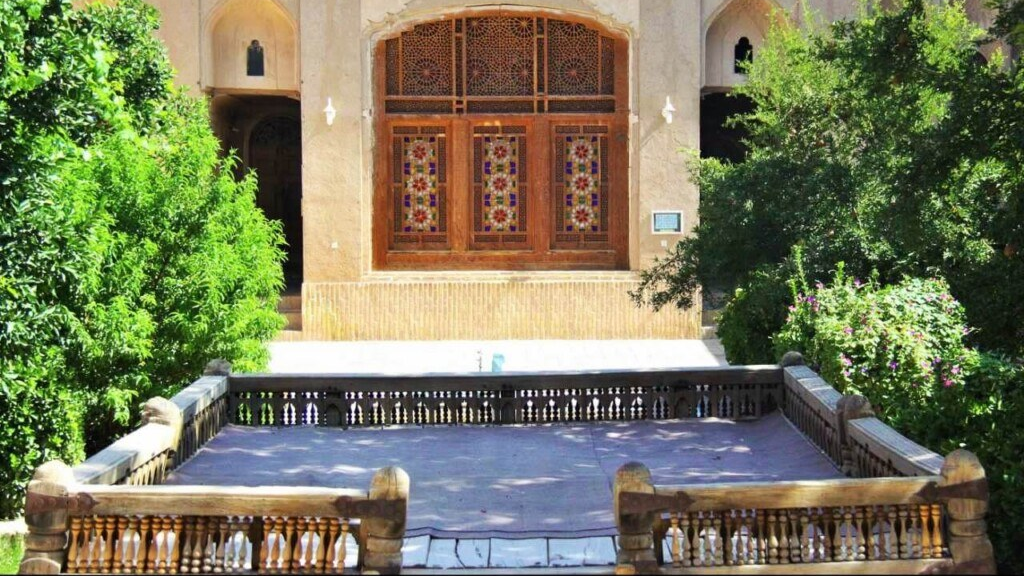
House of Laris
Built 150 years ago by a tradesman, the House of Laris is one of the oldest mansions in Yazd City.
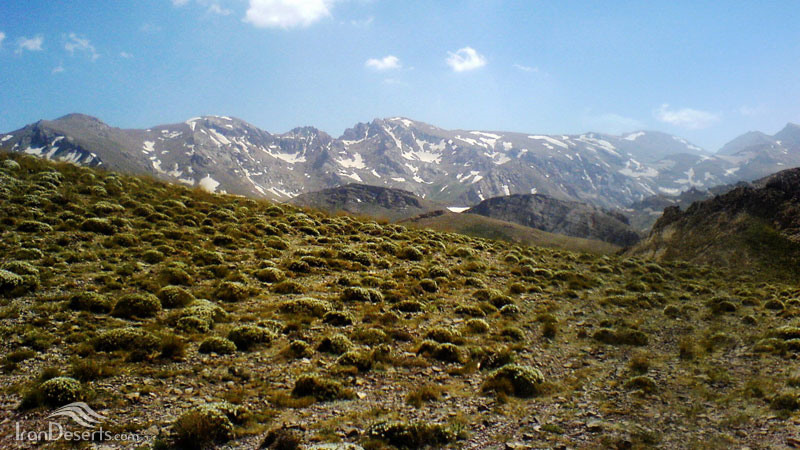
Eish-e Ala Mountain of Abarkuh
In spite of its dry and rough nature, the Mount Eish-e Ala and Kaffeh-ye Taqestan region of Abarkuh City hosts a significant number of plant and animal species.
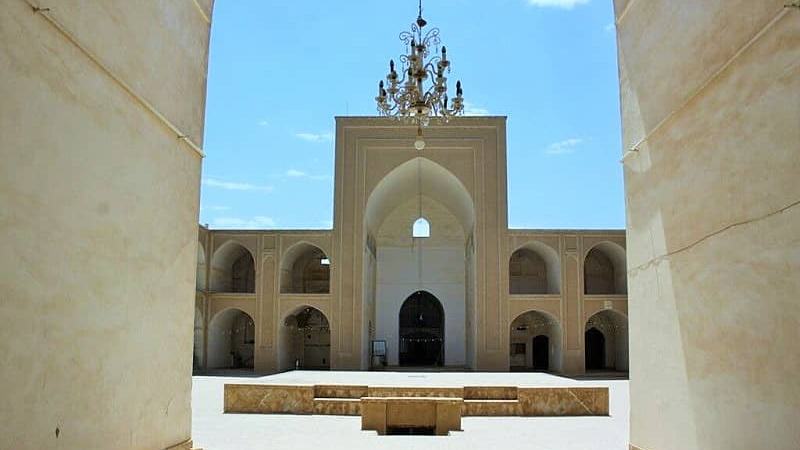
Jame’ Mosque of Abarkuh
Even though completely built of raw clay several centuries ago, the Jame’ Mosque of Abarkuh is still standing with strength and glory.
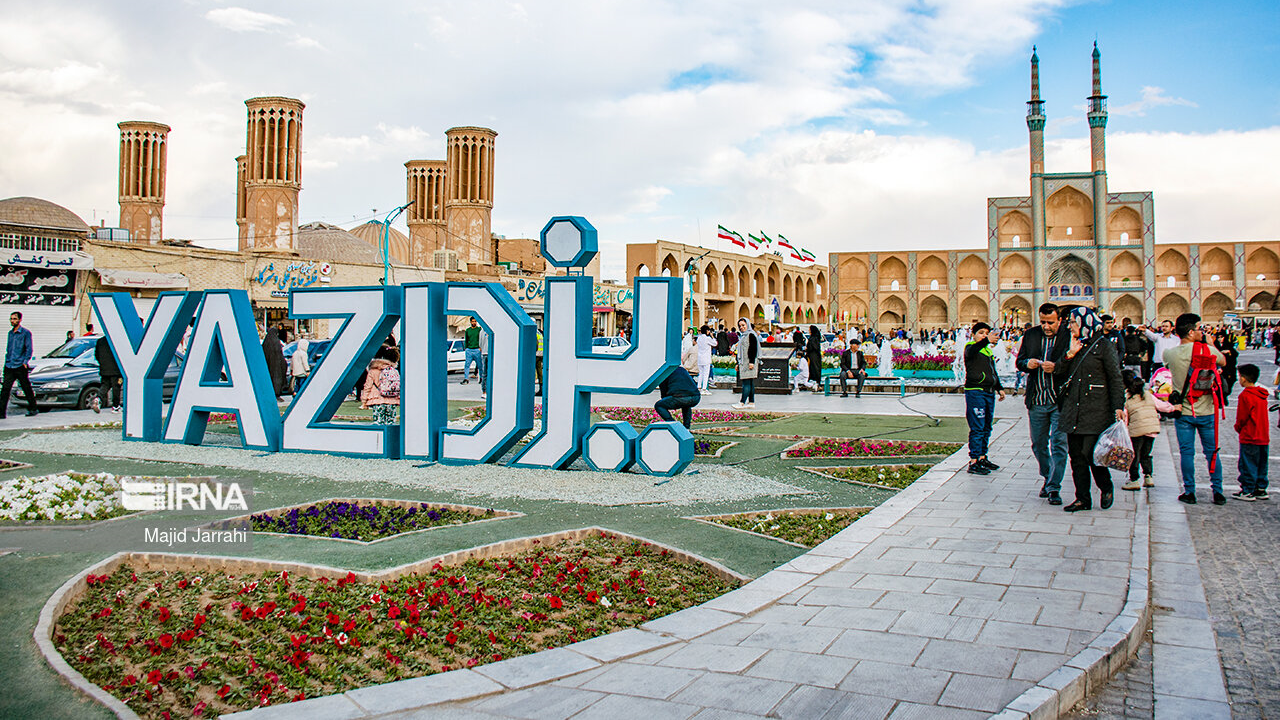
Yazd
Having numerous historical, religious, and natural tourist attractions and being one of the most traditional Iranian cities in the post-Islamic era, Yazd is considered to be one of the best tourist destinations of Iran.
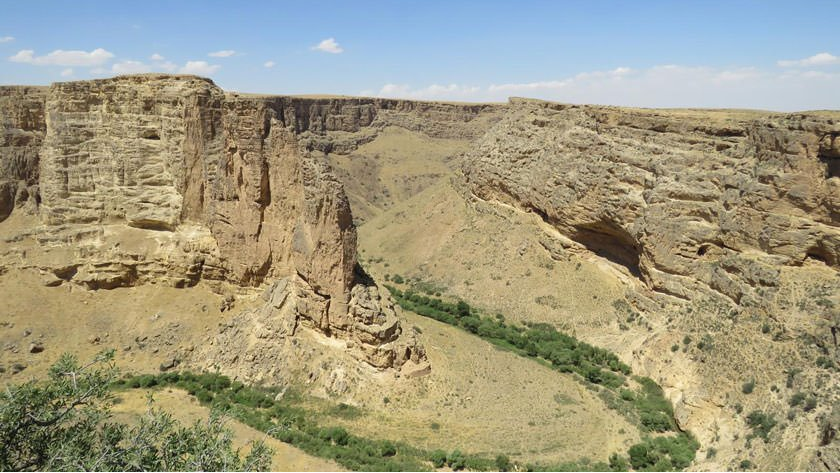
Qomchoqay Castle
Qomchoqay Castle is one of the oldest military fortresses in Iran, which is believed to have been built by the Sumerians about 5 thousand years ago.
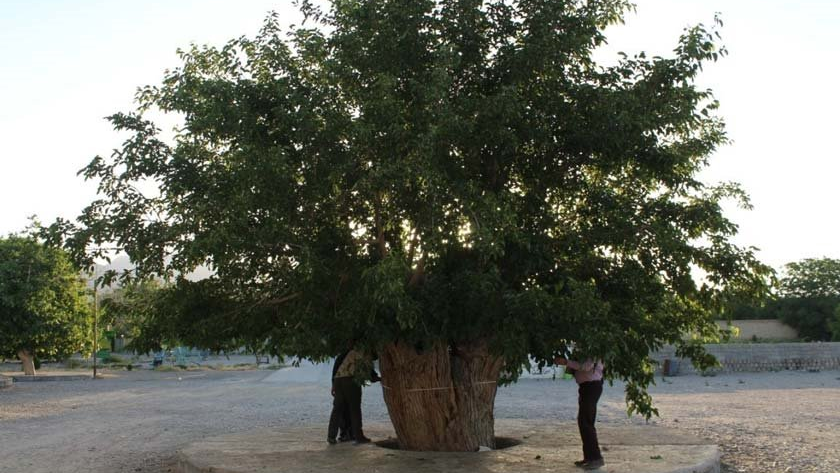
Age-old Trees of Bavanat County
The existing age-old trees in Bavanat County, some of which are more than a thousand years old, are a sign of the pristine and rich nature of this country and the splendor of Iran’s nature.
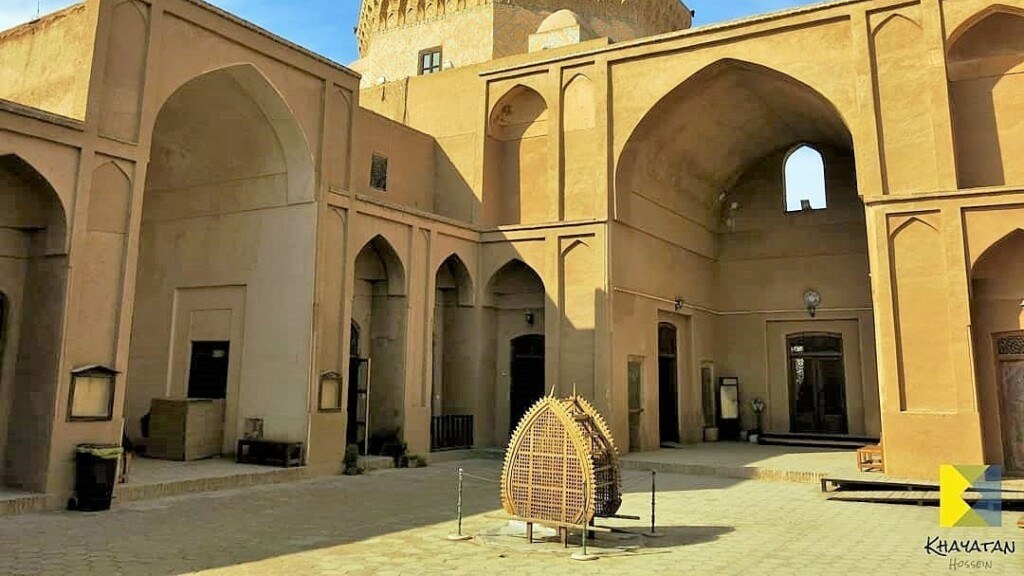
Zia’iya School
While used as a school for a long time, some people believe that what is known as the Ziaiyeh School of Yazd was a terrible prison that was built during the time of Alexander’s invasion of Iran and, thus, it is also referred to as “Zendan-e Eskandar” (Alexander’s Prison).
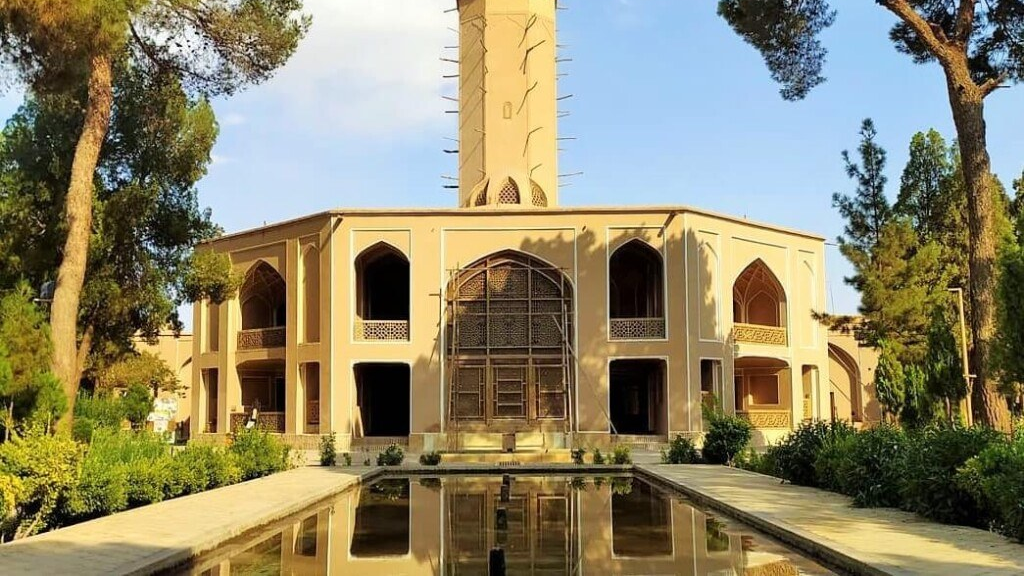
Dowlatabad Garden of Yazd
Dowlatabad Garden of Yazd is one of the historical gardens of Iran, which has the tallest adobe-made windcatcher in the world and has been inscribed on the list of UNESCO World Heritage.
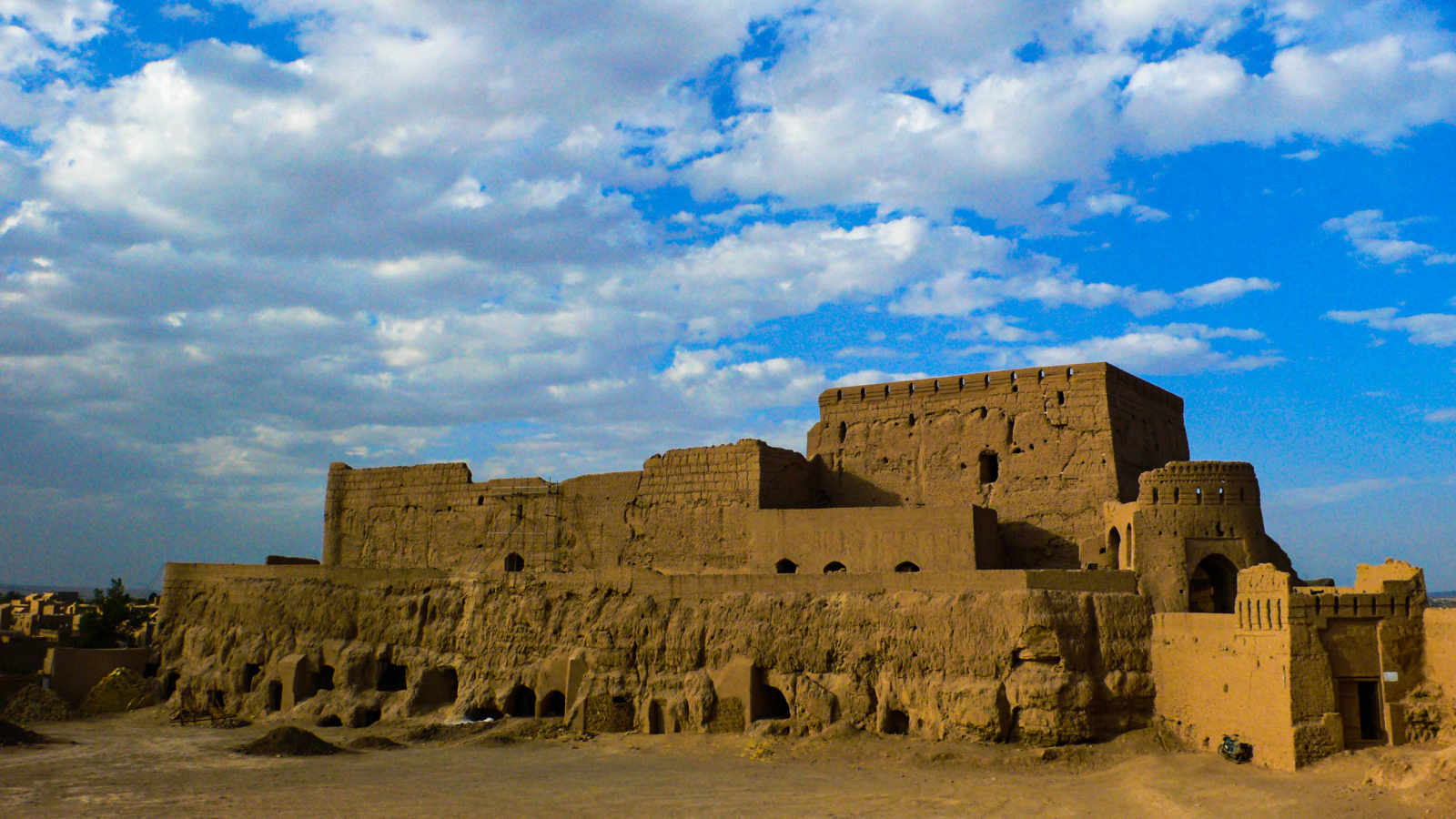
Naryn Castle of Sardrud
In spite of containing valuable artifacts and information, the Naryn Castle of Sardrud has not yet been fully explored.
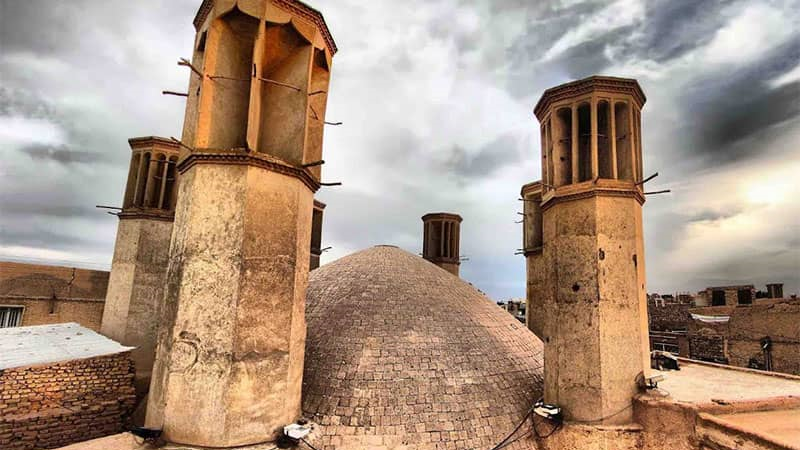
Shish Badgiri Ab Anbar
Shish Badgiri Ab Anbar (lit. Water Reservoir with six windcatchers) is a historical structure in Yazd City, which was an important part of the water supply system in the past.
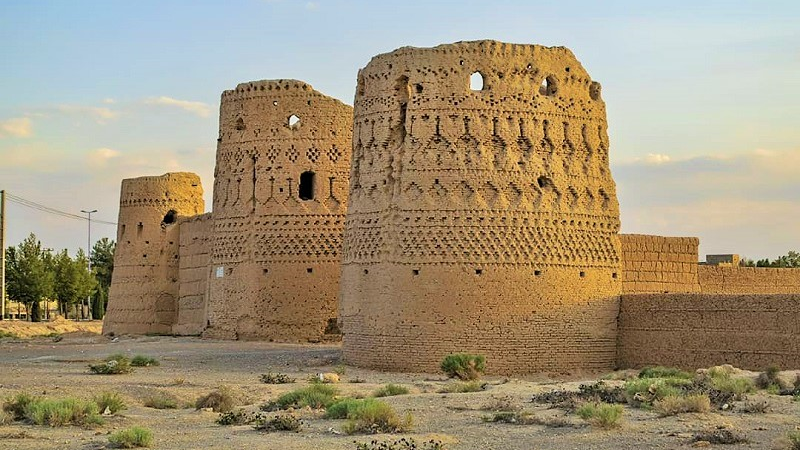
Robat Castle of Abarkuh
Robat Castle of Abarkuh is a historical castle located in Abarkuh County of Yazd Province, the longevity of which dates back to the Safavid era (1501 - 1736 AD) and was, once upon a time used as a residential place.
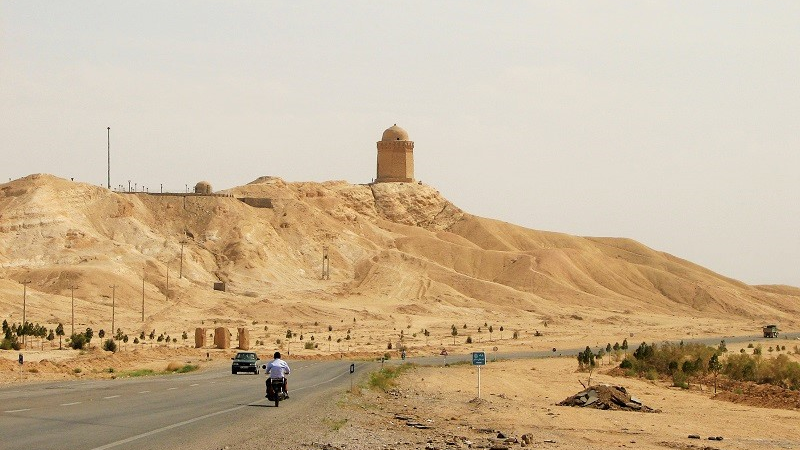
Aali Dome of Abarkuh
In spite of being more than a thousand years old, the Aali Dome of Abarkoh is still standing firmly and without any particular damage.
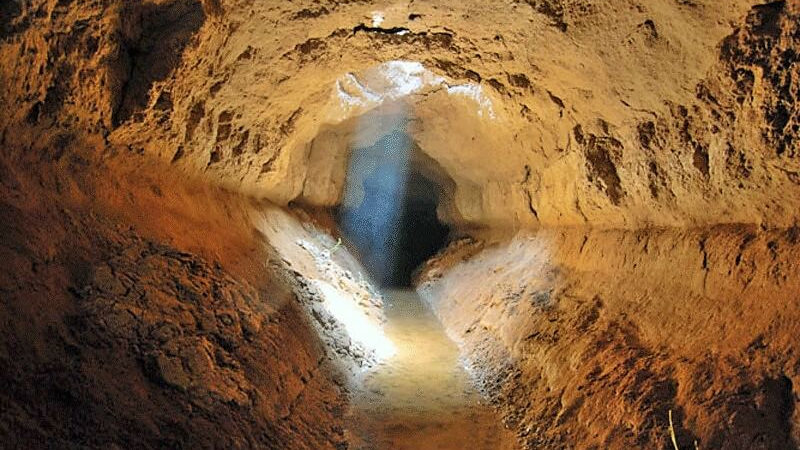
Zarch Qanat of Yazd
The Zarch Qanat of Yazd, which has been inscribed on the UNESCO World Heritage List, is one of the longest and oldest qanats in the world.
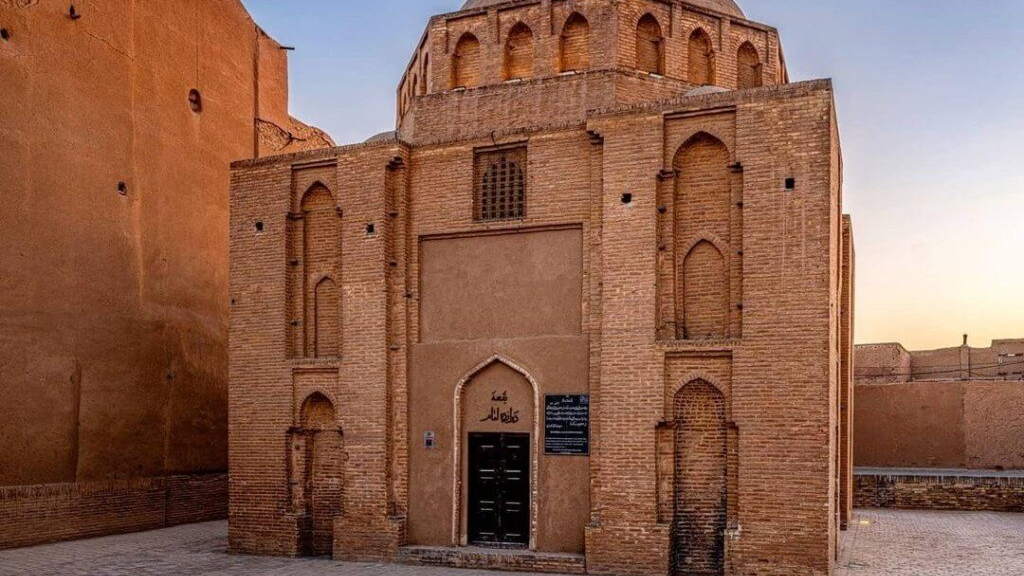
Davazdah Imam Memorial
Among the numerous historical monuments of Yazd, the Davazdah Imam Memorial is the oldest monument an authentic document is available about the year of its construction.
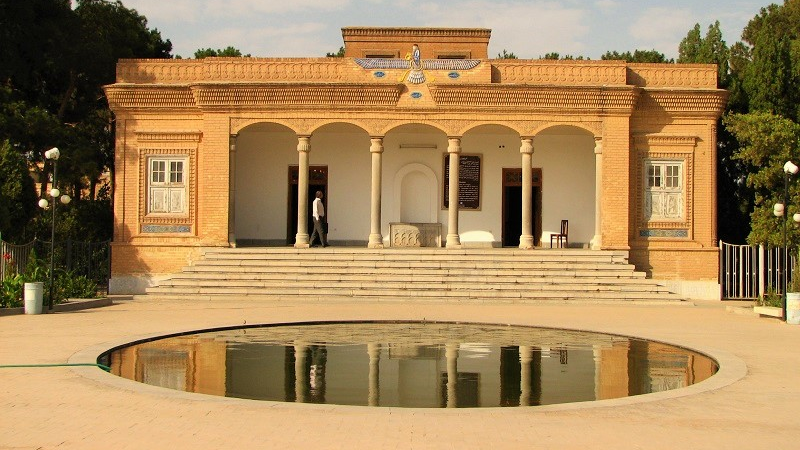
Varahram Fire Temple of Yazd
The sacred fire that was lit more than 1500 years ago is kept in the Varahram Fire Temple of Yazd.
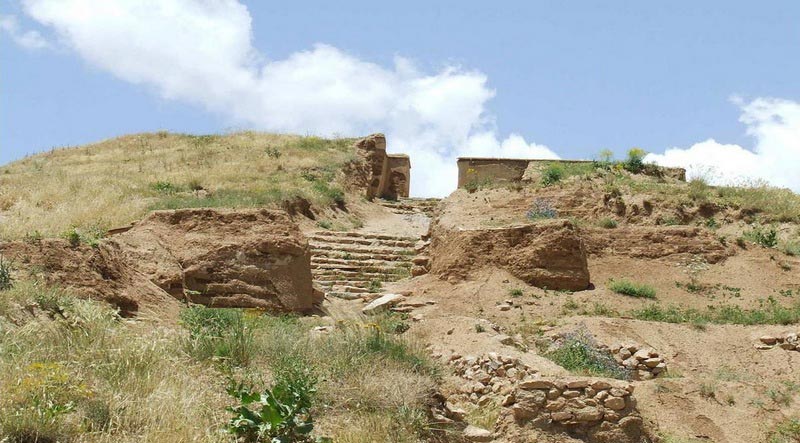
Ziviye Castle
Certain artifacts have been found in the 2500-year-old Ziviye Castle, which are the best manifestations of ancient art and craft.
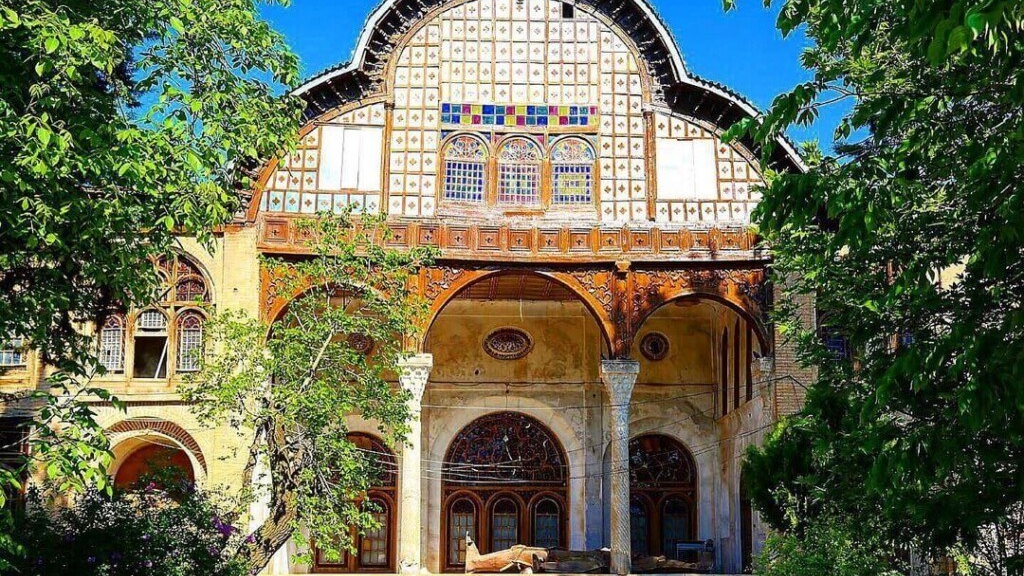
Moshir Divan Mansion of Sanandaj
Moshir Divan Mansion of Sanandaj is one of the old buildings of this city, which can be considered as an outstanding manifestation of the principles of Iranian architecture.
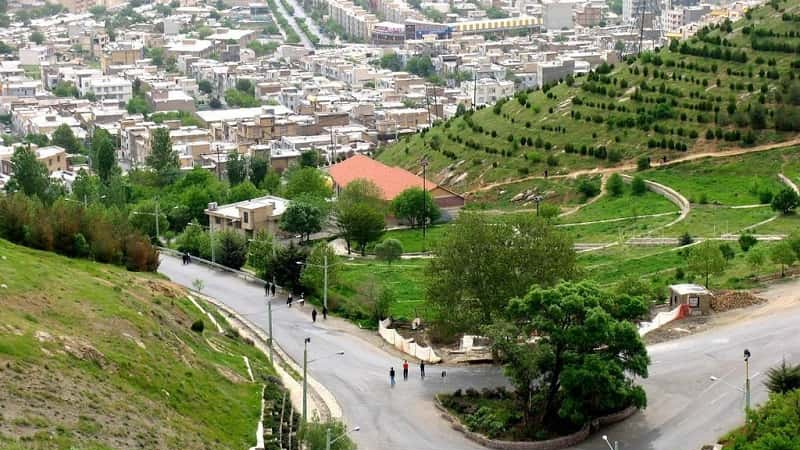
Abidar Recreational Park of Sanandaj
Having an admirable view of the city of Sanandaj, Abidar Recreational Mountain Park, contains the highest statue of Iran, which was built to commemorate the martyrs of Saddam’s attacks on Iran.
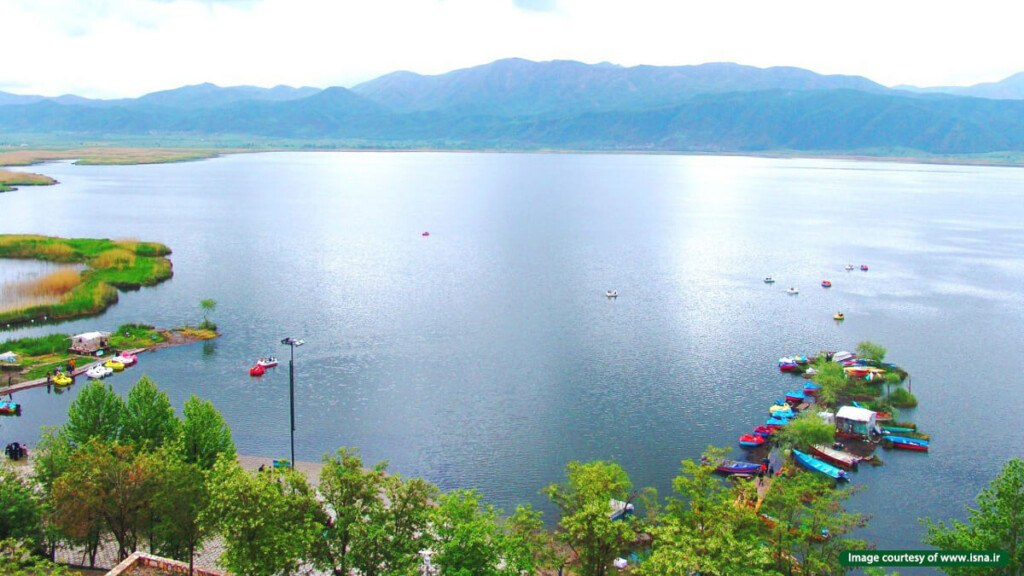
Zarivar Lake of Marivan
The Zarivar Lake of Marivan in Kurdistan Province is the only freshwater lake in Iran, hosts many plant and animal species, and is considered an attractive tourist destination.
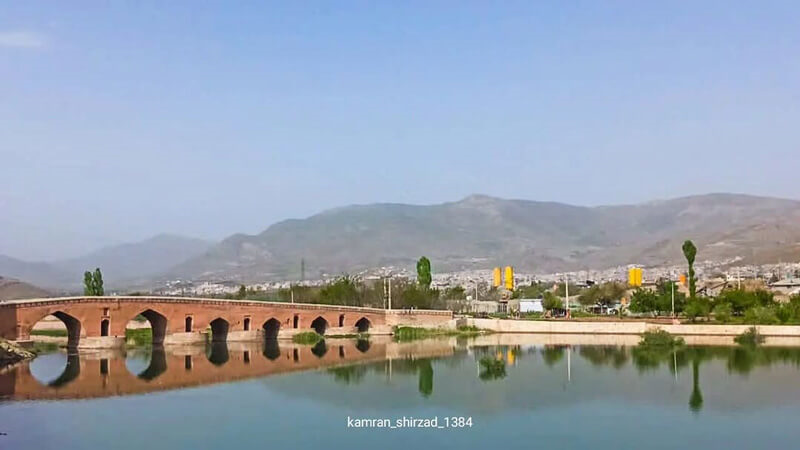
Qeshlaq Bridge of Sanandaj
The Qeshlaq Bridge of Sanandaj has been built on a river with the same name and the surrounding green nature of this historical bridge has made it a pleasant sight.
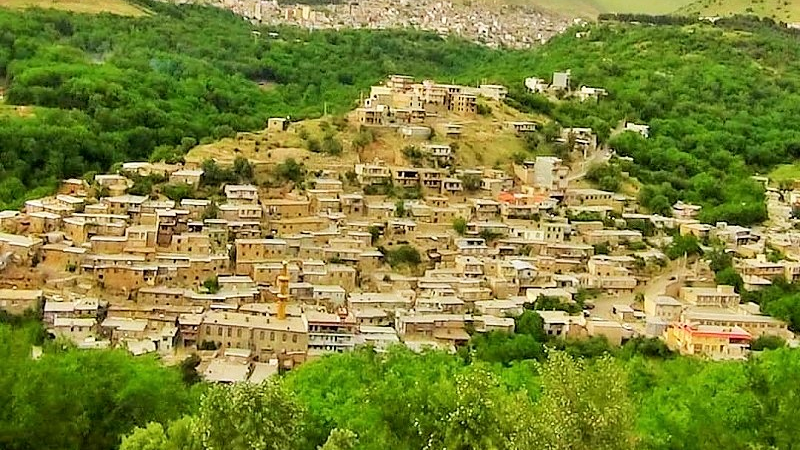
The Cultural Landscape of Hawraman Rural Area
The remote and mountainous rural region of Hawraman or Uramanat manifests the traditional culture of the Hawrami clan: a Kurdish rural agriculturist clan that has inhabited the area since about three thousand years BC.
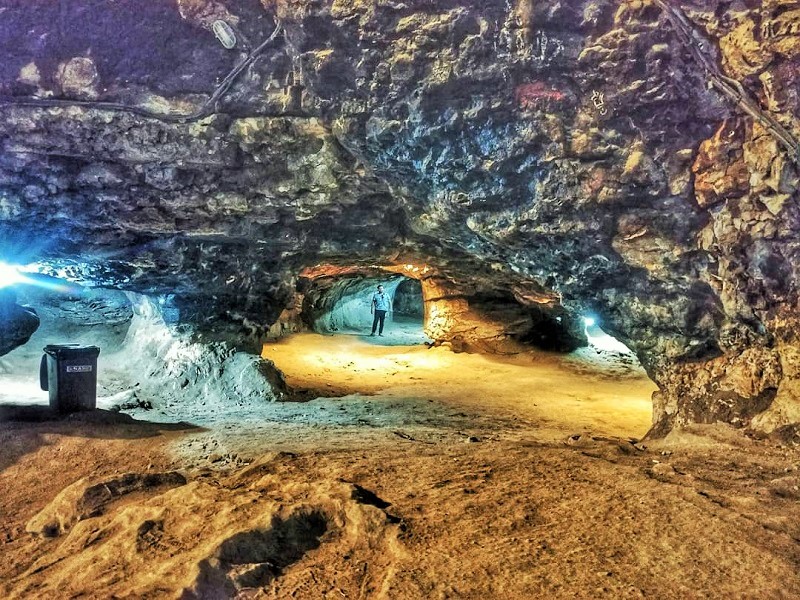
Karaftu Cave
The history of habitation in the Karaftu Cave of Kurdistan Province goes back to prehistoric times.
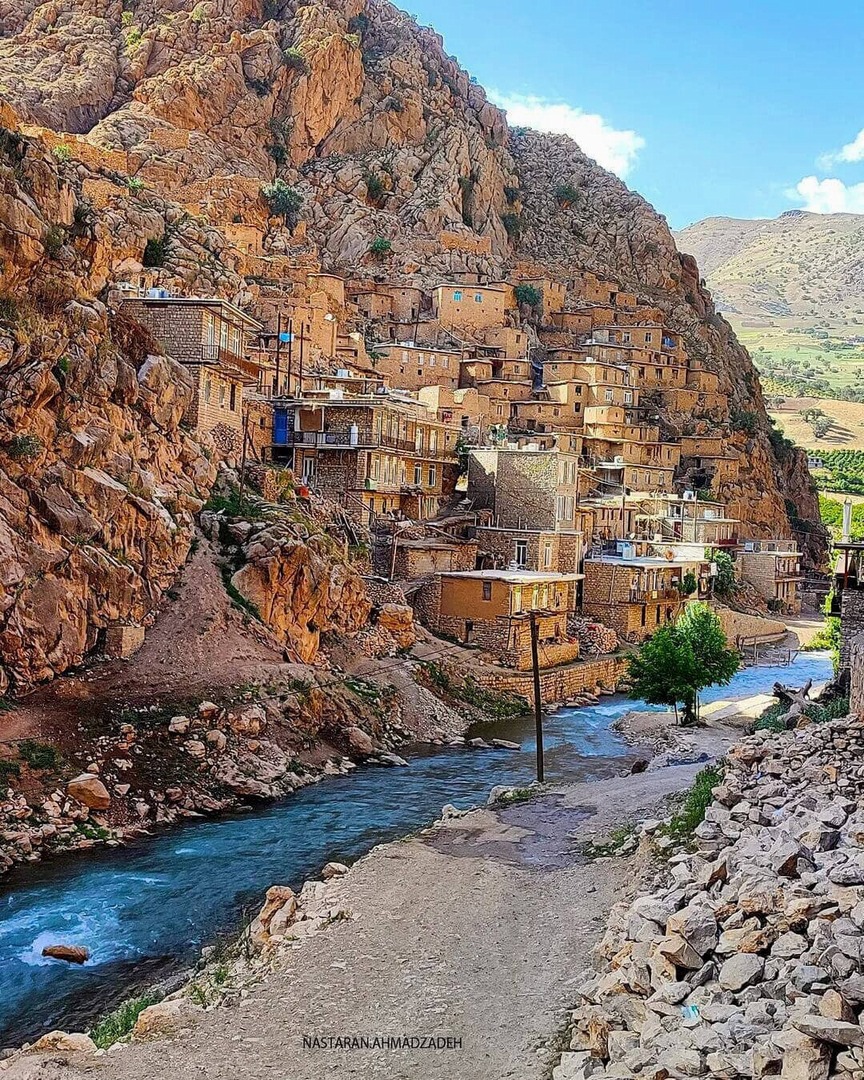
Palangan Village
Palangan Village of the Kamyaran City of Kurdistan Province of Iran is one of the oldest human habitats of the Kurdistan region, which has special and unique architecture and pristine views.
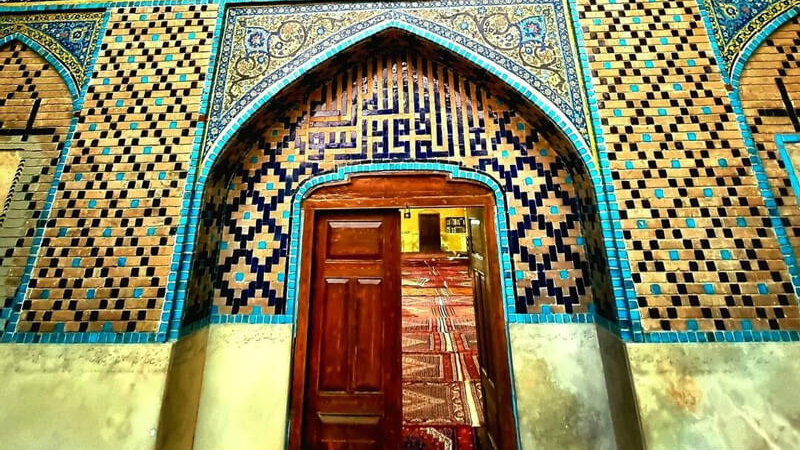
Jame’ Mosque of Sanandaj
In addition to being a place for religious and social gatherings, what adds to the importance of the Jame’ Mosque of Sanandaj is its beautiful architecture.
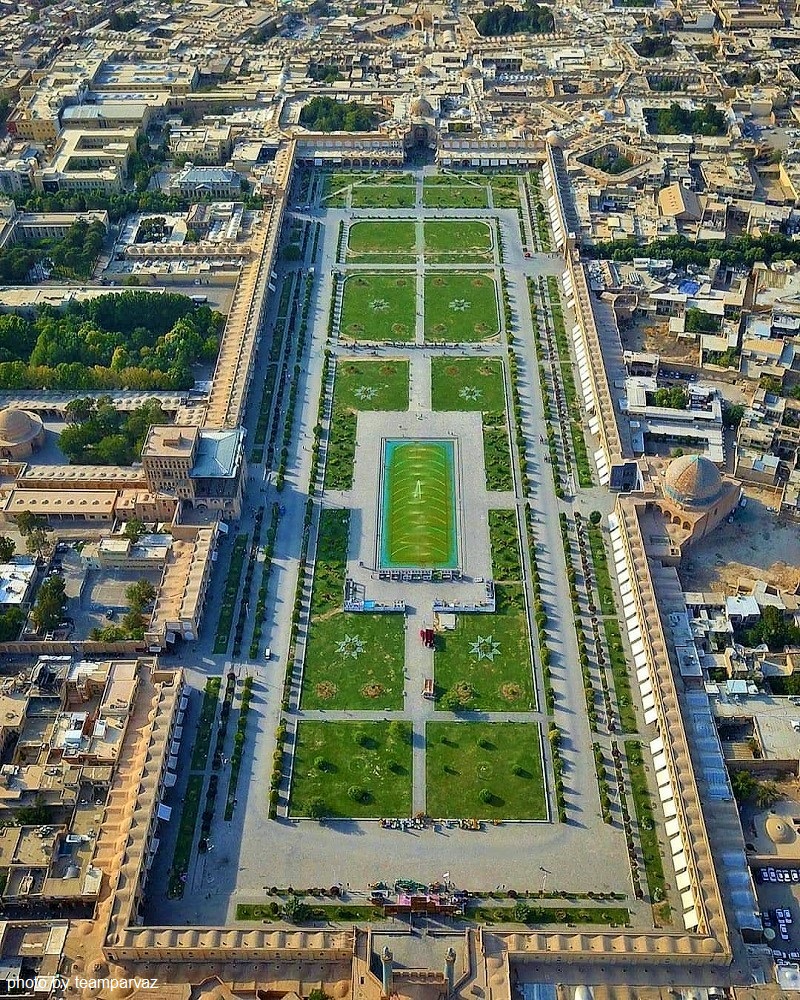
Visiting Isfahan
Having many historical tourist attractions, Isfahan is a must-see city for anyone who travels to Iran.
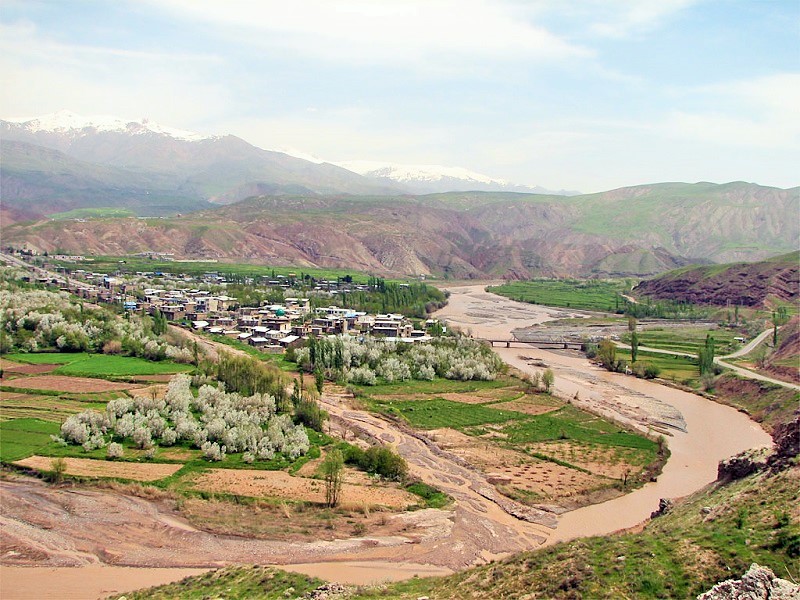
Rivers of Iran
Like the veins of a body, the rivers of Iran run all over this country and irrigate its dry lands.
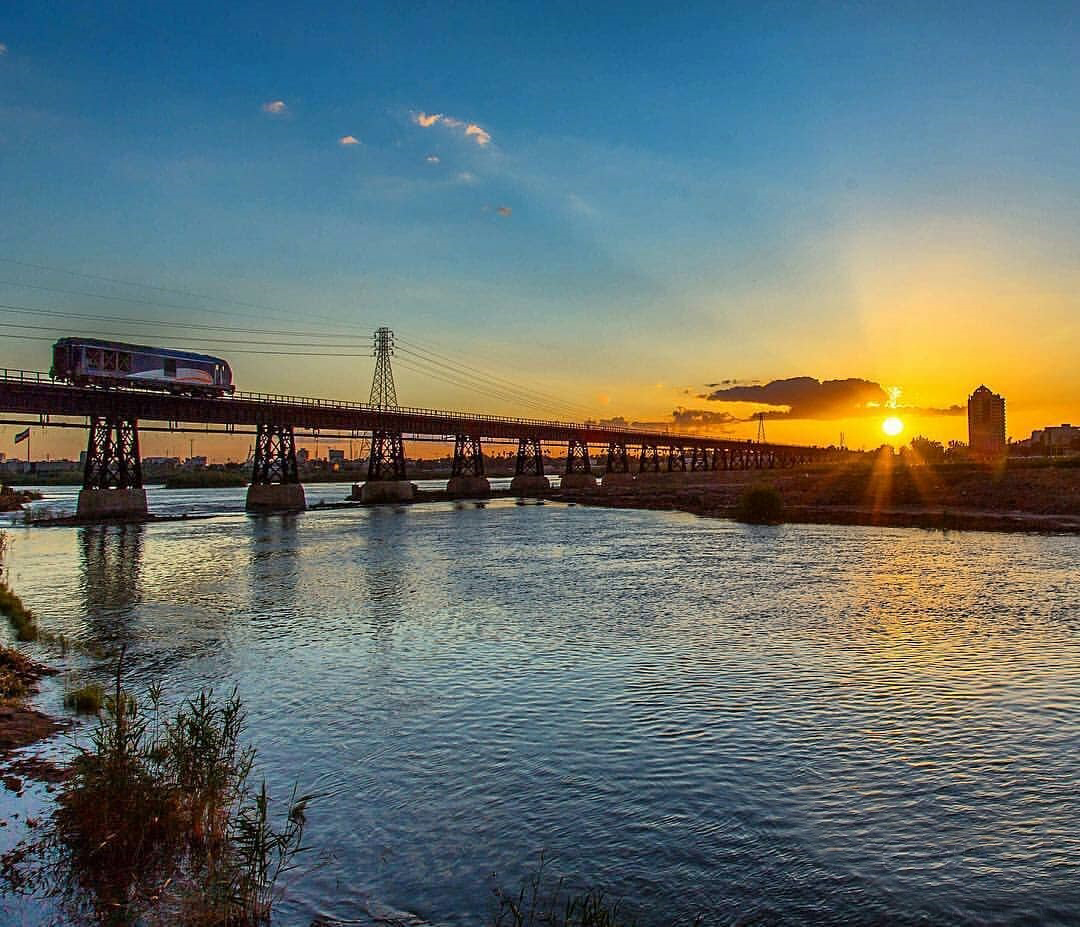
Tourist Attractions of Ahvaz
Ahvaz is an Iranian metropolitan city beautified by the Karun River.
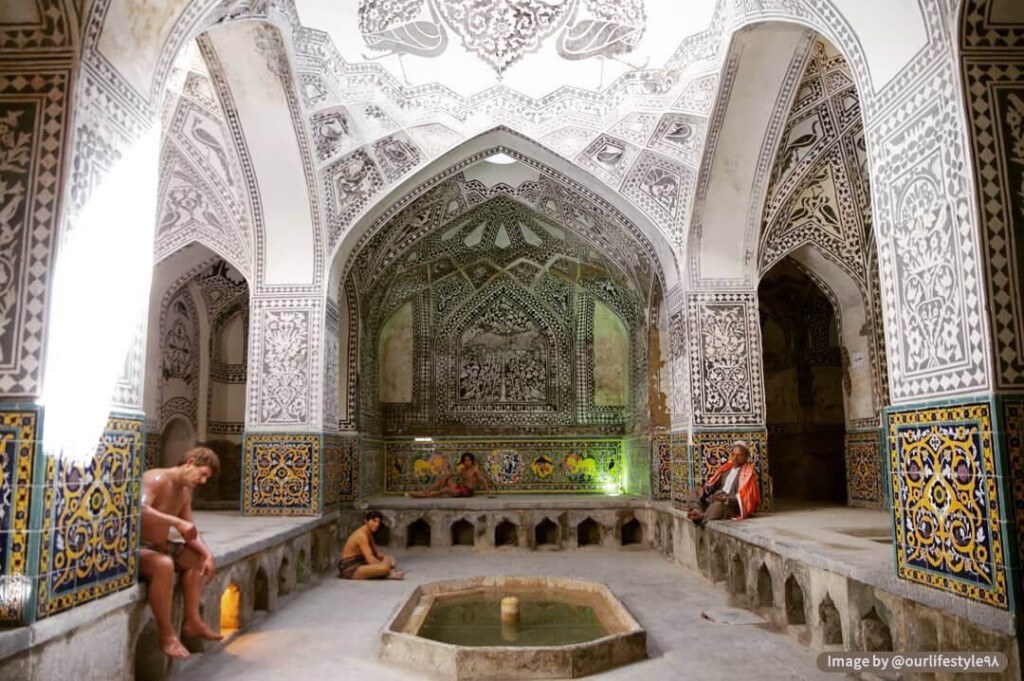
Khan Bathhouse of Sanandaj
Khan Bathhouse of Sanandaj is one of the historical places of this city, which is important in terms of its history and interior decorations.
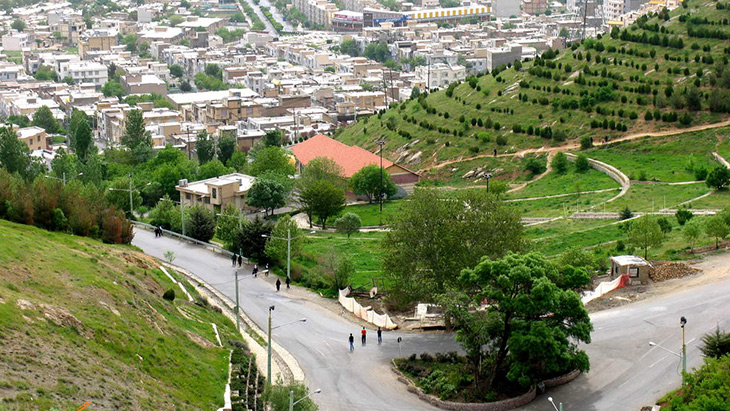
Negel Village
Nagal village of Kurdistan Province is quite famous because of a strange event.
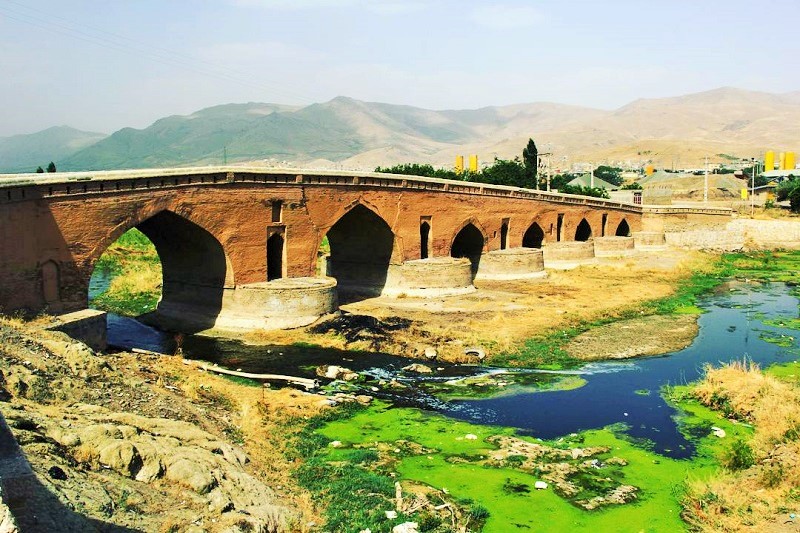
Sanandaj
This second-largest city and the capital of the Kurdistan Province of Iran is famous for its mild summer weather.

محوطه تاریخی فرهنگی بیستون
محوطه تاریخی بیستون آثاری بینظیر در دل خود دارد که روایتگر تاریخ تمدن بشری از زمان پارینه سنگی تا کنون است.
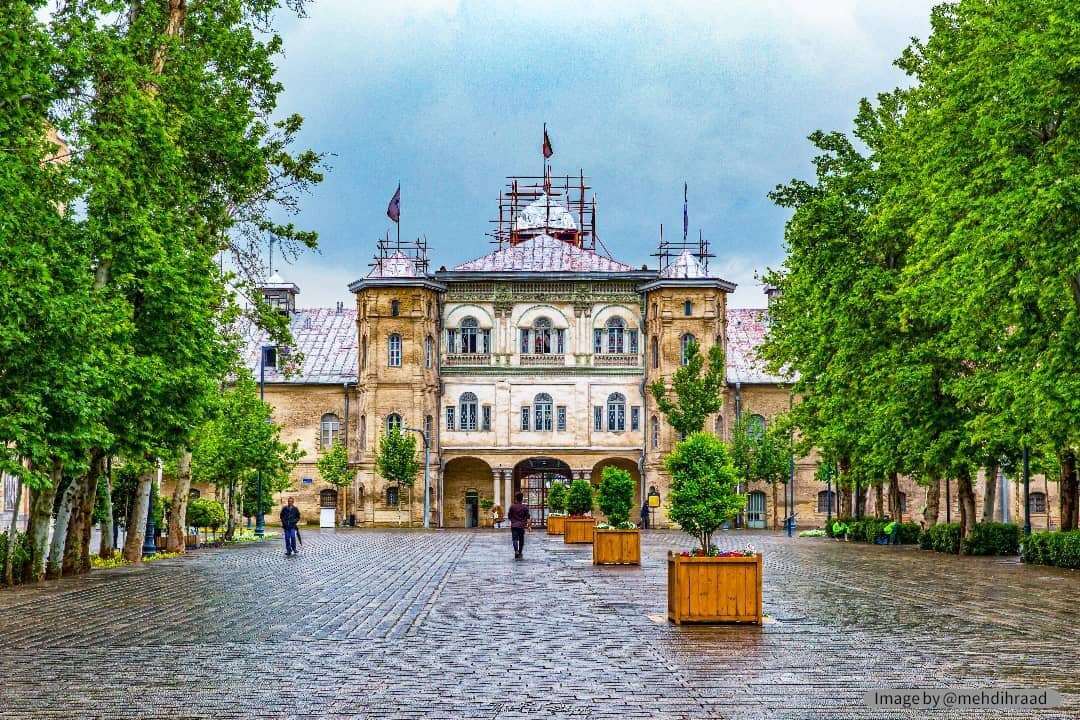
National Garden of Tehran
The National Garden (Bagh-e Melli in Persian) is a historical and governmental compound in Tehran, which was founded more than 200 years ago for military training and was formerly referred to as Meydan-e Mashq or Meydan-e Rezheh (Parade Square).
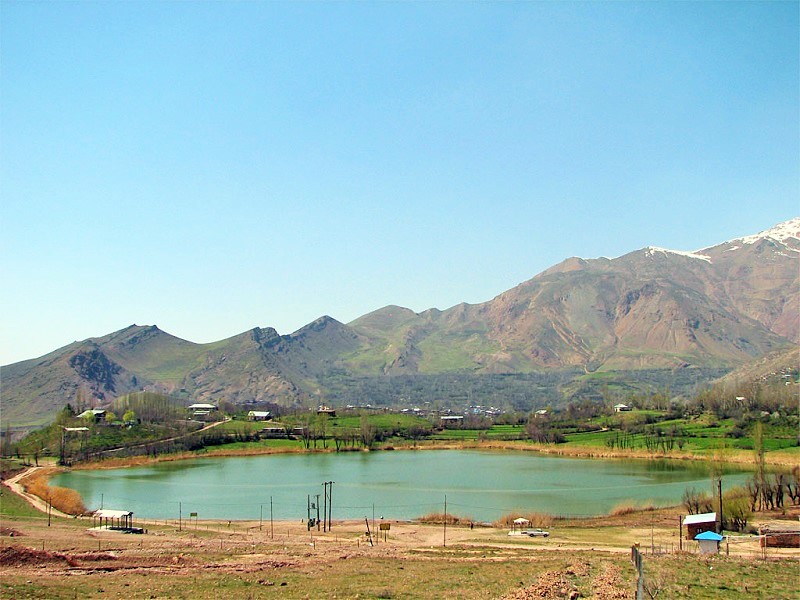
Bodies of Water of Iran
In spite of being a relatively hot and dry land, there are bodies of water in different regions of Iran that form its natural attractions for tourists.
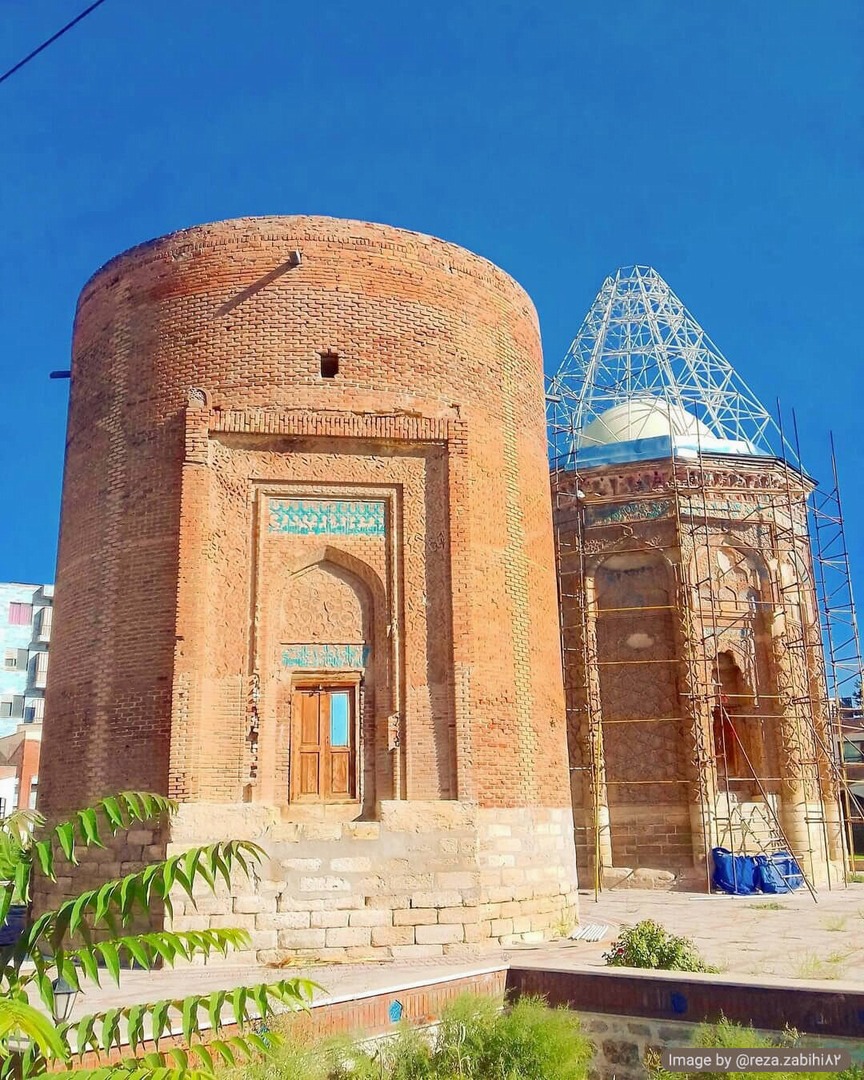
Circular Tower of Maragheh
The Circular Tower of Maragheh, which was built in the Seljuq era, houses a tomb no one knows anything about the identity of the person buried in it.
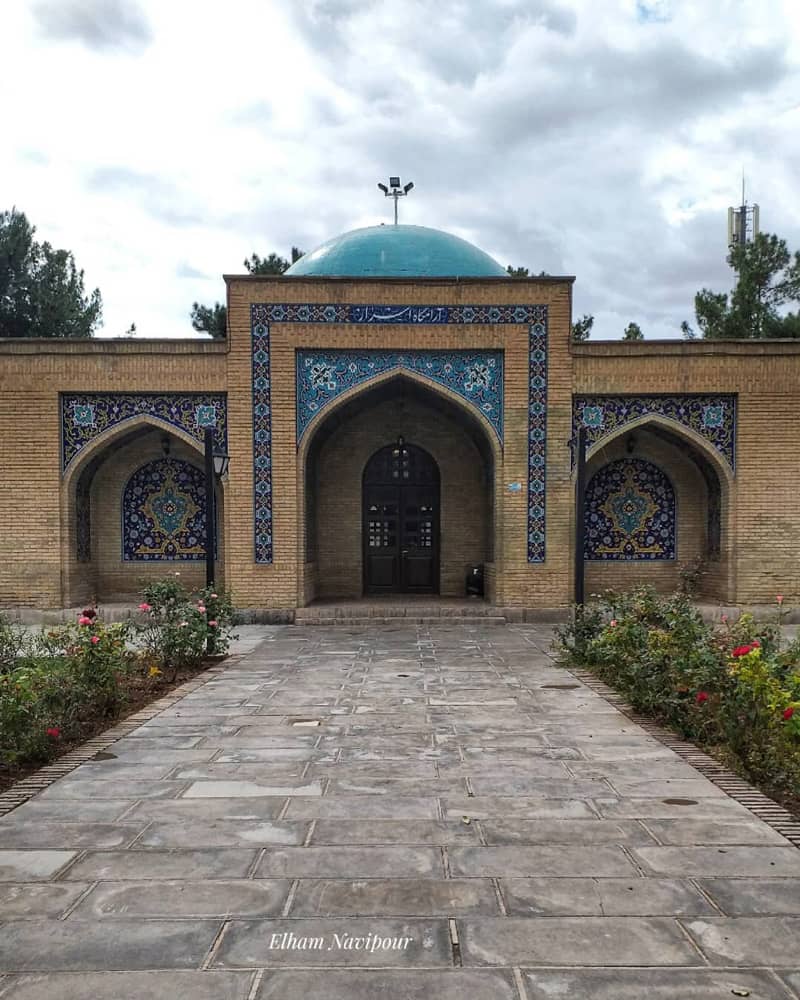
Molla Hadi Sabzevari Mausoleum – Scholar of Philosophy and Islamic Sciences
Molla Hadi Sabzevari was a prominent scholar in early 19th-century Iran. His mausoleum, located in Sabzevar, is recognized as one of the historical landmarks of the city.
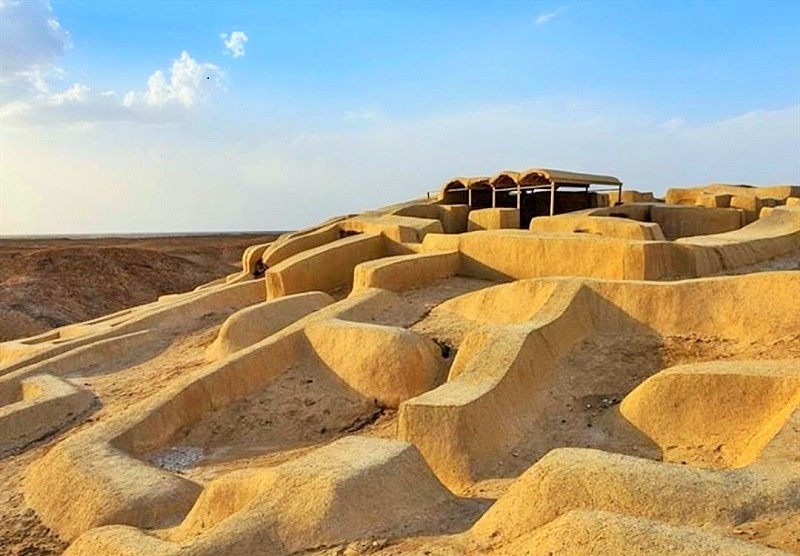
Shahr-e Sukhteh
Located over an area of nearly 151 hectares, Shahr-e Sukhteh (meaning Burnt City) is the remains of one of the most advanced cities of the ancient world.
 در جنوب میدان نقش جهان واقع است_crop_1.jpg)
Naqsh-e Jahan Square
The beautiful city of Isfahan houses many beautiful and eye-catching historical sites, one of which is the spectacular Naqsh-e Jahan Square or Imam Square
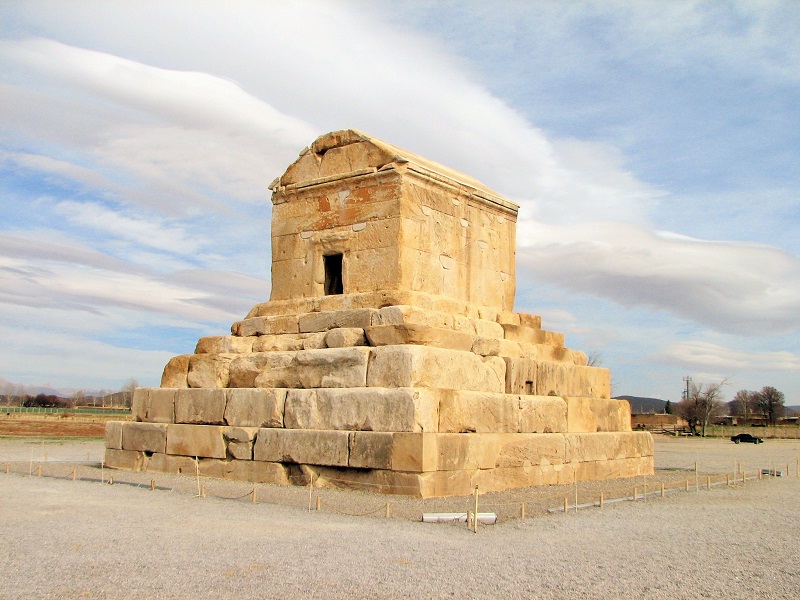
Tomb of Cyrus the Great
The Tomb of Cyrus the Great is one of the ancient historical monuments of Iran, which has been inscribed on the UNESCO List of World Heritage Sites.
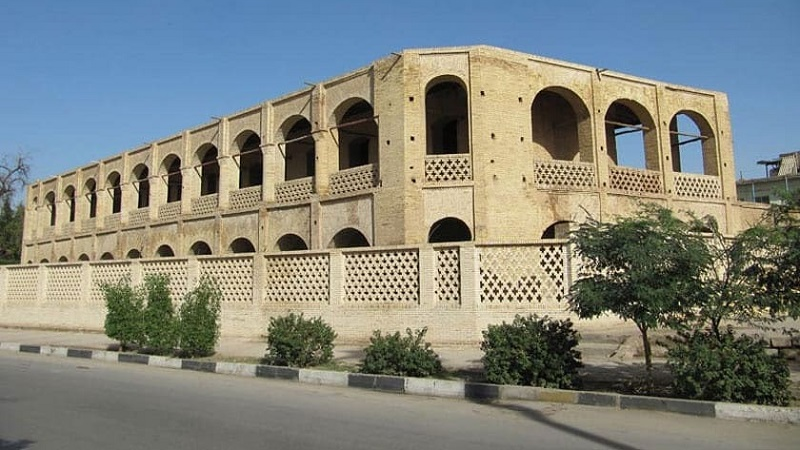
Ahvaz
Ahvaz metropolis is a city in southern Khuzestan Province of Iran the longevity of which dates back to the Parthian era.
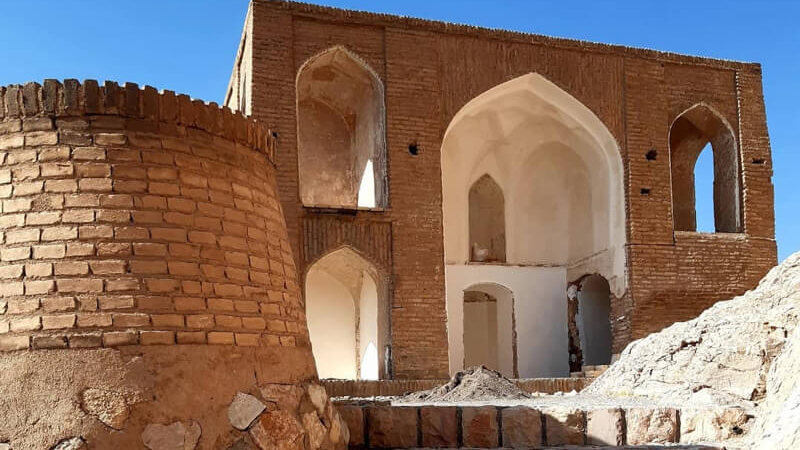
Takht-e Dargah-e Qoli Beig of Kerman
Takht-e Dargah-e Qoli Beig is one of the historical sites of Kerman province, located near one of the entrance roads of this city.

Bisotun Historical Complex: A Chronicle of a 3,000-Year-Old Civilization
The Bisotun Historical Complex houses extraordinary relics that narrate the story of human civilization from 40,000 years ago to the present day.
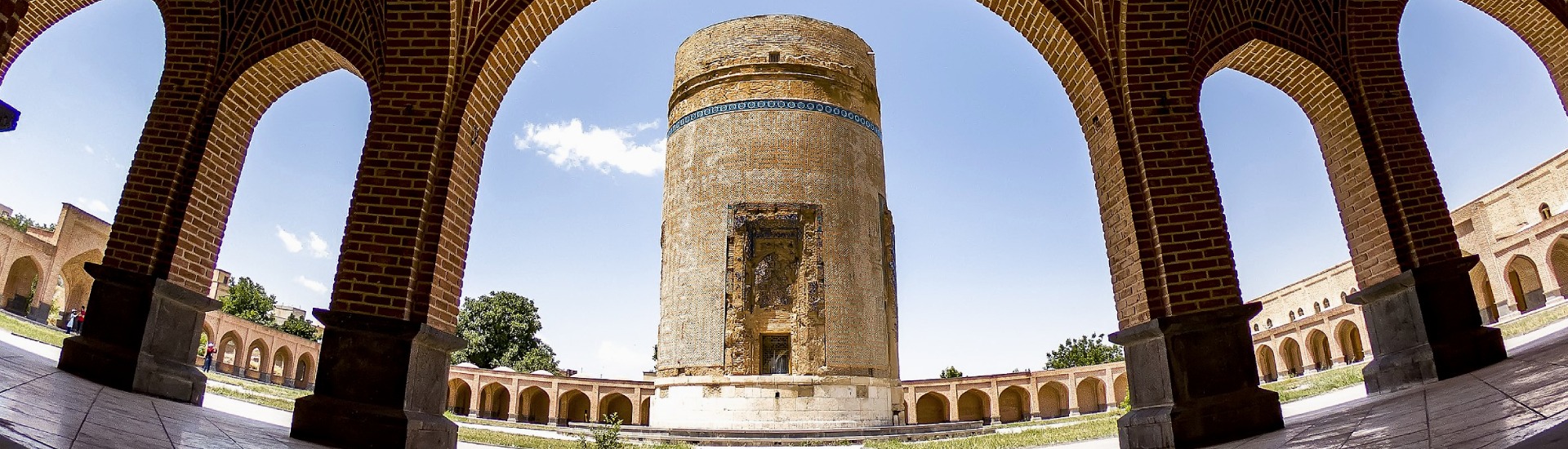
Tomb of Sheikh Heydar
The Tomb of Sheikh Heydar is located in Meshginshahr city, Ardabil Province.
.jpeg)

INTRODUCING IRAN
Iran with its ancient civilization and history is full of amazing attractions and places of interest. All the attractions of the world, from historical and cultural sites to the pristine and unique nature, are all gathered in this vast country.
_0.jpg)
Gachsar Tulips Garden
Each year in Ordibehesht (around April and May), Gachsar Tulips Garden becomes the host to numerous travelers. Some of them are only passing by while the others knew of this site before and has chosen there as their destination to take part in the festival of Gachsar Tulips.

Wetlands
Wetlands are areas of marsh, fen, peatland or water, whether natural or artificial, permanent or temporary, with water that is static or flowing, fresh, brackish or salt, including areas of marine water the depth of which at low tide does not exceed six meters.
.jpg)
The Zinehgan Cave
The beautiful Zinehgan Cave, which is more like a gorge due to openness, is situated near the Salehabad district of the Mehran County (in Ilam Province).

The Tomb of Sheikh Mahmoud Shabestari
The tomb of Sa’d al-Din Mahmoud bin Abd al-Karim bin Yahya (1288-1340 CE), popularly known as Sheikh Mahmoud Shabestari, is located in the city of Shabestar (in East Azarbaijan Province of Iran), the construction of which dates back to the Ilkhanid era (late 6th century and early 7th century AH) and was reconstructed during the Qajar era.

The Mausoleum of Imamzadeh Saleh (as)
Imamzadeh Saleh (Persian: امامزاده صالح, romanized: Imāmzādeh Ṣāleh) is one of many imamzadeh mosques in Iran. The mosque is located at Tajrish Square in Tehran's northern Shemiran district.

The Ancient City of Rishahr
The ancient city of Rishahr is located near the town of Bushehr (homonymous region). The antiquity of the finds found here is between the third millennium and the first BC This city in the Sasanian period was considered one of the most important scientific and literary centers and after Islam for some centuries it was flourishing.

The Ancient Cemetery of Khark Island
Kharg or Khark Island is an inhabited island with great economic significance in the Persian Gulf, southern Iran, home to natural, historical beauties.

The Ancient Cave of Chehelkhaneh
Chehel Khaneh cave is located in the village of Zirāh and near the town of Sa’dabād. The cave is a set of numerous rooms (dakhme) with a trapezoidal shaped entrance. They have been excavated in the mountain range overlooking the Shāpur river.

Tashkooh
Tashkooh or Atashkooh is a mountain situated near the rural areas of Mamatin and Gonbad Loran of the Ramhormoz County in the Khuzestan Province of Iran.
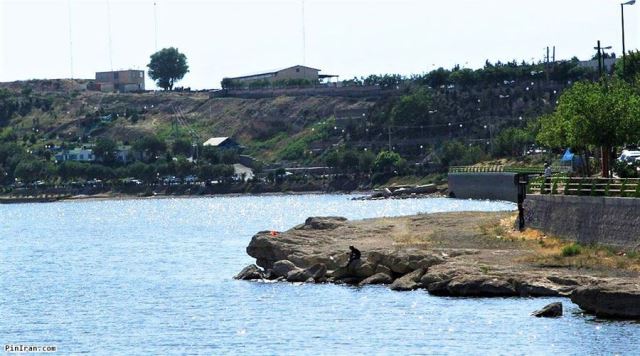
Shorabil Lake
Shorabil Lake is a beautiful lake located in a hilly area south of the Iranian city of Ardabil. Ardabil University is located near the lake

Shevi Waterfall
Shevi, Largest Waterfall In Iran

Shehyun Lake
Lake Shehyun or Lake Dez is located north of the city of Dezful (Khuzestān region).

Neor Lake
Neor Lake is a natural lake located in the border line of two provinces of Gilan and Ardabil

Nakhiloo Island
Nakhilo is the name of one of these islands, which is more popular than others because of its beauty. The island is small and can be visited on foot in less than an hour. The beach of Nakhilo Island is sandy in most parts and in a small part you can see a rocky beach. The clean and clear waters of this island are one of its important features. The island looks almost like an oval.
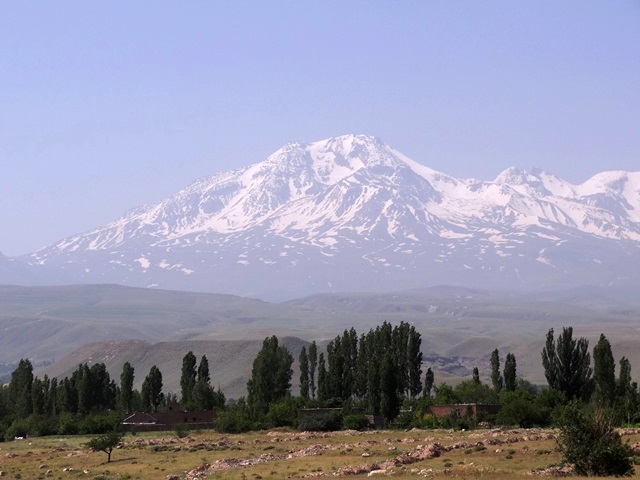
Mount Sabalan
Located in the northwestern part of Iran, near the cities of Ardebil and Meshginshahr (in the Ardabil province), Mount Sabalan is an inactive stratovolcano. With a height of 4,811 meters, it is the third-highest mountain in Iran, after Mount Damavand and Alam-Kouh

Mount Qalaqiran
Mount Qalaqiran with its 2152 meters high, is located at 5 km from the center of Ilām.
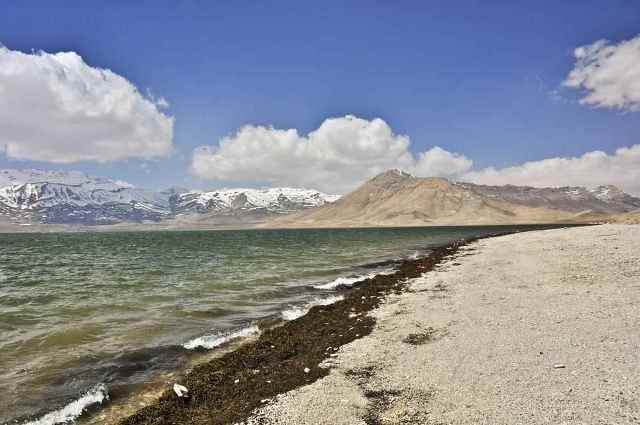
Khung-Ajdar Rock Reliefs
Located near the city of Izeh (Khuzestan Province) Khung-Ajdar Rock Reliefs comprises two rock reliefs one of which belongs to the Elamite era and the other one is of the Parthian era.
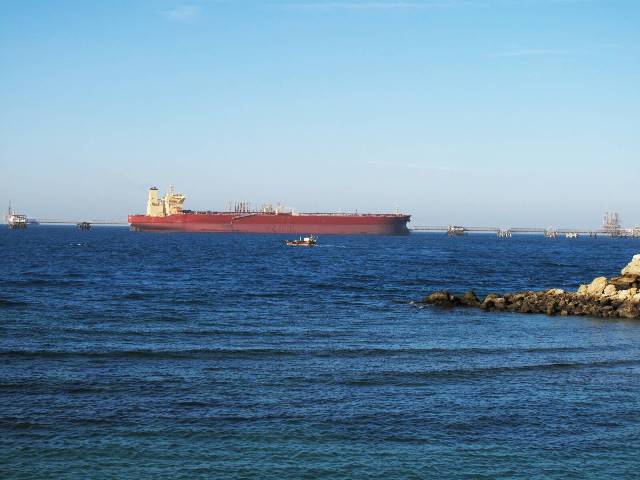
Khark Island
harg Island, also known as Khark, is a coral island formed in the Persian Gulf

Kandovan Village
Kandovan is a historical village in the central district of Osku County and is situated in the valley of the Kandovan River. The village is 22 km from the southern part of Osku and 62 km from Tabriz.
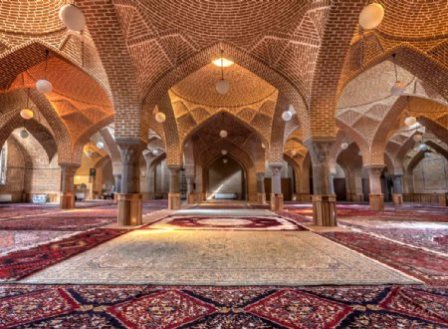
Jame’ Mosque of Tabriz
Jameh Mosque of Tabriz (Tabriz Central Mosque, Masjid-e-Jaameh Tabriz) is one of the historical mosques of the area.

East Azarbaijan
The “East Azarbaijan” province of Iran is one of the most important and populated provinces of Iran, which is located in the northwestern corner of the country.

Black Cow Twin Lakes
Situated in the Sarab Bagh district of the Abdanan County (Ilam province) the Black Cow Twin Lakes is called twin

Bahram-e Choubin Gorge
Bahram-e Choobin Gorge is a historical and tourist site in the mountains of Kabir Kuh near Sheykh Makan village in Darreh Shahr County in Ilam Province.

Deserts of Iran
A large part of the inner planes of Iran as well as many intermountain basins are covered with deserts.


Susa
The ancient city of Susa was founded as one of the most important and glorious settlements in the world dated back to 4000 BC (according to some theorists, it dated back to ca. 7000 BC).

Tabriz Historic Bazaar Complex
Known as the largest enclosed complex in Iran and anywhere around the world, Tabriz Historic Bazaar Complex is, as a city block, the most important and completed social organization among Iran bazaars.

Borujerdis' Historical House
Borujerdis historical house is one of the aristocratic houses in Qajar period, built by a famous merchant of Kashan whose name was Haj Seyed Hassan Natanzi.

Baghche Jugh Palace
Baghche Jough palace, one of the most dramatic historical palaces of Iran commissioned by “Eghbal al- Sultan Makuei“, the powerful ruler of the late Qajar period and one of the Muzaffar al-Din Shah Shah commanders, is a unique and valuable monument in the Iran’s northwest.

Avicenna Mausoleum
Avicenna’s mausoleum has a striking resemblance to Qabus tower (Gonbad-e-Kavus) the oldest dated monument of the Islamic era in Iran
-k- main.jpg)
Asef Vaziri Mansion (Kurdish House)
Asef edifice named Kurdish house as a symbol of Kurds tribe s cultural identity is the most valuable cultural relics of Sanandaj.

Aghazadeh Mansion
Aghazade mansion, the most beautiful historical house of Abarkouh, belongs to Seyed Hasan Abarquei who was one of the rich people in the Qajar era.

Maranjab Desert
With huge sand dunes, salt lake, spectacular nights, and almost easy access, Maranjab is one of the most popular deserts in Iran. If you go about 60 Km toward north-east of Kashan and north of Aran Va Bidgol, you can reach this place. Although it has a harsh environment, you can find plenty of salt-friendly plants in this desert. Besides, it is home to some of the desert birds and reptiles like eagles, snakes, and lizards.

2000 and 3000 Forests
3000 forest is one of the most beautiful and eye catching natural regions of Iran. 3000 Valley is located on the west side of Alamkouh peak with picturesque landscapes, Meadows, high forests and plains and is one of the beautiful and important landscapes of Tourism due to have pleasant weather, rivers, waterfalls and water spring. Some traces of human life in the far past years remain in this valley. Also, 2000 is a tourist region in the north of Iran with moderate mountainous climate with pleasant summer a
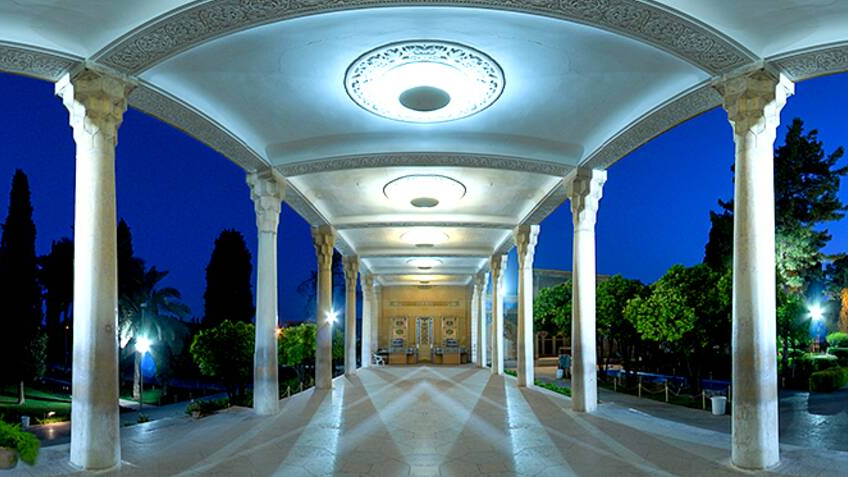
Hafezieh
Hafez was born in Shiraz in 1315 and died there in 1390. A beloved figure of the Iranian people, who learn his verses by heart, Hafez was prominent in his home town and held a position as the court poet. In his memory, a small, dome-like structure was erected in Shiraz near his grave at Golgast-e Mosalla in 1452 at the order of Babur Ibn-Baysunkur, a Timurid governor.

Agha Bozorg School and Mosque
Agha Bozorg mosque (Persian: مسجد آقا بزرگ Masjed-e Āghā Bozorg) is a historical mosque in Kashan,
.jpg)
Safi Abad Palace in Iran, Mazandaran
Safiabad Palace is located in Behshahr city of Mazandaran province. This palace was built by order of Shah Abbas (1571-1629 AD) and was developed during the reign of Shah Safi.

The First Traditional Textile Village in Iran
The Iranian village Rooyin, which dates back to the Timurid era, is located in the northeastern province of North Khorasan

Museum of Iranian Ethnic Groups in Garmsar
The city of Garmsar is known as “the island of tribes” due to the presence of five great and important Iranian ethnic groups there
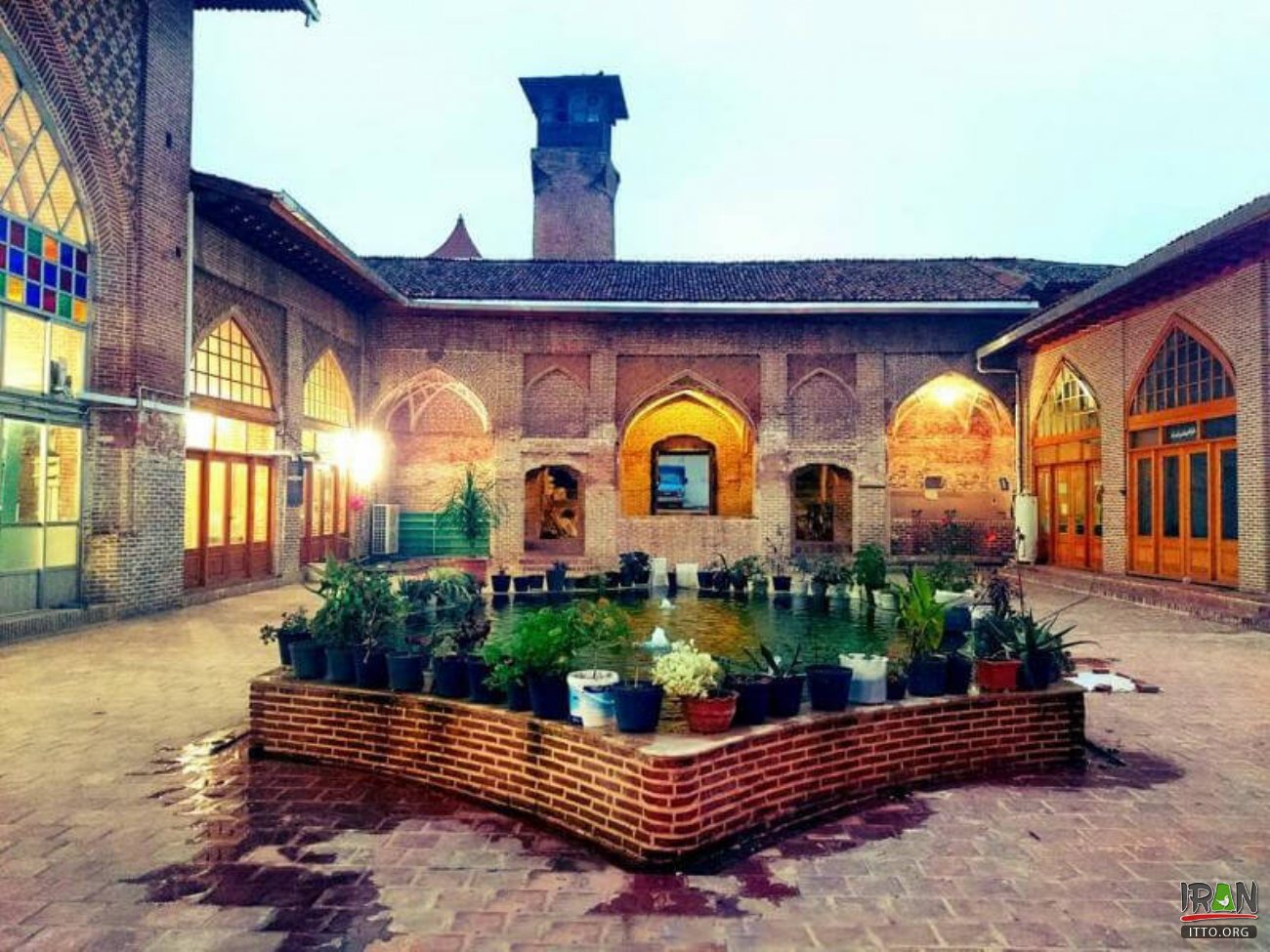
Babol Grand Mosque
Babol Mosque is located in Babol city of Mazandaran province, whose original construction dates back to 160 AH.

Garden architecture
The word Bagh (garden), in Middle Manichaean Persian

.jpg)