University

University of Qom

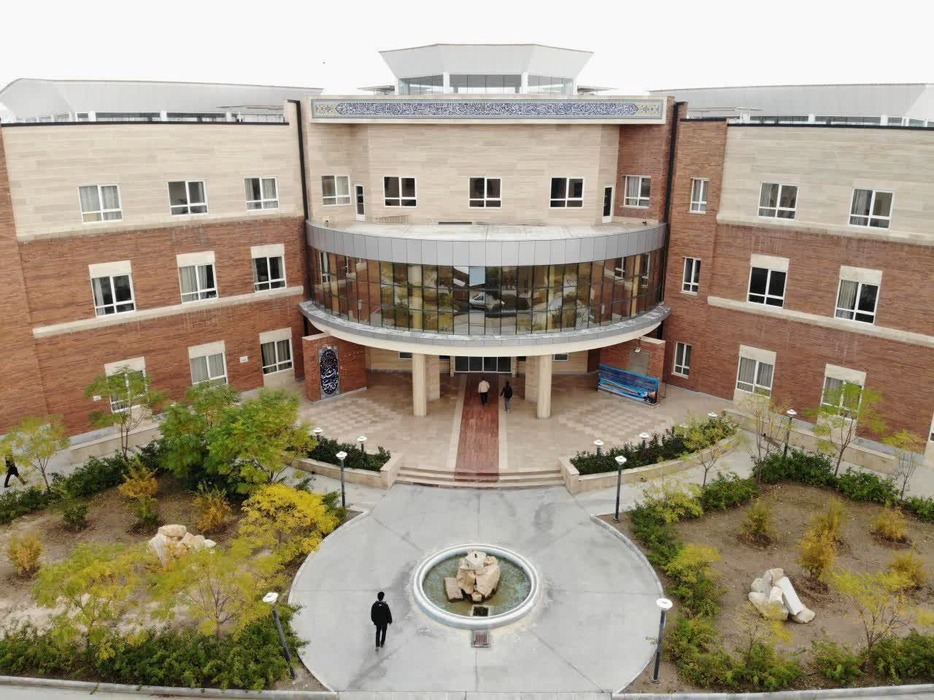
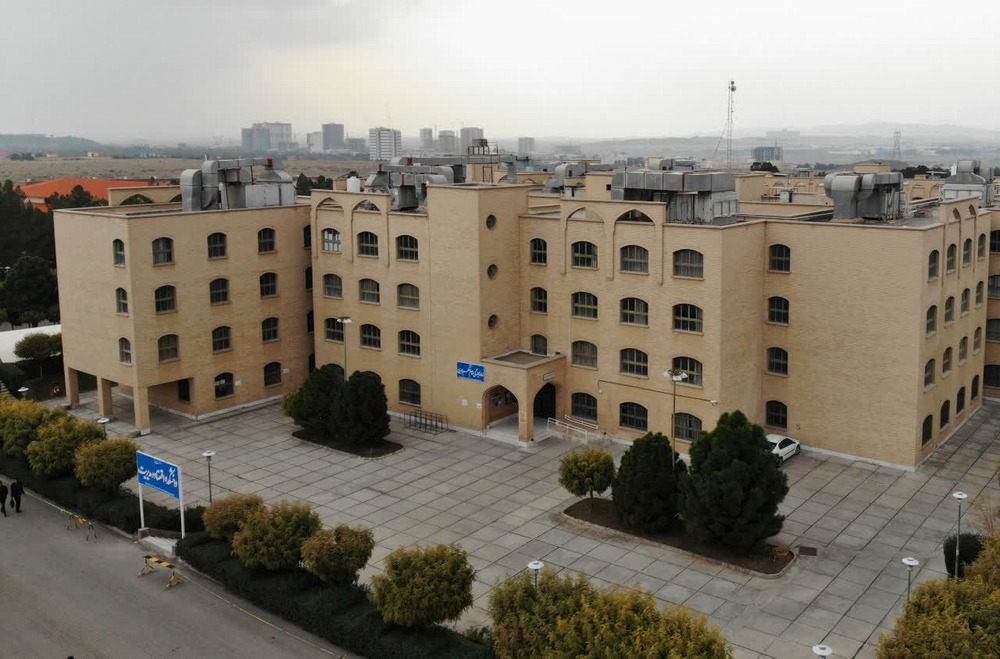
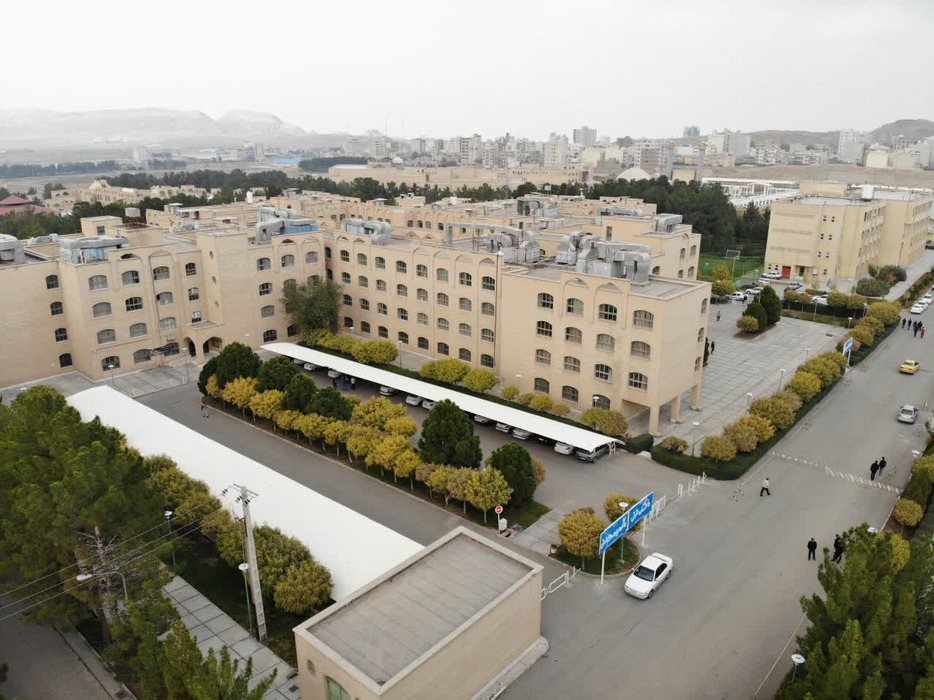
University of Qom is the largest academic center of this city and has an important place among Iranian universities

Due to the presence of the shrine of Hazrat Masoumeh, the daughter of the 7th Shiite Imam, the city of Qom has been a teaching center of Islamic sciences since the 9th century CE. The geographical location of this city in the center of Iran and near the capital has added to its importance. As the largest center of higher education of this province, the University of Qom is considered the main center of higher education in the province and holds a special position among the universities of Iran.

History

Located in a complex of 140 hectares, the University of Qom has been engaged in scientific and educational activities for more than four decades. The establishment of this university dates back to 1979 when it was initially established under the title of “School of Law and Judicial Sciences. The Qom Seminary played an important role in the establishment of this academic center. In 1997, with the expansion of the activities of this center, its position was changed to that of a university.

University of Qom Today

Presently, six faculties are active in this university and 300 faculty members teach and train about 10 thousand students in 164 fields in the form of 33 educational groups. University of Qom admits students in all three levels of bachelor’s, master’s, and doctorate.

In terms of comfort and sports facilities, the University of Qom is well-equipped. It has two large dormitories for male and female students, indoor and outdoor halls, and sports areas, making it possible for its students to have fun and exercise in their free time. In different years, students of Qom University have achieved good ranks in athletics, physical fitness, taekwondo, karate, chess, badminton, handball, and futsal in inter-university sports competitions.

Workshop and Laboratory Facilities of the University of Qom

University of Qom has provided suitable educational facilities for its students. Four units of foreign language teaching laboratories, 15 units of physics laboratories, 9 units of chemistry laboratories, seven units of civil engineering laboratories, three units of electrical and electronics laboratories, five units of industrial laboratories and workshops, 15 units of biology laboratories, seven units of mechanical laboratories, and 16 units of computer workshops are considered a part of these facilities. In all, a total of 94 laboratories and workshops are available to students in this university.

Research Centers of the University of Qom

The following research institutes are active in the University of Qom:

  • Environmental Research Institute
  • Environmental Pollutants Research Department
  • Green Environmental Research Institute
  • Management and Islamic Law Research Institute
  • Research Department of Water Resources Management
  • Light Structures research group
  • Women’s Research Department
  • Dust Impact Reduction Workgroup

A growth center has also been established at the University of Qom, where 84 developed technological units and 11 knowledge-based companies are present. This growth center has two branches in the province. Besides, 45 scientific associations, seven independent student organizations, 18 cultural and artistic centers, and 23 student publications are active in this university.

Foreign Students of the University of Qom

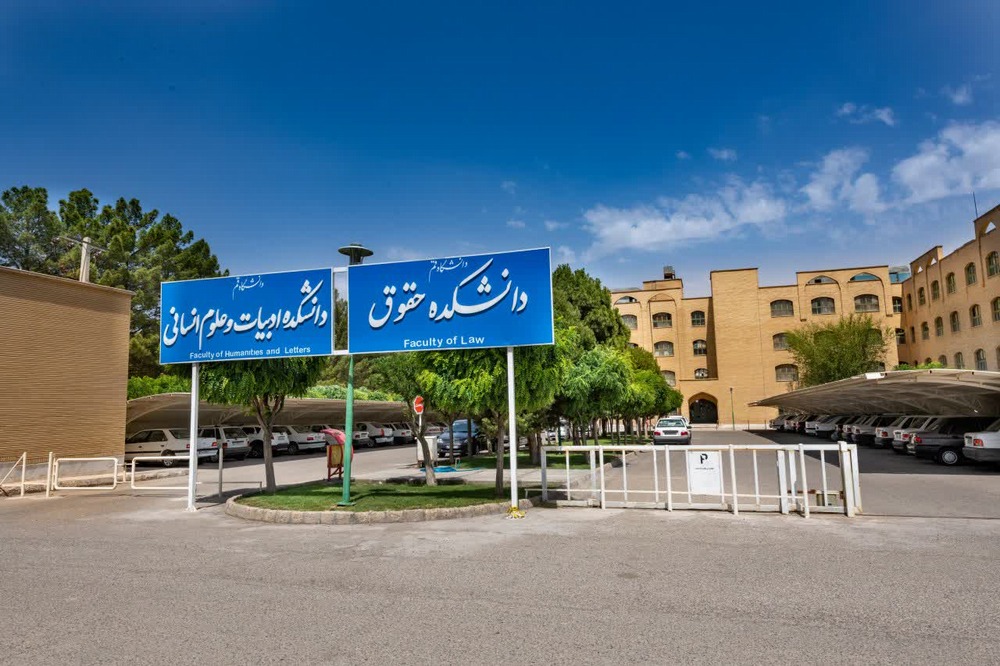
Nearly four thousand foreign students pursue their higher education at the University of Qom. In terms of the number of foreign students, the ‘Faculty of Law’ ranks first with more than 1,500 students. The faculties of Literature and Humanities, Technical and Engineering, Theology and Islamic Studies, and Management and Basic Sciences rank next in terms of admitting foreign students.

Most of the non-Iranian students of the University of Qom are pursuing their higher education at the postgraduate level of which more than three thousand students are undergoing master's level and more than 500 are at the Ph.D. level.

A center called “Office of Foreign Students” has been established at the University of Qom, which caters to the educational requirements of non-Iranian students. Those interested in studying at this university can benefit from the services of this office.

University

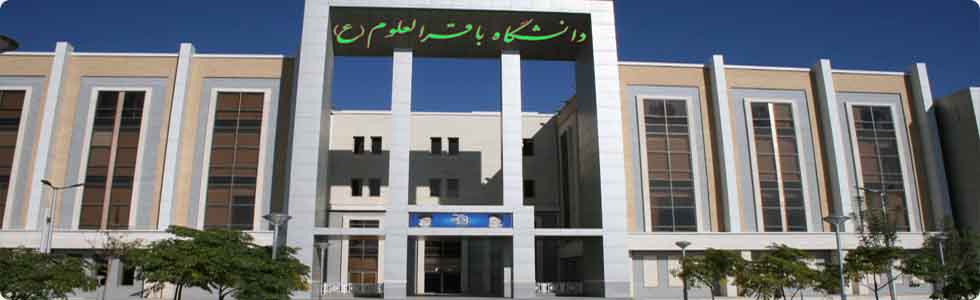
Baqir al-Olum University of Qom

The main goal pursued by Baqir al-Olum University of Qom is to provide answers to the new social and cultural questions of the world based on Shiite beliefs and jurisprudence

Baqir al-Olum University of Qom is one of Iran’s non-governmental centers of higher education that operates in the field of Islamic humanities. This university, which operates under the supervision of the Islamic Propaganda Office of Qom Seminary, has had a close relationship with the seminaries since the beginning of its activities and mostly selects its students from among seminary students. Examining the current issues of the world through the lens of Islamic jurisprudence and providing answers to the questions of societies by resorting to Islamic texts is one of the main goals of this university.

History of Baqir al-Olum University

The need for improving the level of political awareness of seminary students and better communication with the Islamic world and other cultures of the world formed the idea of establishing Baqir al-Olum University. The first unit of this university started its activities in the year 1984 by imparting short-term general and specialized training courses. From 1987 onwards, the political science courses of the Propaganda Office of Qom Seminary took a more coherent form and attracted many seminary students. Being admitted to the training courses of Baqir al-Olum University was conditional to being a seminary student.

Following the approval of the concerned institutions for the upliftment of this educational institute to that of an institute of higher education, after expanding its activities, it was eventually upgraded to a university in the year 1992.

Educational and Research Activities of Baqir al-Olum University

The following four faculties operate in Baqir al-Olum University:

• Faculty of Foreign languages: comprising four educational groups: English, Arabic, French, and German

• Faculty of Culture, Social and Behavioral Sciences: comprising three educational groups of Social Sciences, Strategic Management, and Cultural Studies and Communication

• Faculty of History and Political Studies: comprising three groups of Political Studies, Islamic History, and Cultural and Civilizational Studies

• Faculty of Philosophy and Ethics: comprising three scientific groups of Philosophy and Theology, Additional Philosophy, Islamic Ethics and Sciences.

The jurisprudence department of this university also engaged in research and education about the relationship between Islamic jurisprudence and the needs of societies by forming groups such as governance system jurisprudence, health system jurisprudence, social system jurisprudence, cultural system jurisprudence, economic system jurisprudence, and science and technology jurisprudence.

This university also published the following three scientific journals:

• Political science: The publication history of this journal dates back more than 25 years and by 2022, 100 issues had been published in this journal.

• History of Islam: Launched in 2000, this journal is known as the first publication of historical studies with a scientific-research rank.

• Ayin-e Hikmat: The main theme of this quarterly is research about different branches of Islamic philosophy and by 2022, 50 issues of it had been published.

Baqir al-Olum University also publishes three specialized journals:

• The Culture of Research: in which articles in the field of Islamic history are published and by 2023, the number of its issues stood at 52.

• Philosophy of Law: This publication, which is younger than other university publications (founded in 2019), is managed by the Department of Philosophy of Law of the university. The main goal of this journal is the scientific promotion of the legal system on the basis of research on Islamic jurisprudence.

• Theoretical studies of history and civilization: The plan to launch this journal was proposed in 2023 with the aim of exploring historical experiences to respond to today’s civilizational needs.

After providing the necessary facilities and preparations, this university received permission to admit non-Iranian students in 2020. In 2021, it made a call for admitting foreign students in the fields of cultural policy, strategic management of culture, media management, Islamic knowledge of Muslims, and applied ethics, at postgraduate and Ph.D. levels. This phenomenon has improved the level of international activities and cooperation of Baqir al-Olum University and has realized a part of the objective of its officials to be more present in international arenas and present their research findings to the scientific circles of the world.

University

Tolo e Mehr University of Qom: Integrating Humanities Education, Skills Development, and Cultural Foresight

Tolo-e Mehr University of Qom is an active educational and cultural institution in Qom Province, with a skills-oriented and forward-looking approach.

Tolo-e Mehr University of Qom: Humanities Education, Skills Development, and Futures Studies

As part of the development of higher education in the humanities and the enhancement of students’ academic and professional skills, Tolo-e Mehr University of Qom is an educational and cultural institution in Qom Province that emphasizes practical skills development and a forward-looking approach to education.

Established in 2011, the university began its educational activities with the aim of training specialized and committed professionals, advancing the humanities, and strengthening students’ professional competencies. Its establishment was supported by an experienced board of trustees and stakeholders committed to educational development.

The university seeks to provide a dynamic environment for students’ academic, cultural, and professional growth by drawing on the expertise of its faculty members, expanding skills-based education, and promoting research in futures studies.

History and Academic Profile of Tolo-e Mehr University of Qom

Since its establishment, Tolo-e Mehr University of Qom has pursued academic and professional development through educational programs organized into specialized faculties and academic departments.

According to the available institutional information, the university comprises three faculties and nine academic departments and offers programs at the associate, bachelor’s, and master’s levels. Educational activities are organized through units serving female and male students. The university has a built-up area of more than 8,000 square meters and a student population of over 3,000.

Tolo-e Mehr University of Qom at a Glance

General Information

  • Type: Non-governmental, nonprofit higher education institution

  • Year of Establishment: 2011

  • Fields of Study: Humanities, management, law, and futures studies

  • Educational Approach: Skills-oriented and forward-looking higher education

  • Degree Levels: Associate, bachelor’s, and master’s

  • Student Enrollment: More than 3,000 students, according to the available institutional information


Academic Approach and Educational Priorities

The university’s educational approach focuses on the following priorities:

  • Advancing education in the humanities and strengthening professional competencies

  • Promoting practical skills development and student empowerment

  • Providing academic programs and planning suited to working students

  • Integrating university education with futures studies and forward-looking research

  • Fostering a dynamic and creative environment for academic and cultural development


Faculties and Academic Departments

The university organizes its educational and research activities through the following faculties and academic departments.

Faculty of Law

  • Law departments

Faculty of Management and Accounting

  • Management departments

  • Accounting departments

Faculty of Humanities

  • Humanities departments

  • Futures Studies Department

The names and number of individual academic departments should be verified against the university’s official academic directory to ensure that the stated total of nine departments is accurately reflected.


Research and Technology

Tolo-e Mehr University of Qom identifies scientific research and futures studies as areas of focus, with an emphasis on knowledge production and the development of research in the humanities and related disciplines.

Research Areas

  • Futures studies

  • Humanities and management

  • Studies on the Islamic Revolution

Research Initiatives

The university’s reported research initiatives include:

  • Establishment of a Futures Studies Research Think Tank

  • Establishment of an Islamic Revolution Studies Think Tank

  • Publication of the academic journal Strategic Management and Futures Studies

  • Organization of specialized conferences and seminars on futures studies

  • Offering a master’s program referred to in Persian as مهندسی آینده‌پژوهی. The official English name of the degree program should be confirmed by the university before publication.


Faculty Members

The university’s educational activities draw on the academic expertise of its faculty members. Faculty-related priorities include:

  • Teaching across various academic disciplines

  • Supporting improvements in educational quality through academic and research expertise

  • Participating in educational, research, and practical skills-development activities

Specific claims regarding faculty qualifications, academic rankings, or distinctions should be supported by official university records.


Students and Educational Opportunities

The university offers educational programs at different academic levels.

Key Features

  • More than 3,000 students, according to the available institutional information

  • Associate, bachelor’s, and master’s degree programs

  • Educational units serving female and male students

  • Opportunities to participate in practical skills-development courses and workshops


Facilities and Infrastructure

The facilities and services reported by the university include:

  • Educational facilities covering more than 8,000 square meters

  • Classrooms and laboratories

  • Psychological counseling center

  • Legal clinic

  • Skills Development Office

  • Language Center

  • Health Monitoring Center

  • Medical Sciences Skills Training Center

  • Electronic educational services

The official English names and current operational status of these facilities should be confirmed before publication. Claims regarding accessibility should also be supported by specific information about the services available.


Educational Opportunities and Student Support

The university’s stated educational priorities and reported student services include:

  • Instruction by experienced faculty members

  • Practical skills-development workshops

  • Academic planning options for working students

  • Tuition discounts for eligible high-achieving students

  • Student loans and financial assistance through the Student Welfare Fund, subject to eligibility and applicable regulations

  • Opportunities to participate in research and futures studies initiatives at the provincial and national levels

Tuition rates, discount policies, financial assistance arrangements, and eligibility requirements should be checked against the university’s current official regulations before publication.


Strategic Objectives

The university’s stated strategic objectives include:

  • Training specialized, committed, and skills-oriented professionals

  • Improving educational quality and professional competencies

  • Advancing research in futures studies and the humanities

  • Creating a dynamic and culturally enriching educational environment

  • Strengthening the university’s contribution to the academic and cultural development of Qom Province


Future Outlook

The university’s stated future priorities include:

  • Strengthening its role in humanities education and futures studies in Qom Province

  • Expanding skills-oriented academic programs

  • Developing research activities and think tanks

  • Enhancing academic and cultural engagement at the national level

  • Promoting a forward-looking, skills-oriented, and socially engaged approach to higher education


How to Apply to Iranian Universities Through Authorized Student Recruitment Agencies

Prospective international students seeking admission to Iranian universities can explore authorized student recruitment agencies operating under the supervision of Iran’s Ministry of Science, Research and Technology. Applicants should verify the authorization status of any agency before using its services.

The online platform iranian.university presents information about Iranian universities and academic programs available to prospective students. Applicants may use the platform to explore options based on their preferred city, field of study, tuition fees, and other relevant criteria.