The Museum of Sacrifice and Martyrdom in Ardakan
The invasion of Iran by the Iraqi Baath army and the self-sacrifices made by the youths of Ardakan in defense of the motherland is the main subject of the Museum of Sacrifice and Martyrdom in Ardakan.
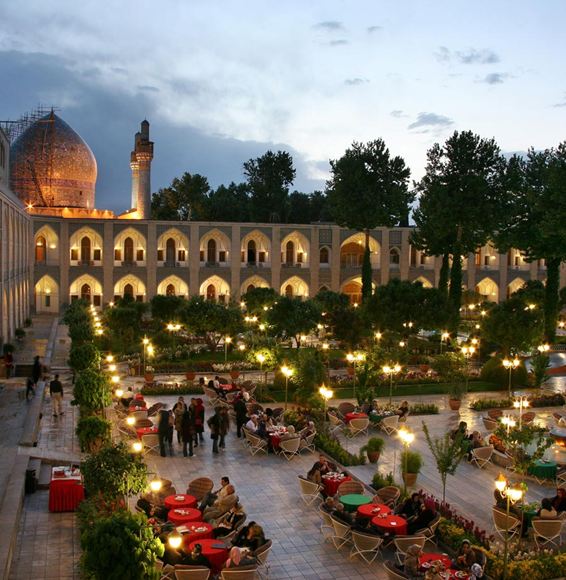
Tilework, arabesque motifs, and turquoise domes: a tangible expression of Iranian beauty and wisdom.
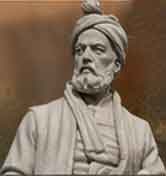
Creator of the Shahnameh and guardian of Persian language and identity.
View Special Programs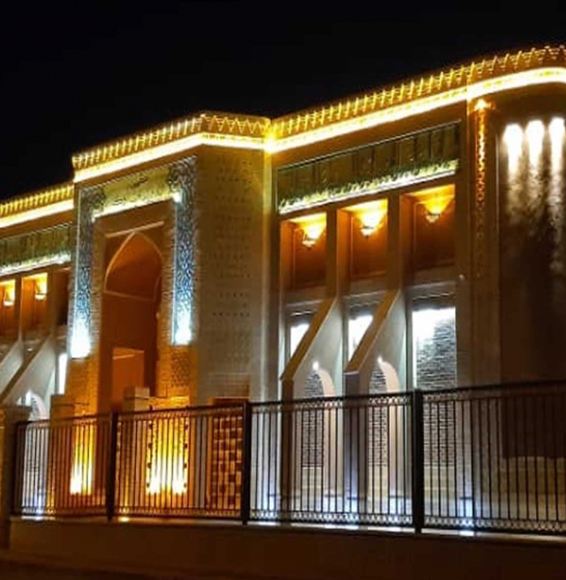

Related Content
Learn More About Iranian Art
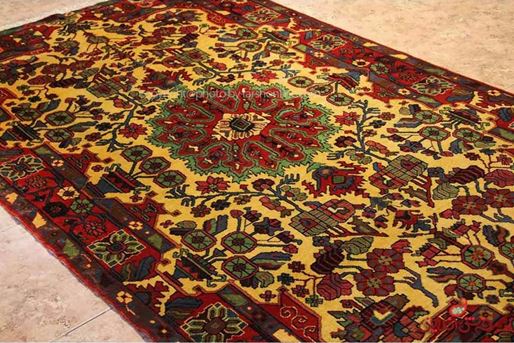
Nahavand carpet is famous for using unique designs and special and unique colors.

Zilu, is an Iranian handicraft, very similar to Gilim, with the difference that its texture is made of completely natural and plant-based materials.

Carpet weaving is one of Iran’s handcrafts, and having special designs and patterns Fars carpet has carved a niche for itself.

Monabbat-kari (wood-carving) is a genuine Iranian art and craft, which is practiced by different artists in different cities and the Monabbat artifacts of Abadeh have gained global fame.

Sarayan is one of the eastern regions of Iran and hawkbell making is considered one of its native handicrafts
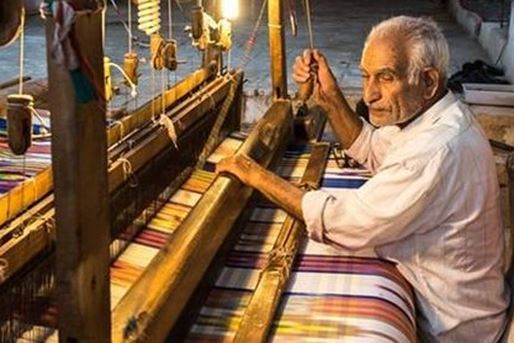
Daraei is a beautiful and colorful textile, usually woven from silk or cotton fibers. The art of weaving this fabric is called daraei-bafi.
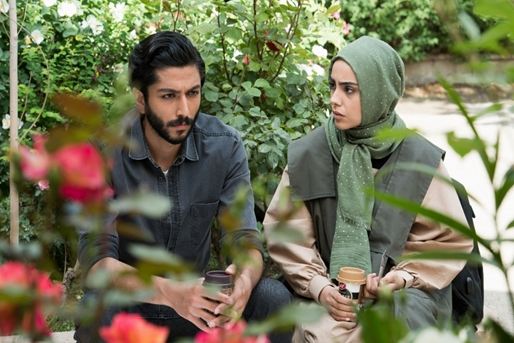
The series is about two orphan boys by the names of Sohrab and Hashem who are close friends in the orphanage. When a kind couple adopts Sohrab, Hashem cannot bear separation from Sohrab and after some time they decide to change the story of their lives.

It is a long historical documentary that deals with the escape of Tudeh party (An Iranian communist party) leaders from Qasr prison of the Pahlavi era; marking the most important escape from prison in the political history of Iran, in which prominent figures party escaped according to a complicated plan in the fall of 1950.
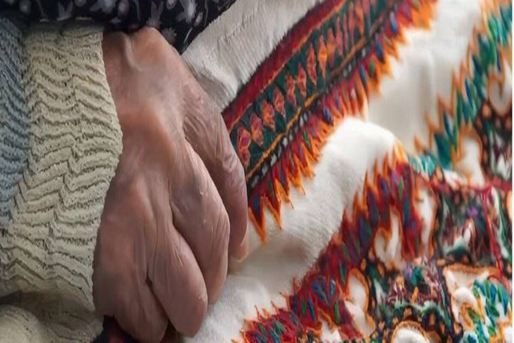
“Pate, an Intangible Heritage” is a documentary exploring the rich history and cultural significance of Pate, a type of hand-woven handicraft of Iran, which is used as table cover. The film takes the viewers on a journey through the central and southeastern regions of Iran, where Pate is considered an intangible heritage. Through interviews with artisans and experts, the viewers learn about the complicated techniques used to create Pate and the role of this handicraft in Iranian society. The film also sheds light on the challenges faced by those who work to preserve this tradition and the importance of passing it down to future generations.

The story of a little girl who is learning how to live from his father in daily sweet adventures. They have a lot of fun together and she gets familiar with the world.

Mr. Kamali is the owner of a lunatic asylum who treats the patients byteaching them to make toys. The toys are creative, so they are very attractive for the children. But the toy studio shut because of sabotage and it led to patients’ critical mental status. Mr. Kamali tried a lot to solve the problem but he couldn’t do anything and he got terribly disappointed and sad. And then an angel of hope appeared

Naeem is released after 15 years of imprisonment and goes to visit his daughter who gets kidnapped during a trip to the northern part of Iran. Naeem, who is not satisfied with the efforts of the police, is forced to find the kidnappers of his daughter with the help of his friends, Reza and Sadra.
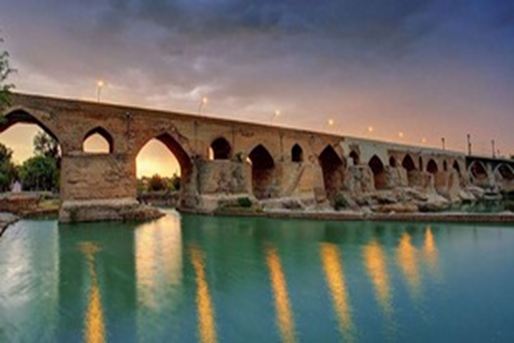
The historic urban fabric of Dezful is one of the most extensive and best-preserved brick-built urban fabrics in Iran. Constructed from fired bricks in warm, earthy tones, it encompasses numerous historic houses, mosques, bathhouses, and traditional bazaars. Historic houses in Dezful, such as Tizno House, Zargar House, and Sohrabi House, are outstanding examples of residential architecture adapted to the city’s hot and humid climate. With their central courtyards, water pools, cool underground chambers known as shavaduns, and brick windcatchers, these houses provided a pleasant and comfortable living environment during Khuzestan’s long, hot summers.
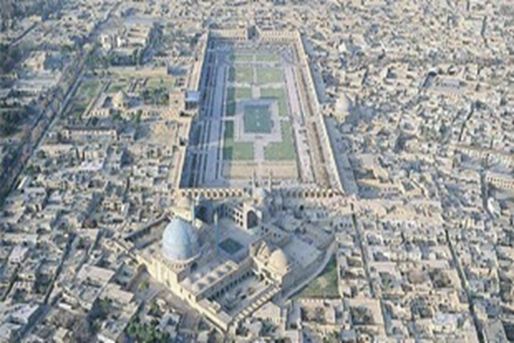
The story of Isfahan is a story of “rebirth.” With a history that stretches back to antiquity and even to Iranian mythology, the city entered its golden age in the 10th century AH, when Shah Abbas I chose it as the capital of the Safavid dynasty. Shah Abbas envisioned a city that would be not merely a political and economic center, but a “terrestrial image of paradise.” He brought together the finest architects, engineers, calligraphers, tilemakers, and artists from across Iran, and the result of this extraordinary gathering was a city that, even four centuries later, continues to astonish and inspire.
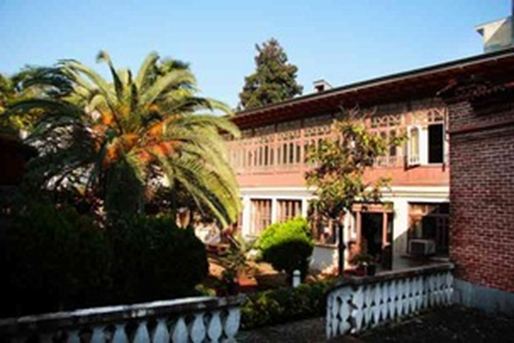
For contemporary architects, Qadiri House in Rasht offers a comprehensive and inspiring lesson in “climate-responsive design.” It demonstrates how architecture can coexist with nature rather than resist it or impose itself upon it, transforming environmental constraints into aesthetic opportunities and developing intelligent, sustainable solutions in response to climatic challenges.
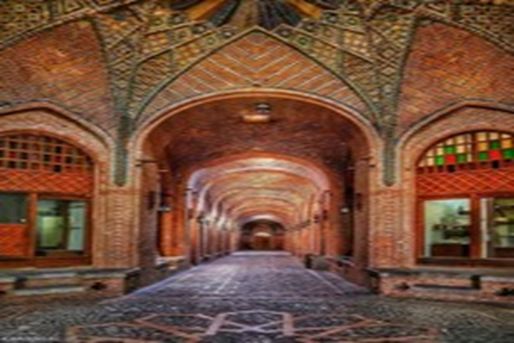
At the heart of Qazvin s historic urban fabric, once the first capital of the Safavid dynasty, stands a remarkable complex that rightfully bears the title of Iran s largest urban caravanserai. Built in the late Qajar period on the orders of Mohammad-Baqer Khan Sa’d al-Saltaneh, the governor of Qazvin at the time, Sa d al Saltaneh Caravanserai is a vast commercial and accommodation complex covering nearly 26,000 square meters. Far more than a caravanserai, it functioned as a complete commercial city, with covered bazaar passages, timchehs, courtyards, a bathhouse, a mosque, and magnificent chahar-suqs. Still vibrant and active today, the complex is a remarkable example of Qajar era commercial architecture and the thoughtful integration of multiple functions within a single architectural ensemble.
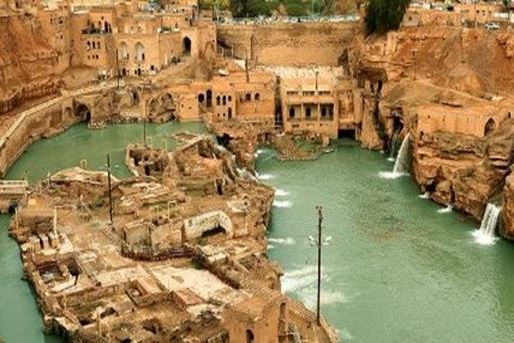
The Shushtar Historical Hydraulic System is a complex irrigation system of the island city Shushtar the establishment of which dates back to the Achaemenid to the Sassanid era. As the largest architecture and traditional water supply system in the world, it consists of 13 dams, bridges, canals, and structures which work together as a hydraulic system and had been constructed for better and more efficient usage of water.
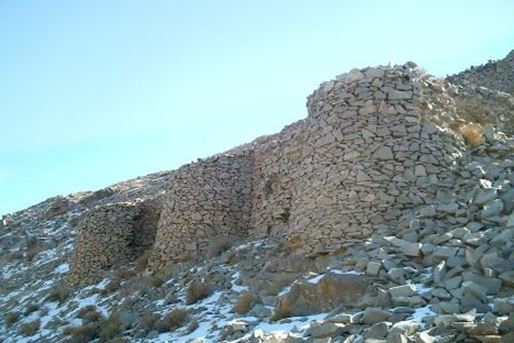
The Rostam Khusf fortress is located in the village of Ganj, in the town of Khusf (Southern Khorāsān region) and is among the main fortresses of the Ishmaites of Gahestān whose original construction dates back to the Sasanian era and was later rebuilt and used again.

The image of Islam and human rights from the perspective of Islam that has been portrayed in the minds of the world’s people through the media has many flaws.

The West aggressively promotes the notion of religious pluralism, but is this narrative truly perfect and free of flaws?

So far, many studies have been conducted on the rich Persian culture and literature, among which History of Persian Literature is one of the most prominent.
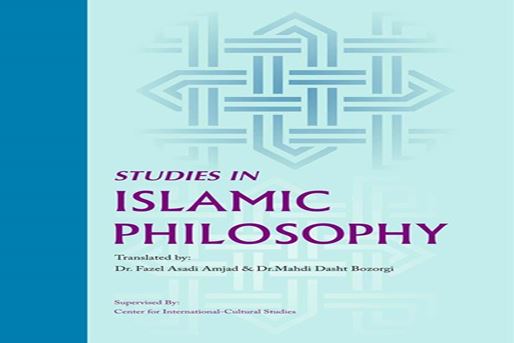
Islam’s response to fundamental philosophical questions can provide a precise path to understanding its essence.

Great people always have a big question before them: How can we lead ourselves and society towards salvation The answer that Islam and Education seeks to find.

By knowing the evolution of Iranian music, one can get to know more about the Iranian nation and its culture.
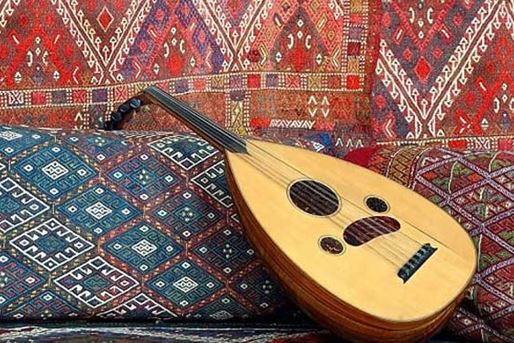
Barbat is an Iranian instrument that may seem to be the same as the Arabic oud to common people. However, the longevity of this instrument is much more than that of oud.
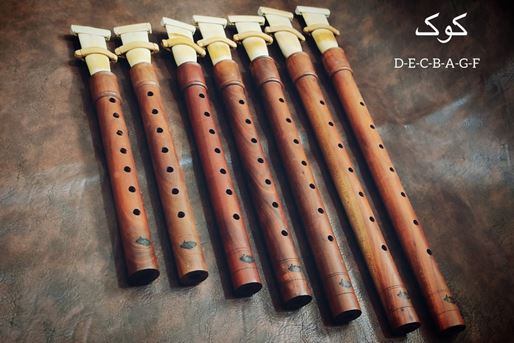
Balaban can be considered one of the most important wind instruments of Azari music, which is widely used in individual and group performances.

The most important part of Turkmen music is the collection of works that are sung and played by the Bakhshis.

The Bakhshi music of Khorasan, which has its own special characteristics expresses the rich and noble culture of the people of the region.

Words are incapable of describing Shajarian’s Rabbana. One has to listen to it and hear it in order to fathom the depth of its spirituality!
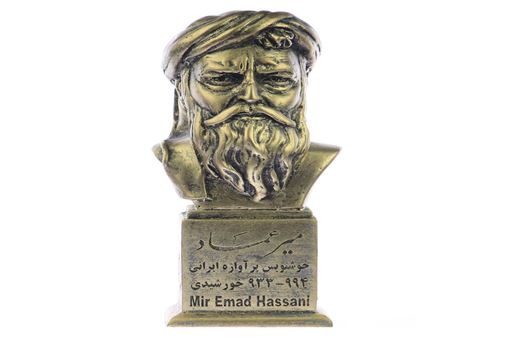
Mir Emad Hassani Seifi Qazvini was one of the most celebrated calligraphers in the history of Iranian art during the Safavid era, whose fame extended far beyond the borders of Iran. Through his exceptional mastery and artistic brilliance, he elevated the Nastaʿlīq script to such perfection that many scholars of Islamic calligraphy came to describe it as the bride of calligraphic scripts.
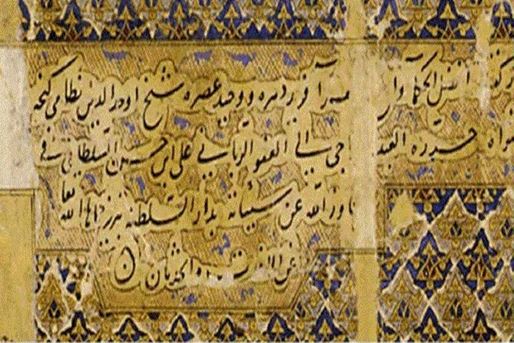
Mir Ali Tabrizi, one of the greatest Iranian calligraphers of the Timurid era, in the 9th century AH, for the first time, was able to establish the principles and rules governing calligraphy in the Nastaʿlīq style and bring order to it.

The art of illustration, or “tasvirsazi,” is considered one of the diverse branches of visual arts. This art involves establishing a connection between text and image, which together can convey one or more specific messages to the audience.

Ibn Muqla is considered one of the most influential figures in the illustrious realm of Iranian calligraphy. Through his unparalleled dedication and creativity, he was able to develop and perfect the six canonical scripts—Muḥaqqaq, Rayḥān, Thuluth, Naskh, Ruqʿah, and Tawqiʿ—thereby leaving a lasting legacy for this quintessentially Iranian-Islamic art.

Pottery and ceramics constitute important branches of the visual arts. Pottery, one of the earliest ceramic products, is made of a porous and colored body.

Darvish ʿAbdolmajid Taleqani was the most prominent calligrapher of the Shekasteh-Nastaliq style in 12th-century Iran, and many calligraphy scholars consider him the greatest master in the history of this script.
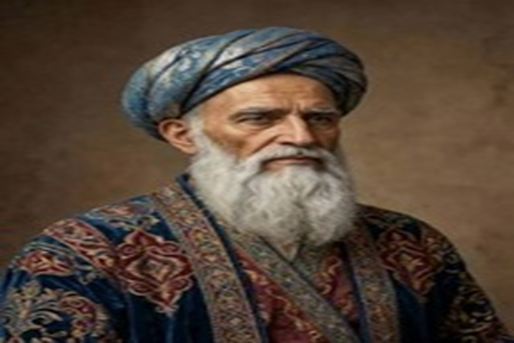
Abu Abdullah Jafar ibn Mohammad, popularly known as Rudaki was the first great poet of the Persian language and is referred to as the father of Persian poetry. Rudaki was born in the Rudak district of the city of Samarqand in the year 858 CE. At the age of eight, he learned and memorized the Holy Qur’an and simultaneously began his poetry
Seyyed Mohammad Hossein Bahjat Tabrizi, popularly known as Shahriyar and the renowned Iranian poet who composed poems in Persian and Azari languages, was born in the suburban areas of the city of Tabriz on 21 March 1904 CE.
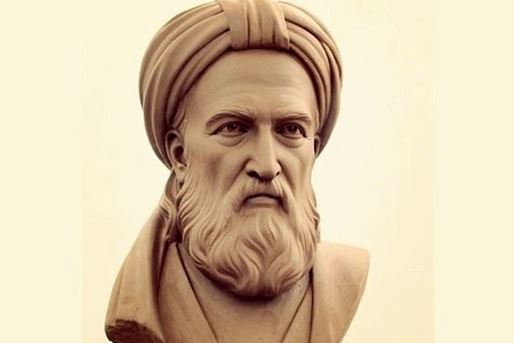
Unlike other historians, Abul-Fadhl Bayhaqi did not fear criticizing the rulers, and was brave enough not to bow down to them.
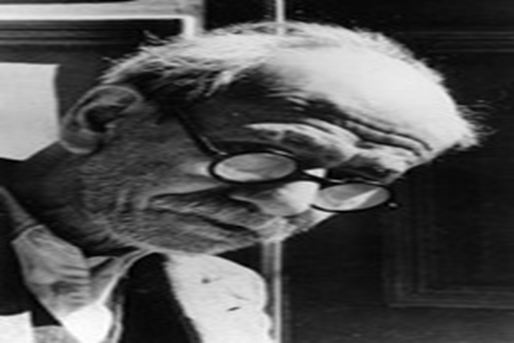
Ali Akbar Dehkhoda, a great Iranian literary personality, journalist, satirist, member of the National Assembly, university professor, linguist, lexicographer, and poet - who has come to be widely known for his masterpiece “Persian to Persian Dictionary”, was born in Tehran on February 24, 1880.

Around 500 years ago, Sheikh Bahai, a great Iranian scientist, ended the long-standing dispute in the distribution of the water of the Zainderud River by writing his book Tumar

Bayazid Bastami’s disciples are known as “Teyfuriyya” or “Bastamiyya”. Teyfurriya is one of the oldest Sufi systems, which propagates that one can reach perfection through detachment from selfish and worldly desires.

The name of the last night of autumn and the first night of winter — the longest night of the entire year, after which the nights become shorter and the days grow longer.Yalda: Written by Ali Bolukbashi

Arasbaran nomads have had an active role in the history of Iran and are known as the original tribes of the Azarbaijan region.

Fasting in the month of Ramadan is accompanied by certain special customs in Yazd.
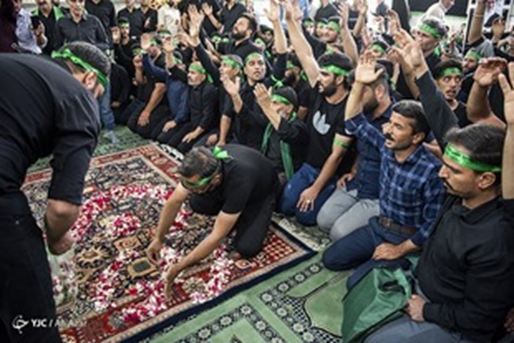
The carpet-washing ceremony of the Fin region of Kashan county and Khaveh Ardahal village in “Mashhad-e Ardahal” is one of the ancient mourning ceremonies of this region, which is held on the second Friday of autumn every year, commonly known as the “Carpet Friday”, to commemorate the anniversary of the martyrdom of Sultan Ali ibn Imam Mohammad Baqir (as).
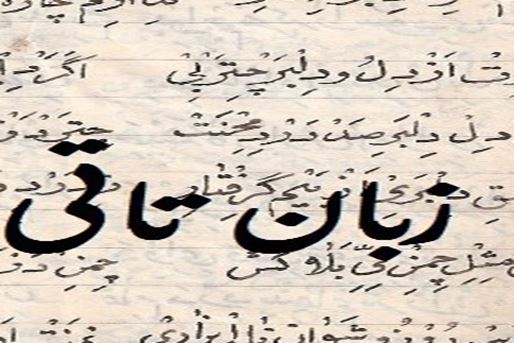
Although the Azari language is presently spoken in most regions of the Azarbaijan provinces of Iran, the Tati language was widely spoken in some of these regions in the past, and it is still spoken in the Karingan or Keringan Village of East Azarbaijan Province.
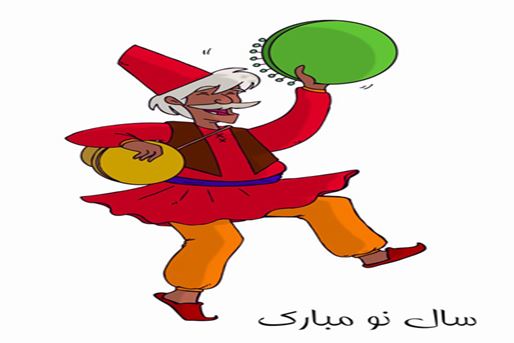
Nowruz is an ancient Iranian festivity, which is celebrated by Iranians and special customs to welcome the New Year.
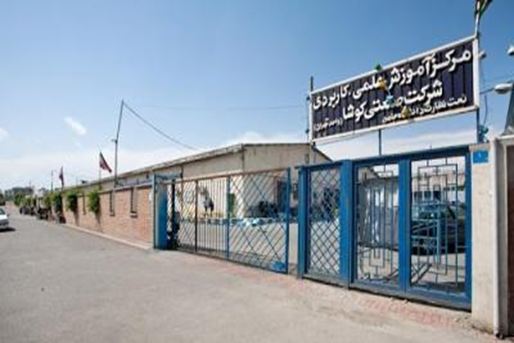
Kousha University of Applied Science and Technology: A higher education institution dedicated to enhancing students’ scientific and technical knowledge and equipping them with the skills needed to undertake practical and industrial projects.
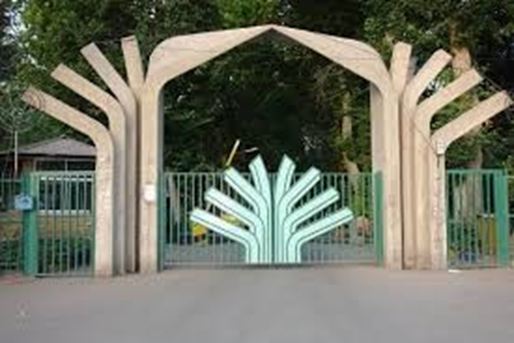
Karaj Sugar Applied Science and Technology Center: Bridging Skills-Based Education, Industry, and Entrepreneurship to Meet the Needs of the Country’s Industries
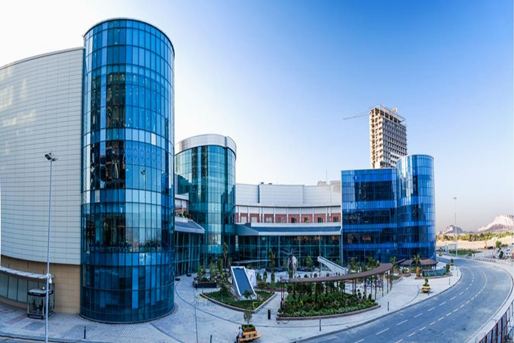
Isfahan City Center Comprehensive Center for Applied Science and Technology: A Modern Institution for Skills-Based Higher Education, Adopting a Practical Approach Aligned with Labor Market Standards.
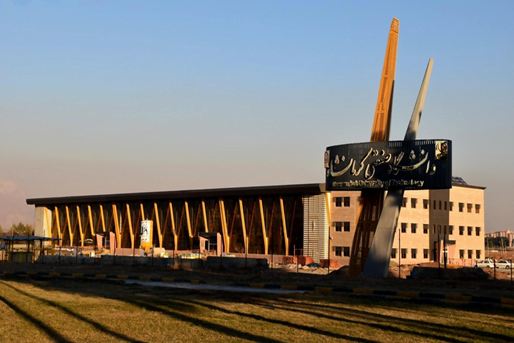
Kermanshah University of Technology aims to train specialized professionals, meet the needs of industries in Kermanshah Province and western Iran, and advance the development of modern technologies across various industries.
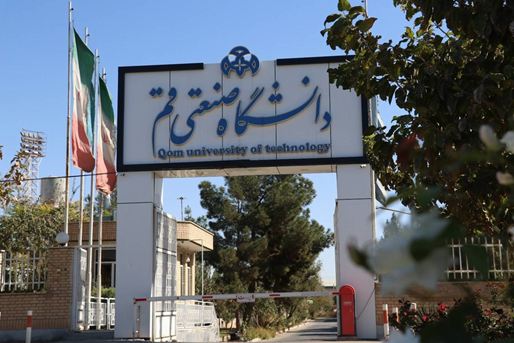
Qom University of Technology: A University Focused on Engineering and Technology Education, Fostering an Innovative Environment for Training Professional Engineers
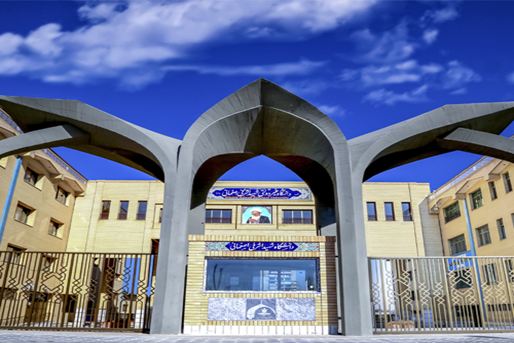
Shahid Ashrafi Esfahani Non-Profit University: Providing Quality Education, Advancing Academic and Research Activities, Enhancing Society’s Cultural Standards, and Educating Competent Graduates
Latest Events of Islamic culture & relations organization of Iran
Latest News Of Islamic Culture And Communication Organization
Bringing People and cultures Closer Together