
57
Cultural Offices
Tilework, arabesque motifs, and turquoise domes: a tangible expression of Iranian beauty and wisdom.
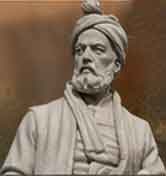
Creator of the Shahnameh and guardian of Persian language and identity.
View Special Programs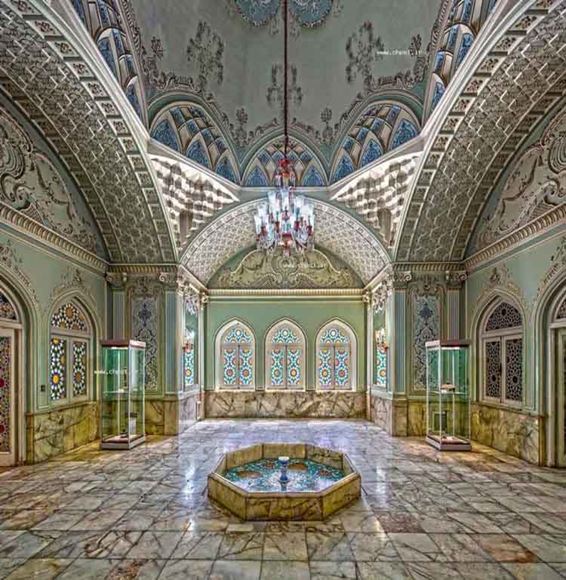
_1.jpg)
Related Content
Learn More About Iranian Art

In white clay pottery, a type of clay is used that contains Kaolinite, and its products turn white.

.Poosh Douzi is an art and craft in which fabric and temporary canopy is sewn for different places

Leather has been used by Iranians in producing various products for a long time and many leather products are made in this country even today.

Once used as Hajj clothing, Ehrami weaving is now mainly used for making prayer rugs

Darning is a sewing technique for repairing holes, or worn areas in fabric in such a way that the fabric returns to its original state after repair, leaving no trace of the refinishing work.

Kashan carpet weaving is one of the unique arts of Iran, whose amazing beauty has attracted the attention of art lovers and tourists throughout history.
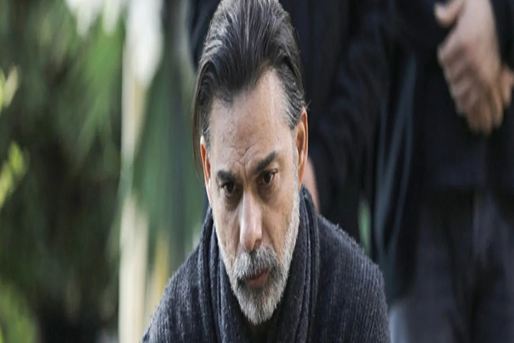
The series “Viper of Tehran” is a complicated, mysterious, fascinating story of a crime. This series deals with the adventures of Arman Bayani, a film director who has become famous with his first film. He and his divorced wife have a child who returns to his father after a while. Arman’s movie is about a serial killer who has been nicknamed “Viper” because of poisoning his victims. Viper of Tehran offers its audience a rich visual experience that is not only entertaining but also encourages them to ponder upon important and complex social issues and have a deeper understanding of man and society.
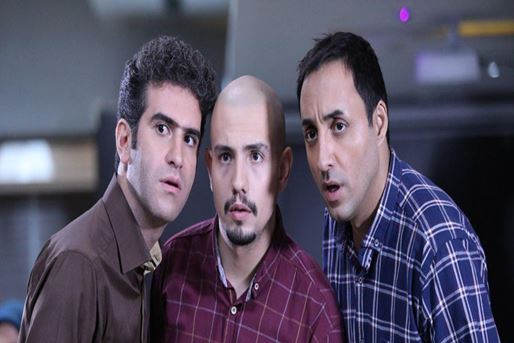
The story of three young men by the names of Habib, Maziar, and Masoud, who, in spite of having a bachelor’s degree, have not been able to find a suitable job or get married and, therefore, decide to continue their education and get a master’s degree. After achieving this goal, they still face problems. Habib falls in love again, but due to his weakness in establishing social relations, he cannot manage this issue. Maziar and Masoud, who still cannot meet their living expenses, regularly borrow money from their rich friend, Habib.

The “Story of Survival” documentary series takes a deep look at the life of animals inhabiting the mountainous regions of Iran, exploring their evolutionary adaptations in response to the diverse climatic conditions. From the towering peaks of Damavand to the majestic slopes of Alvand we are treated to the sight of a rich tapestry of wildlife, where animals of all kinds, both rare and unique, carry on with their daily lives. These creatures are seen nurturing and protecting their young, as they navigate the rugged terrain in search of food, each following their instincts to survive and thrive. Whether it’s the graceful movements of a predator stalking its prey or the gentle care of a mother tending to her offspring, the region is alive with the endless rhythm of nature at work

Alborz is an Iranian chemist living in Germany. His father Khosrow and his mother Khorshid live in Iran. Alborz meets a girl named Sara who lives in Iran and has brought her father to Germany for treatment and gets engaged to her. He is going to marry Sara in Türkiye. Everything is ready for a memorable ceremony when the news comes that Sara’s father has gone into a coma. Having a vague past, Alborz is afraid of returning to Iran but to have a last meeting with his father, he has no choice but to return. He has to smuggle himself into his country. Despite his mother’s insistence for Alborz not to return to Iran, he has made his decision and when he returns, no one recognizes him and everyone calls him Farhad Babaei.
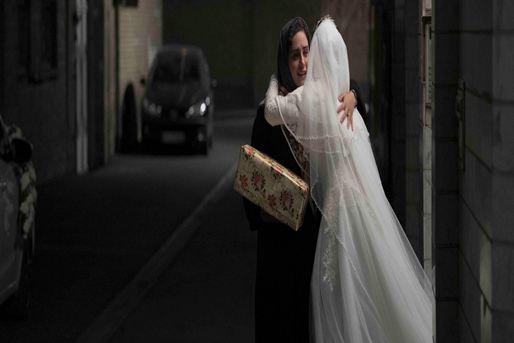
After her daughter Arghvan goes missing, Sara Moghadam heads to the prosecutor's office. They are tracking Arghwan's mobile to identify the last person who had contact with her. The research shows that terrible incidents have taken place.

“Golobula” is the story of a city police chief who, with the help of his team, fights viruses, bacteria, and dangers such as expired drugs and fake vaccines, and teaches how to take care of one’s body. This animation can be a valuable source for parents and educators who want to help children develop healthy habits and have a better understanding of their bodies.
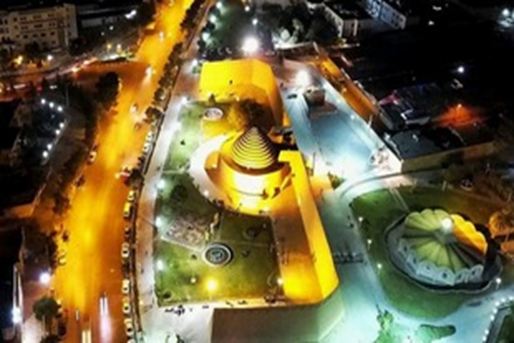
This structure demonstrates how one of humanity’s most complex needs—producing and preserving cold—could be met without relying on fossil fuels or electricity, but solely on indigenous knowledge and locally sourced materials. With its soaring mud-brick dome, the Moayedi Ice House stands as a silent yet powerful testament to the ingenuity, creativity, and sustainability of Iranian architecture.

Barzok watermills display the skill of artisanship used in their construction and reflect the cultural aspects of Iranian traditional architecture
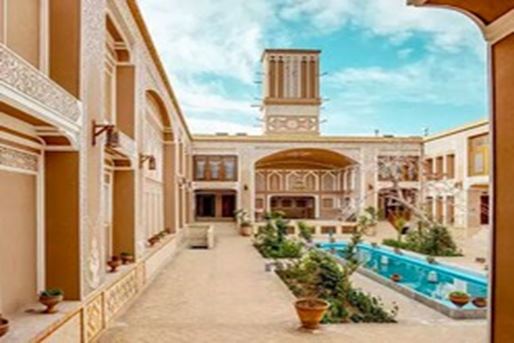
Traditional Iranian houses are stories of daily life. They reveal how people slept, shared meals, spoke with one another, loved, and faced death. The architecture of the house was created around the rhythms of human life, and perhaps this is why, more than any other type of structure, it feels intimate—closely connected to the human body and spirit.
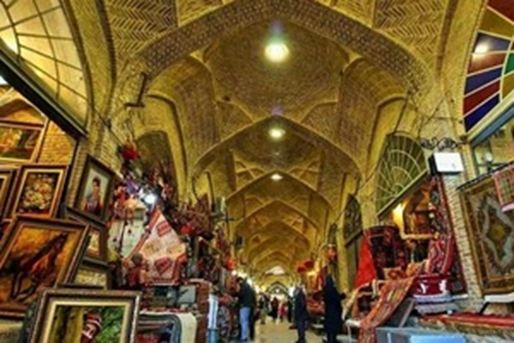
To understand Vakil Bazaar, one must first understand Karim Khan Zand and his vision for Shiraz. Amid the turmoil that followed the collapse of the Afsharid dynasty and the assassination of Nader Shah, he succeeded in unifying a large part of Iran and chose Shiraz as his capital. Unlike many rulers before and after him, Karim Khan never crowned himself and did not call himself Shah. Instead, he adopted the humble title Vakil al Ra’aya, meaning the people’s representative or the people’s advocate. This people centered and modest spirit was also reflected in the architecture of the Zand era: the buildings of this period were not designed to display royal power or intimidate the viewer, but to serve the people, stimulate the urban economy, and enhance the comfort of everyday life.

The name of Torbat-e-Jam has been derived from the name of the tomb of renowned Gnostic, Sheikh Ahmad Jam (441-536 AH/1049-1141 AD) who was also known as Sheikh-e-Jam or Pir-e-Jam. He lived in the Ma’dabad village of Khorasan and was buried in the same region after his demise. Later on, the village was named after him and came to be known as “Torbat-e Jam.
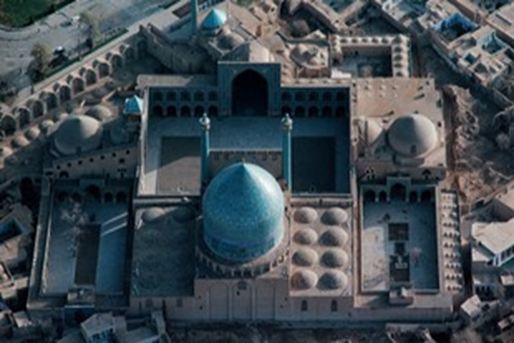
With its soaring turquoise dome, tall and slender minarets, magnificent symmetrical iwans, and seven-color mosaic tiles that spread across the structure like a carpet of jewels, this mosque embodies Shah Abbas I’s vision of creating a “paradise on earth.” It also stands as a symbol of the Safavid Empire’s power, wealth, and faith at their height.
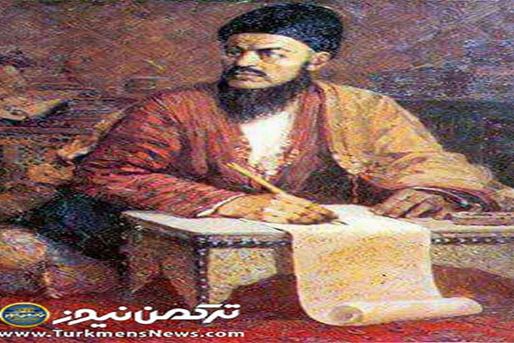
Makhtumqoli Faraghi (Magtymguly Pyragy in Turkmen dialect) was a Turkmen spiritual leader and philosophical poet, whose position and his poems in Turkmen literature and culture is unparalleled.

So far, many studies have been conducted on the rich Persian culture and literature, among which History of Persian Literature is one of the most prominent.

Nahj al-Balagha stands as one of the greatest works in the Islamic world, and A Journey Through Nahj al-Balagha is intended as a concise guide to its vast landscape

Endowment Deeds of Rab’-e Rashidi is a 700-year-old document (book) consisting of an extensive list of endowments and how the income from them was spent to support scientific activities.

Modernity has distracted man from spirituality and caused him to become alienated. Therefore, another path must be taken...

The topic of religion and politics has always been a challenge for thinkers. Religious democracy tries to provide an answer to this challenge.

By knowing the evolution of Iranian music, one can get to know more about the Iranian nation and its culture.

Tar (Persian: تار) is an Iranian[1][2][3][4] long-necked, waisted lute family instrument, used by many cultures and countries including Iran, Azerbaijan, Uzbekistan, Armenia, Georgia, Tajikistan ( Iranian Plateau) and others near the Caucasus and Central Asia regions.
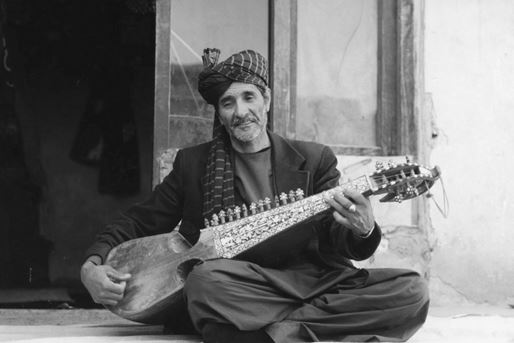
In ancient Persian literary works, there are many references to an instrument called “Robab”, which seems to have been a favorite of Persian literary personalities.

The most important manifestation of music in the culture of the people of Yazd is reciting elegies in the mourning programs of the month of Muharram
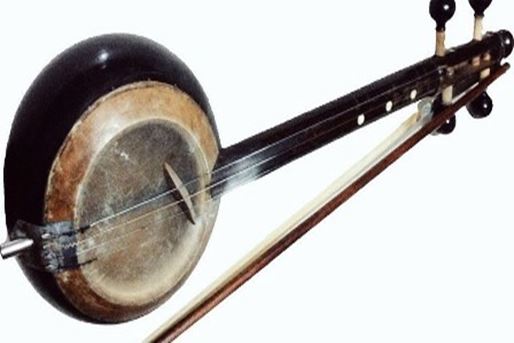
Kamanche is an Iranian instrument, similar to violin & bass
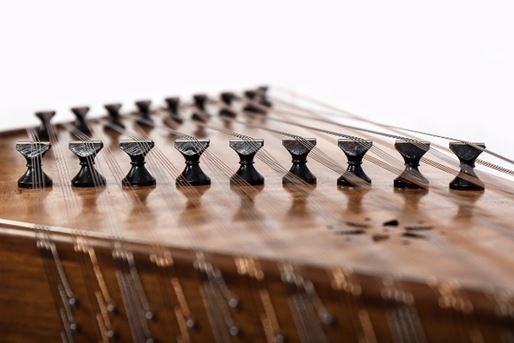
The santur (also santūr, santour, santoor) (Mesopotamian Arabic: سنطور،Persian: سنتور), is a hammered dulcimer of Iranian or Mesopotamian origins.

Seyed Mohammad Ehsai is a renowned and accomplished figure in contemporary Iranian visual arts and is regarded as one of the pioneers of Naqqashi-Khat (calligraphic painting) in the country. Through his distinctive body of work in this field, he has gained international recognition and acclaim among art enthusiasts. One of the main reasons for Ehsai’s prominence lies in his pivotal role in establishing calligraphic painting in Iran. He was among the first artists to employ letters as a medium for personal artistic expression.

Mirza Gholamreza Esfahani, a renowned calligrapher of the Qajar era, is considered a distinguished figure in the history of Iranian calligraphy, having produced first-rate works in various scripts.

The art of illustration, or “tasvirsazi,” is considered one of the diverse branches of visual arts. This art involves establishing a connection between text and image, which together can convey one or more specific messages to the audience.

Pottery and ceramics constitute important branches of the visual arts. Pottery, one of the earliest ceramic products, is made of a porous and colored body.

Master Hossein Behzad, a preeminent contemporary Iranian miniature painter, significantly contributed to the revival of this Iranian-Islamic national art through the creation of a distinctive new style. By integrating traditional Persian miniature techniques with modern artistic elements, he produced lasting works that garnered acclaim both nationally and globally.
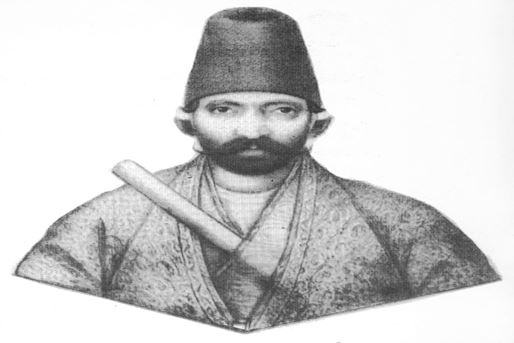
“Abu al-Hasan Ghaffari, known as Sanīʿ al-Molk, is considered one of the foremost painters and miniaturists in Iranian history. His primary expertise lay in realistic portraiture, and he possessed both a creative imagination and a deft hand for depicting real-life events and scenes, leaving behind a legacy of distinguished and enduring works in Iranian visual arts.
_3.jpg)
Khawaja Shams al-Din Mohammad bin Baha’ al-Din Hafez Shirazi, popularly known by his pen name, Hafez, the renowned Iranian poet of international repute was born in the city of Shiraz in the year 1315 CE.

Farid Javaherkalam translated many works in the fields of literature, history, and psychology into the Persian language during more than 70 years of activity

Jalal al-Din Mohammad Balkhi, popularly known as Mawlawi, Mawlana, and Rumi, and one of the most famous Iranian poets, was born in the city of Balkh of the Greater Khorasan in September 1207 CE. His full name was “Mohammad ibn Mohammad ibn Hossein Hosseini Khatibi Bakri Balkhi” and during his lifetime he was called “Jalal al-Din”, “Khodawandegar” and "Mawlana Khodawandegar”.

Baba Tahir Oryan is mainly admired by both elites and others for his phenomenal do-beytis (quatrains).

Agha Bozorg Tehrani’s “Shia Bibliographic Encyclopedia” duly responds to an author’s remarks about the role of Shia in the history of Islam.
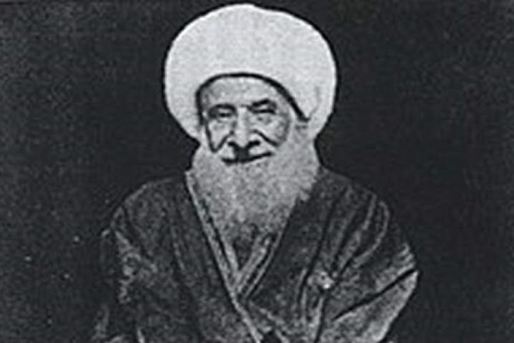
Sheikh Sadouq believed that in order to know God, man needs divine inspiration or divine proof. He emphasized that reason cannot know God and discover religious knowledge in the absence of revelation.
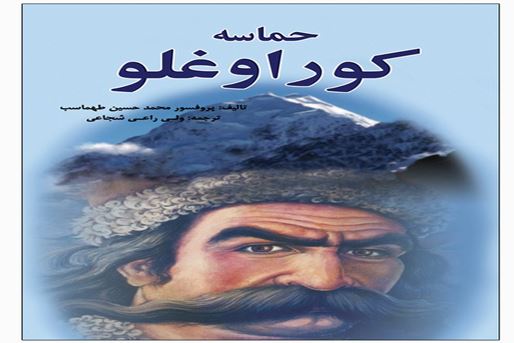
The Epic of Koroghlu is the story of the struggles of a young boy by the name of “Roshan” against the tyrannical ruler of his time, which, according to experts, is rooted in a real event.
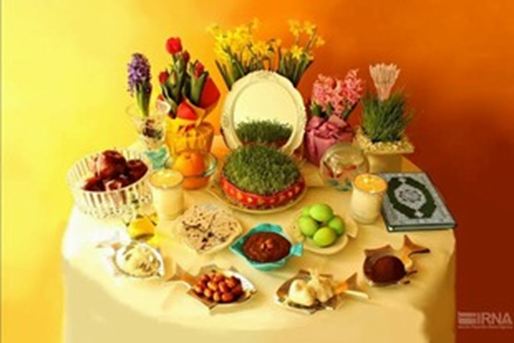
There are three major national festivals (religious festivals not included) being celebrated nationwide every year. These festivals have their roots in Iranian customs and ancient culture and are celebrated over the centuries. There is a common concept among all these festivals: emphasizing the value of the family and friendship.

Golvani is a special piece of cloth that women of the Lak tribe use as a headband and their men have different uses for it.

Every year, tens of thousands of people attend the Shabih Khwani ceremony in Bakhshayesh City of East Azarbaijan.
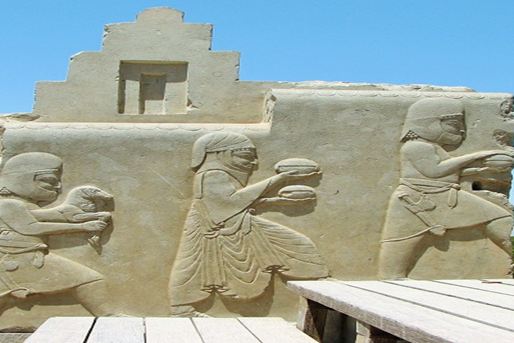
Nowruz marks the beginning of spring and the new year for Iranians and they have been celebrating it since ancient times.
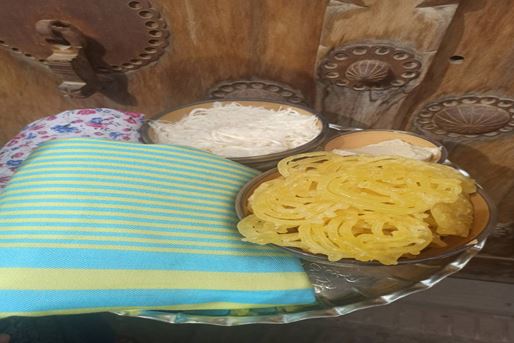
”.The People of the Meybod City of Iran give a gift to newly wedded brides, which is known as “Esfandi
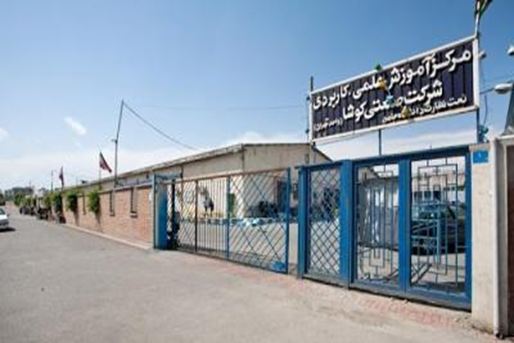
Kousha University of Applied Science and Technology: A higher education institution dedicated to enhancing students’ scientific and technical knowledge and equipping them with the skills needed to undertake practical and industrial projects.
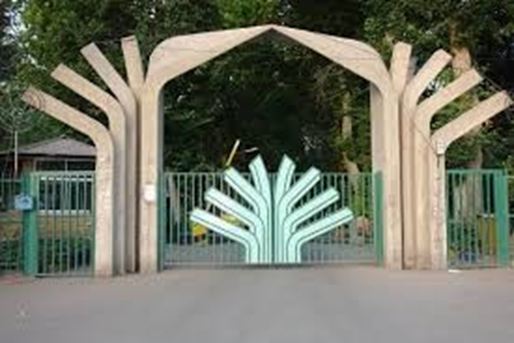
Karaj Sugar Applied Science and Technology Center: Bridging Skills-Based Education, Industry, and Entrepreneurship to Meet the Needs of the Country’s Industries

Isfahan City Center Comprehensive Center for Applied Science and Technology: A Modern Institution for Skills-Based Higher Education, Adopting a Practical Approach Aligned with Labor Market Standards.
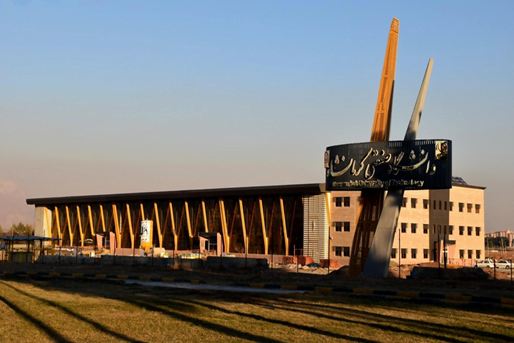
Kermanshah University of Technology aims to train specialized professionals, meet the needs of industries in Kermanshah Province and western Iran, and advance the development of modern technologies across various industries.
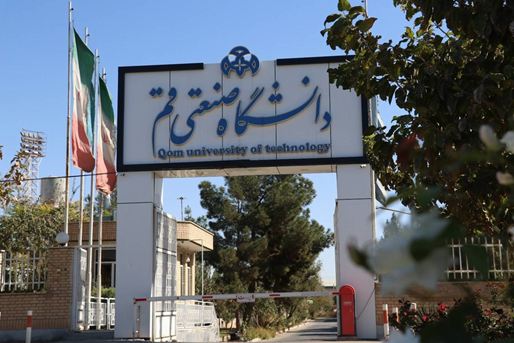
Qom University of Technology: A University Focused on Engineering and Technology Education, Fostering an Innovative Environment for Training Professional Engineers
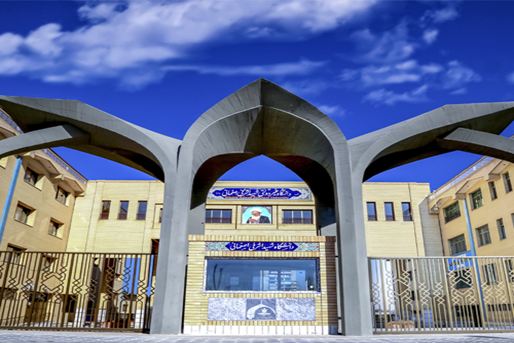
Shahid Ashrafi Esfahani Non-Profit University: Providing Quality Education, Advancing Academic and Research Activities, Enhancing Society’s Cultural Standards, and Educating Competent Graduates
Latest Events of Islamic culture & relations organization of Iran
Latest News Of Islamic Culture And Communication Organization
Bringing People and cultures Closer Together