Sa’dabad Complex
Sa’dabad Palace, which was the residence and office of the kings of Iran before the Islamic Revolution, is now a Museum Palace consisting of 10 museums.
Tilework, arabesque motifs, and turquoise domes: a tangible expression of Iranian beauty and wisdom.
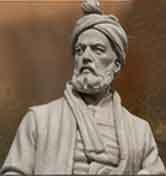
Creator of the Shahnameh and guardian of Persian language and identity.
View Special Programs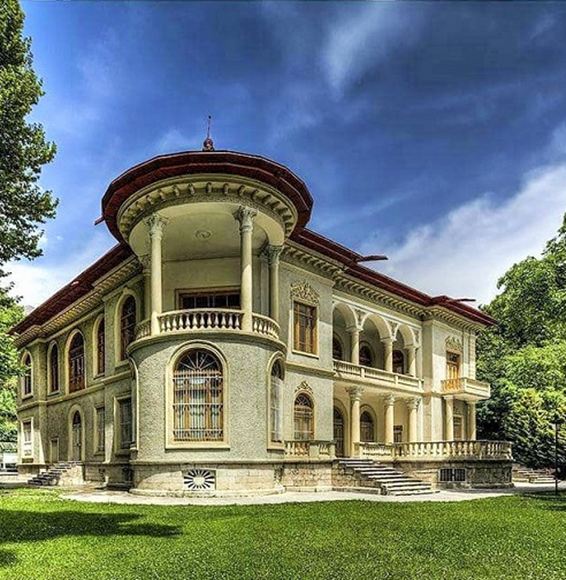
Related Content
Learn More About Iranian Art
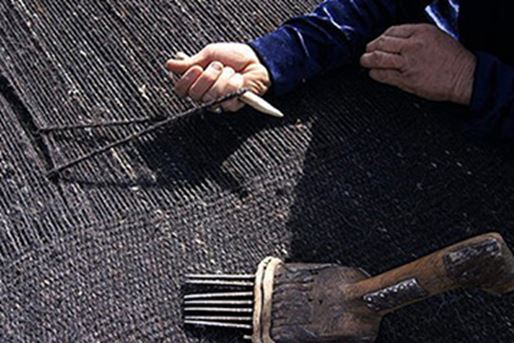
In Mootabi, goat or camel hair is transformed into yarn, rope, and netting through a specific process. The textiles produced using this technique are very strong and durable.
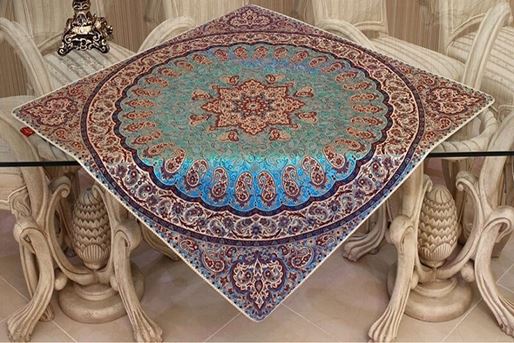
Yazd City is the main center of the old arts of cashmere weaving, producing very beautiful and eye-catching cashmere: an Iranian souvenir.
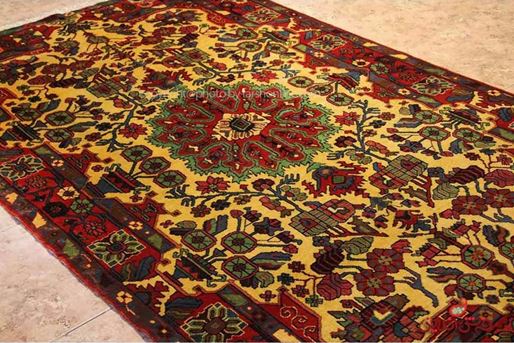
Nahavand carpet is famous for using unique designs and special and unique colors.
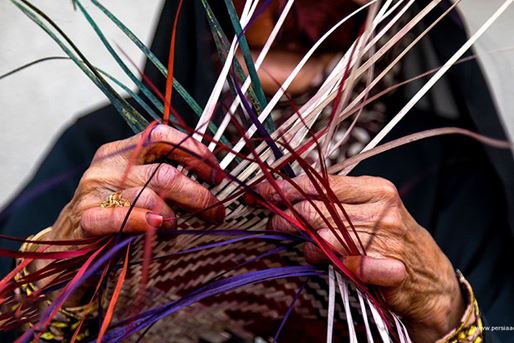
Wicker is the art and craft of weaving used to make such products as baskets, mats, etc. by using the most basic equipment
_crop_1_crop_1.jpg)
The use of wool and cotton in weaving Gelij is the main cause of this fabric being very delicate and soft.
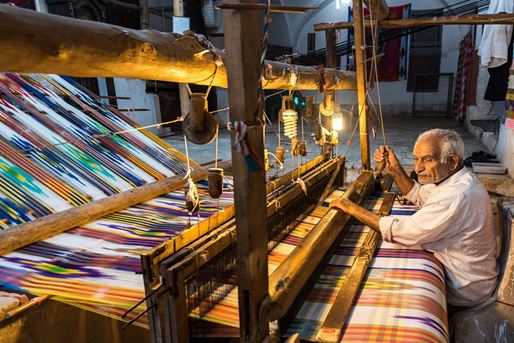
Sha’r Weaving is an art of fabric weaving that has been popular in Yazd and some central cities of Iran.
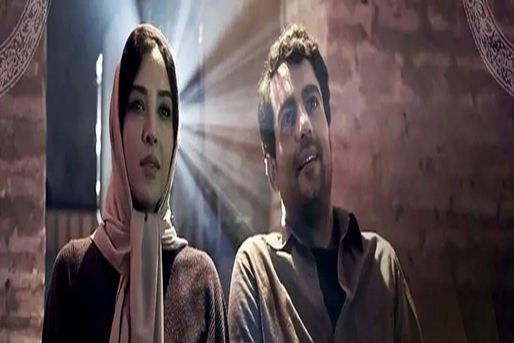
Davood, a projector repairman and a fan of Persian films, falls in love with a girl whose father is a staunch opponent of cinema. Davood tries his best to win the consent of the girl’s father.
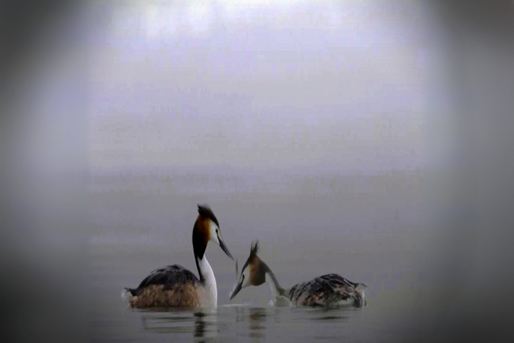
“Keshim” is the name of a bird from the grebe species, which lives in the Chaghakhor wetland in Borujen - one of the cities of Chaharmahal and Bakhtiari province in Iran - and this documentary portrays its strange behavior and environmental threats it faces.
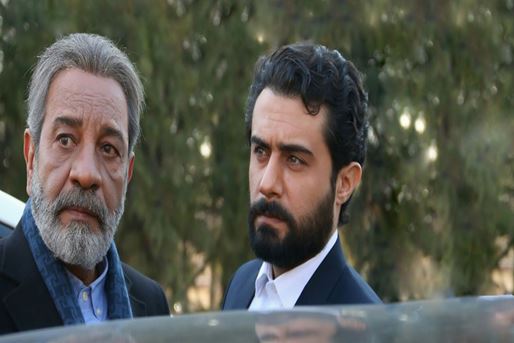
Mohammad is commissioned to investigate an expansive spy network and faces a lot of problems from someone called Michael, who is one of America’s top spies who engages in espionage under the guise of a reporter. This serial, which is based on a real case, depicts a cat-and-mouse game between two competitors who try to outdo each other with their intelligence and skills.
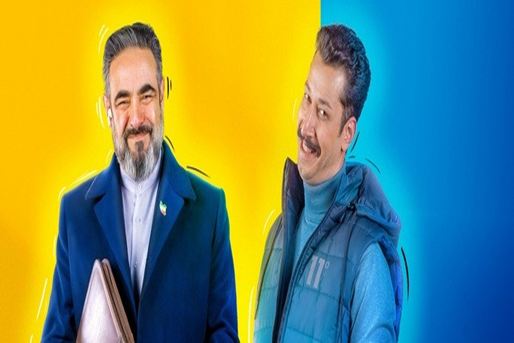
Rahim is a young and annoying man whose family, his friend Iraj, and the residents of the neighborhood are repeatedly troubled by him. After stealing a shipment of COVID-19 vaccine from the smugglers, he gets imprisoned and after being released from prison, he is kidnapped by the smugglers who intend to kill him but he survives their murder attempt and escapes. Later on, everyone understands that Rahim’s blood is different from the blood of others and that makes him popular with people; until he is caught in other crises and begins to live with a different identity.
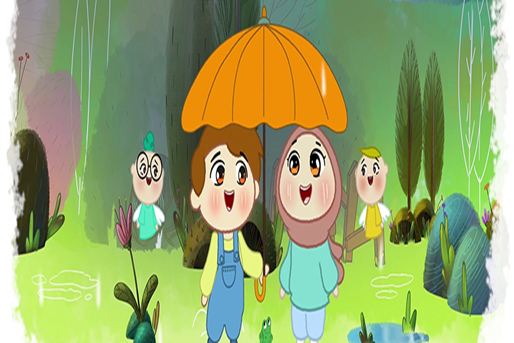
A comedy animation series about a brother and sister named “Ahmad and Zahra” living with their parents in their beautiful home. Two angels named “Nick and Nika”, too, live with them. Ahmad and Zahra always do good deeds and the angels also try to help them. Since these angels are a little naughty and everything is new to them, they create funny problems that are solved with the help of Ahmad and Zahra.

Dirin Dirin is an Iranian animated series in the comic genre that deals with social, economic and environmental problems.
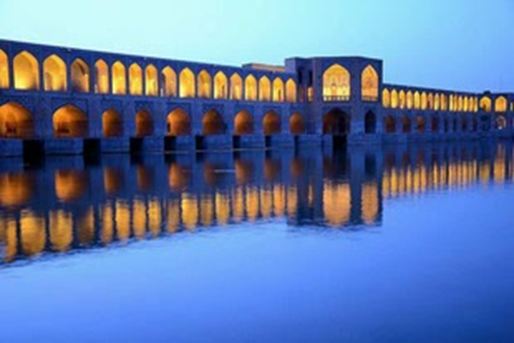
Among all the historic bridges of Iran, there is one that is far more than a passage across a river. It is at once a recreational palace, a public gathering place, a water-regulating weir, and a masterpiece of art and architecture. Khaju Bridge, built in the mid-seventeenth century by order of Shah Abbas II of the Safavid dynasty over the Zayandeh Rud River in eastern Isfahan, represents one of the finest achievements of Iranian bridge architecture. Here, hydraulic engineering, monumental architecture, and landscape design are woven together with such remarkable intelligence that, even nearly four centuries later, the bridge remains breathtaking.
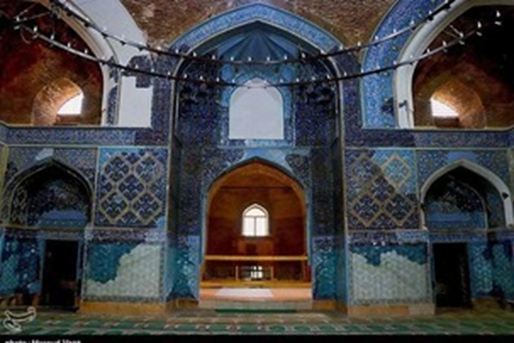
Unlike the traditional four iwan mosques of Iran, the Blue Mosque has a distinctive and highly unusual spatial organization. Its core is formed by a large central domed chamber, surrounded by galleries and subsidiary spaces, while the mausoleum is connected to the main domed chamber on the southern side. This spatial composition is one of the defining characteristics of the Blue Mosque and represents an important development in pre-Safavid Iranian architecture. The mosque s main dome, which collapsed during the numerous earthquakes that struck Tabriz particularly the devastating earthquake of 1780 CE once stood above the central domed chamber and played a major role in shaping the monument s monumental spatial character. Today, what survives of the dome can be studied mainly through the remaining structural traces and architectural evidence, yet even these fragments reveal the scale and remarkable structural complexity of the original building.
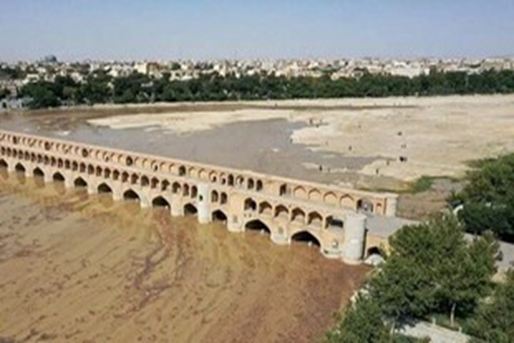
What lessons do Iranian bridges offer the modern world? The first is multifunctionality. At a time when urban infrastructure is often single-purpose, visually uninspiring, and disconnected from social life, Iranian bridges demonstrate that a bridge can simultaneously serve as a passageway, a recreational space, a marketplace, a prayer space, and an urban landmark.
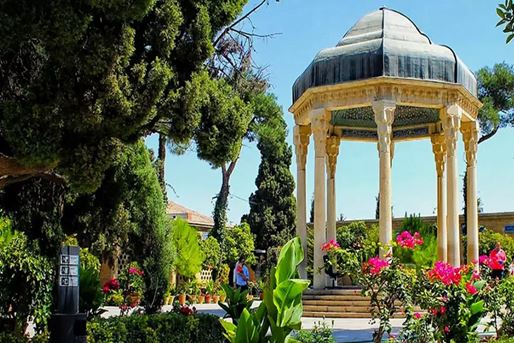
What does the architecture of Shiraz tell us . It whispers that the spaces created by human hands need not be monuments to power and wealth> they can instead become reflections of the gentle spirit of a culture. The gardens of Shiraz reconcile architecture with nature, while the Tomb of Hafez transforms the idea of a mausoleum from a cold, silent memorial into a warm and vibrant civic space where lovers of poetry gather. Shiraz teaches today’s architects and urban planners that a place endures not because of its grandeur, but because it forges an emotional bond with its people a place where they can recite poetry, fall in love, and gaze up at the sky.

Iran’s palaces are narratives of power. They tell the story of how those who held power wanted to show it to others—through height, through columns, through mirrors, through painting, and through gardens. And in that process, they sometimes created beautiful things—things from which power has now faded, but beauty still remains.
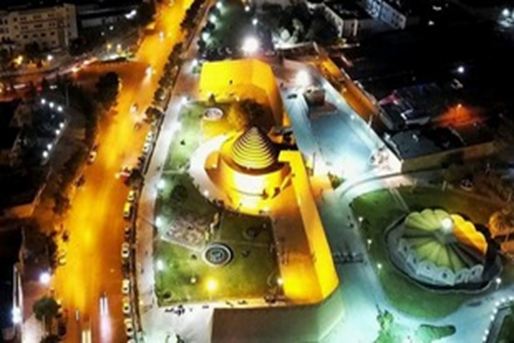
In the southeastern Iranian plateau, on the edge of the scorching Lut Desert and at the foot of towering mountains, lies a city that has shone like a jewel in the heart of the desert for centuries. Kerman, this ancient and resilient city, with a history reaching back to the Achaemenid period and even to Iranian mythology, is one of Iran’s most important yet relatively overlooked centers of civilization. Kerman can be described as the “City of Windcatchers and Desert Gardens”—a city where architecture evolved not to fight against the harshness of nature, but to coexist with it in a peaceful and intelligent way. Here, soaring windcatchers blend with lush, paradise-like gardens, offering a remarkable story of the ingenuity, patience, and creativity of the people who have made their home in the desert.
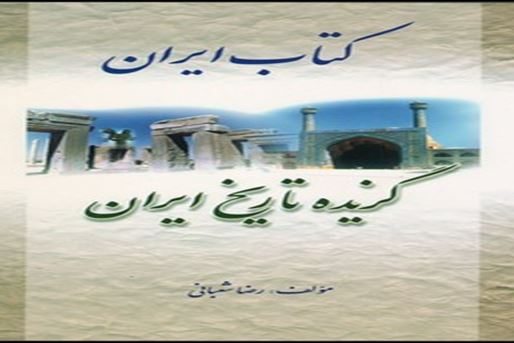
The contemporary history of Iran has many ups and downs, and Al-Montakhab min Tarikh Iran (The Selection from the History of Iran) is an attempt to provide an overview of these ups and downs.
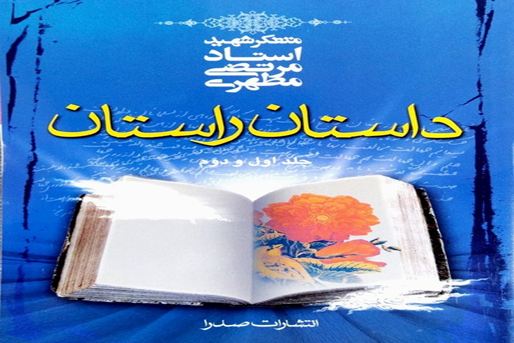
The purpose of compiling Stories of the Righteous is to explain ethical and educational points in simple language for the young generation of society.
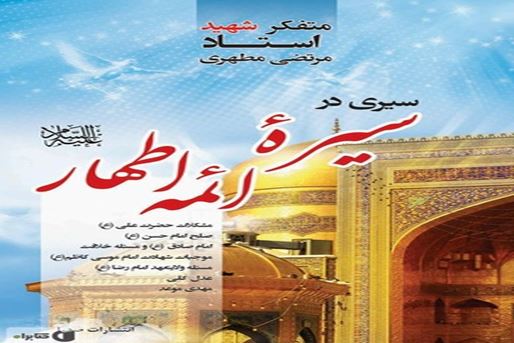
A study of the lives of the Imams examines the approach of the Imams (peace be upon them) in dealing with the issue of the caliphate and government.
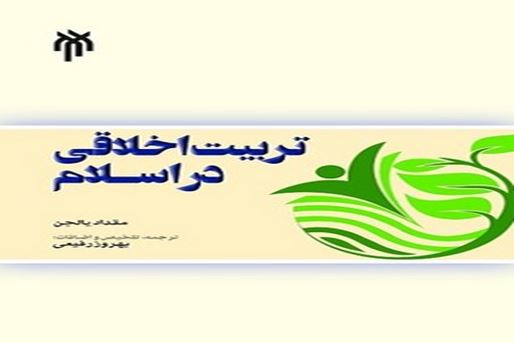
Divine religions establish principles for their followers, and Ethics in Islam seeks to explain Islamic moral principles for its own adherents.
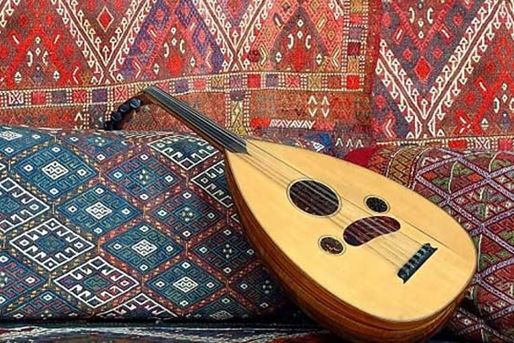
Barbat is an Iranian instrument that may seem to be the same as the Arabic oud to common people. However, the longevity of this instrument is much more than that of oud.
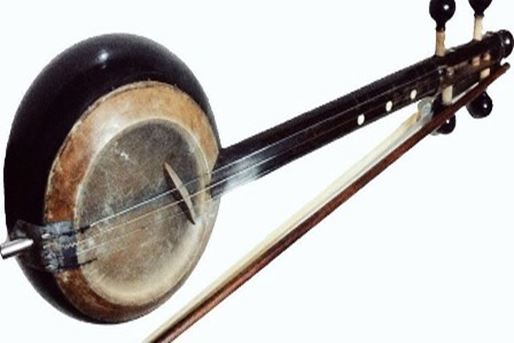
Kamanche is an Iranian instrument, similar to violin & bass
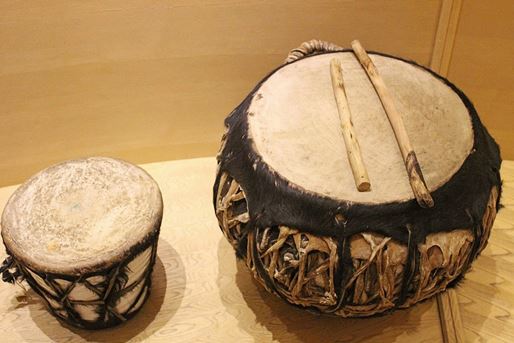
A percussion instrument, which was used to announce important events in the past but has multiple uses today.
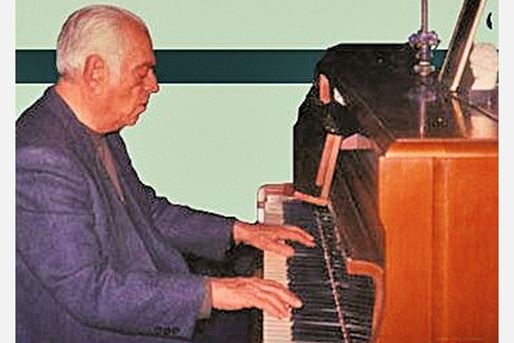
Javad Maroufi was a famous Iranian pianist who tried to introduce Iranian music to the world through his works.

The “Ashiqi” or “Ashiki” music of Azarbaijan is one of the richest “maqami” styles of Iranian music, in which various narratives are expressed in the form of songs.
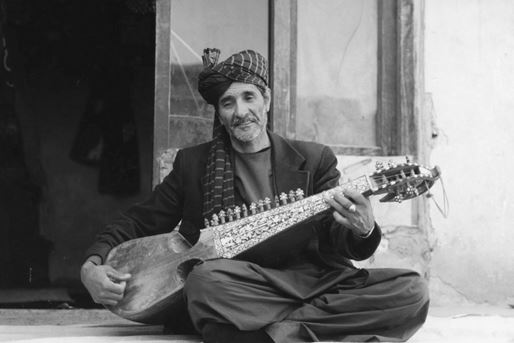
In ancient Persian literary works, there are many references to an instrument called “Robab”, which seems to have been a favorite of Persian literary personalities.
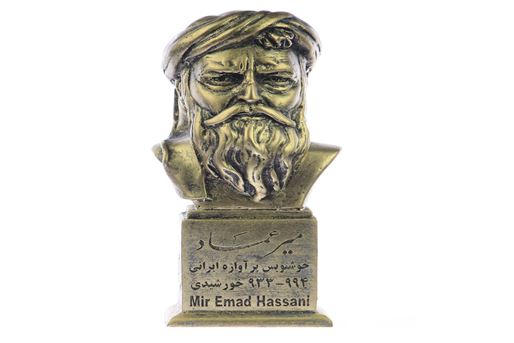
Mir Emad Hassani Seifi Qazvini was one of the most celebrated calligraphers in the history of Iranian art during the Safavid era, whose fame extended far beyond the borders of Iran. Through his exceptional mastery and artistic brilliance, he elevated the Nastaʿlīq script to such perfection that many scholars of Islamic calligraphy came to describe it as the bride of calligraphic scripts.
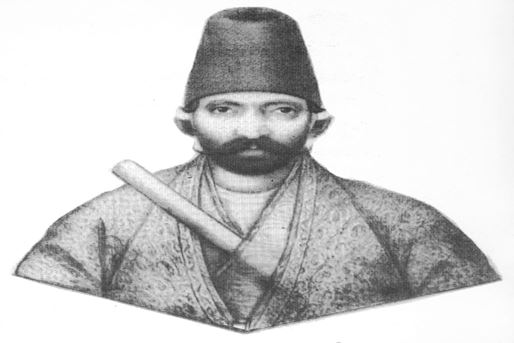
“Abu al-Hasan Ghaffari, known as Sanīʿ al-Molk, is considered one of the foremost painters and miniaturists in Iranian history. His primary expertise lay in realistic portraiture, and he possessed both a creative imagination and a deft hand for depicting real-life events and scenes, leaving behind a legacy of distinguished and enduring works in Iranian visual arts.
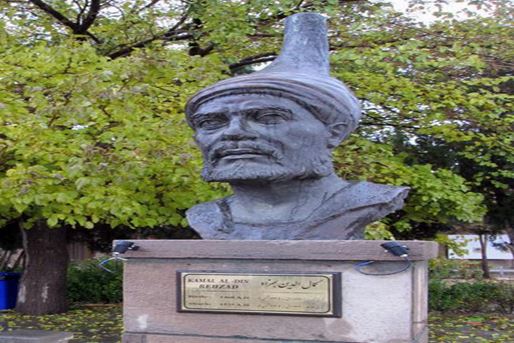
Kamal-ud-Din Behzad was a renowned and highly skilled Iranian painter who opened a new path in the realm of Persian miniature painting and left a profound and widespread influence on the work of later artists in Iran, India, Turkey, and Central Asia.
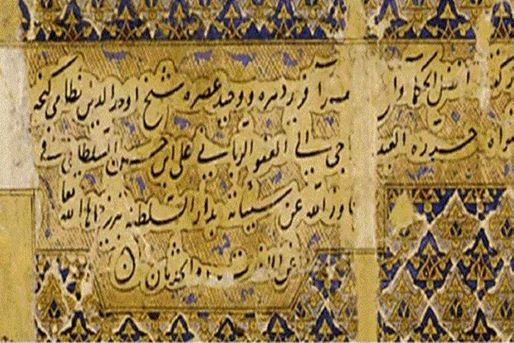
Mir Ali Tabrizi, one of the greatest Iranian calligraphers of the Timurid era, in the 9th century AH, for the first time, was able to establish the principles and rules governing calligraphy in the Nastaʿlīq style and bring order to it.
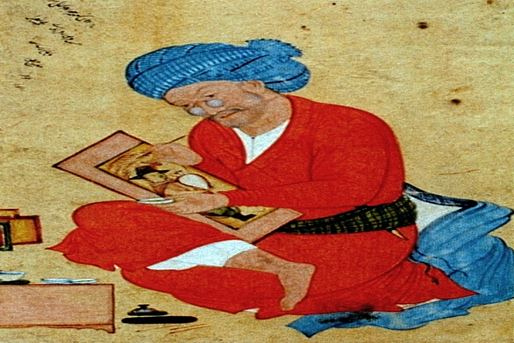
Reza Abbasi was a highly skilled and innovative artist, widely renowned during the Safavid period, whose outstanding works played a pivotal role in the development of Iranian art. His artistic innovations—particularly in composition, color, and subject matter—brought about a profound transformation in Persian painting. Abbasi’s pioneering approach laid the foundation for the Isfahan School of painting in the early 11th century AH, establishing a new visual language that combined traditional Persian techniques with innovative stylistic elements. Through his works, he elevated the aesthetic standards of miniature painting and inspired generations of artists in the Safavid and subsequent periods.
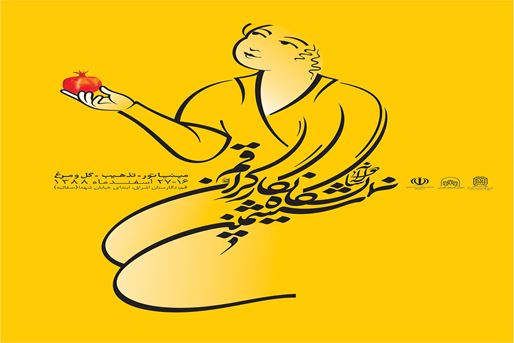
Graphic design is recognized as a branch of the visual arts and involves the careful selection and arrangement of visual elements, including images, text, symbols, and colors, to create a composition that communicates a specific message to viewers
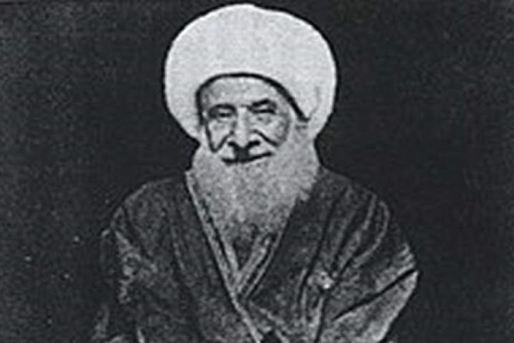
Sheikh Sadouq believed that in order to know God, man needs divine inspiration or divine proof. He emphasized that reason cannot know God and discover religious knowledge in the absence of revelation.

Kelileh va Demneh, “Tajnameh of Anushirvan”, “Ayinnameh Ahd Sassani”, “Kitab-e Mazdak, and Kitab al-Taj” are some of the books that Ibn Muqaffa’ has translated from Middle Persian to Arabic introducing the Iranian Culture to the Arab world.
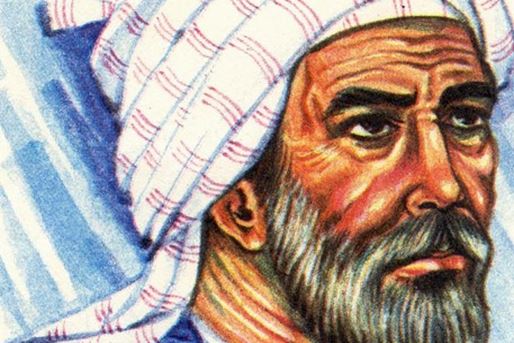
On the one hand, Nasir Khusraw confronted the indolent scholars, and on the other hand, he strived to pull the masses out of ignorance.
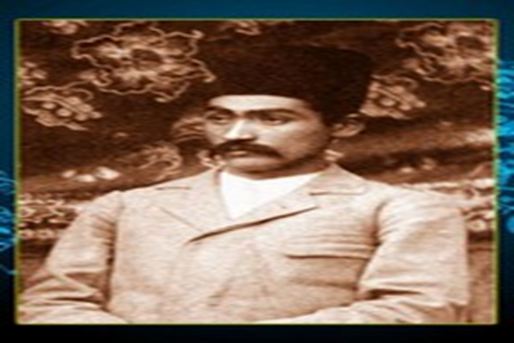
Born in Tehran in the year 1872 CE, Gholamhossein Darvish, popularly known as Darvish Khan, was a renowned Iranian artist and a traditional musician of the late Qajar era.

Hakim Mulla Hadi Sabzevari, with his special views, was able to take a new step in the development of philosophical teachings and was recognized as the founder of the Neo-Sadraei discourse.
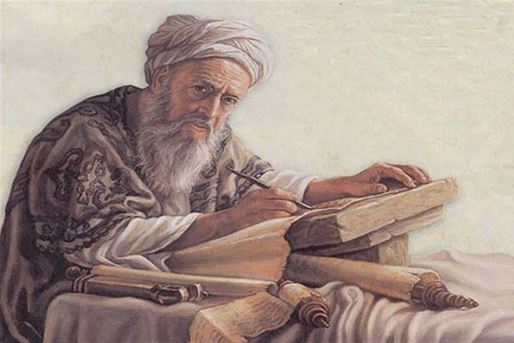
Al-Biruni is said to be one of the greatest and most influential scientists of the 10th and 11th century CE.
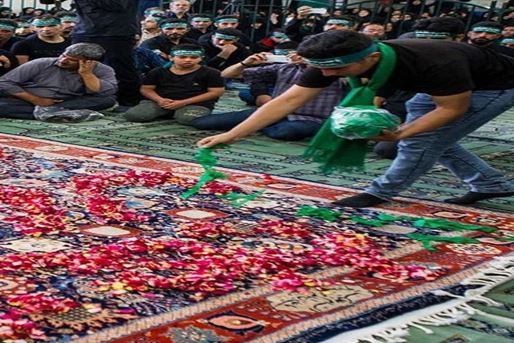
An annual ceremony held by the people of Kashan to convey the message of standing by truth and defending the oppressed.
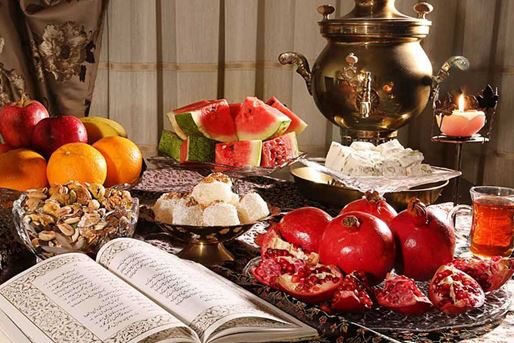
Shab-e Yalda (Yalda’s night) or Shab-e Chelle is the Iranians’ way to confront the coldest season of the year. This Iranian festival, which is celebrated every year on the night of December 20/21 (±1) in the Gregorian calendar, has a very long history and is among the most important Iranian festivals and ceremonies.
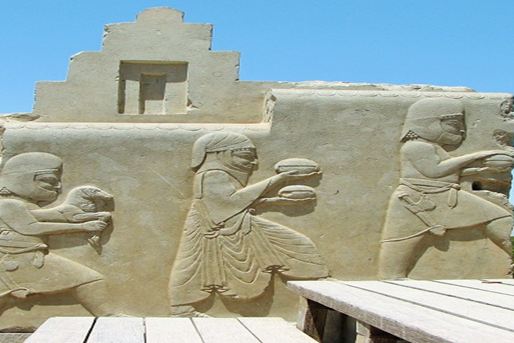
Nowruz marks the beginning of spring and the new year for Iranians and they have been celebrating it since ancient times.
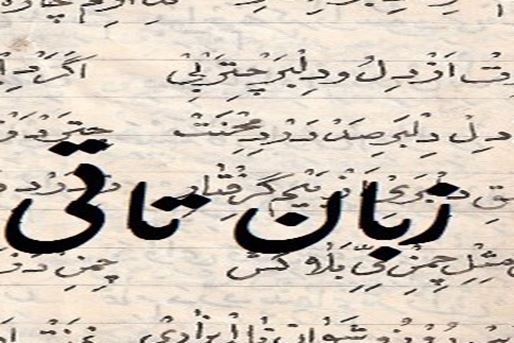
Although the Azari language is presently spoken in most regions of the Azarbaijan provinces of Iran, the Tati language was widely spoken in some of these regions in the past, and it is still spoken in the Karingan or Keringan Village of East Azarbaijan Province.
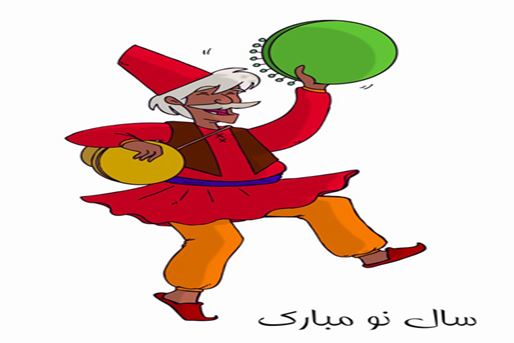
Nowruz is an ancient Iranian festivity, which is celebrated by Iranians and special customs to welcome the New Year.

The custom of singing religious poems in a loud and melodious voice in praise of the Prophet of Islam (pbuh) and his family in front of pilgrims in the course of their pilgrimage.
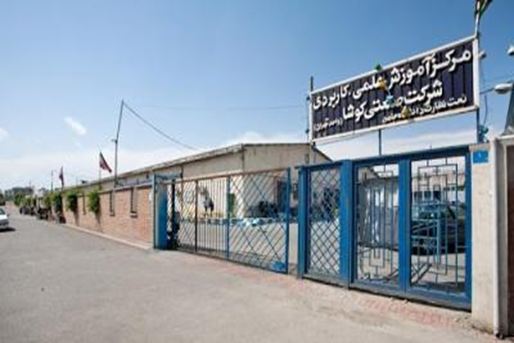
Kousha University of Applied Science and Technology: A higher education institution dedicated to enhancing students’ scientific and technical knowledge and equipping them with the skills needed to undertake practical and industrial projects.
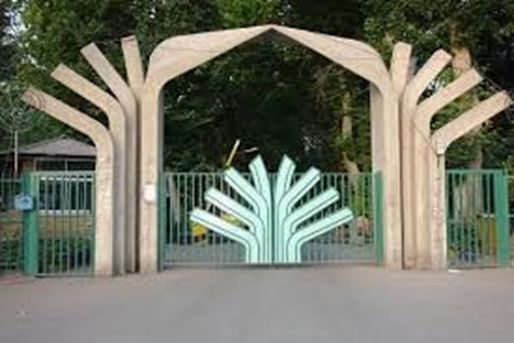
Karaj Sugar Applied Science and Technology Center: Bridging Skills-Based Education, Industry, and Entrepreneurship to Meet the Needs of the Country’s Industries
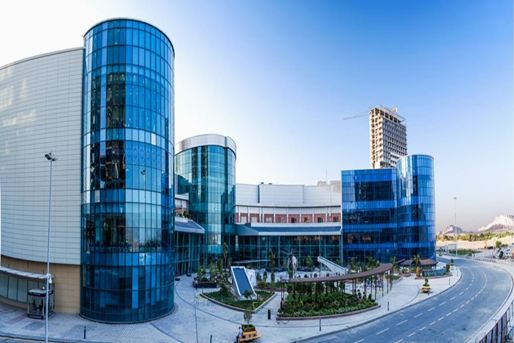
Isfahan City Center Comprehensive Center for Applied Science and Technology: A Modern Institution for Skills-Based Higher Education, Adopting a Practical Approach Aligned with Labor Market Standards.
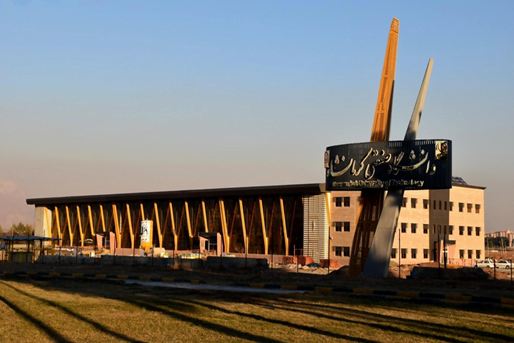
Kermanshah University of Technology aims to train specialized professionals, meet the needs of industries in Kermanshah Province and western Iran, and advance the development of modern technologies across various industries.
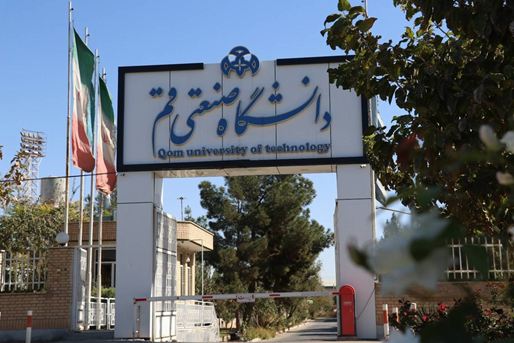
Qom University of Technology: A University Focused on Engineering and Technology Education, Fostering an Innovative Environment for Training Professional Engineers
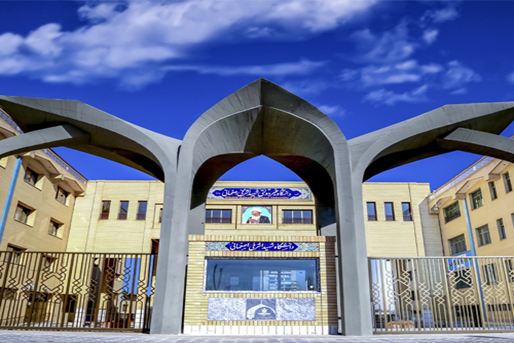
Shahid Ashrafi Esfahani Non-Profit University: Providing Quality Education, Advancing Academic and Research Activities, Enhancing Society’s Cultural Standards, and Educating Competent Graduates
Latest Events of Islamic culture & relations organization of Iran
Latest News Of Islamic Culture And Communication Organization
Bringing People and cultures Closer Together