
Anthropology Museum of South of Sahand
The Anthropology Museum of South of Sahand, which was the first of its kind in the East Azarbaijan Province of Iran displays various aspects of the life of the people of the region in 12 sections.
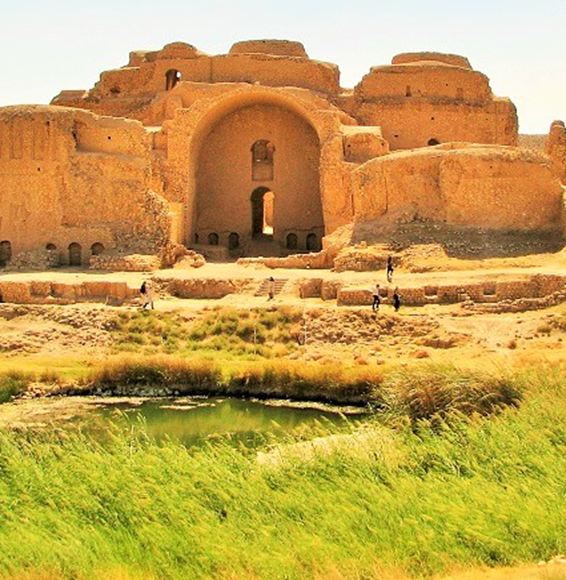
Tilework, arabesque motifs, and turquoise domes: a tangible expression of Iranian beauty and wisdom.
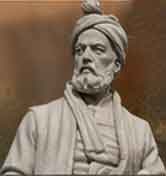
Creator of the Shahnameh and guardian of Persian language and identity.
View Special Programs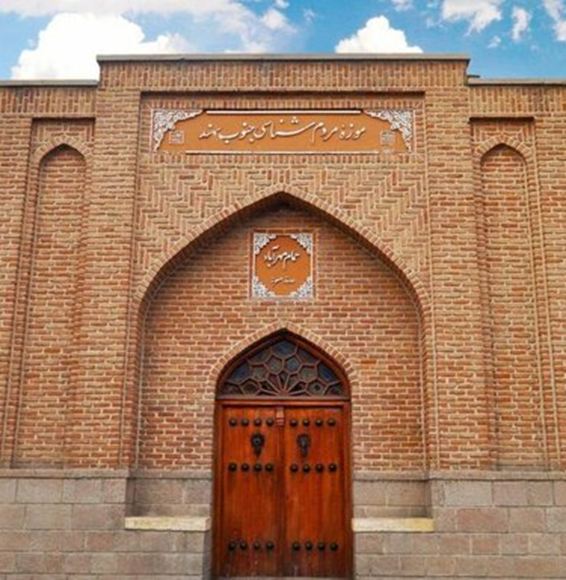
.jpg)
Related Content
Learn More About Iranian Art

Having bright and attractive color combinations, Verni products have always been popular among tourists.
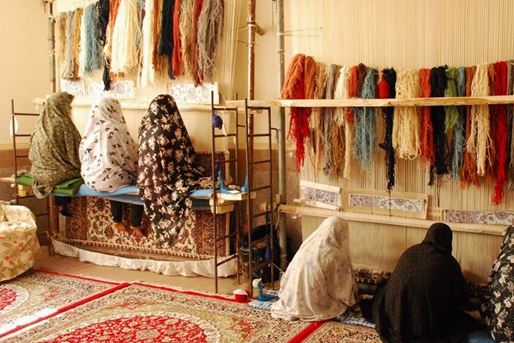
The type of knot used in weaving Tabriz carpet, which is known as the “Turkish knot” makes the texture and design of the carpet more elegant.

Giveh, which the Kurds call “Kalash” in their local language, is one of the main parts of Kurdish men’s clothing. Although Kurds usually wear white Kalash, this local shoe is also produced in blue and red colors.
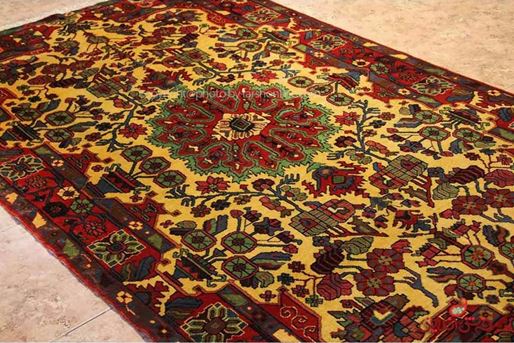
Nahavand carpet is famous for using unique designs and special and unique colors.
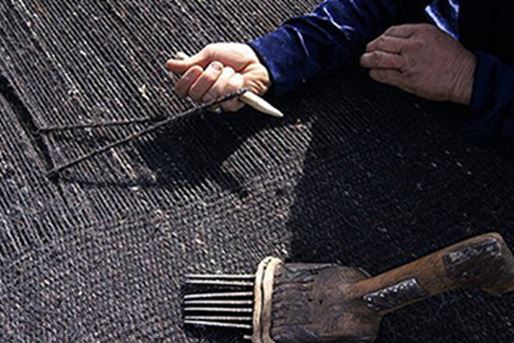
In Mootabi, goat or camel hair is transformed into yarn, rope, and netting through a specific process. The textiles produced using this technique are very strong and durable.

Zilu, is an Iranian handicraft, very similar to Gilim, with the difference that its texture is made of completely natural and plant-based materials.
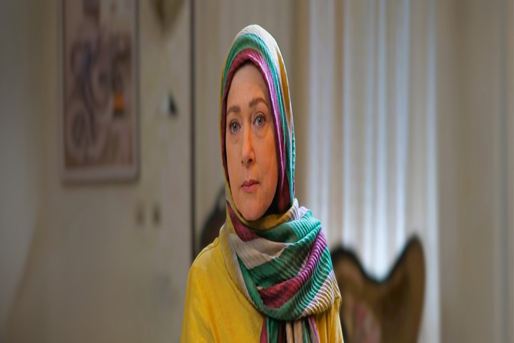
This inspiring TV series depicts the tireless efforts of Iranian medical scientists in their quest to find a cure for COVID-19. Despite numerous obstacles, including personal and professional challenges, the scientists remain determined to succeed. The series follows their journey to Africa, where they encounter setbacks and biased reactions from those seeking to prevent Iran’s success.
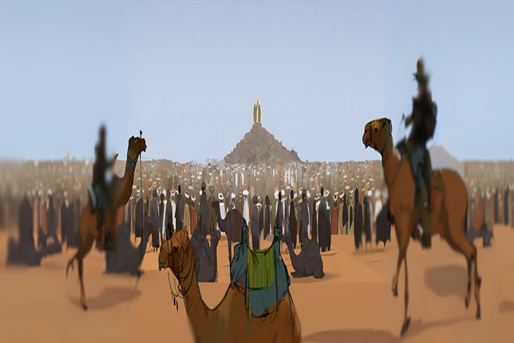
This animation series portrays the life and efforts of a number of divine prophets such as Noah (AS), Idris (AS), Ibrahim (AS), and.... for children.

This documentary depicts one hundred years of the history of bus service in Iran in a story and historical style. The first bus arrived in the city of Rasht and after a short period of time, it entered the city of Tehran, and so far more than a century has passed since the bus has been used as an important public vehicle in Iran.
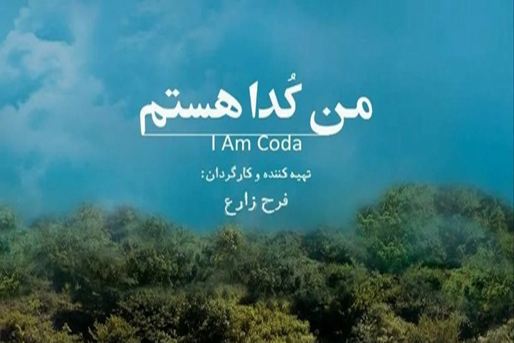
This documentary deals with the problems and challenges that the children of deaf people (who are called Coda) face in society.
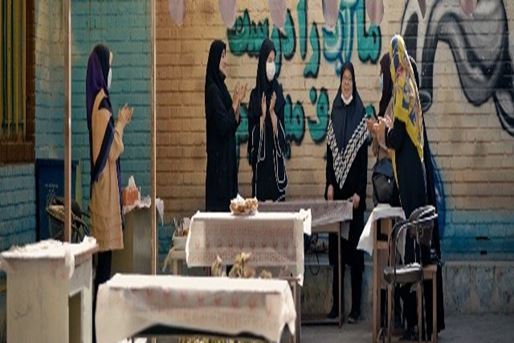
Ms. Salem, a second-grade primary school teacher, has been involved in online teaching in the last year of her teaching career. She does not post any photos or videos of herself. The lady principal of the school, who will also retire this year, is concerned about the state of education in her school and is trying to protect her own reputation after 30 years of service.

The story of the ups and downs of a noble Iranian family and their only daughter, Yasman, since the 1980s till date involving several issues such as war, economic and social changes, etc.
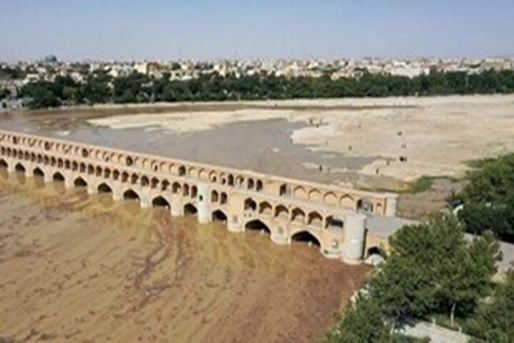
What lessons do Iranian bridges offer the modern world? The first is multifunctionality. At a time when urban infrastructure is often single-purpose, visually uninspiring, and disconnected from social life, Iranian bridges demonstrate that a bridge can simultaneously serve as a passageway, a recreational space, a marketplace, a prayer space, and an urban landmark.
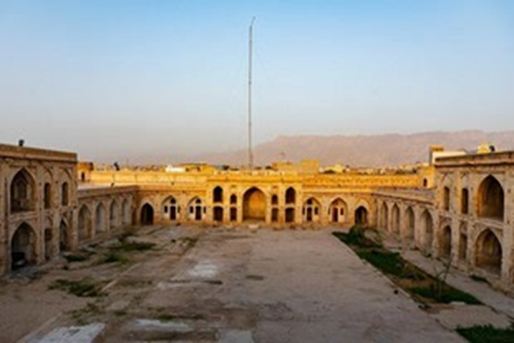
The Moshir al Molk Caravanserai was more than just a roadside rest stop. it was a complete commercial and lodging complex. In addition to shops and stables the caravanserai included spaces for storing goods trade offices and even a small mosque where merchants and travelers could perform their prayers. This combination of functions transformed the caravanserai into a commercial hub along the Bushehr Shiraz trade route.
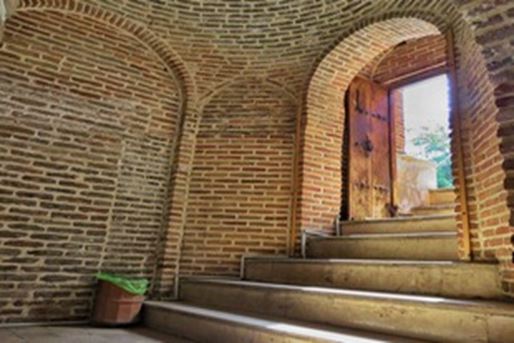
What comes to mind when you hear the word bathhouse? Most likely, you imagine a tiled room with warm water, steam, and soap. Yet the traditional bathhouses of Iran were something far more profound. They were not merely places for cleansing the body, but social institutions with unwritten rules, sophisticated architecture, and customs that accompanied people throughout every stage of life—from childhood to old age. Visiting the bathhouse was not an occasional leisure activity, it was an integral part of the rhythm of weekly life.
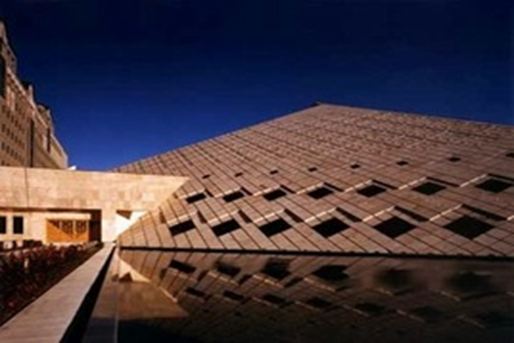
For contemporary architects and designers, the new building of the Islamic Consultative Assembly offers an important lesson in “architecture for governance.” It demonstrates how abstract concepts such as “law,” “transparency,” “sustainability,” and “democracy” can be translated into a physical and visual language through the choice of architectural style and materials, as well as spatial organization.
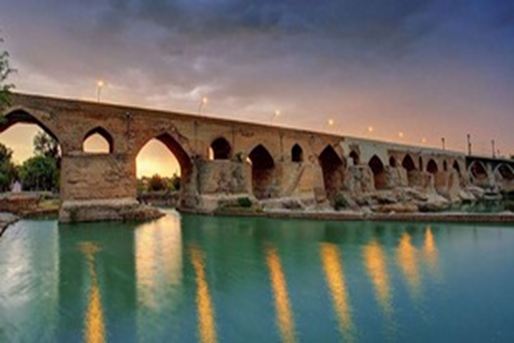
The historic urban fabric of Dezful is one of the most extensive and best-preserved brick-built urban fabrics in Iran. Constructed from fired bricks in warm, earthy tones, it encompasses numerous historic houses, mosques, bathhouses, and traditional bazaars. Historic houses in Dezful, such as Tizno House, Zargar House, and Sohrabi House, are outstanding examples of residential architecture adapted to the city’s hot and humid climate. With their central courtyards, water pools, cool underground chambers known as shavaduns, and brick windcatchers, these houses provided a pleasant and comfortable living environment during Khuzestan’s long, hot summers.
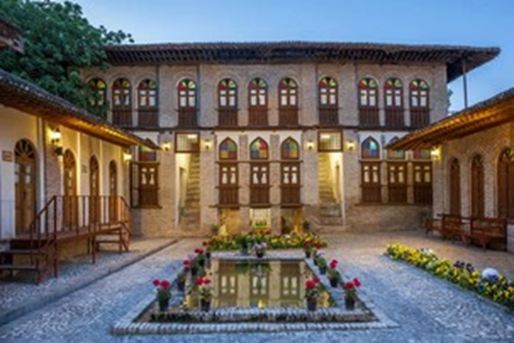
In northern Iran, nestled among the lush Hyrcanian forests and the fertile plains along the Caspian Sea, lies a city whose history is intertwined with myth, culture, and a civilization spanning thousands of years. Gorgan, formerly known as “Astarabad,” is one of the oldest human settlements in northern Iran and has been an important center of civilization throughout history. Gorgan can be described as the “City of Forests and History”—a city where the indigenous architecture of northern Iran blends with an ancient historical heritage, creating pleasant spaces that exist in harmony with nature and are imbued with a rich sense of collective memory.

Endowment Deeds of Rab’-e Rashidi is a 700-year-old document (book) consisting of an extensive list of endowments and how the income from them was spent to support scientific activities.
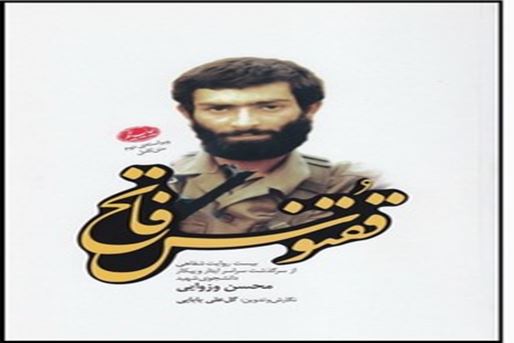
Phoenix the Conqueror tells the story of a martyred student.

The image of Islam and human rights from the perspective of Islam that has been portrayed in the minds of the world’s people through the media has many flaws.

Great people always have a big question before them: How can we lead ourselves and society towards salvation The answer that Islam and Education seeks to find.

The topic of religion and politics has always been a challenge for thinkers. Religious democracy tries to provide an answer to this challenge.
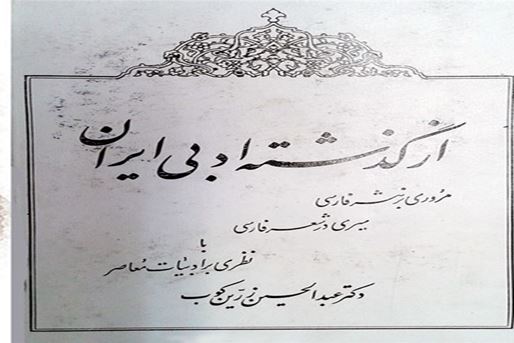
Iran is an ancient country with an authentic culture, a culture that has maintained its vibrancy throughout the centuries.

The “Ashiqi” or “Ashiki” music of Azarbaijan is one of the richest “maqami” styles of Iranian music, in which various narratives are expressed in the form of songs.

Tar (Persian: تار) is an Iranian[1][2][3][4] long-necked, waisted lute family instrument, used by many cultures and countries including Iran, Azerbaijan, Uzbekistan, Armenia, Georgia, Tajikistan ( Iranian Plateau) and others near the Caucasus and Central Asia regions.
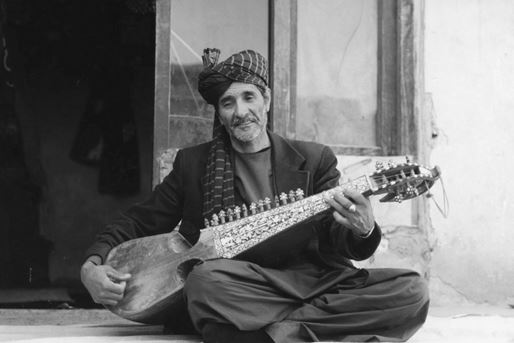
In ancient Persian literary works, there are many references to an instrument called “Robab”, which seems to have been a favorite of Persian literary personalities.

Bakhshu Khwani is a style of eulogy that Jahanbakhsh Kurdizade performed with his special musical technique and sad tone.

Bakhtiari folk music is the manifestation of Bakhtiari culture and the one played to welcome the spring and Nowruz is full of joy and delight.
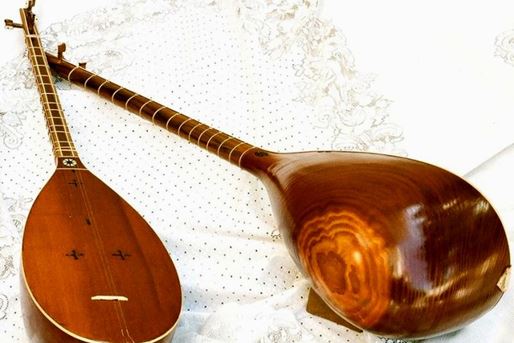
Qopuz also pronounced as Kopuz is an ancient string instrument, which is so important in the culture of the Azari-speaking people that when they generally talk about a musical instrument they mean Qopuz.

The art of illustration, or “tasvirsazi,” is considered one of the diverse branches of visual arts. This art involves establishing a connection between text and image, which together can convey one or more specific messages to the audience.

New art media are a relatively recent branch of the visual arts, emerging through the use of fresh language and innovative forms of expression.
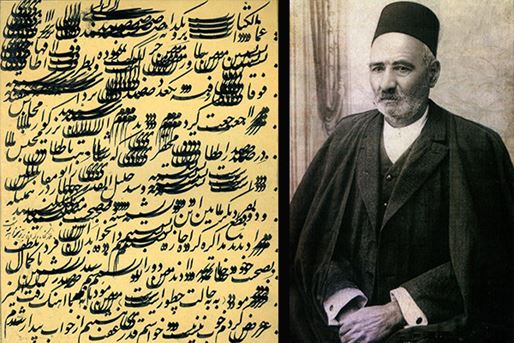
Mirza Mohammad Hossein Sifi Qazvini, known as Emad al-Ketab, is considered one of the most prominent figures in the history of Iranian calligraphy in the Nastaʿlīq style and the final link in the golden chain of the old masters of this distinguished Iranian-Islamic art. Living during the Constitutional Revolution era, he used his exceptional talent, abundant creativity, and tireless effort to serve as the connecting point between contemporary calligraphers and the school of Mirza Mohammad Reza Kalleh.

Miniature painting, considered one of the diverse branches of visual arts, is an authentic and captivating art form that combines delicate, imaginative, and finely detailed illustrations with both decorative and functional qualities

Sculpture is a branch of the visual arts in which the artist, inspired by both nature and imagination, shapes a variety of materials such as stone, wood, clay, plaster, metal, glass, wax, or paper. Through the use of hands, tools, and diverse techniques—including addition, subtraction, cutting, and reshaping—the artist creates a tangible, three-dimensional form.
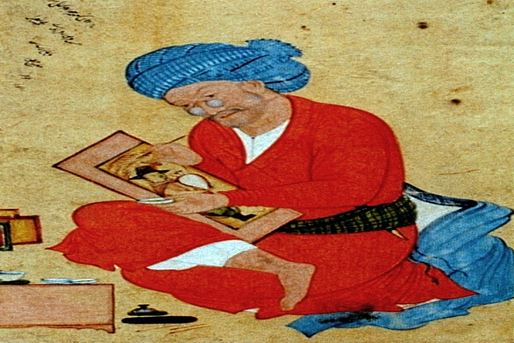
Reza Abbasi was a highly skilled and innovative artist, widely renowned during the Safavid period, whose outstanding works played a pivotal role in the development of Iranian art. His artistic innovations—particularly in composition, color, and subject matter—brought about a profound transformation in Persian painting. Abbasi’s pioneering approach laid the foundation for the Isfahan School of painting in the early 11th century AH, establishing a new visual language that combined traditional Persian techniques with innovative stylistic elements. Through his works, he elevated the aesthetic standards of miniature painting and inspired generations of artists in the Safavid and subsequent periods.
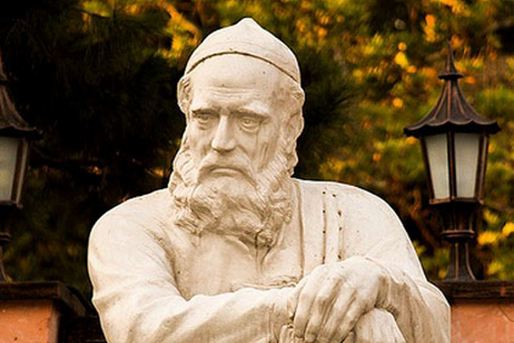
Khayyam was a great Iranian scientist and mathematician who is world-renowned mostly for his poetry.

Hamzeh Ilkhanizadeh is a well-known name among those interested in polo, which is as an authentic Iranian sport

Bayazid Bastami’s disciples are known as “Teyfuriyya” or “Bastamiyya”. Teyfurriya is one of the oldest Sufi systems, which propagates that one can reach perfection through detachment from selfish and worldly desires.

Baba Tahir Oryan is mainly admired by both elites and others for his phenomenal do-beytis (quatrains).
Qeysar Aminpour is one of the most influential poets of the post-Iranian Revolution period. He has written poems about Iran-Iraq War, as well as poems in classic and modern style. Some believe that he shifted from poems about the war to poems about love, and others know him to be the greatest poet of Iranian Revolution.
Ali Esfandiari, popularly known as “Nima Yushij”, the contemporary Iranian poet and nicknamed the father and founder of modern Persian poetry, was in the Yush district of the Mazandaran province of Iran born on November 11, 1897. “She’r-e Nau” (lit. New style of poetry) was a title that Nima himself had given to his art.

The story of Asli and Karam is considered to be the greatest oral heritage of the Azarbaijani people, which is narrated by Ashiqs/Ashiks in gatherings and in the form of a folklore song.

The people of Maragheh mourn the martyrdom of Imam Hussain (AS) in the “Allah Allah Husina Veina” ceremony they hold on the morning of Ashura by wearing the attire of the Hajj pilgrims.

Kurdish traditional clothing has been formed according to the culture and geography of the Kurdish people and Kurdish women’s clothes are quite unique in terms of beauty.

In the harvest ceremony of Saqay village, the people of the village gather together and socialize before starting the harvest the next day.

The story of Asli and Karam is considered to be the greatest oral heritage of the Azarbaijani people, which is narrated by Ashiqs/Ashiks in gatherings and in the form of a folklore song.
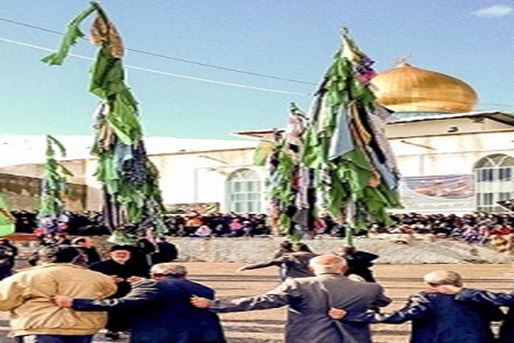
Alam Gardani is a ceremony held in the first decade of the month of Muharram participated by the residents of the three villages of Siah Aaran, Zaviyeh, and Livarjan in Jolfa County.
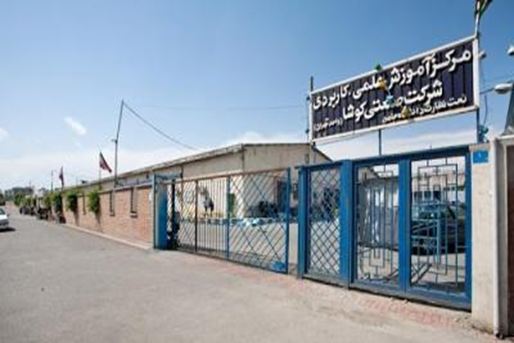
Kousha University of Applied Science and Technology: A higher education institution dedicated to enhancing students’ scientific and technical knowledge and equipping them with the skills needed to undertake practical and industrial projects.
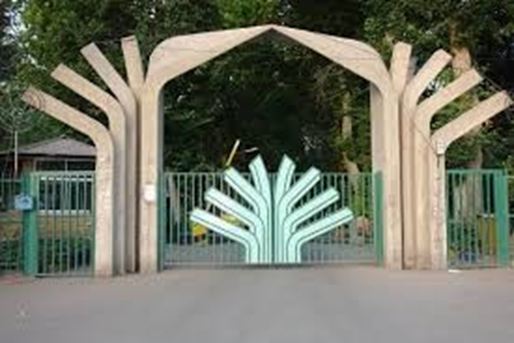
Karaj Sugar Applied Science and Technology Center: Bridging Skills-Based Education, Industry, and Entrepreneurship to Meet the Needs of the Country’s Industries
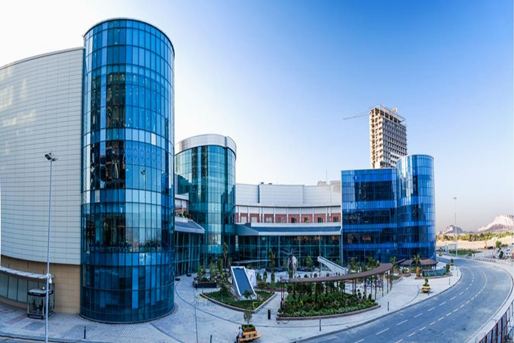
Isfahan City Center Comprehensive Center for Applied Science and Technology: A Modern Institution for Skills-Based Higher Education, Adopting a Practical Approach Aligned with Labor Market Standards.
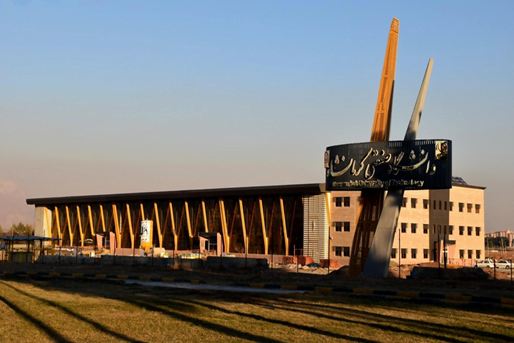
Kermanshah University of Technology aims to train specialized professionals, meet the needs of industries in Kermanshah Province and western Iran, and advance the development of modern technologies across various industries.
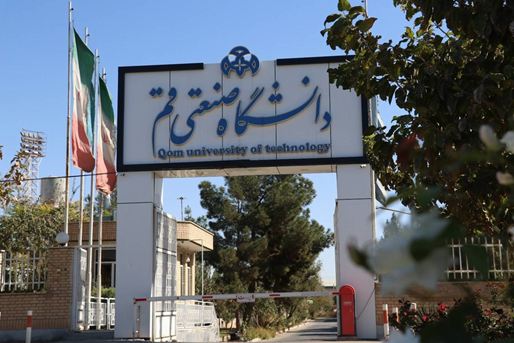
Qom University of Technology: A University Focused on Engineering and Technology Education, Fostering an Innovative Environment for Training Professional Engineers
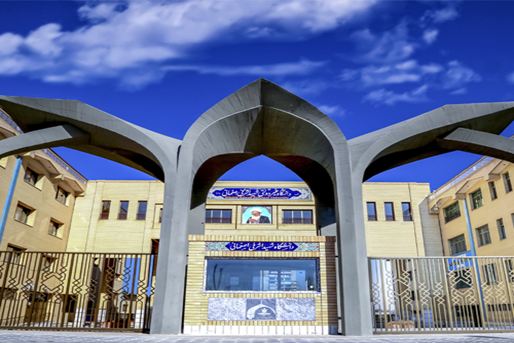
Shahid Ashrafi Esfahani Non-Profit University: Providing Quality Education, Advancing Academic and Research Activities, Enhancing Society’s Cultural Standards, and Educating Competent Graduates
Latest Events of Islamic culture & relations organization of Iran
Latest News Of Islamic Culture And Communication Organization
Bringing People and cultures Closer Together