
Anthropology Museum of South of Sahand
The Anthropology Museum of South of Sahand, which was the first of its kind in the East Azarbaijan Province of Iran displays various aspects of the life of the people of the region in 12 sections.
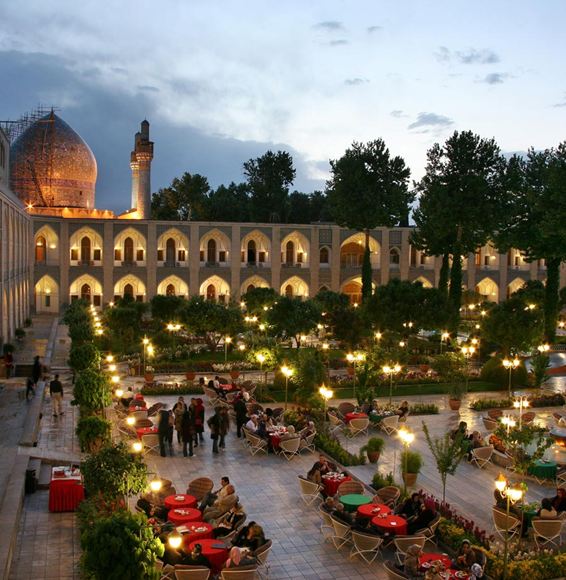
Tilework, arabesque motifs, and turquoise domes: a tangible expression of Iranian beauty and wisdom.
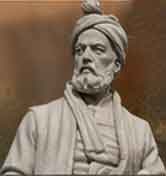
Creator of the Shahnameh and guardian of Persian language and identity.
View Special Programs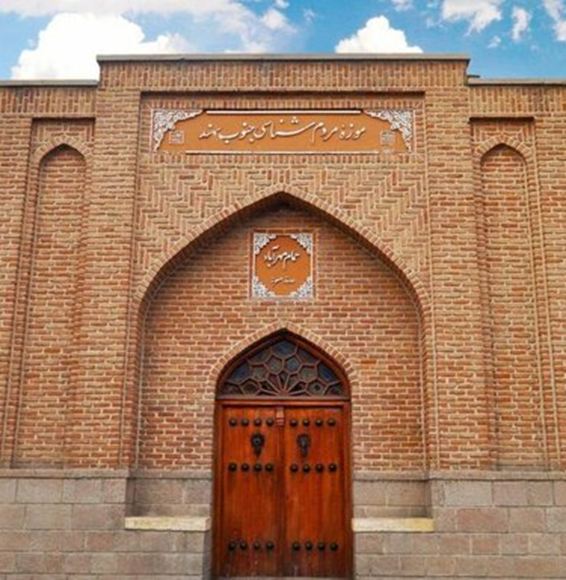
Related Content
Learn More About Iranian Art

Artists implement the most beautiful patterns and designs in their tapestry paintings in an attractive and eye-catching way.

Although the fundamental structure of Kilim weaving is similar across the country, its designs and practical uses vary extensively according to local Iranian cultures and geographies

Knife making is one of the famous handicrafts of the historical city of Mehriz in Yazd Province and its products used to be sent all over Iran.
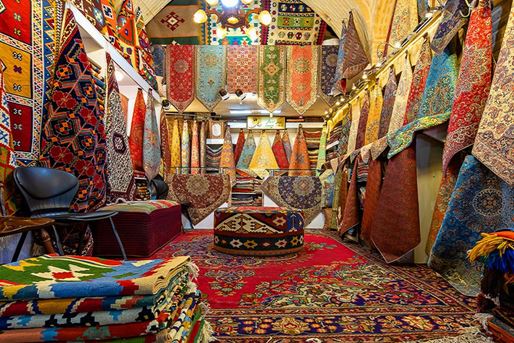
Iranian art is part of its cultural and civilizational identity and it has attracted the attention of many art-loving people of the world.

Monabbat-kari (wood-carving) is a genuine Iranian art and craft, which is practiced by different artists in different cities and the Monabbat artifacts of Abadeh have gained global fame.
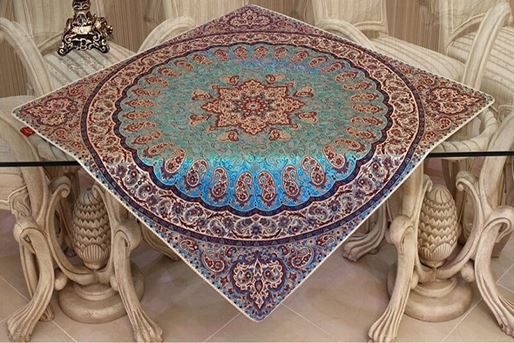
Yazd City is the main center of the old arts of cashmere weaving, producing very beautiful and eye-catching cashmere: an Iranian souvenir.
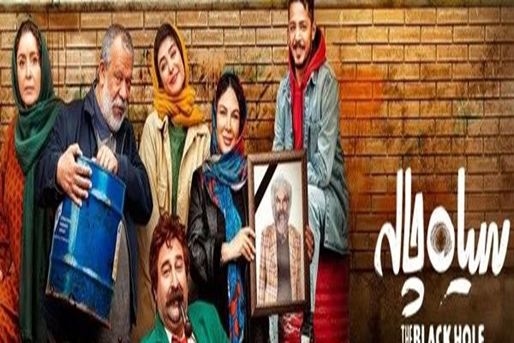
The serial “The Black Hole” depicts the life story of a man named Jamshid, who, at the age of 60, is unemployed and lives in a rented house. While being forced to go to his father’s house outside the city, he learns about an incident that…
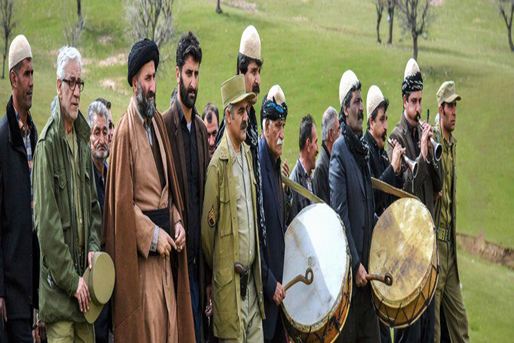
Does Jahanbakhsh Keramat’s secret reveal? This secret will dishevel the sleep of Chista, Mahrou, Goudarz, Bahram, Jahangir, and Major Poshias. Jahanbakhsh goes on a long trip to prove his innocence and to bring calm back. A trip at its end changes the life of a lot of them.

Having extraordinary intelligence in solving difficult riddles, Farid tries to solve people’s problems with the help of Khawaja Ahmed and his teacher. The series throws light on various moral, educational, and humanitarian issues, as well as dealing with oppression and helping the oppressed.
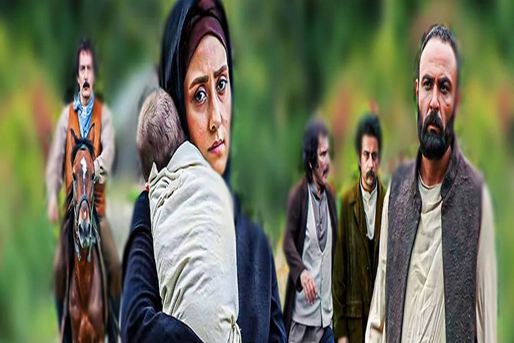
In order to escape poverty, Yarmohammad goes to northern Iran along with his pregnant wife and joins his old friend, Mirvali, to pursue a fishing career. Unaware that the fishing in that area is dominated by a thug named Torab, he goes to the sea and withstands Torab. Yarmohammad’s wife, who has just given birth to their child dies in an earthquake. A young widow by the name of Varesh, who has also just given birth to a child and whom Torab has been dreaming of marrying for years, falls in love with Yarmohammad when she sees his bravery. On the insistence of Mirvali and his wife, Yarmohammad marries Varesh, and the furious Torab plots to get rid of Yarmohammad

The story of a family of eight Bakhtiari (an Iranian tribe) nomads currently living in Dezful (a city in the Khuzestan Province of Iran). This family is self-taught in modern painting in different styles and hopes to hold an exhibition in the best galleries of Iran.

This animation series depicts some epics of Ferdowsi’s Shahnameh with the help of Iranian orchestral music and without any dialogue. The white ogre attacks the city and kidnaps the king, and “Rostam” is determined to find the king and bring him back.

This palace was by the order of Gholamreza Khan, the governor of Ilam in the year 1908 CE on a plot of land with an area of 810 square meters with an infrastructure of about 337 square meters within the orchards of Ilam city.
.jpg)
Roots of the word minaret: A tower that was built for surveillance or to convey the news by lighting a fire as a sign of victory. Minarets were and are also built for the purpose of reciting the call to prayer and it is for this reason that the other name of the minaret is the muazzanih (lit. place of saying “Azan” or the call to prayer).
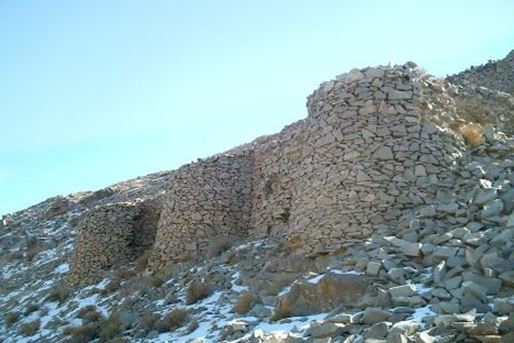
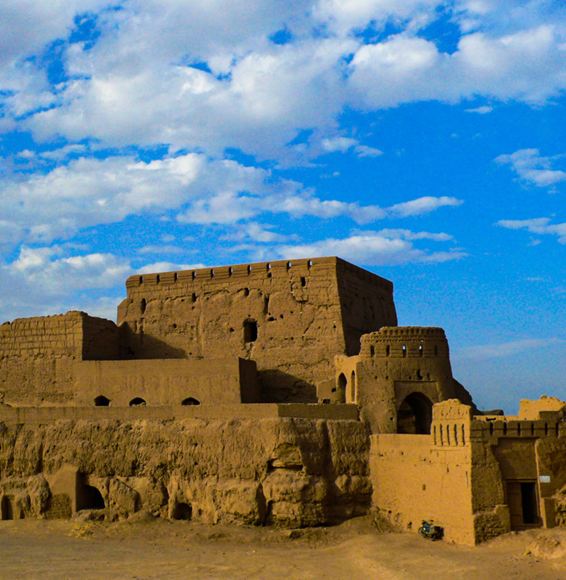
The Rostam Khusf fortress is located in the village of Ganj, in the town of Khusf (Southern Khorāsān region) and is among the main fortresses of the Ishmaites of Gahestān whose original construction dates back to the Sasanian era and was later rebuilt and used again.
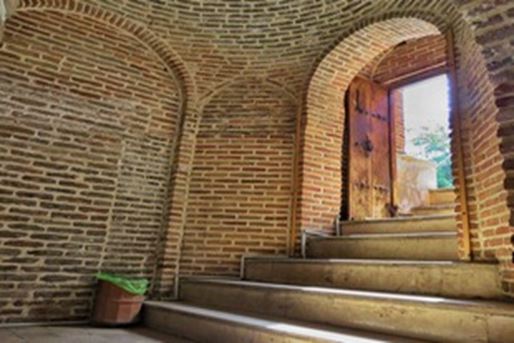
What comes to mind when you hear the word bathhouse? Most likely, you imagine a tiled room with warm water, steam, and soap. Yet the traditional bathhouses of Iran were something far more profound. They were not merely places for cleansing the body, but social institutions with unwritten rules, sophisticated architecture, and customs that accompanied people throughout every stage of life—from childhood to old age. Visiting the bathhouse was not an occasional leisure activity, it was an integral part of the rhythm of weekly life.
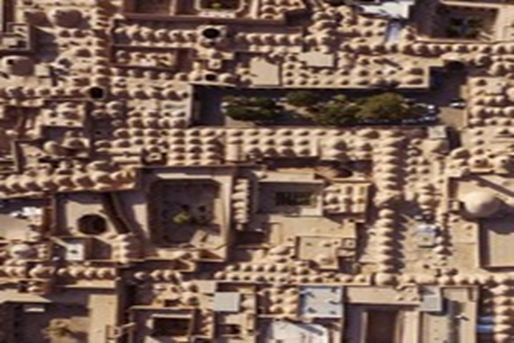
If you look at an Iranian city from above, it looks almost like a living organism. Not like modern cities, with their grid-like streets and orderly towers. The old cities of Iran are winding and intricate, with crooked alleys and a dense, interconnected urban fabric. From above, all you see are flat rooftops, domes, windcatchers, and minarets. But once you enter on foot, you begin to understand that this complexity is not accidental. Every alley, every dead end, every little square had a place in the lives of the people who lived there.
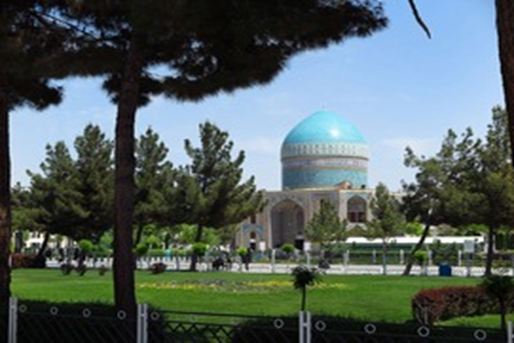
English Copy What makes the Mausoleum of Khajeh Rabi a garden mausoleum is the expansive, verdant garden that surrounds it. With its ancient plane trees, pines, and cypresses, flowing streams, and water pools, the garden offers a peaceful and spiritual setting for pilgrims and visitors. Visitors can stroll through the garden, sit on its stone platforms, and enjoy the tranquility and beauty of the surroundings. Give feedback

The image of Islam and human rights from the perspective of Islam that has been portrayed in the minds of the world’s people through the media has many flaws.

Modernity has distracted man from spirituality and caused him to become alienated. Therefore, another path must be taken...
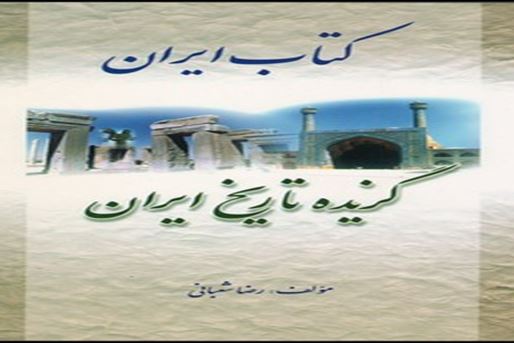
The contemporary history of Iran has many ups and downs, and Al-Montakhab min Tarikh Iran (The Selection from the History of Iran) is an attempt to provide an overview of these ups and downs.
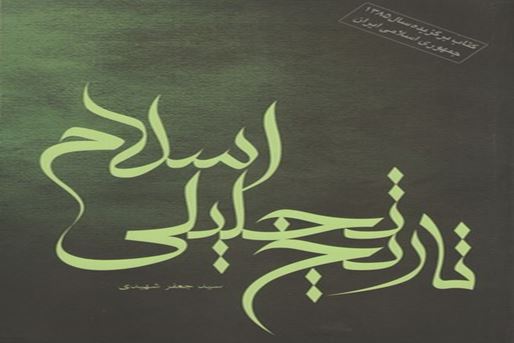
History is a subject in whose analysis impartiality comes first, a perspective that has been well implemented in Analytical History of Islam.

Endowment Deeds of Rab’-e Rashidi is a 700-year-old document (book) consisting of an extensive list of endowments and how the income from them was spent to support scientific activities.
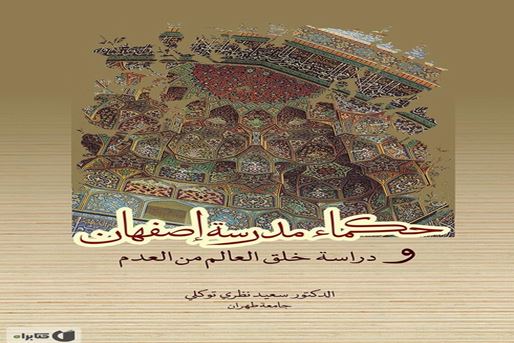
The book Sages of the Isfahan School and a Study of the Creation of the World ex Nihilo is one of Dr. Nazari Tavakkoli’s well known books.

Bakhtiari folk music is the manifestation of Bakhtiari culture and the one played to welcome the spring and Nowruz is full of joy and delight.

The most important manifestation of music in the culture of the people of Yazd is reciting elegies in the mourning programs of the month of Muharram

Radif (lit. order) in Iranian music is its identity: an identity that because of its importance, has been inscribed on the UNESCO List of World’s Intangible Heritage
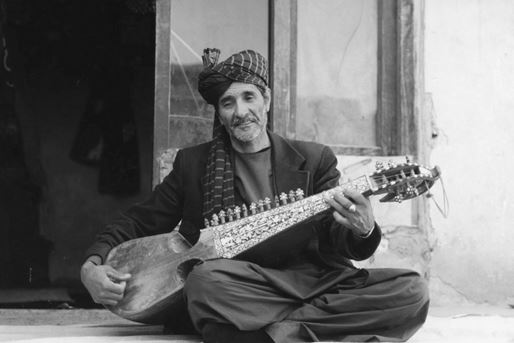
In ancient Persian literary works, there are many references to an instrument called “Robab”, which seems to have been a favorite of Persian literary personalities.

Words are incapable of describing Shajarian’s Rabbana. One has to listen to it and hear it in order to fathom the depth of its spirituality!

The history of Daf goes back to ancient times when it was played in old Persia, different parts of Asia & North Africa
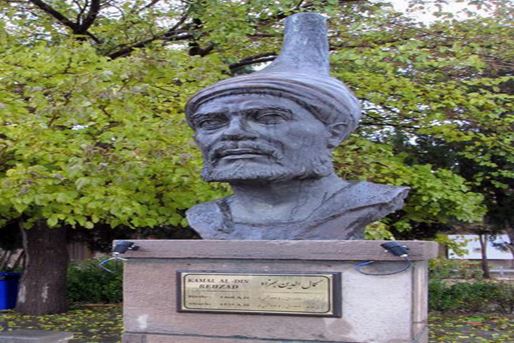
Kamal-ud-Din Behzad was a renowned and highly skilled Iranian painter who opened a new path in the realm of Persian miniature painting and left a profound and widespread influence on the work of later artists in Iran, India, Turkey, and Central Asia.

Photography is one of the various branches of visual arts and is the art of creating lasting images through light or other forms of electromagnetic radiation on light-sensitive materials.
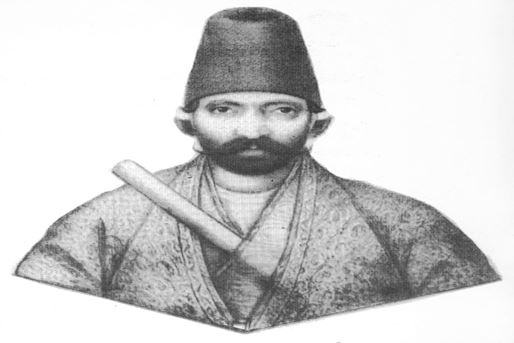
“Abu al-Hasan Ghaffari, known as Sanīʿ al-Molk, is considered one of the foremost painters and miniaturists in Iranian history. His primary expertise lay in realistic portraiture, and he possessed both a creative imagination and a deft hand for depicting real-life events and scenes, leaving behind a legacy of distinguished and enduring works in Iranian visual arts.

Seyed Mohammad Ehsai is a renowned and accomplished figure in contemporary Iranian visual arts and is regarded as one of the pioneers of Naqqashi-Khat (calligraphic painting) in the country. Through his distinctive body of work in this field, he has gained international recognition and acclaim among art enthusiasts. One of the main reasons for Ehsai’s prominence lies in his pivotal role in establishing calligraphic painting in Iran. He was among the first artists to employ letters as a medium for personal artistic expression.
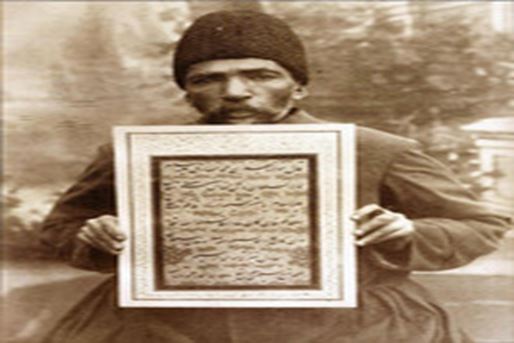
Mirza Mohammad Reza Kalhor was a renowned and skilled calligrapher of the Qajar era, recognized among the prominent Nastaliq masters in the history of Iranian visual arts. Through his innate talent and creativity, he succeeded in establishing a fresh, distinctive, and enduring style in Nastaliq calligraph.
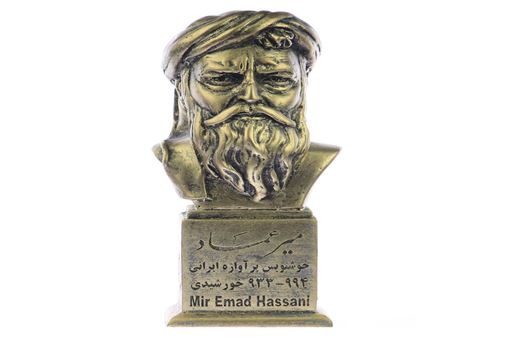
Mir Emad Hassani Seifi Qazvini was one of the most celebrated calligraphers in the history of Iranian art during the Safavid era, whose fame extended far beyond the borders of Iran. Through his exceptional mastery and artistic brilliance, he elevated the Nastaʿlīq script to such perfection that many scholars of Islamic calligraphy came to describe it as the bride of calligraphic scripts.
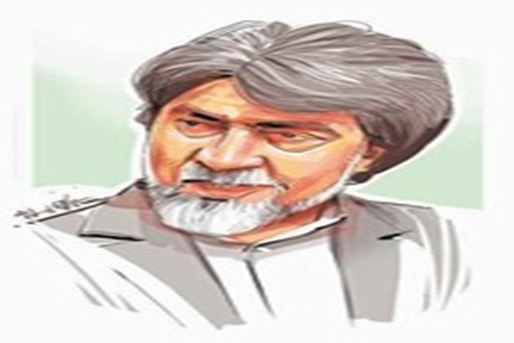
Qeysar Aminpour is one of the most influential poets of the post-Iranian Revolution period. He has written poems about Iran-Iraq War, as well as poems in classic and modern style. Some believe that he shifted from poems about the war to poems about love, and others know him to be the greatest poet of Iranian Revolution.
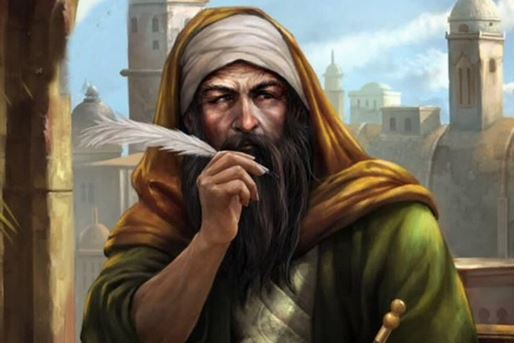
Being a great personality, many stories have been told about Attar Neyshaburi’s life.
Abu Rayhan Mohammad bin Ahmad Biruni, popularly known as Al-Biruni is a renowned Iranian scholar, scientist, mathematician, astronomer, chronologist, anthropologist, Indologist, and natural scientist who was born on 5 September 973 CE in an area near Khwarazm and for this reason, he came to be known as Al-Biruni, meaning someone belonging to outside Khwarazm.
Ali Akbar Dehkhoda, a great Iranian literary personality, journalist, satirist, member of the National Assembly, university professor, linguist, lexicographer, and poet - who has come to be widely known for his masterpiece “Persian to Persian Dictionary”, was born in Tehran on February 24, 1880.
a famous Iranian wrestler was born in a moderate and religious family in the Khaniabad neighborhood of Tehran on August 27, 1930.

Jalal al-Din Mohammad Balkhi, popularly known as Mawlawi, Mawlana, and Rumi, and one of the most famous Iranian poets, was born in the city of Balkh of the Greater Khorasan in September 1207 CE. His full name was “Mohammad ibn Mohammad ibn Hossein Hosseini Khatibi Bakri Balkhi” and during his lifetime he was called “Jalal al-Din”, “Khodawandegar” and "Mawlana Khodawandegar”.

Faragheh is one of the green villages of Abarkuh County, which is famous for its rituals performed on the day of Eid al-Ghadir.

Yarun is an ancient custom the people of Aqda City perform to mourn the martyrdom of Imam Husayn (AS) and his faithful companions.
_1.jpg)
Yalda Night or Chelleh Night is one of the oldest Iranian festivals. In this celebration, the passing of the longest night of the year and the subsequent lengthening of days in the Northern Hemisphere, which coincides with the winter solstice, are celebrated.

Nakhl Gardani (also called Khal Bardari) is a symbolic ritual performed by the people of Yazd to commemorate Imam Husain’s (AS) martyrdom on the Day of Ashura and although this ritual is performed in several central regions of Iran, Yazd is considered its origin.
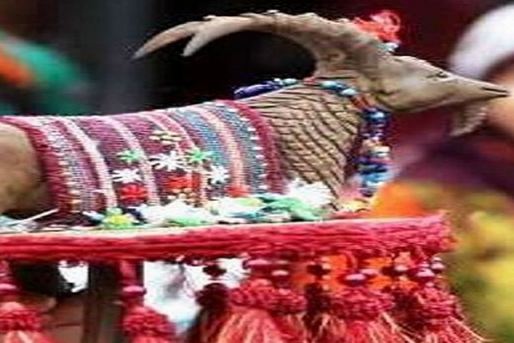
Nowruz is the ancient festivity of Iranians during which special customs are observed for celebrating it in different parts of Iran. Takam Gardani is a folklore custom that the people of Iran’s Azarbaijan perform to welcome Nowruz.
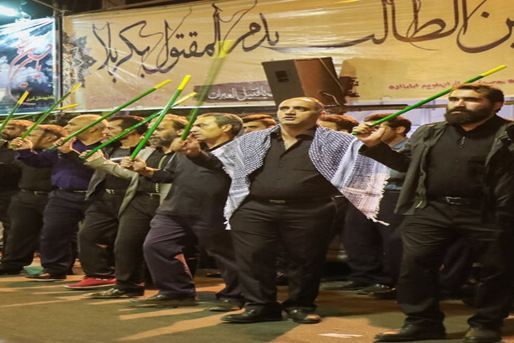
Maragheh is an ancient city in northwestern Iran where special ceremonies are held to commemorate Muharram.
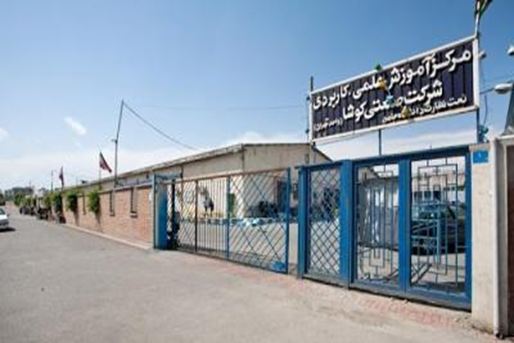
Kousha University of Applied Science and Technology: A higher education institution dedicated to enhancing students’ scientific and technical knowledge and equipping them with the skills needed to undertake practical and industrial projects.
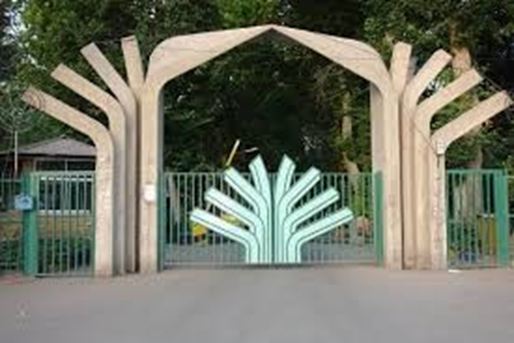
Karaj Sugar Applied Science and Technology Center: Bridging Skills-Based Education, Industry, and Entrepreneurship to Meet the Needs of the Country’s Industries
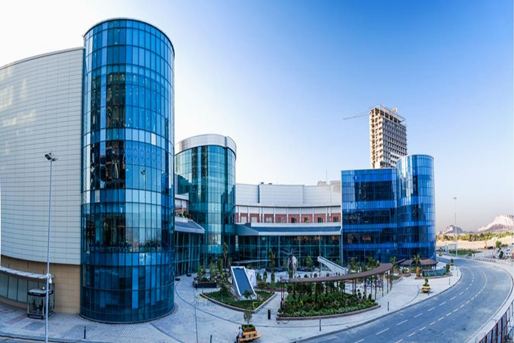
Isfahan City Center Comprehensive Center for Applied Science and Technology: A Modern Institution for Skills-Based Higher Education, Adopting a Practical Approach Aligned with Labor Market Standards.
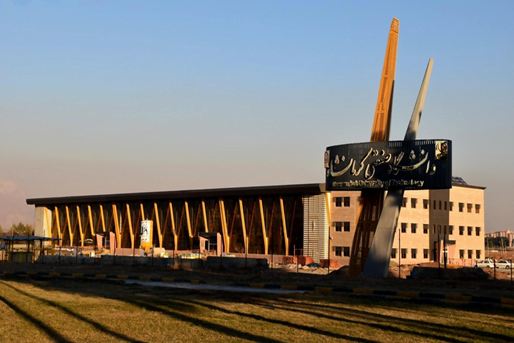
Kermanshah University of Technology aims to train specialized professionals, meet the needs of industries in Kermanshah Province and western Iran, and advance the development of modern technologies across various industries.
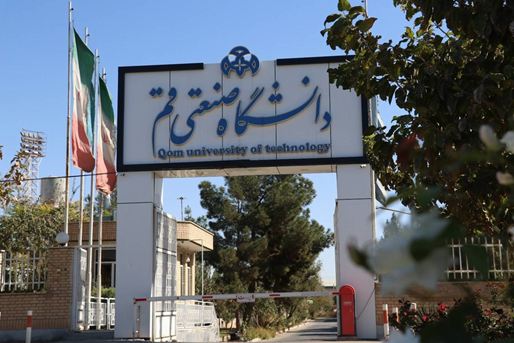
Qom University of Technology: A University Focused on Engineering and Technology Education, Fostering an Innovative Environment for Training Professional Engineers
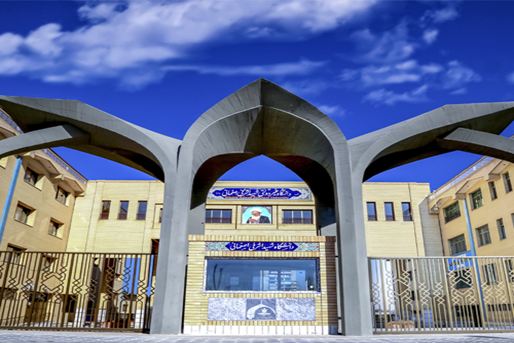
Shahid Ashrafi Esfahani Non-Profit University: Providing Quality Education, Advancing Academic and Research Activities, Enhancing Society’s Cultural Standards, and Educating Competent Graduates
Latest Events of Islamic culture & relations organization of Iran
Latest News Of Islamic Culture And Communication Organization
Bringing People and cultures Closer Together