
Anthropology Museum of South of Sahand
The Anthropology Museum of South of Sahand, which was the first of its kind in the East Azarbaijan Province of Iran displays various aspects of the life of the people of the region in 12 sections.
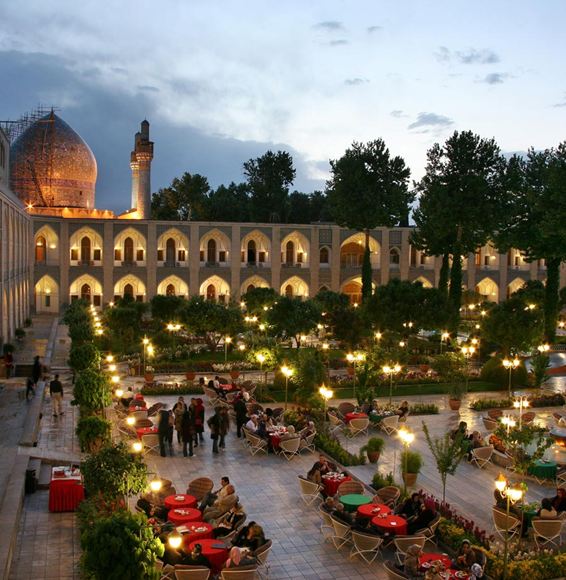
Tilework, arabesque motifs, and turquoise domes: a tangible expression of Iranian beauty and wisdom.
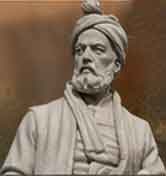
Creator of the Shahnameh and guardian of Persian language and identity.
View Special Programs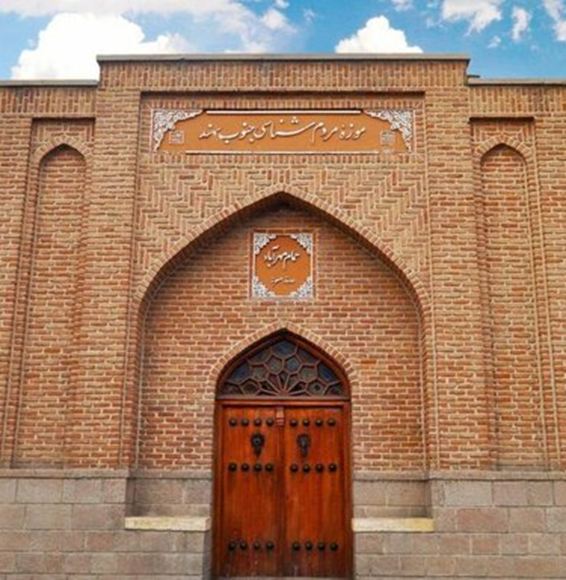
Related Content
Learn More About Iranian Art

Sundbafi weaving is a type of mat made from date palm fibers, it is an art in which no industrial tools are used.

Giveh, which the Kurds call “Kalash” in their local language, is one of the main parts of Kurdish men’s clothing. Although Kurds usually wear white Kalash, this local shoe is also produced in blue and red colors.

Carpet weaving is one of Iran’s handcrafts, and having special designs and patterns Fars carpet has carved a niche for itself.

One of the factors that made Noskhe-pardazi (the art of beautifying books) grow in Iran significantly is the background of this land with regard to science.

Koozehkonan pottery artists engage in making pottery with the skills they have learned from their earlier generations.
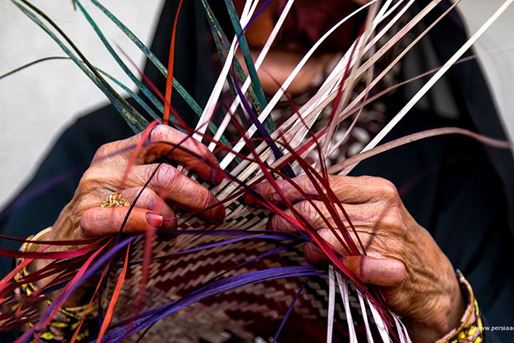
Wicker is the art and craft of weaving used to make such products as baskets, mats, etc. by using the most basic equipment
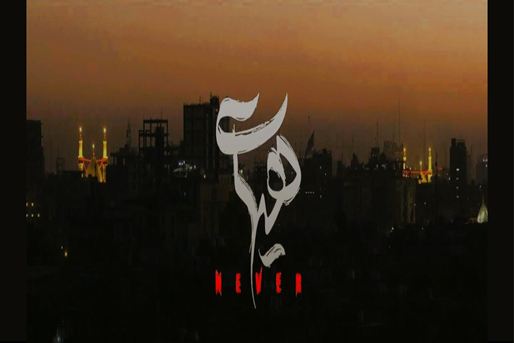
This four-episode film tries to show the four aspects of contemporary people’s relationship with the Ashuraei culture including “Demonstrating the passion of pilgrimage and appeal”, “Sense of self-respect and human zeal by following Imam Husayn”, “The importance and influence of Hazrat Zainab’s sermon”, and “The confrontation of combatants with ISIS”.
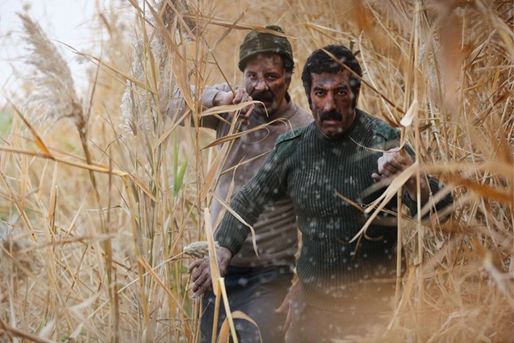
Towards the end of the war imposed by Iraq against Iran, i.e. in 1988, an Iranian POW decides to escape from the camp. He introduces himself as an underwater welding expert, which makes two other Iranian POWs get close to him to make him escape. While it was almost impossible to escape from this camp, three Iranian POWs would be executed for every person who managed to escape. However, because of his skill, “Number 10” was able to open the way for escape.
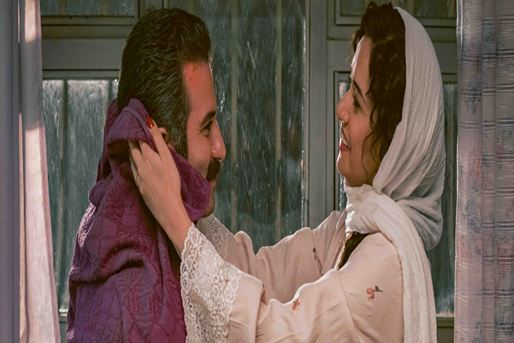
Parvaneh's father is in prison and he communicates with his daughter through the phone of Farhad, one of his inmates. After some time, Farhad and Parvaneh become interested in each other and this is the beginning of their meetings and the beginning of their problems

This animation depicts the life of several animals in a green forest who get together to solve their problems and protect themselves from predators that occasionally invade their habitat. The adventures that these animals go through instill valuable lessons and concepts such as respect for others, honesty, cooperation, and environmental protection.
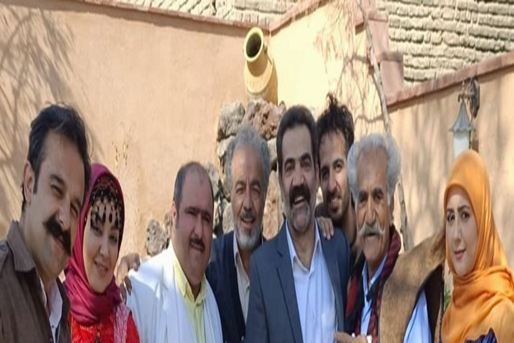
This thrilling four-season series follows the story of Noureddin Khanzadeh, who owns a workshop for processing sunflower seeds. When the person he sells the seeds to passes away, the farmers try to extort money from Noureddin for their products. Season two starts with a devastating earthquake that forces the villagers to flee to the desert, where new events unfold. Season three begins with Noureddin’s daughter’s wedding, but the groom mysteriously disappears, and Noureddin’s brother-in-law discovers a gold mine. In season four, villagers’ cows and sheep are attacked by wolves, and the elders of the village suggest hunting them down, which leads to fascinating adventures and resolving old differences between the two villages. This gripping TV series is a must-see show for anyone who is too keen to find out about life in rural Iran.

Bahador and Sorkhou the heads of the “Pazand” and “Daroun” tribes have been in conflict for years. When Sorkhou asks for Bahador’s young and beautiful daughter’s hand in marriage, old wounds are reignited, and tensions between the two tribes escalate. Jahan Passand, Bahador's daughter, is already engaged to her cousin, and her father strongly rejects Sorkhou’s proposal. The serial explores such themes as tradition, loyalty, rivalry, and sacrifice and how both tribes support their leader eventually resulting in bigger conflicts.
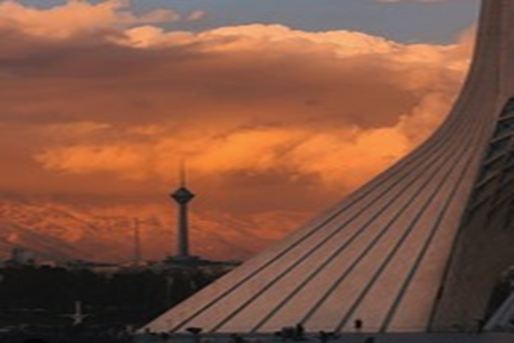
Milad Tower has created a multifunctional urban landmark by combining high-rise structural engineering suited to earthquake-prone regions with modern technology and Iranian identity. The tower demonstrates how telecommunications infrastructure can be transformed into a vibrant public space and a major tourist attraction. As a symbol of modern Tehran, Milad Tower shines over the capital at night with its colorful illumination.
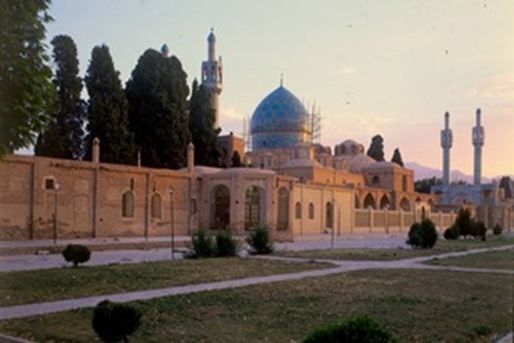
This multifunctionality is one of the defining characteristics of Iranian funerary gardens. Unlike many Western mausoleums, which often function primarily as memorial structures, Iranian garden-tombs have traditionally been living and dynamic spaces for community, education, worship, and everyday life. The Mausoleum of Shah Nematollah Vali, through the integration of these functions, suggests that in Iranian culture, death is not necessarily conceived as a tragic ending separate from life, but as part of the broader fabric of everyday and spiritual existence.
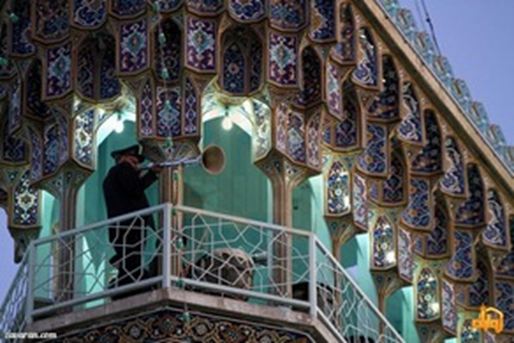
The holy shrine of Imam Reza, an exceptional masterpiece of Iranian-Islamic architecture, covers an area of more than one million square meters, making it one of the largest and most magnificent religious complexes in the world. Over the course of twelve centuries, it has undergone successive phases of construction, destruction, restoration, and expansion. This vast complex is a living embodiment of art, architecture, history, and spirituality, with every corner telling a story of faith, artistic vision, and the ingenuity of Iranian artists and architects. Today, it welcomes tens of millions of pilgrims from around the world each year.
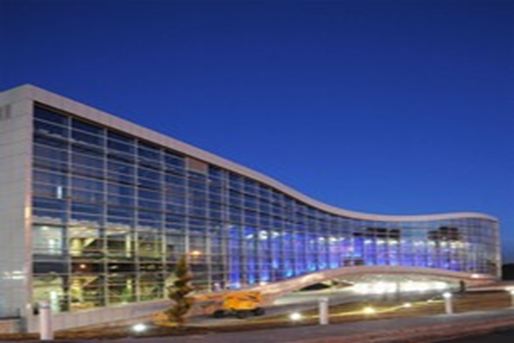
What sets Mellat Cinema Complex apart from other cinemas in Iran and many cinema complexes across the region is its distinctive, iconic, and distinctly cinematic architectural design. Inspired by the concepts of movement and fluidity, the building’s dynamic form seems to tell a story of its own, much like a film, inviting visitors to step inside and become part of the experience.
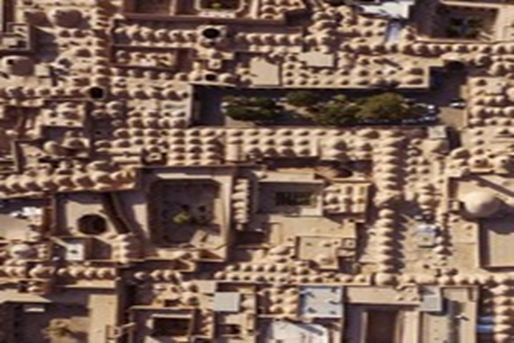
If you look at an Iranian city from above, it looks almost like a living organism. Not like modern cities, with their grid-like streets and orderly towers. The old cities of Iran are winding and intricate, with crooked alleys and a dense, interconnected urban fabric. From above, all you see are flat rooftops, domes, windcatchers, and minarets. But once you enter on foot, you begin to understand that this complexity is not accidental. Every alley, every dead end, every little square had a place in the lives of the people who lived there.
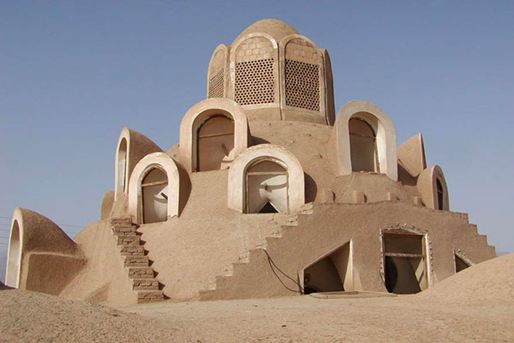
Its romantic origin story reminds us that some of the greatest architectural masterpieces are born not merely from power and wealth, but from love, healthy rivalry, and deeply human motivations. With all its grandeur, symmetry, and refinement, Borujerdi House stands as a symbol of how architecture can become a physical embodiment of love: love for the beloved, love for art, and love for creation.
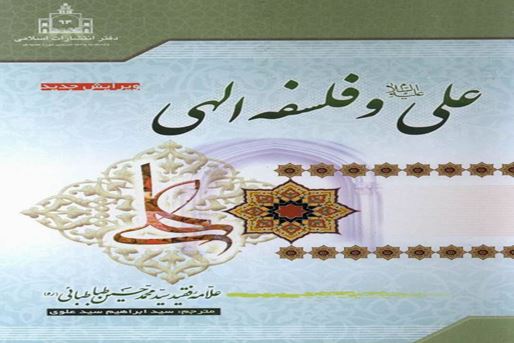
The book Ali (as) and Divine Philosophy attempts to explain divine philosophy from the perspective of Imam Ali (as).

So far, many studies have been conducted on the rich Persian culture and literature, among which History of Persian Literature is one of the most prominent.
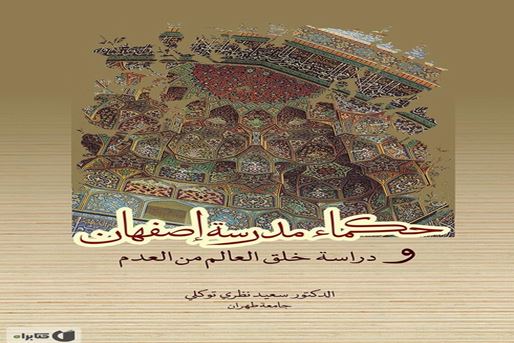
The book Sages of the Isfahan School and a Study of the Creation of the World ex Nihilo is one of Dr. Nazari Tavakkoli’s well known books.
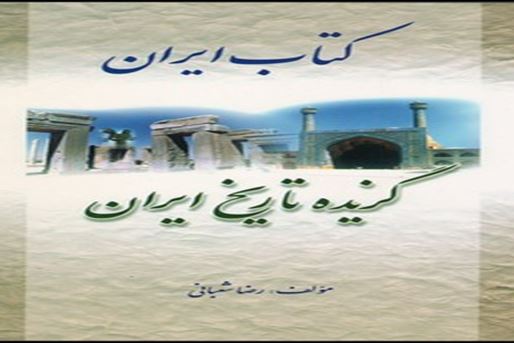
The contemporary history of Iran has many ups and downs, and Al-Montakhab min Tarikh Iran (The Selection from the History of Iran) is an attempt to provide an overview of these ups and downs.
.jpg)
Prominent Persian poet from Iran, famous for his prose in Gulistan and verse in Bustan.
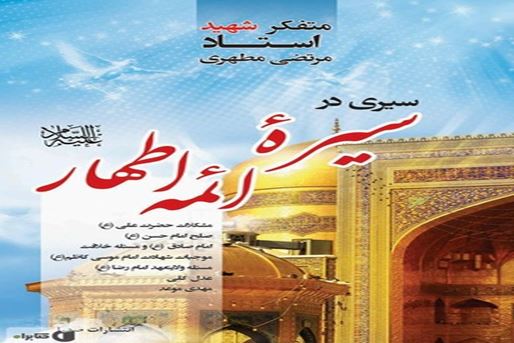
A study of the lives of the Imams examines the approach of the Imams (peace be upon them) in dealing with the issue of the caliphate and government.
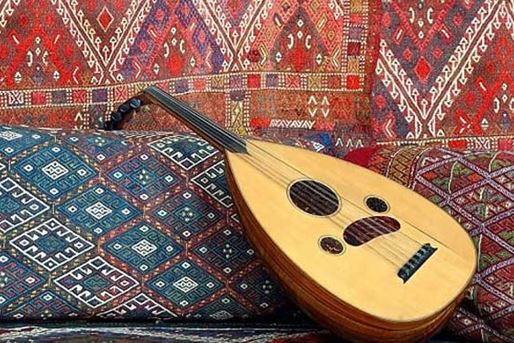
Barbat is an Iranian instrument that may seem to be the same as the Arabic oud to common people. However, the longevity of this instrument is much more than that of oud.
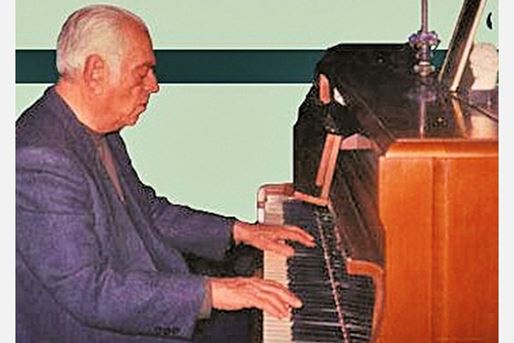
Javad Maroufi was a famous Iranian pianist who tried to introduce Iranian music to the world through his works.

The history of Daf goes back to ancient times when it was played in old Persia, different parts of Asia & North Africa

Tar (Persian: تار) is an Iranian[1][2][3][4] long-necked, waisted lute family instrument, used by many cultures and countries including Iran, Azerbaijan, Uzbekistan, Armenia, Georgia, Tajikistan ( Iranian Plateau) and others near the Caucasus and Central Asia regions.

Belur is a simple musical instrument playing which does not require much training and, therefore, it is very popular among the Lak people.

Ney or Nay is a woodwind Persian musical instrument

Ibn Muqla is considered one of the most influential figures in the illustrious realm of Iranian calligraphy. Through his unparalleled dedication and creativity, he was able to develop and perfect the six canonical scripts—Muḥaqqaq, Rayḥān, Thuluth, Naskh, Ruqʿah, and Tawqiʿ—thereby leaving a lasting legacy for this quintessentially Iranian-Islamic art.

Caricature is another branch of the visual arts that involves the exaggeration, distortion, and amplification of human, animal, or object features while maintaining a visually recognizable likeness.

Master Gholamhossein Amirkhani is considered one of the enduring figures of Iranian calligraphy in the Nasta‘liq style and the most renowned contemporary calligrapher, having played a significant role over the past forty years in the development and promotion of this authentic Iranian-Islamic art.

Mirza Gholamreza Esfahani, a renowned calligrapher of the Qajar era, is considered a distinguished figure in the history of Iranian calligraphy, having produced first-rate works in various scripts.

Seyed Mohammad Ehsai is a renowned and accomplished figure in contemporary Iranian visual arts and is regarded as one of the pioneers of Naqqashi-Khat (calligraphic painting) in the country. Through his distinctive body of work in this field, he has gained international recognition and acclaim among art enthusiasts. One of the main reasons for Ehsai’s prominence lies in his pivotal role in establishing calligraphic painting in Iran. He was among the first artists to employ letters as a medium for personal artistic expression.

Darvish ʿAbdolmajid Taleqani was the most prominent calligrapher of the Shekasteh-Nastaliq style in 12th-century Iran, and many calligraphy scholars consider him the greatest master in the history of this script.
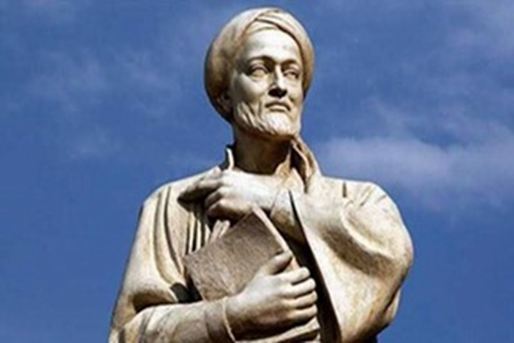
Abu Nasr Muhammad al-Farabi was one the earliest Islamic intellectuals who was instrumental in transmitting the doctrines of Plato and Aristotle to the Muslim world. He had a considerable influence on the later Islamic philosophers such as Avicenna.
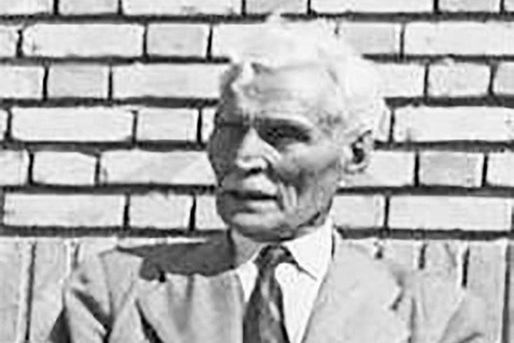
Jabbar Baghtcheban established the first Iranian kindergarten and school for deaf children in Iran.

Agha Bozorg Tehrani’s “Shia Bibliographic Encyclopedia” duly responds to an author’s remarks about the role of Shia in the history of Islam.
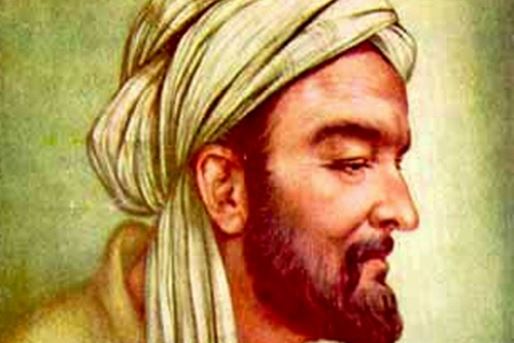
Zakariya al-Razi can be referred to as one of the most renowned physicians in the history of Iran in whose honor a number of laboratories, medical centers, and universities have been named “Razi”.

According to Ibn Khaldun, Nasir al-Din Tusi has been the greatest Iranian scientist of the post-Islamic era.

By writing the book “Asfar al-Arba’a”, Mulla Sadra changed Islamic philosophy.

The custom of singing religious poems in a loud and melodious voice in praise of the Prophet of Islam (pbuh) and his family in front of pilgrims in the course of their pilgrimage.

On the eve of the 15th day of the month of Sha’ban, the people of Ahmadabad of Ardakan welcome the grand Mid-Sha’ban festivity by giving sweets and gifts to their children.
_2_crop.jpg)
Golabgiri is an interesting ancient ceremony of Iran - as the birthplace of rosewater production in the world - dating back to about one thousand years ago.

Every year, tens of thousands of people attend the Shabih Khwani ceremony in Bakhshayesh City of East Azarbaijan.

Yarun is an ancient custom the people of Aqda City perform to mourn the martyrdom of Imam Husayn (AS) and his faithful companions.

Nakhl Gardani (also called Khal Bardari) is a symbolic ritual performed by the people of Yazd to commemorate Imam Husain’s (AS) martyrdom on the Day of Ashura and although this ritual is performed in several central regions of Iran, Yazd is considered its origin.
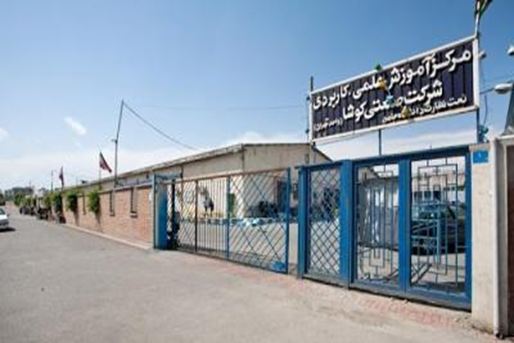
Kousha University of Applied Science and Technology: A higher education institution dedicated to enhancing students’ scientific and technical knowledge and equipping them with the skills needed to undertake practical and industrial projects.
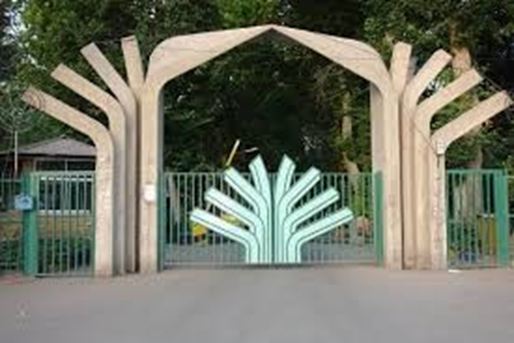
Karaj Sugar Applied Science and Technology Center: Bridging Skills-Based Education, Industry, and Entrepreneurship to Meet the Needs of the Country’s Industries
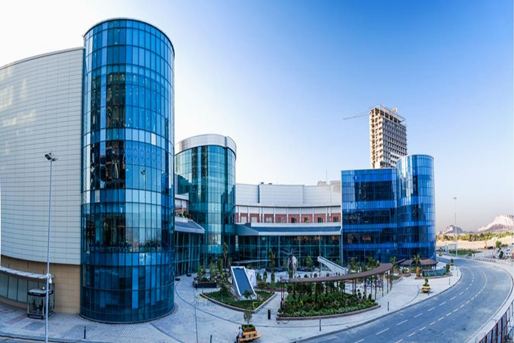
Isfahan City Center Comprehensive Center for Applied Science and Technology: A Modern Institution for Skills-Based Higher Education, Adopting a Practical Approach Aligned with Labor Market Standards.
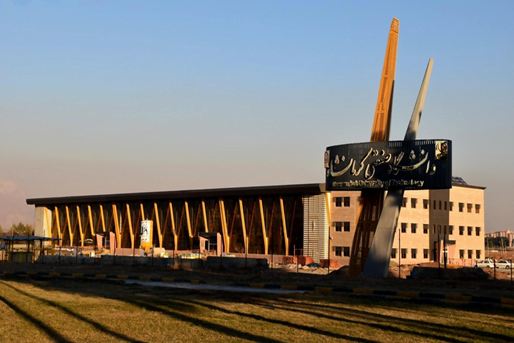
Kermanshah University of Technology aims to train specialized professionals, meet the needs of industries in Kermanshah Province and western Iran, and advance the development of modern technologies across various industries.
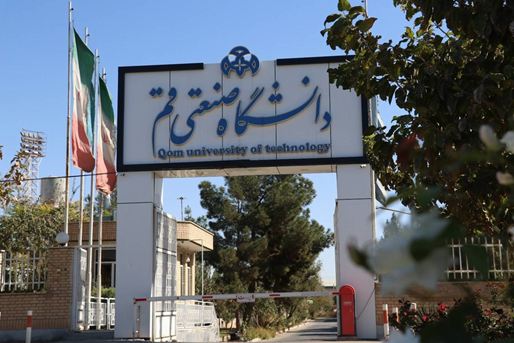
Qom University of Technology: A University Focused on Engineering and Technology Education, Fostering an Innovative Environment for Training Professional Engineers
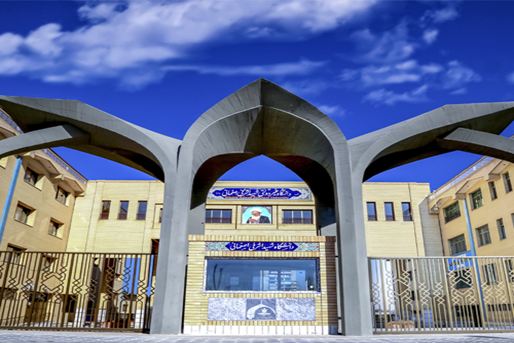
Shahid Ashrafi Esfahani Non-Profit University: Providing Quality Education, Advancing Academic and Research Activities, Enhancing Society’s Cultural Standards, and Educating Competent Graduates
Latest Events of Islamic culture & relations organization of Iran
Latest News Of Islamic Culture And Communication Organization
Bringing People and cultures Closer Together